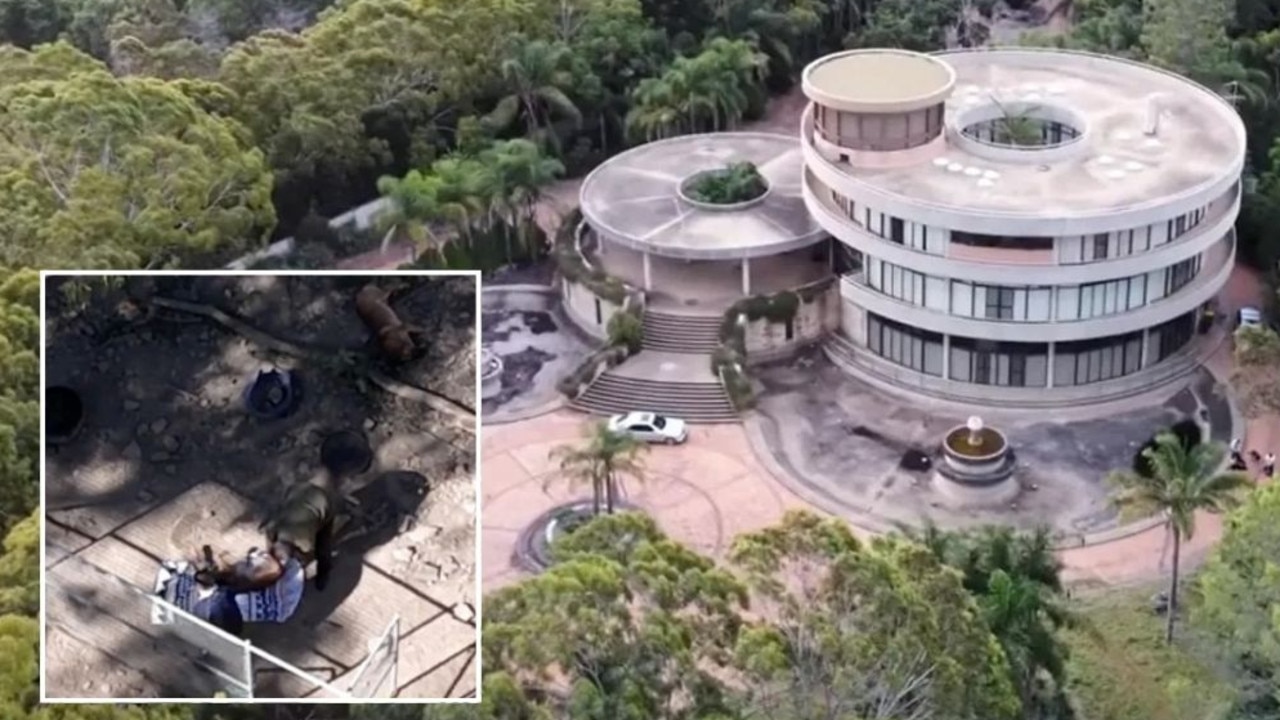
A grim discovery in southwest Sydney has launched a full police investigation after a 23-year-old man was found dead Wednesday near the famous Saturn’s Rings property in Eschol Park, with authorities confirming his death is suspected to be the result of a fatal dog attack. Local media reports indicate the young man may have lain dead at the site for as much as 24 hours before his body was located by passersby around midday.
作者: admin
-
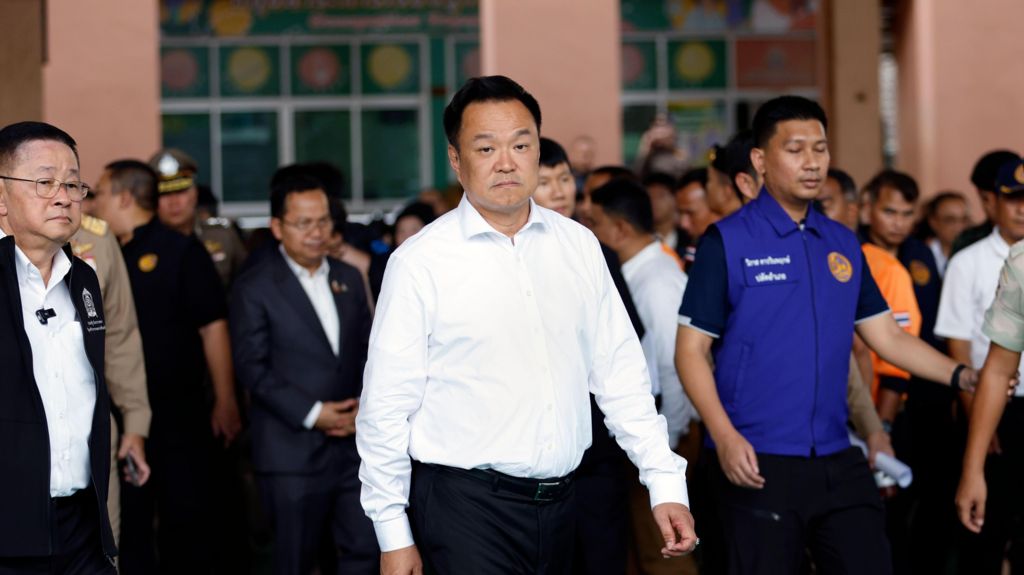
Thai PM vows to introduce stricter gun laws after eight killed in shooting
A devastating mass shooting carried out by a 14-year-old student near the Thai capital Bangkok has killed eight people and wounded 22 others, sparking urgent new calls for tougher gun regulation in a country long grappling with widespread civilian firearm ownership.
The tragedy unfolded on a Friday morning in August, starting at the two-story home the teenager shared with his 73-year-old grandfather and 74-year-old grandmother, whom he shot and killed around 5 a.m. local time. A single shot to the head killed each of his guardians, according to Thai law enforcement officials.
Rather than fleeing the scene, the teen smuggled the legally registered weapon — which belonged to his grandfather, alongside dozens of rounds of ammunition — onto a public school bus bound for his campus, Debsirin School in Nonthaburi, a satellite province bordering Bangkok. He attended his first scheduled class at 8:30 a.m. and joined his second session just under an hour later. Around 30 minutes into that second class, he pulled out the gun and opened fire.
Investigative accounts from police confirm the shooter first targeted teachers on the school’s sixth floor, killing three before moving down the main stairwell. There he encountered the school’s deputy director and the director’s secretary, who were ascending the stairs to respond to reports of gunfire. Both were shot and killed at the scene. By the time armed police officers surrounded the campus and located the attacker around 10:40 a.m., he had already taken his own life. Initial counts put five immediate deaths and 23 injuries, but an additional wounded victim later succumbed to their injuries, bringing the total death toll to eight.
Forensic analysis conducted by national police found the teen’s shots were surprisingly accurate, with many striking vital organs. Prime Minister Anutin Charnvirakul told reporters the attack was well-planned, with deliberate steps and clear premeditated targets. Searches of the teen’s personal electronic devices uncovered multiple videos of school shooting attacks in the United States, local Thai media has reported.
Family members told local outlets the teen, who lived with his grandparents following his parents’ divorce, had long been quiet and socially withdrawn, spending most of his time inside playing violent video games and rarely leaving the home. No family members reported noticing any warning signs that would have indicated he was planning a mass attack.
Founded in 1885, Debsirin School ranks among Thailand’s most prestigious secondary education institutions, with a network of campuses across the country and a alumni roster that includes some of Thailand’s most prominent public figures, from senior diplomats and professional athletes to multiple former prime ministers.
In the immediate aftermath of the tragedy, Prime Minister Anutin Charnvirakul announced plans to push through sweeping new gun control legislation that would drastically restrict public firearms carry. Under the proposed new rules, only on-duty government officials would be legally permitted to carry weapons in public spaces.
This is not Anutin’s first push for tighter gun rules: during his tenure as Thailand’s interior minister, he implemented several key gun control measures, including a temporary freeze on new firearms licenses and new restrictions on gun imports.
Thailand already has one of the highest rates of civilian gun ownership in Southeast Asia, with an estimated 10.3 million firearms held by private citizens. Roughly four million of these weapons are unregistered and held illegally. While the country already has formal laws on the books that impose penalties of up to 10 years imprisonment for illegal gun possession, consistent and effective enforcement of these regulations has long been a persistent gap in national policy.
Speaking publicly after the attack, Anutin expressed shock and sorrow over the unthinkable violence. “This tragedy shouldn’t have happened,” he said. “I don’t just feel sorry for the victims but I feel sorry that this happened. How can this happen in our country?”
Police investigations are still ongoing, with forensic teams continuing to comb the school campus for evidence and interview witnesses and family members to build a full picture of the attack and what motivated the teen’s actions.
-
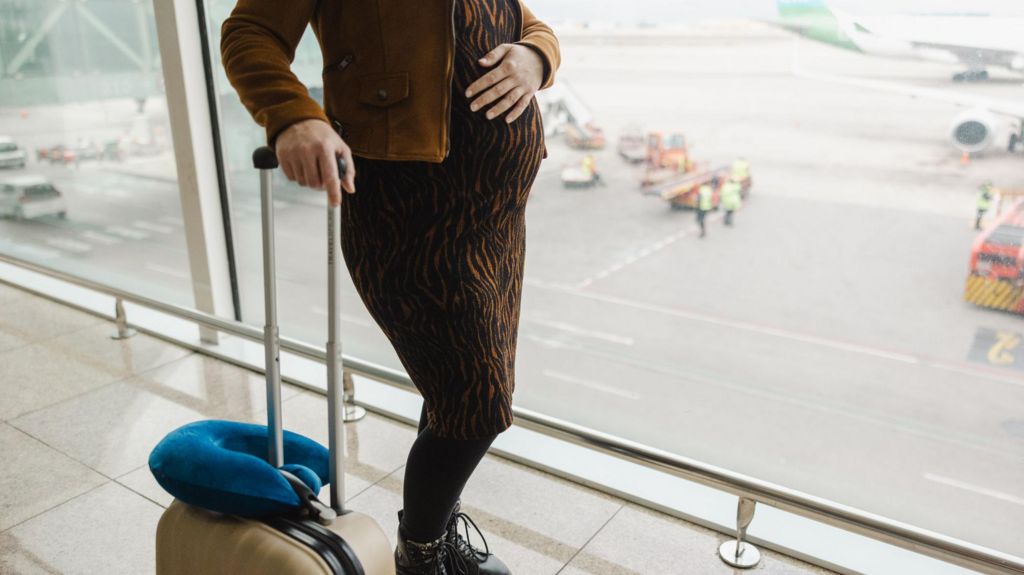
What is birthright citizenship and how prevalent is birth tourism in the US?
Four months after the U.S. Supreme Court struck down his first attempt to narrow access to U.S.-born citizenship, former President Donald Trump has rolled out a new pair of executive orders targeting what his administration calls “birth tourism” and expanding carve-outs to the longstanding principle of birthright citizenship. Signed during a formal White House ceremony on Thursday, the orders mark the latest high-profile push by the Trump administration to reshape U.S. immigration and nationality policy without congressional approval.
The first of the two orders expands the legal definition of non-citizen parents whose children born on U.S. soil are excluded from automatic birthright citizenship. Under the new framework, babies born in the U.S. to two non-citizen parents will be denied automatic citizenship if one parent falls into any of several specified categories: members of a designated foreign terrorist organization, foreign government officials, individuals who have previously sought U.S. immigration status through fraud, or residents of unincorporated U.S. territories where federal law does not grant birthright citizenship. While some of these categories were already excluded under longstanding rules, the new provision related to terrorist group membership has already sparked legal and policy ambiguity, according to Colleen Putzel-Kavanaugh, an associate policy analyst at the nonpartisan Migration Policy Institute (MPI). Putzel-Kavanaugh notes that the order fails to clarify critical procedural details: how terrorist affiliation will be verified, which government body will bear the responsibility of determination, and whether the burden of proof will rest with the government to confirm membership or the individual to disprove it.
The second executive order directly targets the practice of birth tourism — the process through which foreign nationals travel to the U.S. specifically to give birth, so their child can obtain U.S. citizenship by birth. The order directs the State Department and Department of Homeland Security to tighten existing regulations and ramp up enforcement efforts against the birth tourism industry, which the order argues relies on deceptive marketing to attract expecting parents. The order claims that industry operators frequently advertise guaranteed U.S. citizenship, access to public benefits, and specialized maternity accommodation, but often fail to deliver on these promised services. Notably, traveling to the U.S. for the explicit purpose of giving birth is already classified as a violation of immigration law.
Birthright citizenship, formally known as *jus soli* (the right of the soil), is codified in the 14th Amendment to the U.S. Constitution, ratified in the aftermath of the American Civil War to guarantee citizenship to formerly enslaved people born in the U.S. Under current longstanding interpretation, almost all individuals born on U.S. soil receive automatic citizenship regardless of their parents’ own citizenship or immigration status, with only a handful of narrow exceptions. These existing exceptions include children born to foreign diplomats on official assignment, children born to enemy occupying forces, and children born in unincorporated U.S. territories where Congress has not extended birthright citizenship. For example, people born in Puerto Rico, Guam, and the U.S. Virgin Islands receive automatic U.S. citizenship, while those born in American Samoa are classified as “non-citizen nationals” rather than full citizens.
In announcing the new orders, Trump claimed that “hundreds of thousands” of babies are born in the U.S. each year via birth tourism, offering no evidence to support the figure and no clarification on whether the number reflects an annual total or cumulative count. Official data from the U.S. Centers for Disease Control and Prevention (CDC) shows that just over 9,500 babies were born in 2024 to women listing foreign residential addresses, accounting for roughly 0.25% of the 3.7 million total births recorded in the U.S. that year. However, MPI analysts argue that official CDC figures are almost certainly an undercount, as birth tourism participants often use a temporary U.S. address to register the birth rather than their permanent foreign address. After a broader analysis of U.S. Census data, MPI estimates that between 20,000 and 26,000 babies are born annually in the U.S. as a result of birth tourism, equal to between 0.5% and 0.7% of total annual U.S. births. Putzel-Kavanaugh emphasized that exact counts are inherently difficult to capture, because birth tourism is defined by the traveler’s private intent to give birth in the U.S. — a detail that is rarely recorded in official administrative data. Some unplanned births also occur when traveling pregnant people experience unexpected medical emergencies that require delivery in the U.S. even if they originally planned to give birth in their home country, she added.
The Trump administration’s legal challenge to broad birthright citizenship reached the Supreme Court earlier this year, with oral arguments held in April. The administration’s case centered heavily on the argument that unconstrained birthright citizenship has allowed the birth tourism industry to grow, creating a cohort of U.S. citizens with no meaningful connection to the country. Solicitor General D. John Sauer argued during arguments that the 14th Amendment’s framers never intended for the provision to enable mass birth tourism, arguing that modern air travel has created a situation where “eight billion people are one plane ride away from having a child who’s a U.S. citizen.” When Chief Justice John Roberts asked whether Sauer agreed that birth tourism’s existence has no bearing on the legal interpretation of the 14th Amendment, Sauer countered that the practice proves the amendment carries unforeseen consequences that its authors would never have endorsed. The Supreme Court’s majority rejected the administration’s interpretation in June, with the majority’s reasoning summed up by Roberts’ remark: “Well, it’s a new world. It’s the same Constitution.”
Trump has repeatedly claimed that the U.S. is nearly unique among major nations in granting unrestricted birthright citizenship. In reality, more than 30 countries around the world practice automatic unrestricted *jus soli*, including most nations in Central and South America such as Brazil, Argentina, and Mexico. The U.S. and Canada are the only two IMF-classified developed economies that grant nearly unrestricted birthright citizenship; other major countries such as the United Kingdom and Australia use a modified system that only grants automatic birthright citizenship if at least one parent is a citizen or permanent resident.
-
Argentines pray that Pope Leo’s visit alleviates their economic stress
BUENOS AIRES, Argentina – It has been nearly four decades since a sitting pope last set foot in Argentina, and the recent announcement of Pope Leo XIV’s November trip to the South American nation has been greeted by many of the country’s Catholics as a source of divine comfort at a moment of crippling economic uncertainty. Millions of Argentines have already been pushed into unsustainable debt by years of financial turmoil, a crisis exacerbated by the austerity policies pushed by libertarian President Javier Milei since he took office in December 2023.
The Argentine Catholic Church has sounded repeated alarms over the rapid erosion of living standards for the country’s most marginalized communities, a direct outcome of Milei’s sharp government spending cuts. While the president’s policies have delivered tangible macroeconomic progress – bringing sky-high inflation down and shrinking the nation’s fiscal deficit – those gains have come at a steep social cost. Wages and pension payments have failed to keep pace with soaring prices, while basic costs from public transit and utility bills to rent and groceries have jumped sharply. For millions of households, taking on high-interest debt has become the only way to cover daily survival needs.
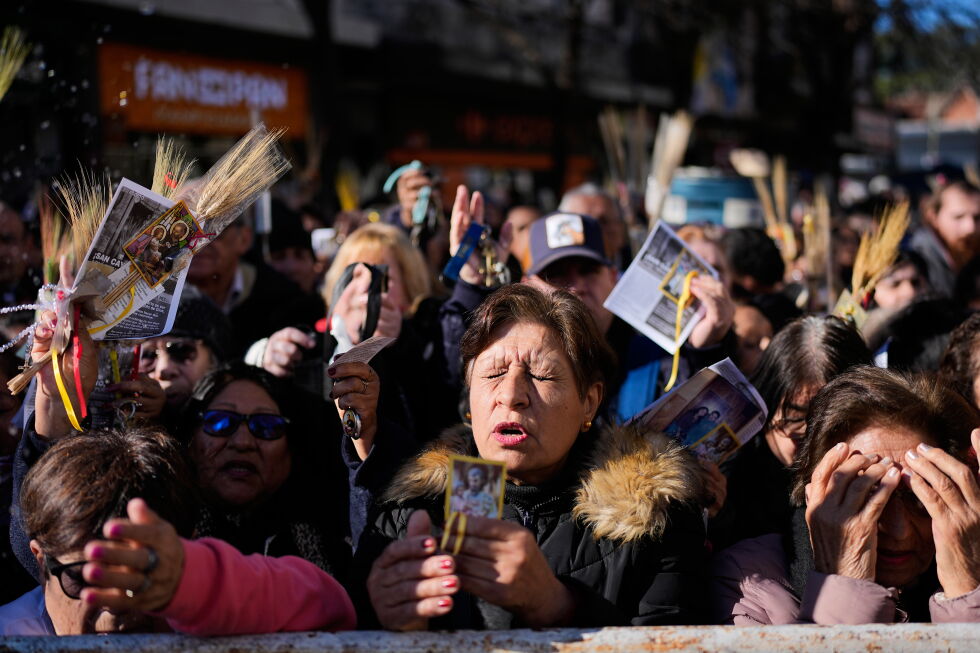
For faithful Catholics gathered at Buenos Aires’ iconic Parish of Saint Cajetan, the patron saint of work, the pope’s visit carries more than symbolic weight. “I hope the Pope comes to help the poor like me,” shared 70-year-old retiree María Ruíz Díaz, who made her annual pilgrimage to the parish on August 7 as she has done for years. Dozens of devotees waited patiently to enter the sanctuary, with many echoing her hope that the papal visit will draw global attention to Argentina’s crisis and shift public conversation. Sixty-year-old Santiago Olave put it simply: “The country is going through a difficult time; there are many brothers and sisters in need. The Pope can open hearts and minds.”
Milei has remained unapologetic in defending his austerity agenda, pushing back against growing criticism from church leaders and civil society groups. “I am not going to engage in populism,” he stated this week. “I am going to die with my boots on, doing what is right and doing what is proper. If you want populism, you have other alternatives.”
To coincide with the announcement of the papal visit, leaders at the Parish of Saint Cajetan installed a new cardboard display next to the venerated image of the patron saint. The cutout depicts Pope Leo XIV standing alongside a group that reflects Argentina’s current crisis: an elderly retiree, a disabled woman in a wheelchair, an unhoused man and a public school teacher. Underneath the image reads the inscription: “Saint Cajetan, here are your people.”
The figures represent the groups hit hardest by Milei’s budget cuts to public health, education and social support programs for vulnerable populations. Leading a public Mass on Friday, Archbishop of Buenos Aires Jorge García Cuerva used the moment to explicitly push back against the government’s policy framework. “Saint Cajetan, here are your people, who refuse to accept that work is a commodity and that one must have two or more jobs to make ends meet, or fall into the trap of loans that indebt and suffocate so many families,” he told the assembled congregation. Echoing the church’s longstanding commitment to social justice, he added: “With Pope Leo XIV, we say that economic freedom cannot be absolute and must always be measured in terms of the common good and the dignity of each person.”
Vatican officials have confirmed preliminary details of the papal tour, which will bring Pope Leo XIV to three South American nations: Argentina, Uruguay and Peru, from November 8 to 11. A full schedule of public and private activities has not yet been released to the public. During his time in Argentina, the pope will visit the national shrine of Our Lady of Lujan, the patron saint of Argentina, located in a western suburb of Buenos Aires, before traveling to the central province of Cordoba.
The last pope to visit Argentina was John Paul II, who traveled to the country in April 1987. Notably, former Pope Francis, who was born in Buenos Aires, never returned to his native country after being elected to the papacy in 2013. This upcoming tour carries extra personal significance for Pope Leo XIV: the first U.S-born pope holds deep, longstanding ties to the region, having spent decades working as a missionary and church leader in Peru, where he served as bishop of Chiclayo from 2015 to 2023 and holds formal citizenship.
-

Sophia Laforteza steps away from Katseye, the second member to depart this year
Global hit girl group Katseye is adjusting its upcoming schedule after lead vocalist Sophia Laforteza announced she will step away temporarily from all group activities to prioritize her mental health and wellness. The announcement marks the second temporary departure from the six-member ensemble in less than six months, following Manon Bannerman’s February 2026 hiatus that the 23-year-old Swiss singer has yet to end.
The joint label behind Katseye, HYBE x Geffen Records, confirmed the news in an official public statement released earlier this week. The label clarified that Laforteza, a Filipino-American performer who rose to fame as one of the group’s core vocalists, will not be able to participate in any upcoming promotional tours, live appearances, or public events during her break. “We understand how much EYEKONS, our dedicated fanbase, were looking forward to seeing Sophia on stage in the coming months, but it is absolutely critical that we put her mental health and long-term wellness above all else,” the statement read.
According to the label, Laforteza has been working closely with medical professionals and receiving full organizational support to address her mental health challenges. Clinical experts have advised her to take an extended period of rest and ongoing focused care to achieve a full recovery before returning to the demanding schedule of a global performing artist. Though Laforteza herself has expressed eagerness to rejoin her bandmates Yoonchae, Megan, Lara Raj, and Daniela for upcoming engagements, the label reaffirmed that artist health will always remain its top priority. Laforteza’s condition will be formally reassessed in September 2026 to determine when she can safely return to group activities.
In a personal message shared with fans via her official Instagram account, Laforteza opened up about the difficult decision to step back. “Making this choice wasn’t easy at all, but I’m learning that your health has to come first, no matter what,” she wrote. “I’m realizing that if I don’t take the time to care for my mind and body now, I won’t be able to keep doing what I love most for years to come.” The vocalist also thanked fans for their understanding and committed to working toward a full comeback. “This support you’ve given me means more to me than I could ever put into words,” she added. “I promise I’m going to work as hard as I can to get through this, heal properly, and come back stronger than ever.”
Founded in 2023, Katseye quickly rose to international stardom with chart-topping global hits including *Gnarly*, *Pinky Up*, and *Gabriela*, earning two Grammy Award nominations in 2025 and an invitation to perform at the 2026 Grammy Awards in Los Angeles earlier this year. With both Laforteza and Bannerman on temporary leave, the group will move forward with all scheduled upcoming activities as a four-member ensemble.
Long before the latest hiatus announcement, Katseye’s members have opened up about facing intense online harassment, including multiple death threats targeted at individual members since the group’s 2023 debut. Bannerman, the first member to step back for health reasons, told fans in February that she was prioritizing personal care, noting that she was already healthy and continuing to look after herself. The label has repeatedly stated that the door remains open for Bannerman to return whenever she feels ready to rejoin the group, and that the decision to take a break was reached through collective, open conversation among all members and the management team.
-

Coroners try to identify dozens of bodies kept in ‘deplorable conditions’ at US funeral home
A shocking discovery at a Chicago funeral home has left dozens of families in agonizing uncertainty, as investigators launched a painstaking process to identify improperly stored remains found in deplorable, unrefrigerated conditions. The Cook County Medical Examiner’s Office, leading the multi-agency investigation, confirmed Thursday that nearly 60 bodies were located at South Chicago Chapel, left in various stages of decomposition amid documented rodent and maggot infestations. Investigators worked through the overnight hours to transport all remains to secure facilities to begin the identification process, which officials warn could take multiple days to complete.
According to regulatory records obtained by CBS News, the BBC’s media partner, the funeral home’s director Johanna Morgan intentionally allowed multiple decedents to be stored in an unrefrigerated space with unsanitary conditions that accelerated decomposition and attracted pests. In response to the findings, the Illinois Department of Financial and Professional Regulation (IDFPR) has suspended Morgan’s funeral director license. The facility has not responded to multiple requests for comment from the BBC.
The case has already raised questions about regulatory gaps, as the operation of South Chicago Chapel has ties to a prior mishandling incident involving the Morgans. Public records show that Clark Morgan, Johanna Morgan’s husband and the listed president of South Chicago Chapel, had his own funeral director license revoked in 2024. Clark Morgan previously owned and operated Heights Crematory, another Chicago-based facility that was shut down in 2025 after investigators also uncovered mishandling of human remains there. Michael Sharkey, general counsel at the Illinois Funeral Directors Association, told the BBC he was the one who initially reported the Heights Crematory incident last year, and he questioned why regulatory officials did not increase scrutiny of the Morgans ahead of the latest discovery.
“It is extremely disturbing that the same individuals who appear to be involved with the events at South Side Chapel are the same persons,” Sharkey said in a formal statement. He added that while he believes the IDFPR has performed well overall, the repeated failures by the same operators point to gaps in proactive oversight.
For local families already grieving, the discovery has turned mourning into fear and uncertainty. Patrice Halliburton told CBS News Chicago that she arranged for her late sister Melody to be cremated at South Chicago Chapel, but now has no way to confirm whether the ashes she received actually belong to her loved one. “We don’t know if Melody is in there or not,” Halliburton said. “So right now, we’re more fearful… than we are angry. I’d rather save that anger for later when we know for sure what’s going on.”
The Chicago incident is the latest in a string of high-profile mishandling cases across the United States that have reignited calls for stricter, more consistent regulation of funeral homes. Currently, oversight of the funeral industry is split between federal and state authorities: Federal Trade Commission rules mostly govern pricing transparency and consumer contract requirements, while day-to-day operational standards for handling remains are set entirely by individual states.
Sharkey explained that Illinois already has relatively strict rules for handling decedents, including requirements that each body be stored separately rather than stacked, and that a written chain of custody log must be maintained to track every movement of a remain after it enters a funeral home’s care. State regulators are authorized to audit these logs and conduct routine inspections of facilities, though Sharkey acknowledged that consistent enforcement remains a challenge.
Regulatory frameworks vary widely across the country, with some states requiring no licensing for funeral home operators at all. In 2023, nearly 200 bodies were discovered at the Return to Nature funeral home in Colorado, a state that did not require operators to hold a license at the time of the incident. In response to that case, Colorado will implement new mandatory licensing requirements for funeral operators starting in January 2027. Similar high-profile cases have been reported internationally: in the United Kingdom, a funeral director was sentenced to 20 years in prison after authorities discovered dozens of improperly stored bodies and half a tonne of unprocessed ashes at his facility, a case that inflicted years of trauma on affected families and sparked widespread calls for regulatory reform.
Dan Ford, president of the U.S. National Funeral Directors Association, expressed deep sorrow over the Chicago incident in a statement to the BBC. “I am absolutely heartbroken over what has happened here,” Ford said. “I feel for everybody that’s affected, all the families and loved ones who are now facing this additional pain after losing someone they care about.”
-
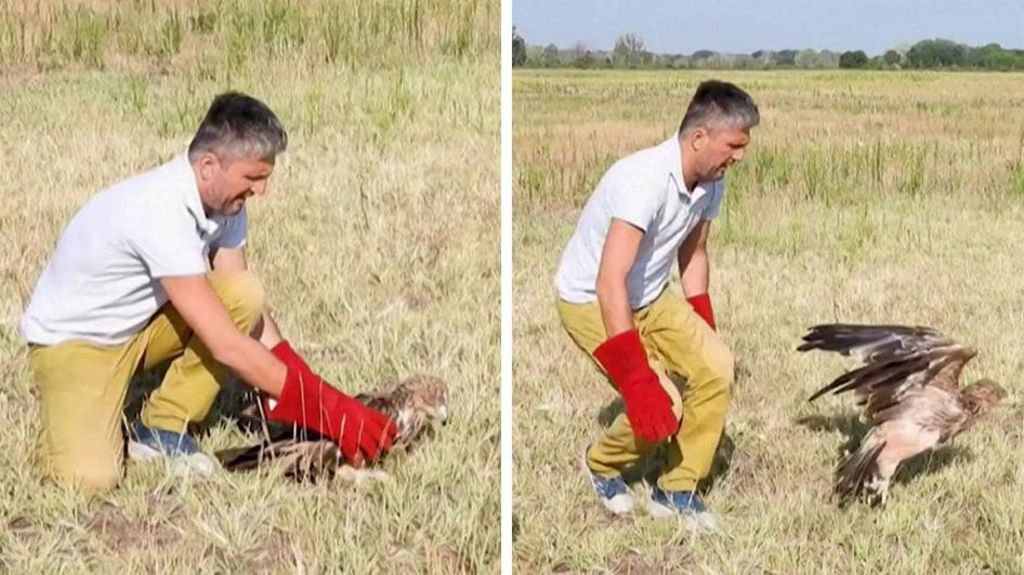
Kidnapped rare Serbian eagle freed into wild after rescue
A remarkable journey of conservation and cross-border cooperation has ended with the successful release of a rare, critically endangered eastern imperial eagle back into its natural habitat in Serbia, months after the bird was snatched by poachers in the Middle East.
Named Feliks by conservationists, the young raptor fledged from its nest in Serbia in July 2025. As part of ongoing species recovery efforts, experts from the Bird Protection and Study Society of Serbia (BPSSS) fitted the bird with a tracking device to monitor its migratory movements. When the young eagle began flying toward the Middle East, conservation teams immediately grew concerned about the risks it faced in the region, where illegal wildlife trafficking is pervasive.
By October 2025, Feliks’ tracking signal cut out entirely. At first, teams assumed the issue was a faulty tracking device, but they soon made the grim discovery that the bird had been captured by poachers in Syria, who later attempted to sell the protected animal. Following weeks of silence, a partner wildlife organization in Lebanon reached out to BPSSS to confirm that Feliks’ captors were demanding a ransom for his safe return. Rejecting the demand outright to avoid fueling the illegal wildlife smuggling network, BPSSS entered into months of protracted negotiations to secure the eagle’s release without paying.
According to reports from the Associated Press, the delicate handover saw refugees smuggle Feliks across the Nahr al-Kabir river, which forms the northern border between Syria and Lebanon, hidden inside a potato sack. Once in Lebanon, the bird was transferred to a specialized wildlife rehabilitation center in Beirut, where he received veterinary care and spent more than six months recovering from his captivity.
In June 2026, Serbian peacekeepers deployed on a peacekeeping mission in Lebanon arranged to repatriate Feliks back to Serbia aboard a military transport plane returning from the region. The bird arrived exhausted at Palic Zoo’s wildlife shelter in Serbia, where zookeepers and conservationists monitored his health daily for more than a month as he regained his strength ahead of release.
The successful rescue of Feliks comes alongside major progress in the recovery of the eastern imperial eagle, a protected species classified as critically endangered. BPSSS data shows that targeted conservation efforts launched in 2017 have grown Serbia’s wild population from just a single breeding pair to 29 breeding pairs as of 2026, marking one of the most successful species recovery initiatives for the raptor in Europe.
After completing his recovery, Feliks was officially released back into the wild on Thursday. Conservation leaders expressed hope that the young eagle will thrive, establish his own breeding territory, and contribute to the ongoing growth of Serbia’s recovering eastern imperial eagle population. In the coming weeks, experts will continue to closely monitor Feliks’ movements and behavior via his tracking device to ensure he readjusts successfully to life in the wild.
-
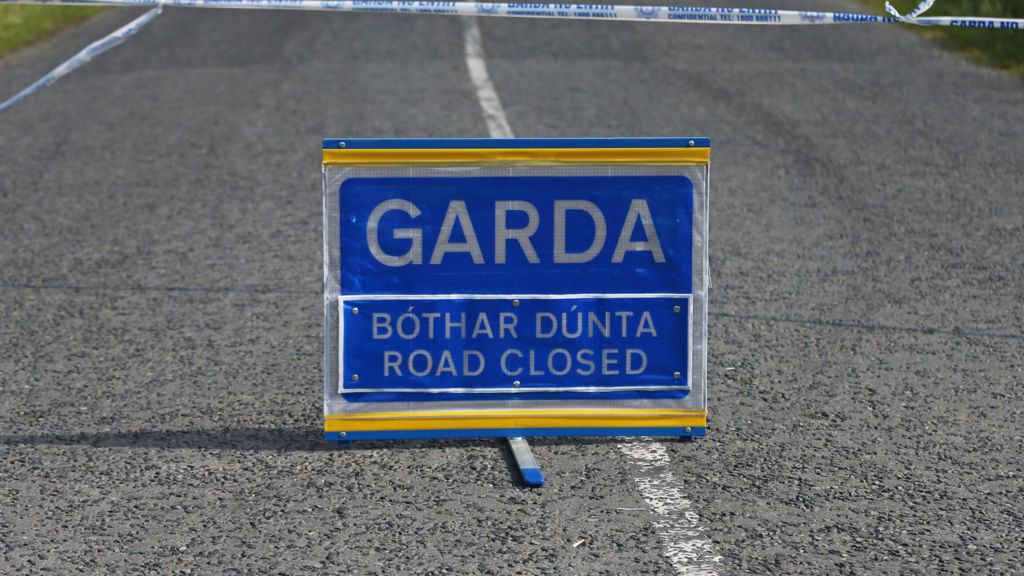
Motorcyclist dies in County Donegal crash
A fatal road traffic collision has claimed the life of a motorcyclist in County Donegal, Republic of Ireland, leaving one person dead and another with minor injuries, Irish police have confirmed.
The incident unfolded just after 4:30 PM local time on Friday along the N56 route at Termon, according to official updates from Gardaí, Ireland’s national police service. The victim, a male motorcyclist in his 60s, could not be saved and was pronounced dead immediately at the crash site. Following initial emergency protocols, his remains were transported to Letterkenny University Hospital, where a post-mortem examination is scheduled to determine the official cause of death in the coming days.
The second person involved in the crash, a woman in her 30s who was driving the passenger car, was also taken to a local hospital for assessment and treatment. Gardaí confirmed her injuries are non-life threatening and classified as minor.
To support a full and thorough investigation, the crash site was cordoned and preserved on Friday to allow specialist Garda Forensic Collision Investigators to conduct their forensic examination. Local traffic diversion plans were put in place throughout the investigation to manage travel through the area and prevent further disruption.
As investigators work to piece together the full circumstances of the collision, Gardaí have launched a public appeal for information from anyone who may have witnessed the incident. Police are specifically asking any drivers who traveled along the stretch of the N56 between the Lagoon Restaurant & Guesthouse and Creeslough between 4:00 PM and 5:00 PM on Friday to come forward, particularly those with dashcam footage that could provide critical evidence for the investigation.
-
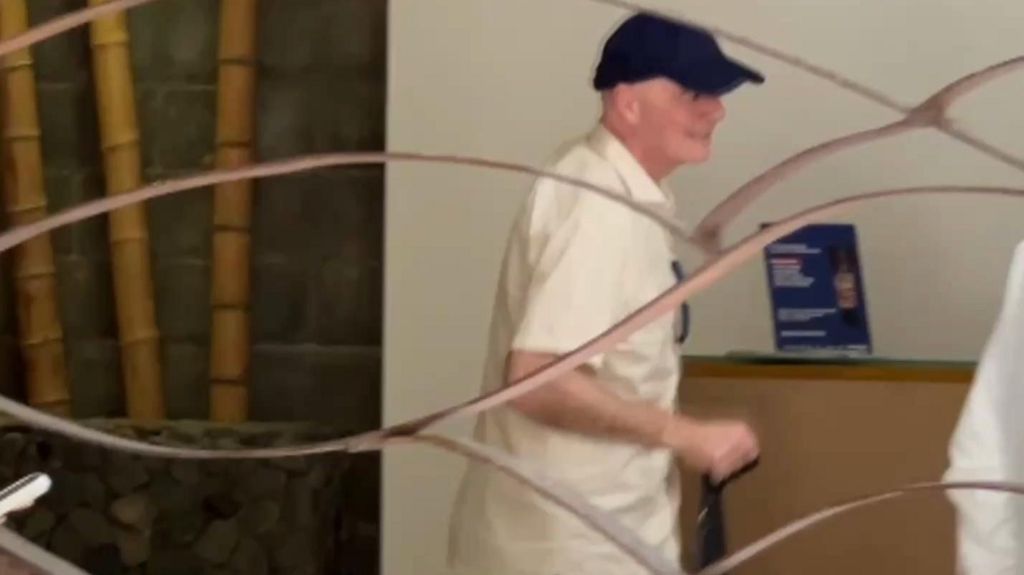
Watch: BBC questions Infantino over backing as Fifa president
The embattled leader of soccer’s global governing body, FIFA, is now under intense public scrutiny after the BBC openly questioned the continued support for Gianni Infantino’s presidency. The controversy ignited after Infantino’s controversial plan to sell private stakes in the World Cup collapsed at the eleventh hour, triggering a wave of demands from across the global soccer community that he resign from his post.
What was supposed to be a behind-the-scenes deal to offload private shares of soccer’s most lucrative tournament was derailed, bringing the questionable proposal into the public spotlight. The failed initiative has thrown the leadership of FIFA back into crisis, with critics arguing that the scheme raises serious questions about governance and transparency within the organization. Multiple high-profile voices and soccer stakeholders have now joined the chorus calling for Infantino to step down, turning what began as an internal deal gone wrong into a major leadership challenge for the head of world football.
-
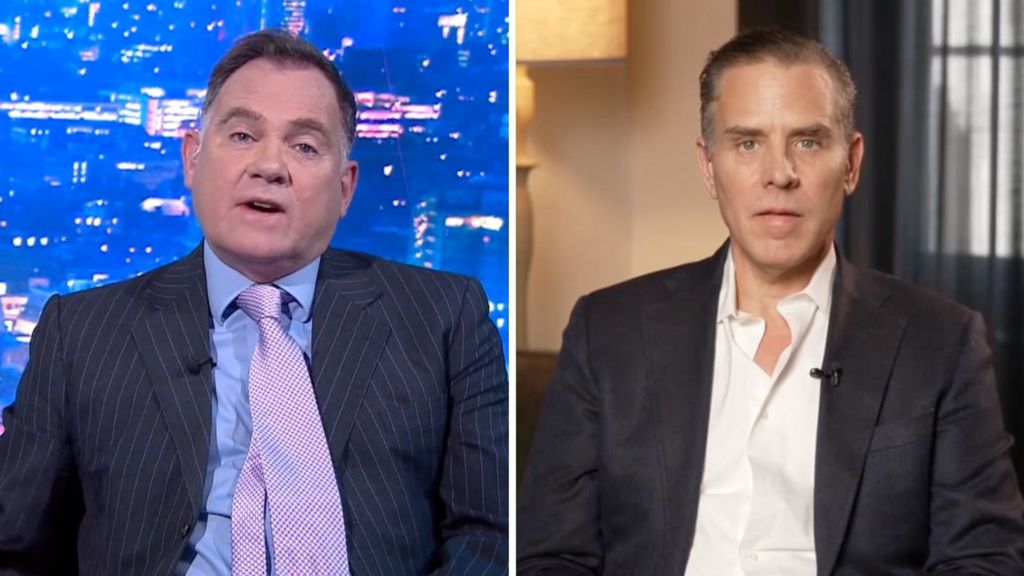
Hunter Biden opens up to the BBC about father’s cancer battle, pardon and politics
In a rare, wide-ranging interview with BBC’s flagship current affairs program Newsnight, Hunter Biden, the son of former U.S. President Joe Biden, has opened up on a series of deeply personal and politically charged topics that have dominated headlines in recent months.
During the conversation, Hunter Biden pulled back the curtain on his father Joe Biden’s ongoing battle with cancer, offering unpublicized insights into how the former president has navigated his health struggle while remaining engaged in public life. He addressed widespread speculation about the former president’s well-being, speaking candidly about the challenges the Biden family has faced behind the scenes as Joe Biden undergoes treatment.
A central focus of the interview was the controversial pardon that Joe Biden granted to his son before leaving office in January 2025. Hunter Biden discussed his feelings about the decision, responding to critics who have labeled the pardon an abuse of presidential power, and explained how the action resolved years of legal investigations that hung over his personal and professional life.
Beyond personal matters, Hunter Biden also shared his thoughts on his own potential future in U.S. politics. When asked about whether he would seek elected office in the coming years, he offered clarity on his political ambitions, addressing ongoing rumors that have circulated in Washington political circles about his next career steps.
The interview marks one of the most extensive public comments Hunter Biden has made since his father left the presidency, giving voters and political observers a rare unfiltered look at the private dynamics of one of America’s most high-profile political families at a pivotal moment in U.S. politics.