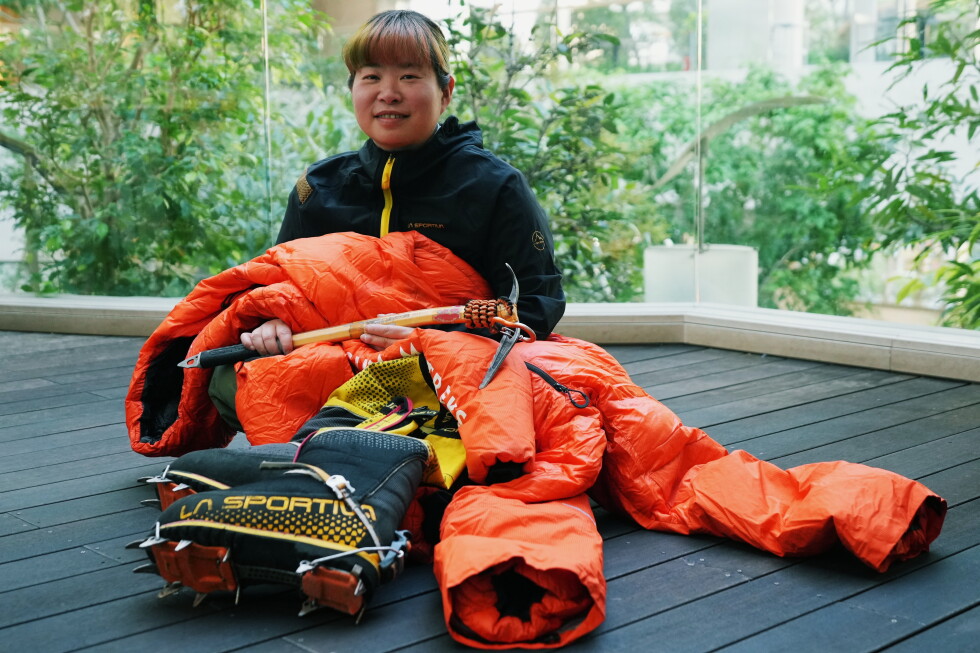
Tucked in a Tokyo interview with the Associated Press, 44-year-old Japanese mountaineer Naoko Watanabe opens up about a journey that has cemented her place in climbing history — while rejecting the idea that her legacy is built on stacking records. Watanabe, the first woman ever to summit K2, the world’s second-tallest peak, three times, just added another groundbreaking milestone to her resume: she has now reached the top of all 14 of the planet’s 8,000-meter-plus peaks. For the Tokyo-based nurse who funds every expedition through her medical work, though, climbing has never been about trophies.
“I’m just an ordinary person who happened to rack up records while climbing the Himalayas during my vacations,” Watanabe said. “I don’t even consider myself a professional mountaineer.”
Watanabe’s connection to high-altitude adventure began long before her record-breaking climbs. Born in 1981 in Onojo City, a southern Japanese community, Watanabe was introduced to outdoor exploration at the age of 3, when her mother signed her up for a children’s adventure club. By 12, she had already tackled her first snowy Pakistani peak, cut her teeth on expeditions across China’s islands and Mongolia’s grasslands, and developed a lifelong love of the wild that would help her navigate the intense social pressure of growing up in Japan’s conformity-focused culture.
Her first 8,000-meter summit came in 2006, when she was still a student nurse. That year, she successfully topped out on Cho Oyu, the world’s sixth-highest peak straddling the Nepal-China border. After taking a full-time position as a university hospital nurse in 2009, Watanabe struggled to balance the demands of her medical career with her climbing schedule. To make more time for the Himalayas, she eventually switched to per diem temporary nursing work — a shift that let her pursue her passion while still funding every expedition herself.
Far from being a separate part of her life, Watanabe says her nursing background has been a critical advantage on the mountain. Across 31 expeditions over two decades, her medical training has helped her make split-second, life-saving decisions during emergencies, whether assessing rapidly shifting weather or evaluating her own health mid-climb. That quick judgment saved her life during a 2011 attempt on Mount Everest: just 150 meters from the summit, a sudden weather turn led her to turn back, even as her tearful Sherpa guide insisted the top was only an hour away. Watanabe correctly predicted that worsening conditions would drain her oxygen supply, and despite losing her vision on the descent and developing pneumonia after the retreat, she made it back to safety. Two years later, she returned and summited Everest safely, even as other climbers turned back amid harsh winds.
In 2024, Watanabe claimed two of the most notable achievements of her career. In July, she became the first woman to summit 8,611-meter K2 three times, a feat officially recognized by Guinness World Records. Then, in October 2024, she topped out on China’s 8,027-meter Mount Shishapangma, becoming the first Japanese woman to complete all 14 of the world’s highest peaks.
Today, Watanabe sees climbing as a much-needed escape from the constant stress and rigid expectations of everyday life in Japan, and she is committed to sharing that joy with new climbers. This coming June, she will lead a group of amateur trekkers to Nanga Parbat, the world’s ninth-highest peak in Pakistan, which she calls her favorite climb. Nicknamed the “killer mountain” for its deadly history, Nanga Parbat was first summited by Watanabe on her second attempt in 2022, and she says its base camp offers some of the most stunning scenery in the entire Himalayas.
Unlike competitive climbing expeditions that prioritize reaching the summit at all costs, Watanabe’s upcoming trek is designed to let participants set their own pace. Amateurs will stay mostly at base camp, with no pressure to push further than they are comfortable. Watanabe wants to challenge the common stereotype that high-altitude climbing is only for elite athletes chasing records.
“They are not supposed to be working hard,” she said of the upcoming participants. “I want climbers to break free from stereotypes and realize that the Himalayas can be fun… and to know there are more important things than reaching the summit.”
Looking ahead, Watanabe has no plans to slow down. She expects to clock around 100 Himalayan climbs before she retires from the sport, and says any future records that come from that journey will just be a happy side effect of doing what she loves. For Watanabe, the true reward of climbing has never been a trophy or a world record — it is the adventure, the joy, and the chance to meet new people, experience new cultures, and try new things along the way.