作者: admin

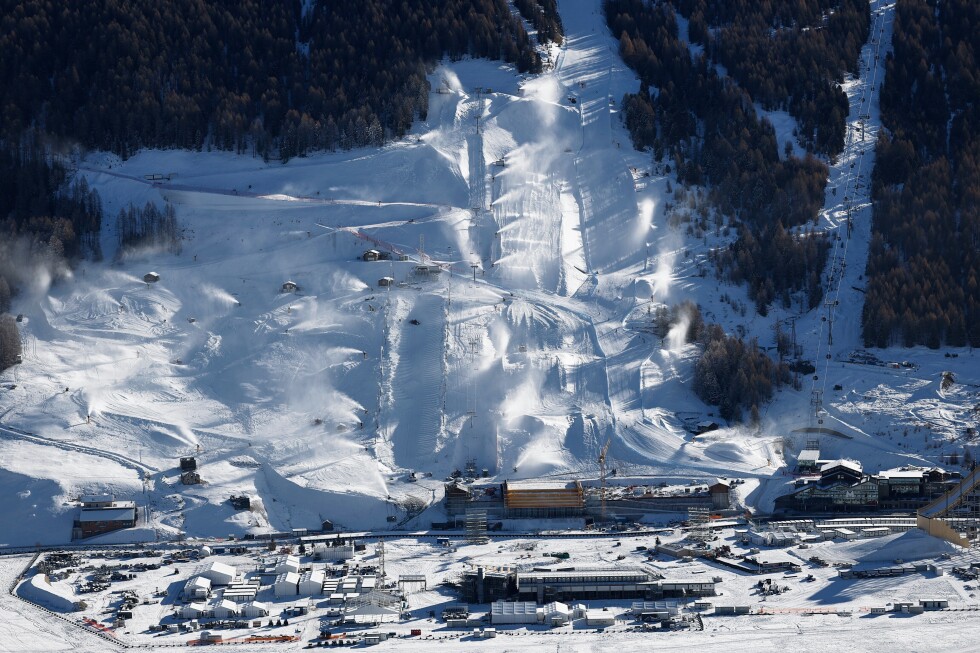
  • Anger as branch of ICE to help with security at Winter Olympics

    Anger as branch of ICE to help with security at Winter Olympics

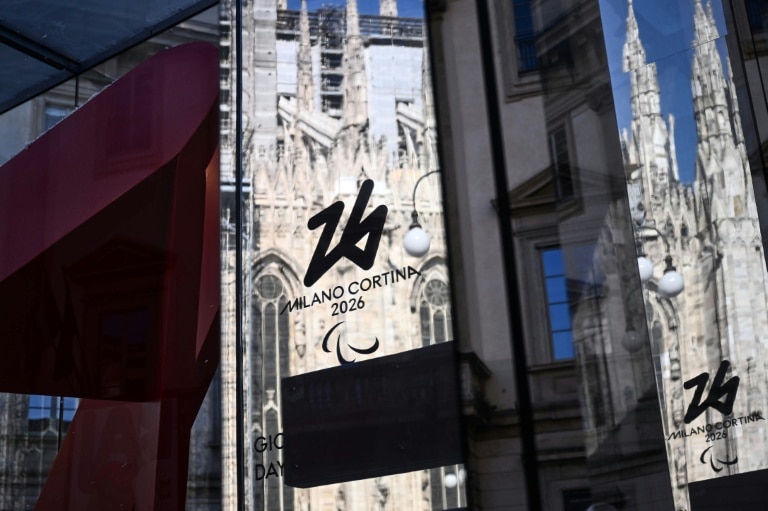
    A significant diplomatic controversy has emerged following the confirmation that U.S. Immigration and Customs Enforcement (ICE) will participate in security operations for the upcoming Winter Olympics in Italy. The announcement has triggered vehement opposition from Italian political leaders and human rights advocates, who cite the agency’s controversial record on immigration enforcement.

    ICE confirmed through an official statement that its Homeland Security Investigations (HSI) branch would assist the U.S. Department of State’s Diplomatic Security Service and Italian authorities by conducting risk assessments targeting transnational criminal organizations. The agency emphasized that all security operations would remain under Italian jurisdiction and clarified that its activities in Italy would be entirely separate from its domestic immigration enforcement operations conducted by its Enforcement and Removal Operations (ERO) division.

    The revelation has ignited strong reactions across Italy’s political spectrum. Milan Mayor Giuseppe Sala delivered a particularly scathing assessment, characterizing ICE as a ‘militia that kills’ and stating unequivocally that the organization was ‘not welcome’ in his city, which will host several Olympic events. The mayor’s comments included a direct challenge to U.S. President Donald Trump’s administration, asking ‘Can’t we just say no to Trump for once?’

    Further condemnation came from Alessandro Zan, a European Parliament member representing Italy’s centre-left Democratic Party, who denounced the arrangement as ‘unacceptable,’ asserting that Italy should not welcome organizations that ‘trample on human rights and act outside of any democratic control.’

    The controversy has been amplified by recent incidents involving ICE operations in the United States, particularly the deaths of two civilians during an immigration crackdown in Minneapolis. Italian authorities have attempted to clarify the scope of ICE involvement, with regional officials suggesting the agency’s role would be limited to providing security for U.S. Vice President JD Vance and Secretary of State Marco Rubio during the opening ceremony. Interior Minister Matteo Piantedosi asserted that ‘ICE, as such, will never operate in Italy,’ though this statement appears to contradict the agency’s confirmed participation.

    The International Olympic Committee has deferred all inquiries regarding the security arrangements to the United States Olympic and Paralympic Committee, maintaining its distance from the growing diplomatic dispute.
  • China’s social security funds post 10-trillion-yuan balance at end of 2025

    China’s social security funds post 10-trillion-yuan balance at end of 2025

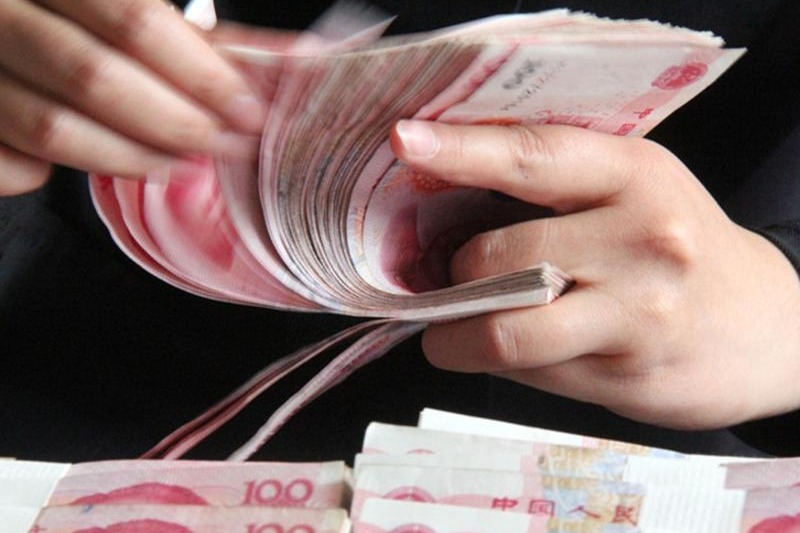
    China’s social security framework has achieved a monumental financial milestone, with official data revealing a collective balance of 10.2 trillion yuan (approximately $1.46 trillion) across key insurance programs by the conclusion of 2025. This substantial reserve encompasses the nation’s basic pension schemes, unemployment insurance, and work-related injury compensation systems.

    The Ministry of Human Resources and Social Security disclosed these figures on Tuesday, January 27, 2026, highlighting the robust financial health of China’s social safety net. In a parallel development, the ministry reported that professionally managed basic pension funds have surpassed 2.98 trillion yuan through investment entrustment programs, demonstrating sophisticated financial stewardship of public reserves.

    This financial achievement represents a significant strengthening of China’s social welfare infrastructure, providing enhanced security for millions of workers and retirees nationwide. The substantial fund balance indicates successful long-term planning and management of social insurance resources, ensuring sustainable support for citizens facing retirement, unemployment, or workplace injuries.

    The growth trajectory of these funds reflects China’s continuing economic stability and strategic fiscal policies aimed at maintaining comprehensive social protection systems. This financial buffer becomes increasingly critical as demographic shifts and economic transitions present new challenges to social welfare programs globally.

  • Australia swelters in a record heat wave as temperatures near 50 C

    Australia swelters in a record heat wave as temperatures near 50 C

    Australia’s southeastern regions endured unprecedented extreme heat on Tuesday as temperatures approached the 50°C threshold (122°F), creating hazardous conditions across Victoria state. Preliminary recordings from rural monitoring stations in Hopetoun and Walpeup indicated highs of 48.9°C (120°F), potentially surpassing the historic temperatures recorded during Victoria’s catastrophic 2009 Black Saturday bushfires that claimed 173 lives.

    While no heat-related fatalities were reported Tuesday, emergency authorities remained on high alert as three separate bushfires burned uncontrolled across the state. Melbourne, Victoria’s capital, narrowly missed breaking its all-time temperature record, but the urban heat effect transformed the typically bustling Australian Open venue into a near-deserted landscape.

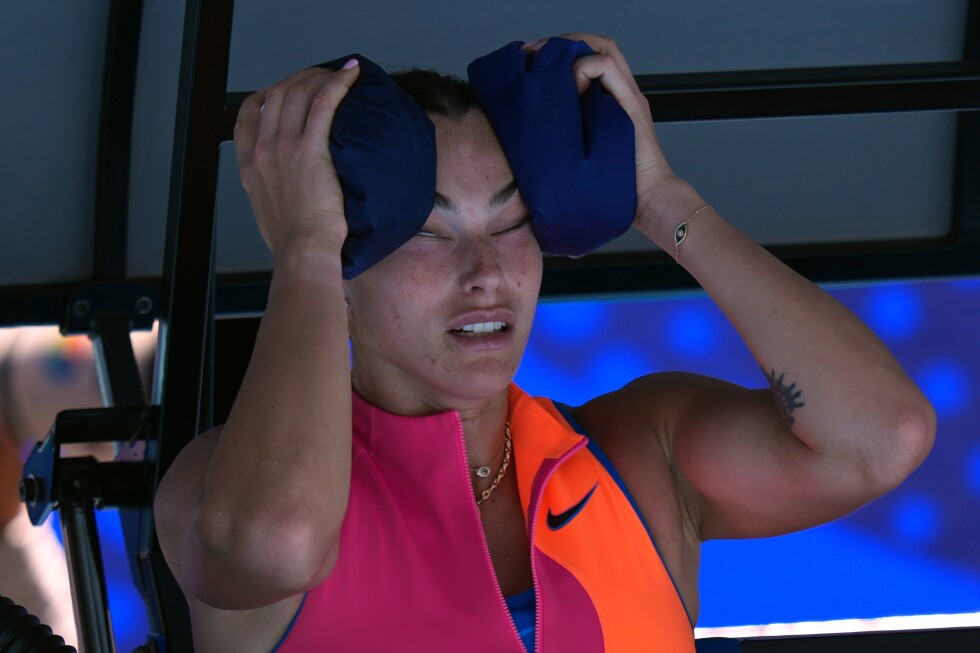
    The extreme conditions forced tournament organizers to implement comprehensive heat safety protocols. Matches on exposed outer courts were postponed while the retractable roofs on primary arenas remained closed throughout the day. During the quarterfinal match between Aryna Sabalenka and Iva Jovic—the final contest held under direct sunlight—both athletes utilized ice packs and portable cooling devices during breaks to combat the oppressive conditions.

    Event staff provided photographers with specialized heat-protection equipment, including insulated cushions for hot seating surfaces and protective towels to prevent camera malfunction and hand burns. Spectators congregated around massive misting stations and climate-controlled indoor areas, contributing to a dramatic attendance drop from Monday’s 50,000 visitors to just 21,000 on Tuesday.

    The current heatwave represents the latest in a series of extreme temperature events during Australia’s record-breaking summer, with previous records from the destructive 2019 bushfire season already being exceeded in New South Wales and South Australia earlier this week. Meteorological services predict gradual temperature moderation beginning Wednesday, though elevated heat conditions are expected to persist through the weekend.

  • World pauses to commemorate International Holocaust Remembrance Day

    World pauses to commemorate International Holocaust Remembrance Day

    Communities across Europe and beyond gathered in solemn reflection on Tuesday to mark International Holocaust Remembrance Day, honoring the memory of the six million Jewish victims and countless others systematically murdered by Nazi Germany. The January 27th observance coincides with the 1945 liberation of Auschwitz-Birkenau by Soviet forces, the most infamous complex within Germany’s network of extermination camps.

    At the Auschwitz memorial site in German-occupied Poland, survivors placed floral tributes at the Execution Wall where thousands, predominantly Polish citizens, were murdered. Polish President Karol Nawrocki joined remembrance ceremonies at Birkenau, where European Jews were transported for mass extermination in gas chambers. The site witnessed the murder of approximately 1.1 million people, primarily Jews but also Poles, Roma, and other targeted groups.

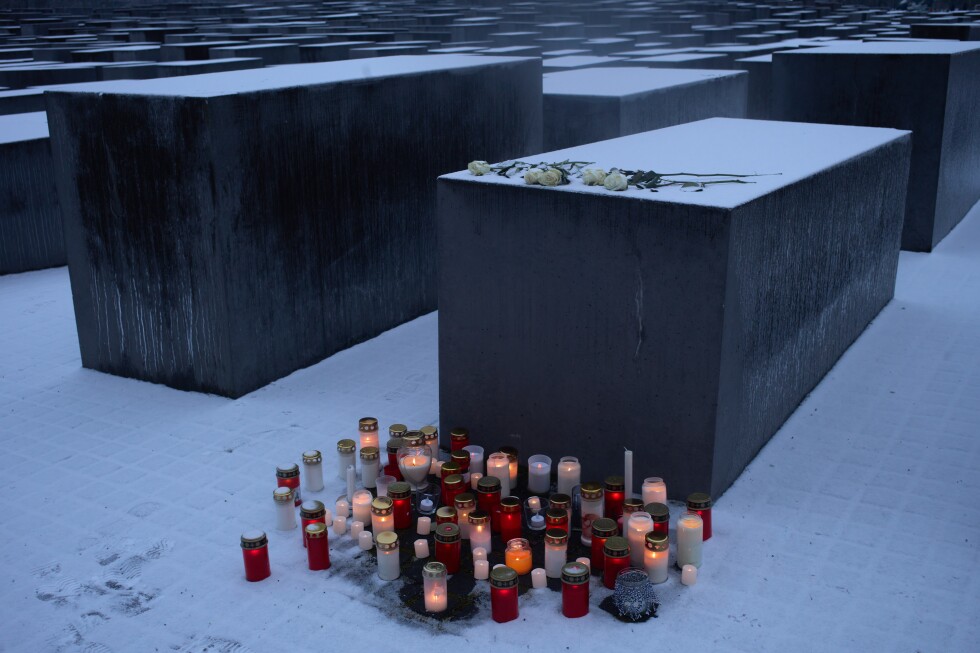
    In Berlin, flickering candles and white roses adorned the Memorial to the Murdered Jews of Europe, where 2,700 concrete slabs stand near Brandenburg Gate as a permanent testament to Germany’s remorse. National commemorations occurred simultaneously at the United Nations and across European nations, with Germany’s official parliamentary observance scheduled for Wednesday.

    New data from the Conference on Jewish Material Claims Against Germany reveals approximately 196,600 Holocaust survivors remain alive worldwide—a significant decrease from 220,000 just one year prior. Notably, 97% represent ‘child survivors’ born in 1928 or later. Despite the diminishing survivor community, many continue to share their testimonies for the first time after decades of silence.

    The Netherlands conducted its annual memorial on Sunday with a silent procession through Amsterdam’s historic Jewish quarter. Mayor Femke Halsema addressed hundreds of attendees at Wertheim Park, characterizing Nazi camps as “unprecedented and still incomprehensible examples of what intolerance, hatred, and racism can lead to.”

  • ICE agents will have a security role at Milan-Cortina Olympics, US sources say

    ICE agents will have a security role at Milan-Cortina Olympics, US sources say

    In an unprecedented security arrangement for the Olympic stage, the United States will deploy agents from its Immigration and Customs Enforcement (ICE) agency to the upcoming Milan Cortina Winter Games. According to authoritative sources within the U.S. embassy in Rome, this deployment was formally confirmed this Tuesday. The initiative, however, comes with a clearly defined and limited operational scope. The primary mandate for these federal agents will be to provide robust support and reinforcement to existing U.S. diplomatic security contingents. Embassy officials were explicit in clarifying that the personnel will have no role in, nor will they conduct, any form of immigration enforcement operations on Italian soil. Their presence is framed purely as a collaborative measure to ensure the safety and security of American diplomatic personnel and assets during the high-profile international event, which draws global attention and necessitates heightened security protocols.

  • China to introduce policy documents to address the impact of AI and promote employment: ministry

    China to introduce policy documents to address the impact of AI and promote employment: ministry

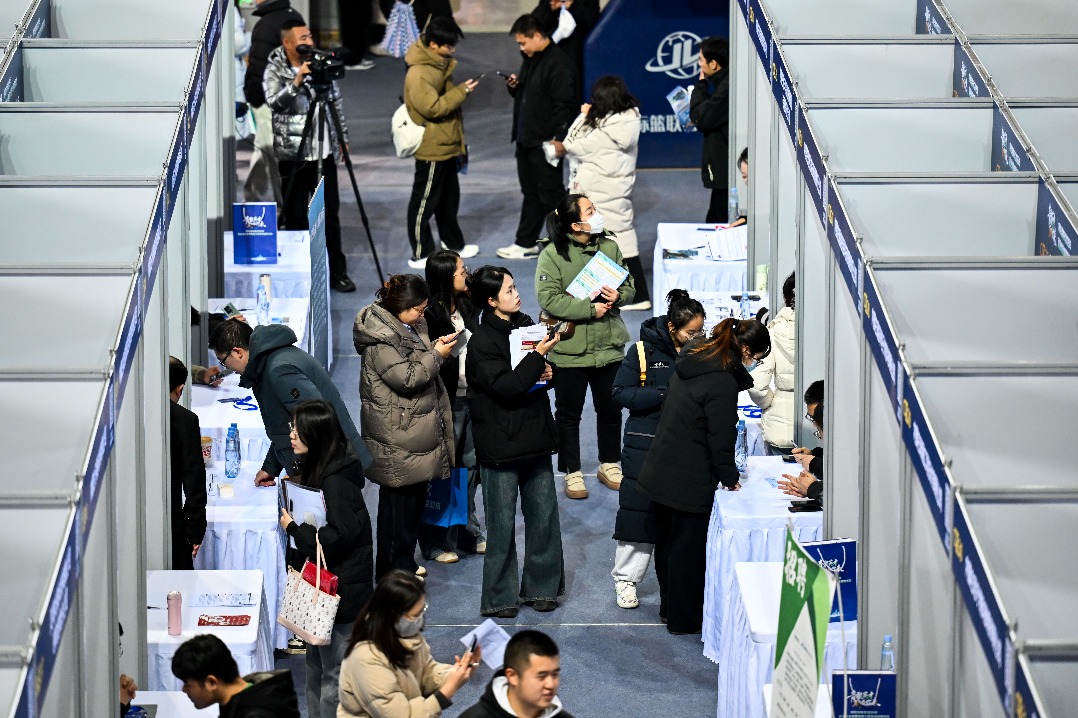
    The Chinese government is formulating comprehensive policy measures to mitigate artificial intelligence’s disruptive impact on employment markets while harnessing technological advancements for economic growth. According to announcements from the Ministry of Human Resources and Social Security, these forthcoming documents will establish frameworks for workforce adaptation during the AI transition period.

    The strategic initiative addresses growing concerns about automation’s potential to displace workers across multiple sectors. Rather than resisting technological progress, the policy approach emphasizes creating synergies between AI development and employment stability. The ministry’s announcement indicates China will pursue balanced development where technological innovation complements rather than replaces human workers.

    Key components of the policy package include retraining programs for vulnerable occupations, incentives for companies that combine AI implementation with workforce expansion, and social protection measures for workers during transition periods. The government is particularly focused on developing new employment opportunities that emerge alongside AI technologies, ensuring that productivity gains benefit both businesses and employees.

    This proactive stance reflects China’s broader strategy of managing technological disruption through policy intervention. The ministry emphasized that while AI presents challenges, it also creates new categories of jobs and industries that will require strategic preparation and workforce development. The policy documents will provide guidelines for educational institutions, private enterprises, and local governments to collaboratively address the employment implications of AI adoption.

    The timing of this announcement coincides with accelerated AI integration across China’s manufacturing, service, and technology sectors, making workforce planning an urgent governmental priority.

  • Why more property buyers are choosing Sharjah for second homes

    Why more property buyers are choosing Sharjah for second homes

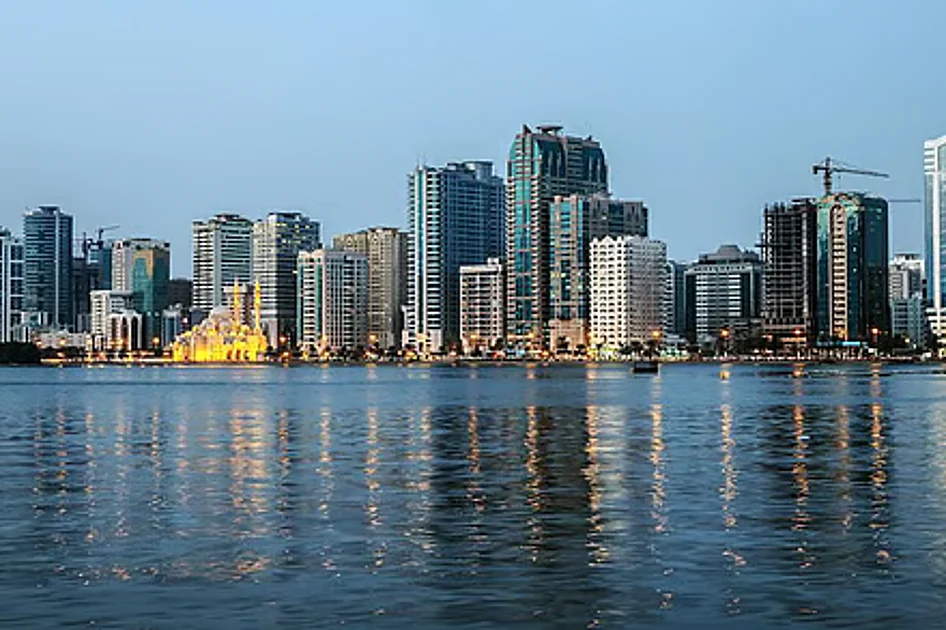
    Sharjah’s real estate market is experiencing a significant transformation as GCC nationals increasingly select the emirate for their secondary residences. According to industry executives, this trend is driven by Sharjah’s exceptional market stability and consistent capital appreciation rates, which outperform neighboring markets.

    Recent data from the Sharjah Real Estate Registration Department reveals substantial investment activity, with GCC nationals channeling Dh3.4 billion into 2,055 properties throughout the previous year, positioning them among the top investor demographics.

    Lamia Al Jewaied, Head of Studies and Research Bureau at the Registration Department, noted a noticeable influx of GCC nationals and tourists who now perceive Sharjah as an ideal location for secondary homes. “The affordability factor, particularly in developments like Al Mamsha, serves as a primary motivator for these investment decisions,” she explained during an interview at the recently concluded Acres 2026 exhibition.

    The emirate’s property market has demonstrated robust performance with price appreciations ranging between 10-12% last year, with projections indicating similar growth patterns for the current year.

    Yousif Ahmed Al Mutawa, Chief Real Estate Officer at Sharjah Investment and Development Authority (Shurooq), confirmed the emirate’s growing appeal among GCC investors. This sentiment was echoed by Noreen Nasralla, Senior Vice President for Marketing Strategy and Branding at Alef Group, who highlighted the market’s evolution toward more end-users and serious investors rather than speculative buyers.

    A notable development in Sharjah’s real estate landscape involves the expansion of waterfront properties following legislative changes that permit all nationalities to purchase freehold properties in designated communities. Abdullah Al Zarouni, Director of the Real Estate Transactions unit, reported over ten new waterfront projects registered during 2024-2025.

    Industry experts emphasize that waterfront developments represent particularly valuable investments due to their limited supply and high demand. George Raymond Khouzami, CEO of Al Thuriah Real Estate Group, noted that these properties maintain strong investment value, deliver superior rental returns, and offer enhanced liquidity upon resale. Farid Jamal, Chief Commercial Officer at Ajmal Makaan, added that coastal tourism initiatives further amplify the economic and real estate value of these waterfront developments.

  • UAE’s cold snap ends? Temperatures to increase this week, NCM says

    UAE’s cold snap ends? Temperatures to increase this week, NCM says

    Meteorological authorities indicate United Arab Emirates residents will experience a transient period of milder conditions this week following an extended spell of uncharacteristically cold weather. The National Centre of Meteorology (NCM) forecasts a modest temperature increase of 2-4°C during midweek before another decline arrives by Friday.

    Dr. Mohammed Al Abri, Director of the NCM’s Meteorology Department, clarified the recent cold conditions resulted from northwestern weather systems. “The UAE was influenced by the lower segment of a low-pressure trough extending from the northwest,” he explained, noting subsequent cold air associated with the Siberian high pressure system created the notably chilly atmosphere.

    The current weather pattern shows the low-pressure system has now passed, placing the country under high-pressure influence. This transition brings light to moderate winds with possible low cloud formation in certain regions. Maximum temperatures nationwide are expected to remain at or below 26°C throughout the period.

    Coastal and inland communities should anticipate morning mist or fog conditions during the next 48 hours. While no significant rainfall is predicted immediately, meteorological models suggest possible light precipitation returning by Thursday, particularly across northern regions including Sharjah and extending into Friday in northern and eastern areas such as Fujairah.

    Maritime conditions may deteriorate later in the week as winds potentially intensify to 40 km/h, generating higher waves in the Arabian Gulf. Despite the temporary warming trend, officials emphasize that typical winter weather patterns remain expected for this season, including normal precipitation probabilities.

  • ‘It’s a dream’ – champions of Africa facing Arsenal

    ‘It’s a dream’ – champions of Africa facing Arsenal

    In an unprecedented clash of football cultures, Moroccan military-backed club AS FAR will face English giants Arsenal in the Women’s Champions Cup semi-final on Wednesday at Brentford’s Gtech Community Stadium. This historic encounter marks the first competitive fixture between African and European women’s clubs, with the winners advancing to Sunday’s final at Emirates Stadium where a record $2.3 million prize awaits.

    Founded in 1958 by the late King Hassan II and establishing women’s professional football in Morocco in 2001, Association Sportive des Forces Armees Royales (The Soldiers) has revolutionized African women’s football through unique institutional support. Unburdened by financial constraints typical of private clubs, AS FAR has dominated domestic competition, winning all but one league title since 2013, and claimed two continental championships since the African Women’s Champions League inception in 2021.

    The team features numerous Moroccan internationals from the historic 2023 World Cup squad that reached knockout stages, including Annisa Lahmari (whose goal eliminated Germany), Sanaa Mssoudy (recently crowned African interclub player of the year), and dynamic winger Fatima Tagnaout.

    Their progression to this global stage follows a dramatic extra-time comeback victory against Chinese club Wuhan Jiangda in the second round, demonstrating the resilience that makes them dangerous underdogs against the WSL powerhouse.

    This milestone reflects Morocco’s remarkable decade-long transformation from women’s football obscurity to continental dominance. The government’s groundbreaking 2020 decision to fund all top-two division teams—providing baseline salaries for players, coaches, and medical staff—instantly professionalized the league system. The Royal Moroccan Football Federation supplements these wages, enabling top players to earn over $2,000 monthly.

    National infrastructure investments include the $65 million King Mohammed VI Training Complex, described by Leicester City’s Rosella Ayane as “St George’s Park with palm trees,” featuring eight full-size pitches, Olympic pools, and five-star accommodations.

    Morocco’s rise mirrors broader African progress, with South Africa and Nigeria also reaching the 2023 World Cup knockouts. The creation of the African Women’s Champions League has elevated continental club competition, with AS FAR and Mamelodi Sundowns each claiming two titles.

    As former player and league president Khadija Illa reflects: “Twenty years ago, you could’ve asked: ‘Is anyone playing in Morocco?’ Now we’re the champions of Africa going to play Arsenal.” This semi-final represents both a culmination of institutional investment and a new frontier for global women’s football.

  • Experts say Washington’s tariff threat to Ottawa driven by politics, not trade

    Experts say Washington’s tariff threat to Ottawa driven by politics, not trade

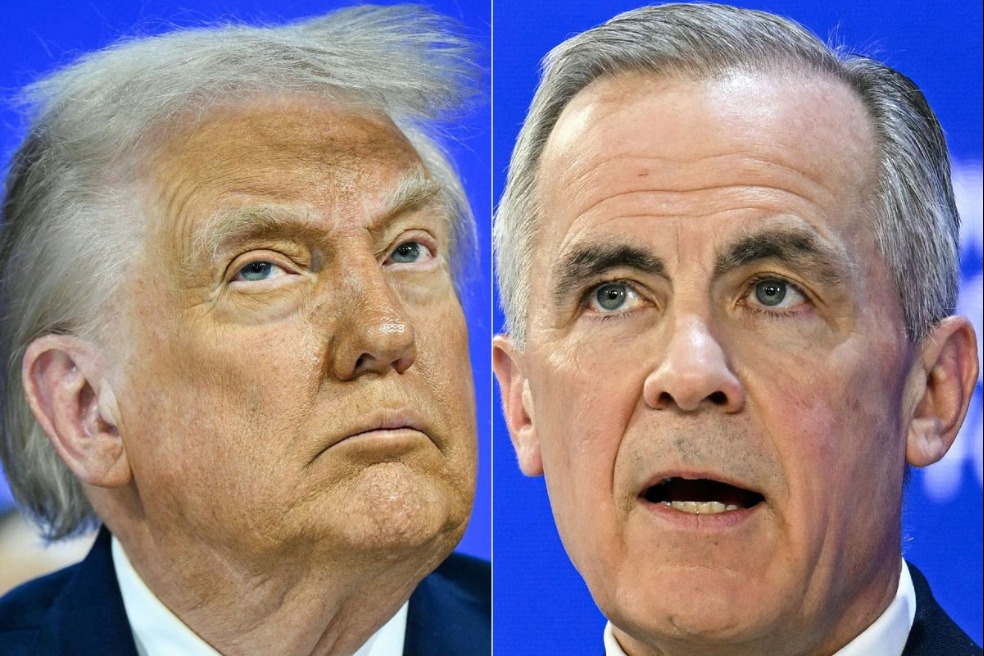
    A sudden reversal in US diplomatic posture toward Canada—from applauding trade engagements to threatening comprehensive tariffs—reveals deeper political motivations rather than substantive trade concerns, according to policy analysts. This shift occurred mere days after the US administration commended Canadian Prime Minister Mark Carney’s negotiations with China, only to abruptly warn of imposing 100% punitive tariffs on all Canadian imports should the agreement proceed.

    Professor Jiang Wenran, founding director of the China Institute at the University of Alberta, attributed the contradictory stance to personal pique and strategic coercion. He identified Carney’s address at the World Economic Forum in Davos as the immediate catalyst. There, Carney criticized international “coercion” and cautioned against middle powers falling prey to “American hegemony”—a speech met with a standing ovation that reportedly overshadowed US President Donald Trump’s poorly received appearance.

    Jiang elaborated that beyond personal dynamics, the tariff threat constitutes a strategic instrument to reinforce US dominance in North America. From Washington’s perspective, Sino-Canadian trade talks represent a direct challenge to US economic strategy. The threat aims not only to realign Canadian policy but also to deter other US allies from pursuing independent trade agreements.

    In response, Carney clarified that Canada does not intend to pursue a full free-trade agreement with China, ensuring ongoing negotiations comply with existing US-Mexico-Canada Agreement (USMCA) provisions. This approach seeks to avoid activating the pact’s “poison pill” clause while advancing pragmatic trade objectives.

    Domestically, the US threat has intensified debate within Canada. One faction emphasizes the catastrophic economic repercussions of losing access to the US market, which absorbs 75% of Canadian exports, and advocates accommodation. Another interprets US pressure as validation of the need to accelerate trade diversification and reduce dependency.

    Ottawa’s response has combined restraint with quiet resistance, emphasizing domestic resilience through initiatives like the “Buy Canadian” campaign while broadening international trade ties. This reflects a cautious balancing act—pursuing economic benefits from diversification while mitigating legal and political risks from the US.

    Ron Stagg, a history professor at Toronto Metropolitan University, noted that the tariff threat appears driven more by political signaling than clear trade mechanics. The US administration framed its warning around preventing Canada from becoming a “back-door for Chinese imports,” yet Stagg highlighted that Chinese electric vehicles entering Canada would remain subject to US duties if re-exported, minimizing any tangible threat.

    The situation underscores the complex interplay of personal diplomacy, strategic posturing, and economic policy shaping North American relations.