作者: admin

  • LuLu expands UAE retail footprint with Adnoc tie-up, plans five new stores

    LuLu expands UAE retail footprint with Adnoc tie-up, plans five new stores

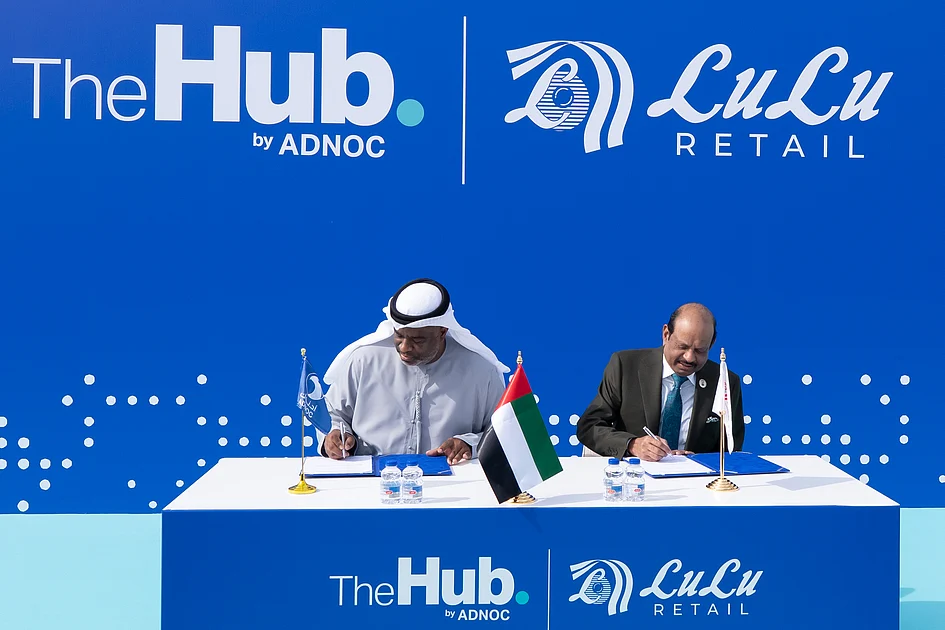
    In a strategic move reshaping the UAE’s retail landscape, LuLu Group International has entered a transformative partnership with ADNOC Distribution to launch five new convenience stores across next-generation roadside destinations. The collaboration commenced with the inauguration of the inaugural LuLu Daily outlet at The Hub by ADNOC on Saadiyat Island, marking a significant evolution in integrated retail experiences.

    The newly opened 16,566 square foot facility represents a paradigm shift in convenience retail, strategically positioned within ADNOC’s innovative Hub concept that merges traditional fuel services with comprehensive lifestyle amenities. This next-generation retail environment combines dining options, shopping facilities, co-working spaces, fitness areas, and family recreation zones, effectively transforming conventional service stations into vibrant community hubs.

    Senior executives from both corporations formalized the long-term alliance through the signing of strategic memoranda of understanding, committing to establish four additional LuLu Daily stores at various Hub locations nationwide by mid-2027. The partnership aligns with both organizations’ objectives to capitalize on evolving consumer behavior patterns and mobility trends across the Emirates.

    Yusuffali M.A., Chairman of LuLu Group International, emphasized the partnership’s core focus on elevating customer convenience while delivering premium retail and culinary experiences along major transportation corridors. He expressed conviction that this collaboration would effectively address the UAE’s dynamic lifestyle requirements while establishing foundations for sustained bilateral cooperation.

    Eng. Bader Saeed Al Lamki, CEO of ADNOC Distribution, characterized the Saadiyat Island launch as a pivotal milestone in the company’s strategy to expand customized roadside retail offerings. He highlighted the Hub model’s inherent flexibility in adapting to specific community needs, enabling delivery of tailored retail and mobility solutions across diverse demographic segments.

    The new LuLu Daily outlet features an extensive product assortment including fresh produce, grocery essentials, meat and dairy products, bakery items, beauty products, toys, and household necessities. Designed with convenience as a paramount consideration, the store incorporates self-checkout systems and optimized parking access, reflecting both companies’ customer-centric operational philosophy.

    This retail integration initiative positions quality grocery and fresh food offerings within immediate proximity of residential communities and high-traffic mobility routes, further consolidating the UAE’s status as the region’s most innovative and dynamic retail market.
  • US lawmakers urge Andrew to testify over Epstein files

    US lawmakers urge Andrew to testify over Epstein files

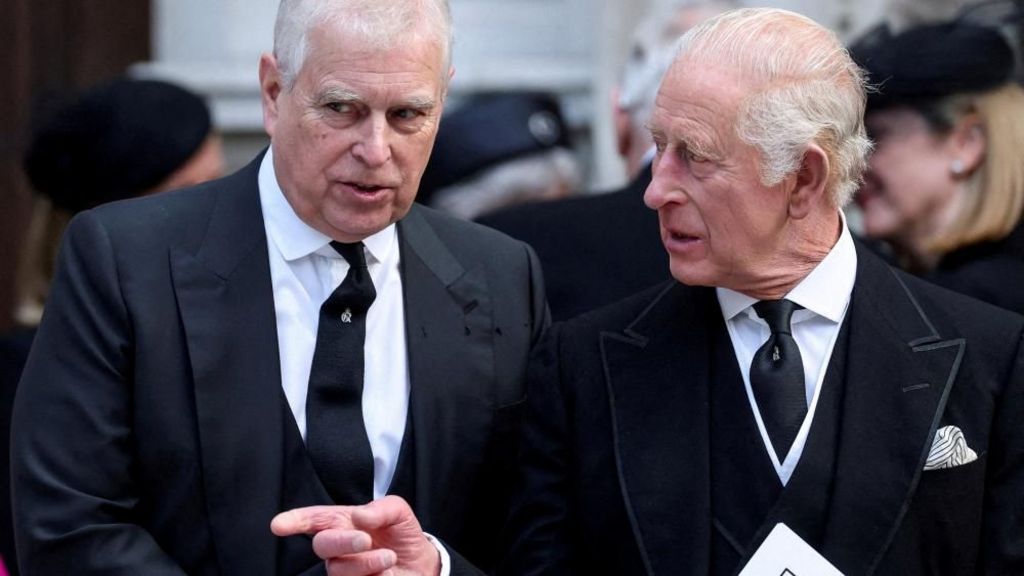
    Mounting transatlantic pressure is building around Prince Andrew as U.S. congressional figures and the family of his primary accuser, Virginia Giuffre, demand his testimony regarding his connections to the convicted sex offender Jeffrey Epstein. Democratic Congressman Ro Khanna has openly criticized the British Royal Family for lacking transparency, while Congresswoman Teresa Leger Fernandez has called upon King Charles III to explicitly direct his brother to cooperate with American investigators.

    This development follows King Charles’s first public statement on the matter, conveyed through a Buckingham Palace spokesperson, expressing his ‘profound concern’ over the allegations and affirming the family’s readiness to support police inquiries. The statement also extended the King and Queen’s ‘thoughts and sympathies’ to all victims of abuse.

    Simultaneously, Thames Valley Police confirmed it is assessing a formal complaint from the anti-monarchy organization Republic. The allegation centers on Prince Andrew’s purported sharing of confidential information acquired during his tenure as a UK trade envoy with Jeffrey Epstein between 2010 and 2011, a claim supported by documents in the recent Epstein file release.

    The political pressure from the U.S. is multifaceted. Congressman Khanna, a key sponsor of the legislation that mandated the release of the Epstein documents, argued that the Royal Family must ‘come clean,’ provide full disclosure of their knowledge, and consider financial compensation for the survivors. He characterized the current situation as potentially the monarchy’s ‘most vulnerable’ moment, asserting that merely stripping Andrew of his titles is an insufficient response.

    Echoing this sentiment, Congresswoman Fernandez, a member of the House Oversight Committee, emphasized that jurisdictional status should not shield Andrew from accountability. She urged for a comprehensive inquiry in both the U.S. and England to identify all individuals present during the alleged incidents.

    Adding a personal dimension to the legal and political demands, Sky Roberts, the brother of Virginia Giuffre, publicly insisted that Andrew should testify before the U.S. Congress. This aligns with revelations from the latest Department of Justice document dump, which details numerous failed attempts by U.S. authorities to secure Andrew’s cooperation. A significant legal hurdle remains: the former prince cannot be compelled by a U.S. subpoena to travel and testify, a point of considerable frustration for investigators. Despite a previous deadline set by Congressional Democrats last autumn, Andrew has remained unresponsive.

  • Global wellness movement elevates sardines as experts call for a reset in metabolic health

    Global wellness movement elevates sardines as experts call for a reset in metabolic health

    In a significant shift within global nutritional guidance, the Medical Wellness Association (MWA) has officially designated 2026 as ‘The Year of the Sardine,’ positioning the humble fish at the forefront of a worldwide metabolic health revolution. This declaration comes amid deteriorating wellness metrics across developed nations, prompting experts to advocate for a fundamental dietary overhaul centered on nutrient-dense, affordable foods.

    MWA President Dr. Christopher Breuleux emphasizes the urgent need to address metabolic dysfunction—a primary driver behind escalating rates of heart disease, diabetes, fatty-liver disease, and certain cancers. The association’s initiative aims to educate consumers globally about the transformative health benefits of nutritionally rich foods, with sardines emerging as an optimal choice.

    James Michael Lafferty, Founding Board Member and Faculty at MWA, clarifies the scientific rationale behind this recommendation: ‘Chronically elevated insulin acts as a storage hormone, prompting the body to accumulate visceral fat around organs when persistently high.’ He identifies conventional low-fat, high-carbohydrate diets as primary contributors to metabolic decline, noting that blood sugar elevation often represents the final stage of decades-long silent damage.

    Sardines offer a powerful nutritional solution to this crisis. They provide high-quality protein and omega-3 fatty acids without carbohydrates, resulting in minimal insulin response. Additionally, they deliver exceptional concentrations of essential vitamins and minerals while ranking among the world’s most cost-effective animal proteins.

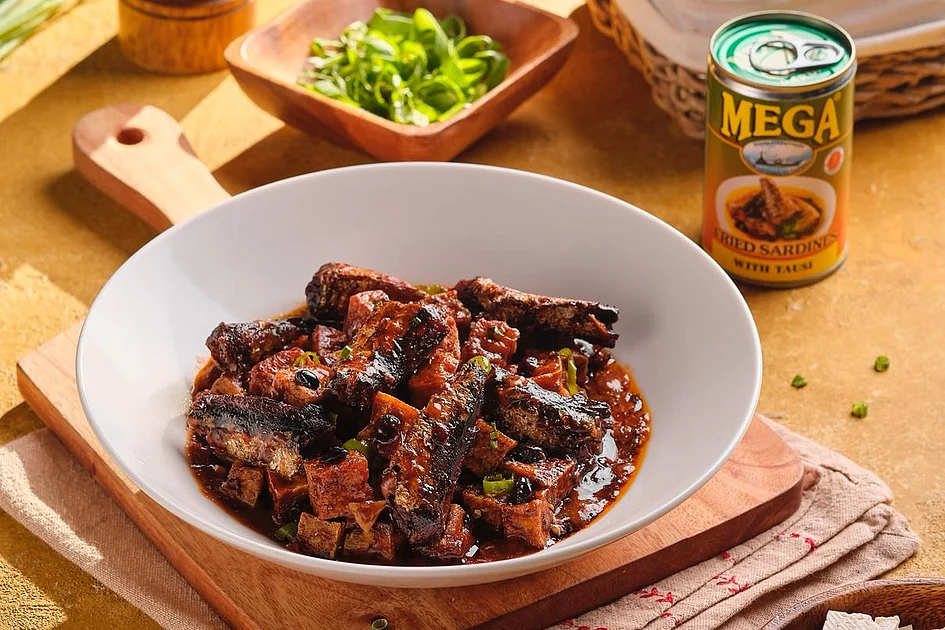
    The nutritional value and safety of sardines depend significantly on sourcing and processing methods. Michelle Tiu Lim-Chan, CEO and President of Mega, highlights the importance of origin and freshness: ‘Where the fish comes from and how quickly it’s processed determine its ultimate nutritional value.’ Her company’s ‘catch to can in 12 hours’ protocol, utilizing pristine South Pacific waters, has earned Mega the world’s sole ‘Superfood’ certification for sardines from MWA.

    Market projections indicate substantial growth for the sardine industry, with anticipated acceleration from 7.5% to over 10% annually beginning in 2026. This surge reflects growing scientific validation and consumer awareness about metabolic health management through dietary choices.

    This movement represents more than nutritional trend—it embodies a fundamental rethinking of lifestyle disease management. As Lafferty concludes: ‘Type two diabetes is not a lifelong condition by default. With discipline, it can be reversed through strategic dietary intervention.’ Once considered mere pantry staples, sardines now stand at the intersection of scientific research, economic accessibility, and global wellness advancement.

  • CellSave Arabia qualified by Gilead and Kite to support advanced cell therapy for lymphoma patients

    CellSave Arabia qualified by Gilead and Kite to support advanced cell therapy for lymphoma patients

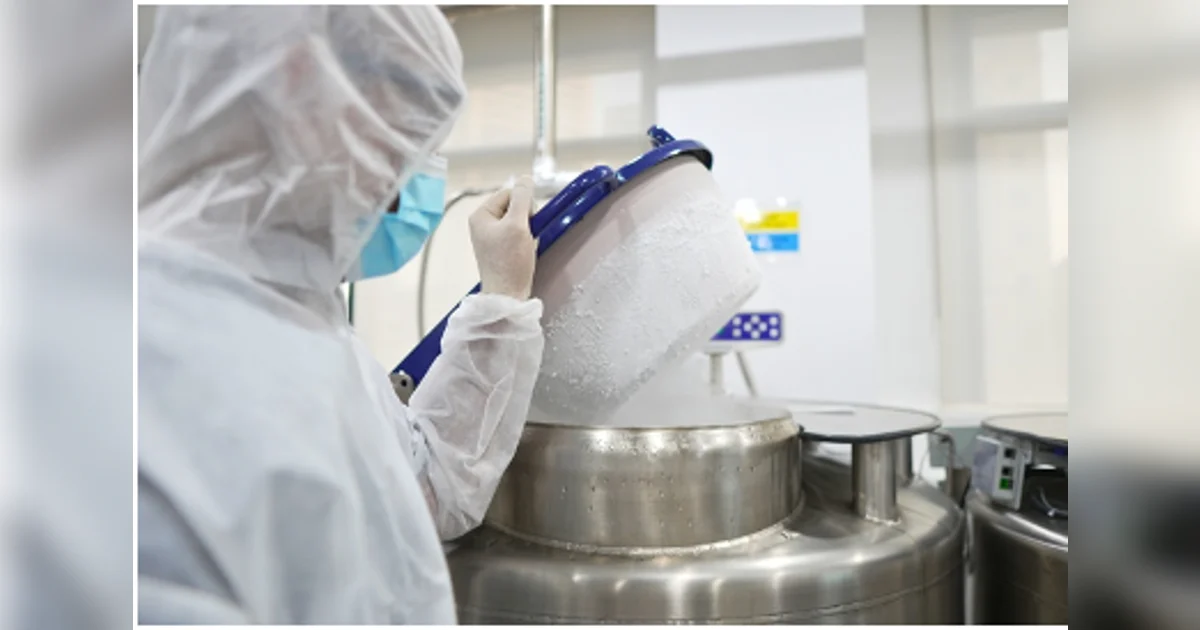
    In a significant advancement for cancer care in the Middle East, CellSave Arabia has achieved qualification from biotechnology leaders Gilead and Kite to deliver specialized cell storage services for lymphoma treatments across the United Arab Emirates. This strategic collaboration establishes new pathways for patients requiring advanced cellular therapies, particularly CAR T-cell treatments that represent a breakthrough in oncology care.

    As the region’s premier private stem cell laboratory operating under CSG.BIO, CellSave Arabia brings state-of-the-art biobanking capabilities to this partnership. The company maintains internationally recognized accreditations including AABB, FDA, and ISO 2038 certifications, ensuring compliance with global standards for cellular preservation. This infrastructure positions the organization as a critical component in the CAR T-cell treatment process, where secure handling and storage of biological material is paramount.

    Kite, a Gilead subsidiary acquired in 2017, stands as a global pioneer in cell therapy innovation. The company has developed transformative treatments including YESCARTA and TECARTUS, which have demonstrated remarkable efficacy against certain lymphoma variants. To date, more than 32,000 patients worldwide have received Kite’s CAR T-cell therapies through over 555 authorized treatment centers. Within the UAE, the company currently maintains two approved CAR T-cell therapies across four medical indications.

    Alia Abdel-Razeq, Chief Operating Officer of CellSave Arabia, emphasized the patient-centric nature of this collaboration. “Our fundamental mission revolves around placing patients at the core of every innovation we pursue,” she stated. “This partnership enables us to support lymphoma patients with unprecedented levels of precision, safety, and care while maintaining the highest preservation standards for cellular materials.”

    Eslam Khedr, Head of Oncology Regional Headquarters for Gilead and Kite Middle East, highlighted the individualized nature of CAR T therapy. “This approach represents a truly personalized treatment modality with curative intent for patients confronting difficult-to-treat blood cancers,” Khedr explained. “Meeting patient and healthcare professional needs requires robust treatment delivery infrastructure, which we’ve developed through one of the world’s most extensive in-house manufacturing networks.”

    This collaboration underscores the UAE’s emerging role as a regional hub for next-generation biomedical innovation and scientific collaboration. By combining CellSave Arabia’s specialized biobanking expertise with Gilead and Kite’s therapeutic leadership, the partnership aims to streamline treatment pathways, enhance accessibility to advanced cancer therapies, and ultimately improve outcomes for patients battling hematological malignancies across the Middle East.

  • Sri Lanka’s Hasaranga ruled out of T20 World Cup due to injury

    Sri Lanka’s Hasaranga ruled out of T20 World Cup due to injury

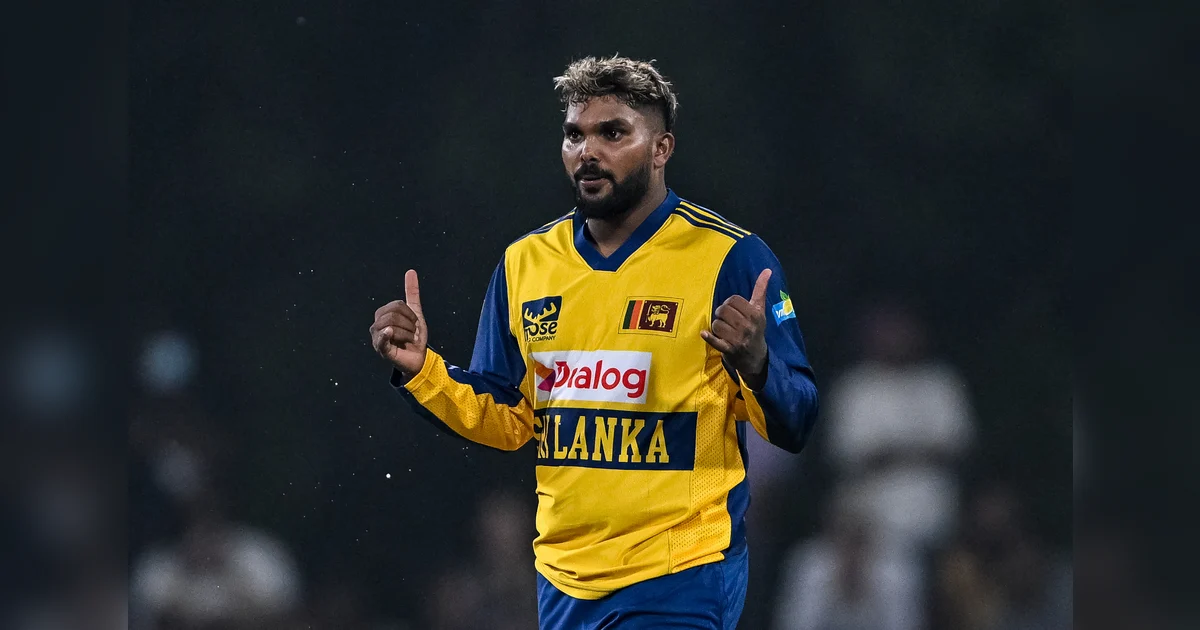
    Sri Lanka’s T20 World Cup aspirations have been dealt a devastating blow with the tournament’s organizing body confirming the withdrawal of premier spinner Wanindu Hasaranga due to a significant hamstring injury. The announcement came Tuesday following Sri Lanka’s opening match victory against Ireland, where Hasaranga had demonstrated his crucial value to the team by capturing three wickets in their 20-run triumph.

    The injury represents particularly cruel timing for the co-hosts, occurring just as Hasaranga appeared to be hitting his strategic peak in the global tournament. Bowling all-rounder Dushan Hemantha has been designated as the official replacement in Sri Lanka’s squad roster.

    Hasaranga’s absence creates an immense void in Sri Lanka’s bowling attack, depriving them of one of international cricket’s most formidable T20 spinners. The 28-year-old phenomenon currently ranks fifth globally in all-time T20 international wickets with 154 dismissals to his credit. This development compounds Sri Lanka’s existing injury concerns, following fast bowler Eshan Malinga’s earlier tournament exit due to shoulder dislocation, with Pramod Madushan having already joined as his substitute.

    The co-hosting nation now faces mounting pressure as they prepare for their critical second Group B encounter against Oman scheduled for Thursday. Team management must rapidly reconfigure their bowling strategy without their primary spin weapon in a tournament where marginal advantages often determine outcomes.

  • Majority of Arabs oppose normalisation with Israel, pan-Arab survey finds

    Majority of Arabs oppose normalisation with Israel, pan-Arab survey finds

    A comprehensive pan-Arab survey conducted by the Arab Center Washington DC has revealed that more than a quarter of Arabs perceive Israel as the most significant threat to their region. The 2025 Arab Opinion Index (AOI), the largest public opinion survey in the Arab world, gathered data from 40,130 respondents across 15 Arab nations between November 2024 and August 2025.

    The findings demonstrate significant regional variations in threat perception. While 28% of all Arab respondents identified Israel as their foremost national security concern, this perception was most pronounced in the Mashreq (Levant) region at 58% and the Nile Valley at 38%. Conversely, the Maghreb and Gulf regions registered the lowest threat assessment of Israel at just 9% each, though these areas also recorded the highest rates of non-response to the question.

    Iran and the United States emerged as secondary regional concerns, with both nations polling equally at 16% in the Mashreq. In the Gulf specifically, 14% of respondents identified Iran as their primary security threat. Notably, fewer than 8% of respondents across the Maghreb, Nile Valley, and Gulf regions viewed the United States as a major threat.

    The survey provided unprecedented insight into Syrian public opinion following the fall of the Assad regime. A striking 88% of Syrian respondents believe Israel is actively working to undermine Syrian security and stability, while 70% oppose any normalization agreement that doesn’t include return of the Golan Heights annexed in 1967.

    Regarding the Palestinian cause, an overwhelming 80% of Arabs believe it represents a collective Arab concern rather than solely a Palestinian issue. Support for this position exceeded 90% in Jordan, Tunisia, Algeria, and Kuwait. Saudi Arabia registered the lowest agreement at 62%, though 30% of Saudi respondents declined to answer.

    The survey further revealed declining support for normalization with Israel, with 87% of all respondents opposing recognition of the Jewish state—a two-percentage-point increase from the previous survey cycle. Only 6% expressed support for recognition, with half of those conditioning their approval on the establishment of an independent Palestinian state.

    Methodologically, the comprehensive study employed face-to-face interviews across most regions, though researchers resorted to telephone surveys in Saudi Arabia and Tunisia due to security considerations. The findings provide crucial insights into evolving geopolitical attitudes across the Arab world.

  • BBC behind-the-scenes as Oscar nominees lunch together

    BBC behind-the-scenes as Oscar nominees lunch together

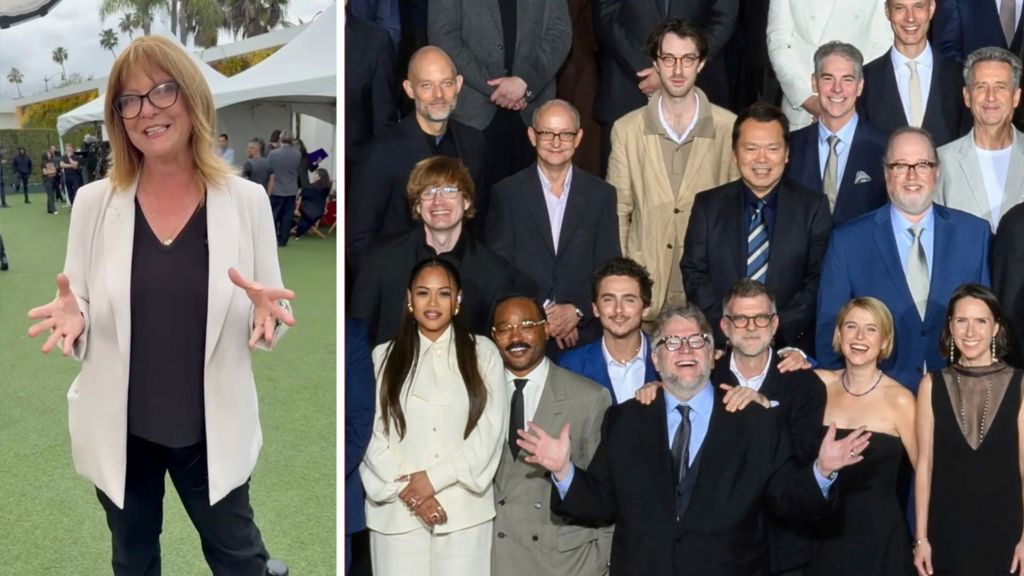
    In an exclusive behind-the-scenes report, BBC correspondent Regan Morris provides unprecedented access to the prestigious annual Oscars Nominees Luncheon, capturing the atmosphere as Hollywood’s elite gather weeks before cinema’s biggest night. The event, traditionally held in late January or early February, serves as both a celebratory gathering and strategic campaign stop for awards contenders across all categories.

    Unlike the formal tension of the awards ceremony itself, the luncheon fosters a more relaxed environment where nominees mingle freely, exchanging congratulations and industry insights. Morris’s coverage reveals candid interactions between first-time nominees and established veterans, showcasing the unique camaraderie that exists beneath the competitive surface. The footage captures everything from lighthearted table conversations to more serious discussions about artistic craft, providing viewers with a rare glimpse into the human connections that define the film industry’s most celebrated community.

    This gathering represents a crucial moment in the awards season calendar, where campaigning subtly continues amidst the festivities. Studio executives, publicists, and actors navigate the delicate balance between celebration and strategic networking. The BBC’s access reveals the meticulous planning behind the event, from seating arrangements designed to facilitate meaningful connections to the traditional class photo where all nominees assemble for a historic portrait that often produces the season’s most shared imagery.

  • Super Rugby turns 30, hoping a faster game attracts more fans

    Super Rugby turns 30, hoping a faster game attracts more fans

    WELLINGTON, New Zealand (AP) — As Super Rugby commemorates its 30th anniversary with Friday’s opening clash between the Highlanders and defending champions Crusaders, the Southern Hemisphere’s premier club competition demonstrates remarkable resilience despite evolving challenges. The tournament’s journey began on March 1, 1996, when the Hurricanes faced the Blues in what marked rugby union’s early professional era, with no certainty about the competition’s longevity. Initially spanning twelve teams across Australia, New Zealand, and South Africa, the championship disrupted traditional provincial loyalties while gradually expanding to incorporate eighteen teams including Argentine, Japanese, and Pacific franchises before consolidating into its current eleven-team format following pandemic adaptations. The 2020 withdrawal of South Africa’s four teams to Northern Hemisphere competitions raised existential concerns, yet Super Rugby has persisted through strategic recalibration. Tournament organizers confirm no immediate expansion plans or active negotiations for South Africa’s return, focusing instead on consolidating existing structures. Chief Executive Jack Mesley emphasized during a New Zealand DSPN podcast interview: “Super Rugby has undergone numerous transformations. Our priority remains strengthening fan engagement and financial stability for our clubs in this region.” While the competition once arguably stood as the world’s finest club rugby tournament, it now faces quality comparisons and attendance challenges against European leagues. Australian viewership and attendance figures, though improving, pale against domestic rivals—the NRL’s 4.3 million annual attendees and AFL’s 8.2 million spectators highlight the competitive sporting market. Recent seasons have introduced multiple law amendments aimed at accelerating gameplay, reducing dead time, and enhancing spectator experience. For the 2026 season, innovations target increased ball-in-play duration and reduced television official interventions. Organizers report eliminating over four minutes of dead time through rule modifications and officiating emphasis. “These changes reflect our commitment to delivering rugby’s most entertaining competition,” stated organizers, promoting “quick taps, faster restarts, and attacking rugby.” However, the changes face criticism from figures like former French referee Mathieu Raynal, who argues Southern Hemisphere priorities sacrifice structural elements like mauls and scrums for spectacle. “We defend these traditional elements and resist directions from countries with empty stadiums seeking to recreate spectacle at any cost,” Raynal commented. Rugby Australia CEO Phil Waugh countered these criticisms by highlighting the Southern Hemisphere’s nine Rugby World Cup victories out of ten tournaments. “World Cup success stems from strong domestic leagues,” Waugh asserted. “We operate in the world’s most congested sports market and serve as the canary in the coal mine for rugby’s evolution.” The fundamental challenge remains balancing entertainment value for casual fans with high-performance preparation for international test matches.

  • Man City’s Guardiola shrugs off title speculation, calls for more consistency

    Man City’s Guardiola shrugs off title speculation, calls for more consistency

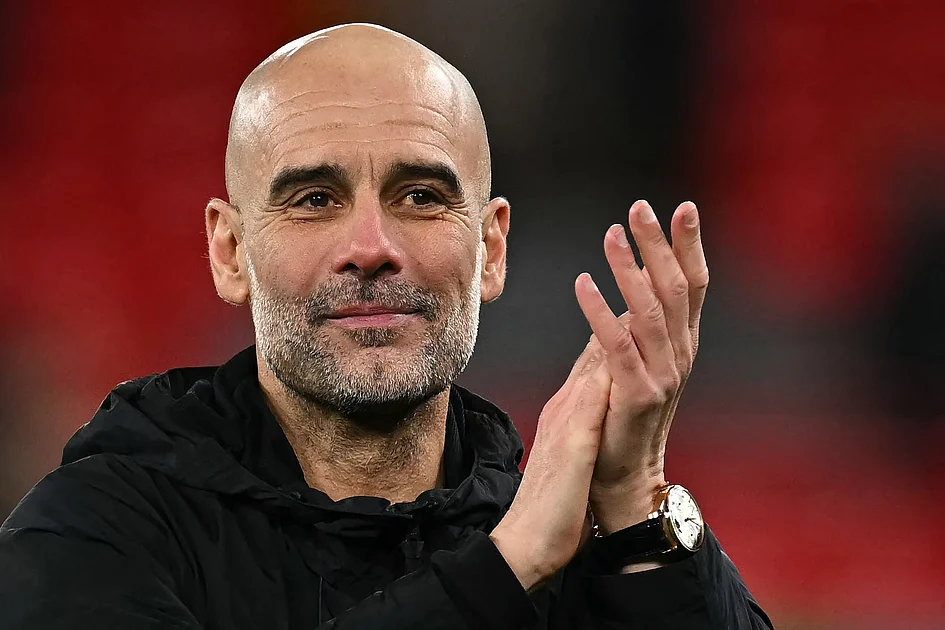
    Manchester City manager Pep Guardiola has emphatically dismissed the growing speculation surrounding the Premier League title race, redirecting focus toward immediate challenges ahead of Wednesday’s crucial encounter with Fulham. Despite trailing league leaders Arsenal by six points, Guardiola maintains that external narratives about championship implications hold no value in his tactical preparations.

    The Catalan coach expressed frustration with media fixation on title implications, stating, “Every time I conduct pre-match interviews, the narrative suggests that a single loss would mean disappearing from planet earth. My sole concern is determining how to defeat Fulham.” This perspective comes amid a concerning run of form that has seen City secure only two victories in their last seven league matches, while Arsenal capitalized with four wins during the same period.

    Guardiola acknowledged the significant challenge posed by Marco Silva’s Fulham, recalling their dramatic 5-4 victory in December that required exceptional resilience. He lavished praise on Fulham’s development under Silva’s leadership, noting: “Their tactical patterns, quality, and composure in possession have improved remarkably. Marco is undoubtedly among the top managers I’ve faced and is destined for elite recognition.”

    On the injury front, Guardiola confirmed the return of defensive midfielder John Stones from a thigh injury sustained during the previous Fulham encounter. Additionally, defender Abdukodir Khusanov has been cleared despite suffering a concussion during Sunday’s 2-1 victory at Liverpool. Regarding the Uzbekistan international, Guardiola remarked: “While he doesn’t speak like Shakespeare, his intelligence and decision-making continue to develop impressively.”

    The manager emphasized that consistency remains City’s primary objective, stating: “We’ve demonstrated excellent qualities for many months, but maintaining consistent performance levels is our current challenge. Securing three points requires executing our tactical philosophy effectively rather than worrying about external standings.”

  • Farhan, spinners lead Pakistan to easy USA win in T20 World Cup

    Farhan, spinners lead Pakistan to easy USA win in T20 World Cup

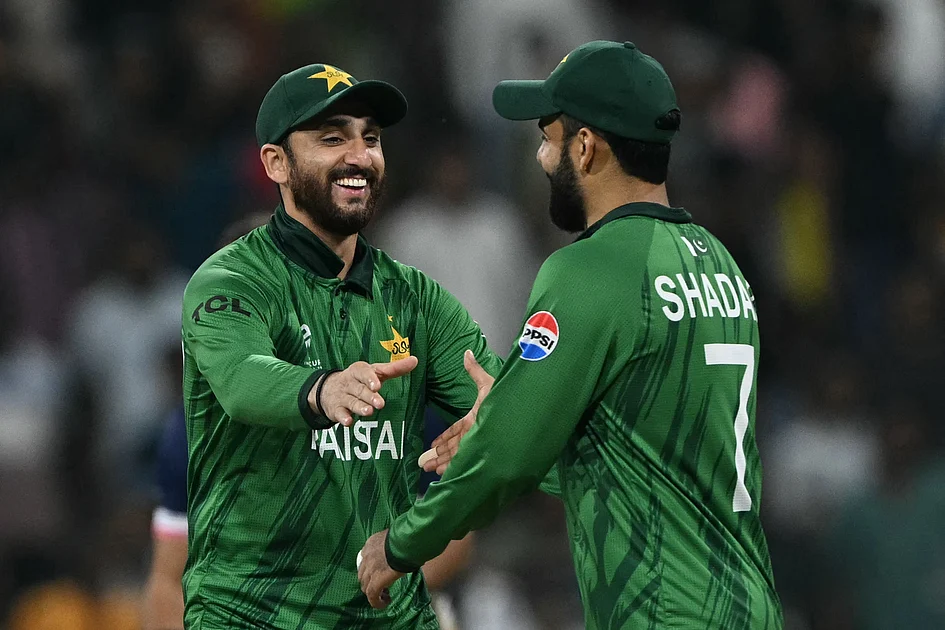
    Pakistan delivered a commanding performance against the United States in their Group A T20 World Cup encounter in Colombo on Tuesday, securing a comprehensive 32-run victory that avenged their shocking defeat to the same opponent two years prior.

    Opener Sahibzada Farhan orchestrated Pakistan’s strong batting display with an impressive 73 runs from just 41 deliveries, featuring five sixes and six boundaries. The 29-year-old batsman reached a significant career milestone during his innings, surpassing 1,000 T20 international runs in his 41st match. He received substantial support from former captain Babar Azam, who contributed a brisk 46 from 32 balls, including four fours and one six.

    The foundation was established early as Farhan and opening partner Saim Ayub (19 from 17 balls) put on 54 runs within the first five overs. Despite a brief stumble that saw two quick wickets fall in the sixth over to USA’s Shadley van Schalkwyk, Pakistan recovered emphatically through an 81-run third-wicket partnership between Farhan and Azam that dominated the middle overs.

    Pakistan’s final total of 190-9 was somewhat tempered by a late collapse that saw five wickets fall for just 13 runs in the final two overs, with van Schalkwyk emerging as the most successful American bowler with figures of 4-25.

    In response, the United States batting lineup struggled against Pakistan’s spin attack. Leg-spinner Usman Tariq proved particularly destructive, claiming 3-27, while all-rounder Shadab Khan supported with 2-26. Despite valiant efforts from Shubham Ranjane (51 from 30 balls) and Shayan Jahangir (49 from 34 balls), the American innings stalled at 158-8, unable to maintain the required run rate against Pakistan’s disciplined bowling.

    The victory marks Pakistan’s second consecutive win in the tournament following their narrow three-wicket triumph over the Netherlands last Saturday. Captain Salman Agha described the performance as “clinical” while acknowledging room for improvement in powerplay bowling ahead of their highly anticipated match against arch-rivals India on Sunday—a fixture that was only confirmed after the Pakistani government reversed its initial boycott decision.