作者: admin

  • Bondi Beach shooting hero’s assault charges dropped by police

    Bondi Beach shooting hero’s assault charges dropped by police

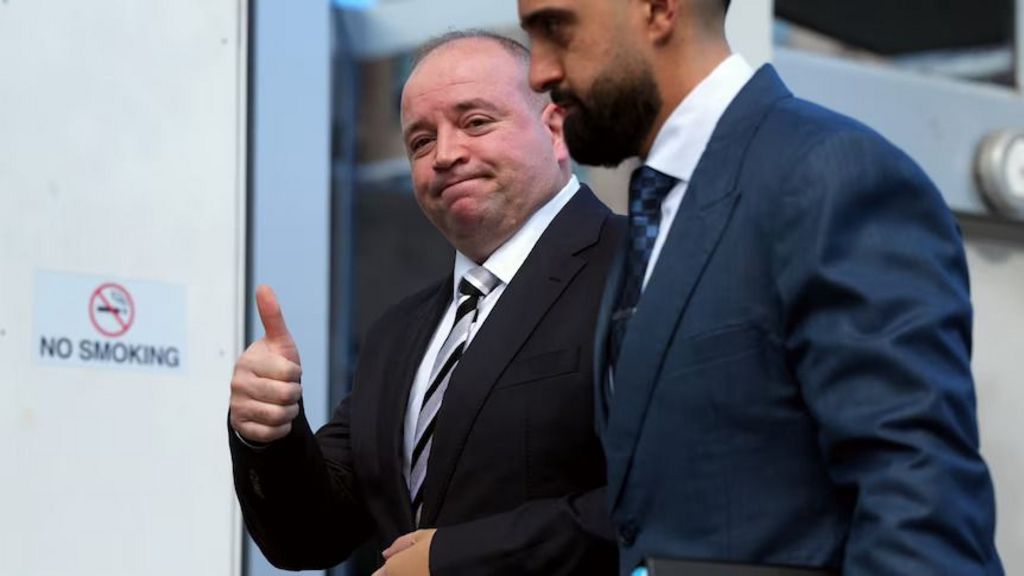
    Nearly eight months after he was charged with domestic violence-related offenses, the Australian man celebrated for his courageous actions disarming a gunman during last year’s deadly Bondi Beach terrorist attack has cleared his name after prosecutors formally withdrew all charges.

    Ahmed al Ahmed, 44, catapulted to global attention last December when bystander footage captured him stepping in to tackle Sajid Akram, one of two attackers who opened fire on a Jewish community gathering at Sydney’s iconic Bondi Beach. The attack, which Australia’s security forces later confirmed was a terrorist act targeting Jewish civilians, left 15 people dead — marking the country’s deadliest mass shooting in more than half a century. During his intervention, Ahmed successfully wrested a firearm from Sajid before being shot multiple times by the second attacker, Naveed Akram.

    His bravery captured the public’s heart across Australia and beyond. In the immediate aftermath of the attack, a public fundraiser organized to support his medical recovery amassed more than AU$2.5 million (equal to roughly $1.7 million USD or £1.24 million GBP), and he received a personal bedside visit from Australian Prime Minister Anthony Albanese to recognize his courage.

    But in June of this year, Ahmed faced a series of legal troubles: he was charged with common assault, stalking, and intimidation stemming from an alleged March incident involving his father at a residence in southwest Sydney. Ahmed immediately and forcefully denied all allegations brought against him.

    On Wednesday, during a hearing at a local Sydney court, prosecuting representatives announced they would drop all charges. The withdrawal came as part of a negotiated agreement where Ahmed agreed to comply with a 12-month apprehended domestic violence order (ADVO) that restricts his contact with his father. According to Australia’s national public broadcaster ABC, defense lawyer Mohamed Sakr told the court that Ahmed accepted the ADVO, which bars him from assaulting, threatening, stalking, or intimidating his father, without admitting any guilt to the original offenses.

    Speaking to reporters outside the courtroom following the ruling, Ahmed expressed relief at the outcome, describing himself as a “free man” and saying he hoped to move forward toward peace in his personal life.

    The dropped assault charges are not the only legal tangle surrounding Ahmed and the post-attack donations, however. In a separate ongoing court case, two of Ahmed’s own brothers have recently been arrested and charged over allegations they threatened Ahmed and attempted to extort a portion of the public donation funds raised for his recovery.

  • Israel and Venezuela restore diplomatic relations after years of severed ties

    Israel and Venezuela restore diplomatic relations after years of severed ties

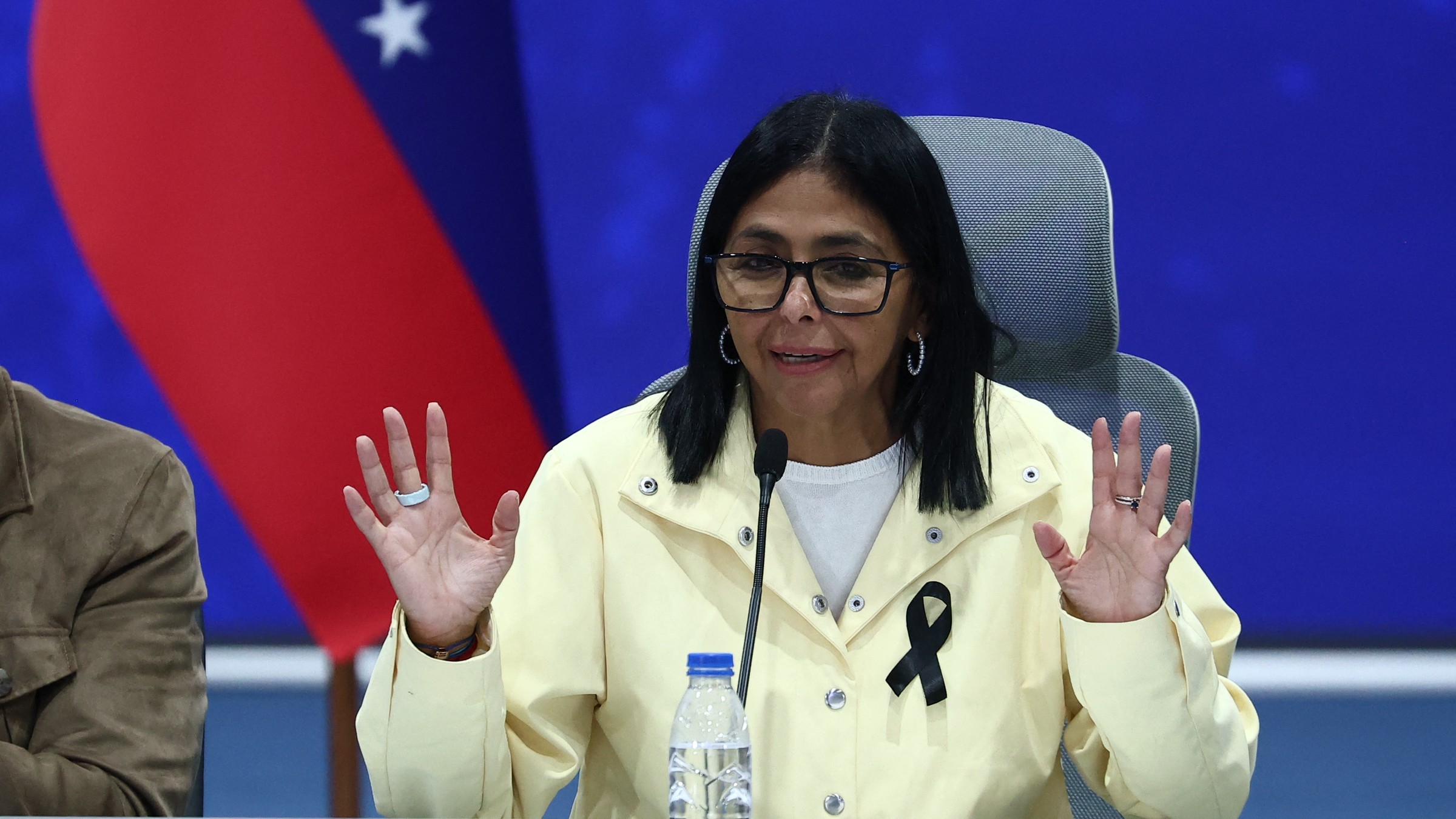
    After 17 years of fully severed official relations, Israel and Venezuela announced the restoration of full diplomatic ties in coordinated public statements released by both governments on Tuesday. This landmark diplomatic reversal follows a major political shift in Caracas, where acting President Delcy Rodriguez has reoriented Venezuela’s foreign policy sharply toward the United States after the U.S. abduction and imprisonment of former leftist President Nicolas Maduro earlier this year. U.S. President Donald Trump has publicly claimed credit for controlling Venezuela’s governance in the wake of Maduro’s removal from power.

    In an official post on the social platform X, Israeli Foreign Minister Gideon Saar confirmed that the two nations have additionally agreed to launch a bilateral coordination mechanism designed to support the delivery of consular services to citizens of both countries residing or traveling in each other’s territory. Venezuela’s Foreign Minister Felix Plasencia Gonzalez released a matching statement confirming the agreement shortly after Saar’s announcement.

    Prior to this breakthrough, Venezuela stood out as one of the few non-Muslim majority nations globally that maintained no formal diplomatic relations with the State of Israel. The original split dates back to 2009, when then-President Hugo Chavez, a leading leftist figure in Latin America, cut ties in protest of mass civilian casualties caused by Israel’s first large-scale military offensive on Gaza, codenamed Operation Cast Lead by Israeli forces. When Maduro succeeded Chavez, relations remained frozen for more than a decade, and Maduro deepened Venezuela’s diplomatic and political ties with the Palestinian Authority and Iran, both longstanding critics of Israeli policy.

    Tuesday’s official announcement caps months of gradual, unofficial engagement between the two governments that began after Maduro’s detention by the U.S. In February of this year, financial news outlet Bloomberg reported that Venezuelan crude oil had been shipped to Israel for the first time in decades, a claim that Venezuelan information officials quickly denied. In June, after a devastating pair of earthquakes struck Venezuela that killed more than 6,000 people, Israel sent humanitarian relief and emergency assistance to the affected country, a move that warmed unofficial backchannel talks.

    Both statements from Jerusalem and Caracas emphasized the importance of maintaining connections between the State of Israel and Venezuela’s local Jewish community. Data from the World Jewish Congress estimates that roughly 6,000 Jewish residents currently live in Venezuela.

    The restoration of ties is the latest in a growing wave of pro-Israel diplomatic moves by Latin American nations that have unfolded over recent months, coming as right-wing leaders have won election across much of the continent. This shift comes even as Israel faces widespread global condemnation over its ongoing military campaign in Gaza, which has killed more than 73,000 Palestinians, with many international bodies and human rights groups labeling the campaign an act of genocide.

    Venezuela’s announcement coincided with a separate pro-Israel move by neighboring Colombia, where the government announced Tuesday it would recognize Israeli sovereignty over the Israeli-occupied Golan Heights, a region universally recognized as Syrian territory under international law. Colombia’s new far-right president, Abelardo de la Espriella, already announced plans last month to fully normalize relations with Israel and open a controversial national embassy in Jerusalem, a move that deviates from longstanding international consensus on the status of the city. Last week, the administration of Honduran right-wing president Nasry Asfura Zablah also announced it had returned the country’s ambassador to Israel, after withdrawing the diplomatic representative earlier in the conflict over the Gaza campaign. Notably, Zablah and pro-Israel Salvadoran President Nayib Bukele – another right-wing Latin American leader that has backed Israel in recent months – are both of Palestinian descent.

  • New Zealand PM survives second leadership challenge ahead of election

    New Zealand PM survives second leadership challenge ahead of election

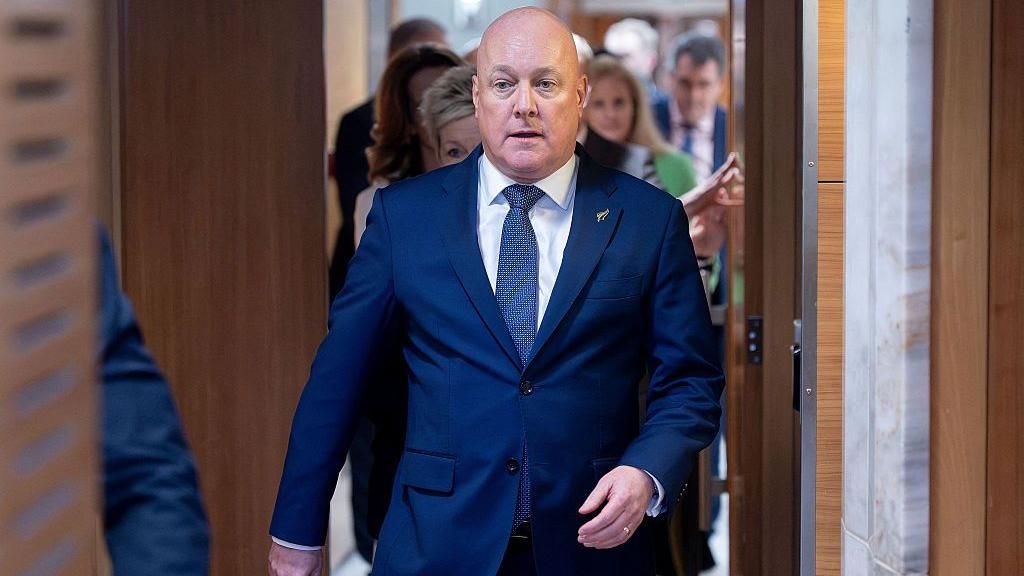
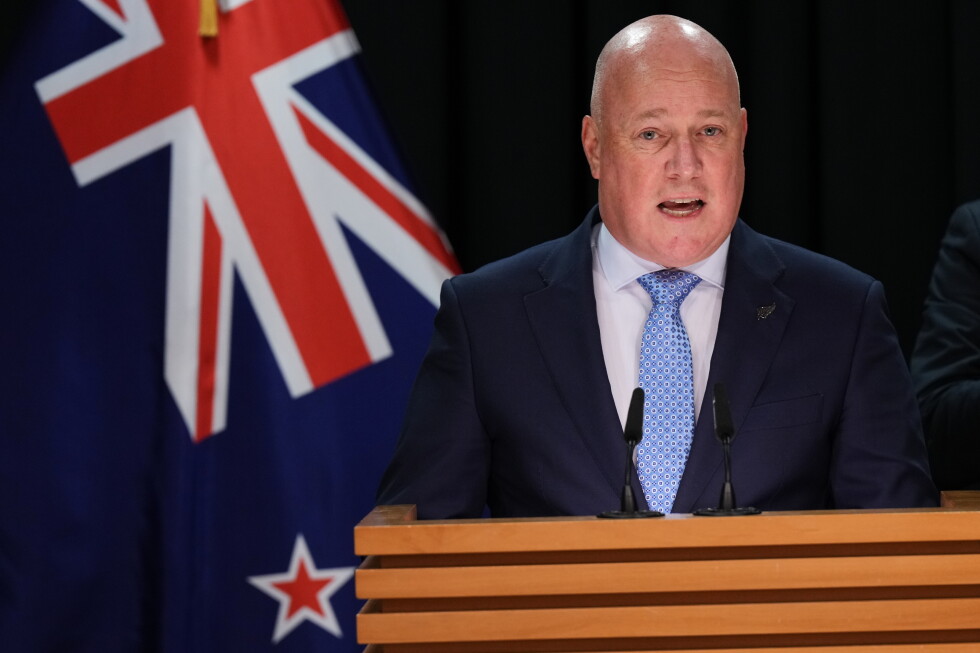
    As New Zealand approaches its November 7 general election, Prime Minister Christopher Luxon has emerged from a second leadership challenge in four months with a declaration that he retains the full backing of his ruling center-right National Party. Facing growing public and intra-party speculation over his grip on the leadership, Luxon called an emergency three-hour caucus meeting on Wednesday to address the unrest, emerging to reaffirm his party’s unity and electoral ambitions.

    The latest bout of leadership uncertainty stems from a string of missteps by the 56-year-old former chief executive of Air New Zealand, which have compounded existing voter frustration over the country’s underperforming economy. Earlier this month, Luxon sparked widespread anger among New Zealand’s small business community when he used a public speech to accuse local business owners of holding a “parent-child mentality” toward the central government and urged them to “be adult”, claiming businesses relied too heavily on state handouts. He was quickly forced to issue an apology, acknowledging that thousands of business owners were already grappling with severe economic hardship.

    Last week alone, Luxon faced another wave of backlash when he revealed on live radio that he was open to holding a national referendum on New Zealand’s electoral system – a proposal he had not discussed or coordinated with his own party colleagues ahead of the public announcement.

    These controversies have come as the country grapples with sustained economic stagnation, which has eroded public support for Luxon’s administration. Unemployment has climbed to 5.6%, an 11-year high, and the government has failed to deliver on the core 2023 campaign promises that brought Luxon to power: cutting the cost of living and reducing personal and business taxes.

    A 1News Verian opinion poll published the same morning as the caucus meeting underscored the depth of Luxon’s political slump, with his approval rating as preferred prime minister dropping to 17% – the lowest point of his tenure. Even with the decline, however, polling data still puts him ahead of all other potential challengers for the top job.

    Wednesday’s caucus vote means Luxon has survived a confidence vote, clearing the immediate threat to his leadership four months before the country heads to the polls. Speaking to reporters after the meeting, Luxon struck a confident tone, saying “I have the full support of our caucus. Our caucus is united, and it is determined to win this election.” Political analysts will continue to monitor whether the resolution of internal leadership tensions will be enough to reverse the National Party’s sliding poll numbers ahead of the critical November general election.

  • A guide to this week’s election in Zambia, a southern African country rich in critical minerals

    A guide to this week’s election in Zambia, a southern African country rich in critical minerals

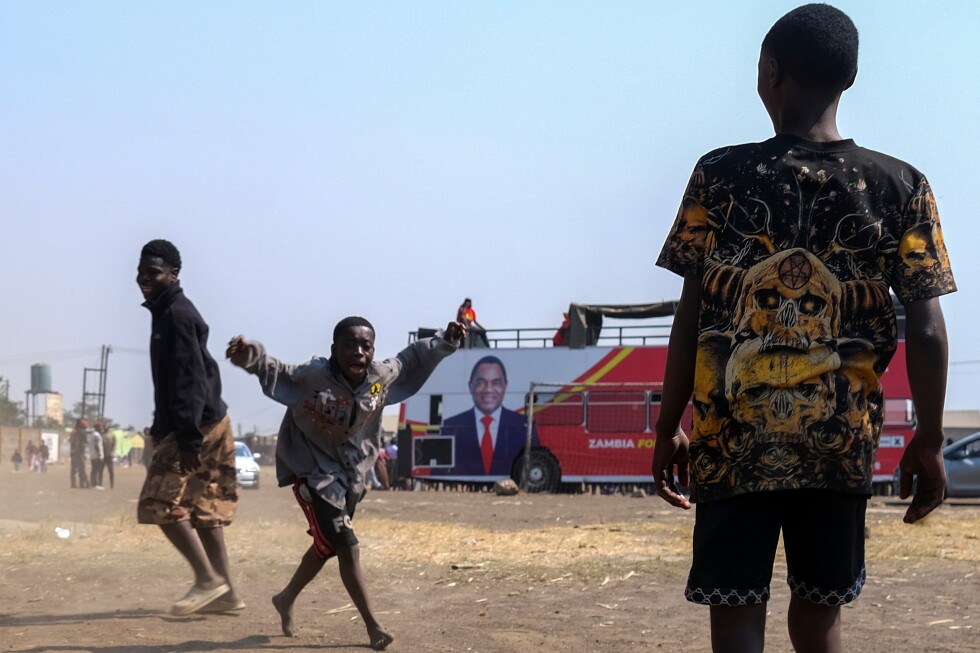
    On Thursday, voters across Zambia head to the polls to decide whether incumbent President Hakainde Hichilema will earn a second five-year term, capping a contentious electoral race centered on the southern African nation’s slow progress post-debt crisis and its untapped potential as a global leader in critical mineral production. As one of the world’s top copper exporters — a commodity increasingly vital to global electric vehicle and renewable energy supply chains — Zambia’s election outcome carries both domestic and international ramifications.

    The road to this 2026 vote began in 2020, when Zambia became one of the highest-profile developing nations to default on sovereign debt repayments to China and other international creditors, a collapse exacerbated by the economic shock of the COVID-19 pandemic that put global debt sustainability for low-income countries under the international spotlight. Hichilema, who had unsuccessfully run for president five times between 2006 and 2020, won the 2021 election on a platform of economic renewal, and over his first term delivered on key structural reforms: under his leadership, Zambia successfully restructured more than $12 billion in owed debt to foreign governments and private creditors, reined in sky-high inflation, and stabilized the volatile kwacha currency. If re-elected, Hichilema has pledged to scale up Zambia’s copper production from current levels to 3 million metric tons annually by 2031 — a more than threefold increase that would push Zambia ahead of both the United States and China to become one of the world’s top copper producers.

    A total of 14 candidates are vying for the presidency, but political analysts widely identify 55-year-old Brian Mundubile, leader of the main opposition coalition Tonse Alliance, as Hichilema’s most formidable challenger. A law graduate, Mundubile was not a household name in Zambian politics until earlier this year, when he emerged as the coalition’s leader following months of internal infighting that shook the opposition bloc.

    While Hichilema’s administration can claim macroeconomic stability after years of chaos, many ordinary Zambians — in a landlocked nation of 22 million people — say they have yet to feel the benefits of recovery. Food and energy prices remain stubbornly high, and critics argue that trickle-down growth has failed to reach working-class households. “You expect a minimum of three years to be able to drive an economic agenda and turn around a country,” explained Trevor Hambayi, a leading Zambian economist. “That has passed and they’ve had five years. But these effects have not yet trickled down to the Zambian people.” During his final campaign push this week, Hichilema attempted to counter these criticisms by pledging to expand infrastructure investment in new schools, hospitals and roads to drive job growth, telling supporters, “We love you so much and this is why we are working round the clock to lower the cost of living.”

    Another key line of attack from the opposition centers on claims of shrinking democratic space. On Tuesday, the Tonse Alliance accused Hichilema’s government of orchestrating a politically motivated raid on its headquarters, where law enforcement seized campaign vehicles, communication equipment and other materials — an action the alliance says is designed to disrupt its final days of campaigning. The election has also been overshadowed by a lingering, macabre political dispute between Hichilema’s government and the family of his late predecessor, former President Edgar Lungu. The two leaders shared a deeply bitter rivalry that stretched across years: when Lungu was president, Hichilema — then opposition leader — spent four months in prison on treason charges in 2017 after his motorcade failed to yield to Lungu’s motorcade. Before Lungu’s death last year, he claimed he was effectively placed under house arrest by Hichilema’s administration and was forced to sneak out of Zambia to receive emergency medical care in South Africa.

    After Lungu died in South Africa in June 2025, a year-long legal battle erupted over where his body would be buried. Hichilema’s government demanded the body be repatriated for a state-led funeral, while Lungu’s family insisted one of the former leader’s final wishes was to avoid a state ceremony overseen by his rival. The dispute, which dominated national headlines for months, eventually went to South Africa’s Supreme Court of Appeal, which ruled in the family’s favor — no burial plans have been announced publicly as of election day.

    Beyond domestic politics, the election draws acute international interest from major global powers competing for access to Zambia’s rich copper and cobalt reserves, minerals that are core components of electronics, electric vehicle batteries and other clean energy technologies. China is already Zambia’s largest foreign investor, holding extensive stakes in the country’s mining sector. In recent years, the United States has also sought closer ties to access these critical minerals, though Zambia has accused the U.S. of tying approval for a proposed $2 billion bilateral health deal to mineral access concessions — a claim U.S. officials have rejected.

    Thursday’s vote is not limited to the presidency: 8 million registered Zambian voters will also cast ballots for members of the national Parliament and local government council seats. Zambia uses a 50% plus one electoral system for the presidency, meaning a candidate must win an outright majority to claim victory on the first ballot. If no candidate crosses the 50% threshold, the country will hold a second round runoff between the top two contenders in the coming weeks.

  • Trump says he switched planes after Nato summit because of possible threat

    Trump says he switched planes after Nato summit because of possible threat

    In a startling confirmation to reporters this Tuesday, former President Donald Trump has acknowledged that he was part of an elaborate last-minute plane swap during his departure from last month’s NATO summit in Turkey, arranged by the United States Secret Service and military in response to a verified potential security threat.

    “I follow the guidance of the Secret Service and the military. They instructed me to take a different flight on a different aircraft,” Trump stated. “I have no choice but to comply with their directions.”

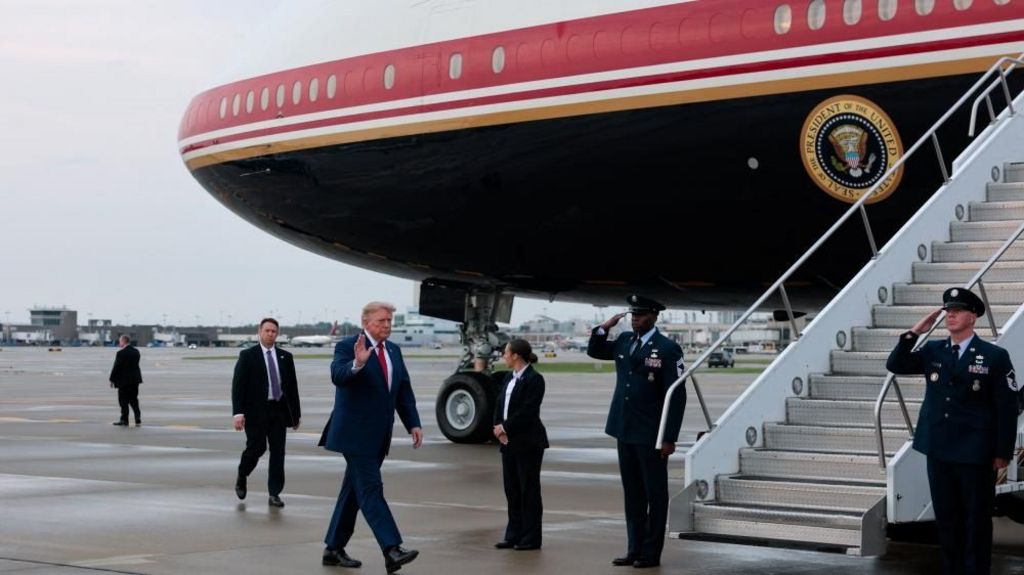
    This public confirmation comes after weeks of media reports detailing the complex ruse pulled off on July 8 at Ankara’s international airport. According to multiple official and media accounts, Trump was filmed by television cameras boarding the standard Air Force One presidential jet, in line with his earlier announcement that he would depart on the older aircraft “for old time’s sake” after arriving in Turkey aboard a newer Boeing 747-8 provided by Qatar.

    What cameras and most people on site did not see, however, was Trump slipping off the opposite side of the jet onto a catering truck that was elevated to the plane’s entry level. He was then covertly transported to a smaller C-32A military aircraft, a modified Boeing 757 that is most commonly used by the U.S. vice president, to depart the country. To maintain the illusion that Trump remained on the original Air Force One, Defense Secretary Pete Hegseth boarded the C-32A separately via external stairs to keep the flight operating under a routine appearance.

    Most journalists accompanying the presidential delegation and even several White House staff members were kept completely in the dark about the switch. After boarding the decoy Air Force One, they were instructed to close their window shades, leaving them unaware that the commander-in-chief was no longer on the aircraft with them.

    Multiple U.S. officials, speaking to CBS News—BBC’s U.S. partner—confirmed that the unprecedented security move was triggered after American intelligence detected a credible threat from Iran to launch a missile strike against the presidential aircraft. This development comes one day after the U.S. resumed targeted military strikes on Iranian positions, following the total collapse of negotiations between Washington and Tehran aimed at ending ongoing hostilities between the two nations.

    The secret plane swap has sparked public debate over potential risks, with questions raised about whether the personnel left on the decoy Air Force One were unknowingly placed in danger. But Trump pushed back against these concerns on Tuesday, emphasizing that the alternate military jet he ultimately departed on faced the greater risk.

    This is not the first time Trump has framed himself as a top target for Iran. During the NATO summit itself, he publicly stated that he was Iran’s “number one target” for attack.

  • Victoria musician Talae Rodden killed in Mount Buller ski resort tragedy

    Victoria musician Talae Rodden killed in Mount Buller ski resort tragedy

    A promising young Australian musician has lost his life in a sudden, unforeseen tragedy at a popular Victorian ski region, leaving his community reeling from shock and grief. Talae Rodden, a 27-year-old singer-songwriter who performed under the stage name RiceWine, died on Monday when a mature tree unexpectedly collapsed onto the vehicle he was traveling in along Mt Buller Rd in northeastern Victoria.

    Rodden was riding as a passenger alongside his mother, Sally, when the incident occurred. While Sally was rushed to a nearby hospital with critical injuries after the accident, her son was pronounced dead at the scene of the incident.

    Already a fast-rising name in Australia’s independent music scene, Rodden had built a growing global fanbase through his work. His breakout track *Summer Spent*, released four years ago, has accumulated more than 1.1 million views on YouTube, and he had already graced the stages of major national events including Sydney’s SXSW and October 2025’s Inner West Fest, as he worked to establish his full-time career in music.

    In the wake of the devastating loss, Rodden’s local community has moved quickly to support his grieving family, who are longstanding, beloved members of the interconnected Mount Buller, Merrijig and Mansfield regional communities. The University Ski Club, with which the family has deep ties, launched a GoFundMe crowdfunding page to cover the costs of Rodden’s funeral and Sally’s ongoing medical recovery expenses.

    The outpouring of support has been overwhelming: more than 750 individual donors have contributed to the campaign, pushing the total raised to an extraordinary $113,000 in just days since the tragedy. In a public statement shared on the fundraising page, club representatives reflected the widespread heartbreak across the region.

    “There are simply no words to describe the shock and heartbreak felt by everyone who knows this beautiful family,” the statement read. “Talae was a talented and much-loved young man, cherished by his family, friends and so many people who had the privilege of knowing him. His loss has left an enormous hole in the communities he was so much a part of.”

    Rodden is survived by his mother Sally, who remains in hospital recovering from her injuries, his father Cha, and his brother Jared.

  • Balochistan’s dangerous fuel trade is a lifeline. The Iran war is choking it

    Balochistan’s dangerous fuel trade is a lifeline. The Iran war is choking it

    Tucked 150 kilometers west of Gwadar, the coastal hub at the core of the China-Pakistan Economic Corridor, Kuntani Hor sits as a quiet, muddy creek along Pakistan’s remote Makran Coast, just steps from the Iranian border. What looks like an unassuming stretch of water and arid surrounding land, however, has grown over decades into the beating heart of one of Pakistan’s most consequential informal cross-border economies: a sprawling smuggling network for Iranian fuel that sustains tens of thousands of livelihoods across the country.

    This informal fuel trade, classified as smuggling by Pakistani authorities, had become so deeply embedded in local economic life that Balochistan’s provincial government took the unprecedented step in April 2025 of setting a regulated per-litre price for the black-market fuel, capping it below the cost of officially imported fuel and restricting sales to within provincial borders. When operations run at full capacity, Kuntani Hor’s shoreline buzzes with constant activity: boat crews bring Iranian petrol and diesel across the border, day laborers haul heavy 70-litre barrels through waist-deep mud to local depots, specialized motorcycle transporters known locally as cycali haul the load across sandy desert tracks, and truck drivers move the fuel onward to markets across Balochistan and beyond into Punjab. For workers ranging from recent university graduates to displaced fishermen to unskilled laborers from northern regions with no other work options, this high-risk trade is the only reliable source of income they can access.

    That fragile livelihood came to a near-standstill in early 2026, after the United States and Israel launched a new full-scale military campaign against Iran on February 28, the second major open conflict between the parties following a 12-day confrontation in June 2025. Iran retaliated with strikes on Israeli and American military assets across the Gulf region, and fighting soon disrupted ports, coastal infrastructure, and shipping lanes around the Strait of Hormuz. By July, the conflict had killed thousands and displaced millions across Iran and Lebanon, but its economic ripple effect reached far beyond Iran’s borders, straight to the shores of Kuntani Hor.

    For 26-year-old anthropology graduate Siraj, the collapse of the trade encapsulates the region’s deep systemic inequality. A native of Panjgur district near the Iranian border, Siraj traveled hundreds of kilometers to earn a degree from one of Pakistan’s top universities, Quaid-i-Azam University in Islamabad, convinced the credential would secure him stable work. When formal government job openings drew thousands of applicants for every single position, and following the death of his father that left his family dependent on his income, Siraj had no other option but to travel south to Kuntani Hor in search of work. Just as he joined the local workforce, the war brought operations to a halt, leaving him unemployed and waiting back in his hometown for any sign the trade will resume.

    Workers across the supply chain describe the trade as a deadly but necessary choice, made only by the absence of any viable alternative. “Every day was another chance to earn, but also another chance to die,” explained Mohammad Asif, an unskilled laborer from Dera Ghazi Khan in Punjab who returned home unemployed after the trade collapsed. Asif noted that laborers handle highly flammable fuel in extreme desert heat, with no protective gear, no fire suppression services, and no access to emergency medical care. A worker can earn up to 10,000 Pakistani rupees ($36) per day on a busy shift, nearly seven times the average 1,400-1,500 rupees daily wage for unskilled formal labor across Pakistan, making the risk unavoidable for many.

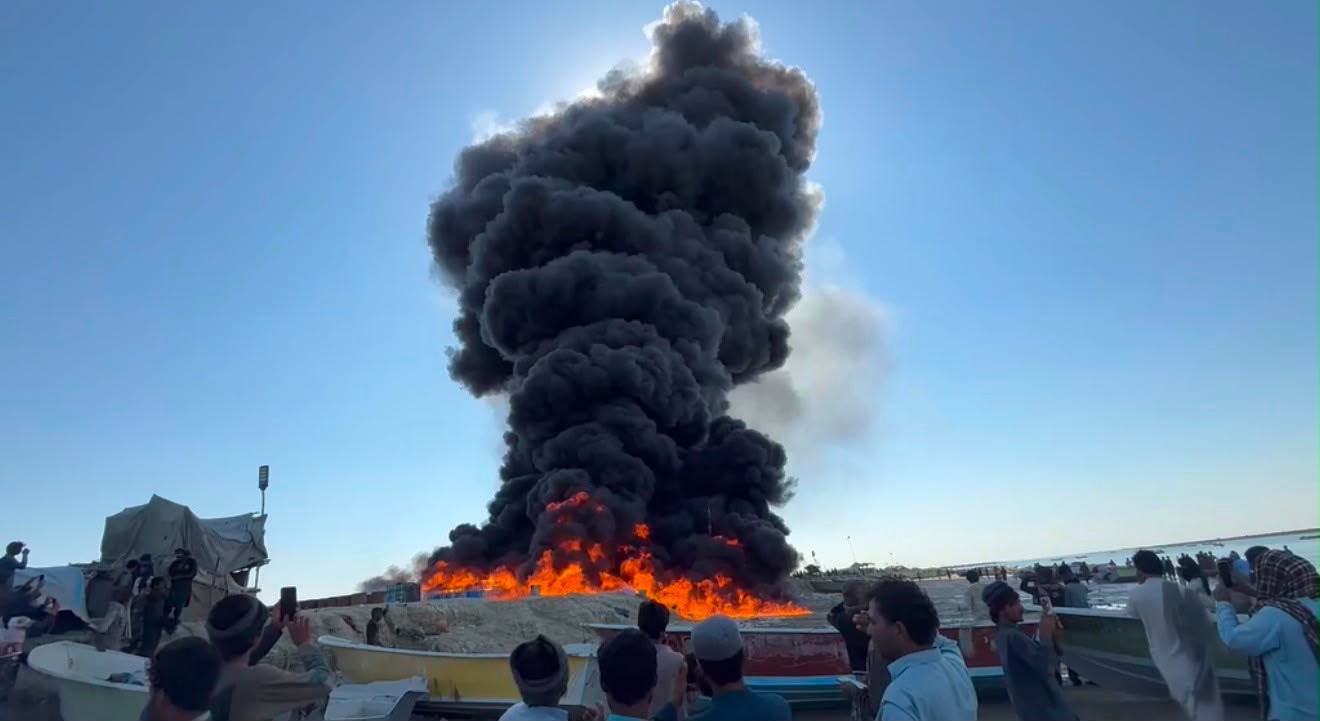
    Conditions for the cycali, the motorcycle transporters who move fuel from the shore to inland depots, are equally deadly. Each motorcycle is loaded with four to five fuel barrels, creating an unstable, highly combustible load that riders must navigate across deep desert sand, often using their own feet to push and steady the overloaded bikes under the scorching sun. Noroz, a cycali who survived a fuel fire that left him with severe burns, noted that a single small leak can ignite the entire load, killing the rider instantly. “People lose their lives, but we still have to earn,” he said. “For us, it is better to risk death here than to die of hunger.” Even before the war, the creek lacked basic infrastructure: there is no clean drinking water, no sanitation, no shelter from the elements, and coastal waters are heavily contaminated by spilled fuel, forcing workers to buy all their water at prices that eat up nearly half their daily earnings.

    Before the war, Bakshi Baloch, a depot operator from the coastal town of Pasni, estimated that more than 5,000 independent depots operated across the Kuntani Hor region, each supporting dozens of direct jobs from accountants to unloaders to transport crews. Workers traveled from across Pakistan to take jobs here: boat crews from neighboring Sindh, laborers from Punjab and even Kashmir, all drawn by the lack of work in their home regions. Today, Bakshi is back home himself, receiving daily voice messages from unemployed former workers asking when depots will reopen — a question he has no answer to.

    Previous closures of Kuntani Hor, tied to regional security concerns and periodic crackdowns on smuggling, typically lasted only days or weeks. This disruption is different. Fuel supplies from Iran have become extremely unreliable, transportation costs have spiked, and profit margins have shrunk to almost nothing, leaving the trade operating at just a small fraction of its pre-war volume. By May 2026, dealers reported that the shortage had pushed the price of Iranian fuel in Gwadar up by 30 to 40 rupees (11 to 14 cents) per litre, hitting local consumers as well as traders. “It felt as though the war on Iran had also become a war on our economy,” said Rahim Baksh, a former fisherman who switched to fuel transport for better wages.

    Regional analysts and journalists emphasize that the war did not create this crisis; it merely laid bare a decades-long failure of governance and economic development in Balochistan. A 2021 study of the Jiwani-Iran border found that informal cross-border trade, far from being a marginal activity, functions as the foundational pillar of the local regional economy. “While fuel receives the most attention, the border economy also revolves around food, household goods, construction materials, spare parts, and transport services,” explained Sahar Baloch, a Berlin-based journalist who reports extensively on Balochistan. She noted that thousands of families across Gwadar, Kech, Panjgur, and Washuk depend on the trade directly or indirectly, and traditional livelihoods like fishing and agriculture are already strained by overcommercialization and chronic water scarcity.

    The Pakistani state has long classified the trade as smuggling, but has failed to create any alternative formal employment opportunities for the region’s growing workforce. For many families, the informal trade functions as a form of informal social safety net in the absence of state support, Sahar explained. Repeated closures and prolonged disruptions deepen existing economic frustration and widen the gap of distrust between marginalized Baloch communities and the national government, at a time when the province already struggles with soaring unemployment, high inflation, and falling purchasing power.

    Today, only around 100 of the thousands of depots that once operated at Kuntani Hor remain open, and most workers have returned to their hometowns with no income and no prospects. For workers like Siraj, the war is not an abstract distant conflict covered in international news; it is experienced through empty depots, unanswered questions about work, rising prices, and lost wages. Even if the trade resumes, workers will only return to the same deadly conditions: contaminated water, unregulated flammable loads, no infrastructure, and a constant risk of death. At Kuntani Hor, the only thing more dangerous than doing the work is being deprived of it.
  • 2.4 million girls banned from Afghan schools since Taliban return: UNESCO

    2.4 million girls banned from Afghan schools since Taliban return: UNESCO

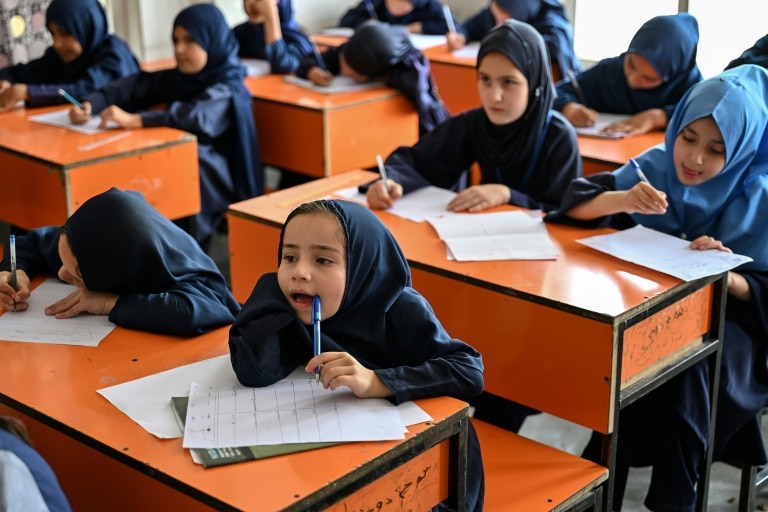
    Nearly two and a half years after the Taliban retook control of Afghanistan, a devastating new tally from the United Nations Educational, Scientific and Cultural Organization (UNESCO) has laid bare the full scale of the crisis facing girls’ access to education in the country: around 2.4 million adolescent girls are now locked out of secondary schooling, a number that has climbed by 200,000 since 2023. If the current ban remains in place, that figure is projected to surge to nearly 4 million by 2030.

    The policy barring girls from education beyond primary school was formally implemented in March 2022, just months after the Taliban completed its takeover of the country in August 2021. It is one of a sweeping set of restrictions the unrecognized Taliban administration has imposed on Afghan women and girls, including bans on university attendance, entry to public parks, gyms, and beauty salons. The United Nations has labeled this system of widespread gender-based exclusion as “gender apartheid”; currently, the Taliban government is only recognized diplomatically by Russia. Taliban leaders have defended the education ban by citing their own strict interpretation of Islamic law.

    In a statement released Tuesday, UNESCO outlined how the restrictions have erased 20 years of gradual progress in expanding educational access for Afghan girls. When the Taliban was last in power in 2001, access to schooling for girls was almost nonexistent, but by 2021, nearly one million girls were enrolled in secondary education across the country. That progress has now been completely reversed.

    “Afghanistan girls and women have the right to learn, that’s a basic human right,” said Hoda Jaberian, UNESCO’s programme coordinator for education in emergencies. “They have the right to work. They should have the freedom of movement.” The agency issued an urgent call for the immediate reversal of the ban and an end to systemic discrimination against women and girls across the country.

    Beyond the immediate human cost, the education ban carries severe long-term economic consequences for Afghanistan, which is already grappling with one of the world’s worst humanitarian crises. UNESCO estimates that the cumulative loss to the Afghan economy from restrictions on women and girls’ participation will reach $9.6 billion by 2066.

    The crisis extends far beyond secondary education for girls, the report adds. Afghanistan’s entire education sector is on the brink of collapse: more than half of all primary school-aged children are completely out of school, and over 90 percent of 10-year-olds in the country cannot read a simple text. Years of compounding crises have worsened these challenges, including repeated natural disasters, most notably destructive earthquakes that have damaged or destroyed hundreds of schools across the country. A lack of basic infrastructure, including drinking water, sanitation facilities, and heating in learning spaces, has also left many existing schools unfit for use. Since 2023, more than seven million Afghans have either voluntarily returned or been forcibly deported back to Afghanistan, placing additional unsustainable pressure on the already overstretched education system.

  • Cristiano Ronaldo marries long-term partner Georgina Rodriguez

    Cristiano Ronaldo marries long-term partner Georgina Rodriguez

    Global football icon Cristiano Ronaldo has officially tied the knot with his long-term partner Georgina Rodriguez, ending years of public curiosity and speculation around their relationship. The intimate, private ceremony took place on Tuesday at the elite Portuguese seaside resort of Cascais, confirmed representatives for the 41-year-old sporting legend.

    The wedding marks the culmination of a 10-year romantic journey between the couple, wrapping up a week of fevered media guesswork across Portugal about where and when the pair would exchange vows. Shortly after the ceremony, Ronaldo shared a sweet snapshot of the couple’s intertwined hands, each adorned with a new wedding band, to his massive Instagram following, captioning the post simply: “C ❤️ G”.

    All five of the couple’s children were in attendance for the low-key celebration, public relations firm Brunswick Group — which manages Ronaldo’s communications — confirmed to Agence France-Presse. The wedding comes exactly 12 months after Rodriguez, a 32-year-old influencer and public figure, publicly announced the couple’s engagement via her own Instagram channel in 2024.

    Long before the ceremony, Portuguese entertainment outlets had floated multiple possible locations, from the mountain town of Sintra just outside Lisbon to Funchal, the coastal capital of Madeira, the island where Ronaldo was born. When rumors spread last weekend that the wedding would be held at Funchal’s cathedral, hundreds of excited fans flocked to the site hoping to catch a glimpse of the couple. The cathedral later clarified to AFP that no ceremony had been scheduled there, though it noted that hosting the high-profile event would have been a great honor. The couple ultimately chose Cascais, a luxury resort town 30 kilometers west of Lisbon, where they already own a private villa.

    The pair first crossed paths in 2016, when Rodriguez was working at a Gucci retail store in Madrid, Spain. Rodriguez has repeatedly described their meeting as love at first sight. In a 2025 interview with Vogue Arabia, she opened up about her immediate connection to Ronaldo, saying she felt “a sense of peace and an inexplicable energy” from their first moments together, “as if we had known each other forever”.

    Beyond Ronaldo’s legendary football career, which includes five Ballon d’Or awards, stints with top European clubs Manchester United, Real Madrid and Juventus, a 2024 World Cup round of 16 exit with the Portuguese national team, and his current role with Saudi Pro League club Al Nassr, the couple have built a sprawling global brand together. Rodriguez rose to mainstream fame with her own Netflix docuseries *I Am Georgina*, which follows the pair’s daily life across football commitments, high fashion events, and international travel. Combined, the couple count more than 750 million followers across major social media platforms, making their partnership one of the most visible celebrity couples in the world. They have also expanded their portfolio beyond media and sports, with joint investments in fashion labels and a growing chain of hotels.

  • New Zealand Prime Minister Christopher Luxon says he survived a leadership vote in his own party

    New Zealand Prime Minister Christopher Luxon says he survived a leadership vote in his own party

    WELLINGTON, New Zealand — Just three months out from New Zealand’s upcoming general election, Prime Minister Christopher Luxon has confirmed he emerged victorious from an internal leadership confidence vote held by his center-right National Party caucus.

    The private vote was held during an emergency, hastily arranged gathering of National Party lawmakers at Wellington’s Parliament building on Wednesday. After the ballot concluded, Luxon appeared before media outlets flanked by his fellow parliamentary colleagues, delivered a short public statement and left the venue without answering any questions from assembled journalists.

    “ There was a confidence vote in my leadership this morning at our caucus meeting,” Luxon told reporters. “I had the full support of our caucus and our caucus is united and it is determined to win this election.”

    As is standard for internal party confidence ballots, the vote was conducted by secret ballot, and Luxon declined to release specific vote totals or share how many caucus members backed his continued leadership.

    This confidence vote marks the second time Luxon has called for a formal show of support from his party since April. The first vote, held earlier this year, came after the National Party recorded a significant drop in public opinion polling. This week’s vote was triggered after a series of recent public comments from Luxon that some party members have characterized as unforced missteps or gaffes.

    In an unusual move, Luxon preemptively addressed growing leadership unrest on social media Tuesday, one day before the caucus meeting. He confirmed that he would call the special session to resolve internal tensions openly ahead of the vote.

    “It is my firm belief that division and disunity are a major distraction only 90 days out from the election,” Luxon wrote on the social platform X, formerly Twitter. “I also believe this distraction is unfair to the New Zealand people, and dedicated National Party candidates, supporters and volunteers, when there is so much at stake.”

    The National Party has led a right-wing coalition government in New Zealand since the country’s 2023 general election. A former chief executive of Air New Zealand, Luxon first entered Parliament in 2020 and has served as leader of the National Party since 2021. The upcoming national election is scheduled to be held on November 7. The early confidence vote has left lingering questions about internal party unity as the National Party enters the final stretch of the election campaign.