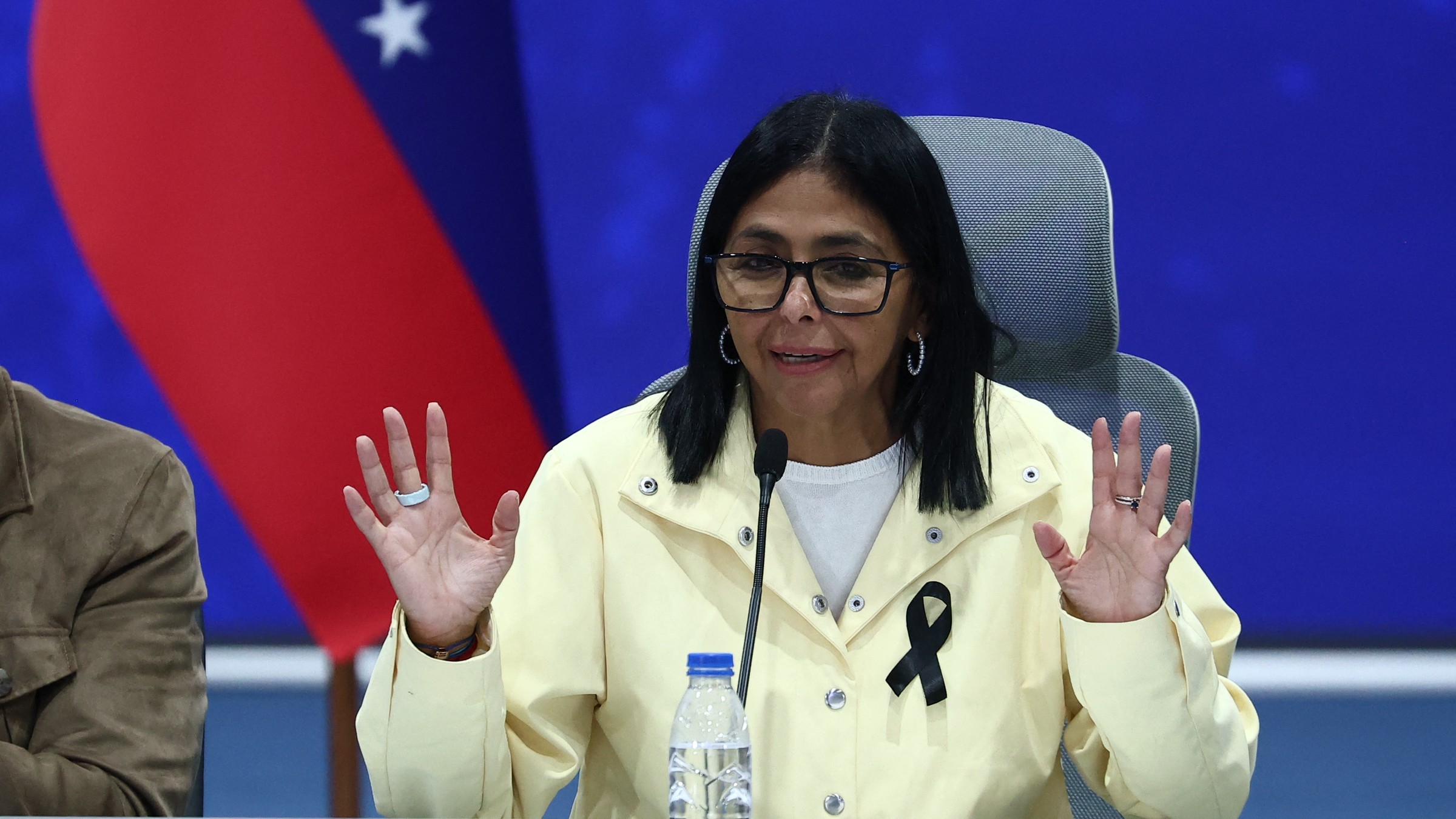
After 17 years of fully severed official relations, Israel and Venezuela announced the restoration of full diplomatic ties in coordinated public statements released by both governments on Tuesday. This landmark diplomatic reversal follows a major political shift in Caracas, where acting President Delcy Rodriguez has reoriented Venezuela’s foreign policy sharply toward the United States after the U.S. abduction and imprisonment of former leftist President Nicolas Maduro earlier this year. U.S. President Donald Trump has publicly claimed credit for controlling Venezuela’s governance in the wake of Maduro’s removal from power.
In an official post on the social platform X, Israeli Foreign Minister Gideon Saar confirmed that the two nations have additionally agreed to launch a bilateral coordination mechanism designed to support the delivery of consular services to citizens of both countries residing or traveling in each other’s territory. Venezuela’s Foreign Minister Felix Plasencia Gonzalez released a matching statement confirming the agreement shortly after Saar’s announcement.
Prior to this breakthrough, Venezuela stood out as one of the few non-Muslim majority nations globally that maintained no formal diplomatic relations with the State of Israel. The original split dates back to 2009, when then-President Hugo Chavez, a leading leftist figure in Latin America, cut ties in protest of mass civilian casualties caused by Israel’s first large-scale military offensive on Gaza, codenamed Operation Cast Lead by Israeli forces. When Maduro succeeded Chavez, relations remained frozen for more than a decade, and Maduro deepened Venezuela’s diplomatic and political ties with the Palestinian Authority and Iran, both longstanding critics of Israeli policy.
Tuesday’s official announcement caps months of gradual, unofficial engagement between the two governments that began after Maduro’s detention by the U.S. In February of this year, financial news outlet Bloomberg reported that Venezuelan crude oil had been shipped to Israel for the first time in decades, a claim that Venezuelan information officials quickly denied. In June, after a devastating pair of earthquakes struck Venezuela that killed more than 6,000 people, Israel sent humanitarian relief and emergency assistance to the affected country, a move that warmed unofficial backchannel talks.
Both statements from Jerusalem and Caracas emphasized the importance of maintaining connections between the State of Israel and Venezuela’s local Jewish community. Data from the World Jewish Congress estimates that roughly 6,000 Jewish residents currently live in Venezuela.
The restoration of ties is the latest in a growing wave of pro-Israel diplomatic moves by Latin American nations that have unfolded over recent months, coming as right-wing leaders have won election across much of the continent. This shift comes even as Israel faces widespread global condemnation over its ongoing military campaign in Gaza, which has killed more than 73,000 Palestinians, with many international bodies and human rights groups labeling the campaign an act of genocide.
Venezuela’s announcement coincided with a separate pro-Israel move by neighboring Colombia, where the government announced Tuesday it would recognize Israeli sovereignty over the Israeli-occupied Golan Heights, a region universally recognized as Syrian territory under international law. Colombia’s new far-right president, Abelardo de la Espriella, already announced plans last month to fully normalize relations with Israel and open a controversial national embassy in Jerusalem, a move that deviates from longstanding international consensus on the status of the city. Last week, the administration of Honduran right-wing president Nasry Asfura Zablah also announced it had returned the country’s ambassador to Israel, after withdrawing the diplomatic representative earlier in the conflict over the Gaza campaign. Notably, Zablah and pro-Israel Salvadoran President Nayib Bukele – another right-wing Latin American leader that has backed Israel in recent months – are both of Palestinian descent.