作者: admin

  • China says Nipah outbreak poses limited risk

    China says Nipah outbreak poses limited risk

    Chinese health authorities have moved to reassure the public regarding the potential threat posed by a recent Nipah virus outbreak in India, stating that the risk to China remains limited. The National Disease Control and Prevention Administration confirmed Tuesday that no domestic cases have been detected and emphasized the country’s robust preparedness measures.

    The current outbreak in India’s West Bengal state, which does not share a border with China, has resulted in at least five confirmed infections with approximately 100 close contacts under quarantine. The virus carries a concerning fatality rate ranging from 45 to 70 percent, according to health officials.

    Chinese health experts explained that the Nipah virus primarily spreads through direct contact with infected animals, patients, or contaminated materials. They noted the pathogen has limited environmental survivability, resulting in low exposure risk for the general population. Despite the low overall risk assessment, authorities acknowledged the persistent threat of imported cases and are implementing enhanced precautionary measures.

    The administration detailed comprehensive preparedness efforts including continuous monitoring of international outbreak situations, specialized personnel training, and strengthened response capabilities in border regions. China has developed and stockpiled nucleic acid testing technologies for Nipah virus detection, with all provincial-level disease control centers equipped to perform targeted laboratory testing.

    In a significant development, Chinese researchers announced that a domestically developed antiviral drug originally approved for COVID-19 treatment has demonstrated substantial antiviral activity against the Nipah virus. The drug, known as VV116, was characterized as “a very promising oral candidate” for treatment by research teams from the Wuhan Institute of Virology under the Chinese Academy of Sciences, the Shanghai Institute of Materia Medica, and Vigonvita Life Science. These findings were published in November in the international journal Emerging Microbes & Infections.

    Health authorities advised travelers to affected regions to maintain heightened precautions and strict personal hygiene practices given the absence of approved therapeutics or vaccines specifically targeting the Nipah virus.
  • Trump warns US to end support for Iraq if Maliki returns

    Trump warns US to end support for Iraq if Maliki returns

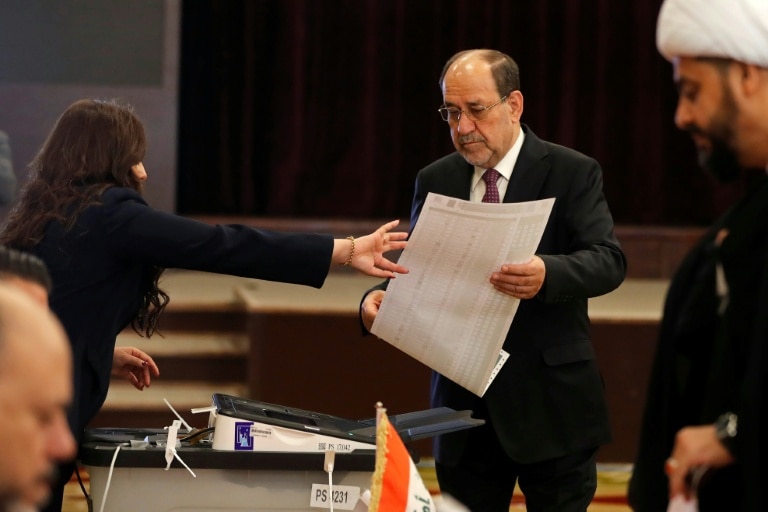
    Former U.S. President Donald Trump has issued a stark warning to Iraq regarding its political future, threatening to terminate all American support if former Prime Minister Nouri al-Maliki reassumes power. Through his Truth Social platform on Tuesday, Trump characterized Maliki’s potential return as a “very bad choice” for the nation, referencing the former leader’s previous tenure which he claimed plunged Iraq into “poverty and total chaos.”

    The political context revolves around the Coordination Framework, a Shiite parliamentary alliance with varying Iranian affiliations, which recently endorsed Maliki as their prime ministerial candidate. This development follows Iraq’s parliamentary elections and occurs amid delicate U.S.-Iraq relations. Trump explicitly stated that Maliki’s “insane policies and ideologies” would result in complete withdrawal of American assistance, dramatically concluding with his trademark slogan adapted for Iraq: “MAKE IRAQ GREAT AGAIN!”

    Historical tensions underscore this diplomatic confrontation. Maliki previously left power in 2014 following U.S. pressure, with American officials blaming his sectarian policies for creating conditions that enabled the Islamic State’s rise. The United States maintains significant economic leverage over Iraq through an arrangement established after the 2003 invasion, whereby most Iraqi oil revenue—accounting for approximately 90% of government income—is held at the Federal Reserve Bank in New York.

    The Trump statement aligns with recent diplomatic communications. Secretary of State Marco Rubio reportedly expressed similar concerns to current Prime Minister Mohammed Shia al-Sudani, and political sources indicate Washington formally communicated its negative view of Maliki to Iraqi politicians.

    Iraq’s political process has encountered obstacles, with parliament abruptly delaying Tuesday’s presidential election after Kurdish parties requested additional time to reach consensus. Traditionally, Iraq’s presidency goes to a Kurd while the prime minister comes from the Shiite majority, a convention established after Saddam Hussein’s fall.

    Regional implications are substantial. A Maliki-led government would significantly benefit Tehran amid Iran’s recent setbacks, including domestic protests and reduced influence in Syria. The current Sudani administration has maintained smoother relations with Washington, cooperating on security matters including Islamic State prisoner transfers and restraining Iran-aligned armed groups.

    Trump’s intervention marks a notable departure from conventional diplomatic practice, continuing his pattern of open political meddling in foreign nations. This approach has recently included endorsing right-wing candidates in European and Latin American elections, plus authorizing military action in Venezuela.

  • Who is Tom Homan, Trump’s ‘border tsar’ deployed to Minneapolis?

    Who is Tom Homan, Trump’s ‘border tsar’ deployed to Minneapolis?

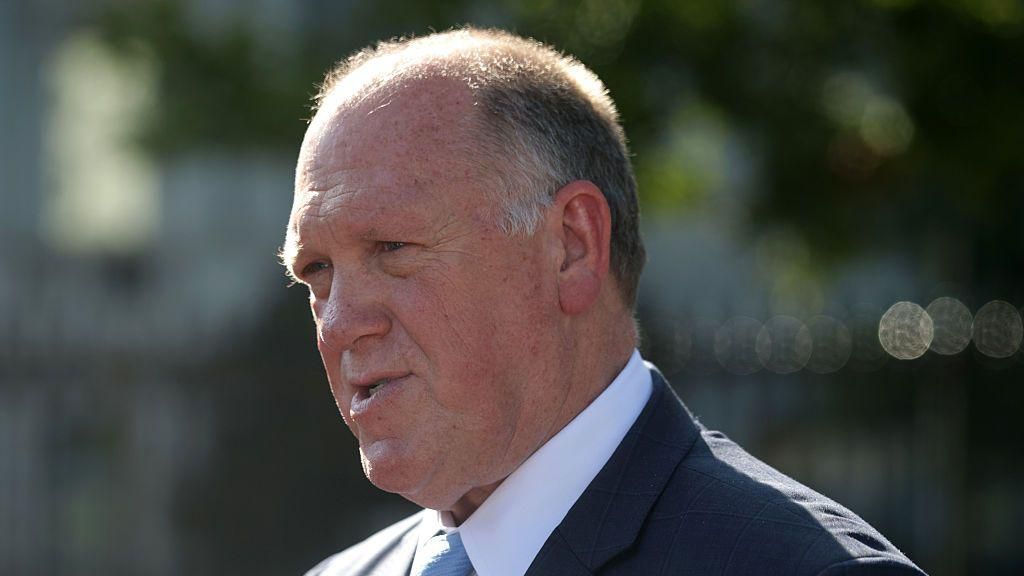
    In a significant operational shift, the Trump administration has dispatched veteran immigration official Tom Homan to assume command of enforcement operations in Minneapolis following the fatal shooting of two U.S. citizens by federal agents within a month. Homan, who arrived in the city on Tuesday, will serve as the primary federal liaison with local officials according to White House statements.

    This personnel change coincides with the anticipated departure of Gregory Bovino, the controversial Border Patrol chief who has spearheaded the administration’s mass deportation initiatives across multiple American cities. The transition signals a strategic recalibration of enforcement tactics in a region experiencing heightened immigration-related tensions.

    Homan brings four decades of immigration enforcement experience spanning both Democratic and Republican administrations. Beginning his career as a police officer before joining Border Patrol in 1984, he ascended through the ranks of immigration enforcement, eventually leading the Enforcement and Removal Operations division under ICE during the Obama administration.

    Twice drawn from retirement by Trump administration officials—first in 2017 by then-Chief of Staff John Kelly and again in 2024 by current Chief of Staff Susie Wiles—Homan serves as the administration’s informal “border tsar,” coordinating immigration policy across agencies without requiring Senate confirmation.

    The veteran enforcer has consistently defended the administration’s broad deportation objectives, emphasizing targeting “the worst of the worst” while challenging narratives that portray law enforcement personnel negatively. However, operational realities have frequently resulted in the apprehension of non-criminal undocumented immigrants, a phenomenon Homan attributes to uncooperative “sanctuary cities.”

    While some political observers interpret Homan’s deployment as acknowledgment that Bovino’s aggressive tactics required modification, immigration advocates note both officials share similar enforcement philosophies. Homan previously defended the administration’s family separation policy that divided undocumented parents from their children.

    Michael Lukens of the Amica Center noted: “Homan represents a more polished communicator than Bovino, better equipped to frame enforcement actions favorably to media and stakeholders. This transition reflects the administration’s political calculations rather than substantive policy changes.”

  • UAE weather tomorrow: Chance of fog; lowest temperature 15°C in Dubai, Sharjah

    UAE weather tomorrow: Chance of fog; lowest temperature 15°C in Dubai, Sharjah

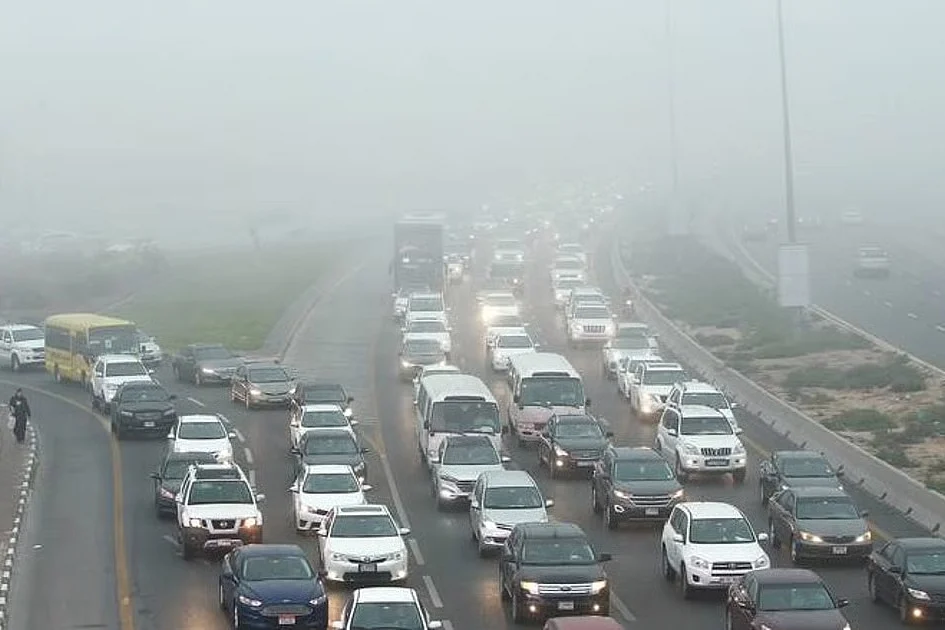
    The United Arab Emirates is experiencing characteristic winter weather patterns this week, with the National Centre of Meteorology (NCM) forecasting persistent morning humidity and potential fog formation through January 31st. Meteorological data indicates Wednesday will dawn with humid conditions particularly affecting western inland and coastal regions, where light fog patches are expected to develop during early hours.

    As the day progresses, weather patterns will transition to fair and partially cloudy conditions across the nation. Eastern and northern territories should anticipate the appearance of low cloud formations while temperatures demonstrate a gradual upward trend. Wind patterns will remain generally moderate, blowing from south-easterly to north-easterly directions at speeds ranging between 10-25 km/h, with occasional gusts potentially reaching 30 km/h.

    Maritime conditions remain calm with slight seas reported in both the Arabian Gulf and Oman Sea. Temperature readings show regional variations, with maximum temperatures reaching 27°C in both Dubai and Abu Dhabi, while Sharjah will see a high of 26°C. Nighttime brings cooler conditions with minimum temperatures dropping to 15°C in Dubai and Sharjah, and 14°C in Abu Dhabi.

    The meteorological trajectory indicates a continuing temperature increase on Thursday followed by a noticeable decrease by Friday. Tuesday’s maximum temperature of 27.1°C was recorded in Um Azimul (Al Ain) at 4:00 PM, establishing the week’s benchmark for warmth.

  • UAE’s child digital safety law: What actually changes for families, teens, tech platforms

    UAE’s child digital safety law: What actually changes for families, teens, tech platforms

    The United Arab Emirates has enacted groundbreaking child protection legislation that fundamentally redefines digital safety responsibilities. Unlike reactive approaches that intervene after harm occurs, the Child Digital Safety Law mandates preventive measures, requiring technology platforms to embed age-appropriate protections into their fundamental design.

    Effective January 2026, the legislation establishes that children under 18 must no longer encounter identical digital environments as adults. Platforms must now implement graduated protection systems that adjust content filtering, privacy settings, and interaction capabilities according to user age. Younger children, particularly those under 13, will experience significantly stricter controls including limited contact with strangers and enhanced data protection.

    Legal expert Hesham Elrafei emphasizes the transformative nature of this approach: “This statute focuses on foreseeable risk and systemic design rather than individual intent. The responsibility is placed on the system, not on the child or parent.”

    The law expands the definition of harmful content beyond explicit material to include any digital content that negatively affects a child’s moral, psychological, or social wellbeing. This encompasses subtle influences such as content promoting unrealistic body standards, normalizing excessive screen time, or encouraging risky behavior through cumulative exposure.

    Contrary to initial concerns, the legislation does not penalize parents for imperfect supervision. Instead, it provides supportive frameworks while holding technology companies legally accountable for implementing robust age verification systems, comprehensible privacy notices, and safety-focused design features.

    Non-compliant platforms face substantial consequences including warnings, mandatory corrections, administrative penalties, and potential service blocking in severe cases. The law represents a significant shift from voluntary platform policies to enforceable legal obligations, potentially establishing new global standards for digital child protection.

  • Mexico leader urges South Korea President to send K-pop group BTS more often

    Mexico leader urges South Korea President to send K-pop group BTS more often

    In an unprecedented diplomatic move, Mexican President Claudia Sheinbaum has formally requested South Korean President Lee Jae Myung to facilitate more frequent visits by K-pop phenomenon BTS. This extraordinary intervention follows the spectacular sell-out of the group’s three scheduled Mexico City performances within minutes of tickets becoming available.

    The May concert dates, part of BTS’s highly anticipated global comeback tour, generated unprecedented demand with nearly one million Mexican youth competing for approximately 150,000 available seats. The ticket scarcity prompted President Sheinbaum to personally engage with both the South Korean government and local event promoter Ocesa in attempts to secure additional performances, though organizers confirmed no further dates would be added.

    This cultural phenomenon extends beyond music, reflecting Mexico’s deepening fascination with South Korean culture encompassing television dramas, culinary traditions, and entertainment. The government has actively capitalized on this trend, with Economy Secretary Marcelo Ebrard—a self-professed BTS enthusiast—previously welcoming band member Jin through a viral TikTok video when the concerts were initially announced.

    The upcoming tour marks BTS’s return to global stages following their mandatory military service hiatus since 2022, with a new album scheduled for March release preceding their extensive 34-city world tour commencing in April.

  • Zverev confident success will come as German chases first Grand Slam title

    Zverev confident success will come as German chases first Grand Slam title

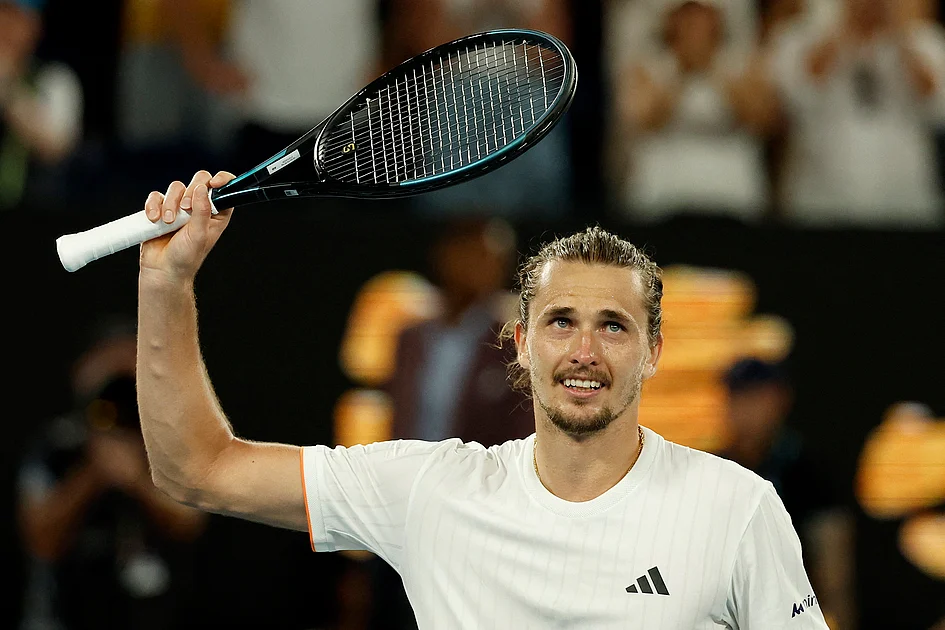
    Alexander Zverev has secured a coveted spot in the Australian Open semifinals following a hard-fought quarterfinal victory against American prodigy Learner Tien. The German third seed triumphed with a scoreline of 6-3, 6-7(5), 6-1, 7-6(3) in a match that showcased both resilience and tactical evolution.

    The 28-year-old athlete, who finished as runner-up to Jannik Sinner in last year’s championship match, now prepares to face Carlos Alcaraz in what promises to be a thrilling semifinal encounter. This advancement marks a significant personal milestone for Zverev, who has battled through a challenging period of physical setbacks throughout 2025, including persistent shoulder, back, and ankle complications.

    Zverev attributes his current performance surge to achieving optimal physical condition after twelve months of health struggles. ‘The most substantial transformation I’ve experienced recently is competing without pain,’ Zverev revealed during post-match reflections. ‘Enduring constant physical limitations creates mental exhaustion that inevitably affects shot selection and bodily trust during critical moments.’

    The German star has implemented strategic modifications to his playing style, emphasizing aggressive shot-making and refining his immediate post-serve sequences. ‘I’ve dedicated substantial effort to enhancing my offensive approach, particularly focusing on my first forehand after serving and incorporating more serve-and-volley tactics,’ Zverev explained. ‘When these elements align effectively, positive outcomes naturally follow.’

    Looking beyond the Australian Open, Zverev intends to adopt a more selective tournament schedule, prioritizing physical preservation and career longevity. ‘I’m implementing smarter scheduling strategies following this tournament,’ he stated. ‘This adjustment reflects both maturation and recognition that my body requires more meticulous management as I progress through my career.’

    Despite his continued pursuit of an inaugural Grand Slam title, Zverev emphasizes the importance of deriving satisfaction from his professional journey. ‘Facing exceptional opponents like Carlos or Alex generates anticipation for spectacular tennis displays. While securing a major championship remains a primary objective, finding joy in competition has become equally crucial to my overall approach.’

  • Colombia blasts Ecuador’s pipeline fee hike as trade war between neighbors escalates

    Colombia blasts Ecuador’s pipeline fee hike as trade war between neighbors escalates

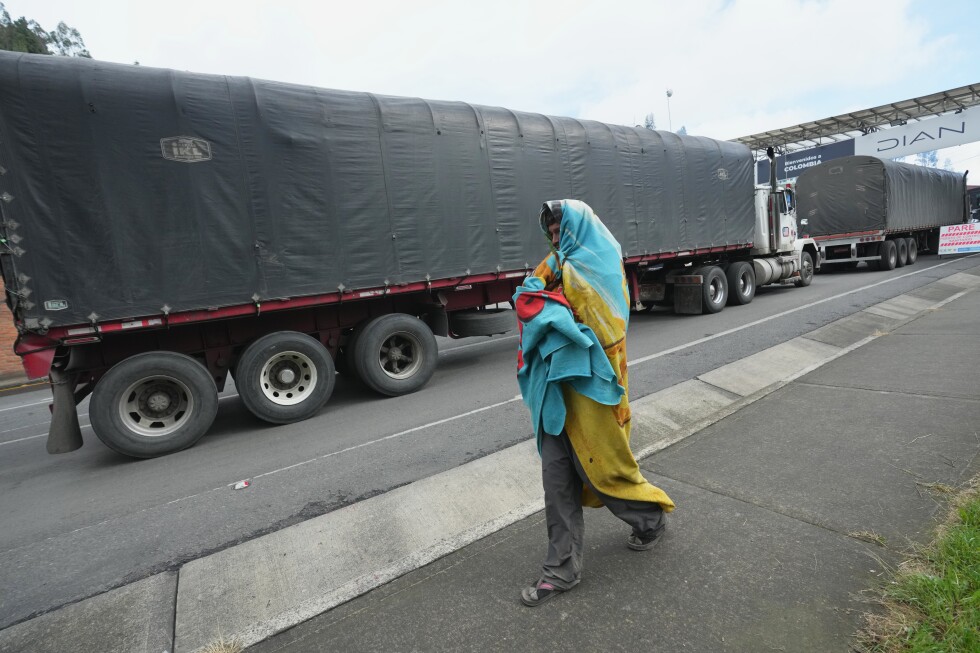
    BOGOTA, Colombia — Diplomatic relations between Colombia and Ecuador have reached a critical juncture as a rapidly escalating trade war intensifies. The latest development occurred Tuesday when Colombia vehemently condemned Ecuador’s decision to implement a dramatic tenfold increase in transportation fees for Colombian oil traversing its pipeline infrastructure.

    Ecuador’s Ministry of Energy announced Monday that pipeline transit fees would skyrocket from $3 to $30 per barrel, effectively creating significant economic barriers for Colombian energy companies utilizing the Trans-Ecuadorian pipeline system. This critical infrastructure transports crude from production sites in southwestern Colombia and western Ecuador to Pacific export terminals.

    The punitive measure directly impacts Colombia’s state-owned energy giant Ecopetrol, which currently moves over 12,000 barrels daily through the affected pipeline network. Colombian Energy Minister Edwin Palma characterized the fee hike as “a new aggression against the people,” signaling deteriorating bilateral relations.

    This energy infrastructure confrontation follows Colombia’s recent suspension of electricity exports to its neighbor, a move that created severe power reliability issues for Ecuador. The electricity-dependent nation has struggled with grid stability throughout 2024 due to drought conditions affecting hydroelectric generation.

    The current trade dispute originated last Thursday when Ecuadorian President Daniel Noboa imposed sweeping 30% tariffs on all Colombian imports. Noboa, a conservative leader seeking strengthened ties with the Trump administration, defended the tariffs as a necessary “security tax” until Colombia demonstrates “true commitment” to combating cross-border drug trafficking and illegal mining operations.

    Colombian officials have rejected these allegations, highlighting record cocaine interdiction rates under President Gustavo Petro’s administration. Despite enforcement successes, coca cultivation and production metrics continue reaching unprecedented levels due to enhanced processing efficiency and expanded planting.

    In retaliatory measures, Colombia implemented mirroring 30% tariffs on Ecuadorian goods. The economic confrontation threatens a bilateral trade relationship valued at $2.3 billion annually, with Colombia exporting approximately $1.7 billion in goods to its smaller neighbor.

    Political analysts suggest President Noboa may be using the trade conflict to divert attention from Ecuador’s domestic security crisis. Recently published crime statistics reveal the nation’s homicide rate has reached 50 per 100,000 residents in 2025—the highest in its modern history and a fivefold increase since 2020. The violence stems from international drug cartels battling for control of Ecuador’s strategic ports, transforming the once-tranquil nation into a major cocaine transit hub.

  • Australian Open: Gauff unhappy with broadcasting video of her smashing racket after loss

    Australian Open: Gauff unhappy with broadcasting video of her smashing racket after loss

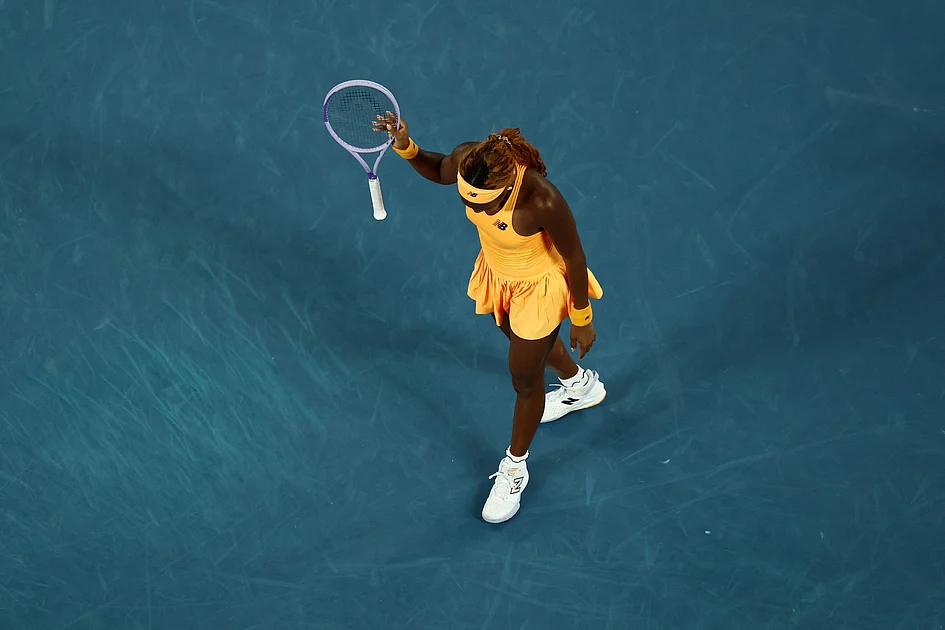
    Tennis star Coco Gauff has raised significant concerns about athlete privacy and broadcast ethics following her quarterfinal elimination at the Australian Open. The world number three suffered a decisive 6-1, 6-2 defeat against Ukraine’s Elina Svitolina in a match lasting just 59 minutes, during which she committed 26 unforced errors.

    Following the match, Gauff deliberately sought a secluded area away from court-side cameras to process her frustration, only to discover that broadcasters had captured and transmitted footage of her emotionally smashing her racket against the floor. The incident occurred behind a wall near the match call area within Melbourne Park’s complex.

    During post-match press conferences, the 21-year-old American expressed her dissatisfaction with the broadcasting decisions. “I attempted to locate a space without camera coverage,” Gauff explained. “I have particular concerns regarding broadcast practices. Certain moments—similar to what occurred with Aryna Sabalenka after our US Open final—should remain private.”

    Gauff referenced world number one Sabalenka’s experience following the 2023 US Open final, where footage of the Belarusian player destroying her racket in a training area was publicly broadcast. Sabalenka, who advanced to the semifinals against Svitolina, had similarly expressed frustration with the coverage.

    The two-time Grand Slam champion highlighted the limited private spaces available to athletes during major tournaments. “Perhaps constructive discussions can be initiated regarding this matter,” Gauff suggested. “At this tournament, the locker room essentially represents our only truly private area.”

    Gauff defended her emotional response as a necessary release mechanism to prevent directing frustration toward her support team. “I understand my emotional tendencies and prefer not to lash out at my team members who don’t deserve such treatment,” she stated. “This momentary release allows me to avoid becoming irritable with those around me who have performed their duties exceptionally.”

  • Indian tourist state of Goa weighs social media ban for children

    Indian tourist state of Goa weighs social media ban for children

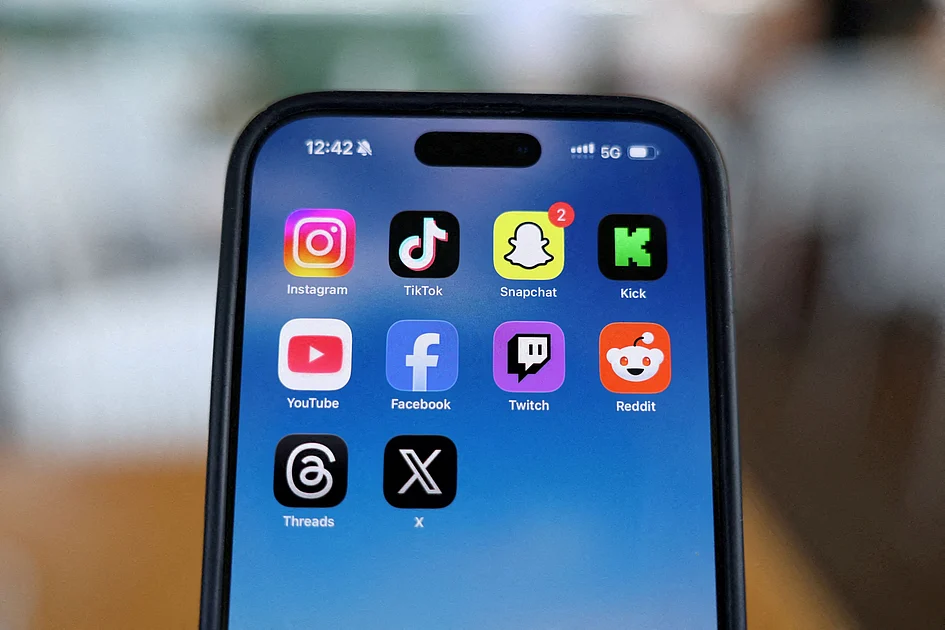
    In a significant move addressing digital wellbeing, the Indian tourist hotspot of Goa is actively exploring legislation to prohibit social media access for children under 16. This initiative mirrors a pioneering ban recently implemented in Australia and reflects growing governmental concern over the mental health risks associated with online platforms in a nation boasting over one billion internet users.

    Rohan Khaunte, Goa’s Minister for Information Technology, confirmed that state authorities are conducting a comprehensive study of Australia’s regulatory framework to devise an effective model for restricting minors’ access. “If possible, we will implement a similar ban on children below 16 for usage of social media,” Khaunte stated, adding that specific operational details would be announced subsequently.

    The southern state of Andhra Pradesh, with a substantial population exceeding 53 million, has simultaneously announced its own evaluation of comparable measures. This creates a notable contrast with Goa, which is India’s smallest state by area with an estimated population of 1.5 million, suggesting a nationwide trend may be emerging at the state level.

    Technology giants have begun responding to these potential regional bans. Meta, parent company of Facebook and Instagram, expressed a preference for legislation mandating parental oversight rather than outright prohibitions. A company spokesperson cautioned that bans might inadvertently push teenagers toward less secure, unregulated platforms, noting that teens typically use approximately 40 different applications weekly.

    India currently maintains no federal restrictions on social media usage by age, and there are no indications that the national government plans to institute such measures. The Ministry of Electronics and Information Technology did not immediately respond to requests for comment regarding these state-level initiatives. Other major platforms, including Google’s YouTube and X, have similarly remained silent on the proposals.

    This development places India among several nations, including France, Indonesia, and Malaysia, that are closely monitoring Australia’s groundbreaking social media ban for users under 16. The Australian legislation resulted in the deactivation of 4.7 million teen accounts within its first month of implementation, providing a substantial case study for other governments considering similar protective measures.