作者: admin

  • De Zerbi leaves Marseille by mutual consent

    De Zerbi leaves Marseille by mutual consent

    Olympique de Marseille has officially severed ties with first-team coach Roberto De Zerbi through a mutual separation agreement. This decisive move follows a period of significant sporting setbacks for the French club, including a devastating 5-0 defeat to arch-rivals Paris Saint-Germain and a recent elimination from the Champions League after a 3-0 loss to Club Brugge.

    The Italian manager, who previously managed Brighton & Hove Albion for nearly two years, assumed leadership at Marseille in the summer of 2024. Under his guidance last season, the team achieved a respectable second-place finish in Ligue 1. At the time of his departure, Marseille occupies fourth position in the league table, trailing leaders PSG by a substantial 12-point margin.

    In an official communiqué, the club’s administration detailed that this conclusion resulted from extensive deliberations among key stakeholders, including the owner, president, director of football, and the coach himself. The statement characterized the decision as collectively challenging but necessary, emphasizing it was reached after thorough consideration to address the critical sporting objectives remaining in the current season. The leadership affirmed the move was executed with the club’s best interests at heart to navigate upcoming challenges effectively.

  • Bangladeshis seek to chart a democratic future in their first vote since the bloody 2024 uprising

    Bangladeshis seek to chart a democratic future in their first vote since the bloody 2024 uprising

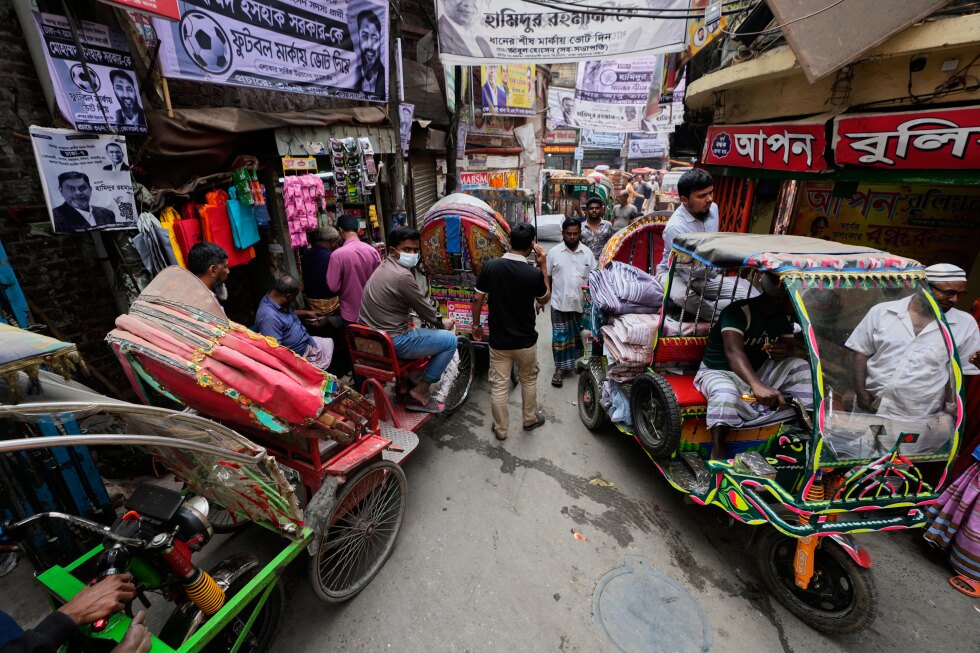
    DHAKA, Bangladesh — Bangladesh stands at a pivotal democratic juncture as Thursday’s election approaches, marking the nation’s first electoral test following the 2024 student-led uprising that ousted former Prime Minister Sheikh Hasina. The political landscape has been dramatically reshaped by the return of Tarique Rahman, son of former Prime Minister Khaleda Zia, ending his 17-year self-imposed exile in December with a promise of national transformation.

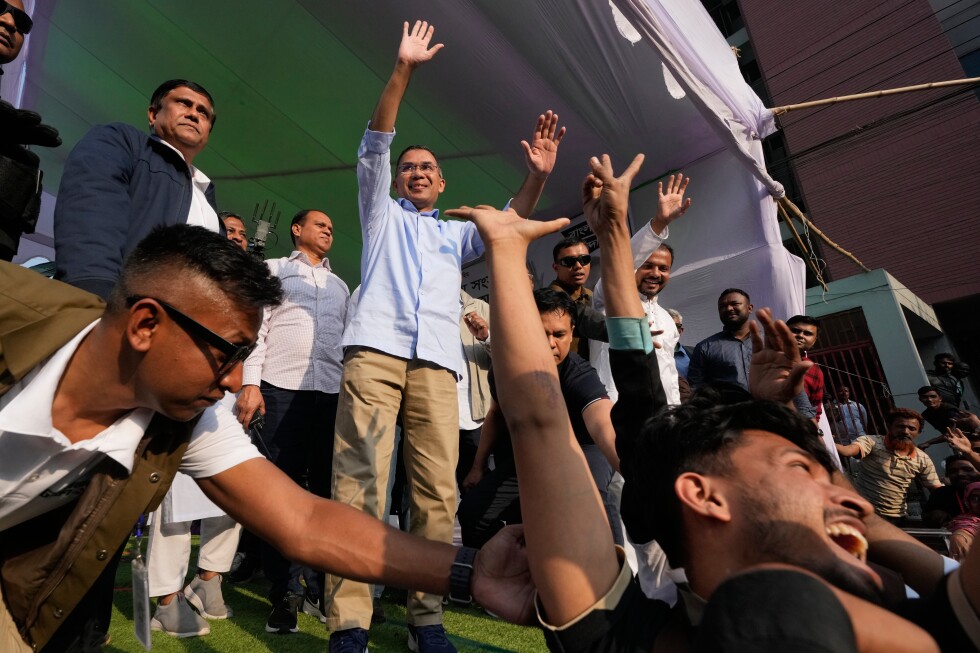
    Rahman, now widely perceived as the front-runner, addressed a massive rally in Dhaka on Monday under tight security, declaring to enthusiastic supporters: “The main goal and objective of this plan is to change the fate of the people and of this country.” His Bangladesh Nationalist Party (BNP) campaigns on platforms of job creation, anti-corruption measures, and strengthened rule of law, positioning itself as a democratic alternative in a political environment historically marred by military interventions and electoral manipulation.

    The election occurs against a backdrop of profound challenges: escalating religious intolerance, attacks on press freedom, resurgence of Islamist influence, and erosion of legal institutions. The absence of Hasina’s Awami League—boycotting the polls and urging supporter abstinence—has created an unusual political vacuum that Jamaat-e-Islami, Bangladesh’s predominant Islamist party, seeks to fill through an 11-party coalition.

    Jamaat-e-Islami’s political ascent has generated particular concern regarding women’s rights, with party leader Shafiqur Rahman asserting women’s biological inferiority and opposing equal working hours. This stance has raised alarms about potential restrictions on fundamental rights should the alliance gain power.

    The election represents a critical test for democratic restoration after years of contested polls and shrinking political space under Hasina’s administration. International observers emphasize that minimally violent elections with broad participation and accepted outcomes would constitute significant progress, though caution that democratic institution-building remains a long-term challenge.

    Meanwhile, disillusionment grows among those who spearheaded the 2024 uprising. Nobel laureate Muhammad Yunus’s interim administration initially generated optimism, but hopes diminished when the newly formed National Citizen Party—created by student uprising leaders—joined forces with the Islamist alliance, prompting several resignations.

    Press freedoms have deteriorated alarmingly since the uprising. Prominent talk-show host Roksana Anzuman Nicole remains off-air and confined to her home following threats, while journalists face increasing intimidation, job losses, and physical attacks. December witnessed the deadly shooting of a cultural activist and arson attacks on major newspaper offices, underscoring the precarious state of free expression.

    The election includes a referendum on structural political reforms featuring prime ministerial term limits and enhanced executive checks. However, analysts caution that while providing Bangladesh’s first genuine electoral choice in 16 years, substantive democratic transformation will require comprehensive systemic overhaul beyond mere polling.

  • Russian strike near Kharkiv kills four, including children, official says

    Russian strike near Kharkiv kills four, including children, official says

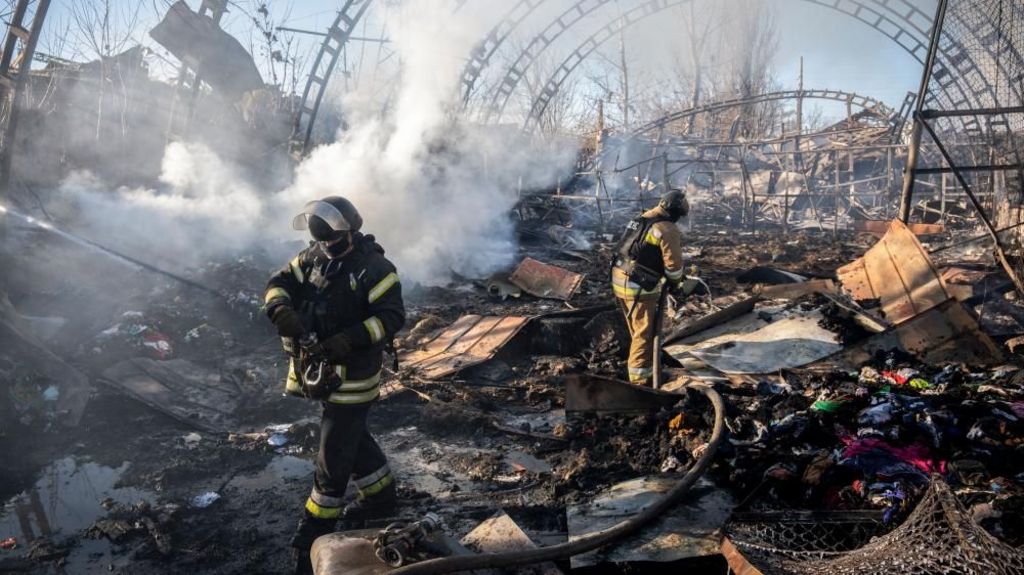
    A Russian drone strike on the town of Bohodukhiv, located west of Kharkiv, has resulted in the deaths of at least four individuals, tragically including three very young children, according to a statement from a senior Ukrainian official. Oleg Synegubov, head of the Kharkiv Regional Military Administration, identified the victims as two one-year-old boys, a two-year-old girl, and a 34-year-old man who were inside a residential house at the time of the attack. A 35-year-old pregnant woman and a 76-year-old woman sustained injuries and are receiving medical treatment.

    This devastating incident occurred on Tuesday night, marking a severe escalation as Russian forces resume widespread offensive operations across Ukraine. The renewed strikes follow the expiration of a brief, week-long pause in hostilities. This pause had been reportedly initiated at the request of U.S. President Donald Trump to Russian President Vladimir Putin, intended to provide a humanitarian reprieve for Ukrainians enduring a severe cold snap with temperatures plummeting to -20°C.

    In a separate and simultaneous attack on Tuesday, Russian forces deployed seven bombs on the city of Slovyansk in the Donetsk region around noon, as confirmed by Regional Governor Vadym Filashkin via Telegram. That assault claimed two more lives, including an 11-year-old girl.

    The town of Bohodukhiv has been subjected to repeated attacks. Just a day prior, on Monday, overnight drone strikes nationwide resulted in the deaths of at least four other people, including a mother and her 10-year-old son in the same town, and left tens of thousands without power.

    Ukrainian President Volodymyr Zelensky has stated that Russian forces are intensifying pressure on the Kharkiv region, specifically targeting critical transport and energy infrastructure with a record number of ballistic missiles. This sustained campaign has prompted local authorities to declare a state of emergency over the dire energy situation. The recent attacks signify a brutal end to the temporary ‘energy truce’ that had offered a short-lived respite to Ukraine’s beleaguered energy grid.

    Amid the violence, President Zelensky has revealed that the United States is seeking an end to the war by June and has extended invitations to both sides for talks in the U.S. next week. In a related development, Russian authorities reported a massive Ukrainian drone attack on the town of Volzhsky in the Volgograd region on Wednesday night. Andrei Bocharov, the regional governor, reported damage to an apartment building and a fire at an industrial facility.

  • Chinese sea captain pleads not guilty in Hong Kong court to damaging Baltic Sea cables

    Chinese sea captain pleads not guilty in Hong Kong court to damaging Baltic Sea cables

    The captain of a Hong Kong-registered container vessel appeared in a Hong Kong magistrate court on Wednesday, entering a plea of not guilty to charges of damaging critical undersea infrastructure in the Baltic Sea. Wan Wenguo, captain of the Newnew Polar Bear, faces one count of criminal damage for allegedly damaging a natural gas pipeline and submarine telecommunications cables between Finland and Estonia in October 2023. Additionally, he pleaded not guilty to two separate charges concerning violations of marine safety requirements for his vessel.

    The case emerges amid heightened security concerns regarding undersea infrastructure security in the Baltic region following Russia’s invasion of Ukraine in 2022. Finnish investigation authorities had previously identified the Newnew Polar Bear as responsible for damaging the Balticconnector gas pipeline, a critical energy link between Finland and Estonia. Finland subsequently sought cooperation from Chinese officials during its investigation into the incident.

    The Hong Kong judicial system is handling the case due to the vessel’s registration in the special administrative region. Court proceedings revealed that approximately 18 witnesses may be called to testify as the case develops. The charge sheet, reviewed by The Associated Press, alleges that Wan, who is in his 40s, acted “without lawful excuse” and was “reckless as to whether such property would be damaged” in relation to the infrastructure damage.

  • Afghanistan sends South Africa in to bat in must-win T20 World Cup match

    Afghanistan sends South Africa in to bat in must-win T20 World Cup match

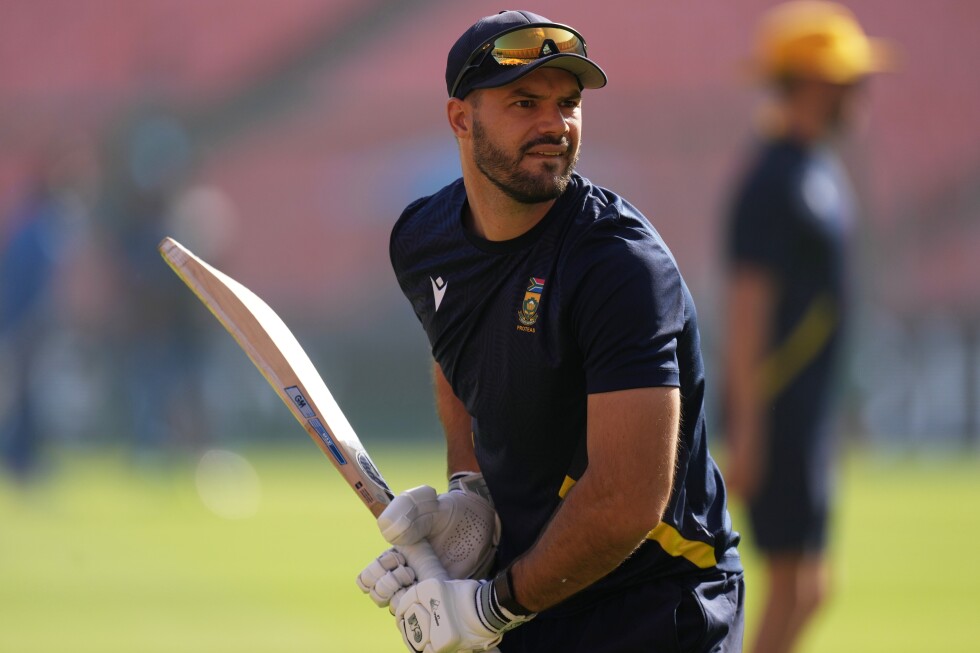
    In a pivotal Group D encounter at cricket’s Twenty20 World Cup, Afghanistan captain Rashid Khan won the toss and elected to field first against tournament runners-up South Africa on Wednesday. The strategic decision came at Khan’s familiar Indian Premier League home ground, which he described as favorable for bowling conditions with a preference for chasing targets.

    The match carries significant implications for both teams’ progression hopes. South Africa enters the contest with momentum from their opening victory against Canada, while Afghanistan seeks redemption after an initial defeat to New Zealand. With only the top two teams from each four-group structure advancing to the Super Eights, this matchup becomes critical for Afghanistan’s tournament survival.

    Both teams implemented strategic lineup changes ahead of the high-stakes encounter. South Africa introduced left-arm orthodox spinner George Linde, replacing fast bowling allrounder Corbin Bosch. Afghanistan countered with their own adjustment, bringing in left-arm wrist spinner Noor Ahmad for medium pace bowler Ziaur Rahman.

    The encounter revives recent tournament history between these sides, recalling South Africa’s victory over Afghanistan in the 2024 World Cup semifinals held across the Caribbean and United States. Meanwhile, New Zealand currently leads Group D with an unblemished 2-0 record.

    Later Wednesday fixtures feature Australia commencing their campaign against Ireland in Group B, while England faces West Indies in Group C. The tournament continues with the highly anticipated India-Pakistan rivalry match scheduled for Sunday, after Pakistan reversed its initial boycott decision.

  • Bangladesh’s first post-uprising election is a test for democratic norms and minority rights

    Bangladesh’s first post-uprising election is a test for democratic norms and minority rights

    DHAKA, Bangladesh — Bangladesh stands at a historic crossroads as millions of citizens prepare to participate in Thursday’s pivotal parliamentary elections. This electoral event marks the first national vote since the 2024 mass uprising that ended former Prime Minister Sheikh Hasina’s 15-year administration, generating unprecedented public anticipation for democratic restoration after years of contested elections and constricted political freedoms.

    Under the supervision of an interim government led by Nobel Peace Prize recipient Muhammad Yunus, the electoral process has committed to ensuring transparency and fairness. The administration has implemented substantial procedural innovations, including the inaugural introduction of postal voting for Bangladesh’s extensive expatriate community—a transformative step toward inclusive democratic participation.

    With 127 million eligible voters selecting representatives from 1,981 candidates across 300 directly elected constituencies, the electoral mechanics reflect Bangladesh’s constitutional framework. The 350-seat Parliament includes 50 seats reserved for female representatives, operating under a first-past-the-post system for five-year terms.

    International scrutiny intensifies as approximately 500 foreign observers from organizations including the European Union and Commonwealth monitor proceedings. Concurrently, citizens will consider referendum proposals establishing prime ministerial term limits, enhanced executive checks and balances, and safeguards against parliamentary power consolidation.

    This election represents a critical examination of Bangladesh’s democratic institutions, which have oscillated between military governance and fragile civilian rule since the 1971 independence from Pakistan. Catherine Cooper, staff attorney at the Robert & Ethel Kennedy Human Rights Center, emphasized that “the future of Bangladesh rests with its citizens and elected leaders to ensure stability as a rights-respecting democracy.”

    The political landscape witnesses a dramatic reconfiguration with the absence of Hasina’s banned Awami League. The Bangladesh Nationalist Party (BNP), led by Tarique Rahman—son of former Prime Minister Khaleda Zia—has emerged as the frontrunner following Rahman’s return from 17 years of self-exile. His platform promises institutional rebuilding, rule of law restoration, and economic revitalization.

    Opposing the BNP, an 11-party coalition led by the recently legalized Jamaat-e-Islami seeks expanded political influence. This alliance incorporates the newly established National Citizen Party, founded by leaders of the 2024 uprising that precipitated the current political transition.

    Concerns persist regarding rising religious tensions, particularly affecting Bangladesh’s Hindu minority (approximately 8% of the population). Reports of increased intimidation and violence against religious minorities have raised alarms about potential exploitation of sectarian divisions for political gain.

    The election additionally serves as a measure of youth activism’s capacity to institutionalize democratic change, with nearly 5 million first-time voters participating. Their engagement will test whether protest movements can translate into enduring structural reforms.

  • Anti-drug activist campaigns in French election despite threats, 2 brothers lost to gang violence

    Anti-drug activist campaigns in French election despite threats, 2 brothers lost to gang violence

    In the gritty housing projects of Marseille, a 22-year-old activist is challenging the narcotics empires that control his community while mourning the loss of two brothers to drug-related violence. Amine Kessaci, son of Algerian immigrants, has become the face of resistance against organized crime in France’s second-largest city, where he’s running in municipal elections on an uncompromising anti-drug platform.

    Kessaci’s personal tragedy fuels his political mission: his older brother Brahim was found burned in a car in 2020, and his younger brother Mehdi was killed just three months ago in what authorities believe was a targeted hit to intimidate the activist. Despite receiving death threats and requiring constant police protection—including wearing a bulletproof vest at his brother’s funeral—Kessaci refuses to be silenced.

    The Frais Vallon housing project where Kessaci grew up exemplifies Marseille’s struggle: 6,000 residents living in 1960s-era concrete towers controlled by drug gangs, representing some of France’s most crime-ridden neighborhoods. Here, Kessaci founded the nonprofit ‘Conscience’ at age 17 to support families affected by drug violence.

    France faces escalating narcotics problems, with cocaine trafficking at historic highs and 110 drug-related homicides recorded in 2024 alone. Particularly alarming is the recruitment of minors—19% of drug trafficking suspects were teenagers in 2023, some as young as 12. The Interior Ministry reports teenagers constituted a quarter of murder and attempted murder arrests in 2024.

    Kessaci, now a law student, advocates a dual approach: strengthening police presence while addressing root causes through education, job training, and urban renewal. He proposes doubling Marseille’s police force to 1,600 officers and establishing local precincts in every district. His platform also includes practical improvements like replacing mobile dumpsters with fixed bins to eliminate barriers drug gangs use to block access.

    Running on outgoing left-wing mayor Benoît Payan’s ticket, Kessaci distinguishes his grassroots approach from far-right solutions, focusing on community empowerment rather than mere enforcement. He aims to dismantle what he calls ‘narcocracy’—the systemic power drug traffickers wield over neighborhoods through intimidation and economic coercion.

    Despite recent security improvements (homicides dropped from 49 to 24 between 2023-2024), Kessaci remains determined: ‘In this campaign, my only enemy is drug trafficking.’ His candidacy represents a new generation’s attempt to reclaim their communities from the violent grip of organized crime.

  • Argentina’s monthly inflation ticks up as Milei faces backlash over an outdated index

    Argentina’s monthly inflation ticks up as Milei faces backlash over an outdated index

    Argentina’s statistical agency INDEC reported an unexpected acceleration of inflation for the fifth consecutive month in January, recording a 2.9% monthly increase primarily driven by rising food costs, restaurant prices, hotel rates, and utility bills. The announcement comes amid intense scrutiny of the agency’s outdated measurement methodology, which continues to utilize consumption patterns from 2004—a formula that includes obsolete items like DVDs, newspapers, and landline phones while excluding modern essentials such as streaming services and smartphones.

    The controversy deepened when President Javier Milei’s administration abruptly reversed plans to implement an updated inflation index, prompting the resignation of Argentina’s national statistics chief and triggering significant market reactions. The decision revived painful memories of previous governments’ manipulation of economic data, particularly during the Cristina Fernández de Kirchner administration when INDEC was accused of systematically underreporting inflation figures.

    Economists argue the current methodology substantially underestimines actual price increases, especially regarding public services that have seen dramatic cost surges following Milei’s austerity measures and subsidy reductions. The political fallout has rattled investor confidence and sparked widespread public debate in a nation particularly sensitive to inflation reporting due to its history of economic instability.

    Despite the statistical controversy, Milei’s government has achieved notable progress in reducing annual inflation from over 211% in late 2023 to 31% last year through aggressive spending cuts, increased Chinese imports, and controversial exchange rate policies. However, recent months have shown inflation trending upward again from its low of 1.5%, raising questions about the sustainability of these gains amid stagnant wages and ongoing economic challenges.

    Paradoxically, the higher-than-expected January inflation figure provided some reassurance that the current administration isn’t manipulating data, as the 2.9% rate exceeded most private sector estimates and demonstrated statistical transparency despite methodological shortcomings.

  • Stage set for season-opening Dubai 2026 Para Athletics GP

    Stage set for season-opening Dubai 2026 Para Athletics GP

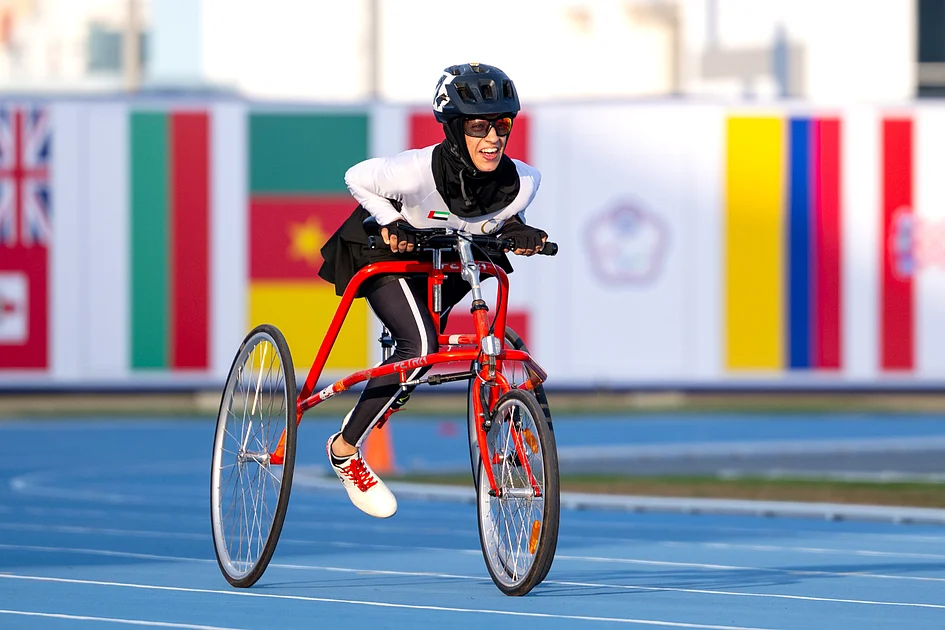
    Dubai has become the epicenter of elite para athletics as the 17th Fazza International Para Athletics Championships commences, marking the inaugural Grand Prix event of the 2026 season. Under the esteemed patronage of Sheikh Mansoor bin Mohammed bin Rashid Al Maktoum, this prestigious competition brings together 500 elite athletes representing 56 nations at the Dubai Club for People of Determination grounds from February 10-13, 2026.

    The championship serves as a critical qualifying platform for major international events throughout the 2026 athletic calendar, including the Glasgow Commonwealth Games in July and the Aichi-Nagoya 2026 Asian Para Games in October. Athletes are competing to achieve minimum qualification standards that will secure their participation in these premier competitions.

    India has deployed its strongest contingent featuring 50 elite competitors, including reigning Paris 2024 Paralympic champions Sumit Antil (F64 javelin) and Navdeep (F41 javelin), alongside two-time Paris 2024 medalist Preeti Pal and Simran, bronze medalist in women’s 200m T12.

    European representation is highlighted by Belgium’s Maxime Carabin, a two-time Paris 2024 Paralympic champion and five-time world champion who secured three gold medals at the Kobe 2024 World Championships. Canada’s Austin Smeenk, gold medalist in men’s 800m T34 and bronze medalist in men’s 100m T34 at the Paris 2024 Paralympics, adds further international star power to the competition.

    The host nation UAE fields 65 athletes, including several Paralympic medalists. Young standout Mohammed Youssef Othman, bronze medalist at the New Delhi World Championships, leads the home team’s track events. The women’s campaign features Rio 2016 medalists Sara Aljeneibi (women’s shot put F33), Noura Alktebi (women’s shot put F32), and Kobe 2024 world champion Maryam Alzeyoudi (women’s shot put F40).

    Othman expressed his aspirations ahead of the competition: ‘My preparations have been optimal for the new season. I aim to deliver a powerful performance at our home event and maintain momentum throughout the competitive season, with the Asian Para Games representing my primary objective.’

    The championship will be streamed live globally through the Dubai Club for People of Determination’s official YouTube and Facebook channels, ensuring worldwide accessibility to these elite athletic performances.

  • US stocks flirt with a record after the unemployment rate unexpectedly improves

    US stocks flirt with a record after the unemployment rate unexpectedly improves

    Wall Street witnessed a significant rally on Wednesday as major indices climbed toward record territory, propelled by unexpectedly robust employment figures that alleviated concerns about economic momentum. The S&P 500 advanced 0.5%, hovering near its all-time peak established late last month, while the Dow Jones Industrial Average gained 222 points (0.4%) and the Nasdaq composite rose 0.5% during morning trading.

    The market upswing followed a Labor Department report revealing U.S. employers added 130,000 positions in the previous month—substantially exceeding economists’ projections of 75,000 jobs. This development helped counterbalance prior anxieties triggered by disappointing consumer spending data that had suggested potential economic stagnation.

    However, the economic landscape revealed complexities upon deeper examination. The report contained significant downward revisions indicating employers created merely 181,000 jobs throughout the entire previous year, dramatically lower than the initially reported 584,000. This represents the weakest annual job growth since 2020, when COVID-19 pandemic restrictions paralyzed economic activity.

    Sector performance reflected economic sensitivities, with energy and industrial stocks leading gains. Caterpillar surged 3.9% and Exxon Mobil climbed 2.4%, both companies whose profitability correlates closely with economic health.

    The session witnessed several notable decliners. Moderna plummeted 10.5% after the FDA declined to review its application for a novel mRNA-based flu vaccine. Robinhood Markets dropped 11% despite exceeding profit expectations, as revenue shortfalls and concerns about sustained cryptocurrency trading declines weighed on investor sentiment. Kraft Heinz fell 4.1% as CEO Steve Cahillane announced a pause in planned business separation plans alongside a $600 million strategic investment.

    Bond markets responded to the strengthened employment picture, with the 10-year Treasury yield rising to 4.17% and the more Fed-sensitive 2-year yield jumping to 3.51%. The data prompted traders to scale back expectations for Federal Reserve interest rate cuts this year, though markets still anticipate at least two reductions according to CME Group data.

    Internationally, stock indexes demonstrated broad strength across Asian and European markets, with South Korea’s Kospi gaining 1% and the UK’s FTSE 100 advancing 0.9%.