作者: admin

  • Former French senator found guilty of drugging MP

    Former French senator found guilty of drugging MP

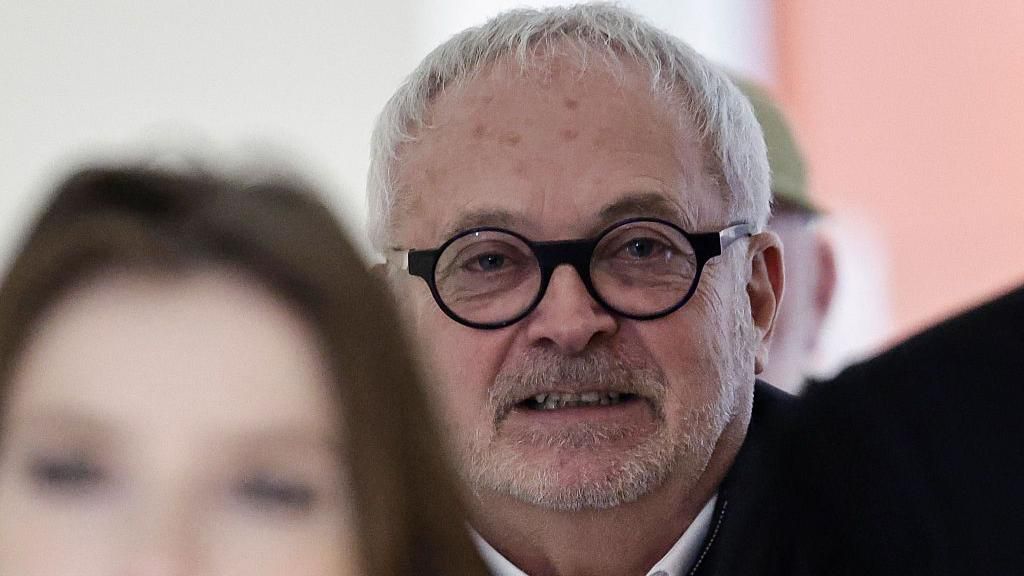
    A prominent French political scandal reached its judicial conclusion as former senator Joel Guerriau was convicted for drugging a fellow parliamentarian with ecstasy in what prosecutors characterized as a premeditated sexual assault attempt. The Paris criminal court delivered a four-year prison sentence against the 68-year-old politician, with 18 months to be served in custody and the remainder suspended.

    The case centers on an November 2023 incident where Guerriau invited Sandrine Josso, a 50-year-old MP from the center-right MoDem party, to his Paris residence under the pretense of celebrating his political re-election. According to court evidence, Josso consumed champagne laced with MDMA that triggered severe physical reactions and prompted her to seek medical assistance.

    Toxicology reports presented during the trial revealed Josso’s bloodstream contained triple the recreational dosage of MDMA. The parliamentarian testified about experiencing disorientation and intense vulnerability, describing how she strategically concealed her deteriorating condition to escape potential assault.

    Guerriau maintained throughout proceedings that the drugging was accidental, claiming he had prepared the substance for personal use during a depressive episode but inadvertently served it to his guest. However, prosecutors highlighted concerning internet searches regarding ecstasy and GHB—a known date-rape drug—found on Guerriau’s devices.

    The convicted former senator expressed remorse during testimony, stating he felt ‘disgusted with my recklessness and stupidity’ while simultaneously advocating for greater awareness about drug dangers. His legal team immediately announced plans for appeal following Tuesday’s verdict.

    For Josso, the ruling represents vindication after years of psychological trauma. She has emerged as a leading voice against chemical submission—drug-facilitated sexual assault—joining advocacy groups founded by victims of similar crimes. The case has sparked renewed political discourse about substance-assisted violence in France, particularly within elite circles.

  • Dubai’s self-driving robotaxis: Why milliseconds can make or break safety on road

    Dubai’s self-driving robotaxis: Why milliseconds can make or break safety on road

    Dubai’s ambitious transition to autonomous transportation is entering a critical phase as robotaxis begin operating on city streets, with full-scale deployment anticipated by 2026. While public attention has primarily focused on the vehicles themselves, industry experts reveal that the true determinant of safety lies in the invisible digital infrastructure supporting these autonomous systems.

    The emerging consensus among technology leaders indicates that latency—the minimal delay in data processing—represents the fundamental safety challenge for self-driving vehicles in dense urban environments. Autonomous taxis depend on continuous streams of sensor data to make instantaneous decisions, from pedestrian detection to responding to sudden traffic changes. In dynamic settings like Dubai’s roadways, micro-delays in processing can significantly impact vehicle responsiveness.

    Kamel Al Tawil, Managing Director for MENA at digital infrastructure firm Equinix, emphasizes that “latency directly determines how quickly an autonomous vehicle can interpret its surroundings and respond to hazards. In real-world city traffic, milliseconds matter.”

    This technological imperative aligns with Dubai’s Autonomous Transportation Strategy, which targets converting 25% of all trips to autonomous modes by 2030. The comprehensive plan envisions deploying approximately 4,000 driverless taxis across the emirate, aiming to reduce traffic accidents, alleviate congestion, and save hundreds of millions of travel hours annually.

    Current progress demonstrates tangible advancement: Dubai’s Roads and Transport Authority (RTA) has designated 65 locations across two operational zones for initial robotaxi services. In 2025, Baidu’s Apollo Go received Dubai’s inaugural permit for fully autonomous trials without safety drivers, while RTA’s partnership with WeRide enables residents in Umm Suqeim and Jumeirah to book autonomous rides through Uber’s platform—currently with specialist drivers onboard, transitioning to fully driverless operations imminently.

    Regulatory frameworks established under Law No. 9 of 2023 mandate stringent requirements for autonomous vehicle operators, including local storage and processing of operational data encompassing vehicle movements, maintenance records, and accident information. These regulations necessitate integrated electronic systems with real-time safety controls, enabling immediate intervention during malfunctions.

    The geographical proximity of data processing infrastructure has emerged as a critical safety consideration rather than merely a technical preference. Al-Tawil explains that “when data is processed far from where it’s generated, even minor network delays can degrade real-time perception. Autonomous systems consequently rely on edge and on-vehicle processing, where critical data is analysed as close to the vehicle as possible.”

    Local data processing not only ensures compliance with UAE safety and security standards but also facilitates secure software updates and enables real-time vehicle-to-everything (V2X) communication. Equinix’s UAE data centers are specifically engineered to manage high-density computing workloads, processing vast sensor data volumes in real time to support safety-critical applications.

    As Dubai accelerates its autonomous mobility initiatives, the focus is expanding beyond visible technological marvels to encompass the underlying digital ecosystems that enable their safe operation. The success of this transportation revolution will ultimately depend on how rapidly and reliably these vehicles can process information when confronting the unpredictability of urban environments—decisions that must occur within milliseconds, and crucially, within close geographical proximity.

  • Over 7.3 million people recorded as registered organ donation volunteers in China

    Over 7.3 million people recorded as registered organ donation volunteers in China

    China’s organ donation system has achieved remarkable growth since its inception, with official data revealing more than 7.3 million citizens have now registered as organ donation volunteers. The China Organ Donation Administrative Center reported that as of December 31, 2025, the country has documented over 63,000 organ donation cases involving more than 197,000 organs, successfully preserving the lives of approximately 190,000 recipients.

    According to Zhang Zongwei, deputy director of the administrative center, China’s organ donation program has evolved from non-existence to a sophisticated system since pilot initiatives began in 2010. The program has demonstrated world-leading post-transplant survival rates while making significant contributions to global medical knowledge in transplantation services.

    Demographic analysis reveals that posthumous organ donors are predominantly male (81%), with female donors comprising 19% of the total. The most represented age group consists of individuals between 46 and 60 years old, accounting for 40.2% of all donors.

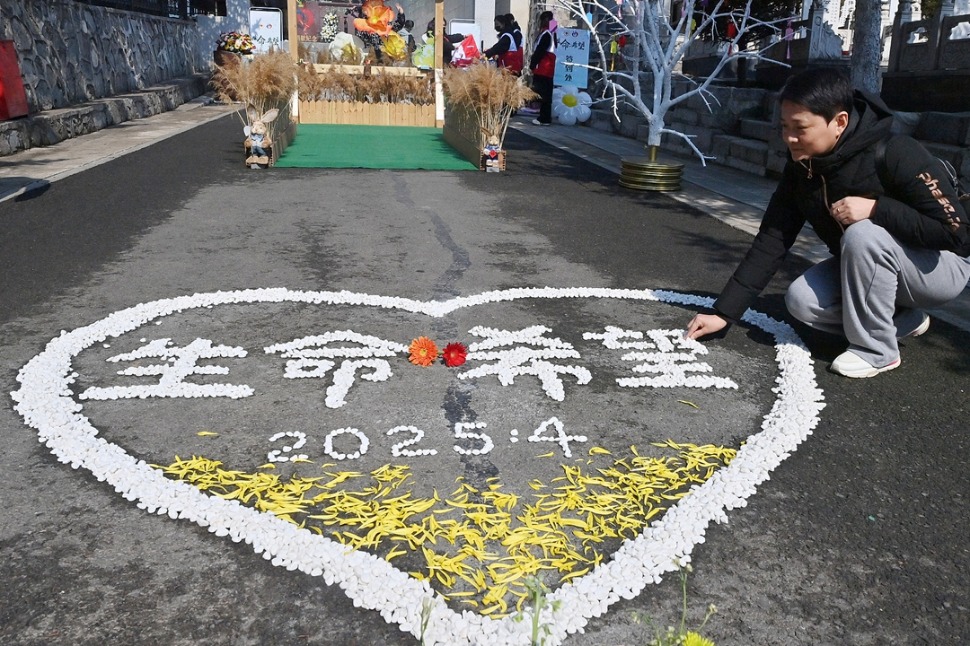
    The human impact of this growing movement was highlighted through the story of Lu Qile, a vibrant teenager who tragically died in a traffic accident during the 2025 National Day holiday in Xiamen, Fujian province. Following his brain death diagnosis, Lu’s parents made the compassionate decision to donate his organs, including his heart, liver, lungs, kidneys, and corneas. Their donation provided five critically ill patients with life-saving transplants and restored vision to two individuals suffering from blindness.

    Memorialization efforts have expanded significantly, with over 40 new organ donor memorial sites established at the county level and above in 2025 alone, bringing the national total to 316 such commemorative locations.

    In a significant policy development, several regions including Dingxi in Gansu province and Shanwei in Guangdong province have recently classified human organ donation as an act of ‘heroism’ through formal regulations, reflecting growing institutional recognition of this altruistic practice.

  • Possible return of Iraq’s Maliki stirs spectres of past chaos and Trump threats

    Possible return of Iraq’s Maliki stirs spectres of past chaos and Trump threats

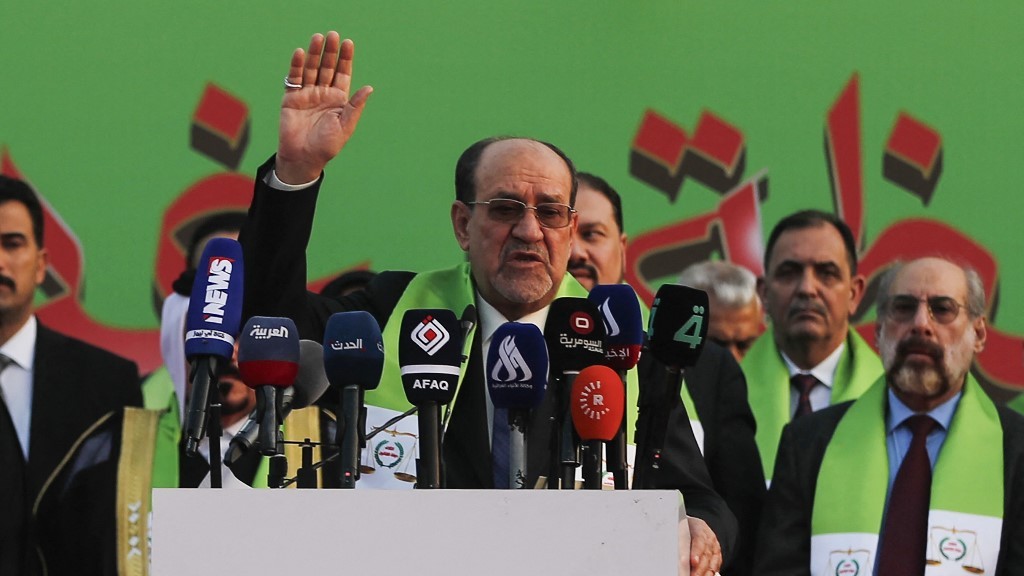
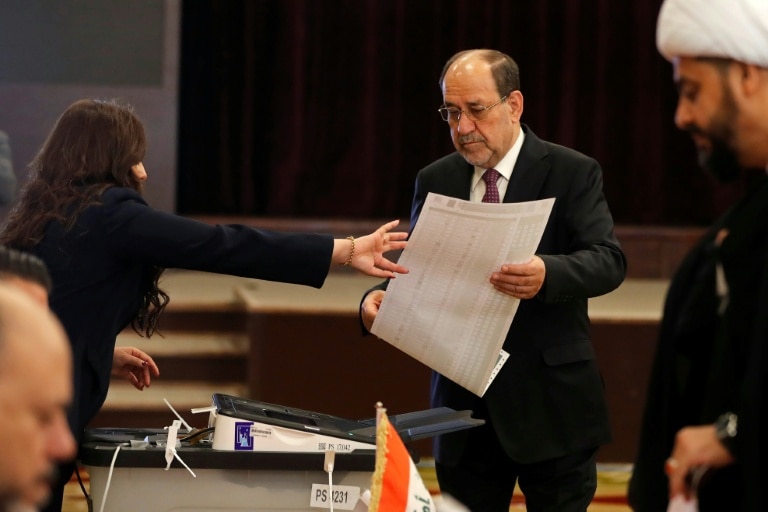
    The political landscape in Iraq faces renewed uncertainty as Nouri al-Maliki emerges as a potential prime ministerial candidate, stirring concerns about regional stability and international relations. The Shiite Coalition Framework alliance selected Maliki—former prime minister from 2006 to 2014—after the incumbent Mohammed Shia al-Sudani failed to form a government following November’s elections. This development has triggered alarm in Washington and among Iraqi citizens who recall Maliki’s previous tenure, which culminated in the Islamic State group capturing vast territories and widespread accusations of sectarianism and corruption.

    Donald Trump escalated tensions through a TruthSocial post, characterizing Maliki’s earlier rule as an era of ‘poverty and total chaos’ and threatening to withdraw U.S. support if Maliki returns to power. Maliki retaliated on social media platform X, condemning Trump’s remarks as a violation of Iraq’s democratic processes and advocating for diplomatic dialogue over threats.

    Analysts and journalists highlight the high stakes of this political maneuvering. Muntazar al-Zaidi—the journalist internationally known for throwing his shoes at Maliki and George W. Bush in 2008—described Maliki’s previous rule as a ‘dark period’ marked by corruption, repression, and economic mismanagement. Reports indicate that approximately $500 billion vanished from state coffers during Maliki’s eight-year administration.

    The U.S. administration has implied potential sanctions should a government backed by Iran-aligned paramilitaries take office, reflecting Washington’s view of Maliki as an Iranian ally. Internally, Maliki’s nomination has exposed divisions within Iraq’s political blocs. While the Sunni-led Taqadum party opposes his candidacy, citing risks of renewed sectarian conflict, the Azm Alliance has expressed support.

    Experts note that Maliki’s path to power remains uncertain. Hayder al-Shakeri of Chatham House observed that although Maliki holds a numerical majority within the Shiite Coordination Framework, he lacks full consensus, complicating his ability to present himself as a unifying leader. The ongoing government-formation process—delayed as Kurdish parties select a presidential candidate—will ultimately determine whether Maliki can secure a third term amid domestic and international apprehensions.

  • Zelensky condemns deadly Russian drone strike on passenger train

    Zelensky condemns deadly Russian drone strike on passenger train

    In a severe escalation of attacks on civilian infrastructure, Russian drone strikes targeted a passenger train in Ukraine’s Kharkiv region, resulting in multiple casualties and widespread condemnation from Ukrainian authorities. The assault occurred on Tuesday near Yazykove village, where at least one direct hit on a passenger carriage ignited a fierce blaze that consumed the compartment.

    Ukrainian President Volodymyr Zelensky characterized the attack as unequivocal terrorism, emphasizing that the train carried over 200 civilians with no military justification for the strike. Initial reports confirm at least four fatalities with an additional four individuals reported missing. Emergency services imagery reveals at least one carriage completely destroyed by fire following the impact.

    The targeted train was traveling from the western border town of Chop to Barvinkove via Kharkiv, a route frequently used by both civilians and military personnel traveling to and from leave. Regional prosecutors confirmed one drone struck a carriage directly while two additional drones detonated in proximity to the train.

    Simultaneously, southern Ukraine faced coordinated assaults as Odesa officials reported Russia launched over 50 drones targeting energy and civilian infrastructure. The overnight attack resulted in three confirmed fatalities and 25 injuries, with several floors of a residential building collapsing entirely and multiple structures sustaining significant damage.

    These attacks occur despite recent diplomatic developments, as Ukraine-Russia negotiations involving US mediators concluded what participants described as constructive talks in the United Arab Emirates. However, critical territorial disputes remain unresolved with additional meetings anticipated.

    Moscow’s intensified campaign against Ukrainian infrastructure has left millions without heating, electricity, or water during the harshest winter months. The full-scale invasion launched in February 2022 currently maintains Russian control over approximately 20% of Ukrainian territory.

  • Kuwait recalls Danone infant formula products over contamination concerns

    Kuwait recalls Danone infant formula products over contamination concerns

    Kuwaiti food safety authorities have implemented an immediate recall of specific Danone infant formula products manufactured in Ireland after receiving critical contamination alerts through the European Rapid Alert System for Food and Feed (RASFF). The affected products, marketed under the Aptamil Advance brand, have been identified as potentially containing cereulide, a toxic chemical substance known to pose serious health risks.

    The Public Authority for Food and Nutrition confirmed the voluntary precautionary measure was initiated following official notifications from European regulators. Consumers are urgently advised to check batch and lot numbers against the published specifications and immediately discontinue use of any matching products. The regulatory body is coordinating with suppliers and distributors to ensure complete removal of the affected batches from circulation.

    In a related development, Kuwaiti authorities addressed another contamination concern involving Lactalis Nutrition Santé’s Enfastar brand formula, though they confirmed these specific recalled batches never reached the Kuwaiti market. This marks the third major infant nutrition safety incident in recent weeks, following last month’s recall of certain S26 AR Gold formula batches.

    The coordinated international response highlights the interconnected nature of global food supply chains, where a single compromised ingredient can trigger widespread regulatory action across multiple continents. Kuwait’s food safety agency emphasized its ongoing vigilance and coordination with international partners to ensure consumer protection remains paramount.

  • China says Nipah outbreak poses limited risk

    China says Nipah outbreak poses limited risk

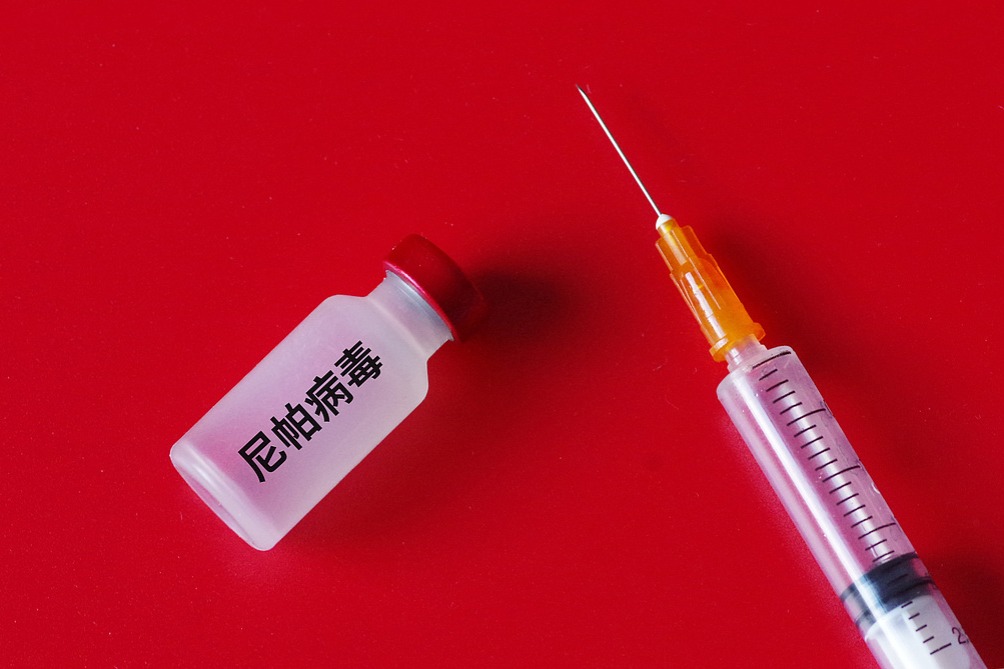
    Chinese health authorities have moved to reassure the public regarding the potential threat posed by a recent Nipah virus outbreak in India, stating that the risk to China remains limited. The National Disease Control and Prevention Administration confirmed Tuesday that no domestic cases have been detected and emphasized the country’s robust preparedness measures.

    The current outbreak in India’s West Bengal state, which does not share a border with China, has resulted in at least five confirmed infections with approximately 100 close contacts under quarantine. The virus carries a concerning fatality rate ranging from 45 to 70 percent, according to health officials.

    Chinese health experts explained that the Nipah virus primarily spreads through direct contact with infected animals, patients, or contaminated materials. They noted the pathogen has limited environmental survivability, resulting in low exposure risk for the general population. Despite the low overall risk assessment, authorities acknowledged the persistent threat of imported cases and are implementing enhanced precautionary measures.

    The administration detailed comprehensive preparedness efforts including continuous monitoring of international outbreak situations, specialized personnel training, and strengthened response capabilities in border regions. China has developed and stockpiled nucleic acid testing technologies for Nipah virus detection, with all provincial-level disease control centers equipped to perform targeted laboratory testing.

    In a significant development, Chinese researchers announced that a domestically developed antiviral drug originally approved for COVID-19 treatment has demonstrated substantial antiviral activity against the Nipah virus. The drug, known as VV116, was characterized as “a very promising oral candidate” for treatment by research teams from the Wuhan Institute of Virology under the Chinese Academy of Sciences, the Shanghai Institute of Materia Medica, and Vigonvita Life Science. These findings were published in November in the international journal Emerging Microbes & Infections.

    Health authorities advised travelers to affected regions to maintain heightened precautions and strict personal hygiene practices given the absence of approved therapeutics or vaccines specifically targeting the Nipah virus.

  • Trump warns US to end support for Iraq if Maliki returns

    Trump warns US to end support for Iraq if Maliki returns

    Former U.S. President Donald Trump has issued a stark warning to Iraq regarding its political future, threatening to terminate all American support if former Prime Minister Nouri al-Maliki reassumes power. Through his Truth Social platform on Tuesday, Trump characterized Maliki’s potential return as a “very bad choice” for the nation, referencing the former leader’s previous tenure which he claimed plunged Iraq into “poverty and total chaos.”

    The political context revolves around the Coordination Framework, a Shiite parliamentary alliance with varying Iranian affiliations, which recently endorsed Maliki as their prime ministerial candidate. This development follows Iraq’s parliamentary elections and occurs amid delicate U.S.-Iraq relations. Trump explicitly stated that Maliki’s “insane policies and ideologies” would result in complete withdrawal of American assistance, dramatically concluding with his trademark slogan adapted for Iraq: “MAKE IRAQ GREAT AGAIN!”

    Historical tensions underscore this diplomatic confrontation. Maliki previously left power in 2014 following U.S. pressure, with American officials blaming his sectarian policies for creating conditions that enabled the Islamic State’s rise. The United States maintains significant economic leverage over Iraq through an arrangement established after the 2003 invasion, whereby most Iraqi oil revenue—accounting for approximately 90% of government income—is held at the Federal Reserve Bank in New York.

    The Trump statement aligns with recent diplomatic communications. Secretary of State Marco Rubio reportedly expressed similar concerns to current Prime Minister Mohammed Shia al-Sudani, and political sources indicate Washington formally communicated its negative view of Maliki to Iraqi politicians.

    Iraq’s political process has encountered obstacles, with parliament abruptly delaying Tuesday’s presidential election after Kurdish parties requested additional time to reach consensus. Traditionally, Iraq’s presidency goes to a Kurd while the prime minister comes from the Shiite majority, a convention established after Saddam Hussein’s fall.

    Regional implications are substantial. A Maliki-led government would significantly benefit Tehran amid Iran’s recent setbacks, including domestic protests and reduced influence in Syria. The current Sudani administration has maintained smoother relations with Washington, cooperating on security matters including Islamic State prisoner transfers and restraining Iran-aligned armed groups.

    Trump’s intervention marks a notable departure from conventional diplomatic practice, continuing his pattern of open political meddling in foreign nations. This approach has recently included endorsing right-wing candidates in European and Latin American elections, plus authorizing military action in Venezuela.

  • Who is Tom Homan, Trump’s ‘border tsar’ deployed to Minneapolis?

    Who is Tom Homan, Trump’s ‘border tsar’ deployed to Minneapolis?

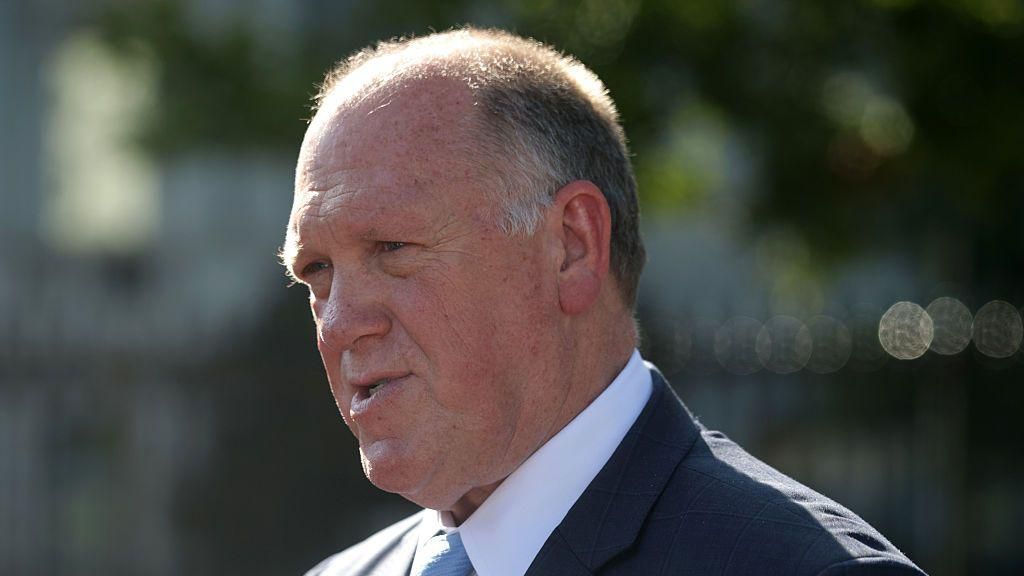
    In a significant operational shift, the Trump administration has dispatched veteran immigration official Tom Homan to assume command of enforcement operations in Minneapolis following the fatal shooting of two U.S. citizens by federal agents within a month. Homan, who arrived in the city on Tuesday, will serve as the primary federal liaison with local officials according to White House statements.

    This personnel change coincides with the anticipated departure of Gregory Bovino, the controversial Border Patrol chief who has spearheaded the administration’s mass deportation initiatives across multiple American cities. The transition signals a strategic recalibration of enforcement tactics in a region experiencing heightened immigration-related tensions.

    Homan brings four decades of immigration enforcement experience spanning both Democratic and Republican administrations. Beginning his career as a police officer before joining Border Patrol in 1984, he ascended through the ranks of immigration enforcement, eventually leading the Enforcement and Removal Operations division under ICE during the Obama administration.

    Twice drawn from retirement by Trump administration officials—first in 2017 by then-Chief of Staff John Kelly and again in 2024 by current Chief of Staff Susie Wiles—Homan serves as the administration’s informal “border tsar,” coordinating immigration policy across agencies without requiring Senate confirmation.

    The veteran enforcer has consistently defended the administration’s broad deportation objectives, emphasizing targeting “the worst of the worst” while challenging narratives that portray law enforcement personnel negatively. However, operational realities have frequently resulted in the apprehension of non-criminal undocumented immigrants, a phenomenon Homan attributes to uncooperative “sanctuary cities.”

    While some political observers interpret Homan’s deployment as acknowledgment that Bovino’s aggressive tactics required modification, immigration advocates note both officials share similar enforcement philosophies. Homan previously defended the administration’s family separation policy that divided undocumented parents from their children.

    Michael Lukens of the Amica Center noted: “Homan represents a more polished communicator than Bovino, better equipped to frame enforcement actions favorably to media and stakeholders. This transition reflects the administration’s political calculations rather than substantive policy changes.”

  • UAE weather tomorrow: Chance of fog; lowest temperature 15°C in Dubai, Sharjah

    UAE weather tomorrow: Chance of fog; lowest temperature 15°C in Dubai, Sharjah

    The United Arab Emirates is experiencing characteristic winter weather patterns this week, with the National Centre of Meteorology (NCM) forecasting persistent morning humidity and potential fog formation through January 31st. Meteorological data indicates Wednesday will dawn with humid conditions particularly affecting western inland and coastal regions, where light fog patches are expected to develop during early hours.

    As the day progresses, weather patterns will transition to fair and partially cloudy conditions across the nation. Eastern and northern territories should anticipate the appearance of low cloud formations while temperatures demonstrate a gradual upward trend. Wind patterns will remain generally moderate, blowing from south-easterly to north-easterly directions at speeds ranging between 10-25 km/h, with occasional gusts potentially reaching 30 km/h.

    Maritime conditions remain calm with slight seas reported in both the Arabian Gulf and Oman Sea. Temperature readings show regional variations, with maximum temperatures reaching 27°C in both Dubai and Abu Dhabi, while Sharjah will see a high of 26°C. Nighttime brings cooler conditions with minimum temperatures dropping to 15°C in Dubai and Sharjah, and 14°C in Abu Dhabi.

    The meteorological trajectory indicates a continuing temperature increase on Thursday followed by a noticeable decrease by Friday. Tuesday’s maximum temperature of 27.1°C was recorded in Um Azimul (Al Ain) at 4:00 PM, establishing the week’s benchmark for warmth.