作者: admin

  • This woman fought back when jihadists killed her sons

    This woman fought back when jihadists killed her sons

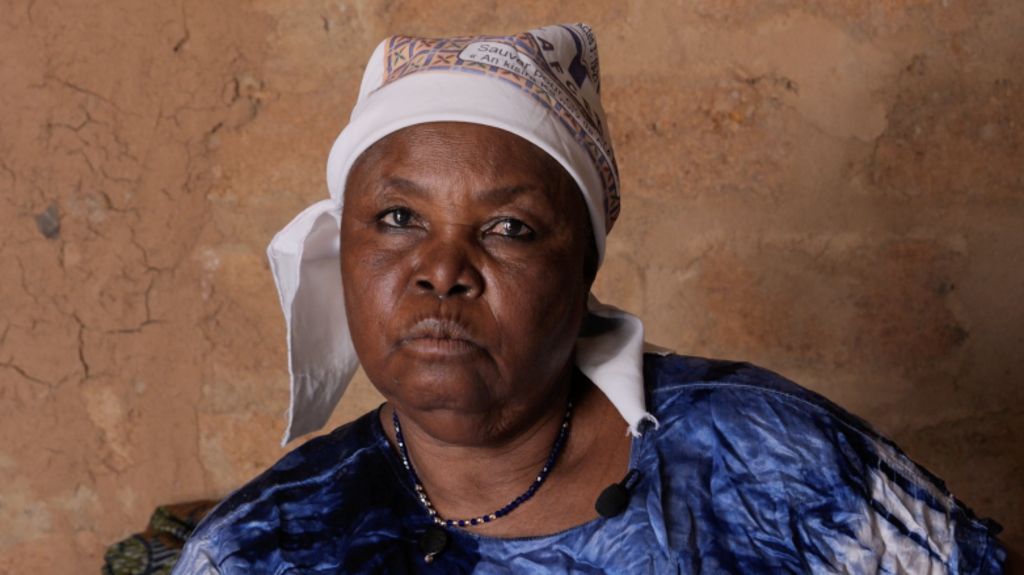
    In the dim confines of a refugee camp in Ivory Coast, 57-year-old Yameogo Aminata grapples with the traumatic memory of her four sons being executed by jihadist fighters in Burkina Faso. The attack occurred in 2022 when armed insurgents—who have terrorized central Burkina Faso for nearly fifteen years—overran her village, slaughtering residents and seizing property.

    “They slit the throats of four of my children,” Aminata recounted to the BBC, her voice trembling with emotion. “When I arrived, they were killing my fourth son.” Despite attempting to fight back with a knife, she was overpowered, severely beaten, and left with critical injuries. Her daughter remains missing since the assault.

    Aminata is among thousands who have fled to the Nioronigué camp, established in 2023 near the Burkinabé border through a collaboration between the United Nations and Ivorian authorities. Here, she preserves the bloodied clothing from the attack as a harrowing reminder of her loss.

    The Sahel region, described by the UN as the “epicentre” of global jihadist violence, has seen over 10,000 fatalities and the displacement of more than three million people. Countries like Burkina Faso, Mali, and Niger have been particularly affected, leading to military coups and a strategic pivot from Western alliances to Russian military support under the Africa Corps. Yet, insurgency persists, notably from al-Qaeda affiliate JNIM.

    Hassane Tall, a 60-year-old farmer, escaped northern Burkina Faso with his three wives and 19 children after repeated attacks. “We thought we would die,” he said. Now in Nioronigué, he mourns the loss of his ancestral land but sees no safe future at home.

    The camp, designed for 6,000 people, now shelters approximately 13,000 refugees—far exceeding its capacity. More than 80,000 Burkinabés currently reside in Ivorian camps, with many others integrated into local communities. This influx strains resources, despite the Ivorian government’s commitment to welcome refugees as “brothers” sharing cultural and historical ties.

    Blerta Cela of the UN Development Programme warned that host communities and infrastructure are under severe pressure. Meanwhile, refugees like a 27-year-old Malian finance graduate describe fleeing pervasive fear and violence after family members were targeted.

    For Aminata, the struggle to rebuild her life is overshadowed by enduring trauma. “I still cannot erase what happened to me,” she confessed. “We just pray to God that peace comes back to Burkina Faso.”

  • Opportunities, policies lure overseas talent back

    Opportunities, policies lure overseas talent back

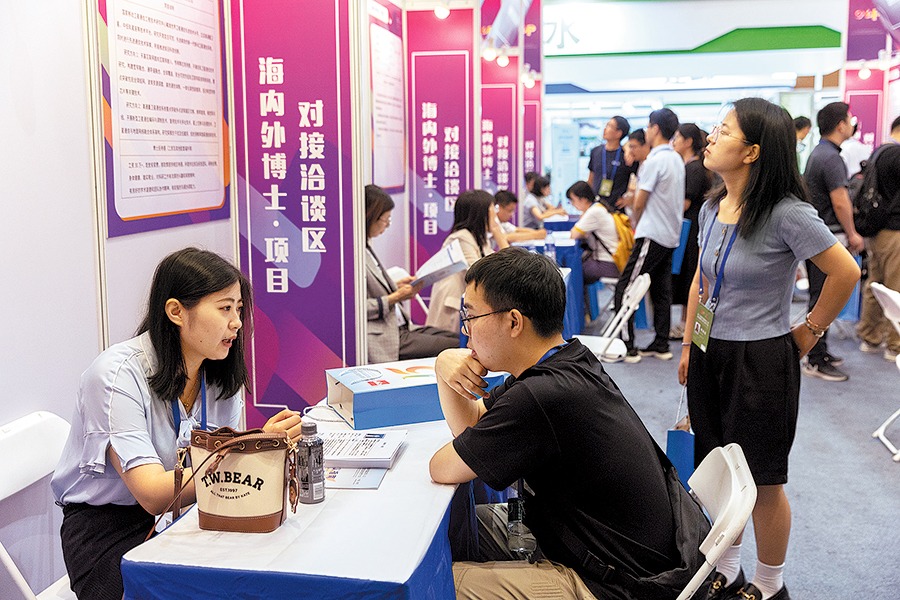
    China is experiencing an unprecedented wave of overseas talent returning to the mainland, with 2025 marking a historic high in returnee employment numbers. This significant reverse brain drain phenomenon is primarily driven by China’s robust economic outlook, transformative industry upgrades, and favorable government policies targeting educated expatriates.

    According to data from Zhaopin, China’s leading recruitment platform, the number of overseas returnees seeking employment surged by 5% year-on-year in 2025, representing a remarkable 150% increase since 2018. Fresh graduate returnees demonstrated even more substantial growth, climbing 12% over the previous year and achieving a 225% expansion since 2018—reaching an eight-year peak.

    Geographic analysis reveals that approximately one-third of returnees originated from the United Kingdom, while Australia contributed around one-fifth of the total. The United States accounted for nearly 8% of returning professionals, indicating diverse global educational backgrounds among the talent pool.

    The driving forces behind this trend are multifaceted. Industry transformation toward advanced sectors has generated abundant opportunities, particularly in artificial intelligence, new energy, and high-end manufacturing. AI-related positions, such as AI product managers, witnessed explosive 178% growth in job postings during the first three quarters of 2025, accompanied by competitive compensation packages.

    Li Qiang, Vice-President of Zhaopin, highlighted that “Chinese companies increasingly value overseas educational backgrounds and language capabilities as they expand their global footprint.” Traditional strongholds for returnees—education, consultancy, and trade sectors—continue to prioritize cross-cultural communication skills and international experience.

    Emerging industries aligned with China’s ‘new quality productive forces’ initiative, including metal products and pharmaceutical manufacturing, are actively recruiting returnees to support their transition toward intelligent, environmentally sustainable operations and international market expansion.

    Returnees themselves demonstrate strong preference for cutting-edge fields with high technical barriers and global recognition. Resume submissions surged approximately 90% in new materials, 75% in robotics, and 35% in artificial intelligence sectors during 2025.

    International employment dynamics have also influenced return decisions. Shifting visa policies in some countries have intensified local job competition, while China offers stable living conditions and supportive policies including streamlined household registration (hukou) processes and entrepreneurship incentives for returnees.

    Wang Siqi, a 27-year-old who returned after postgraduate studies in the UK, exemplifies this trend: “I prefer the climate and convenient living environment here on the mainland.” Now employed at a Shenzhen consultancy firm, Wang joins numerous peers settling in major urban centers like Shanghai and Beijing.

    Professor Li Chang’an of the University of International Business and Economics cautions that while returnees bring international perspectives, they may underestimate the competitive domestic job market where elite university graduates demonstrate comparable capabilities, potentially creating adjustment challenges for returning professionals.

  • Police search Arizona home of person detained in connection to Nancy Guthrie disappearance

    Police search Arizona home of person detained in connection to Nancy Guthrie disappearance

    A significant development has emerged in the intensive search for Nancy Guthrie, the 84-year-old mother of NBC News anchor Savannah Guthrie, who was abducted from her Tucson-area residence on January 31st. Law enforcement authorities have taken an individual into custody following a traffic stop, with investigators currently executing a court-authorized search at a property in Rio Rico, Arizona.

    The case took a dramatic turn when the FBI released previously inaccessible surveillance footage showing an armed, masked individual approaching Guthrie’s doorstep on the night of her disappearance. The footage reveals the suspect tampering with the home security system, specifically using vegetation to obscure the camera lens. FBI Director Kash Patel confirmed these images were recovered after extensive forensic work on what appeared to be corrupted or compromised recording devices.

    White House involvement has elevated the case’s profile, with Press Secretary Karoline Leavitt confirming President Trump reviewed the surveillance footage and expressed ‘pure disgust’ at its contents. The President has directed federal resources to assist in the investigation, which he characterized as ‘very unusual.’

    The investigation has been complicated by the emergence of ransom notes containing specific deadlines, the most recent passing on February 9th. Medical concerns have intensified the urgency, as Guthrie requires essential medication for survival and manages chronic pain conditions. Authorities confirmed her pacemaker’s monitoring app disconnected from her phone on the night of the abduction, and forensic analysis identified her blood on the home’s porch.

    Savannah Guthrie and her siblings have maintained a relentless social media campaign, sharing emotional appeals and the newly released footage in hopes someone might recognize the distinctive movements of the masked individual. The FBI has offered a $50,000 reward for information leading to resolution in the case.

  • Australia seeks charges over a 2024 Israeli airstrike in Gaza that killed an Australian aid worker

    Australia seeks charges over a 2024 Israeli airstrike in Gaza that killed an Australian aid worker

    CANBERRA, Australia — In a significant diplomatic escalation, Australian Prime Minister Anthony Albanese has formally demanded criminal charges be brought against those responsible for the April 2024 Israeli airstrike that killed seven humanitarian workers in Gaza, including Australian aid worker Zomi Frankcom.

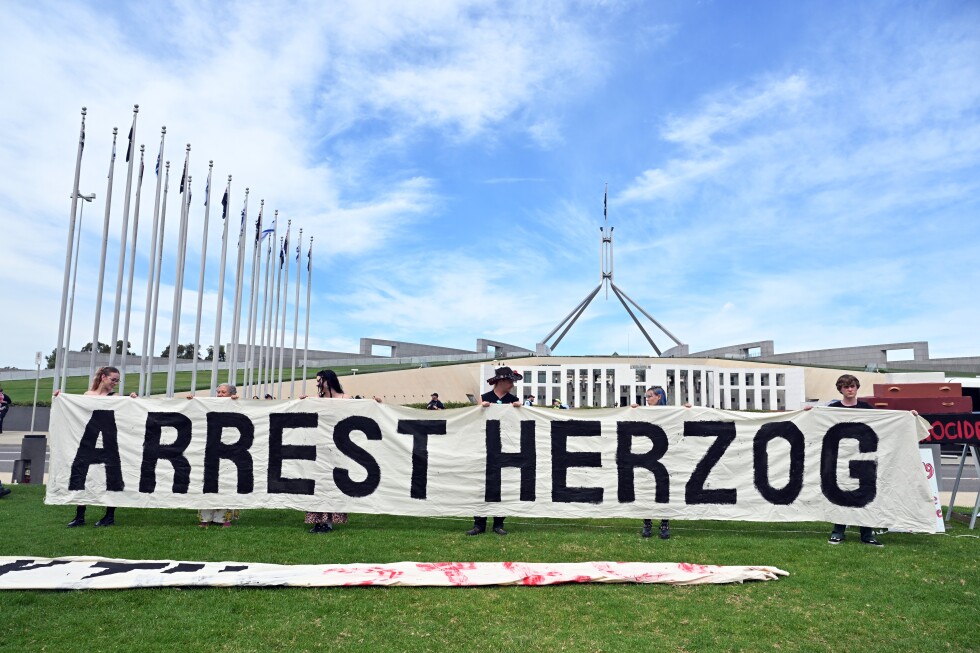
    The demand was delivered directly to Israeli President Isaac Herzog during his controversial visit to Australia this week. The meeting between the two leaders occurred amid heightened tensions and widespread protests against Herzog’s presence in the country.

    The deadly incident on April 1, 2024, targeted a World Central Kitchen aid convoy, resulting in the deaths of seven personnel. Beyond the Australian victim, the strike killed an American-Canadian dual citizen, a Palestinian aid worker, a Polish national, and three British security staff members.

    An Australian government inquiry concluded after four months of investigation that the strike resulted from “procedural failures and errors” within the Israeli military structure. Prime Minister Albanese characterized the incident as both a “tragedy and an outrage” during parliamentary remarks.

    Herzog’s visit to Australia has sparked substantial controversy, with hundreds of protesters gathering outside Parliament House in Canberra waving Palestinian flags. Several lawmakers joined the demonstrations, with Greens party deputy leader Mehreen Faruqi declaring Herzog “not welcome in Australia” and accusing him of inciting genocide in Gaza.

    The Israeli president described his visit as “very emotional,” particularly in light of the December Bondi Beach antisemitic attack that killed 15 people. Herzog emphasized the broader basis of Israeli-Australian relations beyond the Palestinian conflict, expressing hope for “new beginnings and a better future” between the nations.

    Despite the tensions, mainstream Jewish groups in Australia welcomed Herzog’s visit. The Israeli president dined with Albanese at the prime minister’s official Sydney residence before traveling together to Canberra on an Australian air force jet.

    Security measures were significantly heightened during the visit, with police in Sydney arresting 27 demonstrators and charging nine with mostly assault-related offenses. New South Wales Premier Chris Minns defended the police actions as necessary to prevent clashes between protesters and mourners of the Bondi massacre.

  • ‘Elderly drifters’ find homes away from home

    ‘Elderly drifters’ find homes away from home

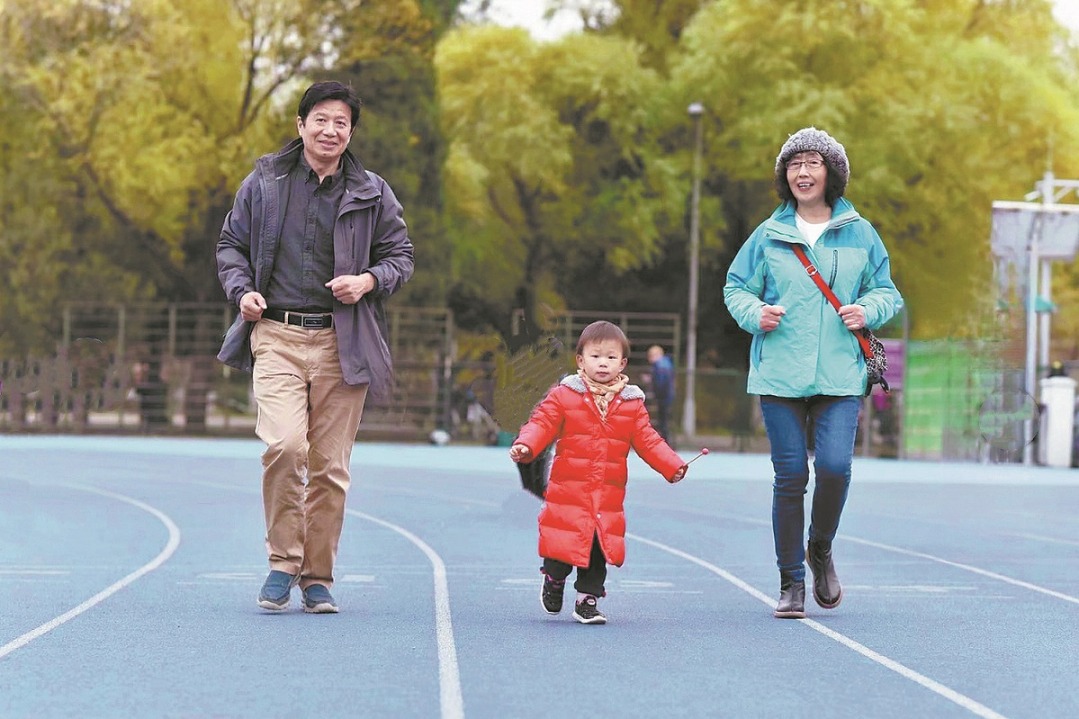
    Across China’s metropolitan centers, a significant demographic shift termed ‘Lao Piao’ (elderly drifters) is transforming urban family structures as senior citizens relocate from their hometowns to support their children’s households. This intergenerational migration pattern reflects both the evolving pressures of modern urban life and the enduring strength of family bonds in Chinese culture.

    The phenomenon particularly impacts dual-income professional couples like Wu Pei, a 33-year-old production manager in Guangzhou. Following her maternity leave in late 2021, both her mother from Anhui province and mother-in-law from Hunan province alternately provide childcare for her 4-year-old son, creating an unconventional multigenerational living arrangement that redefines traditional household dynamics.

    This living situation presents both challenges and adaptations. Generational differences in parenting approaches frequently surface, with scientific child-rearing methodologies sometimes conflicting with experience-based traditional methods. Disagreements may emerge regarding daily routines, nutritional preferences, or disciplinary measures, creating a complex negotiation of values within the household.

    Remarkably, these elderly drifters demonstrate extraordinary adaptability. Wu’s 65-year-old mother pursued formal childcare education during her retirement, obtaining professional certification, while her 63-year-old mother-in-law mastered contemporary nutritional cooking techniques specifically for her grandson. These efforts represent not merely practical adjustments but profound commitments to family welfare.

    ‘The willingness of our parents’ generation to continuously learn and adapt at their stage of life is both humbling and inspiring,’ Wu acknowledged. ‘Their dedication generates immense gratitude while simultaneously highlighting the substantial personal sacrifices they make—abandoning familiar communities, social networks, and comfortable routines to support our family.’

    A critical incident underscored their indispensable role when Wu’s son developed a high fever during both grandmothers’ temporary absence. The couple’s struggle to manage the situation alone revealed their fundamental dependence on this intergenerational support system. ‘That nighttime emergency made us confront the reality that without their assistance, managing childcare alongside professional responsibilities would be overwhelmingly difficult,’ Wu confessed.

    This urban phenomenon reflects broader socioeconomic transformations including rising living costs, intense workplace pressures, and inadequate public childcare infrastructure, compelling many families to rely on intergenerational solutions that reshape urban demographics and family relationships across China.

  • Chewy rice cakes embody wishes for good fortune

    Chewy rice cakes embody wishes for good fortune

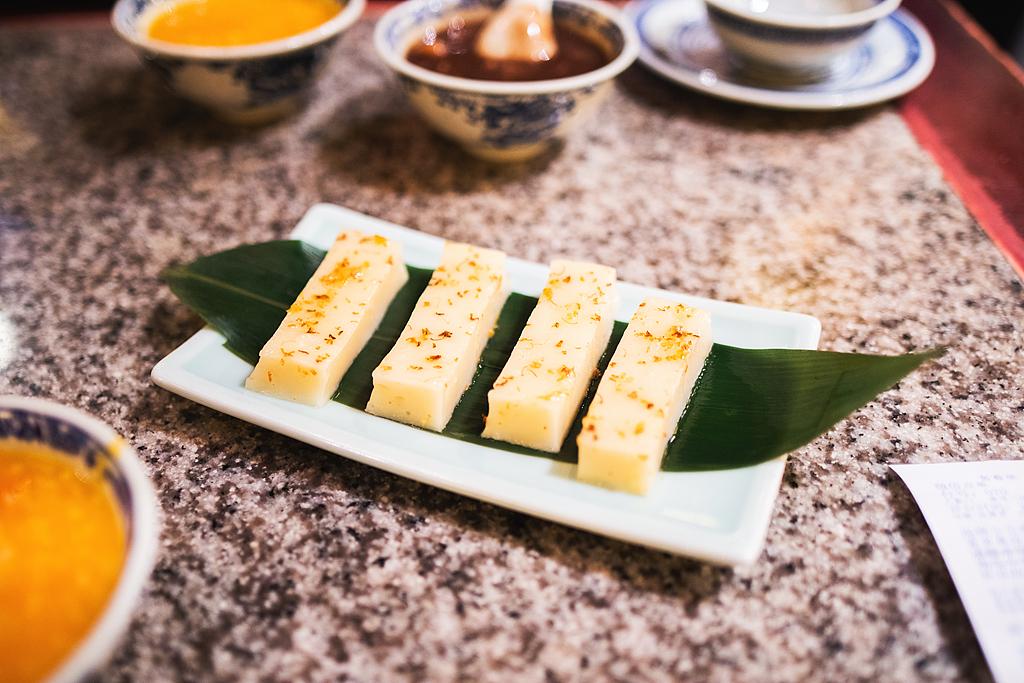
    Across Chinese households during Lunar New Year celebrations, kitchen counters transform into miniature exhibitions of edible art. Fish-shaped creations appear mid-swim, golden ingots sit plumply arranged, and symbolic “gold bricks” stand prominently at the center of festive platters. These are not mere decorations but nian gao—traditional Chinese rice cakes—each carefully crafted form representing deeply encoded wishes for prosperity and abundance.

    For countless generations, these chewy rice cakes have served as the most tangible expression of hope for the coming year. The phrase “nian nian gao”—meaning “rising higher year after year”—transcends verbal expression to become something molded, steamed, and shared among families. What begins as simple grains transforms into edible blessings that can be touched, tasted, and remembered.

    The historical significance of nian gao stretches back millennia, when sticky grain cakes were originally prepared as ritual offerings to ancestors and prayers for bountiful harvests. Over centuries, as the word “gao” (cake) came to phonetically echo “gao” (high), these rice cakes developed their enduring association with progress and aspiration.

    Regional variations showcase remarkable diversity in preparation techniques and flavors. In northern China, yellow millet and glutinous rice combine to create firm cakes that release a toasted aroma when pan-fried. Southern regions prefer pure glutinous rice stone-ground into fine paste, producing snow-white cakes adaptable to both sweet and savory dishes.

    Linhai, a county-level city in Zhejiang province’s Taizhou region, preserves particularly ancient methods with its hand-pounded nian gao. Using a dry-grinding technique without added water or auxiliary ingredients, artisans repeatedly pound rice with traditional tools. “Each round of pounding is followed by meticulous inspection,” explained Li Xiaohui, brand director of Qianli Taizhou Yushi restaurant. “The result retains the pure aroma of the grain while achieving remarkable chewiness and elasticity.”

    This contrasts with Ningbo’s water-ground rice cakes (softer and smoother) and Suzhou’s varieties often enriched with pork lard. Together, these differences reflect the rich diversity of Jiangnan food culture.

    Beyond technical variations, nian gao preparation has historically served as communal ritual. As Spring Festival approached, neighbors traditionally gathered to help pound rice cakes together, transforming food preparation into shared celebration. Though such scenes have become less common today, the symbolism of reunion remains deeply ingrained in the tradition.

    Contemporary preparations continue to honor seasonal rhythms and respect for original flavors. Steamed nian gao paired with traditional Taizhou handmade brown sugar offers winter warmth and simplicity. Stir-fried with pickled mustard greens, it becomes a popular staple, while braised with East China Sea yellow croaker showcases coastal bounty with fish juices coating the chewy cake.

    As modern lifestyles increasingly favor ready-made options, many families still participate in making nian gao during the twelfth lunar month. The process remains slow, the techniques familiar, and in kitchens across China, this ancient practice quietly carries forward the hopes of generations.

  • Turkey’s Erdogan replaces justice and interior ministers in reshuffle

    Turkey’s Erdogan replaces justice and interior ministers in reshuffle

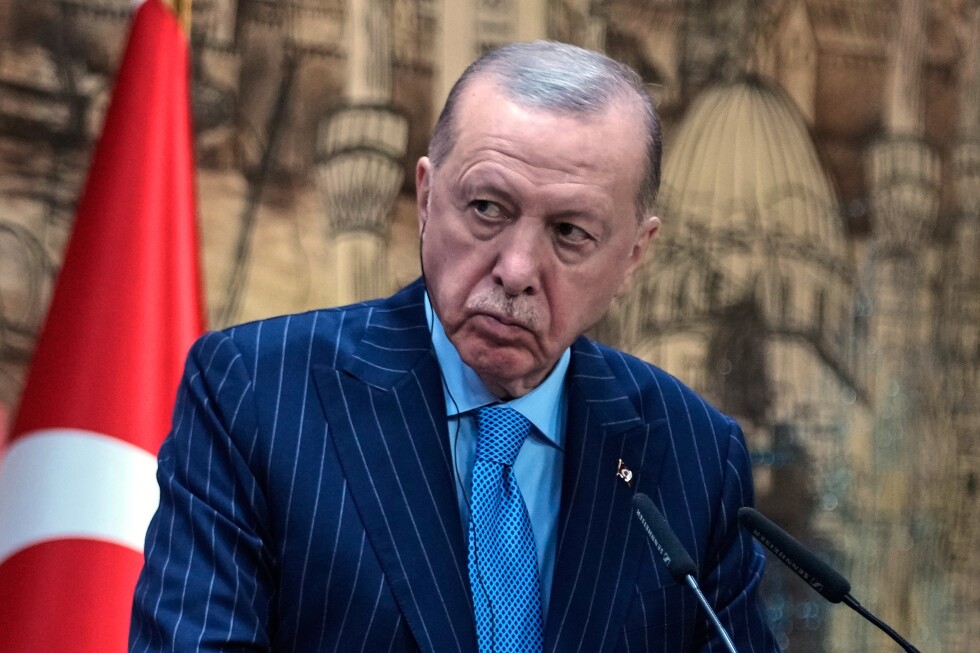
    In an unexpected political maneuver, Turkish President Recep Tayyip Erdogan executed a significant ministerial overhaul on Wednesday, replacing both his justice and interior ministers without prior public indication. The reshuffle places Istanbul Chief Prosecutor Akin Gurlek at the helm of the justice ministry, succeeding Yilmaz Tunc, while Mustafa Ciftci, previously governing the eastern province of Erzurum, assumes control of the interior ministry from Ali Yerlikaya.

    According to the Official Gazette publication, both outgoing ministers had formally requested to be relieved of their governmental responsibilities, though no detailed explanation was provided for their simultaneous departures. This administrative reorganization occurs during a critical period for Turkish politics, with ongoing parliamentary discussions concerning potential constitutional amendments and continued efforts to establish peaceful relations with the Kurdistan Workers’ Party (PKK) to resolve longstanding conflicts.

    The appointment of Prosecutor Gurlek has generated substantial controversy due to his professional background. Gurlek previously directed several prominent legal proceedings against members of the Republican People’s Party (CHP), Turkey’s primary opposition group. His prosecutorial record includes high-profile corruption investigations that resulted in the arrest of numerous officials from CHP-administered municipalities, most notably Istanbul Mayor Ekrem Imamoglu—widely perceived as Erdogan’s principal political competitor—who faced detention last year.

    Opposition figures and government critics maintain that these judicial actions demonstrate political motivation rather than impartial law enforcement, while administration officials consistently assert the complete independence of Turkey’s judicial system. The cabinet changes arrive as parliament prepares to consider legislative measures intended to support the government’s peace initiative with Kurdish representatives, potentially signaling a strategic realignment of Turkey’s domestic security and judicial approaches.

  • White paper outlines security path for HK

    White paper outlines security path for HK

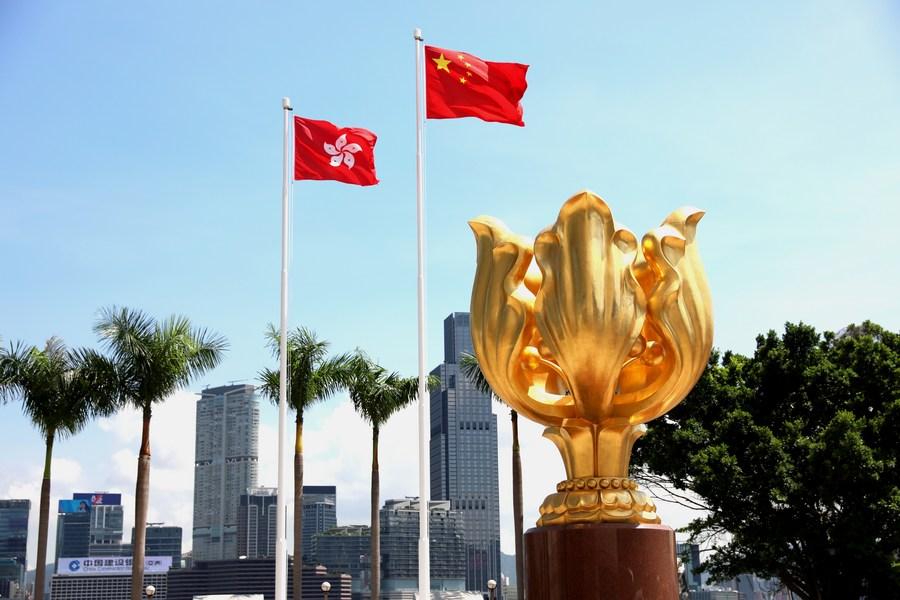
    China’s State Council Information Office has unveiled a significant policy document titled “Hong Kong: Safeguarding China’s National Security Under the Framework of One Country, Two Systems” on Tuesday. This comprehensive white paper provides a detailed examination of the implementation and future trajectory of national security measures within the Hong Kong Special Administrative Region.

    The document’s release follows closely on the heels of the Hong Kong High Court’s sentencing of former media magnate Jimmy Lai Chee-ying to 20 years imprisonment. Lai’s December conviction for activities compromising national security received immediate endorsement from both central authorities and Hong Kong’s administrative leadership.

    This policy framework systematically outlines the legal foundations, operational necessities, and accomplished milestones in Hong Kong’s national security preservation efforts. It emphatically states that protecting national sovereignty, security, and developmental interests constitutes the “supreme principle” governing the implementation of the “one country, two systems” doctrine.

    Addressing Hong Kong’s evolving political landscape, the white paper clarifies that the central government has consistently upheld a comprehensive national security perspective while exercising its constitutional jurisdiction in accordance with China’s Constitution and the HKSAR Basic Law.

    The document further emphasizes Beijing’s unwavering commitment to supporting Hong Kong in establishing robust security protocols, mitigating significant risks, and expanding its global connectivity regardless of international geopolitical shifts.

    Official responses from multiple government entities have welcomed the white paper. The State Council’s Hong Kong and Macao Affairs Office described it as consolidating essential insights and experiences for maintaining national security under the established framework. The Central Government’s Liaison Office in Hong Kong characterized the document as a “new starting point” for enhancing the city’s security infrastructure while supporting its continued high-quality development.

    Hong Kong Chief Executive John Lee Ka-chiu endorsed the white paper as providing practical guidance that “comes at just the right time,” urging all sectors within Hong Kong to thoroughly study and implement its directives.

  • De Zerbi leaves Marseille by mutual consent

    De Zerbi leaves Marseille by mutual consent

    Olympique de Marseille has officially severed ties with first-team coach Roberto De Zerbi through a mutual separation agreement. This decisive move follows a period of significant sporting setbacks for the French club, including a devastating 5-0 defeat to arch-rivals Paris Saint-Germain and a recent elimination from the Champions League after a 3-0 loss to Club Brugge.

    The Italian manager, who previously managed Brighton & Hove Albion for nearly two years, assumed leadership at Marseille in the summer of 2024. Under his guidance last season, the team achieved a respectable second-place finish in Ligue 1. At the time of his departure, Marseille occupies fourth position in the league table, trailing leaders PSG by a substantial 12-point margin.

    In an official communiqué, the club’s administration detailed that this conclusion resulted from extensive deliberations among key stakeholders, including the owner, president, director of football, and the coach himself. The statement characterized the decision as collectively challenging but necessary, emphasizing it was reached after thorough consideration to address the critical sporting objectives remaining in the current season. The leadership affirmed the move was executed with the club’s best interests at heart to navigate upcoming challenges effectively.

  • Bangladeshis seek to chart a democratic future in their first vote since the bloody 2024 uprising

    Bangladeshis seek to chart a democratic future in their first vote since the bloody 2024 uprising

    DHAKA, Bangladesh — Bangladesh stands at a pivotal democratic juncture as Thursday’s election approaches, marking the nation’s first electoral test following the 2024 student-led uprising that ousted former Prime Minister Sheikh Hasina. The political landscape has been dramatically reshaped by the return of Tarique Rahman, son of former Prime Minister Khaleda Zia, ending his 17-year self-imposed exile in December with a promise of national transformation.

    Rahman, now widely perceived as the front-runner, addressed a massive rally in Dhaka on Monday under tight security, declaring to enthusiastic supporters: “The main goal and objective of this plan is to change the fate of the people and of this country.” His Bangladesh Nationalist Party (BNP) campaigns on platforms of job creation, anti-corruption measures, and strengthened rule of law, positioning itself as a democratic alternative in a political environment historically marred by military interventions and electoral manipulation.

    The election occurs against a backdrop of profound challenges: escalating religious intolerance, attacks on press freedom, resurgence of Islamist influence, and erosion of legal institutions. The absence of Hasina’s Awami League—boycotting the polls and urging supporter abstinence—has created an unusual political vacuum that Jamaat-e-Islami, Bangladesh’s predominant Islamist party, seeks to fill through an 11-party coalition.

    Jamaat-e-Islami’s political ascent has generated particular concern regarding women’s rights, with party leader Shafiqur Rahman asserting women’s biological inferiority and opposing equal working hours. This stance has raised alarms about potential restrictions on fundamental rights should the alliance gain power.

    The election represents a critical test for democratic restoration after years of contested polls and shrinking political space under Hasina’s administration. International observers emphasize that minimally violent elections with broad participation and accepted outcomes would constitute significant progress, though caution that democratic institution-building remains a long-term challenge.

    Meanwhile, disillusionment grows among those who spearheaded the 2024 uprising. Nobel laureate Muhammad Yunus’s interim administration initially generated optimism, but hopes diminished when the newly formed National Citizen Party—created by student uprising leaders—joined forces with the Islamist alliance, prompting several resignations.

    Press freedoms have deteriorated alarmingly since the uprising. Prominent talk-show host Roksana Anzuman Nicole remains off-air and confined to her home following threats, while journalists face increasing intimidation, job losses, and physical attacks. December witnessed the deadly shooting of a cultural activist and arson attacks on major newspaper offices, underscoring the precarious state of free expression.

    The election includes a referendum on structural political reforms featuring prime ministerial term limits and enhanced executive checks. However, analysts caution that while providing Bangladesh’s first genuine electoral choice in 16 years, substantive democratic transformation will require comprehensive systemic overhaul beyond mere polling.