作者: admin

  • World Gold Council sees precious metal remaining rangebound this year

    World Gold Council sees precious metal remaining rangebound this year

    The World Gold Council (WGC) projects gold prices to remain rangebound throughout 2026, following an extraordinary performance in 2025 that saw the precious metal achieve 53 record highs and finish with a remarkable 67% annual gain in US dollar terms. According to the global body’s comprehensive analysis, gold enters the new year priced at approximately $4,368 per ounce, reflecting market consensus expectations of steady global growth, modest Federal Reserve rate reductions, and a marginally stronger US dollar.

    The Council outlines four distinct scenarios for gold’s trajectory in 2026. The base case anticipates rangebound trading amid stable economic conditions. However, the analysis reveals a pronounced upside bias should economic conditions deteriorate. A ‘shallow slip’ scenario involving softer growth and deeper policy easing could propel prices 5-15% higher, while a ‘doom loop’ of synchronized global downturn coupled with elevated geopolitical risks might trigger a substantial 15-30% surge. Conversely, stronger-than-expected US growth with higher yields and dollar strength could pressure gold downward by 5-20%.

    December 2025 witnessed historic gains across precious metals, though gold’s ascent appeared more measured compared to the volatile movements in silver and platinum. The WGC attributes gold’s strong performance to robust options activity, emerging market currency tailwinds, and falling yields, with geopolitical concerns remaining a persistent driver throughout the previous year.

    Critical wildcards that could significantly influence gold’s direction include central bank purchasing patterns—particularly from emerging markets where gold reserves remain below advanced-economy shares—and potential increases in recycling flows. Additionally, the pending Supreme Court decision regarding tariff authorities under IEEPA represents another swing factor that could either entrench policy risk premiums or refocus attention on fiscal deficits.

    Despite the rangebound base case, the Council emphasizes that gold’s fundamental supports—policy uncertainty, persistent geopolitical risks, and active investment demand—remain firmly intact. With tail risks multiplying and real rates cyclically elevated, the metal’s portfolio role as a diversifier and hedge against downside risk continues to offer compelling value for investors navigating an increasingly uncertain global landscape.
  • Trump vows to cut off Cuba’s oil after toppling Venezuelan ally Maduro

    Trump vows to cut off Cuba’s oil after toppling Venezuelan ally Maduro

    In a significant escalation of hemispheric tensions, former U.S. President Donald Trump has issued a stark warning to Cuba regarding its energy security following the recent overthrow of Venezuelan leader Nicolás Maduro. Through his Truth Social platform, Trump declared an imminent complete cessation of oil and financial resources flowing to the communist nation, asserting that Venezuela’s new leadership would no longer provide subsidized petroleum that Cuba had received for decades.

    The controversial statements prompted an immediate and defiant response from Cuban leadership. President Miguel Díaz-Canel explicitly rejected external pressure, affirming Cuba’s sovereignty and readiness to defend national interests. Foreign Minister Bruno Rodríguez similarly emphasized Cuba’s right to engage in energy trade without submitting to unilateral coercive measures.

    This exchange occurs against the backdrop of a dramatic U.S. military operation that resulted in the capture of Maduro and numerous casualties among his security detail, many reportedly Cuban nationals. Trump has characterized the operation as liberation from extortionist protection arrangements, while framing Cuba’s economic predicament as an opportunity for political change.

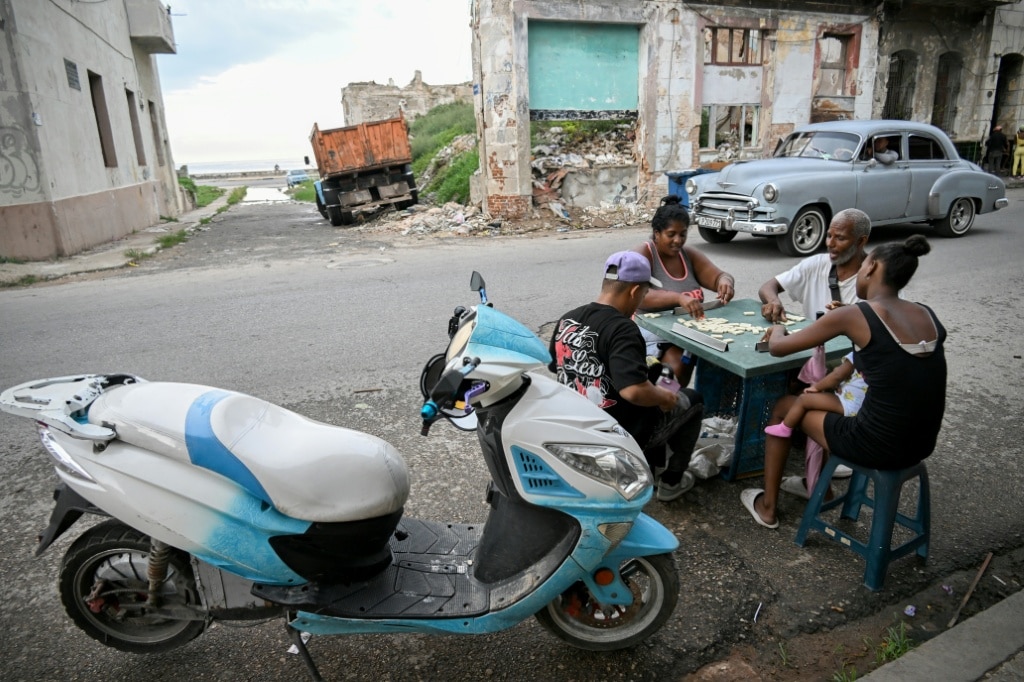
    The historical context reveals deepening complexities: since 1962, the U.S. embargo has constrained Cuba’s economy, with Caracas becoming Havana’s crucial petroleum supplier since 2000 through agreements initiated by Hugo Chávez. Cuban citizens expressed mixed reactions, with some dismissing Trump’s rhetoric as empty threats and others advocating for diplomatic resolution.

    Notably, Trump’s aggressive posture extends beyond Cuba, with recent threats directed toward Colombia, Mexico, Iran, and even Greenland. The statements received endorsement from Republican allies including Florida Congressman Mario Díaz-Balart, who predicted the collapse of Cuban leadership under continued pressure. This development signals a potential return to heightened confrontation in U.S.-Cuba relations should Trump return to power.

  • Why Dubai’s property boom is built to last for a long time

    Why Dubai’s property boom is built to last for a long time

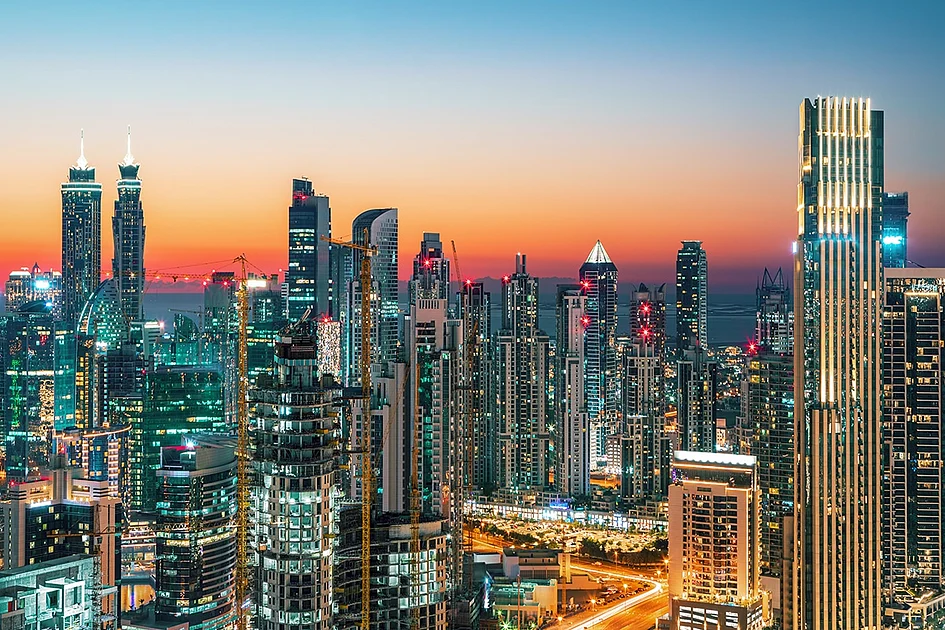
    Dubai’s property market continues to demonstrate remarkable resilience with inflation-adjusted home prices surging approximately 11% in 2025, significantly outperforming most major metropolitan markets globally according to UBS Group AG’s latest Global Real Estate Bubble Index. This growth trajectory, while drawing comparisons to overheated housing markets worldwide, is fundamentally supported by structural demand drivers rather than speculative excess.

    The emirate’s extraordinary demographic expansion serves as the primary differentiator from other global cities. Since 2020, Dubai’s population has grown by nearly 15%, surpassing four million residents for the first time in 2025, with over 208,000 new residents added last year alone. This rapid population growth—characterized by a youthful demographic with 60% under age 35 and nearly 90% expatriate composition—continues to generate sustained household formation and rental demand.

    UBS analysts note that while bubble risks have increased globally for the second consecutive year, Dubai’s risk profile remains below that of cities like Miami, Zurich, and Tokyo. Claudio Saputelli, Head of Swiss and Global Real Estate at UBS Wealth Management, explains: ‘Dubai’s population growth has tightened available supply and pushed rents higher. Over the past five years, rent increases outpaced home price gains, though property prices have recently begun to overtake rent growth as investment demand strengthens.’

    Despite accelerating new supply with approximately 100,000 residential units scheduled for completion in 2026, market participants argue that historical delivery patterns show 30-40% of forecast supply typically experiences delays. When adjusted for construction slippage and matched against unprecedented population growth, supply remains broadly aligned with absorption rates.

    Policy interventions have further reshaped market foundations. The Golden Visa program, issuing over 250,000 long-term residencies since 2021, has accelerated a strategic shift from short-term ownership toward permanent settlement. Transaction data from Betterhomes indicates cash buyers accounted for 49% of Q3 2025 transactions, while end-users represented approximately half of all transactions earlier in the year—signaling growing participation from residents purchasing primary homes rather than speculative investors.

    International demand remains broadly diversified with buyers from India, the UK, Pakistan, Europe, Russia, North America, and sustained inflows from Gulf and MENA regions. This diversity contrasts sharply with overheated global markets where price growth has increasingly decoupled from income growth.

    While UBS notes exposure to oil price volatility and rising regional competition from Abu Dhabi’s expanded investor incentives and Saudi Arabia’s planned international buyer zones under Vision 2030, Dubai’s first-mover advantage, regulatory clarity, and deep liquidity provide resilience that newer markets lack. Economic diversification across tourism, logistics, finance, and technology continues to support employment and wage expansion, helping cap speculative excess even as prices climb.

    The challenge for Dubai’s market moving forward is less about abrupt correction risks and more about successfully managing growth—maintaining disciplined supply delivery, ensuring infrastructure development outpaces demand, and aligning policy with long-term residency objectives rather than short-term speculation.

  • Fury over alleged Islamophobic attack on Muslim religious leader

    Fury over alleged Islamophobic attack on Muslim religious leader

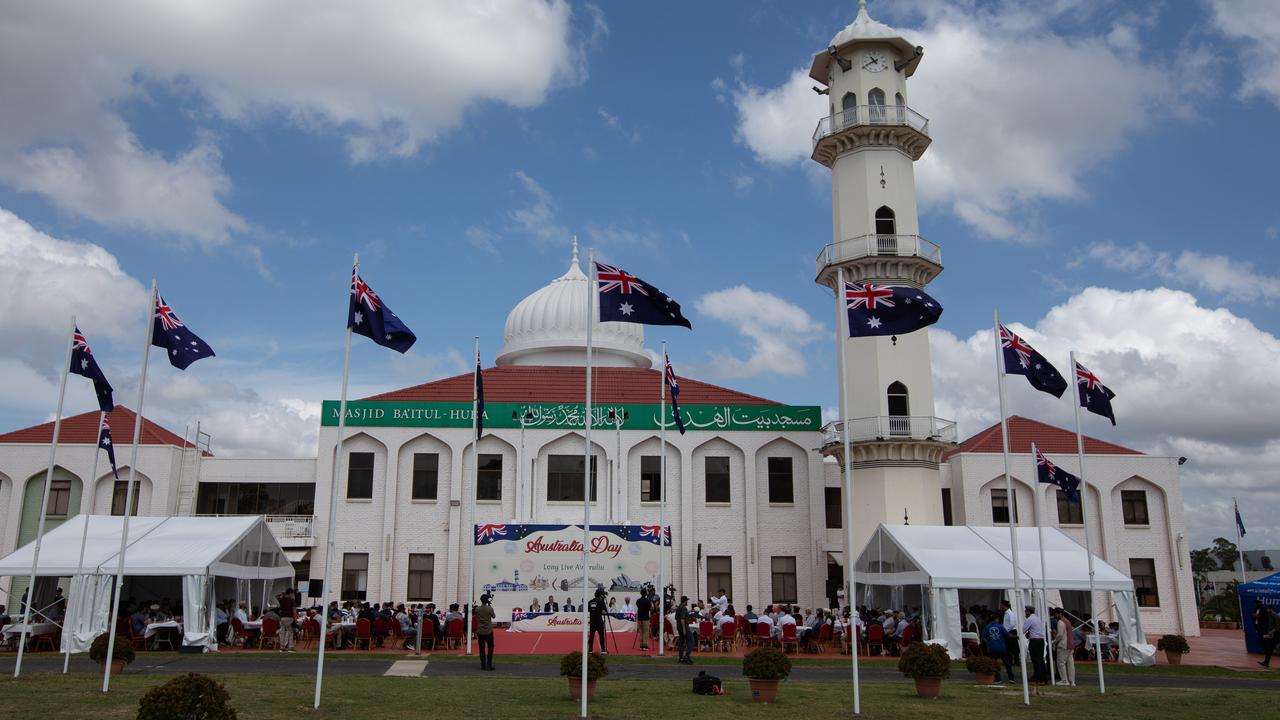
    A prominent Muslim religious leader and his wife became targets of a vicious alleged hate crime in Victoria on Saturday evening, sparking widespread condemnation from community and government officials. Imam Ismet Purdic, leader of the Bosnia-Herzegovina Islamic Society’s Noble Park Mosque, was traveling with his wife along South Gippsland Highway toward Dandenong approximately at 7:40 PM when occupants of another vehicle initiated a racially motivated confrontation.

    According to Victoria Police reports, the assailants engaged in racial abuse before strategically blocking the victims’ vehicle, compelling them to divert to a nearby service station. The situation escalated dramatically when Imam Purdic exited his car, at which point he sustained a physical assault including being punched in the face while simultaneously receiving threats toward his wife. Bystanders eventually intervened to prevent further violence and damage to the vehicle.

    The Australian National Imams Council (ANIC) issued a forceful statement characterizing the incident as a ‘cowardly attack’ that highlights escalating dangers facing visibly Muslim Australians. The organization specifically noted the attackers employed tactics consistent with white-supremacist ideology and dangerous driving maneuvers to intimidate their targets.

    Victorian Multicultural Affairs Minister Ingrid Stitt denounced the incident as ‘violent, racist, Islamophobic and misogynistic,’ emphasizing that no Victorian should fear for their safety while simply driving. She particularly highlighted the threat against Muslim women, stating none should fear having their hijab forcibly removed.

    Law enforcement authorities have taken decisive action, arresting three individuals in connection with the attack. A 23-year-old Cranbourne North man faces criminal damage and common law assault charges and remains in custody awaiting court proceedings. A 22-year-old Cranbourne East man received bail and will appear in court on May 22, while an 18-year-old Dandenong South woman was released pending summons.

    ANIC further contextualized this incident within a broader pattern of rising Islamophobia, reporting a staggering 200% increase in anti-Muslim hate incidents since mid-December. The organization attributed this alarming trend to divisive political rhetoric and irresponsible media commentary that falsely equates peaceful pro-Palestinian advocacy with extremist violence.

    Imam Purdic, who has served as a religious leader and interfaith advocate for over twelve years through the Interfaith Network Dandenong, expressed gratitude that his children were not present during the traumatic event. He has subsequently called for national unity in combating such hatred and violence.

  • Trump admin sends more agents to Minneapolis despite furor over woman’s killing

    Trump admin sends more agents to Minneapolis despite furor over woman’s killing

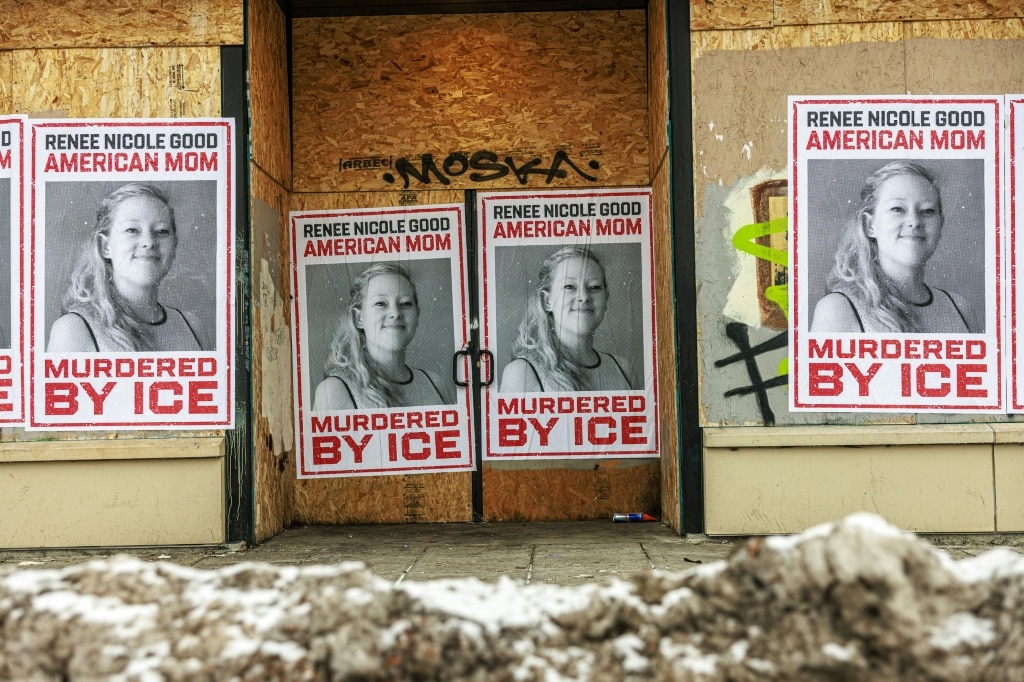
    The Trump administration is escalating its federal presence in Minneapolis despite mounting political opposition, deploying hundreds of additional agents following the fatal shooting of a woman during immigration enforcement operations. Homeland Security Secretary Kristi Noem defended the move Sunday across multiple television appearances, characterizing the actions of 37-year-old Renee Nicole Good that led to her death as “domestic terrorism” and insisting the agent acted in self-defense.

    The administration’s narrative clashes dramatically with local Democratic leadership. Minnesota Governor Tim Walz and Minneapolis Mayor Jacob Frey have vehemently disputed official accounts, citing viral footage that allegedly shows Good’s vehicle turning away from the agent without posing imminent threat. The incident has ignited nationwide protests and intensified scrutiny over President Trump’s immigration enforcement tactics.

    Confrontations between federal agents and protesters continued through the weekend, with officers deploying pepper spray against demonstrators outside an Immigration and Customs Enforcement (ICE) facility. Noem accused Democratic leaders of encouraging violence through what she called “extremely politicized” rhetoric that has “inflamed the public.”

    The investigation remains exclusively under federal jurisdiction, with the FBI leading the probe despite calls for local involvement. Mayor Frey emphasized the need for “a neutral, unbiased investigation where you get the facts,” while defending activists’ efforts to disrupt immigration operations as legitimate constitutional expression.

    The deployment expansion occurs alongside ongoing immigration enforcement actions in residential areas, creating a tense atmosphere in the city where makeshift memorials honor Good’s memory. This security escalation coincides with a separate, highly politicized fraud investigation in Minnesota, further complicating the political landscape.

  • US attack on Venezuela an erosion of intl law, African experts say

    US attack on Venezuela an erosion of intl law, African experts say

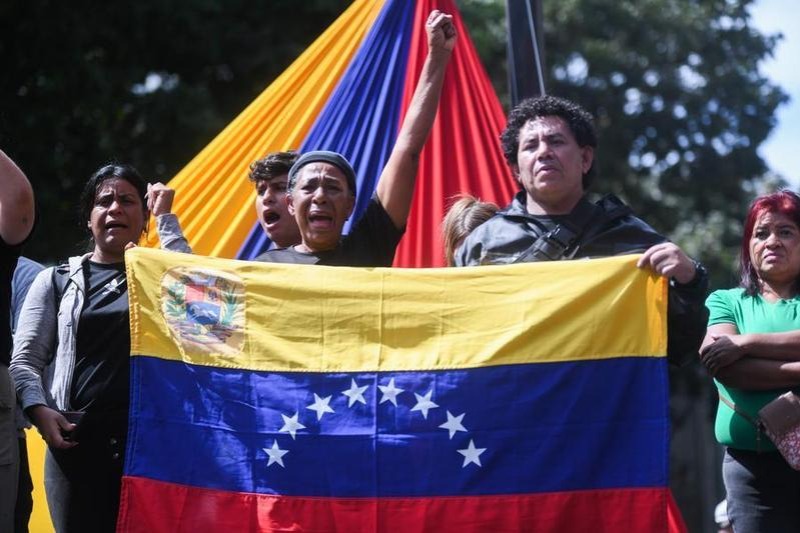
    African policy specialists are raising alarms that recent US military actions against Venezuela represent a dangerous erosion of international legal standards, potentially signaling a return to coercive power politics that could disproportionately impact resource-rich yet institutionally vulnerable nations across Africa.

    According to security analysts, the unilateral intervention outside United Nations frameworks marks a significant departure from rule-based international relations. Melha Rout Biel, Executive Director of South Sudan’s Institute for Strategic and Policy Studies, characterized the development as undermining global norms that protect national sovereignty and prevent coercion in international disputes.

    “The attempt to remove a sitting president under foreign jurisdiction while claiming respect for international law represents a fundamental contradiction,” Biel stated. “Such actions risk normalizing coercive intervention and establishing precedents that could threaten sovereignty throughout Africa and other resource-rich regions.”

    The analysis suggests that vulnerable states possessing significant oil, mineral and strategic resources may increasingly face external pressure disguised as legal or security measures if unilateral intervention becomes normalized. Biel emphasized that this concern extends beyond Venezuela, with Africa and parts of Asia facing comparable risks should power begin to replace law in international relations.

    Nigerian policy expert Olusoji Ajao, founder of Afrocentric Masterclass, noted that interventions bypassing multilateral institutions rarely achieve sustainable governance improvements. “Historical evidence demonstrates that these approaches tend to fracture societies rather than reform them,” Ajao explained, adding that sanctions and coercive measures typically impose severe social and economic costs on civilian populations while failing to produce political solutions.

    The African Union has reaffirmed its commitment to international law principles including sovereignty and territorial integrity, while multiple African nations including South Africa, Democratic Republic of Congo, Somalia, Liberia, Ghana and Namibia have called for urgent action to uphold the UN Charter and protect Venezuela’s sovereignty.

    African experts conclude that sustainable solutions must emerge through inclusive political dialogue rather than external imposition, warning that the continent must develop unified positions to prevent becoming collateral damage in great power competitions, as occurred during the Cold War era.

  • SEF 2026 leads youth empowerment with launch of ‘Sharjah’s Little Founders’

    SEF 2026 leads youth empowerment with launch of ‘Sharjah’s Little Founders’

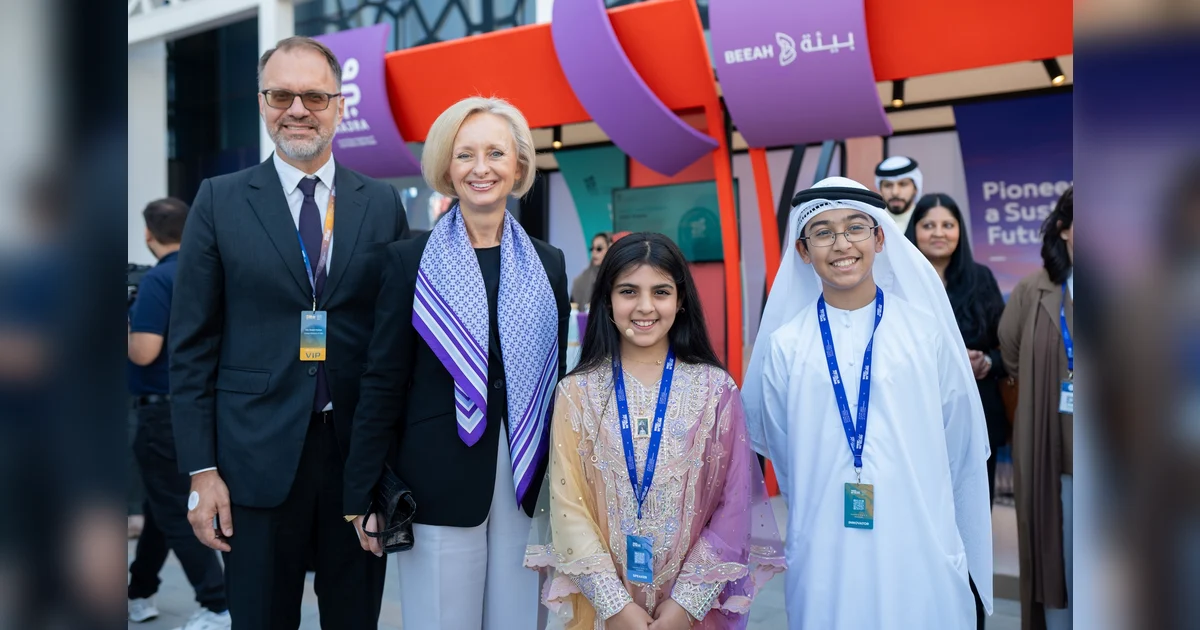
    The Sharjah Entrepreneurship Festival (SEF 2026) has unveiled a groundbreaking initiative titled ‘Sharjah’s Little Founders’ (SLF), specifically crafted to cultivate entrepreneurial capabilities among children aged 7 to 12. This innovative program represents a strategic expansion of SEF’s commitment to fostering comprehensive entrepreneurial development from childhood through adulthood.

    SLF introduces an immersive, age-appropriate educational experience that enables young participants to explore business fundamentals through hands-on learning, creative ideation, and pitch development within an engaging and supportive environment. The initiative forms one of ten specialized zones at SEF 2026, each addressing distinct aspects of the entrepreneurial ecosystem, thereby reinforcing the festival’s status as the region’s premier platform for innovators and future change-makers.

    Sara Abdelaziz Al Nuaimi, CEO of Sheraa (the Sharjah Entrepreneurship Center organizing SEF), emphasized the program’s significance: ‘Entrepreneurship originates from early curiosity and self-assurance. By incorporating Sharjah’s Little Founders into our curated zones, we deliberately create opportunities for young minds to investigate ideas, develop problem-solving capabilities, and interact with entrepreneurial concepts through accessible and inspiring methodologies. SLF demonstrates our commitment to building a genuinely inclusive ecosystem by strategically investing in tomorrow’s innovators.’

    The selection process involves online applications from which judges will identify ten exceptional candidates. These selected Little Founders will receive exhibition booths within the SLF zone and participate in preparatory workshops before competing in the main SLF Pitch Competition. Each participant will deliver a five-minute presentation followed by a five-minute question-and-answer session with judges.

    A grand prize winner will receive AED 10,000 and a family staycation at Shurooq properties, with winners announced during SEF’s closing ceremony. Additionally, three participants will receive special recognition trophies for their booth presentations, while all contributors will obtain certificates of participation.

    Prospective applicants can submit entries through the dedicated SLF landing page (https://sharjahslittlefounders.com) until January 18, 2026. The ninth edition of SEF, themed ‘Where We Belong’, will convene from January 31 to February 1 at Sharjah Research Technology and Innovation Park (SPARK), anticipating approximately 14,000 attendees and featuring guidance from 300 industry leaders for startups, professionals, and graduates.

  • CATL opens Middle East’s largest new energy aftermarket facility in Riyadh

    CATL opens Middle East’s largest new energy aftermarket facility in Riyadh

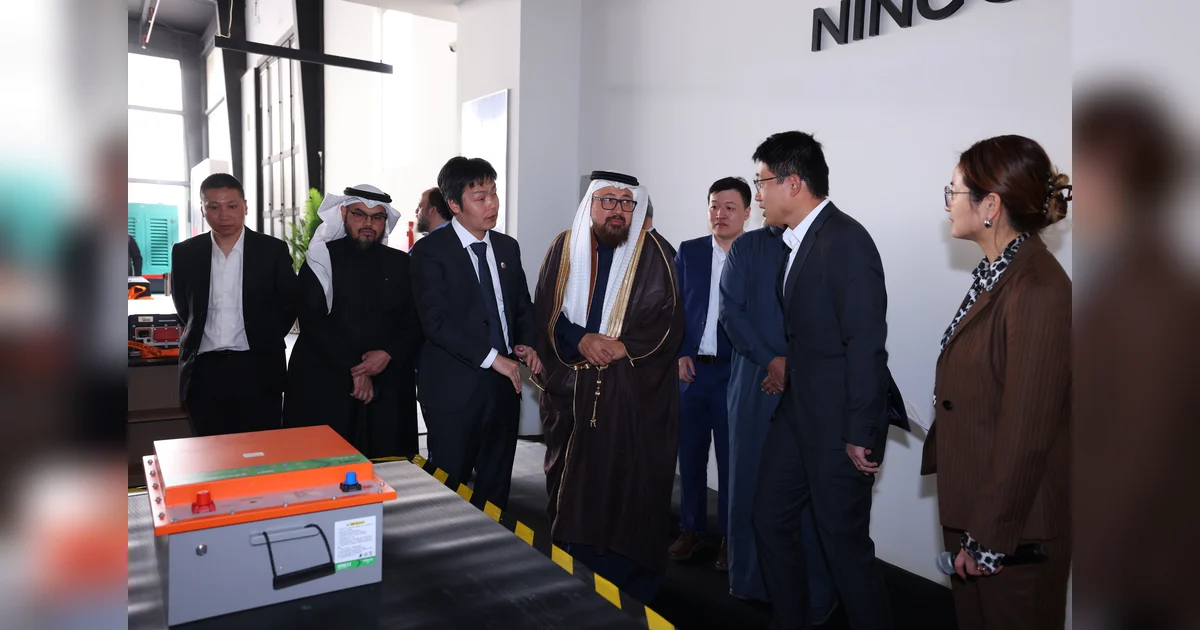
    In a strategic move to bolster the Middle East’s clean energy infrastructure, Contemporary Amperex Technology Co. Limited (CATL) has inaugurated the region’s largest new energy aftermarket facility in Riyadh. The NING SERVICE Experience Center, spanning over 7,000 square meters, represents CATL’s first and most comprehensive service hub outside China, marking a significant milestone in the company’s global expansion strategy.

    The facility’s establishment aligns directly with Saudi Arabia’s Vision 2030 objectives, which include converting 30% of Riyadh’s vehicles to electric and reducing capital city emissions by 50% before the decade’s end. The center confronts regional challenges including oil dependency, extreme climate conditions, and insufficient charging infrastructure through its full-lifecycle service approach.

    NING SERVICE offers comprehensive solutions across seven product categories, including passenger vehicles, commercial transportation, and energy storage systems. The facility features advanced diagnostic capabilities, maintenance zones, refurbishment workshops, and dedicated training spaces designed to develop local technical expertise. Through its specialized training programs, CATL has already certified over 9,700 new energy professionals globally.

    The Riyadh center operates as both a service hub and an ecosystem connector, facilitating partnerships between CATL and major regional stakeholders. The company is currently engaging with fuel network operators to deliver green electricity to gas stations, infrastructure corporations seeking to electrify vehicle fleets, and energy companies implementing solar-plus-storage solutions.

    Ahmed Ibrahim, Assistant General Manager For Procurement of Al Drees, noted: ‘As a leading energy company in Saudi Arabia, we see tremendous opportunities in energy transformation. We plan to deploy solar-plus-storage solutions at our gas stations and electrify forklifts to reduce oil reliance. We look forward to collaborating with top players like CATL.’

    CATL’s global service network encompasses 1,200 professional stations across 76 countries and 73 spare-part warehouses totaling 370,000 square meters. The company maintains the world’s largest inventory of genuine new energy components, having supported over six million electric vehicles worldwide.

    Bruce Li, President of Quality System and Aftermarket Business at CATL, emphasized the long-term commitment: ‘Our decision to establish this center in Riyadh is not only a commercial choice but a strategic partnership with the region’s sustainable future. This hub connects advanced technology, professional training, and industry collaboration to foster deeper synergy across the Middle East.’

    The facility’s launch signals CATL’s confidence in the Middle East’s evolving energy landscape and demonstrates how technological partnerships can accelerate regional decarbonization efforts while creating skilled employment opportunities and knowledge transfer.

  • Bradford International Alliance brings flexible learning options to support UAE’s growing workforce

    Bradford International Alliance brings flexible learning options to support UAE’s growing workforce

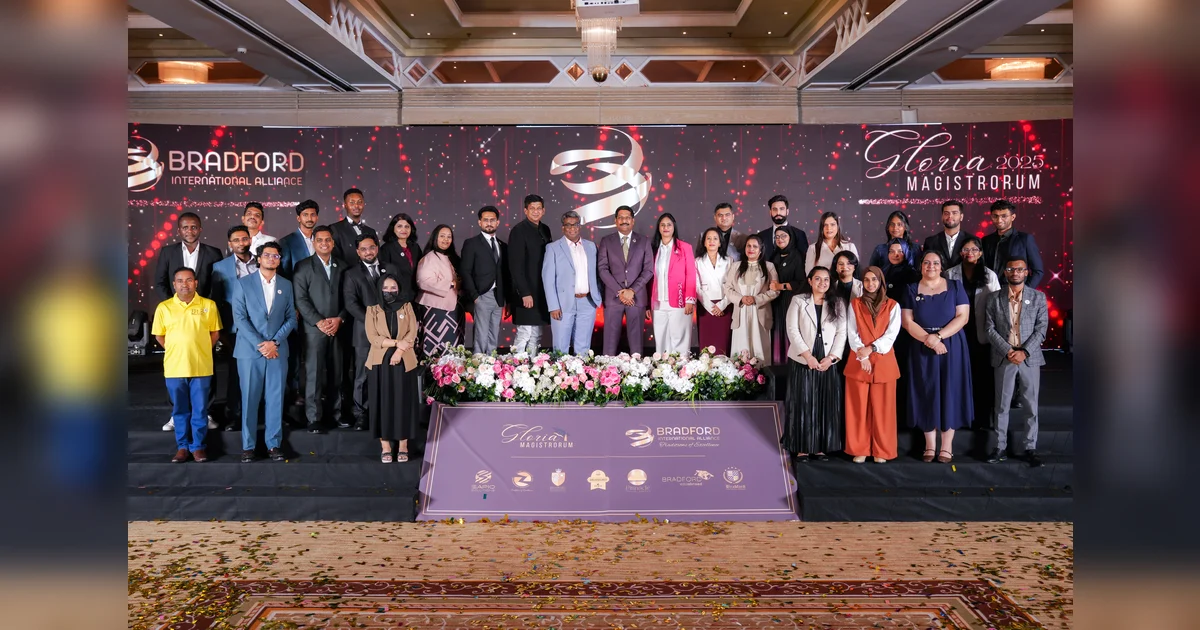
    In response to the United Arab Emirates’ rapidly evolving employment landscape, Bradford International Alliance (BIA) has introduced a comprehensive suite of career-focused educational programs designed to meet the growing demands of both students and working professionals. The initiative addresses critical workforce challenges stemming from digital transformation, economic diversification, and increasingly competitive job markets.

    The newly launched offerings span multiple academic levels, including Bachelor’s, Master’s, and PhD degrees, complemented by specialized professional and corporate training modules. These programs are delivered through strategic partnerships with internationally accredited universities and maintain strict adherence to Accreditation Council for Business Schools and Programs (ACBSP) standards, ensuring global recognition and quality assurance.

    BIA’s educational model specifically targets the unique challenges faced by UAE professionals, where a workforce exceeding 9 million contends with intense competition despite one of the world’s lowest unemployment rates. The programs feature structured learning frameworks with flexible delivery options, clear admission pathways, and continuous academic support—addressing the critical need for working professionals to enhance their qualifications without interrupting their careers.

    Maha of Bradford International Alliance emphasized the organization’s mission: “We’re breaking down barriers for those who may have missed conventional academic opportunities. Our programs, guided by PhD professors and industry experts, combine academic rigor with practical relevance. We provide personalized guidance to develop not just employees, but tomorrow’s leaders and innovators.”

    The initiative represents a significant step toward strengthening the UAE’s knowledge economy by providing accessible, internationally recognized qualifications that align with both current workplace requirements and future economic ambitions.

  • From application to Arafat: Inclusiveness and equality in India’s assistance to Hajj pilgrims

    From application to Arafat: Inclusiveness and equality in India’s assistance to Hajj pilgrims

    India’s administration of the annual Hajj pilgrimage has emerged as a noteworthy model of equitable governance and inclusive public service. Each year, the Indian government facilitates the spiritual journey for thousands of Muslim citizens through a system prioritizing transparency, diversity, and non-intrusive support.

    The foundation of this approach lies in a thoroughly digitized application process managed through state Hajj committees. The transition to online applications, digital lotteries, and time-bound documentation has effectively eliminated discretionary practices and intermediary interference. This standardized procedure ensures identical treatment for applicants from metropolitan centers and remote districts alike, establishing equality from the initial registration phase.

    A significant reform occurred in 2018 with the abolition of the longstanding Hajj subsidy. Rather than representing withdrawal of support, this policy shift enabled more responsible facilitation through improved cost negotiations with airlines and Saudi authorities. The redirected funds now support educational and community welfare initiatives, creating a more sustainable system that maintains pilgrimage accessibility without artificial financial prop-ups.

    India’s Hajj delegations demonstrate remarkable diversity in their composition. Teams include officials, medical professionals, paramedical staff, sanitation workers, translators, and volunteers representing various regions and linguistic backgrounds. Medical missions provide complimentary healthcare services, with Indian doctors earning international recognition for their round-the-clock clinics in Mecca and Medina.

    Gender inclusivity marks another progressive aspect of India’s Hajj management. Aligning with updated Saudi regulations, India permits women to travel without male guardians, enabling participation by widows, single women, and elderly pilgrims previously constrained by social or logistical barriers.

    The program operates with exceptional cultural and linguistic sensitivity. Support services function in multiple Indian languages, ensuring pilgrims from Kerala, Kashmir, Uttar Pradesh, Telangana, and the Northeast receive guidance in their native tongues. Training sessions, manuals, helplines, and orientation camps are all tailored to address regional requirements.

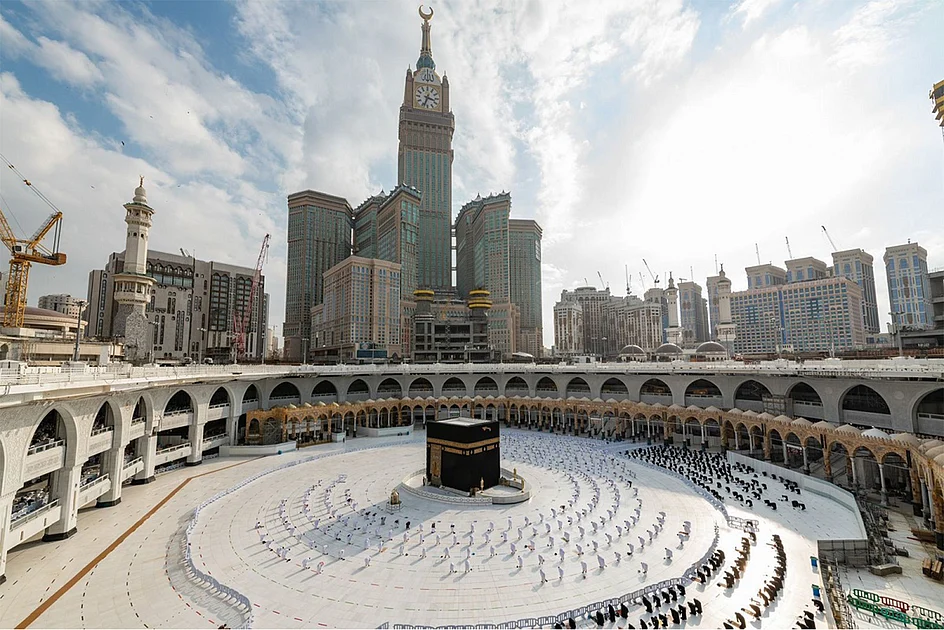
    Logistical coordination with Saudi authorities encompasses accommodation, transportation, food services, and crowd management strategies. During the physically demanding Arafat congregation, where all pilgrims stand equal in traditional white ihram garments, administrative efficiency becomes crucial for maintaining order and safety.

    This facilitation occurs within India’s broader constitutional framework guaranteeing equality and religious freedom. The state extends similar logistical support to various religious pilgrimages including the Kumbh Mela, Amarnath Yatra, and Buddhist journeys abroad, demonstrating consistent application of secular principles without hierarchical preferences.

    For pilgrims who often save for decades to undertake this journey, government support provides practical reassurance through medical assistance, linguistic comfort in foreign lands, and available consular aid during distress situations. The state maintains a presence that enables religious practice without imposing upon it.

    India’s Hajj management model offers valuable insights into governance approaches that honor religious diversity through impartial service delivery rather than symbolic gestures. This framework demonstrates how administrative efficiency and inclusive policies can effectively support spiritual practices within a diverse democratic society.