作者: admin

  • What the underwhelming Epstein files release means for Trump and Maga

    What the underwhelming Epstein files release means for Trump and Maga

    Florida Attorney General Pam Bondi’s recent declaration on X regarding President Trump leading “the most transparent administration in American history” backfired spectacularly when respondents immediately shifted focus to the handling of Jeffrey Epstein case files. Instead of engaging with her comments about assassination attempt documents, users flooded replies with accusations of deception and demands for transparency regarding the Epstein investigation.

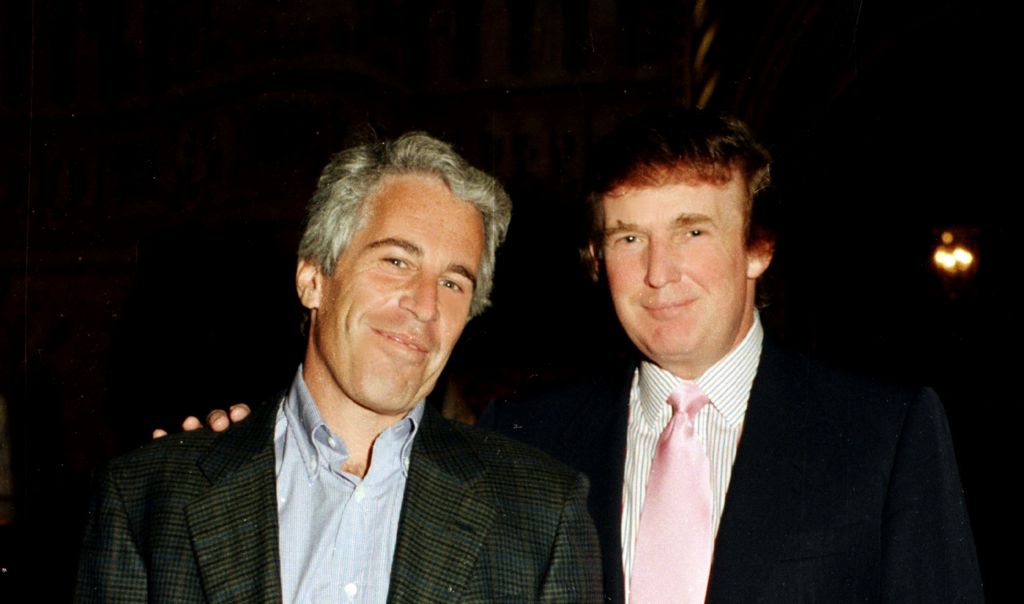
    The highly anticipated document release last Friday failed to satisfy many within Trump’s coalition who had expected revelatory information. While the files contained previously unseen photographs of various celebrities and public figures—including Bill Clinton, Mick Jagger, and Michael Jackson—with Epstein, these images didn’t indicate wrongdoing. The extensive redactions throughout the documents proved most frustrating to those anticipating confirmation of conspiracy theories.

    This disappointment highlights a significant challenge for the Trump administration: managing the expectations of non-traditional voters drawn from internet subcultures where Epstein-related conspiracy theories flourish. According to University of Miami professor Joe Uscinski, an expert on conspiracy theories, Trump’s coalition has increasingly become defined by skepticism toward institutions rather than traditional Republican priorities.

    The tension is particularly evident among social media influencers and podcasters who maintain substantial online influence while operating outside conventional Republican circles. Figures like ‘Libs of TikTok’ creator Chaya Raichik and activist Jack Posobiec were notably silent following the document release, despite having previously kept attention on the Epstein case. Their quiet stance has sparked infighting within the MAGA movement, with some commentators criticizing their lack of response.

    In Congress, criticism has been more direct. Representative Thomas Massie (R-KY), who championed the legislation compelling document release, has joined forces with Democratic Representative Ro Khanna to accuse Bondi of violating legal requirements. Massie has even suggested pursuing “inherent contempt” charges against Bondi for ignoring congressional orders.

    The Epstein controversy represents just one of several fractures currently emerging within the Trump coalition, with additional divisions appearing over free speech, antisemitism, and leadership disputes. As Open Measures researcher Jared Holt observed, the movement that began the year as a “triumphant intimidating cultural force” now shows signs of instability with no immediate recovery in sight.

    With Deputy Attorney General Todd Blanche promising hundreds of thousands of additional documents before year’s end, the administration continues to navigate the complex expectations of a coalition increasingly defined by its skepticism of institutional transparency.

  • Turkey says captured senior Daesh figure on Afghan-Pakistan border

    Turkey says captured senior Daesh figure on Afghan-Pakistan border

    Turkish intelligence forces have successfully apprehended a high-ranking operative of the Daesh terrorist organization in a sophisticated cross-border operation along the Afghanistan-Pakistan frontier. The captured individual, identified as Turkish national Mehmet Goren, held a leadership position within Islamic State Khorasan Province (IS-K), the group’s regional affiliate known for its brutal attacks across South and Central Asia.

    According to detailed reports from Turkey’s state-run Anadolu Agency, Goren had been actively coordinating suicide operations targeting civilian populations across multiple regions including Afghanistan, Pakistan, Turkey, and European nations. Intelligence tracking revealed Goren’s journey from Turkey to the Afghanistan-Pakistan border region, where he ascended through Daesh’s ranks while operating from militant training camps.

    The Turkish National Intelligence Organization (MIT) conducted meticulous surveillance before executing the precise apprehension in the volatile border zone. Goren, who reportedly survived previous airstrikes targeting Daesh positions in Pakistan, was subsequently transferred to Turkish territory for detention and interrogation.

    This operation represents another strategic victory in Turkey’s intensified counterterrorism campaign against Daesh networks. Turkish authorities have particularly focused on disrupting the group’s Khorasan affiliate, which has claimed responsibility for numerous devastating attacks including the March 2024 Moscow concert hall massacre that killed over 140 people.

    Security analysts note that Goren maintained operational connections with Ozgur Altun (also known as Abu Yasir Al Turki), previously arrested and imprisoned for facilitating militant transfers from Turkey to conflict zones. The successful capture demonstrates Turkey’s growing capability to project intelligence operations beyond its immediate borders against transnational terrorist threats.

  • Workers organized by a key union rally in Bolivia against scrapping fuel subsidies

    Workers organized by a key union rally in Bolivia against scrapping fuel subsidies

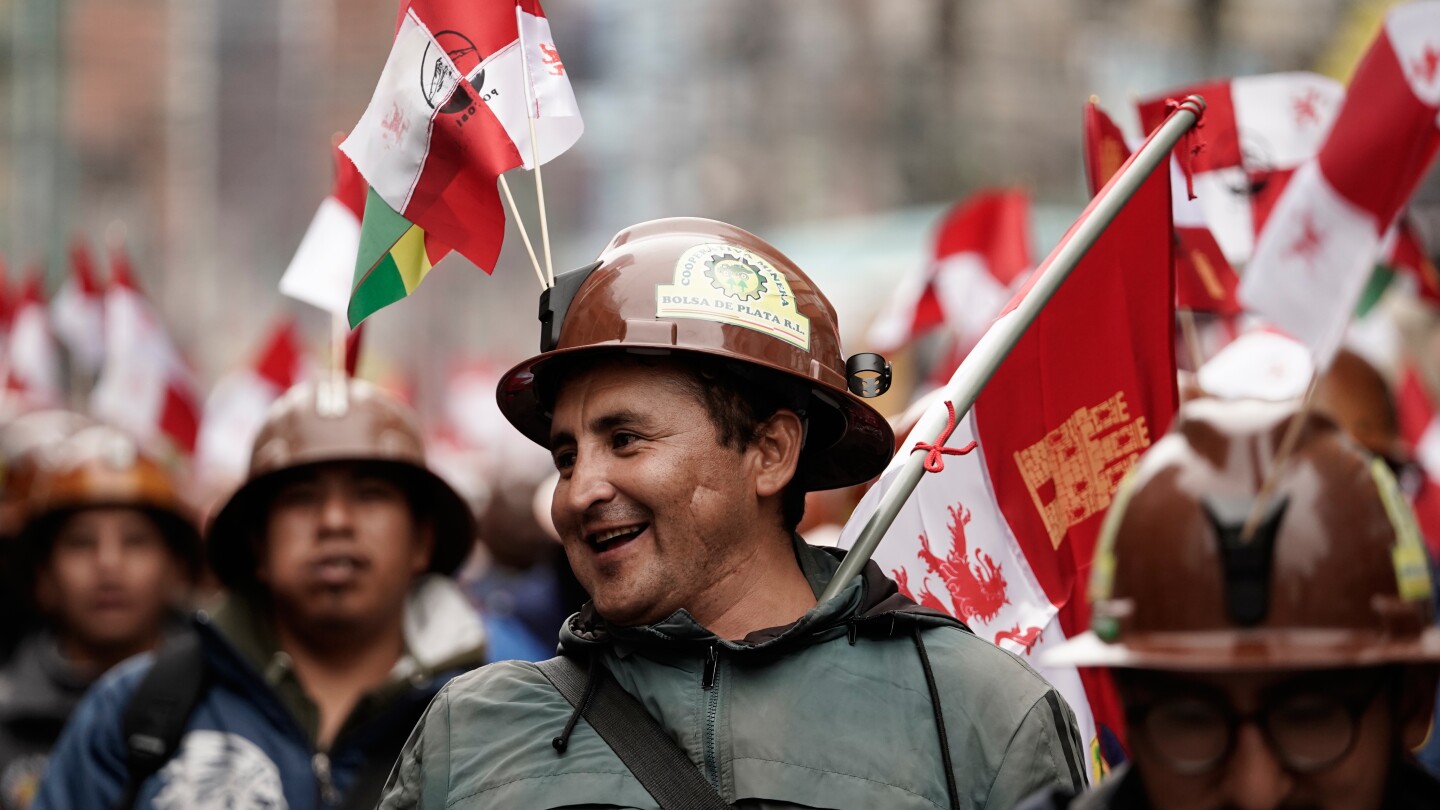
    LA PAZ, Bolivia — Bolivia’s political landscape erupted in protest on Monday as thousands of miners and union members launched a nationwide strike against President Rodrigo Paz’s controversial decision to eliminate long-standing fuel subsidies. The demonstrations, organized by Bolivia’s Central Union of Workers, marked the first major challenge to Paz’s centrist government since he took office on November 8.

    The core of the conflict centers on Paz’s emergency decree that abruptly ended two decades of fuel subsidies, catapulting gasoline prices from $0.53 to approximately $1 per liter. The president defended his decision during a televised town hall, stating, ‘The country is sick and must be healed. Every day, $10 million is spent on a subsidy that benefits smugglers’ who allegedly resell subsidized fuel both domestically and internationally.

    While transportation workers and several trade groups notably abstained from joining the protests, miners and coca growers—traditional allies of former left-wing governments—mobilized forcefully. In La Paz, police sealed off access to government buildings as protesters flooded the capital’s downtown. Simultaneously, roadblocks emerged in six of Bolivia’s nine regions, with significant demonstrations reported in Cochabamba, the country’s third-largest city, where supporters of former President Evo Morales blocked major highways.

    The economic context reveals deeper troubles: Bolivia’s foreign currency reserves have been depleted by $3 billion annually in fuel imports, exacerbating what analysts describe as the nation’s most severe economic crisis in forty years. This downturn follows the decline of Bolivia’s natural gas exports and has created critical dollar shortages that hampered business operations.

    Business groups have overwhelmingly supported Paz’s measures, anticipating they will stabilize currency availability and facilitate imports. Luis Paco, a merchant union leader from El Alto, acknowledged the inevitability of the reforms: ‘We knew that at some point the subsidies would end. There were no negotiations over the new adjustments, but we knew this was inevitable.’

    Political scientist Carlos Cordero suggested the protests reflect pre-electoral positioning ahead of next year’s local elections rather than widespread popular opposition. The relatively limited turnout, he noted, indicates weakening union influence and growing public acceptance that economic adjustment was necessary.

    Meanwhile, the government has implemented compensatory measures, including duty-free auto part imports for transportation sectors and a 20% minimum wage increase, which likely contributed to bus drivers’ decision to remain operational during the protests.

  • FCC bans new Chinese-made drones, citing security risks

    FCC bans new Chinese-made drones, citing security risks

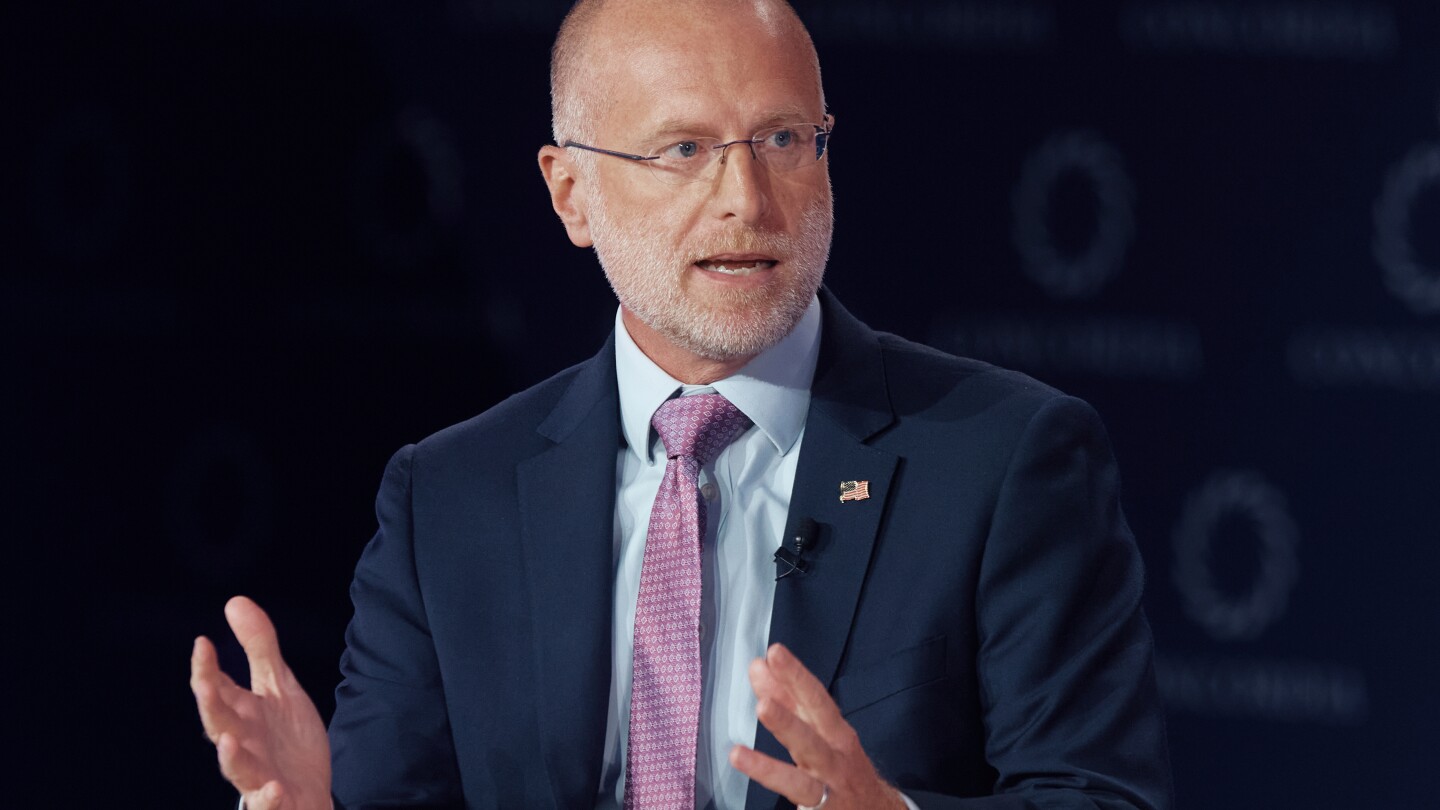
    In a decisive move with profound implications for the U.S. technology and security landscape, the Federal Communications Commission (FCC) announced a comprehensive prohibition on new foreign-manufactured drones. This policy, enacted on Monday, effectively blocks market leaders like China’s DJI and Autel from introducing new models to American consumers and businesses. The ruling stems from a year-long security review mandated by a prior congressional defense bill, which concluded that drones and their critical components produced outside the U.S. present ‘unacceptable risks to the national security.’

    The FCC justified its stringent position by highlighting imminent major events, including the 2026 World Cup, the America250 anniversary celebrations, and the 2028 Los Angeles Olympics, as potential targets for malicious actors exploiting vulnerabilities in foreign drone technology. The policy does include a provision for exemptions, allowing specific drones or components to be permitted if the Department of Defense or the Department of Homeland Security certifies they pose no threat.

    Industry response was sharply divided. The Association for Uncrewed Vehicle Systems International (AUVSI) applauded the decision. Its president, Michael Robbins, declared it a critical step toward reducing U.S. dependence on China and revitalizing domestic drone production and secure supply chains, citing China’s history of restricting strategic exports like rare earth magnets.

    Conversely, DJI expressed profound disappointment, labeling the FCC’s concerns as ‘protectionism’ that lacks evidentiary support and contradicts open market principles. The impact on American operators is already tangible. Gene Robinson, a Texas-based trainer for law enforcement, lamented the disruption his fleet of nine DJI drones will face, acknowledging the necessary ‘growing pains’ for achieving technological independence. Meanwhile, Arthur Erickson, CEO of American drone maker Hylio, viewed the ban as an unexpected but significant opportunity for domestic growth, even as he criticized its overly broad ‘blanket’ scope against all foreign products and urged regulatory clarification.

  • British singer Chris Rea dies aged 74, family tells UK media

    British singer Chris Rea dies aged 74, family tells UK media

    The music industry is in mourning following the announcement of British singer-songwriter Chris Rea’s passing at age 74. The iconic musician, whose career spanned over four decades, died in hospital after battling a short illness, according to a family statement released to UK media on Monday.

    Rea’s distinctive gravelly voice and masterful guitar work cemented his status as one of Britain’s most beloved musical talents. While he enjoyed consistent chart success throughout his career, he achieved global recognition with his 1988 seasonal classic ‘Driving Home for Christmas,’ which has become an enduring anthem of holiday travel and nostalgia.

    The family spokesperson confirmed the sad news through Britain’s Press Association, stating: ‘Singer/songwriter and guitarist Chris Rea passed away earlier today in hospital following a short illness.’ The statement prompted an immediate outpouring of tributes from fans and fellow musicians worldwide.

    Beyond his Christmas hit, Rea’s musical legacy includes a remarkable catalog of blues-infused rock albums and international successes like ‘The Road to Hell’ and ‘Fool (If You Think It’s Over).’ His battle with health issues was well-documented, having undergone major pancreatic surgery in the past, though the specific nature of his final illness remains private.

    The timing of his passing, just days before Christmas, adds particular poignancy to the loss of an artist whose music became synonymous with the holiday season for millions around the world.

  • Drones and AI to accelerate the UAE’s $17 billion e-commerce market

    Drones and AI to accelerate the UAE’s $17 billion e-commerce market

    The United Arab Emirates’ rapidly expanding e-commerce sector, projected to reach $17 billion by 2025, is embracing cutting-edge technological solutions to revolutionize last-mile delivery systems. Industry leaders are increasingly turning to AI-powered drones and unmanned aerial systems (UAS) to meet growing consumer expectations for speed and convenience.

    According to market intelligence from Statista, the UAE’s successful economic diversification efforts have created a robust ecosystem conducive to digital innovation. The country’s exceptionally high social media penetration rate, with approximately 11.03 million active users forecasted by 2026, has further accelerated e-commerce adoption.

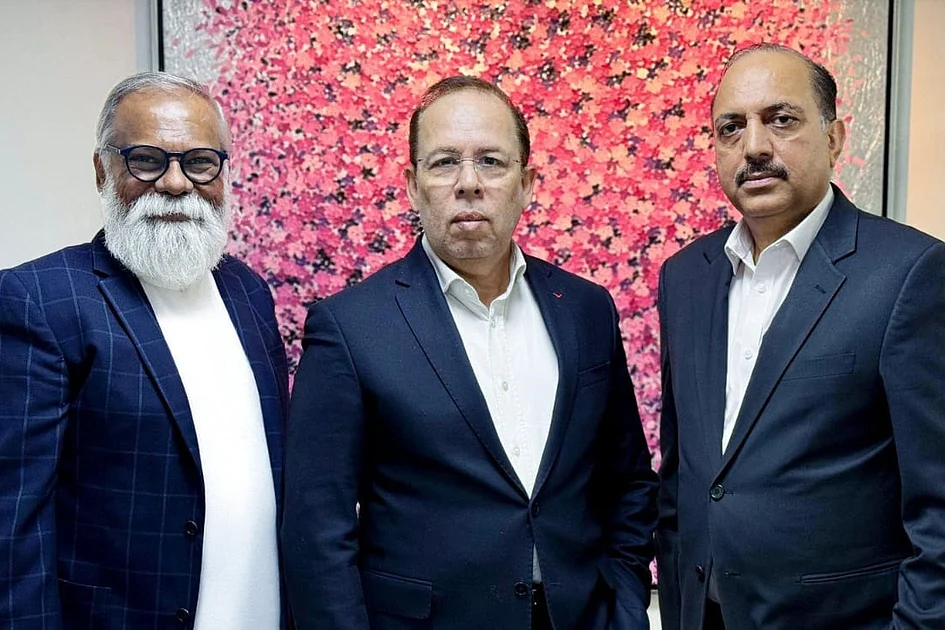
    Blue Ocean Global Group, through its subsidiary Blue Infinity LLC, is pioneering this transformation by providing comprehensive distribution services for both global and regional FMCG brands. Under the guidance of industry veterans Shahzad Ahmed and Ravi Narayan, the company has developed a data-driven approach that analyzes consumer behavior patterns to optimize inventory management and delivery efficiency.

    Global projections from PriceWaterhouseCoopers indicate dramatic growth in drone-assisted deliveries, expected to surge from 5 million in 2024 to 808 million within the next decade. The economics of drone delivery are becoming increasingly favorable, with current costs of $6-$25 per delivery anticipated to drop by over 70% in the coming years, potentially falling to around $2 by 2034.

    This technological shift is particularly significant for the MENA region, where Saudi Arabia’s e-commerce market is similarly booming—valued at $27 billion in 2024 and projected to exceed $50 billion by 2030. Millennials and Generation Z consumers, driven by digital-native lifestyles and seamless payment systems, are increasingly preferring online shopping for its convenience and efficiency.

    Seasonal shopping events including White Friday, Yellow Friday, Singles’ Day, and traditional holiday periods create additional opportunities for brands to implement innovative promotional strategies and bulk deals. Blue Infinity’s approach emphasizes rapid market execution, adaptive pricing strategies, and enhanced product visibility across both traditional e-commerce and quick-commerce (q-commerce) platforms.

    The convergence of AI analytics with advanced delivery systems represents a fundamental shift in regional retail dynamics, potentially serving 67% of the global population according to PwC estimates. This transformation promises to bridge accessibility gaps particularly for suburban and rural residents while creating new paradigms in customer satisfaction and operational efficiency.

  • Warlords, sheikhs and politicians: The men at the heart of Sudan’s bloodshed

    Warlords, sheikhs and politicians: The men at the heart of Sudan’s bloodshed

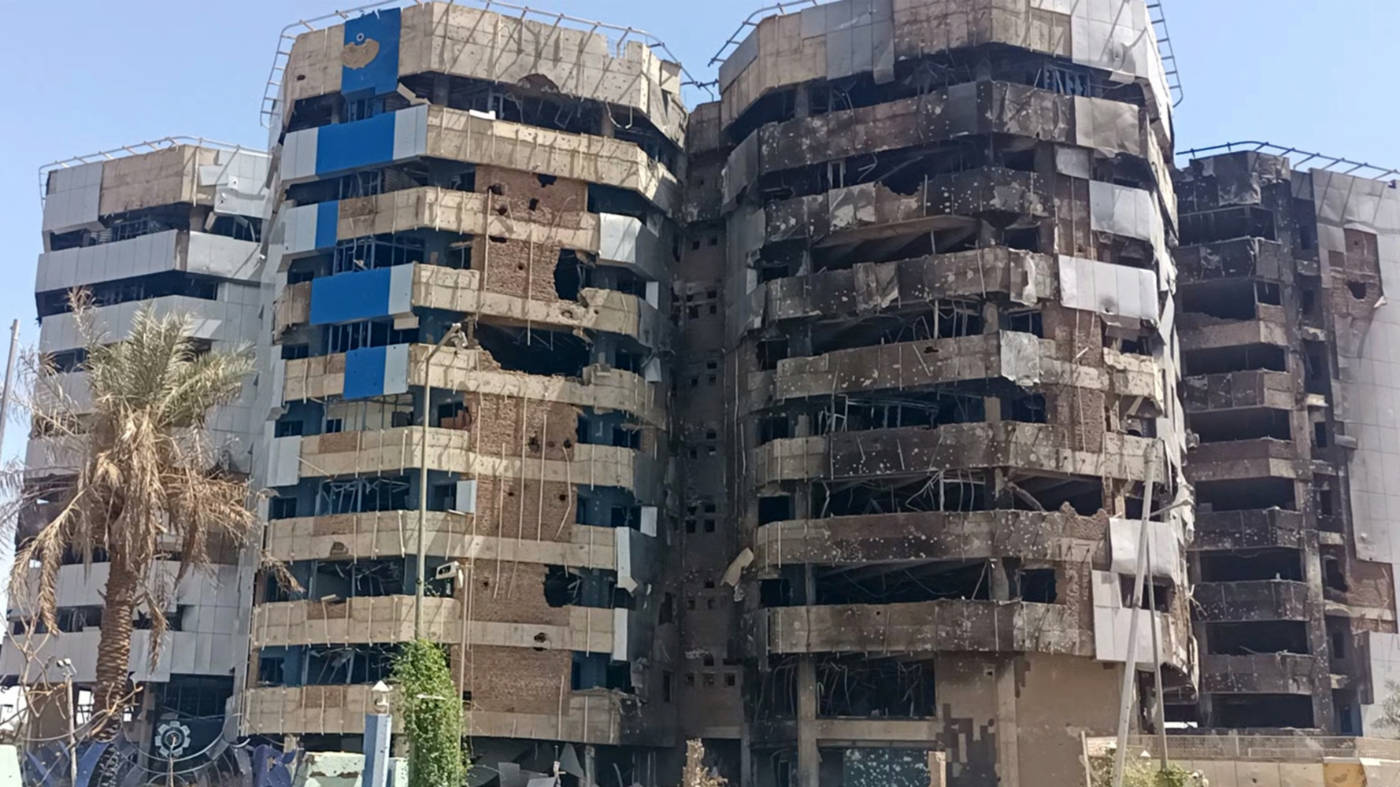
    Sudan has been engulfed in a catastrophic civil war since April 2023, resulting in thousands of fatalities and displacing approximately 13 million people. The conflict pits the paramilitary Rapid Support Forces (RSF) against the Sudanese Armed Forces (SAF), with both factions facing severe allegations of war crimes and human rights violations.

    The RSF, commanded by Mohamed Hamdan ‘Hemedti’ Dagalo, stands accused of orchestrating mass killings in el-Fasher and systematic atrocities against civilians. Meanwhile, the SAF, led by General Abdel Fattah al-Burhan, has similarly been implicated in ethnic-based violence and chemical weapons usage, according to U.S. sanctions.

    This devastating conflict originated from the fractured alliance between Burhan and Hemedti, who previously collaborated to oust long-term ruler Omar al-Bashir in 2019. Their partnership dissolved in 2023 amid disputes over integrating the RSF into the national army, triggering widespread violence that has fractured the nation.

    International dimensions complicate the conflict, with the United Arab Emirates facing credible accusations of supplying advanced weaponry to the RSF despite UN arms embargoes. The Sudanese government formally charged the UAE with complicity in genocide at the International Criminal Court in April 2025, though the case was dismissed on technical grounds.

    Regional actors have aligned with the warring factions: the UAE backs the RSF while Egypt and Saudi Arabia maintain ties with the SAF. The conflict has drawn in various armed groups, including former Darfur rebels and the Sudan People’s Liberation Army-North, which has allied with the RSF.

    The humanitarian situation remains dire, with numerous ceasefire proposals rejected by both sides. International diplomatic efforts have stalled as violence continues to escalate, creating one of the world’s most severe displacement crises and drawing condemnation from human rights organizations worldwide.

  • Lebanon says 3 killed in Israeli strike on vehicle near Sidon

    Lebanon says 3 killed in Israeli strike on vehicle near Sidon

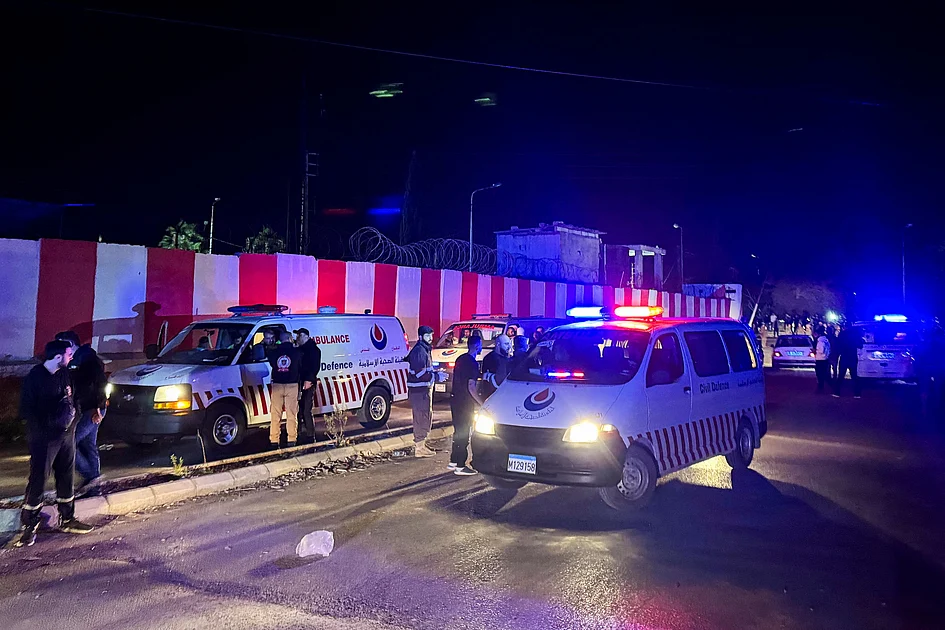
    An Israeli drone strike targeted a vehicle near the southern Lebanese city of Sidon on Monday, resulting in three fatalities according to Lebanese authorities. The attack occurred approximately 10 kilometers from the coastal city, marking one of the northernmost engagements in recent months.

    The Israeli military confirmed the operation, stating it had ‘struck several Hezbollah terrorists in the area of Sidon.’ This development comes amid mounting international pressure on Lebanon to disarm the Iran-backed militant group, particularly in southern regions bordering Israel.

    Lebanese President Joseph Aoun emphasized that ongoing negotiations aim to ‘stop the hostilities, achieve Israel’s withdrawal, return prisoners held in Israel and return southern residents to their villages.’ These diplomatic efforts include unprecedented direct talks between Lebanese and Israeli civilian representatives under the ceasefire monitoring committee’s auspices.

    Prime Minister Nawaf Salam announced that the Lebanese army’s plans for the initial phase of disarmament south of the Litani River are ‘days away from completion.’ The government has expressed readiness to proceed with subsequent phases extending north of the river based on military-prepared strategies.

    The international monitoring committee, comprising representatives from Lebanon, Israel, the United States, France, and the United Nations Interim Force in Lebanon (UNIFIL), continues to oversee these delicate proceedings. Despite a November 2024 ceasefire agreement, tensions persist with regular Israeli strikes targeting what it identifies as Hezbollah operatives.

    According to AFP tallies of Lebanese health ministry reports, Israeli military actions have resulted in over 340 fatalities in Lebanon since the ceasefire took effect. Israel maintains troops in five strategic locations in south Lebanon, citing ongoing security concerns about Hezbollah’s rearmament activities.

  • India’s jobs guarantee scheme: A global model under threat?

    India’s jobs guarantee scheme: A global model under threat?

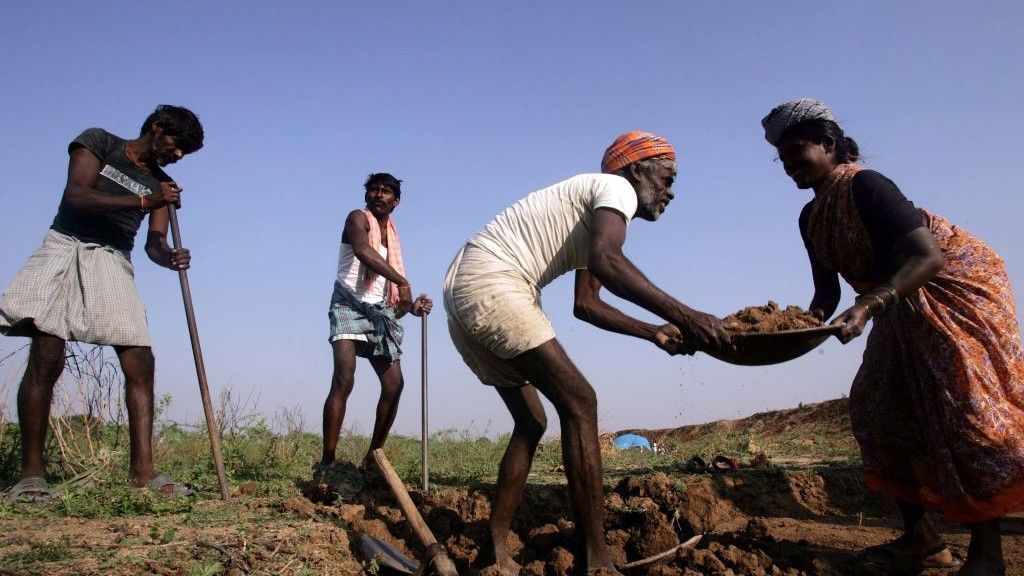
    India has enacted sweeping reforms to its landmark rural employment program, fundamentally altering both its financial structure and operational framework. The National Rural Employment Guarantee Scheme (NREGS), established in 2005 as a legal entitlement to 100 days of paid manual work for rural households, has been rebranded and restructured under the new GRAM G legislation.

    The revised program increases the guaranteed employment from 100 to 125 days annually per household while maintaining provisions for unemployment allowances when work isn’t provided within 15 days. However, the most significant change involves the funding mechanism: where the federal government previously covered 90% of costs, states must now contribute 40% of project expenses under a 60:40 split arrangement.

    This transformative social program serves as a critical economic stabilizer for rural India, where 65% of the nation’s 1.4 billion population resides and nearly half depend on agriculture—a sector contributing merely 16% to GDP. The scheme has demonstrated remarkable equity metrics, with women comprising over half of its 126 million workers and 40% originating from historically marginalized scheduled castes or tribes.

    The Modi administration frames the reforms as modernization efforts to enhance effectiveness and reduce corruption. Federal Agriculture Minister Shivraj Singh Chouhan asserts the legislation “stands firmly in favour of the poor, in support of progress, and in complete guarantee of employment for the workers.”

    Conversely, development economists, opposition parties, and international experts have raised substantial concerns. Critics argue the funding shift could undermine the program’s constitutional mandate, effectively transforming a legal right into a discretionary scheme. Development economist Jean Dreze characterizes the increased day guarantee as a “red herring,” noting that only 7% of households received the full 100 days of work in 2023-24.

    The program’s documented impacts remain substantial despite implementation challenges. Research indicates NREGS boosted beneficiary household earnings by 14% and reduced poverty by 26% through economy-wide effects. The scheme has particularly proven vital during crises, most notably during COVID-19 pandemic reverse migration events.

    Underlying these reforms persists India’s structural employment challenge: the chronic inability to generate sufficient non-farm jobs to absorb surplus rural labor. Recent economic analyses suggest rising labor participation rates may reflect economic distress rather than quality job creation, with increases concentrated in low-productivity subsistence work.

    The program’s future effectiveness hinges on navigating these complex financial, administrative, and structural challenges while preserving its core mission of supporting vulnerable rural populations.

  • Gates Foundation, UAE’s ADQ to invest $40 million for AI in education in Africa

    Gates Foundation, UAE’s ADQ to invest $40 million for AI in education in Africa

    In a landmark partnership announced during Abu Dhabi Finance Week, the Bill & Melinda Gates Foundation and Abu Dhabi’s strategic investment holding company ADQ have committed $40 million to harness artificial intelligence for educational transformation across sub-Saharan Africa. The four-year initiative, unveiled during a visit by Microsoft co-founder Bill Gates to the UAE, represents a concerted effort to address Africa’s critical learning deficit, where currently nine out of ten children lack basic literacy and numeracy skills by age ten.

    The collaboration will deploy two complementary mechanisms: the existing AI-for-Education global initiative, which develops practical AI-enabled learning models and provides governmental expertise, and the newly established EdTech and AI Fund. This multi-investor vehicle, scheduled for launch next year, will be the first dedicated fund specifically focused on national-level expansion of evidence-based interventions that enhance foundational learning. ADQ has pledged up to $20 million in matching funds to anchor the partnership.

    The timing of this investment is particularly significant as demographic projections indicate Africa will be home to one-third of the world’s youth population by 2050. Mohamed Hassan Alsuwaidi, Managing Director and CEO of ADQ, emphasized the strategic importance of digital infrastructure, stating that ‘the systems that support learning, data, and intelligent technologies are becoming equally important to national development’ alongside traditional physical assets.

    This initiative builds upon the Gates Foundation’s recent $240 million expansion of its Global Education Programme, which aims to support 15 million children across sub-Saharan Africa and India through evidence-based, cost-efficient solutions. The UAE brings to the partnership its demonstrated leadership in technological innovation and deployment capabilities, positioning the emirates as a key enabler of educational transformation in the Global South.

    Bill Gates acknowledged the UAE’s pioneering role, noting that ‘the UAE has shown leadership in using innovation to expand opportunity, and together we’ll build on that momentum to help children develop the foundational skills that shape their futures.’ The partnership represents a significant convergence of philanthropic vision and strategic investment aimed at creating sustainable, technology-driven educational ecosystems.