作者: admin

  • Thousands of tourists stranded in Lapland as cold grounds flights

    Thousands of tourists stranded in Lapland as cold grounds flights

    A severe Arctic cold snap has brought air travel to a standstill at Kittilä Airport in Finnish Lapland, leaving thousands of international tourists stranded amid the most extreme winter conditions in recent memory. The airport operator, Finavia, confirmed the complete cancellation of all outbound flights on Sunday as temperatures plummeted to a bone-chilling -35°C, with forecasts predicting a further drop to -39°C on Monday.

    The meteorological phenomenon has created uniquely hazardous operational conditions. The extreme cold has rendered standard aircraft de-icing procedures ineffective while causing critical ground equipment, including maintenance and refueling systems, to freeze solid. According to Finavia’s statement to public broadcaster Yle, heightened atmospheric moisture has compounded the crisis by creating dangerously slippery frost layers on aircraft surfaces and runways.

    This deep freeze has primarily affected travelers from major European hubs including London, Bristol, Manchester, Paris, and Amsterdam, many of whom journeyed to Lapland for winter sports and aurora viewing. While the region is renowned for its cold winters, current temperatures are notably severe—typically averaging -14°C with occasional dips to -30°C, rather than the sustained -35°C to -39°C now being recorded.

    The transportation disruption extends beyond air travel, with Fintraffic authorities warning of perilously icy road conditions throughout the region. In a concerning incident reported by Yle, a bus carrying Ukrainian passengers skidded into a ditch on Sunday morning, though fortunately no serious injuries were reported.

    This Arctic blast forms part of a broader pattern of severe winter weather sweeping across Northern Europe. Concurrent storms have caused significant disruption in the UK, France, and Germany, including a tragic fatality in England when a tree fell on a caravan and widespread power outages affecting approximately 100,000 French households.

  • Police charge man with multiple offences over suspicious Bondi vest incident

    Police charge man with multiple offences over suspicious Bondi vest incident

    Sydney’s eastern suburbs were thrust into a state of alarm on Sunday evening following a disruptive security incident at Bondi Junction. Authorities initiated a significant emergency response after receiving multiple reports of a man exhibiting suspicious behavior while wearing a vest conspicuously covered with duct-taped objects.

    Police units converged on Oxford Street approximately at 10:10 PM following concerned citizen reports. The situation escalated rapidly with the deployment of the specialized Rescue and Bomb Disposal Unit to assess potential threats. The 33-year-old Victorian man at the center of the incident was promptly detained at the scene.

    Further investigation revealed additional concerning materials. A secondary vest was discovered during a search of the suspect’s vehicle, along with a face mask and a container holding substances believed to be illicit drugs. The bomb squad conducted thorough examinations of both vests, ultimately determining they posed no explosive hazard.

    The individual now faces multiple criminal charges including providing false information that placed persons or property in danger, possession of prohibited drugs, and behaving in an offensive manner in a public space. The judicial process moved swiftly as the accused was denied bail during initial proceedings, with his case scheduled for immediate review before the Local Court on Monday.

    The incident caused temporary disruption in the popular Bondi Junction area, though normal activities resumed following the all-clear from bomb disposal experts. This event marks another instance of public safety resources being deployed in response to suspicious behavior in urban environments.

  • Iran warns it will strike Israel and US bases in response to attack on Tehran

    Iran warns it will strike Israel and US bases in response to attack on Tehran

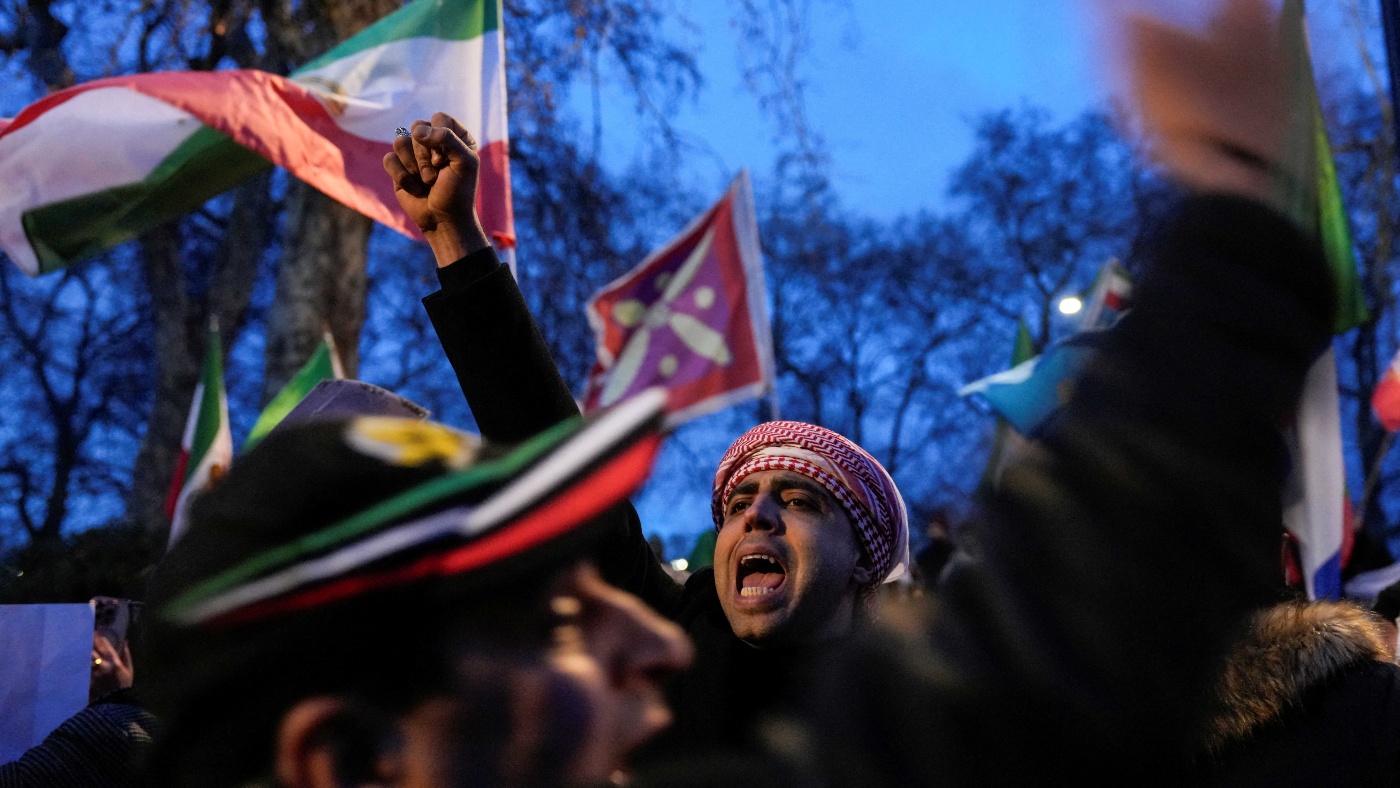
    Iran has issued a stark warning that it will target Israeli territories and US military installations if its sovereignty is violated by foreign strikes, escalating tensions amid the nation’s most severe civil unrest in three years. The warning was delivered by Mohammad Baqer Qalibaf, Speaker of Iran’s Parliament and a former Revolutionary Guard commander, who stated that any attack on Iran would make “occupied territories and all US bases and ships legitimate targets.”

    The threat emerges against a backdrop of intense domestic protests that have reportedly resulted in at least 192 fatalities, according to Iran Human Rights, a Norway-based NGO. The organization cautioned that the actual death toll may be significantly higher, with difficulties in verification due to a nationwide internet blackout exceeding 60 hours, as reported by internet monitor Netblocks.

    US President Donald Trump has amplified tensions through social media, declaring that Iran is “looking at FREEDOM, perhaps like never before” and asserting that the “USA stands ready to help.” This statement followed his earlier warnings to Iranian leadership against using force on protesters.

    Iranian President Masoud Pezeshkian accused the US and Israel of attempting to “sow chaos and disorder” by instigating what he termed “riots,” urging citizens to distance themselves from “rioters and terrorists.” Meanwhile, security chief Ali Larijani distinguished between economically motivated protests, which he called “understandable,” and actions resembling “terrorist group methods.

    Israeli security forces have been placed on high alert, according to three sources present at security consultations, though specific measures remain undisclosed. This development follows a recent 12-day conflict between Israel and Iran in June, during which US forces joined Israeli strikes on Iranian territory.

    A senior US intelligence official described the situation as an “endurance game,” with opposition forces maintaining pressure until key government figures defect, while authorities attempt to clear streets without provoking US intervention. Despite discussions between Israeli Prime Minister Benjamin Netanyahu and US Secretary of State Marco Rubio regarding potential intervention, Israel has not expressed desire to directly involve itself in Iran’s internal affairs.

    The protests, initially sparked by economic grievances and rising inflation, have evolved into a broader movement challenging the Islamic Republic’s authority. Despite communication blackouts, videos emerging from Tehran and other cities show sustained demonstrations, including incidents of vehicle arson and mosque burnings according to state media.

    Human rights organizations report critical situations in medical facilities, with hospitals overwhelmed, blood supplies diminishing, and accounts of protesters being deliberately targeted in the eyes. The US-based Center for Human Rights in Iran warned that “a massacre is unfolding” and urged international action to prevent further casualties.

  • UAE cybersecurity authority warns against AI fraud, says is hard to detect

    UAE cybersecurity authority warns against AI fraud, says is hard to detect

    The UAE Cybersecurity Council (CSC) has issued a critical warning regarding the escalating threat of artificial intelligence-enabled fraud, highlighting the sophisticated nature of these emerging digital crimes that are becoming increasingly difficult to detect. This alert forms part of the council’s ongoing ‘Cyber Pulse’ initiative, a weekly awareness campaign designed to educate the public about evolving cyber threats.

    According to cybersecurity authorities, AI technology has fundamentally transformed the fraud landscape by enabling malicious actors to execute complex deceptive operations within seconds—tasks that previously required substantial time and effort. These advanced technologies facilitate the creation of highly convincing fraudulent communications, including realistic voice imitations, professionally altered logos, and polished text and graphics that frame scams as urgent security requests.

    The Council revealed that AI-powered phishing now accounts for over 90% of digital breaches, with scammers crafting messages that appear virtually authentic. These sophisticated techniques effectively eliminate traditional warning signs and allow fraudsters to design operations with minimal detectable flaws, making vigilance more crucial than ever before.

    As the boundary between authenticity and imitation continues to blur, the CSC emphasized the necessity of adopting defensive tools and techniques grounded in knowledge and awareness. Protective measures include implementing multi-factor authentication (which prevents more than 90% of fraud attempts), avoiding unverified links, scrutinizing messages for spelling or linguistic errors, verifying information through official channels, and activating security software for threat detection.

    The Council stressed that combating AI-driven fraud begins at the individual level through strengthened cyber culture and awareness. Individuals must recognize that many products or advertisements circulating on social media may appear exceptionally perfect due to AI-generated images, making them seem entirely legitimate.

    Now in its second year, the ‘Cyber Pulse’ campaign continues across social media platforms as part of the UAE’s comprehensive vision to build a secure cyberspace, enhance confidence in the digital ecosystem, and foster robust cybersecurity practices among families and individuals during this era of rapid digital transformation.

  • Flydubai cancels flights to Iran until January 11 amid protests

    Flydubai cancels flights to Iran until January 11 amid protests

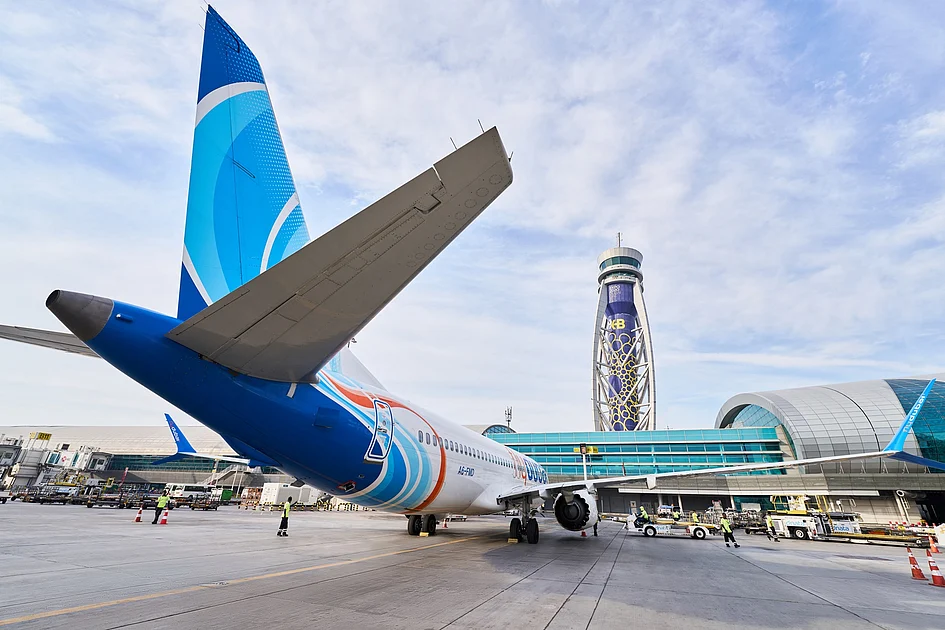
    Dubai-based carrier flydubai has officially extended flight cancellations to Iran through January 11, 2026, citing ongoing civil unrest and security concerns within the country. The airline specifically suspended operations to Bushehr Airport (BUZ) and Esfahan Airport (IFN) as widespread protests continue to disrupt normal operations.

    The decision comes amid escalating tensions in Iran where demonstrations that began on December 28 over economic grievances have evolved into broader political challenges. Authorities have implemented severe measures including nationwide internet restrictions, creating operational challenges for international airlines.

    Flydubai issued an official apology to affected passengers, emphasizing that passenger and crew safety remains their paramount concern. The airline has established direct communication channels with impacted travelers regarding rebooking alternatives and refund procedures.

    Passengers holding reservations for Iran routes are advised to contact the airline’s Dubai-based customer service center, visit official travel shops, or coordinate with their booking agents. The carrier also recommended that travelers maintain updated contact information through the ‘Manage your booking’ portal on flydubai.com for real-time flight status updates.

    This marks the second cancellation announcement from flydubai, which previously suspended Iran flights on January 9 amid similar concerns. The extended suspension reflects the airline’s cautious approach to the evolving security situation in the region.

  • Meta locks 500,000 accounts in Australia but calls for a ‘better way’

    Meta locks 500,000 accounts in Australia but calls for a ‘better way’

    In an unprecedented global move, Australia’s implementation of a social media prohibition for users under 16 has resulted in the mass deactivation of hundreds of thousands of accounts across major platforms. Meta, the parent company of Instagram, Facebook, and Threads, reported disabling approximately 500,000 accounts during the initial enforcement period from December 4-11, 2023.

    The landmark legislation, which took effect on December 10, mandates age restrictions across nine prominent social media platforms including Instagram, Threads, Facebook, TikTok, Snapchat, X, YouTube, Reddit, and Kick. This regulatory intervention automatically deactivates or removes accounts belonging to minors under 16 years of age.

    Prime Minister Anthony Albanese characterized the policy as “one of the biggest social and cultural changes that our nation has faced” during the initiative’s launch. He acknowledged the implementation “won’t be perfect” but emphasized its significance as a “profound reform” expected to influence global approaches to youth digital protection. The Prime Minister noted that several other nations are considering emulating Australia’s regulatory framework.

    The legislative action follows News Corp’s ‘Let Them Be Kids’ advocacy campaign, with government officials stating the primary objective is to provide “greater peace of mind for Australian parents” regarding their children’s online activities.

    Meta, while asserting compliance with the new regulations, has simultaneously advocated for alternative approaches to age verification. The technology corporation proposed that age validation would be more effectively implemented at the app store level rather than within individual applications. This methodology, Meta contends, would prevent the “whack-a-mole effect” of minors migrating to newer, less-regulated platforms to circumvent the restrictions.

    The company further recommended establishing industry-wide incentives to develop “safe, privacy-preserving, age appropriate experiences online” as a more sustainable solution than blanket prohibitions. This position highlights the ongoing tension between regulatory intervention and technological innovation in addressing youth digital safety concerns.

  • Sudanese government announces return to capital Khartoum

    Sudanese government announces return to capital Khartoum

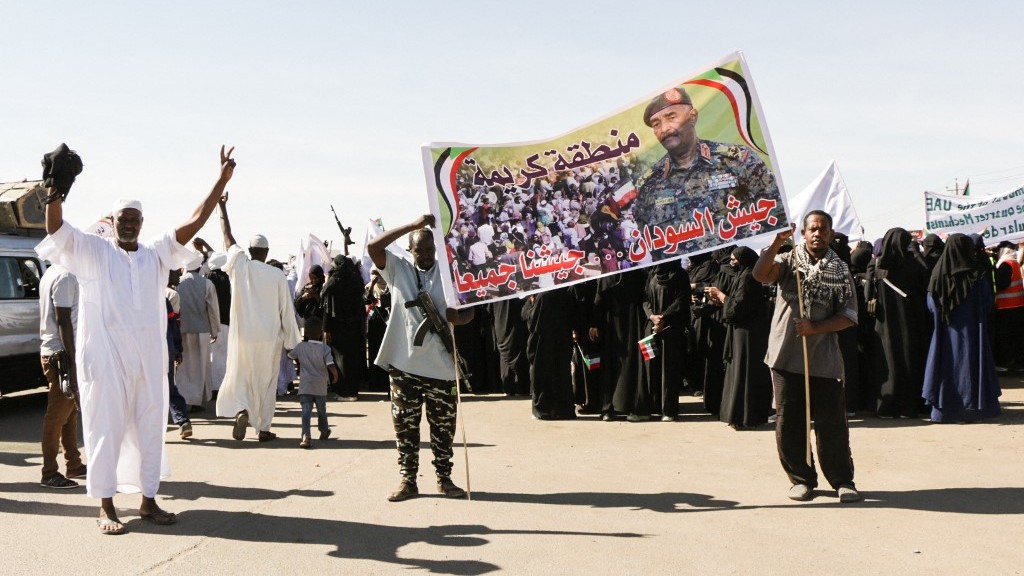
    In a significant political development, Sudan’s transitional administration has declared its intention to reestablish operations in the national capital of Khartoum after relocating to Port Sudan in 2023 due to escalating military conflicts. Prime Minister Kamel Idris formally announced the governmental return on Sunday, pledging enhanced public services for Khartoum’s residents during a press briefing in the city.

    The Prime Minister, who previously served as a United Nations official, proclaimed that ‘the government of hope is returning to the national capital,’ emphasizing the symbolic importance of this transition. Idris had previously dissolved Sudan’s caretaker government in June, replacing it with a technocratic administration that he characterizes as focused on national recovery. However, the unelected leader faces criticism from some quarters who view him as a civilian representative for the Sudanese Armed Forces (SAF).

    This governmental relocation occurs against the backdrop of a devastating civil war that erupted in April 2023 between the SAF and the paramilitary Rapid Support Forces (RSF). The conflict forced the SAF-aligned government to abandon the capital and establish temporary headquarters in Port Sudan, which has since functioned as the primary hub for humanitarian aid distribution and commercial maritime activities.

    The human cost of the conflict has been staggering, with approximately 13 million people displaced nationwide. Current territorial control shows the RSF maintaining dominance over five states in the Darfur region, while the Sudanese army controls the remaining 13 states across southern, northern, eastern, and central regions, including Khartoum.

    These opposing factions previously collaborated in 2019 to overthrow Omar al-Bashir’s three-decade regime but fractured in 2023. The RSF faces serious allegations of genocide and war crimes, including mass killings in el-Fasher last November, with reports indicating military support from the United Arab Emirates. Simultaneously, the SAF confronts accusations of human rights violations and wartime atrocities, creating a complex humanitarian and political crisis that continues to unfold.

  • First lady of Philippines, Louise Araneta-Marcos, visits Dubai, discusses trade ties

    First lady of Philippines, Louise Araneta-Marcos, visits Dubai, discusses trade ties

    In a significant diplomatic engagement, Philippine First Lady Louise Araneta-Marcos conducted a high-level meeting with Dubai Chambers leadership on January 11, 2026, to explore enhanced economic collaboration between the two regions. The delegation, led by Eng. Sultan bin Saeed Al Mansoori, Chairman of Dubai Chambers, and President/CEO Mohammad Ali Rashed Lootah, presented Dubai’s strategic advantages as a global business hub.

    The comprehensive presentation detailed Dubai’s exceptional infrastructure, strategic geographical positioning, and pro-business regulatory environment designed to facilitate international trade. Both parties identified multiple sectors with substantial potential for mutual economic cooperation, building upon already robust bilateral relations.

    Current trade metrics demonstrate flourishing economic ties, with non-oil bilateral trade reaching AED 3.1 billion in 2024. The partnership has seen remarkable growth, with 653 Philippine companies joining Dubai Chamber of Commerce in just the first three quarters of 2025, bringing total active Philippine member companies to 2,508 by September 2025.

    This visit builds upon previously established cooperation frameworks, including a successful trade mission to Manila featuring 17 Dubai-based companies across diverse sectors. The earlier mission facilitated 180 bilateral business meetings and culminated in the signing of a Memorandum of Understanding between Dubai Chamber of Commerce and the Philippine Chamber of Commerce and Industry. The agreement established formal mechanisms for continued commercial collaboration and knowledge exchange between the business communities of both nations.

  • Iran president to address ‘people’s demands’, economic situation in interview

    Iran president to address ‘people’s demands’, economic situation in interview

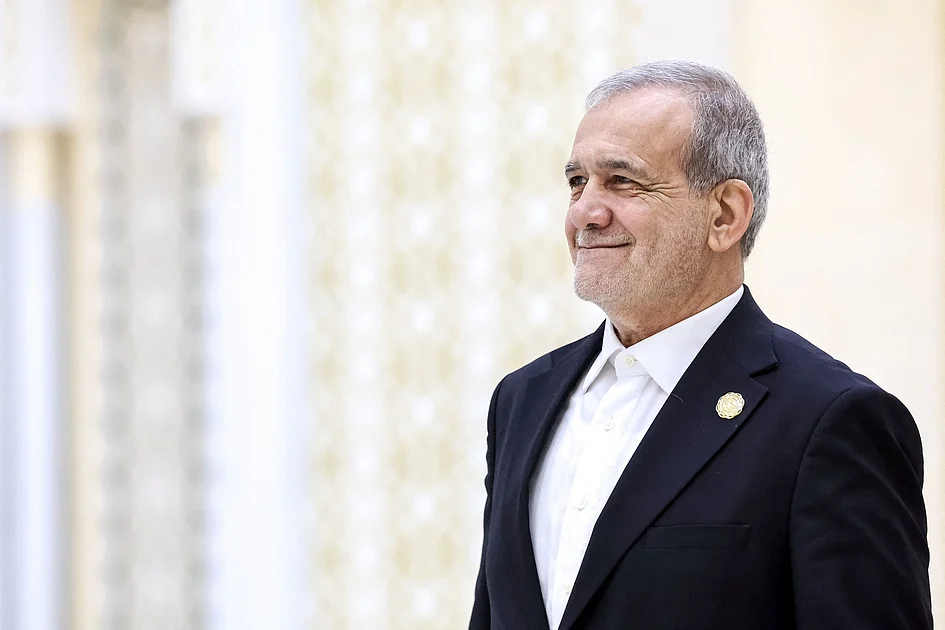
    Iranian President Masoud Pezeshkian is set to deliver a nationally televised address on Sunday evening addressing mounting public discontent over economic conditions and outlining governmental responses to ongoing protests. The presidential interview comes after two weeks of sustained demonstrations triggered by escalating living costs and economic pressures throughout the country.

    According to state broadcaster IRIB, President Pezeshkian will detail his administration’s comprehensive economic strategy, particularly focusing on proposed reforms to Iran’s subsidy infrastructure. The broadcast will also cover the government’s position regarding recent civil unrest and its approach to addressing citizen demands.

    The announcement follows a period of significant social unrest marked by public demonstrations expressing frustration over inflation and economic hardship. Simultaneously, the Iranian government has declared three days of national mourning for unspecified ‘martyrs,’ though official statements have not elaborated on the circumstances surrounding these casualties.

    This confluence of events—economic protests, presidential response, and national mourning—creates a complex socio-political landscape in Iran. The administration’s communication strategy appears designed to acknowledge public grievances while maintaining governmental authority and control over the narrative.

    The upcoming address represents a critical moment for President Pezeshkian’s administration as it attempts to balance economic policy announcements with responses to civil discontent. The effectiveness of this communication approach in addressing both immediate public concerns and long-term economic planning remains to be seen as Iran navigates this period of economic challenge and social tension.

  • Bahrain opposition leader Ebrahim Sharif given six-month sentence for Israel criticism

    Bahrain opposition leader Ebrahim Sharif given six-month sentence for Israel criticism

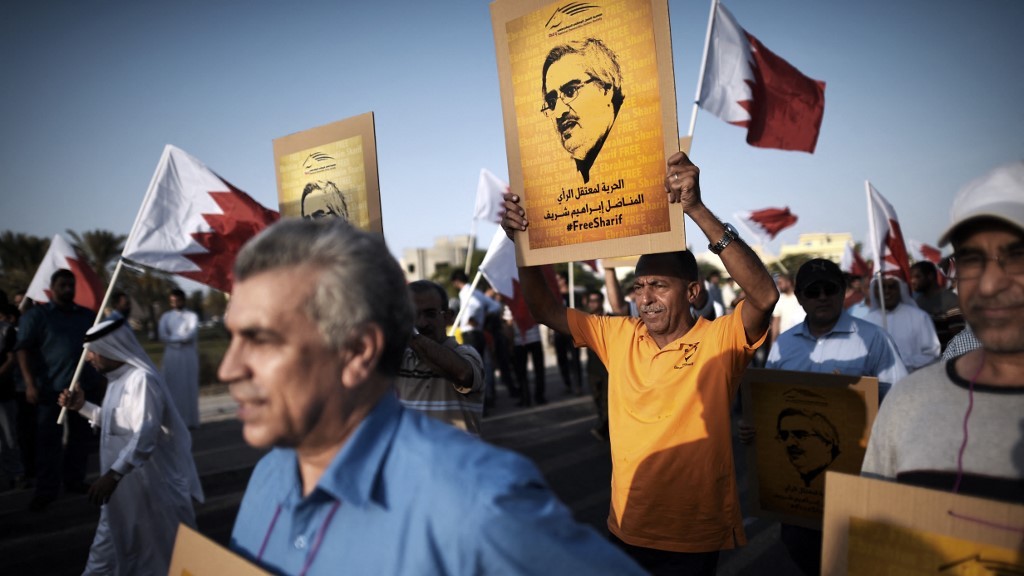
    Bahrain’s political landscape faces renewed scrutiny as prominent opposition figure Ebrahim Sharif receives a six-month prison sentence for his vocal criticism of the kingdom’s diplomatic relations with Israel. The sentencing by Bahrain’s Lower Criminal Court on Thursday marks the latest development in a case that has drawn international condemnation from human rights advocates.

    Sharif, a secular leftist activist and head of the National Democratic Action Society (Wa’ad), was convicted on charges of “spreading false news on social media” and “making offensive remarks against sister Arab states and their leaders.” The court specifically cited an interview Sharif gave to LuaLuaTV in Beirut where he condemned Arab nations for their perceived failure to support Palestinians and their increasing ties with Israel.

    According to the Public Prosecutor’s office, Sharif’s statements contained “false and offensive information about Arab countries, accusing them of collusion and conspiracy” while encouraging citizens to “resist and rise up against their governments.” The court additionally imposed a fine of 200 Bahraini dinars ($530).

    This case represents the tenth instance since 2011 that Bahraini authorities have arrested, interrogated, or prosecuted Sharif, who emerged as a significant figure during the 2011 pro-democracy protests. His sentencing occurs against the backdrop of Bahrain’s 2020 normalization of relations with Israel through the US-brokered Abraham Accords, a move that has generated substantial domestic criticism that intensified following Israel’s military operations in Gaza.

    Human rights organizations have condemned the verdict as emblematic of Bahrain’s deteriorating free expression environment. Sayed Ahmed Alwadaei of the Bahrain Institute for Rights and Democracy described the sentence as setting “a chilling precedent” where “a prominent public figure is being criminalized for standing with Palestine.”

    The case unfolds amid ongoing concerns about Bahrain’s prison conditions. Recent reports from UN committees and organizations like Human Rights First have documented consistent allegations of torture and mistreatment of political prisoners, despite Bahrain being a signatory to the UN Convention Against Torture. Last month, Human Rights First submitted a dossier to the US administration recommending sanctions against Bahrain’s Interior Minister for alleged oversight of torture practices.

    The UN Committee Against Torture’s November assessment expressed deep concern about “consistent reports indicating that persons in custody are subjected to torture or ill-treatment” and noted “the reported lack of accountability, which contributes to a climate of impunity.”