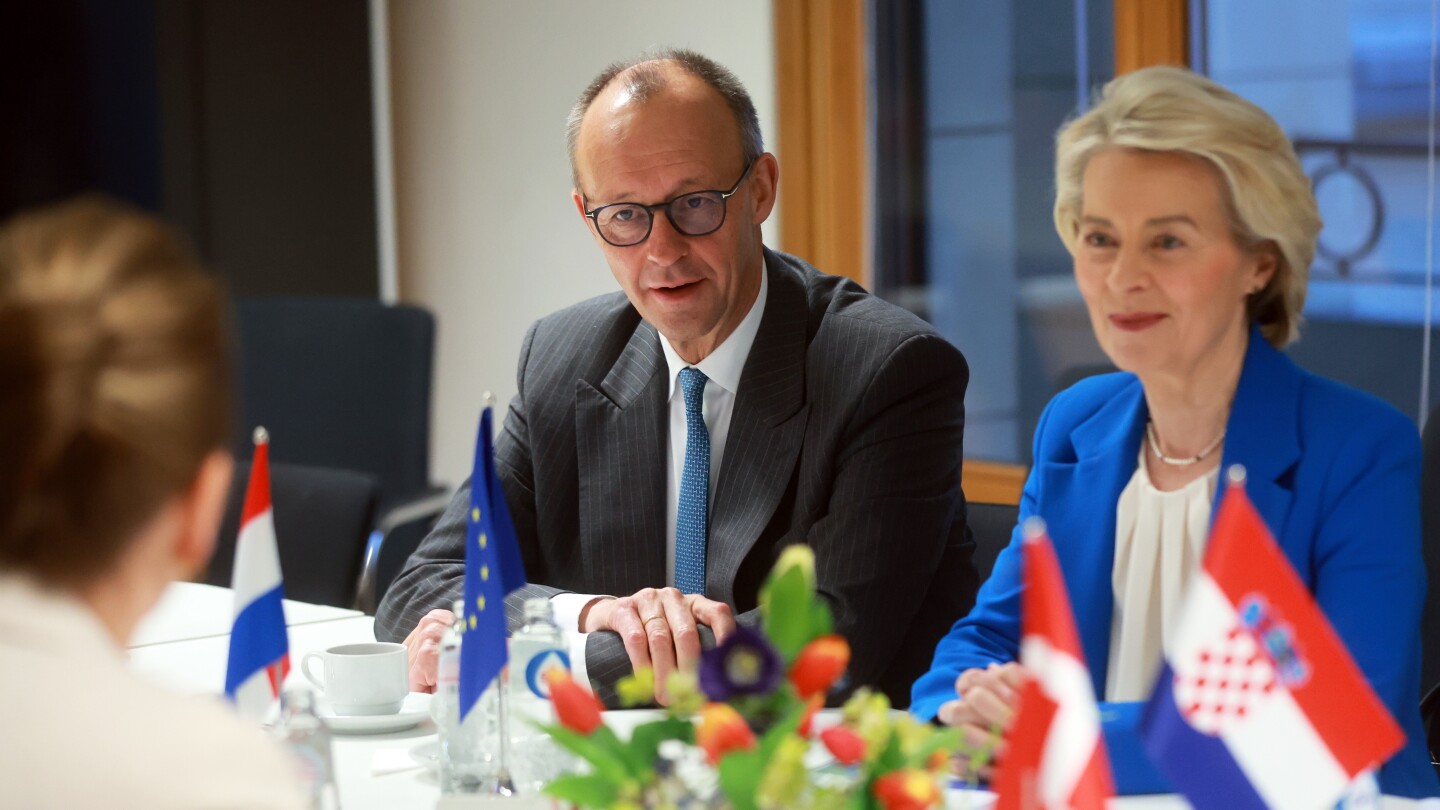
BRUSSELS — A critical European Union summit faced significant hurdles on Thursday as Belgium demanded unequivocal guarantees of protection against potential Russian retaliation before endorsing a monumental loan package for Ukraine. The high-stakes negotiations centered on a proposal to utilize billions in frozen Russian sovereign assets to underwrite Ukraine’s military and financial requirements for the coming two years.\n\nWith approximately €193 billion ($227 billion) in immobilized Russian central bank funds held predominantly within the Brussels-based Euroclear clearinghouse, Belgium finds itself on the front lines of economic and legal vulnerability. This position was underscored recently when Russia’s Central Bank initiated legal proceedings against Euroclear, intensifying pressure on Belgian authorities.\n\nBelgian political leader Bart De Wever articulated the nation’s position using a vivid metaphor: \”Give me a parachute and we’ll all jump together. If we have confidence in the parachute that shouldn’t be a problem.\” Belgium advocates for broader European burden-sharing, suggesting frozen Russian assets across multiple European jurisdictions should be pooled to mitigate risk. Additionally, Brussels seeks concrete commitments that Euroclear would receive necessary financial backing should it face further legal challenges from Moscow.\n\nThe proposed financial mechanism, termed the \”reparations loan,\” would channel approximately €90 billion ($106 billion) to Ukraine, with non-EU nations including the United Kingdom, Canada, and Norway potentially covering any funding shortfalls. While Russia’s legal claim to these assets would technically remain intact, the funds would remain inaccessible until Moscow concludes its military aggression and compensates for war damages.\n\nDespite European Commission assurances regarding protective safeguards for Belgium, De Wever maintained his reservations, stating, \”I have not yet seen a text that could satisfactorily address Belgium’s concerns.\” He simultaneously reaffirmed Belgium’s commitment as \”a faithful ally\” to Ukraine.\n\nThe urgency of the situation was emphasized by European Commission President Ursula von der Leyen, who declared, \”We have to find a solution today. We will not leave the European Council without a solution for the funding of Ukraine for the next two years.\” This sentiment was echoed by Polish Prime Minister Donald Tusk’s stark warning: \”Now we have a simple choice. Either money today or blood tomorrow.\”\n\nThe negotiations revealed deepening divisions within the bloc. While Germany’s Chancellor Friedrich Merz supported utilizing Russian assets, Hungary and Slovakia openly opposed the loan plan. Hungarian Prime Minister Viktor Orbán, maintaining his position as Vladimir Putin’s closest European ally, criticized the proposal as \”a dead end\” and \”a stupid one,\\” asserting that \”to give money means war.\”\n\nWith Bulgaria, Italy, and Malta also expressing reservations, EU envoys worked intensively to bridge differences among member states. The absence of a viable alternative funding mechanism added further complexity to the deliberations, as no majority support existed for international market borrowing options.
作者: admin
-
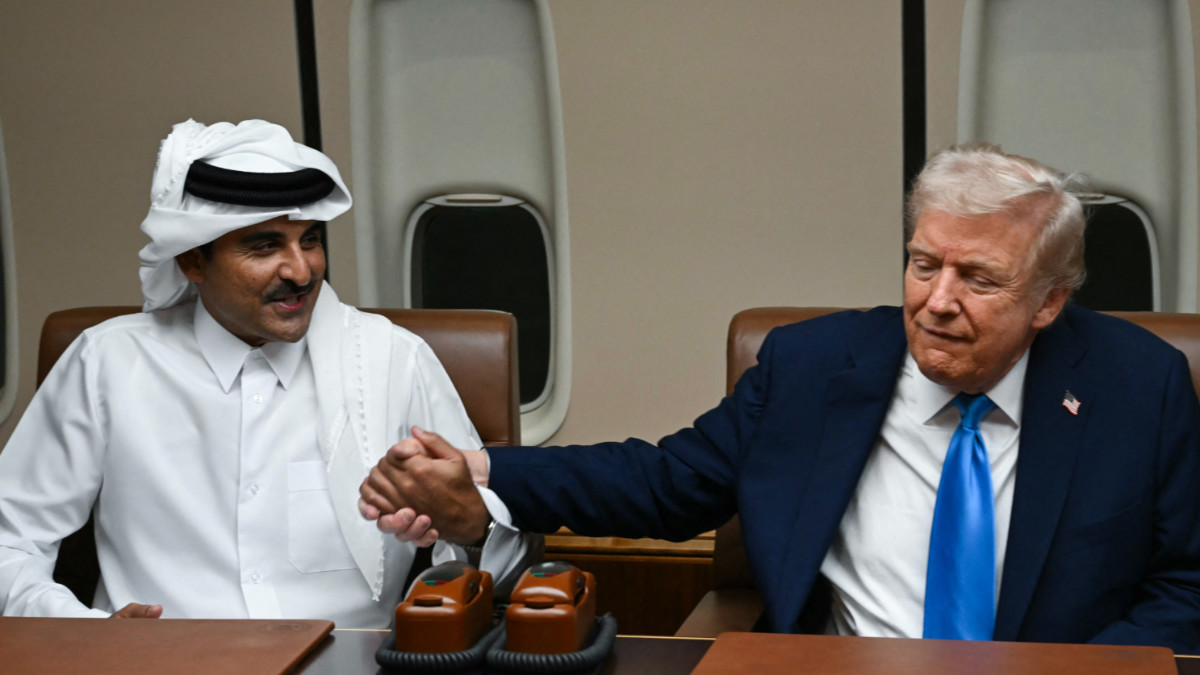
Qatar in talks with US about buying F-35 warplanes: Report
Qatar has initiated preliminary discussions with the United States regarding the potential acquisition of advanced F-35 fighter jets, according to a report from Israel’s Channel 12 news. This development revives Doha’s five-year-old aspiration to obtain America’s most sophisticated warplane, a move that has immediately raised concerns within Israeli security circles.
The Qatari initiative follows President Donald Trump’s November announcement indicating willingness to sell F-35s to Saudi Arabia that would be equivalent in capability to those operated by Israel. This potential expansion of F-35 operators in the region would place Qatar alongside both Saudi Arabia and Turkey in seeking to obtain the advanced aircraft, which currently remains exclusively operated by Israel in the Middle East.
Israeli Prime Minister Benjamin Netanyahu’s administration has historically opposed such sales to regional powers, having actively lobbied Washington against transferring the advanced fighter jets to both Turkey and Saudi Arabia. President Trump himself has publicly acknowledged these Israeli efforts while simultaneously suggesting both Saudi Arabia and Israel should receive ‘top of the line’ military equipment as equal partners.
The geopolitical landscape surrounding these potential sales varies significantly between regional players. Saudi Arabia appears to have stronger prospects for approval, particularly as the kingdom awaits finalization of a key defense agreement that U.S. officials indicate would streamline future arms transfers.
Turkey faces substantially greater obstacles, having been expelled from the F-35 co-production program in 2019 following its controversial acquisition of Russia’s S-400 air defense system. Congressional legislation currently prohibits Turkey from receiving the advanced fighters unless the U.S. President certifies that Ankara no longer possesses the Russian system. Recent reports suggest Turkey may be considering returning the S-400 to Russia as it seeks to reenter the F-35 program.
The regional tensions underlying these arms negotiations are particularly acute. Israeli-Turkish relations remain strained over conflicting positions regarding Syria and Palestinian issues, while Israel-Qatar relations recently deteriorated to historic lows following Israeli actions against Hamas negotiators in Doha.
In response to Qatar’s renewed F-35 pursuit, Israeli officials are reportedly formulating a substantial counter-request for additional advanced military hardware, including two new squadrons—one of F-35s and another of F-15I aircraft—plus advanced munitions and related systems to maintain Israel’s qualitative military edge in the region.
-

ILT20: MI Emirates stun Dubai Capitals in low-scoring thriller
In a stunning display of defensive cricket, MI Emirates clinched a nail-biting seven-run victory against Dubai Capitals in the DP World ILT20 Season 4 clash at Dubai International Stadium on Wednesday. Defending a modest total of 137/8, the Emirates orchestrated a remarkable turnaround that saw them leapfrog their opponents into third place on the tournament table.
The match pivoted dramatically when Rashid Khan’s crucial two-wicket intervention shattered the Capitals’ commanding position. Despite a strong foundation built by Jordan Cox (46 off 41) and Shayan Jahangir (34 off 27), who hammered 51 runs during the powerplay, the Capitals’ chase unraveled spectacularly in the final overs.
Earlier, Jonny Bairstow’s explosive 67 off 40 deliveries, featuring eight boundaries and three sixes, provided the cornerstone of MI Emirates’ innings. His 30-ball half-century seemed to set a competitive platform until Muhammad Jawadullah’s brilliant spell (2/7) and Mustafizur Rahman’s devastating 3/34 triggered a collapse that limited the Emirates to what appeared to be a below-par total.
The turning point arrived during the penultimate over when Naveen-ul-Haq dismissed both Cox and Mohammad Nabi within three deliveries, effectively sealing the Capitals’ fate. The final over witnessed three more wickets falling as the Capitals capitulated at 130 all out.
Post-match, Player of the Match Rashid Khan emphasized the team’s collective effort: ‘Today was a proper team effort and bowling performance. The way we fielded gave us the energy needed to defend this total.’
Dubai Capitals captain Dasun Shanaka reflected on missed opportunities: ‘We bowled exceptionally well, but crucial dropped catches and my own dismissal at a critical juncture ultimately cost us the game.’
-

Mourners grieve 10-year-old slain in Bondi mass shooting as Australia’s leader pledges new hate laws
SYDNEY — Australia’s collective grief found focus on Thursday as hundreds gathered to mourn 10-year-old Matilda, the youngest victim of Sunday’s antisemitic massacre at a Hanukkah celebration in Bondi Beach. The funeral service became a national moment of reflection following one of the country’s most devastating hate-fueled attacks that claimed 15 lives.
Matilda, whose family migrated from Ukraine seeking safety, was among those killed when attackers inspired by Islamic State ideology opened fire at the community gathering. Her beaming photographs have become symbolic of the tragedy, prompting nationwide examination of antisemitism and security failures.
Prime Minister Anthony Albanese simultaneously announced sweeping legislative reforms from Canberra, acknowledging collective responsibility for the protection of all citizens. “They did something that a parent is OK to do, take their child to a family event at Bondi beach,” remarked Rabbi Dovid Slavin during the service. “If it ended this way, it’s something for collective responsibility for every adult in this country.”
The proposed security overhaul includes broadening definitions of hate speech offenses, enhancing penalties for inciting violence, designating extremist groups, and empowering judges to consider hate as an aggravating factor in online harassment cases. Immigration authorities would gain expanded powers to deny or revoke visas for those promoting division.
Home Affairs Minister Tony Burke acknowledged systemic challenges: “For a generation, no government has been able to successfully take action against them because they have fallen just below the legal threshold.”
Meanwhile, investigation details emerged about the perpetrators—father and son Sajid and Naveed Akram. The older shooter legally amassed firearms despite his son’s prior investigation by security services in 2019. Philippine authorities confirmed the pair’s November visit to Davao city but found no evidence of attack training during their stay.
Naveed Akram faces 59 charges including murder and committing a terrorist act, while sixteen survivors remain hospitalized with two in critical condition.
The Jewish community continues mourning with multiple funerals, including for 87-year-old Holocaust survivor Alex Kleytman who died protecting his wife. As bumblebee balloons bobbed in tribute to Matilda’s family nickname, Rabbi Slavin captured the communal anxiety: “I and many others are thinking, this could have been my child.”
-

Oscars to stream exclusively on YouTube from 2029: Academy
The Academy of Motion Picture Arts and Sciences has announced a groundbreaking shift in its broadcasting strategy, revealing that the prestigious Academy Awards ceremony will transition to exclusive YouTube streaming beginning in 2029. This multi-year partnership with the Google-owned platform marks the first time in Oscars history that the event will be available solely through digital streaming, effectively terminating its long-standing television broadcast relationship with ABC that has spanned decades.
Academy CEO Bill Kramer and Academy President Lynette Howell Taylor expressed enthusiasm about the transformative agreement, stating: “We are thrilled to enter into a multifaceted global partnership with YouTube to be the future home of the Oscars and our year-round Academy programming.” This strategic move represents a significant evolution for Hollywood’s most celebrated awards ceremony, which traditionally attracts approximately 20 million American viewers plus millions more globally with its gathering of A-list celebrities and recognition of cinematic excellence.
The transition timeline allows ABC, owned by Disney, to maintain broadcasting rights through 2028, culminating with the historic 100th Academy Awards presentation. The most recent Oscars ceremony achieved viewership of 19.69 million, benefiting from its simultaneous live broadcast on both ABC and Disney’s streaming platform Hulu—a first-time dual-platform approach that contributed to the highest viewership numbers in five years despite technical difficulties that hampered the Hulu stream during the final awards presentation.
This streaming-exclusive shift reflects the entertainment industry’s broader adaptation to changing media consumption patterns, particularly among younger demographics. The Oscars have experienced substantial viewership fluctuations, with pandemic-era ceremonies dropping as low as 10.4 million viewers—a stark contrast to the 40-million-plus audiences that regularly tuned in just a decade ago. The YouTube partnership signifies the film industry’s acknowledgment of streaming’s growing dominance and its potential to reach global audiences through digital platforms.
-
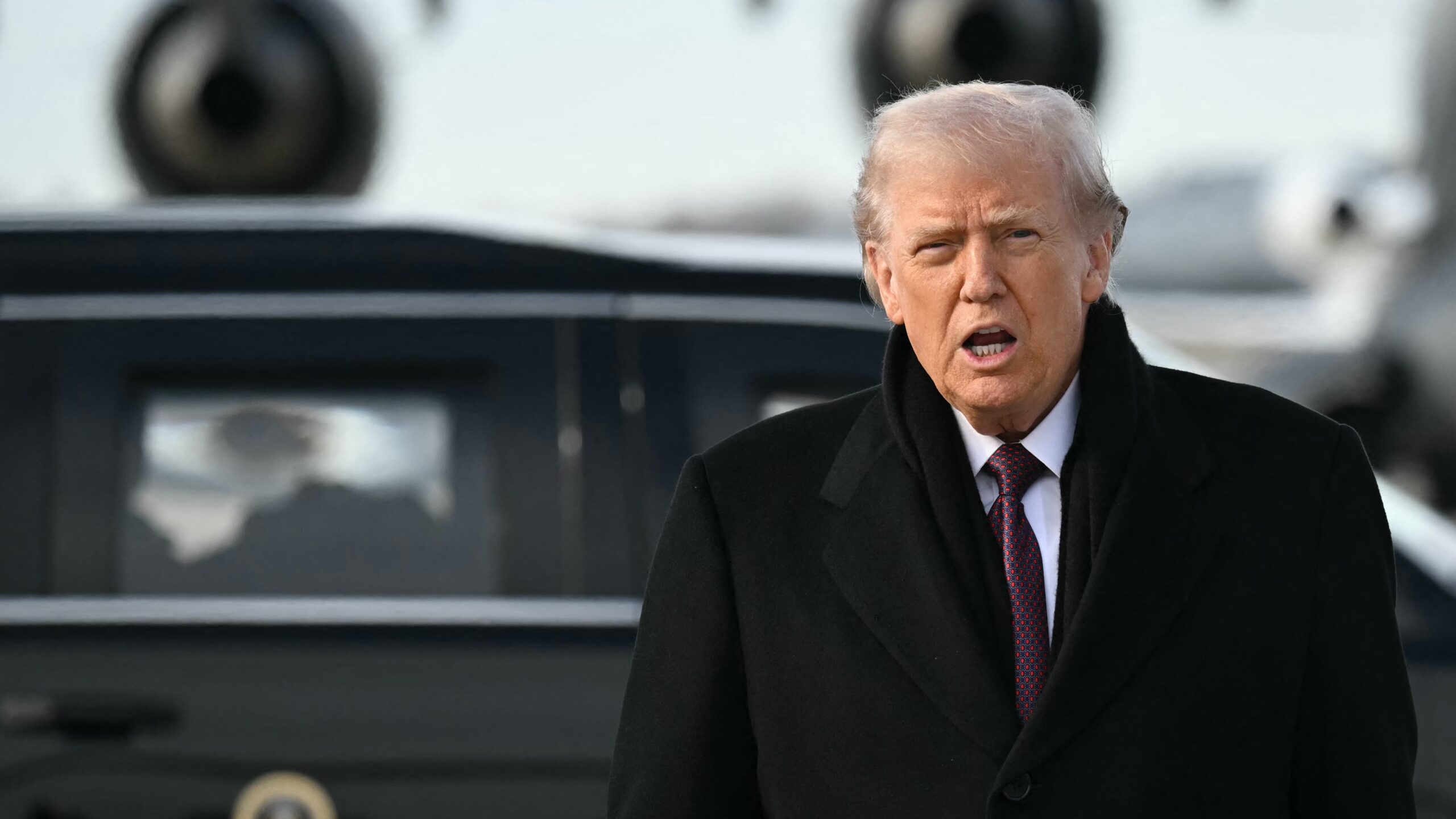
Trump draws condemnation for expanding travel ban, barring Palestinians
The Trump administration has ignited a firestorm of criticism with its significant expansion of the controversial travel ban, adding 20 new countries to the restrictions and bringing the total number of affected nations to 39. Announced on Tuesday, the updated policy imposes a full entry ban on Syrian nationals and explicitly targets individuals holding Palestinian Authority travel documents, alongside new restrictions affecting numerous African and Arab nations. The White House justified the measures, set to take effect January 1, as essential for safeguarding U.S. national security through enhanced vetting protocols.
The expansion has been met with immediate and fierce condemnation from lawmakers, advocates, and public figures who decry it as a thinly veiled manifestation of racism and religious discrimination. Massachusetts Senator Ed Markey declared the policy ‘racism disguised as security, xenophobia disguised as policy,’ a sentiment echoed across social media and official statements.
Notably, the ban’s timing and specific targets have drawn intense scrutiny. Representative Rashida Tlaib, the sole Palestinian-American in Congress, condemned the inclusion of Palestinians amidst the ongoing conflict in Gaza, stating the administration’s ‘racist cruelty knows no limits.’ This perspective was reinforced by Georgia State Representative Ruwa Romman, a Palestinian American, who warned the policy would cruelly separate families already displaced by violence.
Critics further argue the administration’s rhetoric reveals a broader agenda beyond security. Immigration policy analyst Aaron Reichlin-Melnick pointed to Department of Homeland Security language classifying even children and spouses of U.S. citizens on legal visas as ‘foreign invaders,’ suggesting an underlying contempt for legal immigration itself. The human cost of the policy was highlighted by users citing the case of Palestinian peace activist Awdah al-Hathaleen, who was denied entry and later killed after being returned.
While Vice President JD Vance defended the move on X as key to eliminating antisemitism and promoting assimilation, the overwhelming response framed the expansion as a discriminatory policy disproportionately targeting Muslim-majority regions already grappling with war and displacement, drawing historical parallels and signaling a profound shift in U.S. immigration ideology.
-
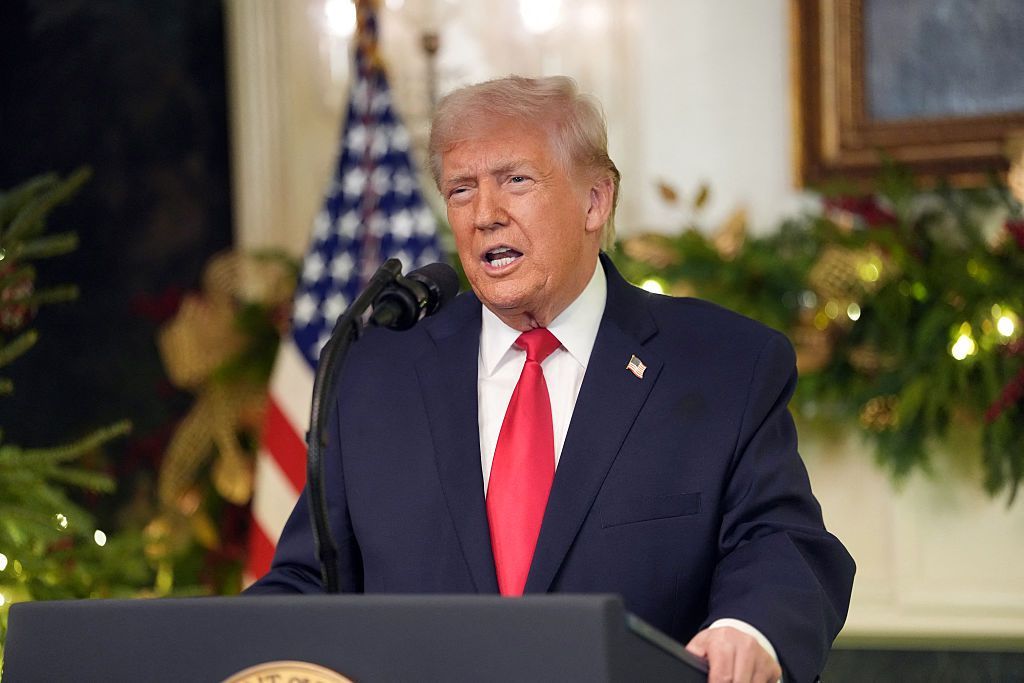
Trump announces ‘warrior dividend’ payments for troops
President Donald Trump utilized a nationally televised address on Wednesday evening to announce a special $1,776 payment designated for 1.45 million U.S. service members, characterizing it as a “warrior dividend” honoring the nation’s 1776 founding. The substantial financial allocation, totaling $2.57 billion, will be partially financed through tariff revenues collected by the administration.
During his 18-minute primetime presentation, Trump assured viewers that distribution was already underway with anticipated delivery before Christmas. The commander-in-chief framed this gesture as appropriate recognition for military personnel, asserting “nobody deserves it more than our military.” Additional funding originates from the “One Big, Beautiful Bill” legislation enacted last July 4th.
The economic address extensively promoted administration achievements while assigning blame to Democratic predecessors for current financial challenges. Trump specifically referenced former President Joe Biden seven times during the speech, maintaining that under current leadership “they [prices] are all coming down and coming down fast” despite contradictory economic indicators.
Recent inflation data reveals persistent consumer concerns, with September figures showing 3% inflation alongside declining consumer confidence metrics. Multiple polls indicate widespread public dissatisfaction regarding living expenses, particularly housing, childcare, and healthcare costs that remain elevated despite presidential claims of general price reduction.
Political analysts note the timing coincides with concerning midterm election projections for Republicans, compounded by recent Democratic victories in Virginia, New Jersey, New York City, Miami and Georgia. The administration faces increasing pressure regarding economic perception, with approval ratings on economic issues dropping 15 points since March according to CBS News/YouGov polling.
While acknowledging historical patterns where incumbent parties struggle during midterms, the president offered limited policy innovations during the address. Instead, he highlighted previously enacted tax reforms and pointed toward symbolic improvements during upcoming 250th anniversary celebrations of nation’s founding next year.
-
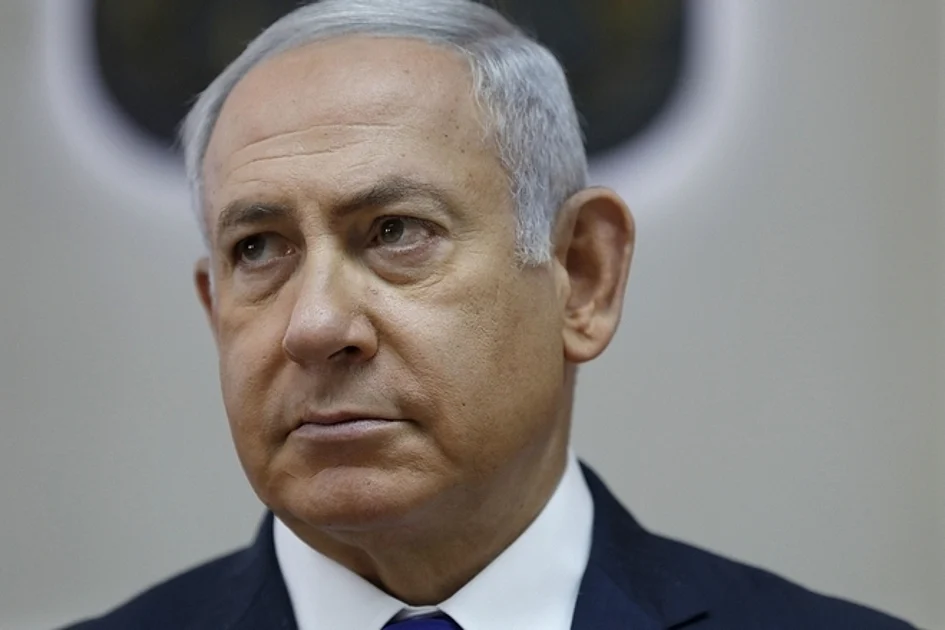
Israel approves natural gas deal with Egypt, Netanyahu says
Israeli Prime Minister Benjamin Netanyahu has formally approved a historic natural gas export agreement with Egypt, marking the largest energy deal in Israel’s history. The monumental arrangement, valued at 112 billion shekels ($34.67 billion), will facilitate substantial gas shipments from Israel’s Leviathan offshore field to address Egypt’s growing energy requirements.
The agreement, finalized in August but delayed due to unresolved negotiation points, involves American energy giant Chevron Corporation alongside Israeli partners. Netanyahu emphasized the strategic importance of this partnership during a televised address, highlighting its potential to bolster regional stability through strengthened economic cooperation.
Egypt’s energy landscape has undergone significant transformation since 2022, when declining domestic production forced the nation to abandon its aspirations as a regional energy hub. The country has increasingly relied on imported liquefied natural gas, spending billions to meet domestic demand. This agreement represents a strategic pivot toward Israeli resources to compensate for production shortfalls.
The Leviathan field, located in the Mediterranean Sea, has emerged as a crucial energy asset for Israel since its discovery. This export arrangement not only solidifies Israel’s position as an emerging energy exporter but also creates an unprecedented economic partnership between the two nations despite their complex historical relations.
Energy analysts suggest this agreement could reshape Eastern Mediterranean energy dynamics while providing Egypt with a stable, cost-effective alternative to more expensive spot market purchases. The deal is expected to undergo gradual implementation with careful monitoring of export volumes and pricing mechanisms.
-
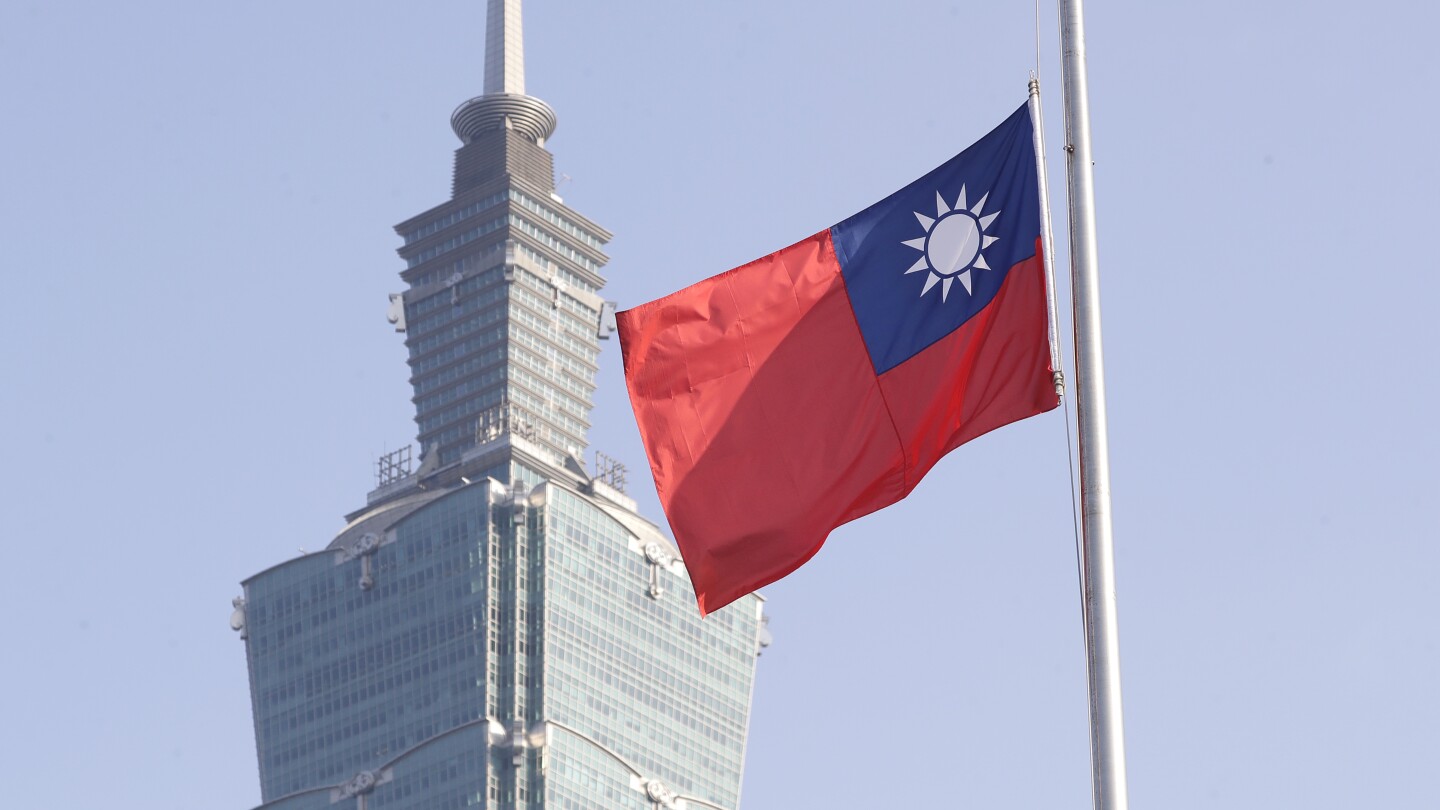
US announces massive package of arms sales to Taiwan valued at more than $10 billion
The Trump administration has authorized a comprehensive $10 billion military assistance package for Taiwan, marking one of the most significant arms transfers to the self-governing island in recent history. The substantial defense package, announced by the State Department late Wednesday, includes sophisticated weaponry systems designed to enhance Taiwan’s defensive capabilities against potential threats.
The extensive arms deal comprises 82 High Mobility Artillery Rocket Systems (HIMARS) alongside 420 Army Tactical Missile Systems (ATACMS), representing a combined value exceeding $4 billion. These advanced systems mirror the military equipment previously supplied to Ukraine during the Biden administration’s support efforts against Russian aggression. Additionally, the package incorporates 60 self-propelled howitzer artillery systems with associated equipment valued at over $4 billion, alongside reconnaissance and combat drones worth approximately $1 billion.
Supplementary components include advanced military software systems priced at over $1 billion, Javelin and TOW anti-tank missiles totaling $700 million, helicopter spare parts amounting to $96 million, and Harpoon missile refurbishment kits valued at $91 million. The State Department emphasized that these transfers align with U.S. national security interests while supporting Taiwan’s ongoing military modernization initiatives.
In official statements, department officials asserted that the proposed sales would contribute to regional stability by maintaining political equilibrium and supporting economic progress. The arms transfer occurs amidst escalating tensions between Washington and Beijing, particularly regarding Taiwan’s status. China maintains its longstanding position that Taiwan must reunify with the mainland, employing forceful rhetoric regarding potential reunification measures.
The military assistance initiative follows Congressional legislation that the administration is expected to formally endorse shortly. China’s embassy in Washington previously condemned the defense authorization act, characterizing it as promoting a ‘China threat’ narrative and undermining bilateral relations. Beijing expressed strong opposition to what it perceives as interference in China’s sovereignty and security interests.
Under established federal law, the United States maintains obligations to assist Taiwan with self-defense capabilities, though this commitment remains a persistent point of contention in Sino-American relations. The substantial arms package represents the latest development in the complex geopolitical dynamics involving the United States, China, and Taiwan.
-
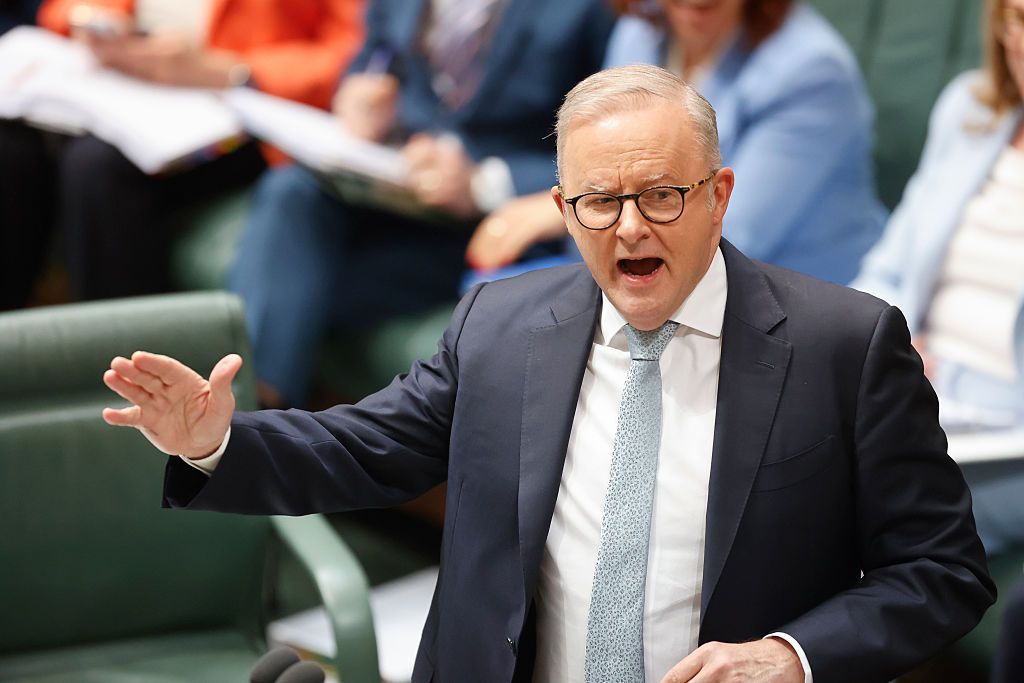
Australian PM announces crackdown on hate speech after Bondi shooting
In a decisive response to the Bondi Beach massacre that claimed 15 lives during a Hanukkah celebration, Australian Prime Minister Anthony Albanese has unveiled comprehensive legislation targeting hate speech and radicalization. The legislative package represents Australia’s most significant hardening of hate crime laws in decades, introducing multiple layers of legal consequences for perpetrators of religious-based violence and intimidation.
The framework establishes a new federal offense categorized as ‘aggravated hate speech’ while empowering courts to treat ‘hate’ as an aggravating factor during sentencing for online threats and harassment. Religious leaders and preachers who promote violence will face specific penalties under the new provisions. The Home Affairs Minister will receive expanded authority to cancel or refuse visas for individuals engaged in hate dissemination, fundamentally altering Australia’s approach to handling foreign nationals who propagate division.
A specialized taskforce will oversee educational reforms to combat antisemitism systemically, ensuring institutions implement robust prevention and response mechanisms. This initiative follows the government’s full endorsement of recommendations from Antisemitism Envoy Jillian Segal’s July report, which previously sparked free speech concerns due to its proposed monitoring of universities and arts organizations.
Prime Minister Albanese acknowledged criticisms regarding his administration’s response to rising antisemitism since the October 7 Hamas attacks, stating: ‘I accept my responsibility as Prime Minister of Australia. What people seek during this period isn’t further division but national unity.’ Home Affairs Minister Tony Burke emphasized the legislation ‘shifts the threshold’ for acceptable speech, addressing individuals who ‘exploit principles of free speech to dehumanize others without explicitly crossing into violence.’
The Bondi attackers, identified as ISIS-inspired radicals, attempted to fracture Australian social cohesion through targeted violence against Jewish citizens. Instead, according to Albanese, Australians have responded with ‘love and sympathy for those in mourning,’ reinforcing the nation’s commitment to multicultural values and religious safety.