作者: admin

  • Thai Air Force says 2 pilots killed in plane crash during training mission

    Thai Air Force says 2 pilots killed in plane crash during training mission

    A Thai Air Force training exercise culminated in a fatal incident on Thursday when an AT-6TH Wolverine light attack and reconnaissance aircraft crashed in a designated military zone. The accident occurred in the Chom Thong district, approximately 60 kilometers (37 miles) from Chiang Mai’s main airport, resulting in the tragic loss of both pilots aboard.

    Air Marshal Jackkrit Thammavichai, acting as spokesperson, confirmed the devastating outcome of the mission. The two-seater turboprop plane, manufactured by U.S.-based Beechcraft, a subsidiary of Textron Aviation, was engaged in a routine training operation at the time of the incident. Authorities have immediately launched a comprehensive investigation to determine the precise cause of the crash, examining all potential technical, environmental, and operational factors.

    This tragedy strikes shortly after the Thai Air Force bolstered its aerial capabilities with the acquisition of these advanced fighter-trainer aircraft. The commission of its fleet of eight AT-6TH Wolverines was only finalized in September, marking a significant modernization effort for the nation’s military aviation division. The incident represents a considerable setback and has cast a somber shadow over the force, prompting a likely review of training protocols and aircraft safety measures.

  • Senior CPC official highlights united front work to support 15th Five-Year Plan

    Senior CPC official highlights united front work to support 15th Five-Year Plan

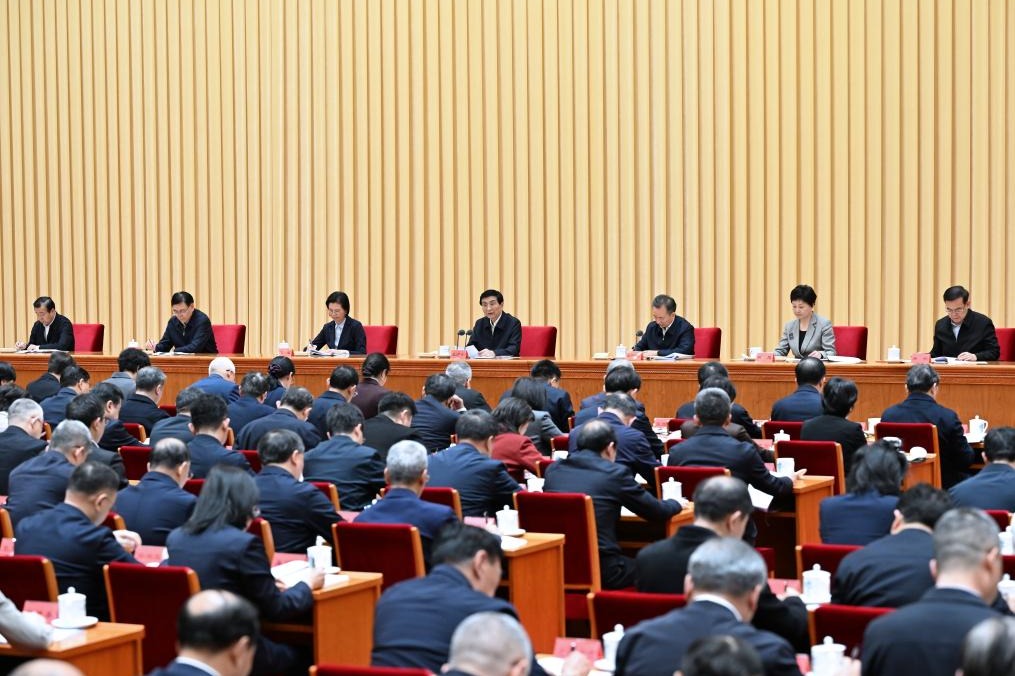
    In a significant national conference held in Beijing on January 28, 2026, senior Communist Party of China official Wang Huning delivered a comprehensive address emphasizing the critical role of united front work in supporting China’s upcoming 15th Five-Year Plan period (2026-2030). Wang, who serves as a member of the Standing Committee of the Political Bureau of the CPC Central Committee and chairman of the Chinese People’s Political Consultative Conference National Committee, addressed leaders of united front work departments from across the nation.

    Wang articulated the necessity for enhanced implementation of the CPC Central Committee’s decisions regarding united front operations to ensure a successful commencement of the country’s next developmental phase. He stressed the fundamental importance of maintaining the Party’s overall leadership, particularly the centralized and unified guidance from the Party Central Committee, in all united front activities.

    The senior official outlined several strategic priorities for united front work, including adherence to established principles and methodologies to drive high-quality development across relevant sectors. He emphasized the need to strengthen the capacity of united front work to support the central objectives of both the Party and the state.

    Wang specifically highlighted several key areas requiring focused attention: the improvement of China’s distinctive political party system, fostering a robust sense of national community among the Chinese people, establishing stronger legal frameworks for religious affairs governance, and enhancing engagement with non-CPC intellectuals, emerging social groups, and private sector representatives. Additionally, he addressed the importance of advancing work related to Hong Kong, Macao, Taiwan, and overseas Chinese communities.

  • Widespread rain, snow to hit central, eastern China

    Widespread rain, snow to hit central, eastern China

    A significant winter weather system is poised to deliver extensive precipitation across central and eastern China beginning Thursday, according to the National Meteorological Center’s Wednesday advisory. The comprehensive weather pattern will bring a complex mix of precipitation types affecting numerous provinces with potentially substantial impacts.

    Meteorological authorities indicate that several regions including Shaanxi, Henan, Hubei, Jiangsu, Anhui, and Hunan provinces should prepare for heavy snowfall, with certain areas potentially experiencing blizzard conditions. Higher elevation mountainous regions may face additional challenges with possible freezing rain events developing during the storm system.

    Chief forecaster Ma Xuekuan emphasized the system’s extensive geographical coverage and complicated precipitation characteristics, noting that some regions will confront particularly intense snowfall accumulations. The meteorological center has highlighted multiple concerns regarding the storm’s potential consequences.

    Weather experts have issued warnings regarding probable disruptions to transportation networks, energy distribution systems, and agricultural operations. Public health considerations have also been raised due to the expected severe conditions. Meteorological officials are urging residents throughout affected regions to implement appropriate precautionary measures and stay updated through official weather channels as the system develops.

  • Fujian strengthens cross-Strait ties

    Fujian strengthens cross-Strait ties

    Fujian Province has solidified its status as mainland China’s primary destination for Taiwanese investment for four consecutive years, according to Governor Zhao Long’s address at the Fujian Provincial People’s Congress. The eastern coastal region is accelerating its transformation into a demonstration zone for cross-Strait integrated development, implementing concrete measures to foster national reunification through economic collaboration and cultural connectivity.

    The province’s 2025 performance metrics reveal substantial progress, with 2,612 newly established Taiwan-funded enterprises and $724 million in actual utilized Taiwanese capital. A landmark achievement came with the introduction of China’s first local regulations on cross-Strait standard commonality, resulting in 41 new shared technical standards that facilitate smoother business operations.

    Infrastructure development features prominently in Fujian’s integration strategy. The province is advancing projects to supply water, electricity, and gas to Taiwan-administered islands of Jinmen and Matsu. Xiamen authorities aim to complete their section of the Xiamen-Jinmen Bridge this year while promoting shared usage of the newly constructed Xiamen Xiang’an International Airport as a regional hub for Jinmen residents.

    Economic integration efforts include creating a “common market” targeting electronic information, machinery, and biomedicine sectors, alongside expanded recognition of Taiwanese professional qualifications. The province plans to launch at least 30 new joint rural vitalization projects in 2026 to enhance Fujian’s appeal to Taiwanese compatriots.

    Cultural initiatives form a crucial component of the integration strategy. Governor Zhao emphasized ancestral connections through the “Taiwan Compatriots Root-seeking Platform” and proposed legislation for tracing cross-Strait family genealogies. The successful TV drama “Silent Honor,” filmed in Fujian and based on historical events, has resonated across the Strait by showcasing shared landscapes and historical bonds.

    Political advisers proposed additional measures including leveraging Mazu culture—worshiped on both sides—as a gateway for “emotional integration” and comprehensive tourism cooperation. Other recommendations focused on youth engagement through systematic support for Taiwanese participation in urban renewal and rural construction projects, alongside simplified financial services and optimized residency policies for Taiwanese professionals.

  • UN envoy sees potential turning point for Gaza, warns of uncertainties

    UN envoy sees potential turning point for Gaza, warns of uncertainties

    UN Deputy Special Coordinator for the Middle East Peace Process Ramiz Alakbarov presented a cautiously optimistic yet deeply concerning assessment of the Gaza situation during Wednesday’s UN Security Council open debate. Addressing the Middle East conflict and Palestinian question, Alakbarov characterized the current moment as both a potential turning point and a period of significant vulnerability.

    The diplomatic landscape shows promise with the announced implementation of the second phase of former US President Donald Trump’s 20-point comprehensive plan, which Alakbarov identified as a crucial development for cementing the fragile ceasefire. However, this political progress contrasts starkly with the devastating humanitarian reality on the ground.

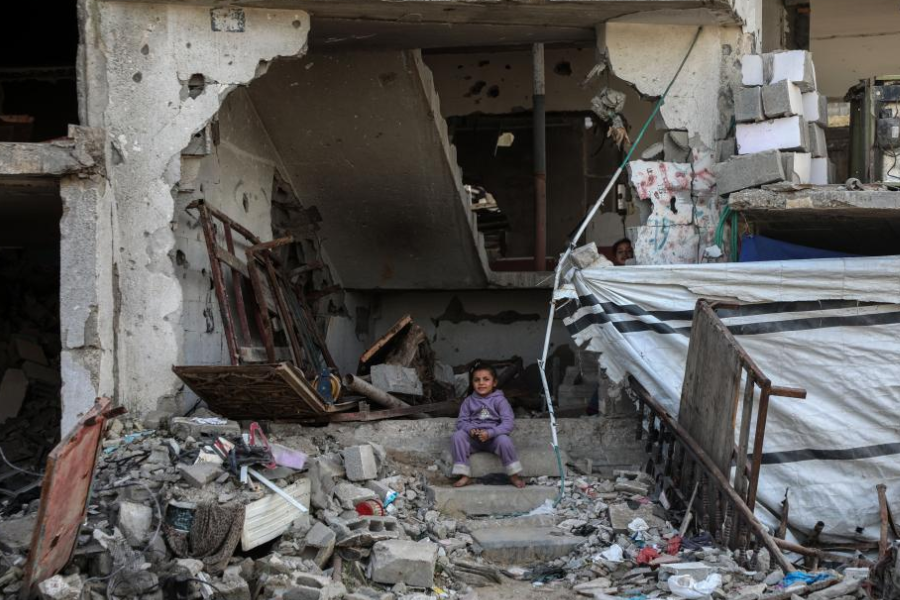
    Gaza’s entire population remains dependent on humanitarian assistance, with recent heavy rainfall and cold temperatures intensifying the suffering of over 1.5 million displaced Palestinians. Humanitarian operations face severe constraints including security concerns, customs clearance obstacles, Israeli restrictions on authorized partners, cargo delays at crossings, and limited internal transport routes.

    Despite the nominal ceasefire, Alakbarov reported continued Israeli military operations involving airstrikes, shelling, and gunfire across the territory. Hundreds of Palestinians, including numerous women and children, have been killed since the ceasefire began.

    The envoy also highlighted deteriorating conditions in the occupied West Bank, where September-December 2025 saw entrenched negative trends including extensive military operations, settlement expansion, settler violence, demolitions, and large-scale detentions.

    Amid these challenges, Alakbarov identified a genuine opportunity to establish foundations for regional stability, advance Palestinian governmental reunification of Gaza and the West Bank, and ultimately work toward ending the occupation through a renewed political process.

  • More foreign cases landing in IP Court

    More foreign cases landing in IP Court

    China is rapidly establishing itself as a premier global jurisdiction for international intellectual property litigation, with foreign entities increasingly opting for Chinese judicial channels to resolve complex IP disputes. Judicial authorities from China’s Supreme People’s Court have revealed significant growth in international cases, signaling growing international confidence in China’s legal framework for intellectual property protection.

    Since its inauguration in January 2019, the specialized Intellectual Property Court has adjudicated 2,546 foreign-related cases, demonstrating an impressive average annual growth rate of 18.7 percent. Deputy Chief Judge He Zhonglin disclosed these statistics during a recent press conference, highlighting that approximately 30 percent of these cases involved invention patent authorization and confirmation proceedings.

    The court’s foundational principle of equal protection for all litigants, regardless of nationality, has been instrumental in attracting international participation. “We’ve consistently upheld the equal protection of IP rights holders, regardless of their origin,” Judge He emphasized. This commitment to impartiality has significantly enhanced the credibility and global standing of China’s judicial system in intellectual property matters.

    Senior Judge Zhang Xinfeng elaborated on the court’s comprehensive approach, noting that judicial authorities remain dedicated to delivering “fair, just, convenient, efficient, and humanized legal services” to both domestic and international participants. The court adopts a global perspective while respecting litigants’ autonomy, striving to achieve substantive conflict resolution and foster mutually beneficial cooperation among parties.

    This judicial philosophy has garnered trust from international innovators, resulting in a increasing number of foreign-related cases being successfully resolved through mediation. The specialized court, which handles appeals concerning invention patents, plant varieties, integrated circuits, technical secrets, software, and monopolies, has implemented a streamlined appeals process that bypasses provincial high courts, enhancing both efficiency and consistency in complex technical hearings.

    Over its seven-year operation, the court has imposed punitive damages in 58 cases totaling 2.05 billion yuan ($295 million), while identifying monopolistic practices across multiple sectors including pharmaceuticals, telecommunications, e-commerce, and public welfare services. This robust enforcement mechanism has strengthened IP protection frameworks and stimulated innovation within China’s evolving knowledge economy.

  • Hundreds of Iraqis rally against US interference in gov’t formation

    Hundreds of Iraqis rally against US interference in gov’t formation

    Central Baghdad witnessed significant public unrest on Wednesday evening as hundreds of Iraqi citizens mobilized near the heavily secured Green Zone to voice strong opposition against perceived United States interference in their nation’s political sovereignty. The demonstration, organized in response to escalating diplomatic tensions between Washington and Baghdad, saw protesters congregating near the Suspension Bridge adjacent to routes leading toward the US Embassy.

    Participants chanted anti-American slogans while demanding complete preservation of Iraq’s autonomous decision-making capabilities regarding government formation. Although the protest remained predominantly peaceful, minor confrontations occurred when security personnel prevented demonstrators from advancing closer to embassy grounds. No casualties were reported during the event.

    The catalyst for these demonstrations emerged from recent statements by US President Donald Trump, who explicitly warned that America would withdraw support from Iraq should former Prime Minister Nouri al-Maliki return to power. Trump cited substantive concerns regarding al-Maliki’s previous governance approaches and ideological orientations during his tenure from 2006 to 2014.

    In a firm rebuttal, al-Maliki condemned what he characterized as ‘blatant US interference’ in Iraq’s domestic affairs, asserting that such actions violated national sovereignty and undermined democratic processes established post-2003. His comments came shortly after the Coordination Framework (CF) – an alliance of Shiite parties representing the largest parliamentary bloc – formally nominated him for a third premiership term last Saturday.

    Iraq operates under a unique power-sharing structure instituted following the 2003 regime change, which reserves governmental positions among major ethno-sectarian groups: the presidency for Kurds, parliamentary speakership for Sunni Muslims, and prime ministership for Shiite Muslims. This protest highlights deepening sensitivities surrounding foreign influence in Iraq’s delicate political equilibrium.

  • Starmer says ‘good progress’ on tariffs and visa-free travel in China talks

    Starmer says ‘good progress’ on tariffs and visa-free travel in China talks

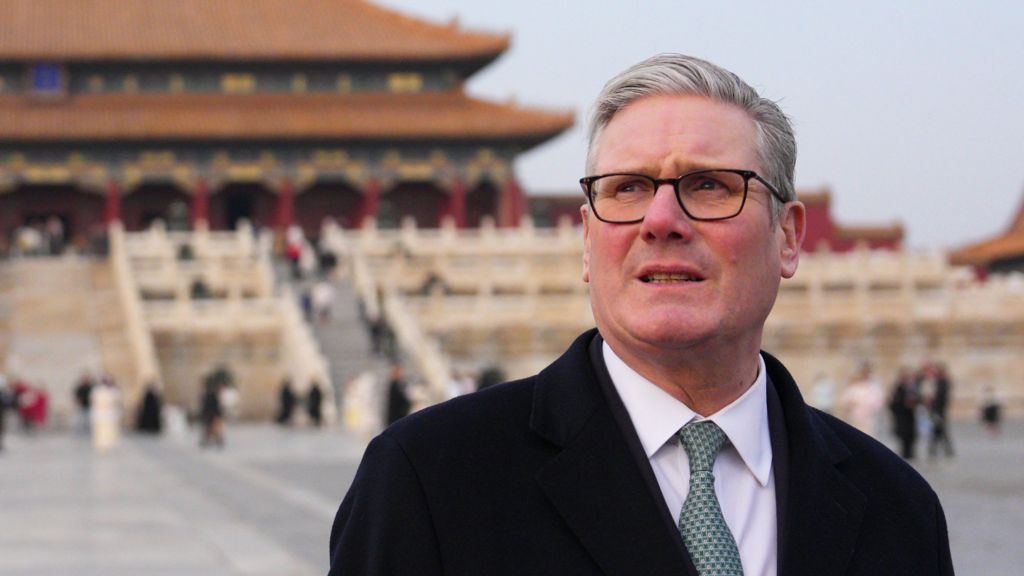
    In a landmark diplomatic engagement, British Prime Minister Sir Keir Starmer concluded a historically significant meeting with Chinese President Xi Jinping at Beijing’s Great Hall of the People, marking the first UK prime ministerial visit to China in eight years. The extensive 80-minute dialogue yielded substantial progress on multiple fronts while addressing contentious bilateral issues.

    The summit produced concrete agreements including reduced tariffs for British whisky exports, potential visa-free travel arrangements for UK citizens, and enhanced cooperation on combating irregular migration. A particularly significant outcome involves joint UK-China law enforcement efforts to disrupt criminal networks supplying small boat engines used for Channel crossings, with over 60% of these engines previously identified as Chinese-manufactured.

    President Xi characterized the relationship as having endured ‘necessary twists and turns’ while emphasizing the imperative of dialogue in today’s ‘turbulent and fluid’ global landscape. He acknowledged previous Labour governments’ contributions to Sino-British relations and invoked Chinese philosophical wisdom, urging both leaders to ‘range far your eye over long distances’ in pursuing mutually beneficial cooperation.

    The Prime Minister accompanied his diplomatic mission with a symbolic gesture—presenting President Xi with a football from the recent Premier League clash between Manchester United and Arsenal, reflecting their respective club allegiances while demonstrating cultural diplomacy.

    Despite these developments, the visit occurs amid heightened geopolitical tensions and domestic criticism. Opposition leaders have questioned the timing and substance of the engagement, with Conservative leader Kemi Badenoch advocating for alignment with nations sharing Britain’s strategic interests rather than those perceived as undermining Western economies.

  • Beijing on alert as Nipah virus spreads in India

    Beijing on alert as Nipah virus spreads in India

    Chinese health authorities have activated comprehensive monitoring protocols in response to the Nipah virus outbreak detected in India’s West Bengal region, while confirming zero domestic infections to date. The National Disease Control and Prevention Administration reported Tuesday that risk assessment measures have been intensified despite the relatively low probability of cross-border transmission.

    The Nipah virus, identified initially in Malaysia during the 1990s, represents a severe zoonotic pathogen with documented fatality rates ranging from 40% to 75% according to World Health Organization data. Transmission occurs primarily through fruit bats (the natural reservoir), pigs, and direct human-to-human contact. Clinical manifestations include high fever, respiratory distress, neurological complications, and potentially fatal encephalitis. No approved vaccines or specific antiviral treatments currently exist, with medical management limited to supportive care.

    Chinese health officials emphasized the virus’s limited environmental persistence, noting that “the risk of public exposure remains low” due to the pathogen’s vulnerability outside host organisms. Nevertheless, the administration has strengthened border surveillance capabilities, enhanced laboratory testing preparedness, and maintained strategic stockpiles of Nipah-specific nucleic acid detection kits across all provincial-level disease control centers.

    Notably, Chinese researchers have identified a promising therapeutic candidate—a repurposed COVID-19 antiviral demonstrating significant efficacy against Nipah in preliminary studies. This orally administered medication could potentially address the current treatment gap if clinical validation proves successful.

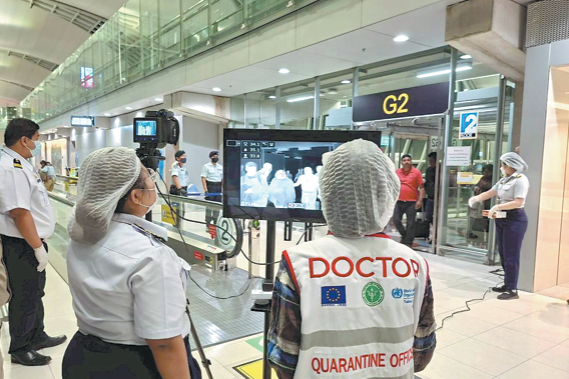
    Neighboring Asian nations have implemented coordinated response measures. Thailand’s Civil Aviation Authority instituted mandatory health screenings for travelers arriving from West Bengal, while Myanmar heightened monitoring protocols due to its substantial fruit bat populations and shared borders with affected regions. Indian health authorities confirmed successful containment of the outbreak, with all 196 identified contacts testing negative following two confirmed cases.

    The global health community continues to monitor the situation, balancing vigilance against unnecessary alarm given the outbreak’s current geographical limitation and contained status.

  • US says aid will resume while Somali officials deny causing disruption leading to suspension

    US says aid will resume while Somali officials deny causing disruption leading to suspension

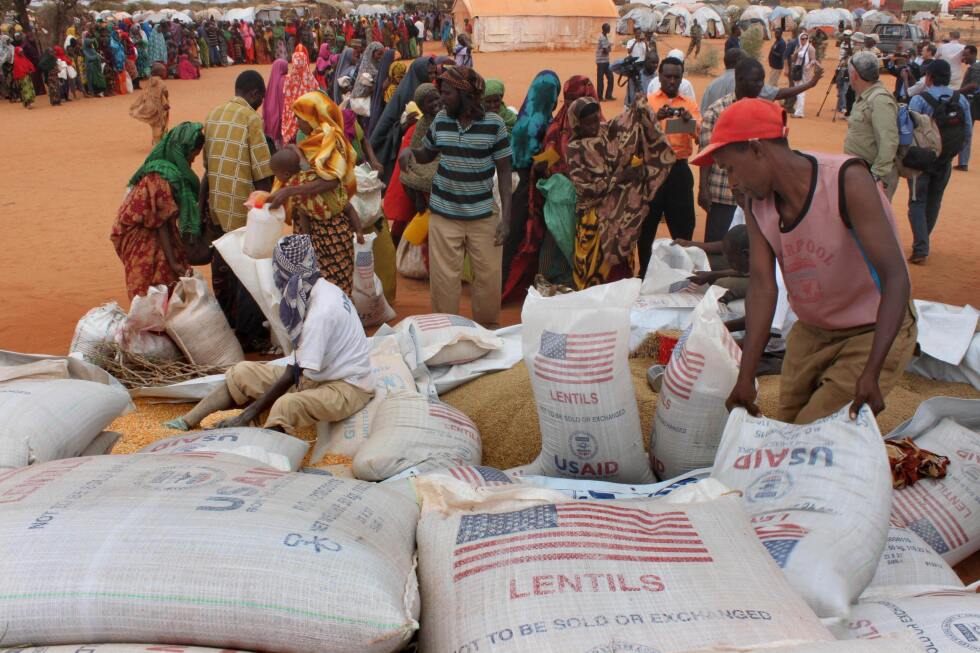
    NAIROBI, Kenya — The United States announced Wednesday the reinstatement of humanitarian assistance to Somalia’s federal government, following a temporary suspension triggered by allegations of aid operations disruption at Mogadishu’s primary port. The decision comes after American officials asserted that Somali authorities had acknowledged responsibility for incidents that compromised World Food Program (WFP) operations earlier this month.

    Despite Washington’s declaration that Somalia accepted accountability for the disturbance that led to halted aid distributions, the Somali government had not publicly confirmed this acknowledgment by Wednesday evening. Government officials remained silent when approached by The Associated Press for commentary on the development.

    The State Department’s Office of the Under Secretary for Foreign Assistance communicated through social media platform X that the United States would recommence WFP food distribution while maintaining a cautious approach toward broader assistance programs in the Horn of Africa nation. The statement emphasized the administration’s strict policy against “waste, theft, or diversion of U.S. resources.”

    The initial suspension on January 7 stemmed from claims that Somali officials demolished a U.S.-funded WFP warehouse and confiscated 75 metric tons of specialized nutritional supplies destined for malnourished children and pregnant women. While WFP confirmed the warehouse demolition, they later reported successful retrieval of the seized provisions without elaborating on recovery details.

    Somalia’s Foreign Ministry had previously rejected U.S. allegations, maintaining that port expansion activities did not compromise humanitarian aid custody or distribution mechanisms. The resumption timing for full aid deliveries remains uncertain, with WFP representatives not immediately responding to operational inquiries.

    This diplomatic episode occurs against the backdrop of heightened U.S. scrutiny toward Somali refugee and migrant communities, including fraud investigations involving childcare centers in Minnesota and intensified immigration restrictions affecting Somali nationals seeking U.S. entry or residency.

    Somalia continues to grapple with extreme poverty, prolonged civil unrest, and recurring natural disasters that have created one of the world’s most severe humanitarian crises, making international aid crucial for population survival.