作者: admin

  • Asia shares mostly gained after Wall Street wobbled over strong jobs report

    Asia shares mostly gained after Wall Street wobbled over strong jobs report

    Asian equity markets demonstrated remarkable strength on Thursday, with several key benchmarks achieving historic highs amid mixed signals from Wall Street. This bullish momentum emerged despite overnight uncertainties in U.S. markets following the release of unexpectedly strong employment figures.

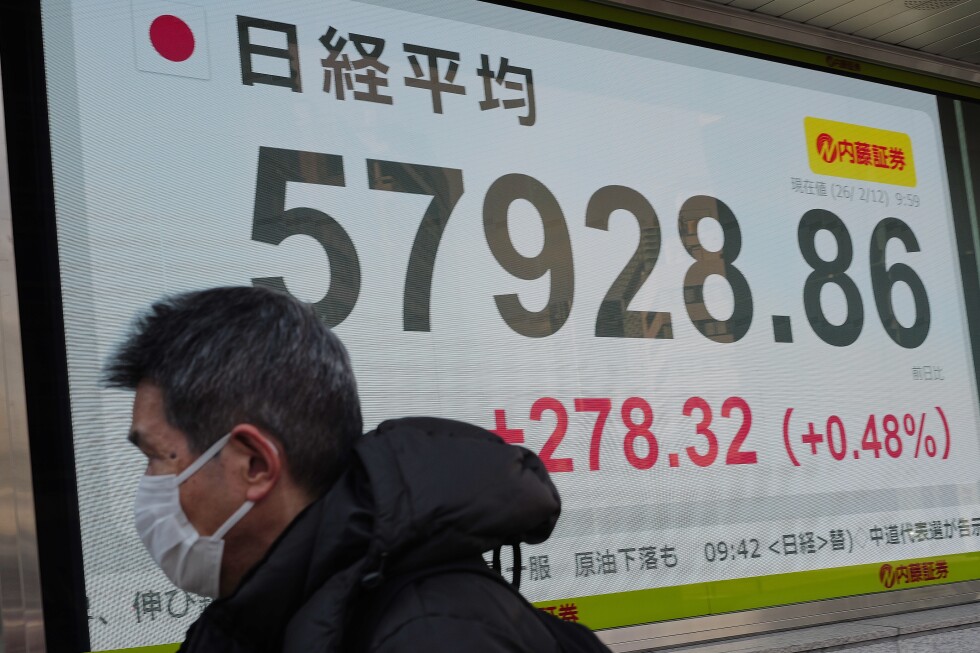
    Japan’s Nikkei 225 index spectacularly breached the 58,000 threshold during morning trading before settling at 57,748.81, representing a 0.2% gain. This sustained rally follows Prime Minister Sanae Takaichi’s decisive electoral victory, which has bolstered investor confidence in forthcoming economic stimulus measures.

    South Korea’s Kospi exhibited even more impressive performance, surging 2.5% to reach 5,485.71 and momentarily crossing the 5,500 psychological barrier. Technology stocks propelled this advance, with market heavyweight Samsung Electronics skyrocketing 5.9% and semiconductor manufacturer SK Hynix climbing 3.3%.

    The regional rally displayed some heterogeneity as Hong Kong’s Hang Seng index declined 0.9% to 27,024.06, while mainland China’s Shanghai Composite edged up marginally by 0.1% to 4,137.06. Australia’s S&P/ASX 200 posted a modest 0.3% gain, reaching 9,037.60.

    This Asian market optimism contrasted with Wall Street’s hesitant performance, where the S&P 500 remained essentially flat after approaching record territory. The Dow Jones Industrial Average retreated 0.1%, while the technology-focused Nasdaq Composite declined 0.2%.

    The market dynamics followed a blockbuster U.S. Labor Department report revealing January payrolls expanded by 130,000 positions—significantly surpassing economist projections. Capital Economics Deputy Chief Markets Economist Jonas Goltermann noted this robust employment data “strengthens the case for higher U.S. Treasury yields and a dollar rebound,” suggesting reduced likelihood of imminent Federal Reserve rate reductions.

    Individual U.S. equities exhibited varied responses: Robinhood Markets plummeted 8.8% amid cryptocurrency trading declines, Moderna dropped 3.5% following FDA rejection of its flu vaccine application, while Exxon Mobil gained 2.6% and Smurfit Westrock surged 9.9% amid commodity sector strength.

    Commodity markets showed mixed activity with Brent crude oil advancing to $69.78 per barrel and U.S. benchmark crude reaching $65.03. Precious metals faced headwinds as gold declined 0.4% and silver dropped 0.6%. Currency markets saw the U.S. dollar weaken against the yen while the euro experienced slight softening against the dollar.
  • In blunt warning, the US says Peru could lose its sovereignty to China

    In blunt warning, the US says Peru could lose its sovereignty to China

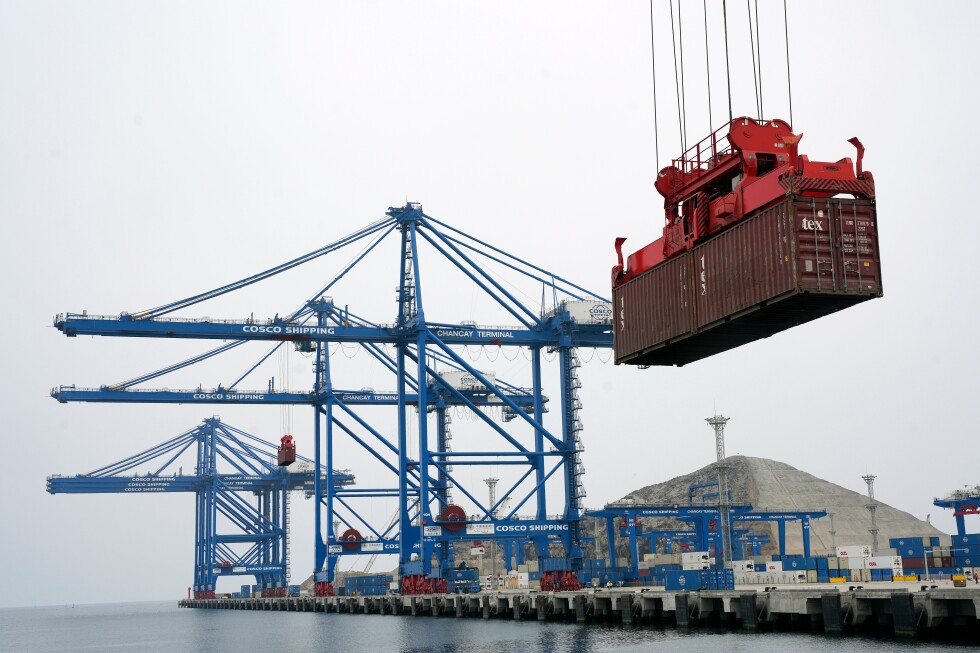
    The United States has issued a stark warning to Peru regarding potential sovereignty erosion in its oversight of a Chinese-constructed megaport, highlighting escalating geopolitical tensions in Latin America. The Trump administration expressed grave concerns following a Peruvian court decision that limited local regulatory authority over the $1.3 billion deepwater port facility in Chancay, located north of Lima.

    This strategic port development has emerged as both a symbol of China’s expanding influence across Latin America and a focal point for Washington-Beijing rivalry in the Western Hemisphere. The U.S. State Department’s Bureau of Western Hemisphere Affairs publicly cautioned that Peru risked becoming ‘powerless to oversee’ one of its largest ports under ‘predatory Chinese ownership.’

    The Chancay port represents a cornerstone of Beijing’s Belt and Road Initiative, through which Chinese state-owned financial institutions provide substantial loans for global infrastructure projects. As the deepest port in Latin America, Chancay possesses capacity to accommodate the world’s largest cargo vessels traveling between Asian and South American markets, solidifying China’s position as Peru’s dominant trading partner for over ten consecutive years.

    China’s state-owned Cosco Shipping, which holds majority ownership in the port, vehemently rejected U.S. allegations. The company asserted that the court ruling ‘in no way involves aspects of sovereignty’ and maintained that Peruvian authorities retain full jurisdiction and control over the facility. Cosco emphasized that multiple Peruvian agencies—including police, environmental regulators, and customs officials—continue to monitor port operations.

    The controversial January 29 court order restricts Peru’s national transport infrastructure regulator Ositran from exercising standard regulatory, supervisory, and sanctioning powers over Chancay port. Ositran President Verónica Zambrano announced plans to appeal the decision, noting that Cosco Shipping would become ‘the only company providing public services exempt from supervision’ despite occupying 445 acres of Peruvian territory.

    Peru’s Foreign Ministry declined commentary, while Chinese officials did not respond to requests for statement. The diplomatic exchange occurs amid broader U.S. efforts to counter China’s growing hemispheric influence through substantial loans and trade relationships.

  • Signs US-China ties warmer after Trump-Xi call as tech curbs loom

    Signs US-China ties warmer after Trump-Xi call as tech curbs loom

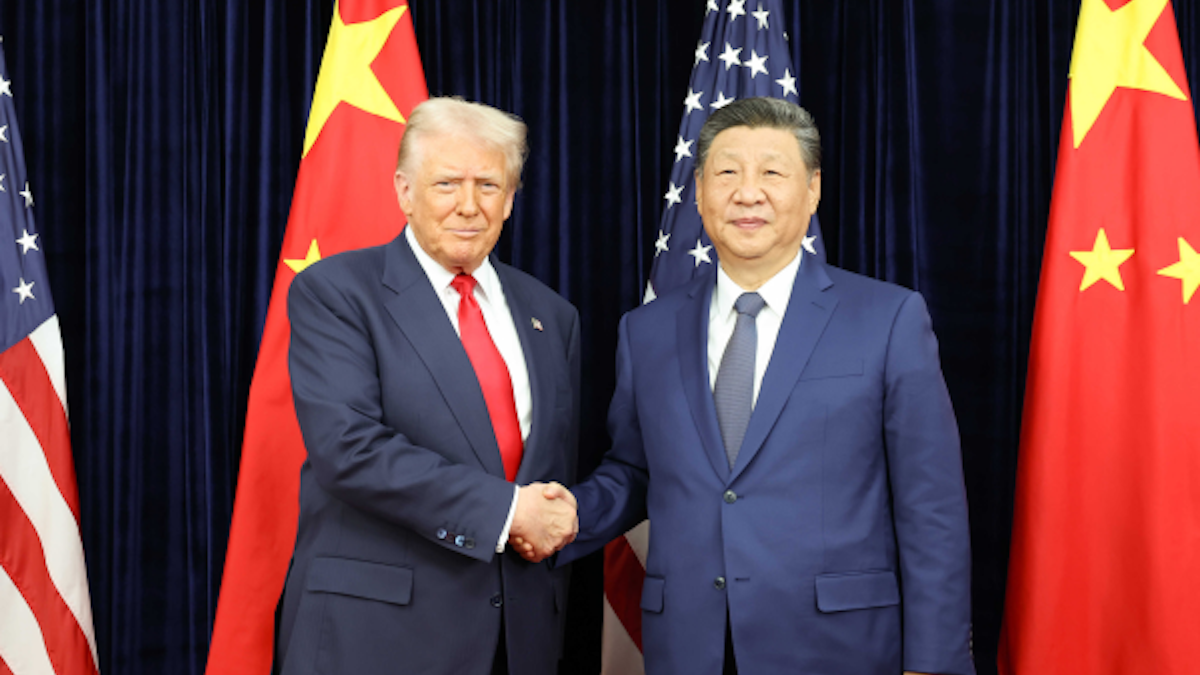
    The geopolitical landscape between the United States and China has entered a period of calculated stability, according to recent assessments from U.S. Treasury Secretary Scott Bessent. Following a comprehensive two-hour diplomatic exchange between President Donald Trump and Chinese President Xi Jinping, bilateral relations are now characterized as “productive” and positioned in “a very comfortable place.”

    During his official visit to São Paulo, Brazil, Secretary Bessent articulated America’s refined approach toward China: “We are going to be rivals, but we want the rivalry to be fair. We do not want to decouple from China, but we do need to de-risk.” This statement signals a strategic pivot from complete separation to managed competition, with particular emphasis on reclaiming sovereignty in critical sectors including semiconductors, essential minerals, and pharmaceutical supplies—industries where vulnerabilities in U.S. supply chains became starkly evident during the COVID-19 pandemic.

    The Treasury Secretary expressed confidence in American technological supremacy, particularly in artificial intelligence, while simultaneously addressing trade imbalances: “In the long run, China must rebalance. The world cannot have a situation where China persistently runs a US$1 trillion trade surplus.”

    This diplomatic thaw follows significant tensions from October 2025, when China’s imposition of sweeping export controls on rare earth minerals prompted President Trump to threaten additional 100% tariffs on Chinese imports. Both nations subsequently engaged in de-escalation efforts, culminating in their October 30 face-to-face meeting in South Korea.

    Recent developments indicate tangible progress, with China fulfilling approximately 90% of its commitments on rare earth magnet supplies and purchasing 12 million metric tons of American soybeans. President Trump’s February social media statement revealed further agricultural negotiations, with China considering increased soybean purchases up to 25 million tons for the coming season.

    Analysts from Eurasia Group suggest China’s agricultural procurement strategy serves dual purposes: bolstering Trump’s political standing among rural voters ahead of midterm elections while creating favorable conditions for April’s anticipated Xi-Trump summit. The semiconductor industry has already witnessed policy adjustments, with the Trump administration approving exports of Nvidia’s H200 GPUs to China.

    The February 4 leadership call notably addressed multiple geopolitical flashpoints including Taiwan, the Russia-Ukraine conflict, and Iran’s regional activities. Chinese commentators observed the timing coincided strategically with the expiration of the New START nuclear treaty, positioning China as a stabilizing force in great power relations.

    While the current atmosphere reflects improved diplomatic tones, analysts emphasize that sustained progress will require concrete actions beyond rhetorical assurances, particularly regarding Taiwan and trade practices.

  • Some key figures about Bangladesh’s parliamentary election

    Some key figures about Bangladesh’s parliamentary election

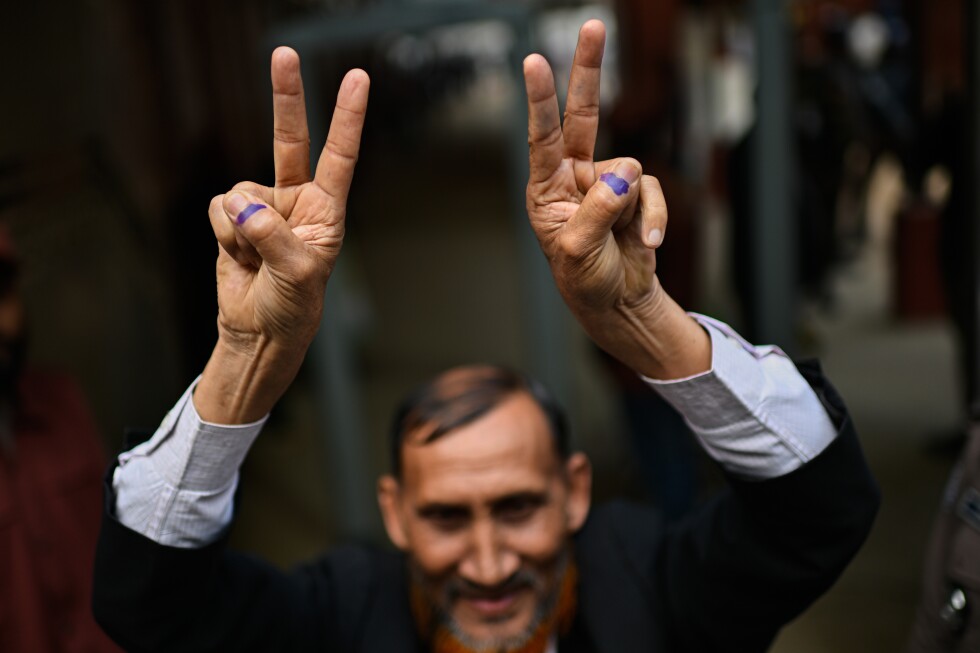
    DHAKA, Bangladesh — The nation of Bangladesh is undergoing a transformative parliamentary election that could redefine its political trajectory following years of instability. This landmark vote marks the first electoral test since the 2024 uprising that unseated former Prime Minister Sheikh Hasina through mass protests.

    With approximately 170 million citizens, Bangladesh has mobilized its massive electorate of 127 million eligible voters—including 5 million first-time participants—across 42,779 polling stations. Official statistics reveal a diverse electorate: 64.8 million male voters, 62.9 million female voters, and 1,234 transgender voters. Young voters, who played instrumental roles in the 2024 demonstrations, are anticipated to significantly influence the outcome.

    The interim administration under Nobel Peace Prize laureate Muhammad Yunus has deployed 800,000 electoral officials alongside 900,000 security personnel to ensure electoral integrity. International oversight includes 500 foreign observers and journalists from organizations including the European Union and Commonwealth.

    The electoral contest features 2,028 candidates competing for 299 of the 350 parliamentary seats (polling in one constituency was postponed following a candidate’s death). The political landscape has shifted dramatically with the banning of Hasina’s Awami League, creating a predominantly two-way contest between the Bangladesh Nationalist Party (BNP) and an 11-party alliance led by Jamaat-e-Islami, the country’s largest Islamist party.

    BNP’s Tarique Rahman, son of former Prime Minister Khaleda Zia, emerges as a potential governing leader. The alliance includes the newly formed National Citizen Party (NCP), established by student leaders from the 2024 uprising.

    This election represents the 13th since Bangladesh’s 1971 independence and follows three controversial elections under Hasina (2014, 2018, 2024) that faced widespread allegations of rigging and opposition boycotts. Under Bangladesh’s first-past-the-post system, any party or coalition must secure 151 seats to form a government for the standard five-year term.

  • Russia moves to block WhatsApp in messaging app crackdown

    Russia moves to block WhatsApp in messaging app crackdown

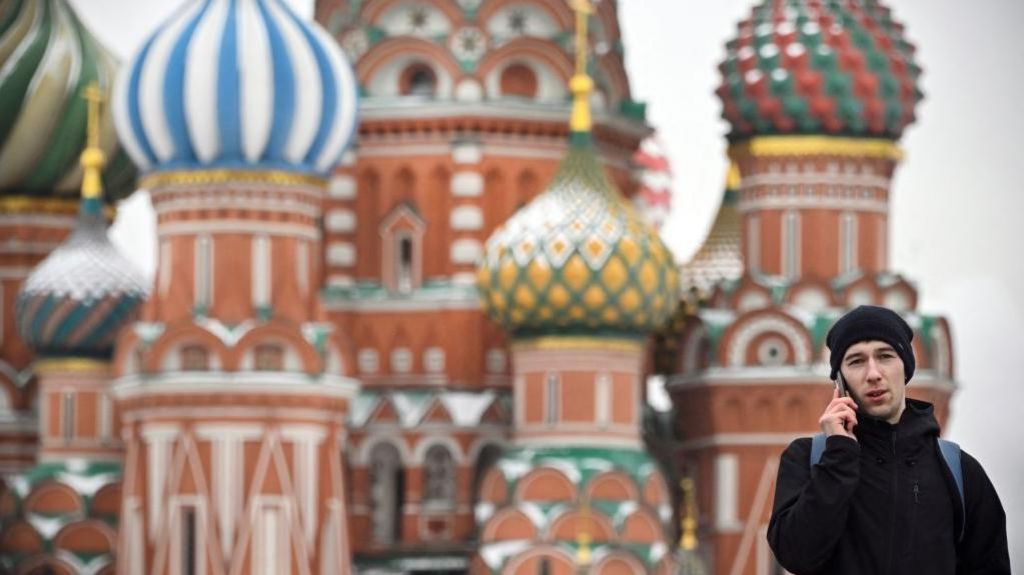
    In a significant escalation of Russia’s digital sovereignty campaign, authorities are moving to comprehensively restrict WhatsApp operations within the country. The Meta-owned messaging platform confirmed these developments, characterizing the action as a deliberate strategy to compel over 100 million Russian users toward a government-developed alternative application.

    The confrontation follows similar restrictions imposed on Telegram, another major messaging service with comparable usership in Russia. Officials justified these measures by citing security concerns and non-compliance with data localization regulations mandating that Russian citizens’ information be stored within national borders.

    WhatsApp issued an official statement condemning the proposed blockade: ‘Attempting to isolate over 100 million users from private and secure communication represents a regressive approach that ultimately compromises safety for Russian citizens. Our commitment remains steadfast in maintaining reliable connectivity for all users.’

    Russian regulatory body Roskomnadzor has repeatedly warned WhatsApp regarding compliance with national legislation. Earlier reports from state-owned Tass Media indicated expectations of a permanent WhatsApp blockade by 2026. Andrei Svintsov, a Russian official, defended these measures as ‘absolutely justified’ given Meta’s designation as an extremist organization in 2022, which previously resulted in blocks against Instagram and Facebook.

    The government’s preferred alternative is Max, a state-developed communications platform that combines messaging functionality with government services. Unlike WhatsApp’s end-to-end encryption model, Max operates without similar privacy protections, drawing comparisons to China’s WeChat super-app ecosystem.

    Since 2025, Russian regulations have mandated Max pre-installation on all new devices sold domestically. The platform has become compulsory for public sector employees, educators, and students nationwide.

    Telegram CEO Pavel Durov, himself Russian-born, criticized these developments as state-enforced migration toward surveillance-capable platforms. He referenced Iran’s similar unsuccessful attempt to mandate state-run messaging alternatives, noting that citizens typically find technological workarounds for such restrictions. Durov emphasized that ‘restricting citizens’ freedom is never the appropriate solution.’

    The situation represents the latest chapter in Russia’s ongoing effort to establish digital autonomy through import substitution policies and heightened internet sovereignty measures.

  • Principal shot in Thailand school siege dies of injuries

    Principal shot in Thailand school siege dies of injuries

    A tragic school siege in southern Thailand has culminated in the death of Principal Sasiphat Sinsamosorn, who succumbed to injuries sustained during the attack. The incident unfolded at Phatong Prathan Keeriwat School near Hat Yai when an 18-year-old assailant entered the premises shortly before 5:00 PM local time on Wednesday.

    The two-hour standoff resulted in multiple casualties, including a female student who remains hospitalized in stable condition. Another student sustained an ankle injury after jumping from a window to escape the violence. Law enforcement authorities successfully apprehended the teenage gunman following tense negotiations, though the precise motive behind the attack remains under investigation. Preliminary reports from local media suggest the suspect may have harbored personal grievances against school staff.

    In an emotional Facebook statement, the school community expressed profound grief over Principal Sinsamosorn’s passing, noting that ‘the memories and kindness she left behind will forever remain in our hearts.’

    This incident highlights Thailand’s ongoing struggle with gun violence, where widespread legal and illegal firearm ownership has contributed to several deadly shooting incidents in recent years. The country has witnessed particularly devastating attacks, including the 2023 Bangkok mall shooting that left two dead and five injured, and the 2022 kindergarten massacre that claimed 36 lives, predominantly children.

    The latest school shooting renews concerns about public safety and institutional security measures in educational environments across Thailand.

  • Seattle reaches $29M settlement with family of grad student from India struck and killed by officer

    Seattle reaches $29M settlement with family of grad student from India struck and killed by officer

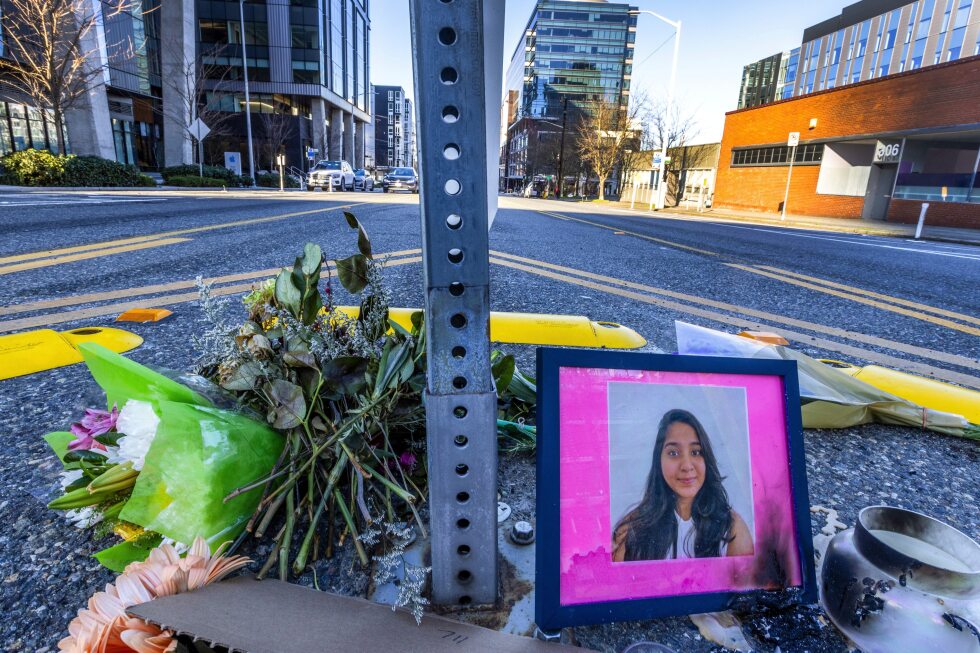
    The City of Seattle has agreed to a $29 million legal settlement with the family of Jaahnavi Kandula, a 23-year-old Indian graduate student who was fatally struck by a speeding police vehicle in 2023. The resolution comes after months of investigation and public outcry over the circumstances surrounding her death.

    Officer Kevin Dave was responding to a drug overdose call when his patrol car traveling at 74 mph in a 25 mph zone struck Kandula as she crossed a street in a marked crosswalk. While the officer had activated emergency lights and used his siren at intersections, the excessive speed proved catastrophic.

    The case gained international attention when body camera footage revealed police union representative Daniel Auderer making insensitive remarks about Kandula’s death, suggesting her life had “limited value” and that the city should “just write a check.” These comments prompted formal diplomatic inquiries from Indian officials and widespread community protests.

    Both officers involved have since been terminated from the Seattle Police Department. Auderer has filed a wrongful termination lawsuit claiming his comments were misinterpreted as criticism of legal proceedings rather than disregard for human life. Prosecutors declined to file felony charges against Dave, citing insufficient evidence of deliberate safety disregard.

    City Attorney Erika Evans acknowledged the profound impact of Kandula’s death, stating: “Jaahnavi Kandula’s life mattered. It mattered to her family, her friends and to our community.” Approximately $20 million of the settlement will be covered by the city’s insurance policy.

    Kandula was pursuing a master’s degree in information systems at Northeastern University’s Seattle campus at the time of her death. The settlement notice was formally filed in King County Superior Court last Friday.

  • Restaurant Review: Helios delivers Mediterranean comfort by the sea

    Restaurant Review: Helios delivers Mediterranean comfort by the sea

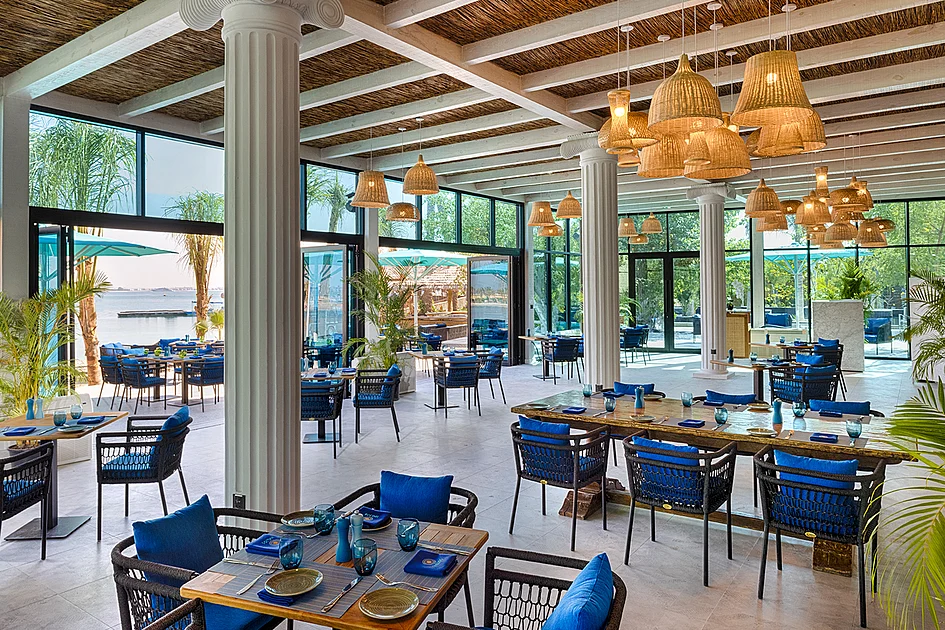
    Nestled along the pristine shoreline of Anantara World Islands Dubai Resort, Helios has emerged as a transformative culinary destination that masterfully captures the unhurried essence of Aegean coastal living. This Mediterranean sanctuary redefines the dining experience through its artful combination of authentic flavors, breathtaking vistas, and deliberately measured pacing that encourages guests to fully immerse themselves in the moment.

    The restaurant’s architectural design enhances its coastal charm, featuring whitewashed interiors that seamlessly transition to an expansive beach terrace. This carefully crafted environment offers panoramic views where the Arabian Gulf’s shimmering waters meet Dubai’s iconic skyline, creating a visually stunning backdrop for both daytime lunches and evening dining experiences.

    Helios’ culinary philosophy centers on Mediterranean comfort food executed with precision and respect for quality ingredients. The burrata starter demonstrates this approach through its sophisticated composition of creamy cheese, heirloom tomatoes, ripe peaches, and roasted pine nuts, elevated by a balsamic reduction and subtle hot honey accent. Similarly, the fried calamari achieves perfection in its textural contrast—featuring a light, crisp coating that gives way to tender squid, complemented by fresh lemon and house-made tartar sauce.

    As daylight fades into evening, the restaurant transitions into a seafood-focused dinner service. The whole seabass stands as a signature dish, showcasing the kitchen’s technical prowess with its perfectly cooked flesh accompanied by sweet caper cream sauce, crispy potatoes, and smoked eggplant. This dish exemplifies Helios’ ability to balance richness with refinement, creating deeply satisfying yet sophisticated flavor profiles.

    The menu comprehensively covers Mediterranean classics, including grilled meats, fresh seafood selections, house-made pastas, and artisanal pizzas—all designed for sharing and prolonged enjoyment. Service mirrors the establishment’s overall philosophy, striking an ideal balance between attentiveness and discretion while maintaining genuine warmth throughout the dining experience.

    With an overall rating of 8.5/10, Helios distinguishes itself not merely as a restaurant but as a temporal escape where excellent food, stunning surroundings, and deliberate pacing converge to create memorable culinary moments.

  • KT LUXE to host inaugural healthy ageing summit with OMICS partnership

    KT LUXE to host inaugural healthy ageing summit with OMICS partnership

    Dubai is poised to become the epicenter of the global healthy aging conversation as KT LUXE, the premium lifestyle division of Khaleej Times, announces its inaugural Healthy Ageing Summit scheduled for May 21, 2026. The landmark event will convene at the Mandarin Oriental on Jumeirah Beach Road, bringing together pioneering experts across science, medicine, technology, finance, and lifestyle design to fundamentally redefine what it means to age well in the modern era.

    The summit represents a strategic expansion for KT LUXE beyond editorial content into premium live experiences, marking a significant milestone in the platform’s evolution. Unlike traditional longevity discussions focused merely on extending lifespan, this gathering will prioritize healthspan enhancement—the quality of healthy years lived—through innovative approaches that bridge cutting-edge research with practical applications.

    A cornerstone of the event is the exclusive partnership with OMICS Precision Health Centre, a leader in translational geroscience and healthspan medicine. This collaboration will feature the KT LUXE x OMICS Healthspan Circuit, offering VIP delegates advanced diagnostics, biomarker analysis, and personalized health insights designed to optimize long-term wellbeing.

    Charles Yardley, Chief Executive Officer of Khaleej Times, emphasized the summit’s significance: “Healthy ageing transcends wellness trends—it represents a profound societal, financial, and lifestyle shift. Through this summit, KT LUXE is committed to leading this critical dialogue with depth, credibility, and purpose.”

    Dr. Mishkat Shehata, Chief Medical Officer at OMICS, elaborated on their approach: “Merely extending lifespan without improving quality of life is insufficient. Our focus is on combining deep biomarker insights with clinical medicine and cutting-edge technology to help patients lead healthier, more fulfilling lives for longer.”

    The curated program will feature six content tracks spanning regenerative medicine, preventive clinics, consumer health technology, human performance optimization, healthspan-focused financial planning, and the role of mental health in longevity. Jan Gerber, founder of Paracelsus Recovery, highlighted the psychological dimension: “Chronic stress, loneliness, and untreated psychological suffering age us faster than any disease. Healthy ageing begins in the mind, not the mirror.”

    The agenda will include keynote presentations, expert panels, fireside conversations, and curated roundtables featuring globally recognized experts alongside regional leaders. Confirmed participants include healthspan thought leader Dr. Mishkat Shehata, local businessman Jason Hellowell sharing patient experiences, and UK-based holistic wellness practitioner Monica Thompson-Mayali.

    Ted Kemp, Chief Content Officer at Khaleej Times, noted: “We’re creating a platform where science, innovation, and lived experience converge to help people think more proactively about how they age.” Attendance is limited to high-net-worth individuals, C-suite executives, family office principals, senior decision-makers, and healthcare leaders, with tickets available in limited quantities.

  • Al Bandar Rotana and Al Bandar Arjaan by Rotana launch private indoor plunge pool suites

    Al Bandar Rotana and Al Bandar Arjaan by Rotana launch private indoor plunge pool suites

    In a groundbreaking move for urban hospitality, Al Bandar Rotana and Al Bandar Arjaan by Rotana have unveiled an exclusive collection of private indoor plunge pool suites, set to welcome guests from February 2026. This innovative concept represents Dubai’s first accommodation offering featuring climate-controlled private pools within suite environments, creating a year-round luxury experience above the waters of Dubai Creek.

    The architectural design incorporates floor-to-ceiling windows that frame panoramic views of both the tranquil creek waters and Dubai’s dynamic skyline, merging serene natural elements with urban energy. Each suite has been meticulously crafted to blend residential comfort with five-star service, providing an intimate urban escape specifically designed for couples, families, and discerning travelers seeking exceptional privacy without leaving the city center.

    Ayman Ashor, General Manager of both properties, explained the vision behind the project: ‘We approached this initiative with a clear intention to create unprecedented privacy and emotional connection rarely found in urban hotel settings. Every suite was conceived as a complete private experience rather than merely a room, with careful attention to spatial proportions and plunge pool placement to deliver a truly unique stay.’

    The crown jewel of the collection is the Al Ain Skyline Suite, featuring an indoor private pool complemented by a Jacuzzi and expansive living areas. This flagship accommodation offers breathtaking Creek views and represents the most exclusive offering across both properties.

    Guests booking these premium suites will receive Club Rotana privileges including access to a private lounge, personalized services, and enhanced dining benefits. The strategic location along Dubai Creek provides convenient access to business districts, cultural landmarks, and leisure destinations, positioning these suites as a sophisticated urban alternative to traditional resort villas.

    This launch establishes a new benchmark for city-based luxury accommodations, reinforcing the properties’ status as premier destinations for intimate experiences in Dubai. Reservations are currently being accepted for stays commencing February 2026.