作者: admin

  • Talks ramp up to avert US government shutdown after Minneapolis shooting

    Talks ramp up to avert US government shutdown after Minneapolis shooting

    Washington D.C. finds itself embroiled in intense budgetary negotiations as lawmakers race against the clock to prevent a potential federal government shutdown. The political standoff centers on Democratic demands for substantial reforms within the Department of Homeland Security (DHS) following the controversial fatal shooting of 37-year-old nurse Alex Pretti by federal immigration agents in Minneapolis.

    Democratic legislators are leveraging their position to withhold support from the comprehensive $1.2 trillion spending package unless significant oversight measures are incorporated. These proposed restrictions would mandate federal agents to obtain warrants before making arrests and establish clearer identification protocols during operations. The White House and Senate Democratic leadership appear to be converging on an agreement that would address these security concerns while avoiding complete governmental paralysis.

    The current strategy under discussion would involve passing five of the six spending bills before Friday’s midnight deadline while granting DHS a temporary funding extension. This approach would provide additional negotiation time for implementing proposed operational changes, including regulations surrounding agents’ use of masks during operations.

    Senate Minority Leader Chuck Schumer has taken a firm stance, declaring, “I will vote no on any legislation that funds ICE until it is reined in and overhauled,” emphasizing that Senate Democrats remain “overwhelmingly united on this issue.” This position has been further reinforced by escalating demands from some Democratic senators calling for DHS Secretary Kristi Noem’s removal and structural changes to both Immigration and Customs Enforcement (ICE) and US Border Patrol.

    Republican Senate Majority Leader John Thune has characterized the ongoing negotiations as “productive,” though Texas Senator John Cornyn has cautioned that “any changes must not come at the expense of shutting down the government.”

    The potential shutdown would not affect the entire federal government, as legislation has already been enacted to fund numerous agencies through September 30, 2026. However, critical departments including Defense, Health and Human Services, Treasury, and the federal court system would face operational disruptions. The Internal Revenue Service would also be impacted, potentially delaying tax processing and refund distributions.

    Essential employees within affected agencies would continue working without pay until funding is restored, mirroring arrangements made during previous shutdowns. The most recent government closure in late 2025 lasted 43 days—the longest in U.S. history—leaving approximately 1.4 million federal employees without compensation and severely disrupting air travel and food assistance programs nationwide.


  • A pre-Olympic treat for the US women’s bobsled and skeleton teams: They got their hair done

    A pre-Olympic treat for the US women’s bobsled and skeleton teams: They got their hair done

    In an unconventional approach to Olympic preparation, the U.S. women’s bobsled and skeleton team has incorporated professional hairstyling into their final training regimen ahead of the Milan Cortina Games. While typically focused on physical conditioning and strategic planning, the athletes recognized the psychological benefits of self-care during their extended European training camp that began in November.

    Five-time Olympic bobsled medalist Elana Meyers Taylor initiated the unique arrangement, recalling hairstylist Jessica Sinclair from her time in California. Despite never having visited Europe and possessing minimal knowledge of sliding sports, Sinclair immediately accepted the unusual booking request, traveling from California to Austria with her equipment.

    The comprehensive styling services benefited all six U.S. women’s bobsled competitors—Meyers Taylor, Kaillie Humphries Armbruster, Kaysha Love, Azaria Hill, Jasmine Jones, and Jadin O’Brien—along with skeleton athletes Kelly Curtis and Mystique Ro. Treatments ranged from haircuts and trims to conditioning and coloring, with many athletes sharing their transformed looks on social media platforms.

    Meyers Taylor emphasized the psychological significance beyond mere aesthetics: ‘A major part of being a woman isn’t necessarily trying to look good for other people. You want to be able to look in the mirror and say, ‘Hey, I feel good, I look good.’ After months of maintaining fundamentals through winter, this opportunity to feel pretty again makes a substantial difference.’

    The timing proved particularly strategic as athletes prepared for Olympic processing, where official photographs would be taken. Though helmets conceal hairstyles during competition, the mental refresh provided by professional grooming offered valuable psychological preparation for the world’s premier sporting stage.

    Sinclair’s versatility with diverse hair types made her particularly valuable to the team. ‘She can do Black people’s hair, white women’s hair—Jessica is a jack of all trades,’ Meyers Taylor noted. The stylist’s brief European immersion included her first viewing of a sliding track, and she anticipates cheering for her Olympic clients when competition begins next month.

  • Power, pace and financial muscle: How Premier League sides are ruling Europe

    Power, pace and financial muscle: How Premier League sides are ruling Europe

    English football clubs are demonstrating unprecedented supremacy in European competitions, with a remarkable five Premier League teams—Arsenal, Liverpool, Tottenham, Manchester City, and Chelsea—securing direct advancement to the Champions League knockout phase. Newcastle United, while requiring a playoff, has similarly impressed during group stage performances. This collective achievement underscores a significant shift in continental football dynamics, with English sides outperforming their domestic league win percentages on the European stage.

    The foundation of this dominance extends beyond the pitch to substantial economic advantages. Premier League clubs benefit from television rights agreements that far exceed those of other European leagues, creating a formidable financial disparity. Recent data from Deloitte’s Football Money League reveals that nine of the world’s top twenty revenue-generating clubs are English, with five Champions League participants ranking in the top ten. This economic muscle facilitated record-breaking summer transfers exceeding £3 billion—surpassing the combined expenditures of Europe’s other major leagues.

    This financial strength enables Premier League teams to develop exceptionally deep squads capable of thriving within football’s demanding schedule. The physical intensity and technical pace exhibited by English sides have proven particularly challenging for continental opponents. Arsenal’s decisive victory against Inter Milan with a secondary lineup exemplifies the qualitative depth available to Premier League clubs, with Inter’s coach acknowledging superior intensity and technique from the English side.

    Paradoxically, this European success contrasts with inconsistent domestic performances from several clubs, suggesting the Premier League’s internal competition may be even more challenging than continental fixtures. Players note the league’s uniquely physical nature, describing matches as relentless athletic contests where winning individual duels frequently determines outcomes.

    Despite current dominance, historical patterns suggest European powerhouses like Real Madrid, Bayern Munich, and Paris Saint-Germain remain formidable obstacles in later tournament stages. While financial resources and squad depth provide significant advantages, the ultimate test of Premier League supremacy will be whether this group-stage dominance translates into Champions League trophies, of which English clubs have claimed only three in the past thirteen seasons.

  • Stirring the wok: a Black chef’s journey into Chinese cuisine

    Stirring the wok: a Black chef’s journey into Chinese cuisine

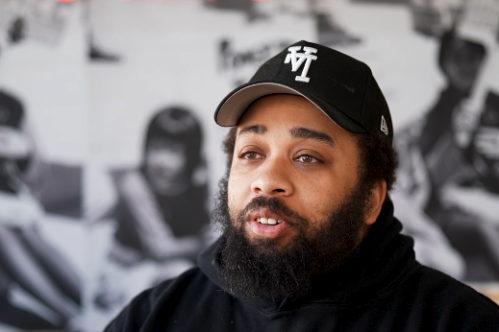
    In an inspiring culinary journey that transcends cultural boundaries, Chef Kurt Evans is revolutionizing Chinese cuisine from his Philadelphia kitchen. Defying conventional expectations, the African-American chef has assumed leadership of a Chinese restaurant, creating a unique fusion that honors both traditions while building bridges between communities.

    Evans’ approach represents a radical departure from traditional Chinese cooking techniques. He masterfully incorporates ingredients reflective of his own heritage into classic Chinese dishes, creating innovative flavor profiles that speak to both cultures. His culinary philosophy centers on food as a powerful medium for connection—transforming each meal into a conversation starter and celebration of shared human experiences.

    From the vibrant streets of Philadelphia to the intense heat of the wok, Evans has developed a distinctive cooking style that respects Chinese culinary traditions while fearlessly innovating. His restaurant has become more than just a dining establishment; it serves as a cultural meeting point where diverse communities converge through their shared appreciation for transformed familiar dishes.

    This groundbreaking culinary venture challenges industry norms and demonstrates how food can break down cultural barriers. Evans’ journey from traditional cooking to leading a Chinese kitchen showcases how personal heritage and professional expertise can blend to create something entirely new and meaningful in the culinary landscape.

  • Trump terror policy massively expands US list of bad guys

    Trump terror policy massively expands US list of bad guys

    In a dramatic shift from established norms, the Trump administration has executed the most substantial expansion of the US Foreign Terrorist Organization (FTO) list since its inception in 1997. Within the first year of his second term, President Trump has designated 26 new groups as terrorist organizations—a staggering increase compared to the historical average of approximately two additions annually.

    The FTO list now exceeds 90 designated groups, surpassing the previous peak of 60 during the Islamic State’s dominance in the mid-2010s. This designation carries severe consequences: providing material support to listed groups becomes a felony offense, financial institutions must freeze associated assets, and alleged associates face entry bans or deportation from the United States.

    Most controversially, the administration has expanded the terrorist designation beyond traditional ideological groups to include numerous drug cartels and criminal organizations. Groups such as Mexico’s Sinaloa cartel, Haiti’s Gran Grif, and Ecuador’s Los Lobos now appear alongside organizations like Iran’s Revolutionary Guard Corps, which continues to direct international attacks.

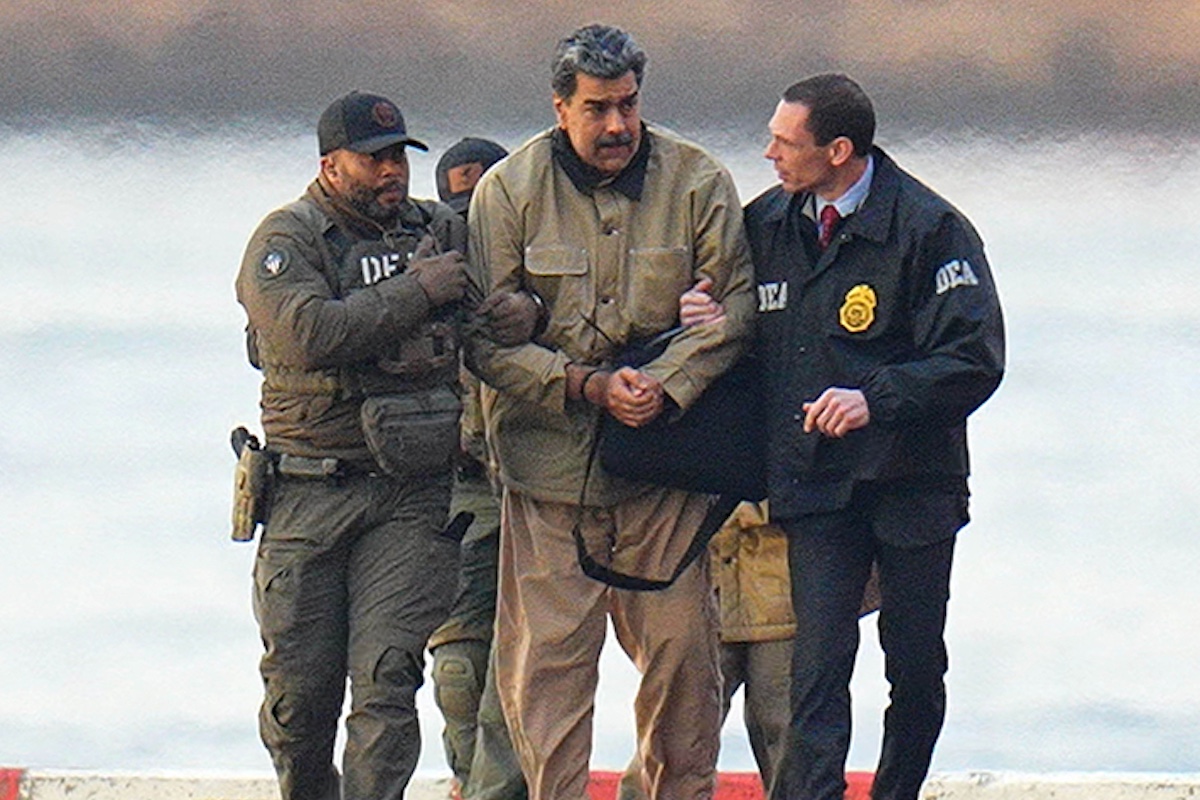
    This policy shift has enabled military actions traditionally reserved for counterterrorism operations. The administration has conducted 35 missile strikes against alleged drug trafficking operations, resulting in approximately 120 casualties. These actions culminated in the January overthrow of Venezuelan President Nicolas Maduro, whom the administration accused of leading the Cartel de los Soles—though the Justice Department subsequently dropped claims of the cartel’s existence just two days after his capture.

    The expansion has created significant strain on enforcement resources and drawn criticism from analysts who question the strategic wisdom of applying counterterrorism frameworks to criminal organizations. Research indicates that such approaches often backfire, potentially increasing violence rather than containing it.

    Notably, this transformation represents a decoupling from traditional US allies on counterterrorism policy. While historically following US designations, major allies including the United Kingdom and Australia have declined to similarly expand their terrorist lists to include criminal organizations. Instead, some allies have focused on designating far-right extremist networks—a category conspicuously absent from the US expansion.

    The policy shift reflects broader changes in US foreign policy alignment, with only a few Trump-aligned Latin American countries and Canada (reportedly for trade considerations) following the US lead in designating cartels as terrorist organizations.

  • Watch: CCTV captures moment mayor hit in rocket launcher attack in the Philippines

    Watch: CCTV captures moment mayor hit in rocket launcher attack in the Philippines

    Security cameras captured a shocking assassination attempt in the Philippines as a local mayor narrowly escaped death after assailants targeted his vehicle with a rocket-propelled grenade. The brazen attack occurred in full public view, underscoring the volatile security situation facing local officials in certain regions.

    The footage shows the official’s convoy moving through an urban area when suddenly an explosion rocks the lead vehicle. Bystanders scatter in panic as smoke and debris fill the air. Security personnel immediately respond to secure the area and transport the mayor to safety.

    This incident represents one of the most audacious attacks on a public official in recent memory, demonstrating the sophisticated weaponry now being employed by attackers. Philippine authorities have launched a full-scale investigation into the attack, which they believe may be connected to ongoing political tensions or anti-drug operations that have made local officials targets for violence.

    The attack has raised serious concerns about the safety of public servants and the escalating arms race between law enforcement and criminal elements. Officials have vowed to enhance security protocols for government personnel while pursuing those responsible for this act of terrorism.

  • Europa League games underway as teams honor PAOK fans who died in crash

    Europa League games underway as teams honor PAOK fans who died in crash

    BIRMINGHAM, England — The stage is set for a dramatic conclusion to the UEFA Europa League’s opening phase this Thursday, with six direct berths to the round of 16 on the line. In a format mirroring the Champions League, all 36 teams will compete simultaneously in the final 18 matches of this stage.

    Only two clubs, Olympique Lyonnais and Aston Villa, have already secured their progression to the last 16, both sitting tied at the summit of the standings with identical records of six victories and a single defeat. This leaves eleven teams vying for the five remaining automatic qualification spots, while the intricate standings will determine which clubs must navigate a two-leg playoff.

    The simultaneous kick-offs promise high-stakes drama across Europe. Key fixtures include Lyon hosting PAOK Thessaloniki and Aston Villa facing FC Salzburg at Villa Park. In a critical match for Bundesliga side SC Freiburg, who trail the group leaders by a mere point, a draw against LOSC Lille would be sufficient to advance. AS Roma, currently in sixth, faces an away test against Panathinaikos, while Nottingham Forest takes on Ferencváros at the City Ground.

    Further down the table, Celtic occupies the final qualifying position and will battle it out with already-eliminated FC Utrecht. Scottish rivals Rangers are also out of contention for the knockout stages.

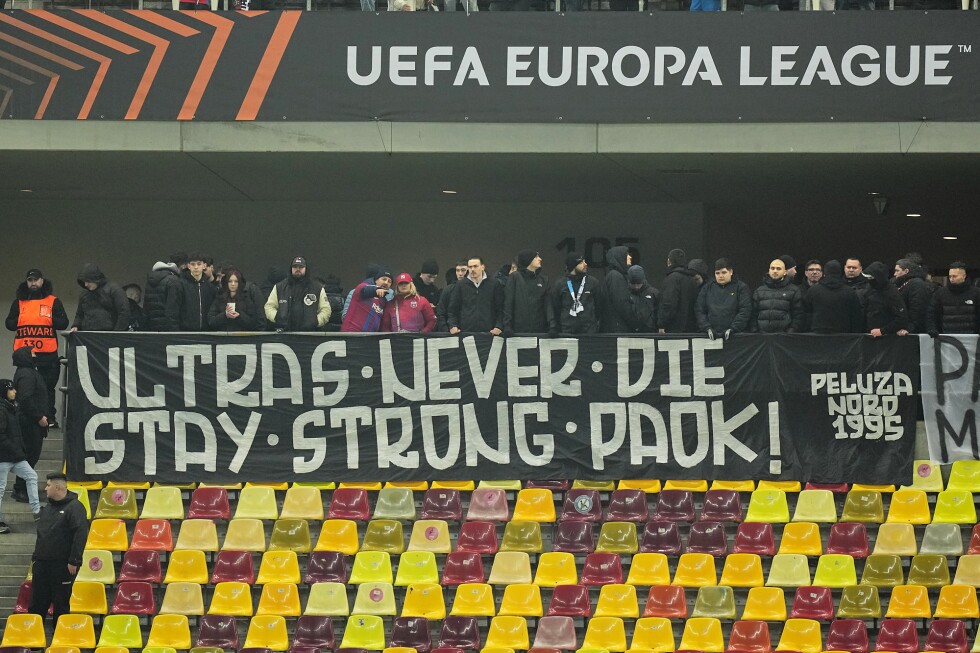
    Amidst the sporting competition, a somber note was struck across stadiums to honor seven PAOK fans who tragically lost their lives in a minibus accident in Romania while traveling to support their team. Lyon expressed its profound condolences, and moments of silence were observed at matches in France and Greece, including at the Groupama Stadium in Lyon and in Athens during the Panathinaikos vs. Roma fixture. Players in the Lille-Freiburg match also participated in a round of applause to pay respects to the victims, as confirmed by UEFA.

  • 11 dead in South Africa minibus and truck collision days after similar crash killed 14 children

    11 dead in South Africa minibus and truck collision days after similar crash killed 14 children

    South African authorities are confronting a severe road safety emergency following another catastrophic collision that resulted in multiple fatalities. On Thursday, a head-on impact between a minibus taxi and a truck near Durban in KwaZulu-Natal province claimed at least 11 lives, including one schoolchild, with several others sustaining critical injuries.

    According to provincial transport official Siboniso Duma, preliminary investigations suggest the truck driver attempted an illegal U-turn, leading to the direct collision. Garrith Jamieson of ALS Paramedics confirmed the devastating toll, noting that the minibus driver remained trapped within the wreckage during rescue operations.

    This tragedy occurs barely a week after another horrific crash involving a school transport minibus and truck near Johannesburg killed 14 children on January 19. The 22-year-old minibus driver from that incident faces upgraded murder charges after prosecutors alleged reckless overtaking maneuvers caused the fatal collision.

    Transport Minister Barbara Creecy has expressed profound concern over the escalating pattern of public transportation fatalities. She has mandated the Road Traffic Management Corporation to collaborate with local authorities and deliver a preliminary investigation report within 48 hours.

    Minibus taxis serve as primary transportation for approximately 70% of South African commuters. The nation’s road safety challenges reflect broader continental issues, with Africa experiencing disproportionately high traffic fatality rates despite minimal vehicle ownership. According to UN data, the continent records 26.6 road deaths per 100,000 people—significantly exceeding the global average of 18—accounting for approximately 300,000 annual fatalities despite representing only 3% of the world’s vehicle population.

  • Sabalenka to face Rybakina in Melbourne final

    Sabalenka to face Rybakina in Melbourne final

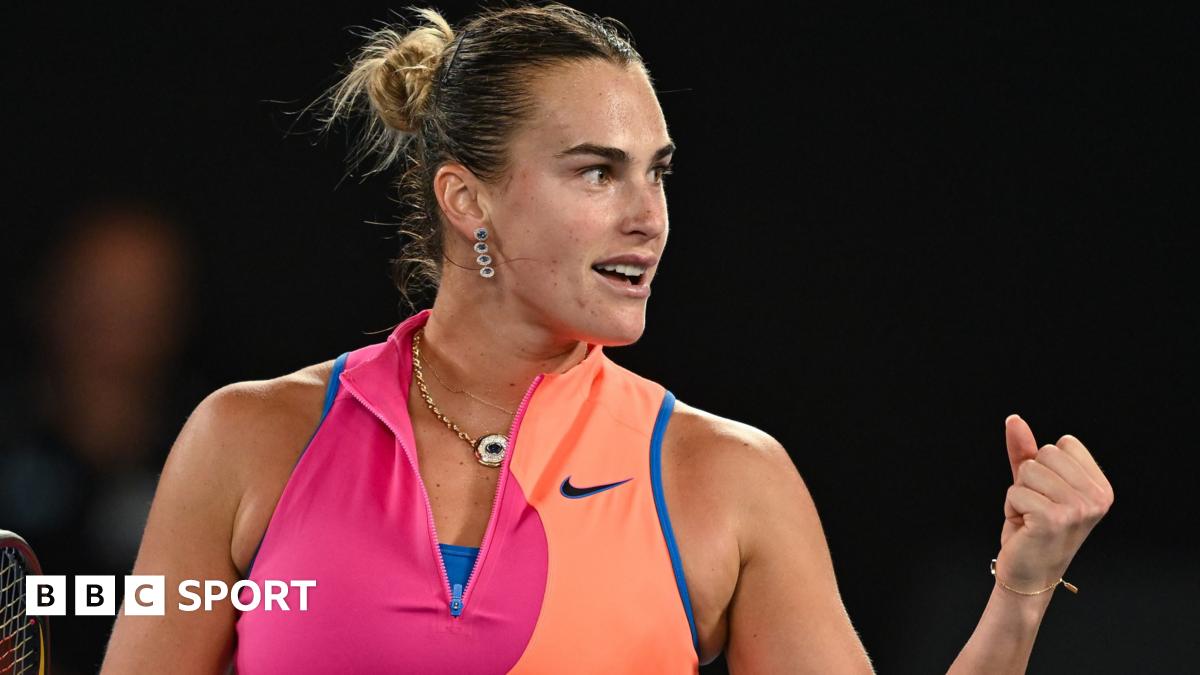
    In a spectacular display of athletic prowess, World No. 1 Aryna Sabalenka has decisively advanced to her fourth consecutive Australian Open final, where she will confront Elena Rybakina in a highly anticipated championship match. The Belarusian powerhouse delivered a commanding performance against Ukraine’s Elina Svitolina, securing a 6-2, 6-3 victory despite encountering an unusual hindrance call during the fourth game.

    The match took an unexpected turn when chair umpire Louise Azemar Engzell penalized Sabalenka for an irregular grunting sound during a rally, awarding the point to Svitolina under the hindrance rule. Despite Sabalenka’s request for video review and visible frustration, she demonstrated remarkable composure by immediately breaking Svitolina’s serve and dominating the remainder of the match with 29 winners against just 15 unforced errors.

    Meanwhile, Wimbledon champion Elena Rybakina earned her place in the final by overcoming American Jessica Pegula in a tightly contested 6-3, 7-6(9-7) semifinal battle. The Kazakh fifth seed displayed exceptional resilience after squandering multiple match points, ultimately prevailing in a dramatic tie-break to set up a final rematch of the 2023 championship.

    Both finalists enter Saturday’s showdown in exceptional form, having not dropped a single set throughout the tournament. Sabalenka brings an 11-match winning streak and tournament-leading 172 winners, while Rybakina boasts the most aces (41) and has won 37 matches since Wimbledon—more than any other WTA player. The hardcourt head-to-head record slightly favors Rybakina at 6-5, adding another layer of intrigue to what promises to be a explosive final between two of tennis’s most powerful strikers.

  • Russian drone attack kills 3 in southern Ukraine as further US-led peace talks approach

    Russian drone attack kills 3 in southern Ukraine as further US-led peace talks approach

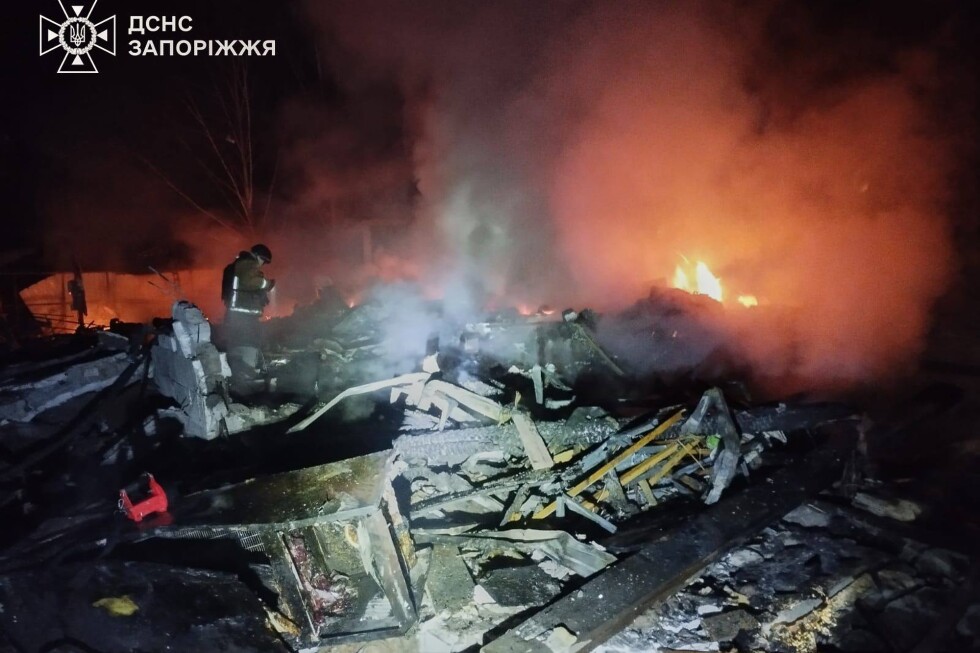
    A lethal Russian drone offensive in Ukraine’s southern Zaporizhzhia region has resulted in three fatalities, with additional casualties reported in central Dnipropetrovsk, according to Ukrainian authorities. The overnight assault ignited significant fires in residential structures, necessitating extensive emergency response operations.

    Ukrainian President Volodymyr Zelenskyy has issued a grave warning regarding intelligence indicating Russia’s preparation for another massive aerial bombardment. Historical patterns reveal these coordinated attacks frequently involve hundreds of drones combined with cruise and ballistic missiles, systematically targeting Ukraine’s energy infrastructure.

    These persistent aggressions occur despite anticipated diplomatic engagements, with U.S.-mediated peace negotiations scheduled to resume this weekend. Zelenskyy emphatically stated that each Russian strike fundamentally undermines the credibility of these peace talks.

    The relentless bombardment of civilian territories behind the extensive 1,000-kilometer frontline continues unabated, despite widespread international condemnation nearly four years following Russia’s full-scale invasion.

    European leadership has expressed deepening skepticism regarding Moscow’s commitment to genuine diplomacy. EU foreign ministers convened in Brussels, with Estonian Prime Minister Kaja Kallas accusing Russia of escalating civilian attacks due to battlefield stagnation. European officials emphasize the necessity of their involvement in settlement discussions, particularly given concerns that U.S.-led negotiations might overlook European security interests.

    A recently published think tank assessment projects combined military casualties may approach two million by spring, representing the highest troop mortality rate for any major power since World War II. Ukrainian Defense Minister Mykhailo Fedorov disclosed that Russia has launched over 6,000 drones during the past month alone, continuously refining both technology and tactics, compelling Ukraine to adapt its defensive strategies accordingly.