
The narrative that globalization hollowed out the American middle class has been a topic of intense debate. A recent analysis challenges this notion, arguing that the timing of wage stagnation in the U.S. does not align with the era of globalization. John Lettieri of the Economic Innovation Group highlights that wage stagnation occurred primarily between 1973 and 1994, predating the North American Free Trade Agreement (NAFTA) in 1994. In fact, wages began to grow again shortly after NAFTA’s implementation. However, the story is more nuanced. While NAFTA had minimal negative effects on specific industries, the ‘China Shock’ following China’s entry into the World Trade Organization (WTO) in 2001 had a more significant impact on American wages, particularly for the working class. Between 2003 and 2015, median wages flattened, coinciding with increased competition from China. The Great Recession further exacerbated wage stagnation post-2007. Despite these factors, the most prolonged period of wage stagnation occurred before globalization, from 1973 to 1994. This era was marked by multiple economic shocks, including oil crises, inflation, and shifts in global monetary policies. Theories explaining this stagnation include productivity slowdowns, financialization, the decline of unions, and inflation. However, none of these factors alone fully account for the 20-year stagnation. The productivity slowdown, which aligns closely with the stagnation period, remains a leading explanation, though its exact causes are still debated. Other factors, such as de-unionization and financialization, played partial roles but do not fully explain the phenomenon. Ultimately, the wage stagnation of 1973-1994 may have resulted from a combination of these factors, rather than a single cause. This complex interplay underscores the challenges of isolating economic trends and highlights the need for further research to understand this pivotal period in American economic history.
作者: admin
-
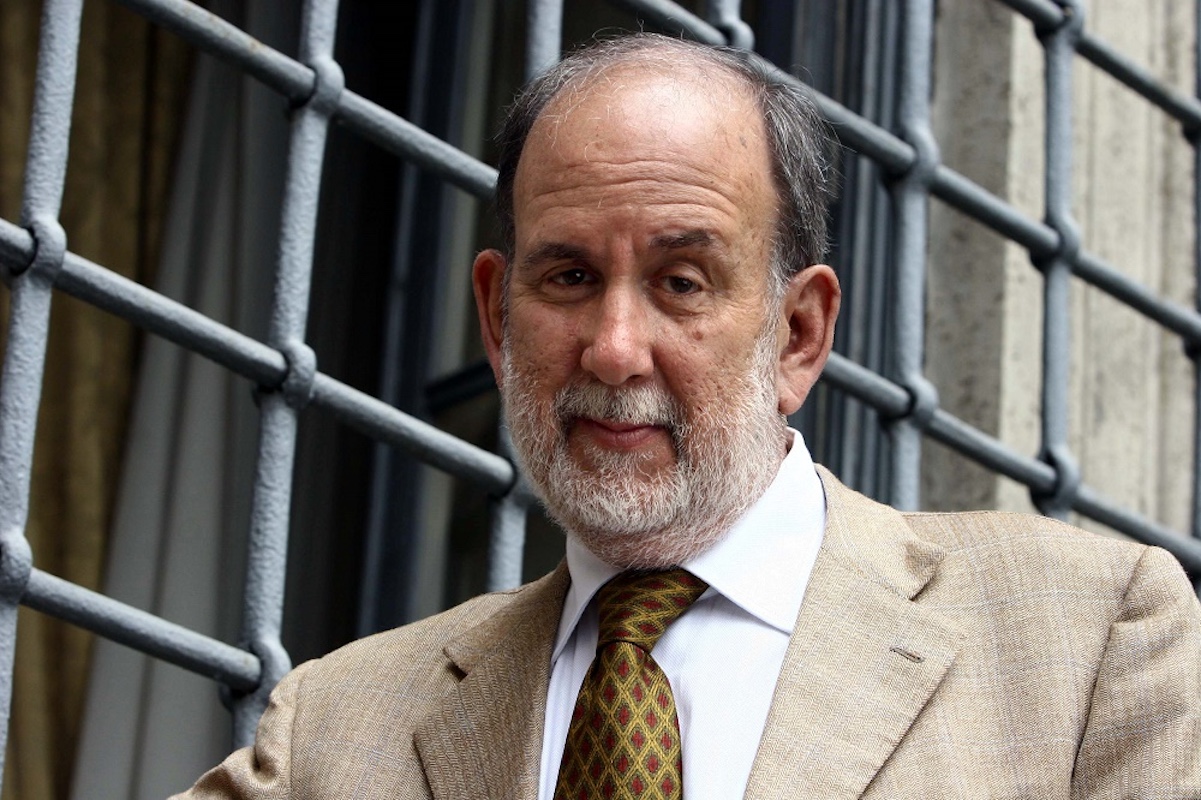
Michael Ledeen, a Reagan revolutionary, passes at 83
Michael Ledeen, a distinguished historian, cultural expert, and key figure in U.S. intelligence, passed away on May 17 at the age of 83 after a prolonged illness. His death marks the loss of one of the last Americans who approached intelligence with a profound understanding of history and culture, a trait increasingly rare in modern academia. Ledeen’s contributions to America’s Cold War victory were monumental, though often understated in public records. His unique blend of historical insight, cultural acumen, and decisive action set him apart as a pivotal figure in shaping America’s global dominance during the 20th century. A mentor and friend, Ledeen was celebrated for his generosity and wisdom. One of his lesser-known yet significant achievements was his role in persuading Italian Prime Minister Bettino Craxi to deploy Pershing II missiles in Western Europe during the Reagan administration, a move that countered Soviet military strategies. Ledeen’s deep understanding of Italian politics and culture, exemplified in his writings on Naples and Italian fascism, made him an invaluable asset in diplomatic and intelligence circles. Post-Reagan, he held the Freedom Chair at the American Enterprise Institute for two decades and later joined the Foundation for Defense of Democracy. Often mislabeled as a neoconservative, Ledeen’s revolutionary conservatism was rooted in a transformative vision of America, deeply influenced by his Jewish heritage. He is survived by his wife Barbara, a prominent Senate staffer, and his children Simone, Gabriel, and Daniel, who have all served in significant public roles. Ledeen’s legacy endures as a testament to the power of intellectual rigor and cultural understanding in shaping global politics.
-
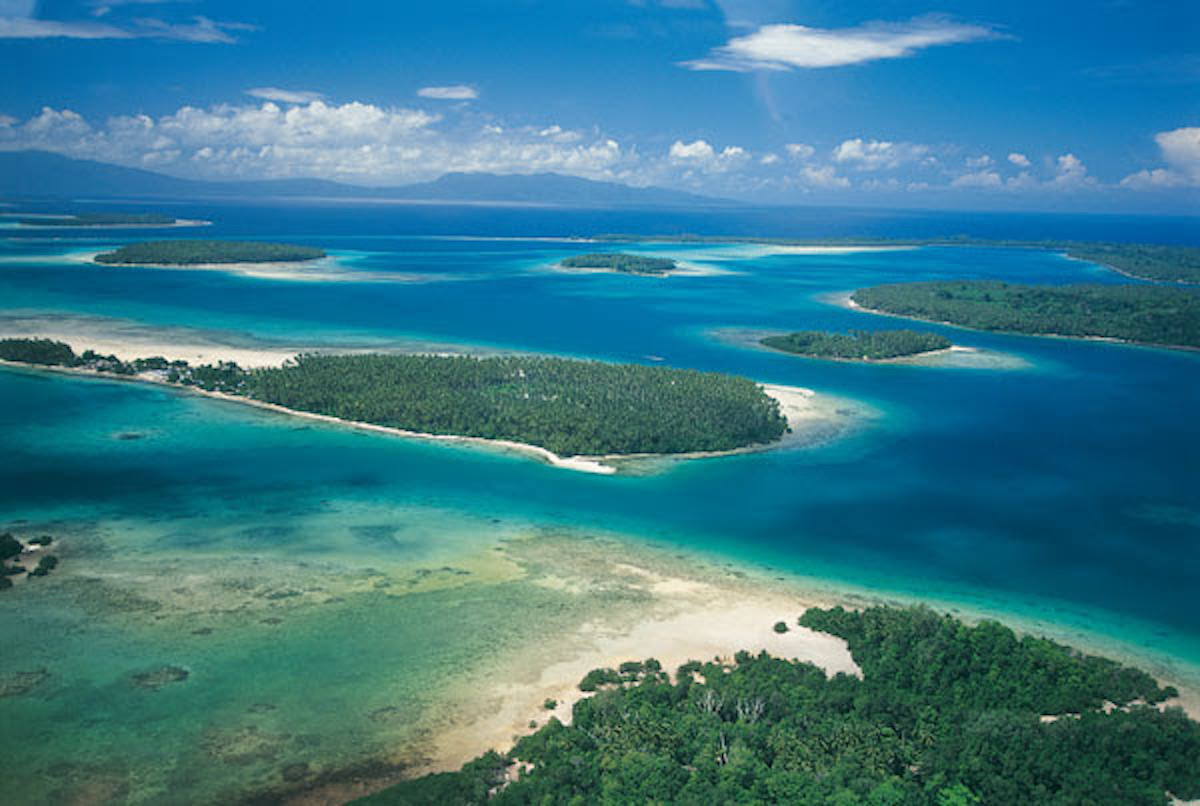
A Trump administration playbook for the Pacific
As Secretary of State, Marco Rubio has outlined a robust framework for US foreign policy, emphasizing initiatives that strengthen America, secure its future, and enhance its prosperity. In the Pacific Islands, the US faces a strategic challenge: aligning the Trump administration’s priorities with the region’s unique circumstances and aspirations. By examining four key areas of statecraft—diplomatic, intelligence, military, and economic—a strategic playbook emerges that addresses both US interests and regional needs. The Trump administration’s foreign policy, often seen as unpredictable, reveals clear patterns: China is viewed as the primary global threat, hard power is prioritized over soft power, cost-cutting is emphasized, and allies are expected to share more of the burden. Diplomatically, the administration has focused on recalibrating trade relationships to address deficits and create favorable environments for American businesses. This shift has elevated the role of economic and financial agencies like the Department of Commerce. However, the US has struggled to establish a strong diplomatic presence in the Pacific, a region where personal relationships are crucial. Sending Commerce Department officials to key Pacific nations could enhance trade and reinforce US influence. Additionally, expediting the nomination and confirmation of US ambassadors to the Pacific Islands is essential. For instance, the US Embassy in Honiara reopened in January 2023, but the ambassador position remains vacant, leaving a gap that China has readily filled. The Quadrilateral Security Dialogue (Quad) remains a cornerstone of the US Indo-Pacific Strategy, fostering partnerships with Australia, India, and Japan to expand Pacific engagement and meet burden-sharing goals. In 2023, the Quad announced initiatives addressing climate change, maritime security, and economic development. Intelligence-sharing is also critical, particularly with the Freely Associated States (FAS)—Marshall Islands, Palau, and Micronesia—to counter China’s influence. Enhanced US support for local law enforcement and disaster preparedness can strengthen regional resilience. Maritime security is another priority, with illegal fishing and transnational crimes posing significant threats. The US has shiprider agreements with 12 Pacific Island countries, but limited capacity hinders their effectiveness. Cost-effective solutions, such as reallocating assets or prepositioning cutters, could improve outcomes. Militarily, the US maintains extensive defense rights in the FAS through the Compacts of Free Association. Recent security arrangements with Papua New Guinea and Fiji counter China’s presence while supporting regional development and disaster relief. Australia and New Zealand are also increasing their roles in the Pacific, necessitating close coordination to avoid overlap. Economically, the US faces challenges due to the freeze on foreign aid and the dismantling of USAID, which has damaged its credibility and allowed China to expand its influence. Restarting disaster relief and unexploded ordnance programs in the FAS and Papua New Guinea is a positive step, but a more mutually beneficial economic engagement strategy is needed. By prioritizing areas like economic development, environmental resilience, and small-scale infrastructure, the US can deepen relationships with Pacific Island Countries (PICs) while advancing its strategic interests. Leveraging diplomatic channels, enhancing intelligence sharing, and fostering economic partnerships will be crucial in countering Chinese expansion and ensuring a prosperous future for both the US and the Pacific Islands.
-
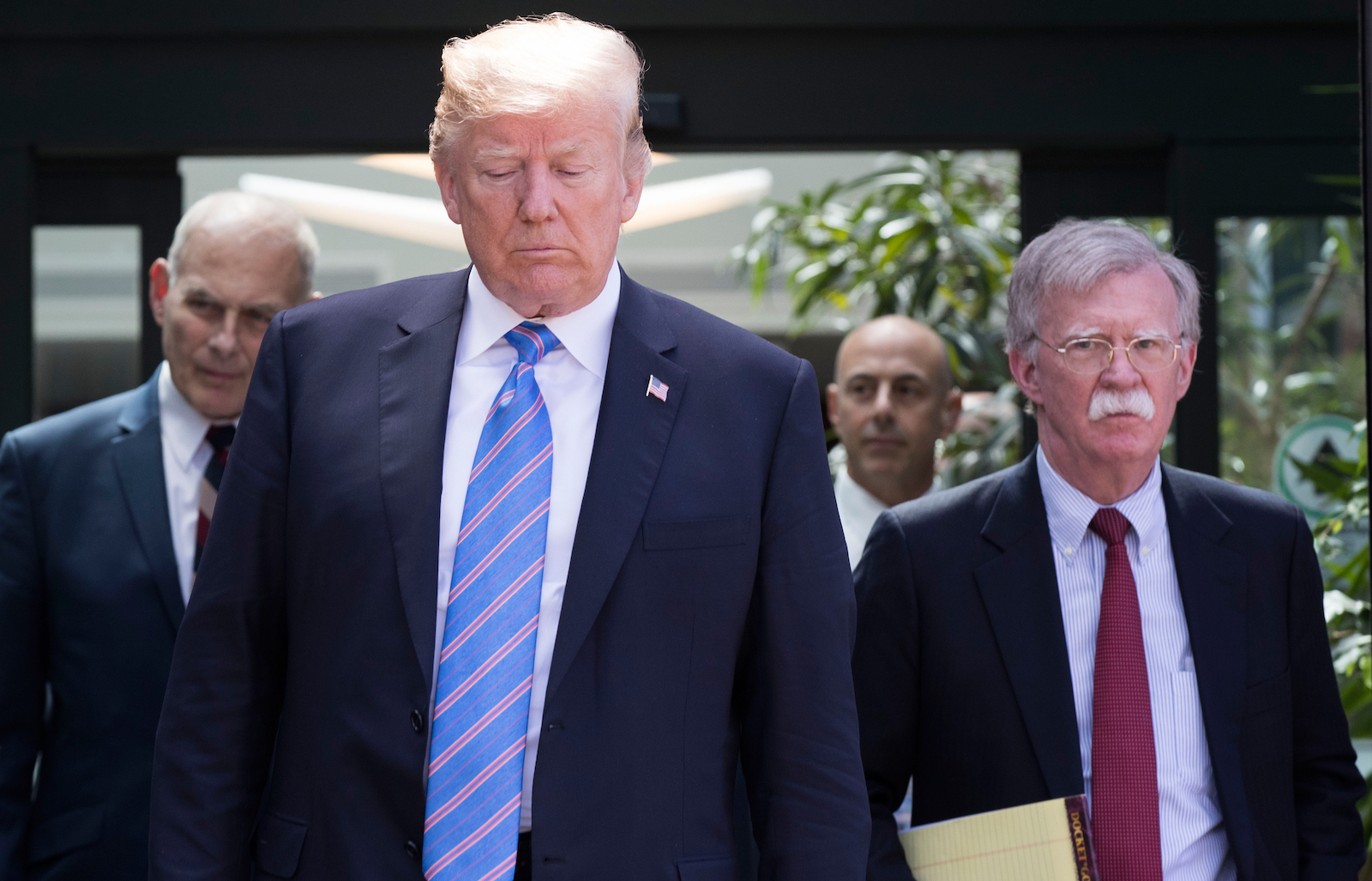
Bolton: Trump shouldn’t test Pyongyang before Seoul settles down
President Donald Trump’s first 100 days back in the White House, marked on April 29, have been a whirlwind of bold initiatives and polarizing policies. Historically, this period serves as a litmus test for a leader’s priorities and governing style, offering a window into their political momentum. Trump has seized this opportunity with characteristic vigor, pushing forward on border enforcement, sweeping subsidy cuts, protectionist trade measures, and a radical overhaul of U.S. foreign policy. While his administration has secured early victories in some areas, global flashpoints like the war in Ukraine and the conflict in Gaza remain unresolved. If progress stalls, Trump may pivot to other arenas, such as re-engaging with North Korea, which has been largely dormant on Washington’s radar. In an interview with Asia Times, former U.S. National Security Advisor John Bolton critiqued Trump’s approach, highlighting failures in achieving a Ukraine ceasefire and the potential economic fallout from Trump’s tariffs. Bolton also expressed skepticism about the prospects of meaningful progress in Ukraine ceasefire talks, citing irreconcilable differences between the parties. He warned of Putin’s long-term ambitions to recreate the Russian Empire, emphasizing the need for robust security guarantees for Ukraine. On North Korea, Bolton cautioned against premature engagement, stressing the importance of aligning with South Korea’s political landscape. He also dismissed the notion of Trump accepting a nuclear North Korea, reaffirming the U.S. commitment to denuclearization. As Trump’s administration navigates these complex geopolitical challenges, the world watches closely to see how his policies will shape the future of international relations.
-
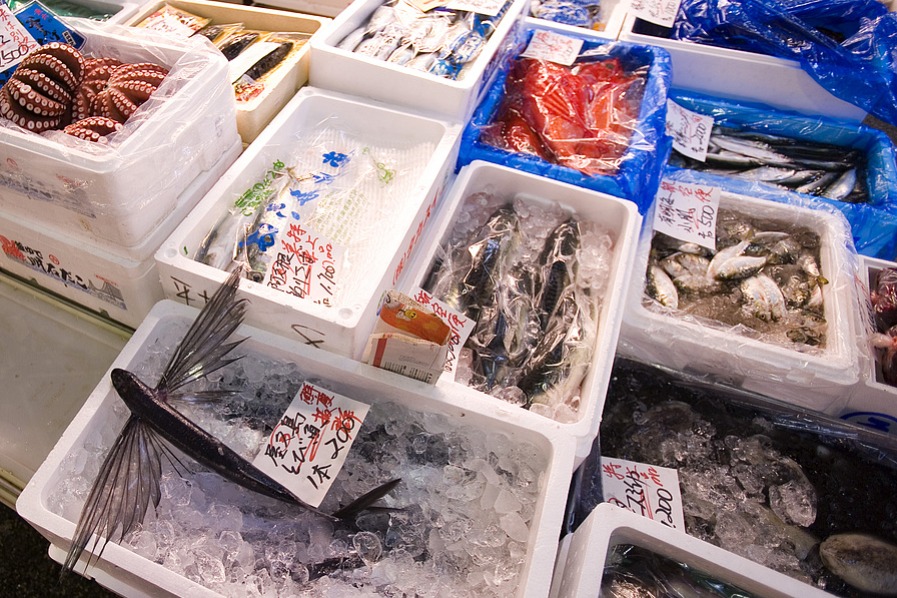
China urges Japan to ensure the quality of aquatic products
China has formally urged Japan to implement robust measures to guarantee the safety and quality of its aquatic products, reiterating its steadfast opposition to Japan’s unilateral discharge of Fukushima nuclear-contaminated water. The call was made during a technical exchange between China’s General Administration of Customs and Japanese officials on Thursday, as confirmed by Foreign Ministry spokesman Lin Jian. The discussions focused on enhancing inspection and monitoring protocols to ensure the safety of aquatic products. Lin emphasized that any resumption of aquatic product imports from Japan must be grounded in continuous, independent scientific data collected by China. He further stressed that Japan must take concrete actions to ensure its exports comply with Chinese legal and regulatory standards. Japan, in response, acknowledged China’s concerns and reaffirmed its commitment to international monitoring and independent sampling to meet Chinese requirements. Lin reiterated China’s unwavering stance against the unilateral ocean discharge of nuclear-contaminated water, pledging continued collaboration with the international community to ensure strict oversight of such activities.
-

‘All good things must come to an end’: The Who announce North America farewell tour dates
Legendary British rock band The Who is set to bid farewell to North America with a final tour this summer. Frontman Roger Daltrey and guitarist Pete Townshend confirmed the details of “The Song Is Over North America Farewell Tour” on Thursday, named after their iconic 1971 track. The tour will feature a retrospective of their six-decade career, kicking off in Florida on August 16 and concluding in Las Vegas on September 28, with stops in major cities like New York, Toronto, Los Angeles, and Vancouver. The band, which rose to global fame in the 1970s, became a powerhouse in the music industry, headlining events like Woodstock and filling stadiums worldwide. Daltrey, 81, and Townshend, 79, have remained a dynamic duo despite the loss of drummer Keith Moon in 1978 and bassist John Entwistle in 2002. Townshend reflected on their journey, stating, “Roger and I still carry the banner for Keith, John, and our loyal fans. It’s been the best job I could ever have had.” The Who’s influence on rock music is undeniable, with hits like “My Generation,” “Baba O’Reilly,” and “Won’t Get Fooled Again” defining the genre. Their albums “Tommy” and “Quadrophenia” were even adapted into successful films. Ticket pre-sales begin May 13, with general sales starting May 16. While this marks the end of their North American performances, the band has not yet confirmed plans for a U.K. farewell tour. Daltrey humorously remarked, “Let’s see if we survive this one first.”
-

China rips Japan over aircraft’s intrusion
China has issued a stern protest to Japan following the unauthorized entry of a Japanese civilian aircraft into the airspace over the Diaoyu Islands. The incident, which occurred on Saturday, has prompted Beijing to demand an immediate halt to such provocative actions, warning that they could jeopardize the stability of bilateral relations. Liu Jinsong, Director-General of the Asian Affairs Department at China’s Foreign Ministry, conveyed the protest to Yokochi Akira, the Chief Minister of the Japanese Embassy in Beijing, emphasizing the gravity of the situation. The Chinese Coast Guard swiftly responded by deploying ship-based helicopters to warn and expel the intruding aircraft during a routine patrol in the area. Japan’s Ministry of Defense, however, accused Chinese helicopters of violating its territorial airspace—a claim vehemently denied by Zhang Xiaogang, a spokesman for China’s Ministry of National Defense. Zhang reiterated that the Diaoyu Islands and their affiliated islets are an inherent part of Chinese territory, and any unauthorized entry constitutes a serious breach of China’s sovereignty. He defended the Coast Guard’s actions as ‘completely legitimate and legal,’ urging Japan to restrain its citizens and avoid further provocations. Both Liu Jinsong and China Coast Guard spokesman Liu Dejun emphasized that China will continue to take all necessary measures to safeguard its territorial integrity and maritime rights. The incident underscores the ongoing tensions between the two nations over the disputed islands, with China calling for Japan to act responsibly to maintain regional stability.
-

US foreign student purge an exercise in economic self-destruction
In early April 2025, the Trump administration abruptly terminated the immigration statuses of thousands of international students listed in a government database, leaving them without legal permission to remain in the country. This decision prompted some students to self-deport rather than face formal deportation proceedings. However, following widespread legal challenges, the US Department of Homeland Security announced it would reverse these terminations after courts across the nation deemed them unjustified. This reversal comes as the White House continues to emphasize stricter vetting and screening of foreign nationals, including plans to use artificial intelligence to review international students’ social media accounts.
International students in the US have long been subjected to rigorous vetting, screening, and monitoring. Despite this, the introduction of additional bureaucratic measures risks making the US a less attractive destination for global talent. Such policies could undermine the Trump administration’s ‘America First’ agenda, which aims to bolster the economy, advance science and technology, and enhance national security.
The US remains a global leader in attracting international students, but its dominance is waning. According to the Institute of International Education, the US now hosts 16% of all students studying abroad, down from 22% in 2014 and 28% in 2001. During the 2023-2024 academic year, over 1 million international students were present in the US, with 54% hailing from China and India. Most international students pursue graduate degrees in STEM fields, and they contribute significantly to the US economy, generating $43.8 billion in tuition and living expenses while supporting nearly 378,000 jobs.
However, global competition for international students is intensifying. Countries like Germany and South Korea are implementing strategies to attract foreign talent, offering more flexible visa policies and post-study work opportunities. The US’s stringent immigration policies and increased monitoring could further deter international students, redirecting talent to other nations.
International students play a critical role in the US’s global leadership in STEM, with 45% of STEM workers holding doctoral degrees being foreign-born. They also contribute to the economy by launching startups at a rate eight to nine times higher than their domestic peers. Restricting their ability to study in the US could hinder the nation’s ability to maintain its competitive edge in science, technology, and innovation.
As the global landscape shifts, the US must balance security concerns with the need to attract and retain top international talent to sustain its economic and technological leadership.
-
US security policy in Asia shows some continuity in sea of change
The first 100 days of Donald Trump’s second administration have been marked by significant upheaval, yet one policy remains steadfast: the construction of a regional defense architecture aimed at deterring Chinese aggression. However, this strategy faces challenges due to collateral damage from the administration’s foreign policy shifts, particularly its embrace of tariffs and skepticism toward traditional alliances.
During Trump’s first term (2017-2021), US policy toward China hardened as Washington concluded that deep economic engagement had failed to liberalize or pacify Beijing. Instead, China under Xi Jinping grew more authoritarian domestically and assertive internationally. The pandemic further highlighted America’s reliance on Chinese supply chains, prompting Trump to label China as an adversary rather than a partner. Tariffs were imposed on Chinese imports, and efforts began to reroute global supply chains away from China. Simultaneously, Trump criticized US alliances, arguing that allies benefited disproportionately from American protection.
Trump’s foreign policy diverged sharply from post-war norms, rejecting American exceptionalism and liberal values while expressing admiration for authoritarian leaders like Xi Jinping, Vladimir Putin, and Kim Jong Un. He prioritized tariffs over free trade and questioned the value of US global commitments, particularly in Europe and Asia.
President Joe Biden (2021-2025) extended some of Trump’s tariffs on China and restricted Chinese access to advanced technology. However, Biden reversed Trump’s alliance skepticism, reaffirming the strategic value of US partnerships. In contrast, Trump’s second administration has doubled down on tariffs and disdain for alliances, implementing these policies with unprecedented intensity.
The global impact of Trump’s tariffs is significant, with most countries now facing a 10% tariff on US imports, up from an average of 2.5% in 2024. The threat of higher ‘reciprocal tariffs’ looms, potentially taking effect as early as May. Additionally, the US has effectively abandoned NATO, antagonizing Western Europe and Canada while accommodating Russia despite its aggression in Ukraine.
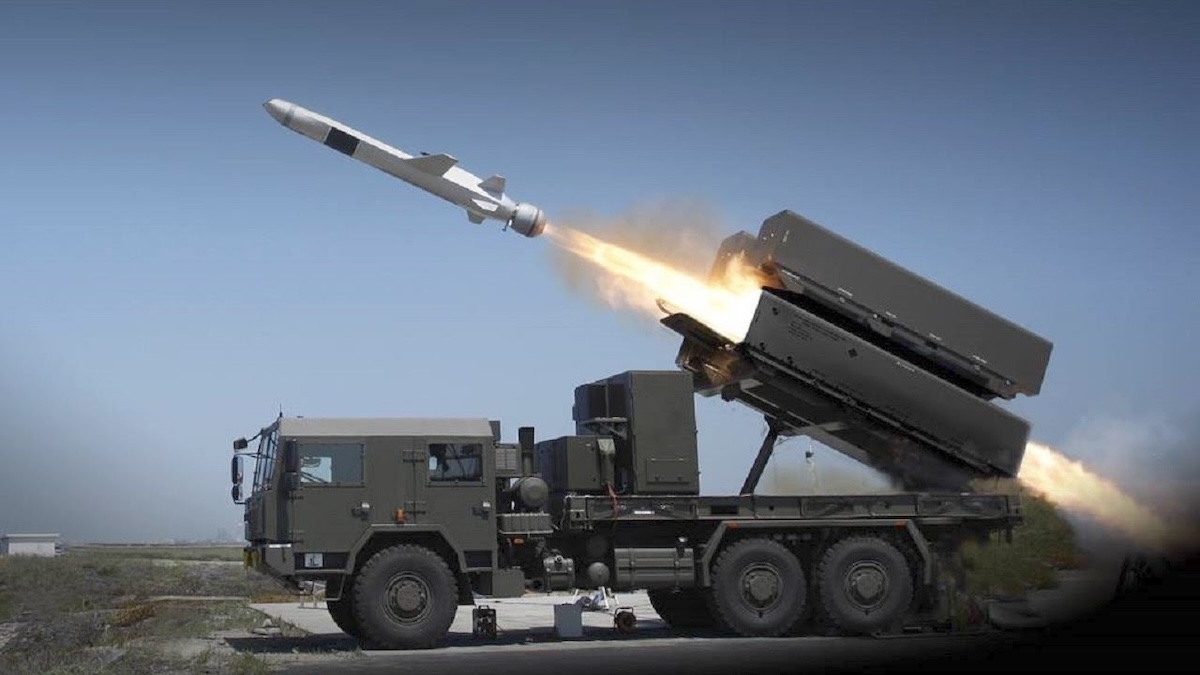
In the Asia-Pacific region, the Pentagon’s agenda to counter China has continued largely uninterrupted. US Secretary of Defense Pete Hegseth’s March trip to Japan and the Philippines underscored efforts to strengthen military cooperation. In Japan, the US plans to enhance joint training and weapon development, while upgrading its military headquarters to a command post. In the Philippines, Hegseth reaffirmed the US-Philippine defense treaty’s coverage of the South China Sea, where Chinese harassment of Philippine vessels has escalated. The US also announced plans to co-produce military systems and deploy advanced sea drones and anti-ship missiles in the Philippines.
The AUKUS agreement, which aims to provide Australia with nuclear-powered submarines, remains on track despite uncertainty over Trump’s support. While Australia has committed $3 billion to the initiative, Trump’s apparent unfamiliarity with the agreement raises doubts about its future.
Meanwhile, Trump’s tariffs have strained relations with key allies like Japan and South Korea, both of which face additional tariffs and pressure to increase defense spending. Despite their contributions to US military bases, Trump has criticized these countries as ‘free-riders,’ further complicating alliances.
In Australia, Trump’s policies have eroded confidence in US reliability. Tariffs on Australian exports, despite a US trade surplus with the country, have fueled disillusionment. While Australian leaders have resisted Chinese overtures to align against the US, the damage to the US-Australia relationship is evident.
In summary, Trump’s second administration has intensified its focus on tariffs and alliance skepticism, creating friction with traditional partners while pursuing a counter-China strategy. The challenge lies in reconciling ‘America First’ policies with the need for a cohesive Asian security architecture. Until this balance is achieved, these conflicting priorities will continue to undermine US foreign policy objectives.
-

Measles jumps borders in North America with outbreaks in Canada, Mexico and US
The measles outbreak sweeping across North America has become a pressing public health crisis, with over 2,500 confirmed cases and four fatalities reported in the U.S. and Mexico. The epidemic, which began in Ontario, Canada, last fall, has since escalated in Texas, New Mexico, and Chihuahua, Mexico, with significant clusters in Mennonite communities. Dr. Hector Ocaranza, El Paso’s top public health official, warned that the highly contagious virus knows no borders, as evidenced by the 38 cases in El Paso and 14 in neighboring Ciudad Juarez. The outbreak’s rapid spread is fueled by cross-border travel and low vaccination rates in certain regions. Health officials in both countries are racing to contain the virus, with vaccination clinics set up in public spaces and free vaccines offered regardless of residency. The Pan American Health Organization and the World Health Organization have raised alarms, noting an elevenfold increase in measles activity in the Americas compared to last year. The economic burden is also significant, with each U.S. case costing between $30,000 and $50,000 to manage. Despite efforts, health experts warn that the outbreak is far from contained, with new cases emerging in Michigan and Alberta, Canada. The crisis underscores the urgent need for coordinated cross-border health strategies and improved vaccination coverage to prevent future epidemics.