作者: admin

  • TDB Group: Supporting Africa’s trade, integration and sustainable development

    TDB Group: Supporting Africa’s trade, integration and sustainable development

    Since its establishment in 1985, the Trade and Development Bank Group (TDB Group) has transformed from addressing Africa’s critical financing shortages into a premier multilateral financial institution driving continental progress. With a formidable asset portfolio exceeding $10 billion and shareholder capital of approximately $2.3 billion, the Group boasts an impressive network of over 80 sovereign and institutional shareholders across its subsidiaries.

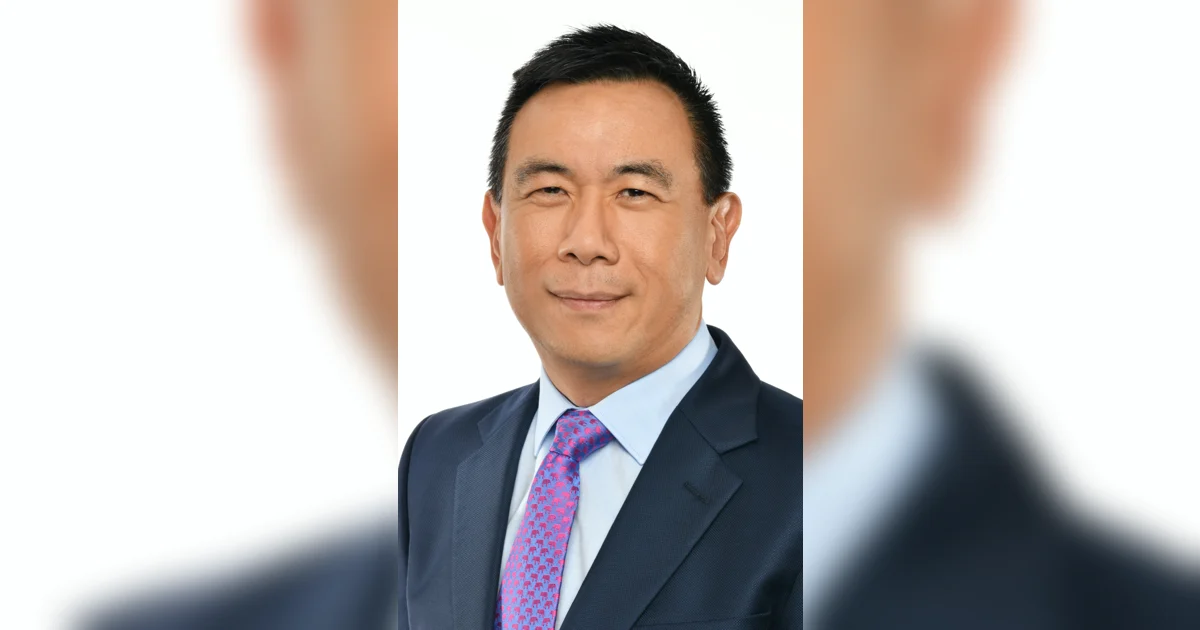
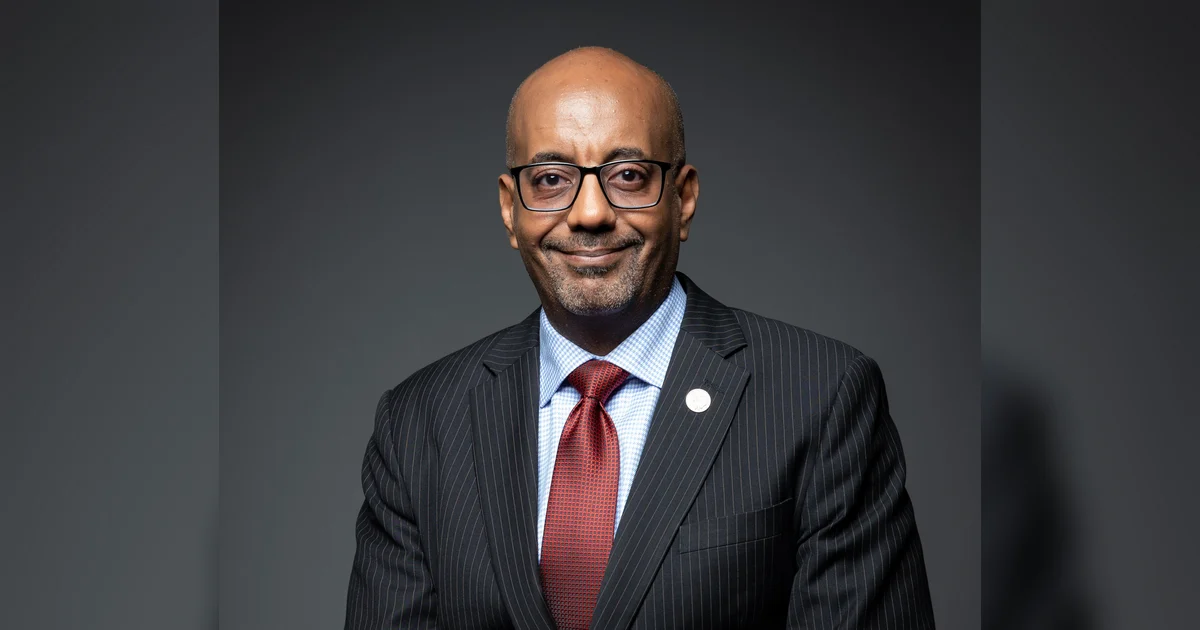
    Over four decades of operation, TDB Group has deployed a cumulative $58 billion in financing and guarantee facilities, creating tangible impact through the support of more than 1.3 million jobs and directly benefiting an estimated 16 million people across Africa. This remarkable growth trajectory has been orchestrated under the strategic leadership of Group President and Managing Director Admassu Tadesse, who has implemented comprehensive governance, capital, and organizational reforms.

    A watershed moment arrived in 2017 when TDB achieved its inaugural investment-grade credit ratings, fundamentally enhancing its capacity to channel global capital into African markets on favorable terms that individual nations might struggle to secure independently. This financial credibility has positioned the institution as a critical intermediary connecting international investors with Africa’s development ambitions.

    The Group’s operational focus spans three pivotal areas: financing intra-African trade, strengthening industrial value chains, and developing cross-border infrastructure. Notable initiatives include facilitating fertilizer trade between Morocco and Ethiopia, alongside substantial investments in manufacturing, railway networks, energy projects, and digital connectivity infrastructure.

    Tadesse emphasizes the strategic alignment with continental integration goals, stating: ‘Sustainable development in Africa centres on economic integration,’ highlighting the institution’s synchronization with African Continental Free Trade Area objectives.

    Mauritius has emerged as a strategic operational hub, hosting critical Group functions including asset management and captive insurance platforms alongside conventional development banking operations. From this Indian Ocean base, TDB mobilizes regional and global capital—including significant investments from Gulf partners—to advance Africa’s sustainable development agenda through both commercial and concessional financing instruments.
  • Details of Jeffrey Epstein post-mortem released in latest files

    Details of Jeffrey Epstein post-mortem released in latest files

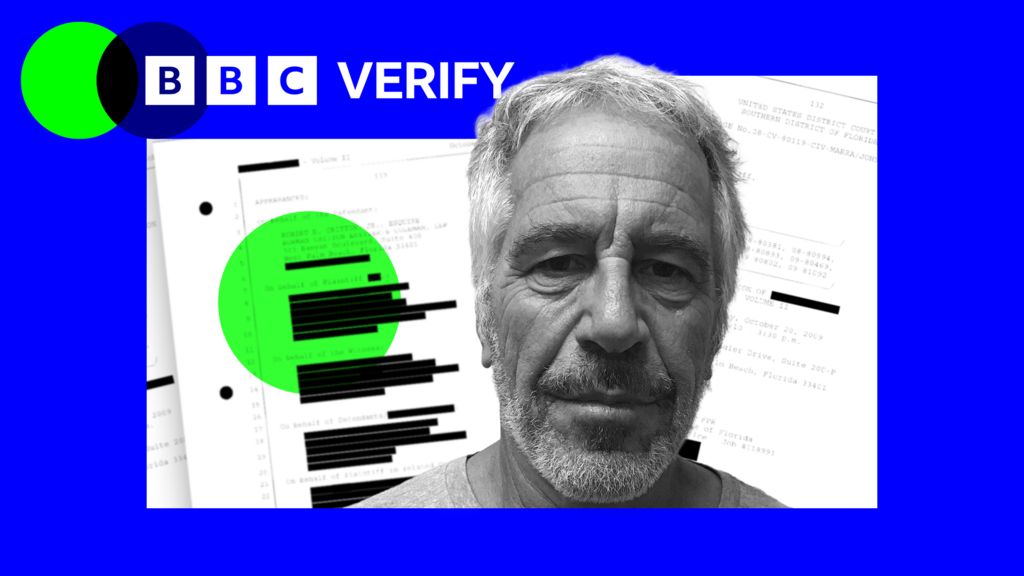
    The U.S. Department of Justice has released previously undisclosed photographs depicting Jeffrey Epstein’s body being attended to by medical personnel immediately following his death in custody. These twenty images, many deemed too graphic for public dissemination, form part of a declassified FBI investigation into the financier’s controversial demise.

    The documents, published Friday among millions of Epstein-related files, include timestamps indicating the photos were taken at approximately 06:49 on August 10, 2019—roughly 16 minutes after guards found him unresponsive in his Metropolitan Correctional Center cell. The images show medical teams performing resuscitation efforts on Epstein while he lay on a stretcher, with visible neck injuries clearly documented in close-up shots.

    BBC Verify conducted extensive forensic analysis of the released materials, confirming these particular images had not previously appeared online prior to January 30. The verification process included reverse image searches and cross-referencing with accompanying documents such as an 89-page post-mortem report filed by New York’s Office of Chief Medical Examiner.

    The comprehensive FBI report spans 23 pages and contains a detailed six-week timeline of Epstein’s incarceration from his July 6, 2019 arrest on sex trafficking charges until his death. Notably, the documents reveal Epstein was placed on suicide watch after an earlier July 23 incident where he allegedly accused his cellmate—Nicholas Tartaglione, a former police officer facing murder charges—of attempting to kill him.

    Contradicting his documented mental state, psychological evaluations from July 24 show Epstein stating he had “no interest in killing myself” and that suicide “would be crazy.” The following day, he reportedly told psychologists he was “too vested in my case to fight it” and wanted to return to living his life.

    Critical security failures emerge in the documentation: prison guards failed to conduct scheduled checks at 03:00 and 05:00 on the night of Epstein’s death, the camera system in his unit was nonfunctional, and his cellmate had been transferred the previous day—contrary to the warden’s specific recommendations against housing Epstein alone.

    The release includes both redacted and unredacted versions of the FBI report, though the Justice Department has not clarified why both versions were included. Both the FBI and DoJ declined to provide additional commentary regarding the newly public documents.

  • Bridging Sri Lanka and the region from DIFC

    Bridging Sri Lanka and the region from DIFC

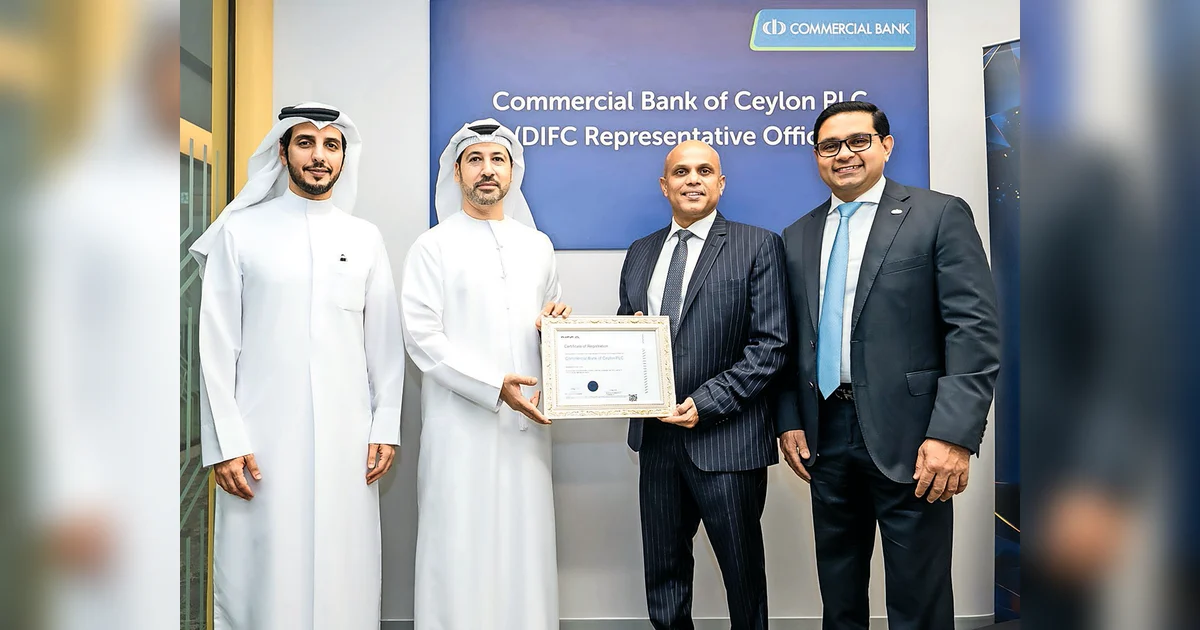
    In a landmark move for Sri Lankan banking, Commercial Bank of Ceylon PLC has established its inaugural Middle Eastern presence with a Representative Office at Dubai International Financial Centre (DIFC). This strategic placement, finalized last year, marks the first regional foothold by any Sri Lankan financial institution within this globally recognized financial ecosystem.

    The newly operational office, situated at Level 3 of Gate Village Building 4, positions the bank at the core of one of the world’s most dynamic and rigorously regulated financial environments. DIFC serves as the principal financial gateway for the Middle East, Africa, and South Asia (MEASA) region, facilitating crucial connections between emerging markets and international trade corridors.

    While the Representative Office will not conduct transactional banking services, it functions as a vital liaison for corporations, entrepreneurs, and investors from Sri Lanka, Bangladesh, and the Maldives with operational interests in the UAE. The office will provide comprehensive information regarding the bank’s corporate banking solutions, trade finance instruments, SME banking services, and digital financial platforms.

    Chairman Sharhan Muhseen characterized this expansion as a natural progression of the bank’s international strategy. ‘As Sri Lanka’s premier private-sector bank, we are committed to supporting our clients’ global growth trajectories,’ Muhseen stated. The DIFC presence significantly enhances the bank’s capacity to cultivate closer relationships with Middle Eastern partners while solidifying its reputation as a trusted regional banking entity.

    Managing Director Sanath Manatunge emphasized the strategic advantages of operating within a globally respected financial center. ‘This office provides an exceptional platform to demonstrate our capabilities, facilitate cross-border business needs, and drive sustainable growth through intensified regional engagement,’ Manatunge explained.

    The expansion reinforces Commercial Bank’s position as the Sri Lankan bank with the most extensive international network, encompassing 20 branches in Bangladesh, a Tier I commercial bank in the Maldives, and a microfinance institution in Myanmar. These assets enable the bank to effectively support cross-border trade, investment flows, and regional supply chain operations – capabilities increasingly crucial for businesses operating between South Asia and the Middle East.

    Commercial Bank of Ceylon maintains several distinguished credentials: first Sri Lankan bank to achieve $1 billion market capitalization, inclusion in the Global Top 1000 Banks ranking, and recognition as the nation’s first fully carbon-neutral banking institution. The bank continues to lead in digital innovation while maintaining its status as Sri Lanka’s most awarded and respected financial organization.

  • Son of Norway’s crown princess chokes back tears giving evidence at rape trial

    Son of Norway’s crown princess chokes back tears giving evidence at rape trial

    In a tense Oslo courtroom, Marius Borg Høiby, the 29-year-old son of Norway’s Crown Princess Mette-Marit, delivered emotional testimony at his trial facing four rape charges and approximately thirty additional criminal allegations. The defendant appeared visibly overwhelmed throughout the proceedings, frequently pausing to remove his glasses and wipe tears from his eyes while describing the intense media scrutiny he has endured since childhood.

    Høiby’s testimony followed earlier statements from his first alleged rape victim, who testified under protection of anonymity about experiencing complete memory loss after what she believes was being drugged at a December 2018 gathering in the basement of his parents’ residence. The woman described profound feelings of ‘betrayal and shock’ upon later viewing police evidence containing videos allegedly showing sexual assault occurring shortly after initial consensual contact.

    During his half-hour uninterrupted statement, Høiby acknowledged extensive involvement with drugs and alcohol while articulating what he characterized as an ‘extreme need for validation’ stemming from his public identification primarily as ‘his mother’s son.’ The defendant detailed meeting his first accuser at a social event where he reportedly used cocaine for the initial time, though he maintains innocence regarding all criminal charges.

    The trial unfolds amid simultaneous royal controversy involving Crown Princess Mette-Marit, who recently postponed private travels indefinitely following revelations of her extensive three-year correspondence with convicted American sex offender Jeffrey Epstein. Palace officials confirmed the postponement without elaboration while the royal household faces mounting criticism over the informal tone of these communications.

    Although born prior to his mother’s marriage into royalty, Høiby holds no formal royal status or public position. His court appearance followed overnight hospitalization rather than return to detention facilities, with observers noting visible trembling during earlier proceedings. The three-judge panel heard testimony while two alleged victims observed from the courtroom’s left section, though Høiby avoided visual contact with them throughout his statement.

  • Intercontinental Trust: Cross-border investment in a dynamic global landscape

    Intercontinental Trust: Cross-border investment in a dynamic global landscape

    The global investment landscape has undergone profound transformation over the past twenty years, compelling investors to rethink traditional cross-border expansion strategies. While established financial centers maintain their relevance, contemporary investment demands now require sophisticated platforms offering regulatory stability, extensive geographic coverage, and seamless multi-jurisdictional operational capabilities.

    Mauritius-based Intercontinental Trust, established in 1999, has strategically positioned itself at the forefront of this evolution. Operating under the regulatory oversight of the Financial Services Commission of Mauritius, the organization delivers comprehensive corporate, fiduciary, fund administration, and specialized tax services to institutional clients, investment banks, private equity entities, and high-net-worth individuals. The company’s core expertise lies in structuring durable cross-border investment mechanisms designed for long-term performance.

    Geographic investment patterns have notably shifted during this period. While Asian markets initially dominated global capital flows, African economies have emerged as increasingly attractive destinations for international investment. Mauritius’ robust legal framework and bilateral agreements have established the nation as a strategic gateway connecting capital sources with opportunities across both continents.

    Intercontinental Trust has further expanded its operational footprint through its Dubai office, licensed by the Department of Economic Development, creating additional connectivity between Middle Eastern capital and global investment opportunities. With physical presence in Mauritius, Dubai, Seychelles, South Africa, and Singapore, the organization has built a truly intercontinental network facilitating capital movement across emerging and established markets.

    The company’s evolution mirrors broader industry trends where investors increasingly prioritize jurisdictions offering regulatory clarity, political stability, and sophisticated financial infrastructure. This approach represents a significant departure from earlier investment models that focused predominantly on traditional financial hubs without regard for specialized regional expertise.

  • UAE schools adjust exam schedules ahead of Ramadan to reduce student stress

    UAE schools adjust exam schedules ahead of Ramadan to reduce student stress

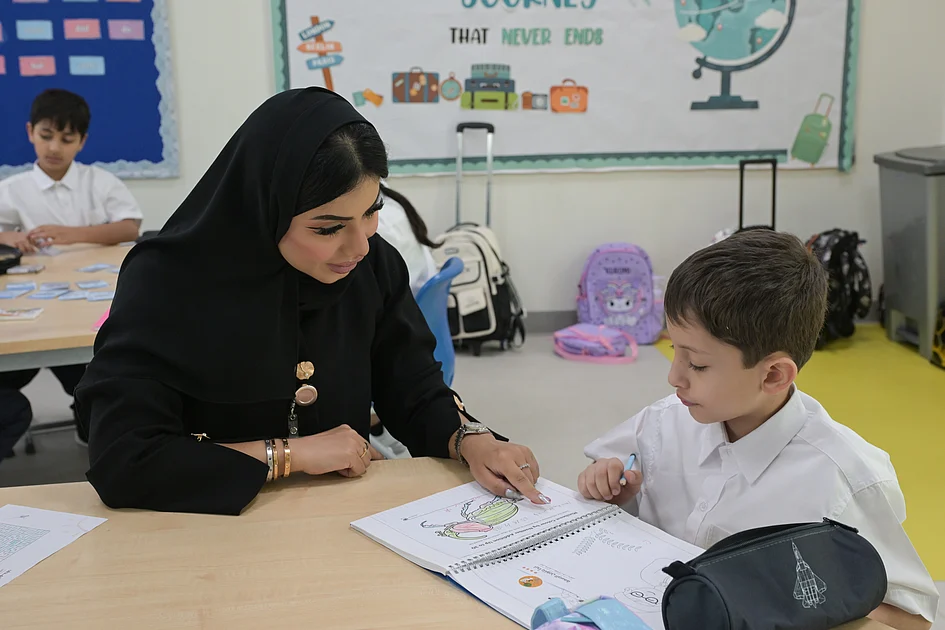
    Educational institutions across the United Arab Emirates are implementing strategic academic calendar modifications in anticipation of Ramadan’s overlap with critical examination periods. With the holy month projected to commence approximately on February 19 (subject to moon sighting), administrators are carefully coordinating assessment schedules to accommodate fasting students’ needs while maintaining academic integrity.

    The scheduling conflict presents particular challenges as Ramadan coincides with several major board examinations. The Central Board of Secondary Education (CBSE) tests commence on February 17, while ISC/ICSE examinations for Classes 12 and 10 are scheduled for February 12 and 17 respectively.

    Deepika Thapar Singh, CEO-Principal of Credence High School, explained the comprehensive approach: “We meticulously manage exam durations, spacing between papers, and staff supervision protocols to ensure equitable conditions while minimizing fatigue for fasting students. All Ramadan-specific timetable modifications are communicated extensively through official channels well in advance.”

    Michelle Thomas, Principal/CEO of GEMS Al Barsha National School, emphasized the wellbeing-first philosophy: “Conscious of student welfare and fairness during Ramadan, we generally avoid scheduling internal examinations during this period. The majority of our students observe fasting, and this approach ensures they can maintain their religious practices without additional academic pressure.”

    When assessments cannot be rescheduled, schools are implementing alternative evaluation formats. These include lighter assessment structures, flexible timing arrangements, and recorded instructional materials for post-iftar review when students are better nourished and hydrated.

    Communication emerges as a critical component of the strategy. Institutions are utilizing detailed circulars, parental emails, assembly announcements, and digital platforms to ensure transparency regarding amended schedules and wellbeing measures. This proactive communication strategy helps families plan effectively while reducing student stress during the holy month.

    Natalia Svetenok, Principal of Woodlem British School in Ajman, highlighted the comprehensive approach: “Student satisfaction and wellbeing remain our primary focus. We reduce energy-intensive activities, moderate the learning pace, and maintain flexible evaluation schedules while ensuring full compliance with UAE regulations regarding Ramadan organization in educational settings.”

  • The US authorizes a short extension to a longstanding African trade agreement. Here’s what to know

    The US authorizes a short extension to a longstanding African trade agreement. Here’s what to know

    CAPE TOWN, South Africa — President Donald Trump has signed into law a short-term extension of the African Growth and Opportunity Act (AGOA), a cornerstone trade agreement that provides duty-free access to the U.S. market for eligible sub-Saharan African nations. The move comes after the agreement was allowed to lapse temporarily last year, creating uncertainty across the continent.

    The extension, which runs only until December 31, 2026, represents a significant reduction from the traditional 10-year renewal periods. The Office of the United States Trade Representative confirmed the administration plans to modify AGOA to align with Trump’s ‘America First’ trade policy, though specific changes remain undisclosed.

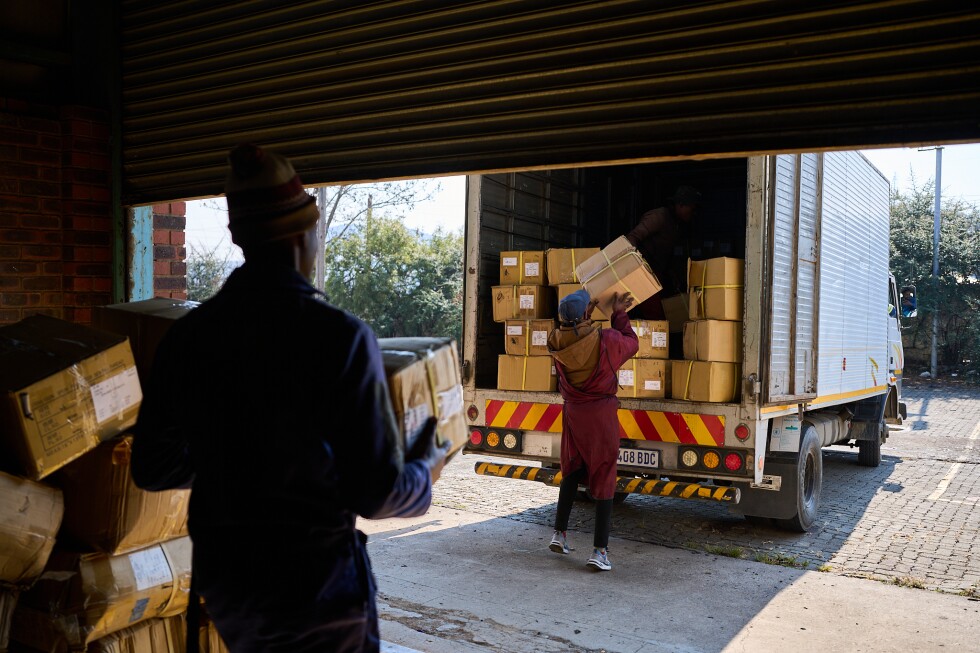
    First established in 2000 under President Bill Clinton, AGOA has been instrumental in fostering economic ties between the U.S. and Africa, facilitating over $100 billion in bilateral trade in 2024. The agreement allows approximately 1,800 products—including crude oil, automobiles, textiles, and agricultural goods—to enter the U.S. market without tariffs. Eligibility requires participating nations to maintain market-based economies and uphold democratic standards and human rights, with Uganda recently removed for its anti-gay legislation.

    The short-term nature of the extension has raised concerns among African leaders and business communities. South Africa, one of the program’s largest beneficiaries, expressed apprehension about the limited timeframe. Trade Minister Parks Tau emphasized the need for certainty regarding the agreement’s future terms.

    The Trump administration has simultaneously applied diplomatic pressure on Africa’s largest economies. South Africa faces criticism over alleged anti-American sentiments and unsubstantiated claims of persecution against white minorities, while Nigeria confronts accusations of Christian persecution. These tensions have been compounded by the imposition of tariffs as high as 30% on some African exports.

    Trump’s America First policy has particularly impacted Africa through reduced aid and increased trade barriers. The dissolution of the United States Aid Agency and cuts to assistance programs have forced some nations to seek alternative partnerships, notably with China, which has emerged as the continent’s leading trading partner. The U.S. has begun renegotiating assistance methods, including recent bilateral health agreements that require African nations to invest in their own systems.

    The administration has called for reciprocal trade concessions, demanding African countries remove barriers to American imports while modernizing AGOA to better serve U.S. economic interests.

  • Gunmen kill at least 13 people in northern Nigeria, police say

    Gunmen kill at least 13 people in northern Nigeria, police say

    ABUJA, Nigeria — Nigeria’s escalating security crisis manifested in renewed violence this week as separate militant attacks across northern regions resulted in significant casualties, according to official statements released Wednesday.

    In northwestern Katsina state, armed assailants wielding dangerous weapons unleashed sporadic gunfire in Doma village within the Faskari area on Tuesday, killing at least 13 civilians. Police spokesman Abubakar Sadiq Aliyu confirmed authorities have launched comprehensive investigations to determine the circumstances and identify perpetrators.

    Simultaneously, north-central Kwara state witnessed devastating violence when armed militants struck Woro and Nuku communities. Governor AbdulRahman AbdulRazaq characterized the assault as a “cowardly expression of frustration by terrorist cells” retaliating against ongoing counterterrorism operations. While official casualty figures remain pending, local media reports indicate the death toll exceeds 30 victims. State police authorities have not yet issued formal statements regarding the Kwara incident.

    This surge in violence occurs amid Nigeria’s multifaceted security emergency, combining persistent Islamic militant insurgencies in northeast territories with rampant kidnapping epidemics across northwestern and north-central regions. The pattern continued last week when extremist factions killed 36 individuals in coordinated assaults on a construction site and military installation in northeastern Nigeria.

    International response to the crisis has intensified, with U.S. Africa Command deploying a specialized military advisory team to Nigeria this week. This development follows December’s American airstrikes against Islamic State-affiliated cells operating within Nigerian territory. The security collaboration unfolds against a complex diplomatic backdrop, including previous tensions between the nations regarding religious protection policies.

  • Abler Group: Redefining AML/CFT compliance as a strategic advantage

    Abler Group: Redefining AML/CFT compliance as a strategic advantage

    In an evolving global financial landscape where regulatory requirements increasingly shape operational frameworks, Abler Group has emerged as a pioneering force in redefining compliance paradigms. Established in Mauritius in 2017 under CEO Shahannah Abdoolakhan’s leadership, the organization has developed a distinctive operational philosophy that positions regulatory adherence not as a constraint but as a catalyst for business growth.

    The company addresses a critical industry challenge: the traditional perception of Anti-Money Laundering and Counter-Financing of Terrorism (AML/CFT) compliance as merely reactive obligations rather than strategic functions. Through its innovative approach, Abler integrates commercially intelligent compliance frameworks directly into daily business operations, transforming regulatory requirements from potential obstacles into competitive advantages.

    With operational bases in Mauritius and expanding presence in the United Arab Emirates and Dubai International Financial Centre, Abler delivers comprehensive support to banks, financial institutions, and corporations across multiple jurisdictions. Their service portfolio encompasses AML audits, remediation initiatives, regulatory advisory services, specialized training programs, and technology-driven compliance solutions designed to navigate complex cross-border regulatory environments.

    Chief Executive Shahannah Abdoolakhan articulates the company’s core principle: “Effective compliance represents a valuable investment, whereas inadequate compliance inevitably becomes a costly expense.” This foundational belief guides Abler’s methodology, demonstrating that properly implemented AML/CFT protocols can simultaneously enable sustainable growth, establish stakeholder trust, and protect long-term organizational value.

    The group’s progressive approach reflects a broader industry shift toward recognizing regulatory compliance as an integral component of strategic business planning rather than merely a technical requirement. By aligning compliance objectives with commercial goals, Abler helps organizations convert regulatory complexity into operational confidence and sustainable development.

  • Dubai: Atif Aslam to perform at Coca-Cola Arena in April

    Dubai: Atif Aslam to perform at Coca-Cola Arena in April

    Dubai prepares to welcome global music sensation Atif Aslam for his sixth consecutive annual performance at the Coca-Cola Arena on April 19, 2026. The Pakistani singing icon returns to the Emirates with promises of an enhanced production featuring a more immersive auditory and visual experience than previous editions.

    The 2026 concert will feature a redesigned venue layout with two distinct sections: a golden circle arrangement and standing floor area, allowing dedicated fans closer proximity to the performer. This strategic staging aims to create heightened intimacy between the artist and audience during the musical journey.

    Event organizers Blu Blood Entertainment, led by founders Osman Osman and Shaaista Khan Osman, emphasized Dubai’s transformation into a premier destination for world-class live performances. “The extraordinary crowd energy in Dubai consistently validates why this city represents the ultimate stage for productions of this caliber,” they stated, noting Aslam’s exceptional ability to forge emotional connections with diverse audiences.

    The performance will showcase Aslam’s extensive discography spanning multiple genres and languages, including chart-topping favorites such as ‘Pehli Nazar Mein,’ ‘Tajdar-e-Haram,’ ‘Jeena Jeena,’ ‘Dil Diyan Gallan,’ and ‘Aadat.’ The production is presented by Peace Homes Development with official support from Dubai Calendar.

    Tickets for the highly anticipated event are currently available for purchase through district.ae, with expectations of strong demand from the singer’s substantial Middle Eastern fanbase.