作者: admin

  • Leader of South Africa’s second biggest political party says he will step down

    Leader of South Africa’s second biggest political party says he will step down

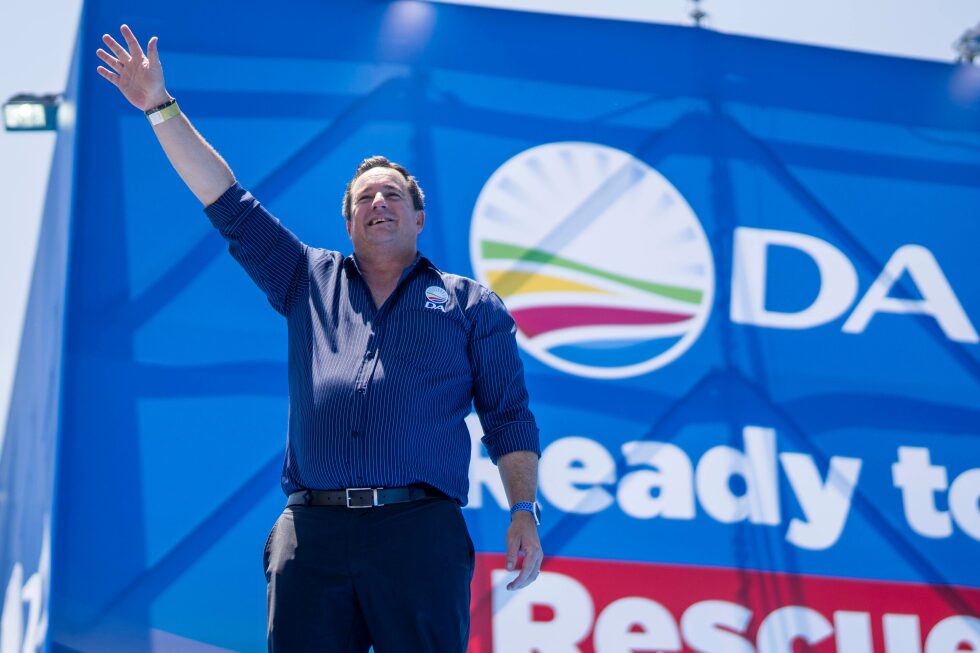
    JOHANNESBURG — In a significant political development, John Steenhuisen, the leader of South Africa’s Democratic Alliance (DA), announced on Wednesday his decision not to seek reelection as party leader. This move comes after Steenhuisen played a pivotal role in orchestrating the country’s unprecedented government of national unity following the African National Congress’s loss of parliamentary majority in the 2024 elections.

    Steenhuisen, who described the coalition formation as his foremost political accomplishment, emphasized the critical importance of transitioning his party from perpetual opposition to meaningful governance participation. “Only through accessing the levers of national power could we genuinely work toward building a more prosperous, fair and successful nation,” Steenhuisen stated during his announcement.

    The leadership transition follows internal party tensions involving allegations of fund misuse, though an internal investigation ultimately exonerated Steenhuisen. Despite stepping down from party leadership, Steenhuisen will maintain his current position as Minister of Agriculture, where he plans to focus intensively on combating the ongoing foot-and-mouth disease outbreak—a challenge he cited as incompatible with simultaneous election campaigning.

    The Democratic Alliance is scheduled to hold its leadership conference in April, ahead of local government elections later this year. Steenhuisen’s departure marks the end of an era for the party that successfully navigated South Africa’s most significant political realignment since the end of apartheid in 1994.

  • Myanmar military-backed party declared election winner as army plans new body to maintain control

    Myanmar military-backed party declared election winner as army plans new body to maintain control

    BANGKOK (AP) — Myanmar’s political landscape has solidified with the military-aligned Union Solidarity and Development Party (USDP) securing a decisive electoral victory, according to final official results released Wednesday. The outcome, widely anticipated due to the exclusion of major opposition parties and severe restrictions on dissent, reinforces the military’s continued dominance over the nation’s governance structures.

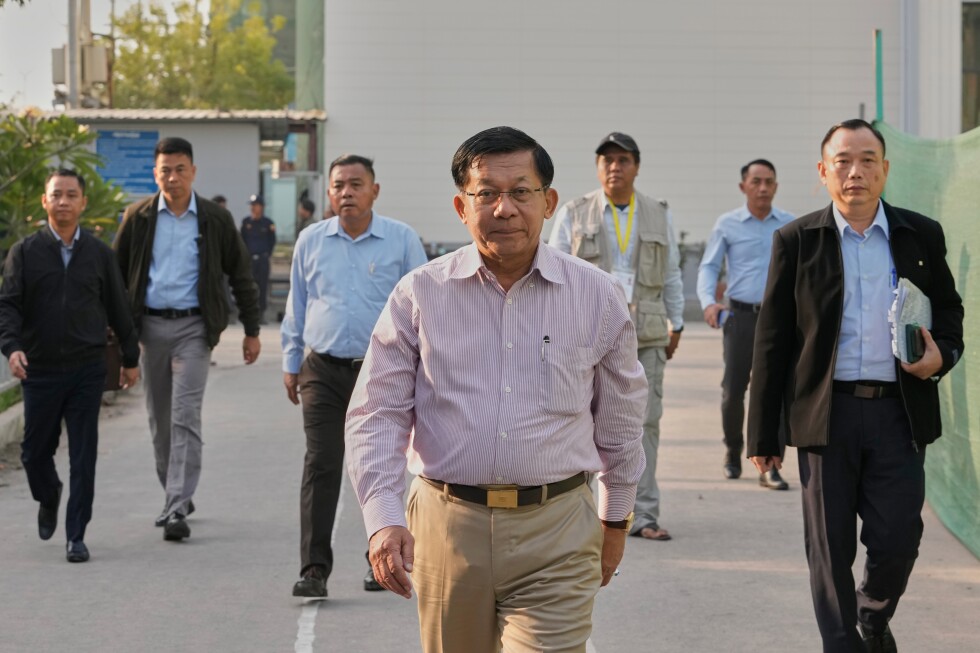
    Concurrent with the election certification, Senior General Min Aung Hlaing, head of the military government, enacted legislation establishing a powerful Union Consultative Council. This advisory body—comprising at least five members including a chairman—holds authority to advise on national security, international relations, peace processes, and legislation without formally interfering with executive or judicial powers.

    The constitutional framework guarantees the military automatic control of 25% of parliamentary seats, effectively ensuring allied parties maintain overwhelming legislative control. Final figures reveal the USDP captured 339 of the 586 available parliamentary seats, while the military retains its constitutionally mandated 166 seats. This coalition controls approximately 86% of the legislature, with 21 other parties securing minimal representation.

    The electoral process, conducted in three phases across December and January, excluded approximately one-fifth of Myanmar’s 330 townships due to ongoing conflict. Official reports cite a 54% voter turnout among eligible citizens, though international observers have raised concerns about widespread coercion and suppression of fundamental rights.

    United Nations Human Rights Chief Volker Türk condemned the electoral process as fundamentally flawed, stating it exacerbated violence and societal polarization rather than advancing civilian rule. Reports indicate widespread voter intimidation tactics, including threats of forced conscription, food access restrictions, and administrative penalties.

    The creation of the consultative council mirrors the military’s established pattern of establishing parallel governance structures since the 2021 coup that ousted Aung San Suu Kyi’s elected government. This move potentially enables Min Aung Hlaing to maintain influence without assuming the presidency, which would require relinquishing his powerful commander-in-chief position under constitutional provisions.

    Parliament is scheduled to convene in mid-March to elect a new president, though the general’s potential role remains uncertain amid these institutional rearrangements.

  • Irish government to impose total ban on scramblers in public places

    Irish government to impose total ban on scramblers in public places

    The Irish government is implementing sweeping legislative measures to completely prohibit scrambler bikes in public spaces, following the tragic death of 16-year-old Grace Lynch in Dublin last month. The new regulations, designated as “Grace’s Law” by Taoiseach Micheál Martin, received cabinet approval Wednesday, signaling one of Europe’s most comprehensive crackdowns on off-road vehicle misuse.

    While existing statutes already restrict mechanically propelled vehicles from public roads without proper registration and insurance, Transport Minister Darragh O’Brien is introducing “additional legal clarity” that explicitly bans scramblers in nearly all roadway circumstances. Most scramblers, designed exclusively for off-road use, lack registration capabilities, rendering them inherently illegal for public thoroughfares under current frameworks.

    The enhanced legislation empowers Gardaí with expanded authority to confiscate and destroy non-compliant vehicles rather than returning them to owners. This strategic shift aims to permanently reduce recirculation of improperly used scramblers. Minister O’Brien emphasized the urgency of these measures, stating: “We owe it to Grace Lynch, her family and her friends to introduce regulations to further restrict the inappropriate use of scramblers in public places.”

    Statistical evidence underscores the necessity for intervention. Garda records indicate 167 scramblers were seized nationally in 2025, while Northern Ireland’s PSNI reported nearly 10,000 scrambler-related incidents over six years. The government anticipates enacting these provisions within weeks, with junior ministers Sean Canney and Jerry Buttimer collaborating on implementation strategies.

  • Greece blames smugglers over migrant deaths but early accounts have been questioned before

    Greece blames smugglers over migrant deaths but early accounts have been questioned before

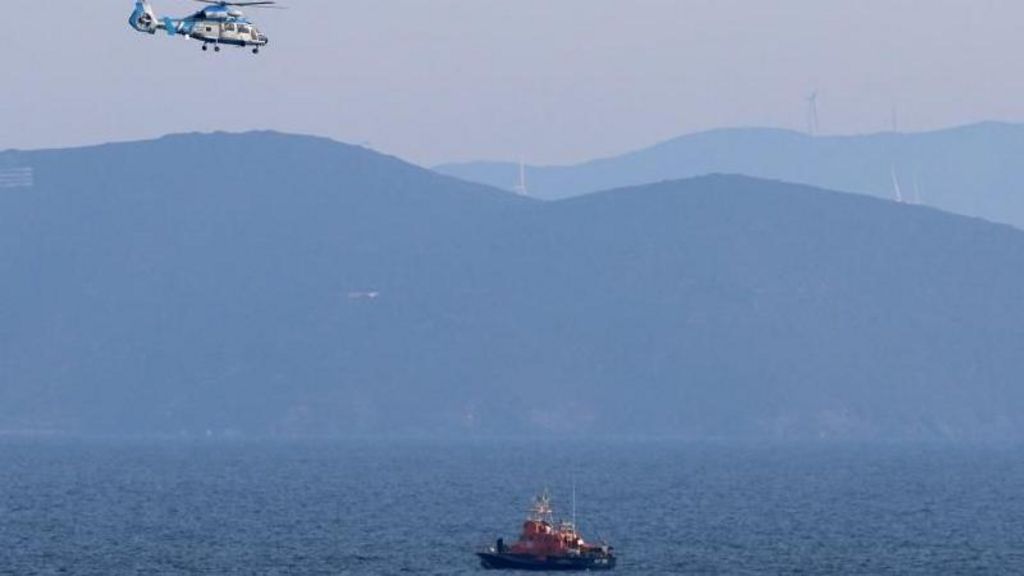
    A recent maritime incident near the Chios Strait has resulted in the deaths of 15 Afghan and Moroccan migrants after their speedboat collided with a Greek coastguard vessel, leaving 24 others injured. Greek authorities have promptly characterized the event as straightforward, attributing blame to smugglers who allegedly failed to comply with visual and audible signals from the Hellenic Coast Guard.

    The official narrative, released in a Tuesday statement, maintains that the migrant vessel executed dangerous maneuvers before veering into the patrol ship. However, this explanation faces scrutiny given historical precedents of disputed accounts involving Greek maritime authorities.

    This incident evokes memories of the 2023 Adriana disaster, where initial official claims that a migrant fishing boat capsized due to overcrowding were later contradicted by survivor testimonies. Those accounts suggested coastguard intervention actually caused the vessel to capsize during a botched towing attempt. Nearly three years later, 21 coastguard officers, including four senior figures and the current commander, face criminal prosecution for negligent manslaughter in that case.

    Regarding the latest tragedy, significant evidentiary gaps remain. No survivor testimony has yet emerged to either corroborate or challenge the official version, and independent verification is absent. The availability of video evidence—whether from coastguard equipment or migrant mobile phones—could prove pivotal, though its existence remains uncertain. Historical patterns raise concerns about evidence preservation; during the 2023 investigation, 20 migrant phones disappeared for 25 days before being discovered abandoned on a coastguard vessel.

    Greece continues to serve as a primary migration route into the European Union, with UNHCR reporting 41,696 sea arrivals in 2025—a decrease from 54,417 the previous year. The conservative government under Prime Minister Kyriakos Mitsotakis has implemented increasingly stringent immigration policies, which have proven politically popular despite criticism from human rights organizations.

    The EU border agency is currently reviewing 12 potential human rights violation cases involving Greece, including allegations of asylum seekers being pushed back from Greek frontiers. Following the latest incident, opposition politicians have condemned the coastguard’s actions, with one senior left-wing figure describing Greek waters as having become ‘a cemetery’ due to government policies.

    Migration Minister Thanos Plevris has expressed full confidence in the coastguard’s account of events, praising their efforts while criticizing activists who ‘complained but saved no-one.’ As investigations continue, many details remain unknown, and historical patterns suggest the complete truth may never emerge from the Mediterranean’s darkness.

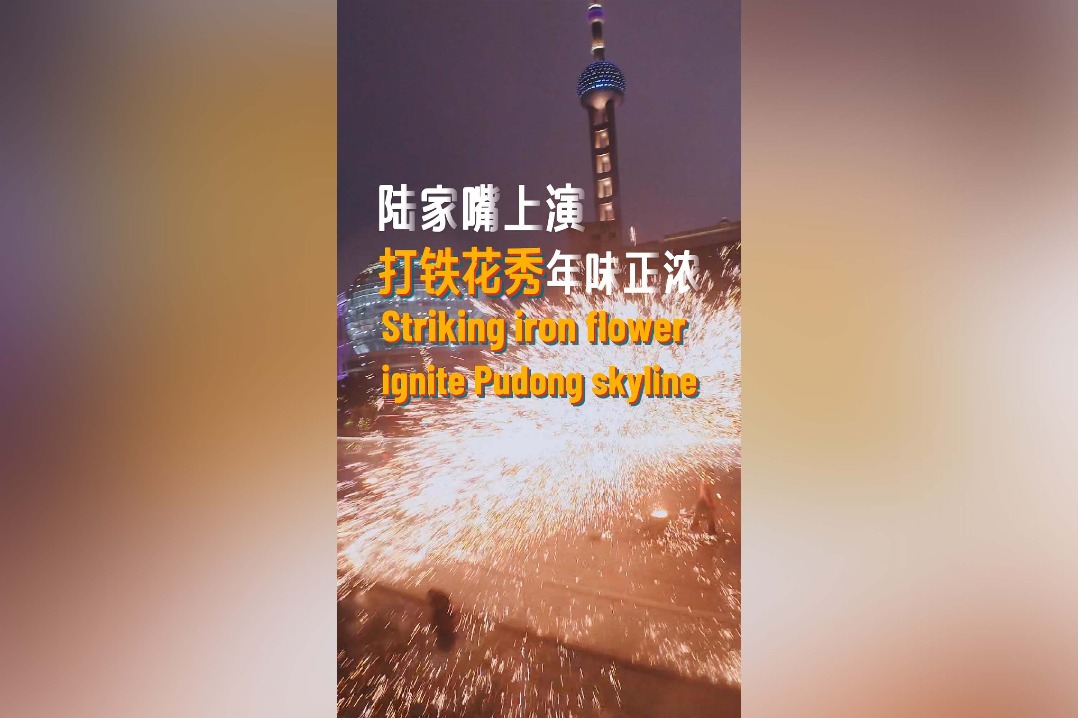
  • Striking iron flower ignites Pudong skyline

    Striking iron flower ignites Pudong skyline

    China Daily Information Co (CDIC) has established stringent copyright protection protocols for all digital content published through its platforms. The comprehensive policy explicitly prohibits unauthorized republication or utilization of any materials—including textual content, photographs, and multimedia information—without obtaining prior written consent from CDIC.

    The company has implemented technical specifications recommending 1024*768 or higher display resolution for optimal viewing experience. CDIC maintains formal publishing accreditation under License 0108263 and operates with official registration number 130349, underscoring its status as a regulated information provider.

    Beyond content protection measures, the organization facilitates multiple engagement channels including corporate advertising opportunities, direct contact protocols, and career placement services catering to both domestic and expatriate professionals. The company further maintains active presence across various social media platforms to enhance audience connectivity.

  • Mirasi Group drives Mauritius’ urban transformation through visionary real estate investments

    Mirasi Group drives Mauritius’ urban transformation through visionary real estate investments

    Mirasi Group has established itself as a transformative force in real estate development across the Indian Ocean region, leveraging four decades of entrepreneurial expertise to reshape urban landscapes in Mauritius and Madagascar. Under the strategic guidance of Deputy CEO Yohan Ismael, the diversified conglomerate is executing an ambitious vision that integrates mixed-use developments, retail management, and long-term investment strategies to create comprehensive urban ecosystems.

    The Group’s philosophy centers on creating value for both investors and local communities through developments that combine strong governance with family-oriented values. This approach has positioned Mirasi as a preferred partner for international investors seeking exposure to Africa’s growing markets through Mauritius’ stable economic environment.

    Central to Mirasi’s transformation strategy is the comprehensive redevelopment of La City Trianon into a next-generation lifestyle destination. The project will incorporate retail spaces, entertainment venues, wellness facilities, diverse dining options, modern workspaces, and hospitality services. The upcoming addition of a Marriott-affiliated business hotel will further establish Trianon as a premier business district, catering to both regional travelers and local professionals.

    In residential real estate, Mirasi is addressing Mauritius’ growing demand for premium living through projects like OryView Residence, which offers modern, secure, and amenity-rich apartments. The company’s pipeline includes additional villa developments and residential communities, alongside ambitious plans for eco-luxury resorts designed to elevate the island’s tourism infrastructure.

    The Group’s expansion strategy extends to Madagascar through landmark projects including Mirasi Tower in Antananarivo, while utilizing Mauritius as a strategic gateway for planned entry into East African markets. This regional approach demonstrates Mirasi’s commitment to long-term growth across developing markets.

    For international investors, particularly those from Gulf regions, Mirasi offers access to Africa’s growth story through Mauritius’ political stability, robust connectivity, and favorable investment climate. The Group emphasizes partnerships with investors who share their vision for sustainable, high-impact developments that will define the next chapter of urban development across the Indian Ocean region.

  • Xi’s military purge is not really about corruption

    Xi’s military purge is not really about corruption

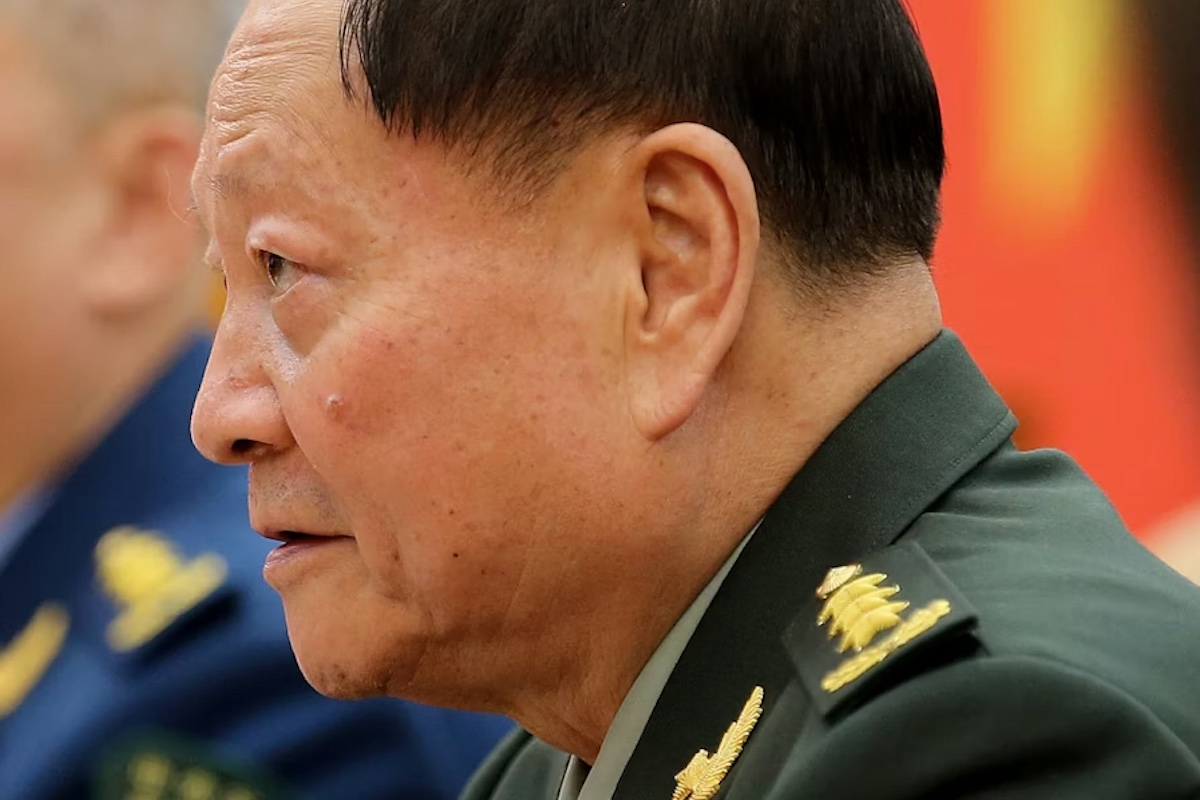
    China’s military command structure has undergone another significant transformation with the removal of General Zhang Youxia from his position as Vice Chairman of the Central Military Commission (CMC) on January 23. This development leaves only one of the original seven CMC members appointed three years ago still in office, marking one of the most substantial leadership overhauls in recent Chinese military history.

    President Xi Jinping, who chairs the CMC, has demonstrated a consistent pattern of removing senior officials throughout his tenure. This approach dates back to the early 2010s when several high-ranking Party members, including Politburo member Bo Xilai and security chief Zhou Yongkang, were purged under anti-corruption campaigns. The Party’s slogan at the time emphasized that ‘tigers’ (high-ranking officials) were equally vulnerable as ‘flies’ (lower-level officials) in the anti-graft drive.

    The recent focus has shifted to the People’s Liberation Army (PLA), which has experienced abrupt personnel changes. The disappearance and subsequent removal of Defense Minister Li Shangfu in mid-2023 preceded the current shakeup. According to the People’s Daily, the official Party newspaper, General Zhang and fellow CMC member Liu Zhenli were formally accused of exacerbating political and corruption issues that threatened Party control over the military.

    While speculation about internal power struggles continues, including unverified claims about nuclear secrets and coup attempts, what remains evident is the PLA’s ongoing structural challenges. General Zhang, in his seventies, represented one of the few senior military figures with actual combat experience from the Vietnam War. Despite reported personal connections to Xi through their shared Shaanxi province origins, personal relationships appear secondary to political objectives in China’s highest leadership circles.

    The timing of these changes is particularly significant as China faces multiple challenges, including economic pressures, demographic issues, and increasing international uncertainty. The performance of Russian forces in Ukraine has reportedly caused concern among Chinese leadership about their own military’s capabilities, particularly regarding potential operations against Taiwan.

    President Xi’s demand for absolute loyalty and battle readiness appears to be driving these personnel decisions. The coming year is expected to bring generational changes throughout China’s leadership structure, with significant implications for the country’s military posture and broader political direction.

  • The F1, football and NFL figures who kept Epstein links after conviction

    The F1, football and NFL figures who kept Epstein links after conviction

    Newly unsealed court documents reveal sustained connections between prominent sports executives and convicted sex offender Jeffrey Epstein long after his 2008 criminal conviction. The files, released last Friday, contain extensive email and text communications showing relationships between Epstein and leaders across Formula 1, NFL ownership, and European football.

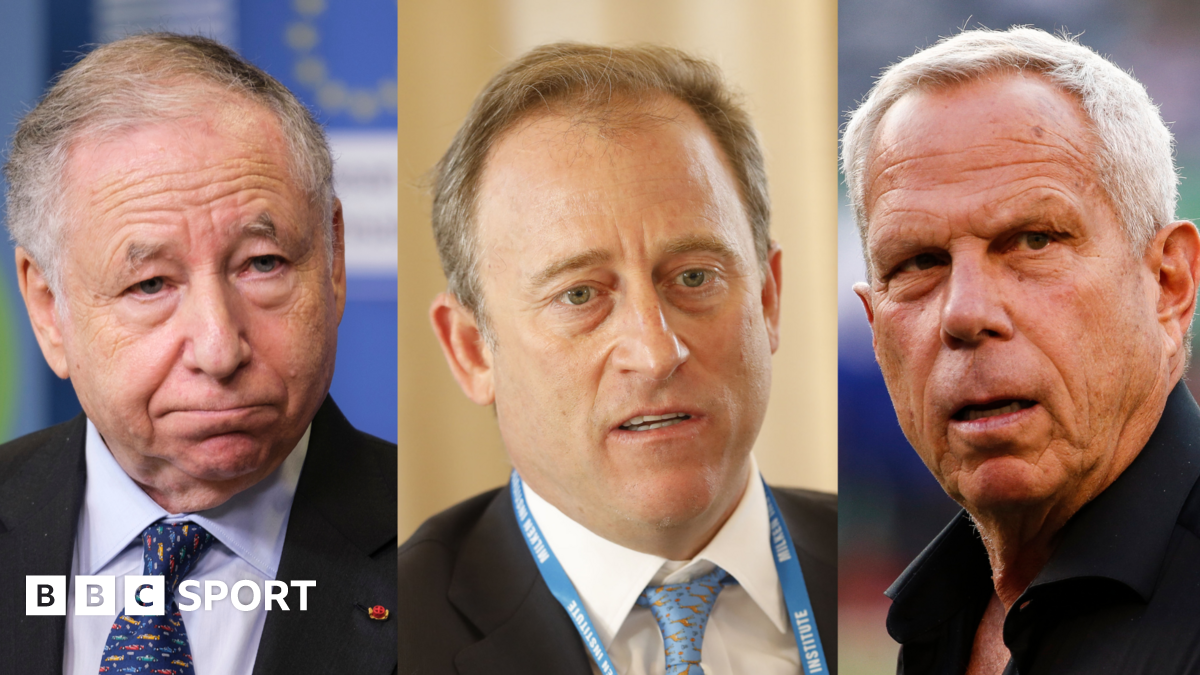
    Among the most detailed correspondences are emails between Epstein and Jean Todt, former Ferrari team principal and FIA president. Records indicate Todt visited Epstein’s New York residence in 2017, with their introduction facilitated by Norwegian diplomat Terje Rod-Larsen. The exchange shows Todt expressing willingness to continue their acquaintance, inviting Epstein to contact him during future visits to Paris or Geneva.

    The documents further reveal communications involving Alpine F1 executive Flavio Briatore, whom Epstein referred to as ‘my Italian friend’ in discussions about potential aircraft purchases and property transactions. Crystal Palace investor Josh Harris maintained email and phone contact with Epstein through 2016, despite his representatives claiming Harris sought to avoid developing a corporate relationship.

    Notably, New York Giants co-owner Steve Tisch exchanged emails with Epstein that included discussions about arranging meetings with women. In one 2013 message, Epstein offered to ‘bring the Russian,’ to which Tisch responded ‘is she fun?’ Tisch has since expressed regret over the association.

    The files also detail pre-conviction communications between sports figures and Ghislaine Maxwell, including sexually charged emails from Casey Wasserman, chairman of the Los Angeles 2028 Olympics. While many named individuals have issued statements expressing regret, several major sports organizations including the NFL are considering formal investigations into the conduct of their executives.

  • Hyvec Group: Building Mauritius’s future through vision, innovation and resilience

    Hyvec Group: Building Mauritius’s future through vision, innovation and resilience

    For over three decades, Hyvec Group has been instrumental in shaping Mauritius’ economic landscape, evolving from its foundational construction roots into a multifaceted business empire. Established in 1993 by visionary entrepreneur Nawaz Khan Chady, the organization has grown into one of the Indian Ocean nation’s most dynamic corporate entities, currently employing more than 2,000 professionals across its diversified portfolio.

    The conglomerate’s strategic expansion spans five core sectors: Construction & Property Development, Retail & Distribution, Finance & Investment, Leisure & Hospitality, and Food Services. This deliberate diversification strategy, guided by principles of hard work, integrity, and innovation, has positioned Hyvec as a critical contributor to Mauritius’ development while facilitating regional expansion across the Indian Ocean and Middle Eastern markets.

    Hyvec’s retail division represents an impressive portfolio of international luxury brands including Ralph Lauren, Montblanc, Armani, Calvin Klein, Tommy Hilfiger, Hackett London, and GANT. The group further strengthens its consumer presence through partnerships with Kohler in home design and Burger King in the quick-service restaurant segment.

    Despite its diversified nature, construction remains central to Hyvec’s operational identity. Through Hyvec Construction and Hyvec Properties, the organization has significantly influenced Mauritius’ urban development, delivering projects ranging from public infrastructure and social housing to luxury residences and commercial complexes. The group’s technical capabilities have been enhanced through collaborations with international construction leaders like Stefanutti Stocks.

    Hyvec’s hospitality footprint is expanding dramatically with four simultaneous hotel developments, including a landmark Ritz-Carlton property under the Marriott Group and the imminent opening of Courtyard by Marriott Ebène. These projects, alongside flagship developments like the One&Only Le St Géran villas and the upcoming WESS Mall in Rose-Belle, demonstrate the group’s commitment to blending global standards with local craftsmanship.

    The organization integrates cutting-edge technologies such as Building Information Modeling (BIM) and sustainable engineering practices into its operations, emphasizing energy efficiency and environmental responsibility. Beyond commercial success, Hyvec has made substantial contributions to national infrastructure, including the delivery of 750 social housing units and the Melrose Prison complex.

    Chairman Nawaz Khan Chady emphasizes the importance of public-private partnerships in driving national development: “We bring efficiency, expertise, and innovation to complement the government’s infrastructure vision.” The group maintains a strong commitment to social responsibility through youth training programs and community support initiatives.

    Looking toward future growth, Hyvec identifies significant opportunities for expansion into African and Middle Eastern markets, particularly in construction, property investment, and hospitality sectors. The group anticipates strengthened collaboration with UAE partners, leveraging Mauritius’ strategic location and stability alongside Gulf innovation and investment capital.
  • Axis Fiduciary: Trusted first partner powering Mauritius’ global financial ambitions

    Axis Fiduciary: Trusted first partner powering Mauritius’ global financial ambitions

    In the competitive landscape of global finance, Mauritius has emerged as a formidable international financial center, with Axis Fiduciary Ltd. positioned as a pivotal force behind this transformation. Established in 2008 through a collaboration between BLC Robert & Associates and CEO Assad Abdullatiff, the firm has engineered a unique integrated model combining legal expertise with comprehensive fiduciary services.

    Axis’s operational philosophy centers on three core pillars: fund formation and administration, corporate establishment services, and private client solutions including trusts and family offices. With nearly 250 professionals managing over 1,500 legal structures worldwide, the firm has become instrumental in channeling investments into African markets while maintaining rigorous compliance standards.

    The jurisdiction’s appeal rests on its political stability, robust regulatory framework, and tax efficiency—attributes that Axis has consistently reinforced through strategic partnerships with global law firms, banks, and asset managers. This alignment with international best practices has established Mauritius as a trusted gateway for cross-border investments, particularly between Asia and Africa.

    In an era of escalating regulatory complexity, Axis operates under an uncompromising ‘comply first’ mandate. The firm maintains stringent client vetting procedures, working exclusively with pre-approved intermediaries to preserve jurisdictional integrity. This compliance-first approach is supported by advanced technological infrastructure, including the proprietary Cypress platform which integrates AI and automation to enhance operational efficiency and data security.

    Beyond traditional services, Axis has embraced the growing demand for sustainable finance, embedding ESG and EDI principles within its operations. The firm supports impact-driven investors through specialized frameworks for measuring and reporting developmental outcomes, while simultaneously administering charitable foundations focused on African initiatives.

    With physical presence in Mauritius, Seychelles, UAE, and India—plus representatives in Kenya and Luxembourg—Axis has developed a multi-jurisdictional footprint that reflects the complex nature of modern cross-border investment. The firm identifies particularly strong synergies between Mauritius and Gulf states, especially for clients targeting African markets or pursuing international expansion.

    As Mauritius continues to evolve as a sophisticated financial hub, Axis Fiduciary remains anchored to its founding vision: delivering bespoke, technology-enabled solutions grounded in regulatory strength and long-term partnership—a testament to how specialized fiduciary services can power a nation’s global financial ambitions.