作者: admin

  • Israel kills at least ten Palestinians in Gaza, including three children

    Israel kills at least ten Palestinians in Gaza, including three children

    Israeli military operations resulted in the deaths of at least ten Palestinians, including three children, during early Wednesday attacks across Gaza. Hamas has urgently called upon international mediators and guarantor states to intervene against what it describes as daily violations of the ceasefire agreement.

    According to a source within Gaza’s ambulance and emergency services who spoke with Al Jazeera Arabic, Israeli artillery strikes targeted the Zaytoun and Tuffah neighborhoods east of Gaza City at dawn, killing seven individuals including two infant girls. Simultaneously, in southern Gaza, the Nasser Medical Complex reported that an Israeli strike hit tents sheltering displaced Palestinians outside Khan Younis, resulting in three additional fatalities including one child.

    These developments follow Tuesday’s demolitions conducted by Israeli troops targeting buildings and facilities in areas under their control east of Al-Tuffah. Despite a ceasefire agreement that took effect in October of last year, Israeli operations have reportedly killed more than 526 Palestinians and wounded 1,447 others through repeated violations of the truce.

    The ceasefire initially halted Israel’s military campaign on Gaza that commenced on October 8, 2023—a conflict that has claimed at least 72,000 Palestinian lives, injured over 171,000, and destroyed or damaged approximately 90% of the enclave’s infrastructure. Thousands more remain buried under rubble according to estimates.

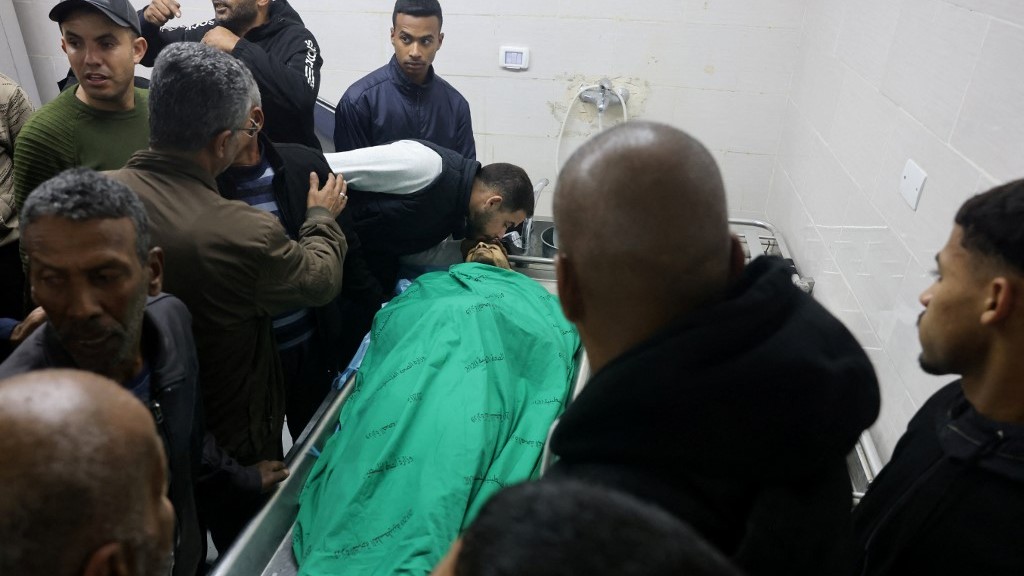
    In a separate incident in the occupied West Bank, Israeli forces shot and killed 24-year-old Palestinian man Saeed Nael Saeed al-Sheikh during a Tuesday evening raid in Jericho. Palestinian officials confirmed the death, with Riyad Eid, director of Jericho Governmental Hospital, detailing that al-Sheikh sustained a fatal abdominal gunshot wound causing severe internal damage, including liver rupture. Three other Palestinians suffered injuries of varying severity during the incursion.

    Meanwhile, despite an agreement to reopen the Rafah crossing, only forty Palestinians returned to Gaza early Wednesday after significant delays, with Israeli forces implementing rigorous searches, questioning, and movement restrictions. The crossing had reopened on February 2nd on a limited basis for the first time in nearly two years under strict Israeli restrictions. While the agreement anticipated 50 Palestinians returning to Gaza and 50 patients (each with two companions) exiting to Egypt on the first day, actual numbers fell dramatically short with only 12 entries and 8 exits recorded.

    Hamas condemned the mistreatment of returnees at Rafah as ‘a crime’ and urged mediators to take immediate action. The group further accused Israel of maintaining severe limitations on humanitarian aid entry despite ceasefire provisions. Hamas spokesperson Hazem Qassem warned that worsening cold-weather conditions are exacerbating the dire situation for displaced families living in tents, while Israel continues to restrict adequate quantities of fuel and cooking gas from entering the territory.
  • Olympic hosting race for 2036 set to be more transparent when India, Qatar vie for votes

    Olympic hosting race for 2036 set to be more transparent when India, Qatar vie for votes

    The International Olympic Committee (IOC) has initiated a comprehensive reform of its host city selection process for future Games, responding to internal demands for greater transparency and structured evaluation criteria. This strategic shift, announced Wednesday during an IOC session, directly impacts the upcoming contest for the 2036 Summer Olympics—a highly sought-after event with strong interest from India and Qatar.

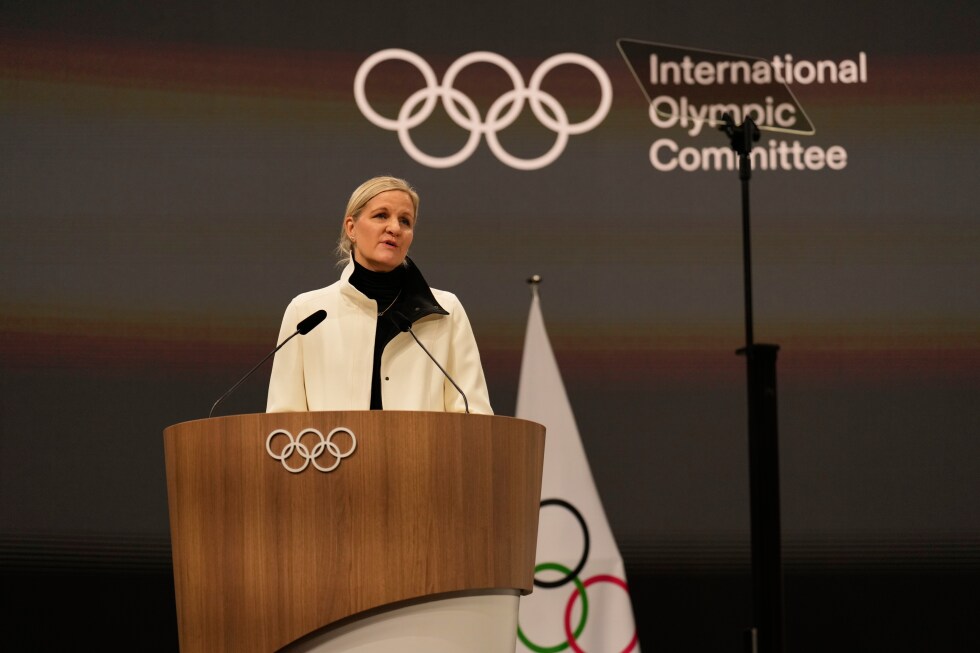
    Under the leadership of President Kirsty Coventry, who assumed office in June, the IOC has abandoned the opaque, fast-track approach that secured Brisbane’s 2032 hosting rights eleven years in advance. Instead, the committee has established a review panel chaired by Kolinda Grabar-Kitarović, former President of Croatia, to implement a more transparent system with documented procedures and regular updates for all stakeholders.

    The reformed process introduces several key changes: a mandatory short-list stage requiring detailed project plans from candidate cities earlier in the process, recognition of prior multisport event hosting experience, and increased involvement of IOC members through confidential briefings and secure online consultations. Grabar-Kitarović emphasized that these measures would ‘build legitimacy and guard against perceptions of favoritism’ while ensuring ‘structured timelines, greater transparency and more meaningful IOC member involvement.’

    The 2036 bidding competition, currently paused pending formal approval of the new process in June, has attracted global interest. India’s Ahmedabad project, backed by the influential Ambani family, and Qatar’s Doha bid are considered frontrunners, though Turkey, Hungary, Germany, and Chile have also expressed interest. Indonesia was reportedly removed from consideration in October after refusing to host Israeli athletes at an international sporting event.

    The revised evaluation criteria will emphasize venue master plans, sports program clarity, financial guarantees, and the added value of prior multisport event experience. Both Qatar and India possess relevant hosting credentials: Doha hosted the 2006 Asian Games and will host again in 2030, while India has hosted multiple Asian Games and the 2010 Commonwealth Games, with Ahmedabad scheduled to host the Commonwealth Games in 2030.

  • UAE ranks highest globally for public satisfaction, says survey

    UAE ranks highest globally for public satisfaction, says survey

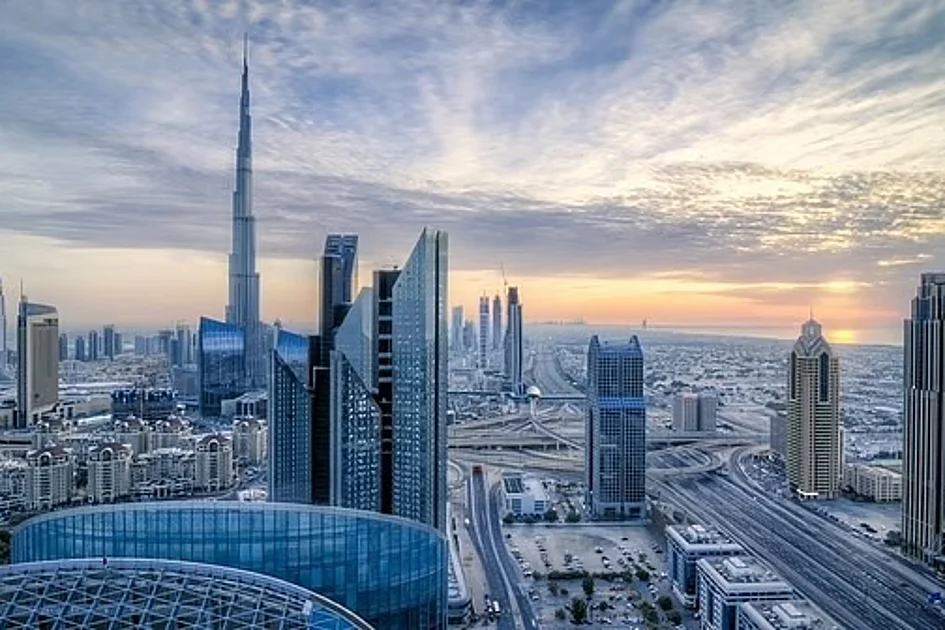
    The United Arab Emirates has achieved the world’s highest level of public satisfaction according to a comprehensive global survey released during the 2026 World Government Summit. The Gallup study, which gathered responses from adults across 107 nations, reveals that nearly one-third of UAE residents report no significant concerns regarding economic stability, employment opportunities, government performance, or safety and security.

    The groundbreaking research, titled ‘The World’s Most Important Problem: What People Need Leaders to Hear in 2026’, demonstrates that Gulf nations dominate the satisfaction rankings, with Kuwait and Bahrain following the UAE in global standings. The survey identifies four primary thematic concerns worldwide: economic stability, employment conditions, political governance, and security matters.

    Jon Clifton, CEO of Gallup, emphasized the human dimension of progress assessment: “People don’t feel progress through GDP charts. They experience it through safety, dignity and opportunity in their daily lives. Leaders who ignore this fundamental truth risk addressing the wrong priorities entirely.”

    Within the UAE specifically, environmental concerns (19%) emerged as the most pressing issue among residents, followed by employment considerations (12%), infrastructure development (12%), and economic matters (7%). This distribution indicates a society where basic needs are largely met, allowing attention to shift toward quality-of-life and sustainability issues.

    The findings align with the recently released 2026 Edelman Trust Barometer, which positions the UAE at the global forefront for governmental trust. Notably, 63% of UAE respondents believe future generations will experience improved living conditions—nearly double the global average of 32%.

    The study further reveals that personal experiences and perceptions shape national concerns more significantly than external indicators alone. Globally, economic anxiety represents the predominant concern across 71 nations, particularly among young adults aged 15-34 and female respondents.

    Wealthier nations demonstrate greater concern regarding political governance, especially where institutional trust is weak. Conversely, countries experiencing conflict or instability prioritize physical safety above all other considerations, including economic and governance issues.

  • Sri Lanka: A strategic gateway for investment trade and tourism

    Sri Lanka: A strategic gateway for investment trade and tourism

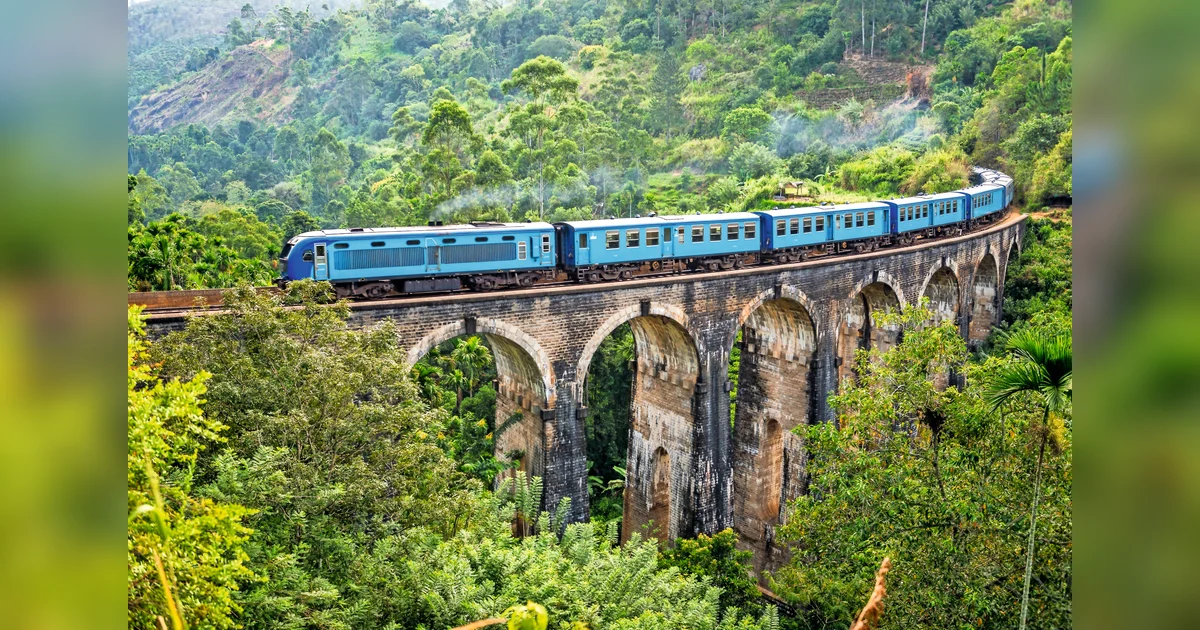
    Strategically positioned along major global shipping corridors in the Indian Ocean, Sri Lanka is rapidly transforming into a pivotal investment destination for international markets. The nation’s comprehensive economic reforms, competitive trade agreements, and diversified sectors present substantial opportunities across multiple industries including tourism, manufacturing, renewable energy, ICT/BPO services, and textiles.

    Sri Lanka’s geographic advantage provides unparalleled access to regional and global markets, enhanced by pro-business policies featuring tax incentives, regulatory streamlining, and continuous infrastructure development. The country boasts a young, skilled workforce that further strengthens its competitive positioning for foreign enterprises seeking expansion in South Asia.

    A cornerstone of Sri Lanka’s investment appeal lies in its extensive Free Trade Agreement network. The landmark FTA with Singapore (2018) opened access to ASEAN’s 650 million consumers, while an impending agreement with Thailand and renewed negotiations with China demonstrate the country’s commitment to global trade integration. Sri Lanka remains the only South Asian nation maintaining FTAs with both India and Pakistan, providing duty-free access to 1.6 billion people.

    The EU GSP+ and UK GSP+ schemes grant zero-duty access for over 6,000 product lines to markets exceeding 450 million consumers, creating exceptional export advantages. These trade frameworks, combined with ongoing negotiations with major economies, position Sri Lanka as a resilient and attractive long-term investment destination.

    Tourism represents a particularly promising sector, with Sri Lanka’s eight UNESCO World Heritage Sites, pristine beaches, and diverse ecosystems attracting global travelers. The island offers unique cultural experiences including the historic Kandy Esala Perahera festival, Ayurvedic wellness traditions, and renowned cuisine featuring signature dishes like hoppers and kottu. Adventure tourism continues to grow with activities ranging from hiking in Horton Plains to whale watching in Mirissa.

    Sri Lanka’s export portfolio maintains global recognition for quality and craftsmanship, particularly Ceylon tea, precious gems (including renowned blue sapphires), ethically produced apparel for major international brands, and premium spices. These exports underscore the nation’s unique position in global markets through quality production and enduring appeal.

    The convergence of strategic location, trade advantages, sectoral diversity, and investment-friendly policies establishes Sri Lanka as one of South Asia’s most promising economic landscapes for international investors.

  • Why Trump called Trevor Noah ‘talentless’ after the Grammys

    Why Trump called Trevor Noah ‘talentless’ after the Grammys

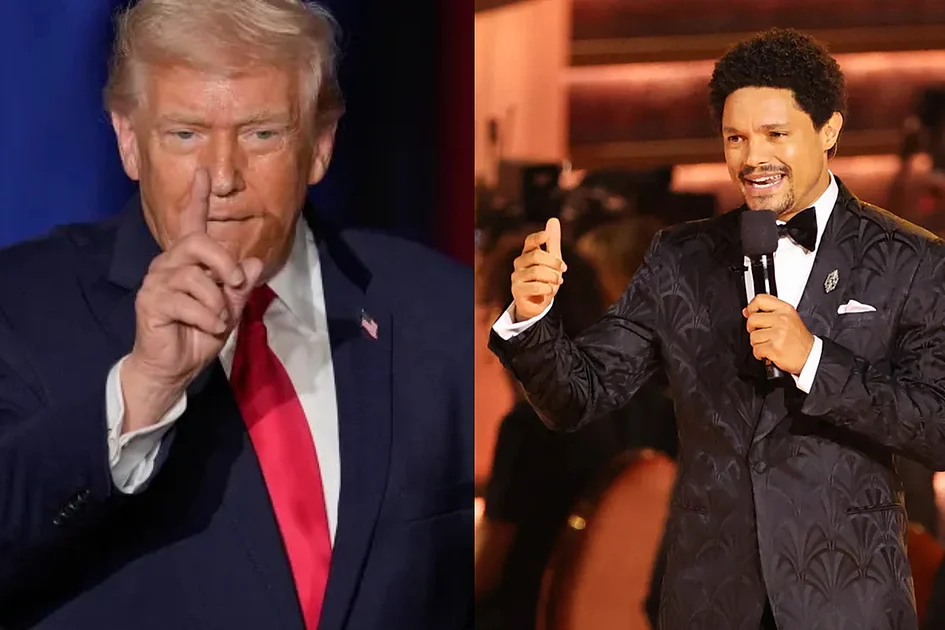
    Former President Donald Trump has launched a scathing attack on comedian Trevor Noah following a controversial joke made during the 67th Annual Grammy Awards ceremony, which drew over 15 million viewers on Sunday night. The incident marks the latest escalation in Trump’s ongoing conflicts with late-night comedians.

    During his opening monologue for his final Grammy hosting appearance, Noah made pointed references to Trump’s political ambitions through ‘term limits’ humor. The most provocative moment occurred during the Song of Year introduction, where Noah quipped that the award was ‘almost as much as Trump wants Greenland,’ adding that with Jeffrey Epstein’s island unavailable, Trump ‘needs a new one to hang out with Bill Clinton.’

    The joke prompted an immediate response on Truth Social, the social media platform Trump launched in 2022. The former president denounced the broadcast as ‘virtually unwatchable’ and specifically targeted Noah, describing him as ‘almost as bad as Jimmy Kimmel’ while vehemently denying any association with Epstein’s island. Despite documented appearances in Epstein-related files, no evidence exists confirming Trump actually visited the controversial location.

    Trump escalated his rhetoric by labeling Noah a ‘total loser’ and ‘talentless dope’ while threatening legal action. ‘He better get his facts straight,’ Trump declared, announcing his intention to ‘send my lawyers’ after the comedian.

    Legal experts remain skeptical about the viability of Trump’s threats. The former president currently maintains multiple ongoing lawsuits against media organizations including The New York Times and BBC. According to defamation specialists consulted by Vulture, successful litigation over an awards show joke would face significant constitutional hurdles, as courts traditionally protect satirical content and comedy under free speech provisions.

    The confrontation represents another episode in Trump’s extensive history of conflicts with comedians who satirize his public persona, with the legal threats appearing to lack substantial foundation in defamation law.

  • ‘Win-win’ ties walk the talk

    ‘Win-win’ ties walk the talk

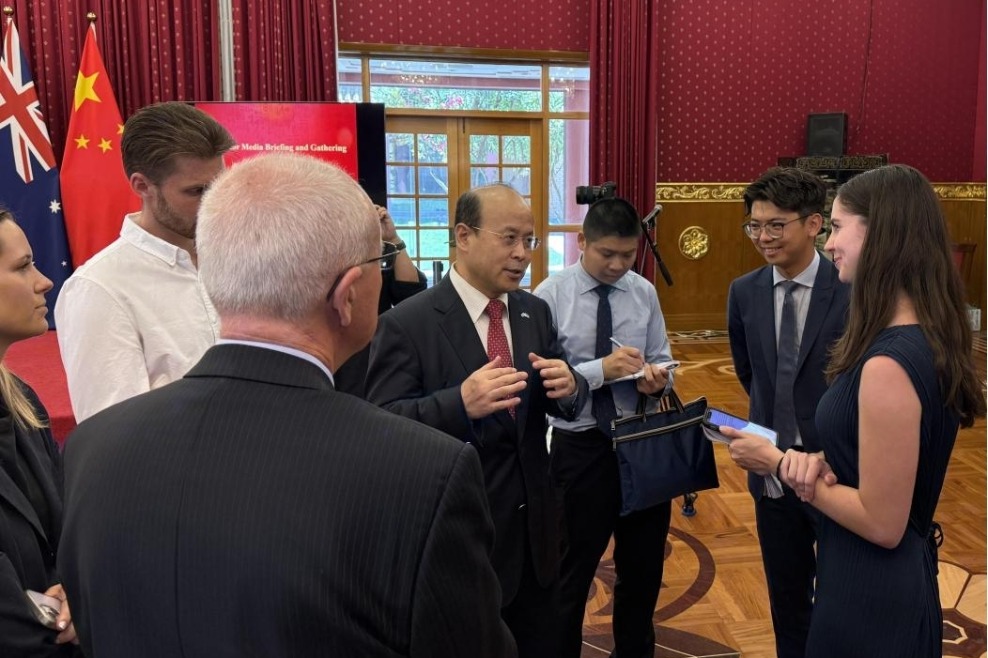
    Amidst a blistering Australian summer, Chinese Ambassador to Australia Xiao Qian convened a significant New Year media briefing in Canberra, attended by representatives from over twenty Chinese and Australian media outlets. The event, held on January 28, provided a platform for substantive dialogue that transcended conventional diplomatic formalities, focusing instead on direct engagement and mutual understanding.

    Ambassador Xiao characterized the past year as one of ‘steady progress’ in bilateral relations, emphasizing the resilience of the China-Australia Comprehensive Strategic Partnership as it enters its second decade. This assessment comes against a backdrop of increasing global turbulence, with the relationship demonstrating remarkable durability despite international challenges.

    The diplomatic landscape has been revitalized through increased high-level engagements, including Australian Prime Minister Anthony Albanese’s visit to China and numerous face-to-face meetings between leaders. These interactions have strengthened political trust and facilitated tangible progress in rebuilding the bilateral framework.

    Economic cooperation remains the cornerstone of the relationship, with bilateral trade once again surpassing AUD $300 billion in 2025. China maintains its position as Australia’s largest trading partner, primary export destination, and leading source of imports. The exchange of agricultural products, mineral resources, and healthcare goods represents more than mere economic statistics—it directly sustains employment and livelihoods in both nations.

    A particularly significant development is the ongoing review of the China-Australia Free Trade Agreement (ChAFTA), which celebrated its tenth anniversary last year. Ambassador Xiao highlighted that most trade now enjoys ‘basically zero tax,’ using Australian wine exports as a concrete example of how tariff elimination benefits both economies. Both countries have agreed to assess potential upgrades to further enhance trade liberalization and economic cooperation.

    The ambassador emphasized that the full potential of economic collaboration remains untapped, indicating substantial opportunities for future growth. The discussions reflected a shared commitment to managing differences constructively while expanding areas of mutual interest.

    This engagement demonstrates how sustained dialogue and practical cooperation can transform abstract diplomatic concepts into tangible benefits, creating a resilient partnership that withstands global challenges and delivers real value to both nations.

  • An angel resembling Italy’s Meloni is painted over after an outcry from church and state

    An angel resembling Italy’s Meloni is painted over after an outcry from church and state

    ROME — A controversial artistic depiction that transformed a celestial cherub into the visage of Italian Premier Giorgia Meloni has been abruptly removed from Rome’s historic Basilica of San Lorenzo in Lucina, concluding a week of intense public scrutiny and institutional investigations.

    The altered fresco, created during chapel renovations in 2000, suddenly gained notoriety when La Repubblica newspaper featured the Meloni-esque angel on its front page last Saturday. The image showed a traditionally rendered cherub body supporting a face unmistakably resembling Italy’s conservative leader, kneeling before a bust of Italy’s last king, Umberto II.

    Church authorities intervened decisively on Tuesday night, instructing the original restorer Bruno Valentinetti to obscure the political portrait. By Wednesday morning, visitors discovered the angel’s face had been crudely covered with a layer of paint or plaster, leaving the cherub’s body intact but faceless.

    The Diocese of Rome and Italy’s Culture Ministry had simultaneously launched formal inquiries into the matter. While the work itself didn’t constitute damage to historic patrimony—dating only from 2000—Cardinal Baldassare Reina, the pope’s vicar for Rome, emphasized that political figures have no place in sacred art.

    The temporary alteration transformed the ancient basilica into an unlikely tourist attraction, with crowds sometimes disrupting religious services to photograph the unusual artwork. Premier Meloni herself responded with humor on social media, posting the image with a laughing/crying emoji and the caption: “No, I definitely don’t look like an angel.”

    Investigations continue to determine the cherub’s original appearance for proper restoration, ensuring the sacred space maintains its artistic integrity free from political associations.

  • Leader of South Africa’s second biggest political party says he will step down

    Leader of South Africa’s second biggest political party says he will step down

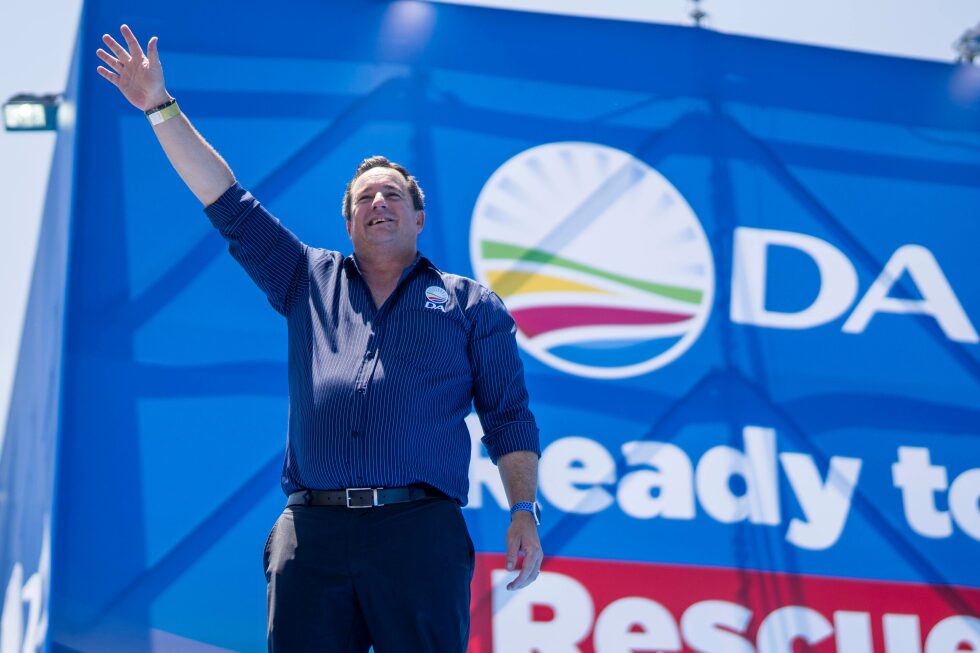
    JOHANNESBURG — In a significant political development, John Steenhuisen, the leader of South Africa’s Democratic Alliance (DA), announced on Wednesday his decision not to seek reelection as party leader. This move comes after Steenhuisen played a pivotal role in orchestrating the country’s unprecedented government of national unity following the African National Congress’s loss of parliamentary majority in the 2024 elections.

    Steenhuisen, who described the coalition formation as his foremost political accomplishment, emphasized the critical importance of transitioning his party from perpetual opposition to meaningful governance participation. “Only through accessing the levers of national power could we genuinely work toward building a more prosperous, fair and successful nation,” Steenhuisen stated during his announcement.

    The leadership transition follows internal party tensions involving allegations of fund misuse, though an internal investigation ultimately exonerated Steenhuisen. Despite stepping down from party leadership, Steenhuisen will maintain his current position as Minister of Agriculture, where he plans to focus intensively on combating the ongoing foot-and-mouth disease outbreak—a challenge he cited as incompatible with simultaneous election campaigning.

    The Democratic Alliance is scheduled to hold its leadership conference in April, ahead of local government elections later this year. Steenhuisen’s departure marks the end of an era for the party that successfully navigated South Africa’s most significant political realignment since the end of apartheid in 1994.

  • Myanmar military-backed party declared election winner as army plans new body to maintain control

    Myanmar military-backed party declared election winner as army plans new body to maintain control

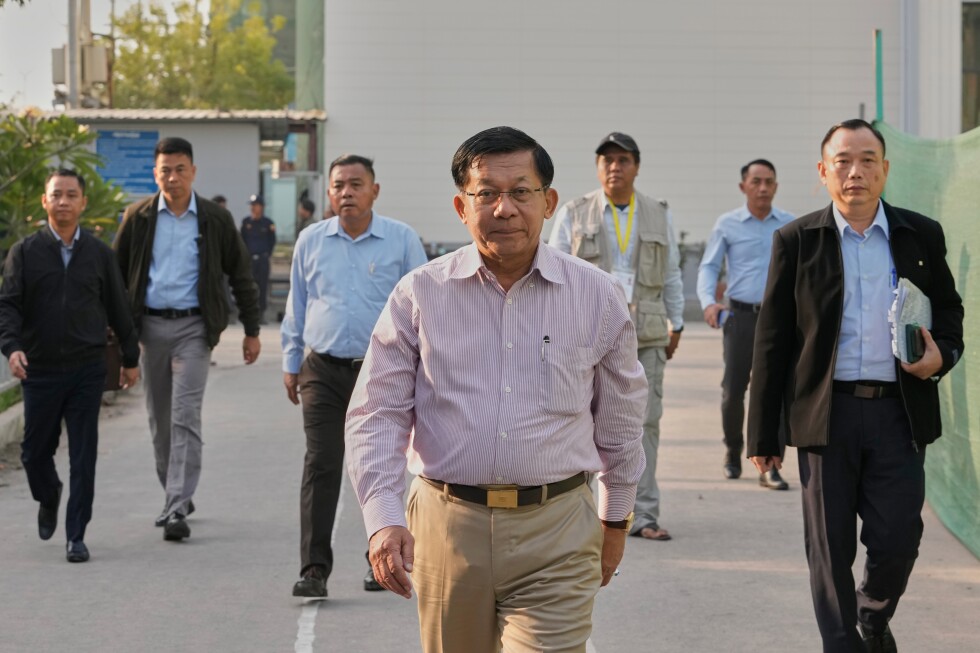
    BANGKOK (AP) — Myanmar’s political landscape has solidified with the military-aligned Union Solidarity and Development Party (USDP) securing a decisive electoral victory, according to final official results released Wednesday. The outcome, widely anticipated due to the exclusion of major opposition parties and severe restrictions on dissent, reinforces the military’s continued dominance over the nation’s governance structures.

    Concurrent with the election certification, Senior General Min Aung Hlaing, head of the military government, enacted legislation establishing a powerful Union Consultative Council. This advisory body—comprising at least five members including a chairman—holds authority to advise on national security, international relations, peace processes, and legislation without formally interfering with executive or judicial powers.

    The constitutional framework guarantees the military automatic control of 25% of parliamentary seats, effectively ensuring allied parties maintain overwhelming legislative control. Final figures reveal the USDP captured 339 of the 586 available parliamentary seats, while the military retains its constitutionally mandated 166 seats. This coalition controls approximately 86% of the legislature, with 21 other parties securing minimal representation.

    The electoral process, conducted in three phases across December and January, excluded approximately one-fifth of Myanmar’s 330 townships due to ongoing conflict. Official reports cite a 54% voter turnout among eligible citizens, though international observers have raised concerns about widespread coercion and suppression of fundamental rights.

    United Nations Human Rights Chief Volker Türk condemned the electoral process as fundamentally flawed, stating it exacerbated violence and societal polarization rather than advancing civilian rule. Reports indicate widespread voter intimidation tactics, including threats of forced conscription, food access restrictions, and administrative penalties.

    The creation of the consultative council mirrors the military’s established pattern of establishing parallel governance structures since the 2021 coup that ousted Aung San Suu Kyi’s elected government. This move potentially enables Min Aung Hlaing to maintain influence without assuming the presidency, which would require relinquishing his powerful commander-in-chief position under constitutional provisions.

    Parliament is scheduled to convene in mid-March to elect a new president, though the general’s potential role remains uncertain amid these institutional rearrangements.

  • Irish government to impose total ban on scramblers in public places

    Irish government to impose total ban on scramblers in public places

    The Irish government is implementing sweeping legislative measures to completely prohibit scrambler bikes in public spaces, following the tragic death of 16-year-old Grace Lynch in Dublin last month. The new regulations, designated as “Grace’s Law” by Taoiseach Micheál Martin, received cabinet approval Wednesday, signaling one of Europe’s most comprehensive crackdowns on off-road vehicle misuse.

    While existing statutes already restrict mechanically propelled vehicles from public roads without proper registration and insurance, Transport Minister Darragh O’Brien is introducing “additional legal clarity” that explicitly bans scramblers in nearly all roadway circumstances. Most scramblers, designed exclusively for off-road use, lack registration capabilities, rendering them inherently illegal for public thoroughfares under current frameworks.

    The enhanced legislation empowers Gardaí with expanded authority to confiscate and destroy non-compliant vehicles rather than returning them to owners. This strategic shift aims to permanently reduce recirculation of improperly used scramblers. Minister O’Brien emphasized the urgency of these measures, stating: “We owe it to Grace Lynch, her family and her friends to introduce regulations to further restrict the inappropriate use of scramblers in public places.”

    Statistical evidence underscores the necessity for intervention. Garda records indicate 167 scramblers were seized nationally in 2025, while Northern Ireland’s PSNI reported nearly 10,000 scrambler-related incidents over six years. The government anticipates enacting these provisions within weeks, with junior ministers Sean Canney and Jerry Buttimer collaborating on implementation strategies.