作者: admin

  • Electric motorcycle riders in Kenya demand more flexible battery networks

    Electric motorcycle riders in Kenya demand more flexible battery networks

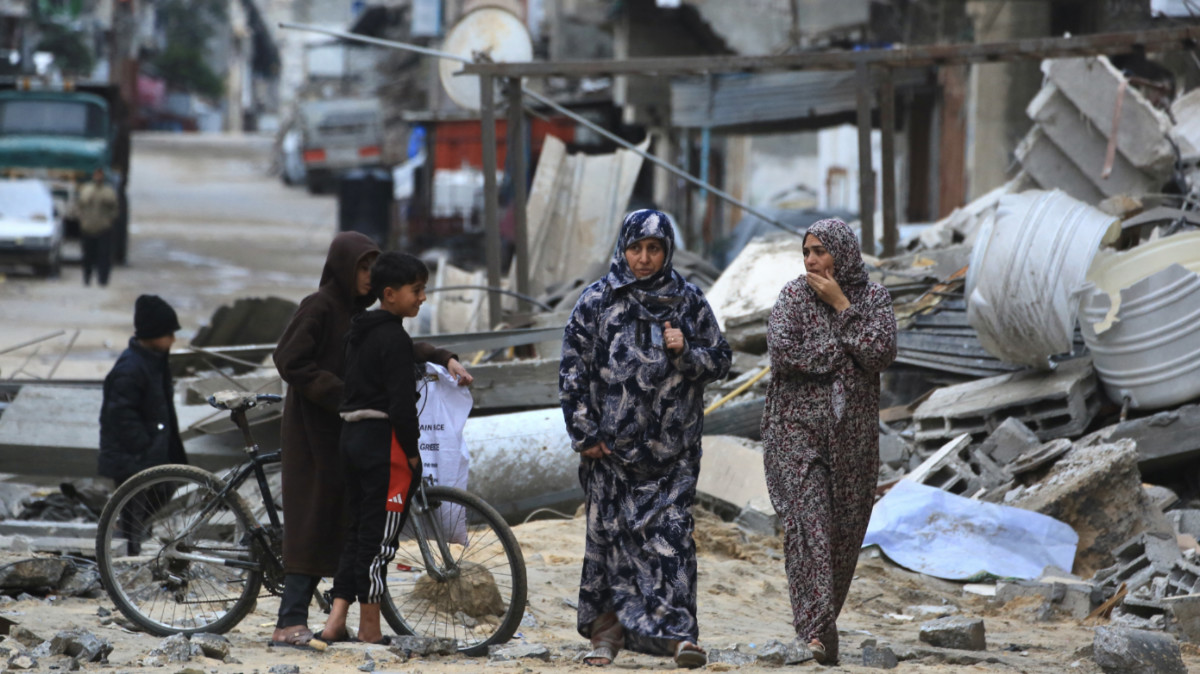
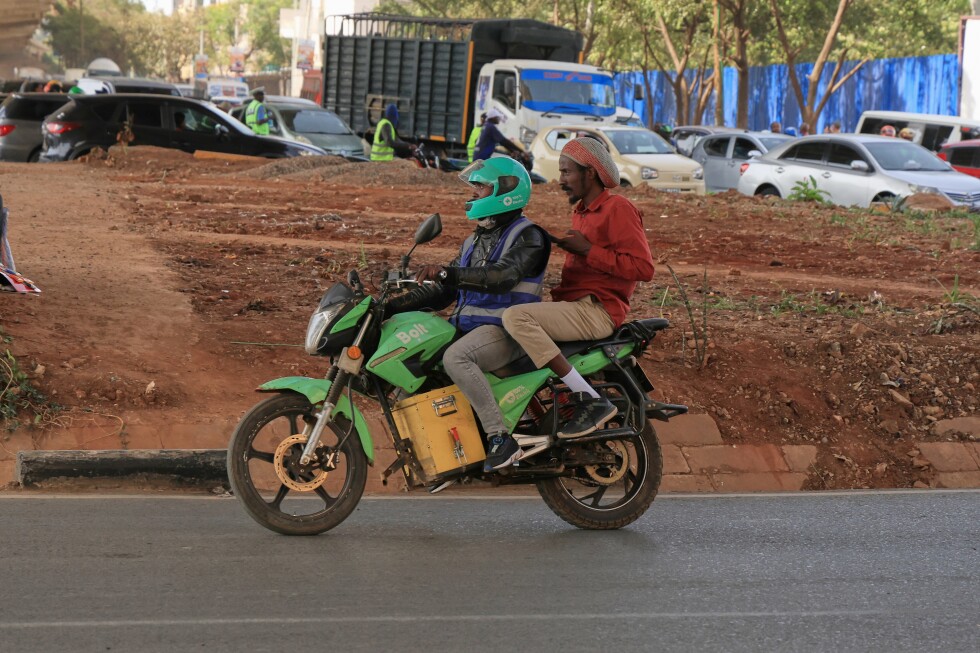
    NAIROBI, Kenya — Africa’s rapidly expanding electric motorcycle sector is confronting a critical infrastructure challenge that threatens to undermine its sustainable growth: proprietary battery systems that lack cross-network compatibility. This technological fragmentation has sparked widespread frustration among riders and prompted calls for industry-wide standardization.

    Prominent Kenyan podcaster Francis Kibe Njeri has emerged as a vocal advocate for reform, utilizing his social media platforms to highlight how manufacturers’ remote lockout features can immobilize vehicles after periods of inactivity. “It is fundamentally unjust that we purchase these motorcycles while the batteries remain manufacturer property, restricting us to their exclusive charging networks,” Njeri asserted.

    The economic impact on riders has been substantial. Oscar Okite, a Nairobi-based e-bike operator, reported losing approximately 500 Kenyan shillings ($4.50) daily when unable to locate compatible swap stations. “The limited availability of accessible charging points directly constrains our earning potential,” he explained.

    Despite the clear cost advantages—with operators saving up to 40% on daily expenses compared to gasoline-powered alternatives—the continent’s e-mobility ecosystem remains constrained by vertically integrated business models. Current industry data reveals East Africa leads in deployment with 89 active e-mobility companies, having attracted $207 million in investments by September 2024.

    Asset financing expert Eric Tsui identified interoperability as the sector’s primary bottleneck: “The most counterproductive scenario involves numerous swap stations incapable of serving all riders. We urgently need standardized systems that allow battery exchange across all operator networks.”

    Industry leaders acknowledge the complexities. Spiro CEO Kaushik Burman expressed conditional openness to network sharing, emphasizing safety certifications: “We welcome manufacturers interested in adapting their bikes to our battery system, but unrestricted access without proper integration poses unacceptable risks.”

    In a potential breakthrough, Ampersand announced Africa’s first open-platform battery network in January, enabling compatible motorcycles from multiple manufacturers to utilize its infrastructure. CEO Josh Whale described this initiative as transforming the company into an electric “fuel station” that promotes market expansion without redundant infrastructure development.

    For riders like Kevin Macharia, these changes cannot arrive soon enough. “Transitioning to electric was meant to enhance our earnings, not leave us stranded roadside awaiting battery swaps,” he remarked, capturing the urgent need for industry-wide cooperation in Africa’s clean transportation revolution.
  • Milestones, surprises, and birthday cheers as the Carnival makes more history at Meydan

    Milestones, surprises, and birthday cheers as the Carnival makes more history at Meydan

    The Meydan Racecourse witnessed an extraordinary evening of racing history during Friday’s 11th meeting of the Dubai Racing Carnival, setting unprecedented records as the prestigious Dubai World Cup approaches. The event unfolded as a celebration of breakthrough achievements and unexpected outcomes, captivating audiences with its dynamic display of international horseracing excellence.

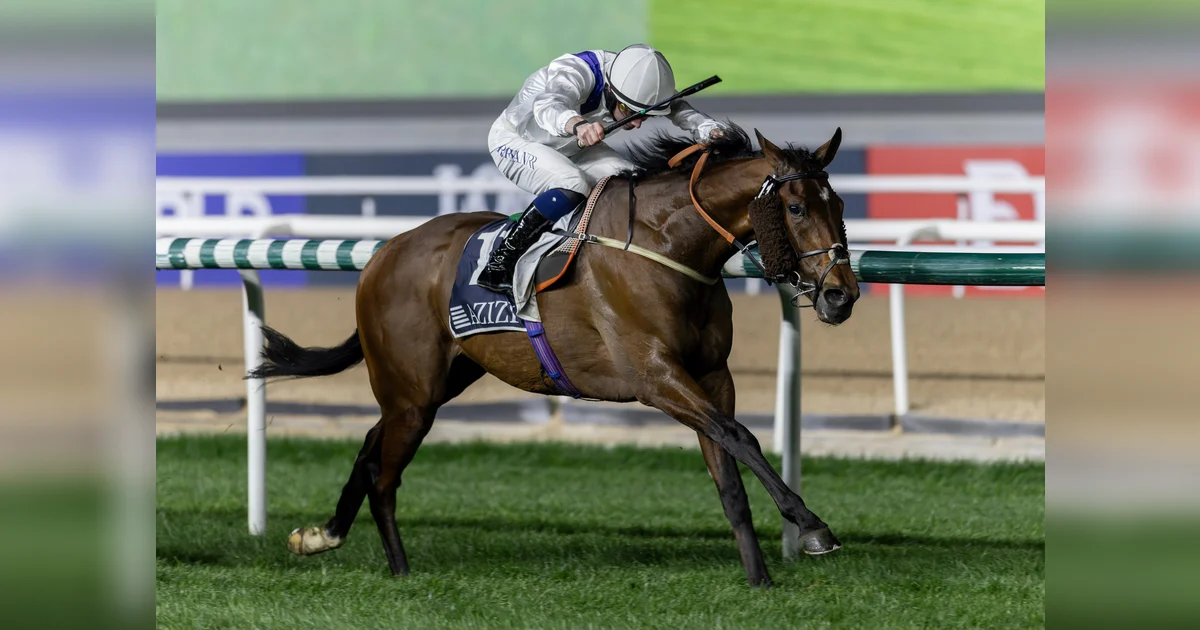
    British raiders dominated the turf with remarkable performances, headlined by Dividend’s triumphant victory in the Lord Glitters Handicap. Ridden by Irish jockey Rossa Ryan, who secured his inaugural Meydan win, the four-year-old outperformed Godolphin’s King’s Charter by three-quarters of length. The victory marked a significant milestone for co-trainers Dr. Richard Newland and Jamie Insole, achieving their first international success. “This horse has been consistently competitive in major handicaps,” Newland remarked. “The additional furlong and cheekpieces proved decisive tonight.”

    Northern Champion continued Britain’s winning streak by claiming the Dubai Trophy under five-time champion jockey Oisin Murphy. The colt demonstrated exceptional versatility, dropping back to 1,200 meters after previously winning over 1,400 meters, and secured a two-length victory over Charlie Appleby’s Maximised. Murphy, celebrating his first Meydan triumph since 2020, praised trainer Ed Walker’s strategic decision to shorten the distance.

    The carnival atmosphere intensified as popular jockey Pat Dobbs celebrated his 47th birthday with a spectacular double victory. Dobbs guided Cats By Five to a commanding five-length win in the Burj Azizi Handicap, with trainer Doug Watson confirming plans to advance the impressive grey to Super Saturday’s G3 Mahab Al Shimaal. Dobbs’ earlier victory came aboard Nyaar in the Azizi Creek Views Handicap, where the six-year-old demonstrated exceptional closing speed to overcome early leader Action Point.

    International participation flourished with South African trainer Dylan Cunha securing his second carnival victory through Tailgunner Joe’s narrow triumph in the Azizi Venice Handicap. Jockey Bernardo Pinheiro, who meticulously studied the horse’s Dubai performances, executed a perfect inside ride to edge Jolly Roger by a quarter-length. Pinheiro completed a personal double when Desperate Hero captured the Azizi Riviera Handicap finale by two and a half lengths.

    The evening’s proceedings commenced with Purebred Arabian competition, where Uptown Walk The Line delivered a spectacular ten-length victory under jockey Sandro Paiva. Former champion trainer Bhupat Seemar and jockey Richie Mullen also celebrated success with Watch Collector, who dramatically reversed previous poor form to win the Azizi Reve Maiden.

  • Pakistan mosque explosion: where the attack unfolded

    Pakistan mosque explosion: where the attack unfolded

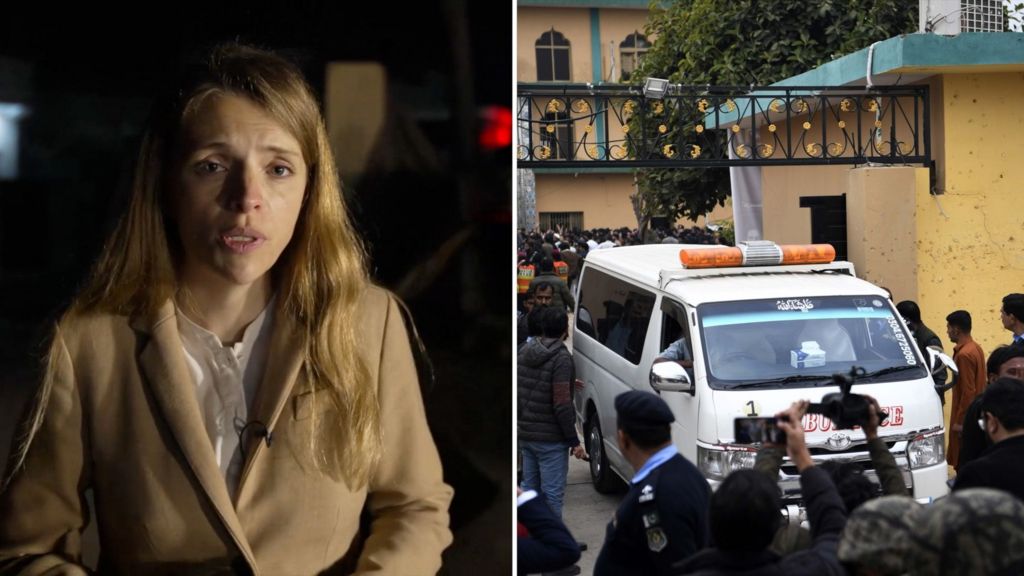
    A devastating suicide bombing targeted a Shia mosque in Pakistan, resulting in a catastrophic loss of life and sending shockwaves through the community. Local police authorities confirmed that at least 31 worshippers were killed when an attacker detonated an explosive device within the mosque’s premises during prayers.

    The assault represents one of the most severe sectarian attacks in recent memory, striking at the heart of a religious gathering and exposing persistent security vulnerabilities. The explosion unfolded during a period of heightened congregational worship, maximizing casualties and creating scenes of chaos and devastation.

    Emergency response teams rushed to the scene immediately following the blast, transporting casualties to nearby medical facilities where medical personnel declared a state of emergency. The attack has drawn widespread condemnation from government officials and religious leaders across sectarian divides, with promises of thorough investigation and heightened security measures.

    This tragedy occurs against a backdrop of longstanding sectarian tensions in the region and raises serious concerns about the protection of religious minorities. Counterterrorism units have launched an intensive investigation to identify the perpetrators and determine the precise methodology behind the attack. The international community has begun issuing statements of solidarity with Pakistan while urging strengthened counterterrorism cooperation.

  • Photos: Kites, victory cries fill Lahore skies as Basant festival returns after long ban

    Photos: Kites, victory cries fill Lahore skies as Basant festival returns after long ban

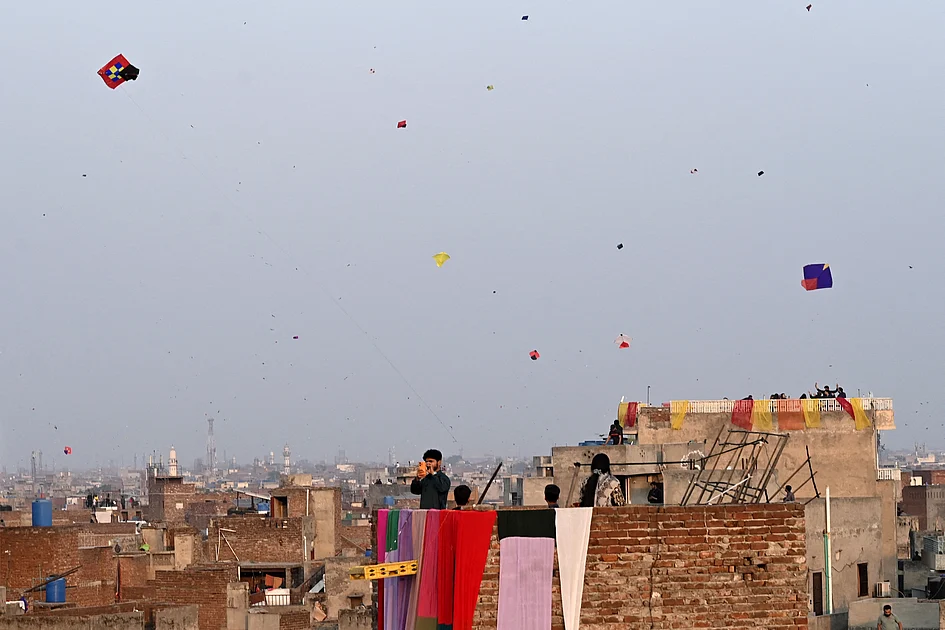
    The ancient city of Lahore witnessed a spectacular cultural renaissance as the traditional Basant kite-flying festival returned to its skies after an 18-year prohibition. On Friday, the vibrant tapestry of colorful kites transformed the atmosphere above Pakistan’s cultural capital, accompanied by triumphant shouts of “bo-kata!” echoing across rooftops as enthusiasts severed opponents’ strings.

    The spring heralding festival, banned in 2008 due to safety concerns after several fatalities involving metal-coated kite strings, was reinstated last year following substantial public demand. The official commencement occurred at midnight with Punjab Information Minister Azma Bukhari ceremoniously launching the inaugural kite.

    Throughout the night, families and friends crowded onto rooftops throughout the Walled City and surrounding neighborhoods, creating a carnival atmosphere with drumbeats and enthusiastic celebrations. Abdul Aziz, 57, described the emotional significance: “Today, when I dropped the first kite in air, I felt as if there was a space in my life that was now filled.”

    Authorities implemented comprehensive safety measures including QR code tracking systems on all kites and strings, prohibition of metallic or chemical-coated materials, and mandatory safety rods for motorcyclists. Approximately 4,600 producers registered with authorities to sell festival materials, while officials conducted rooftop inspections and restricted access to non-compliant structures.

    The festival’s economic impact proved substantial, generating an estimated 3 billion rupees ($10 million) in kite-related commerce alone. Hotels reached full capacity while poultry demand surged to levels typically seen during major religious festivals. At Mochi Gate, Pakistan’s largest kite market, supplies were rapidly depleted with vendor Zubair Ahmed reporting complete sell-outs within two days.

    The celebrations were somewhat tempered by security concerns following a suicide bombing in Islamabad that claimed 31 lives. In response, Punjab Chief Minister Maryam Nawaz announced the cancellation of Saturday’s Liberty Square concert originally scheduled as part of the Basant festivities.

  • Colorado funeral home director sentenced to 40 years for corpse abuse

    Colorado funeral home director sentenced to 40 years for corpse abuse

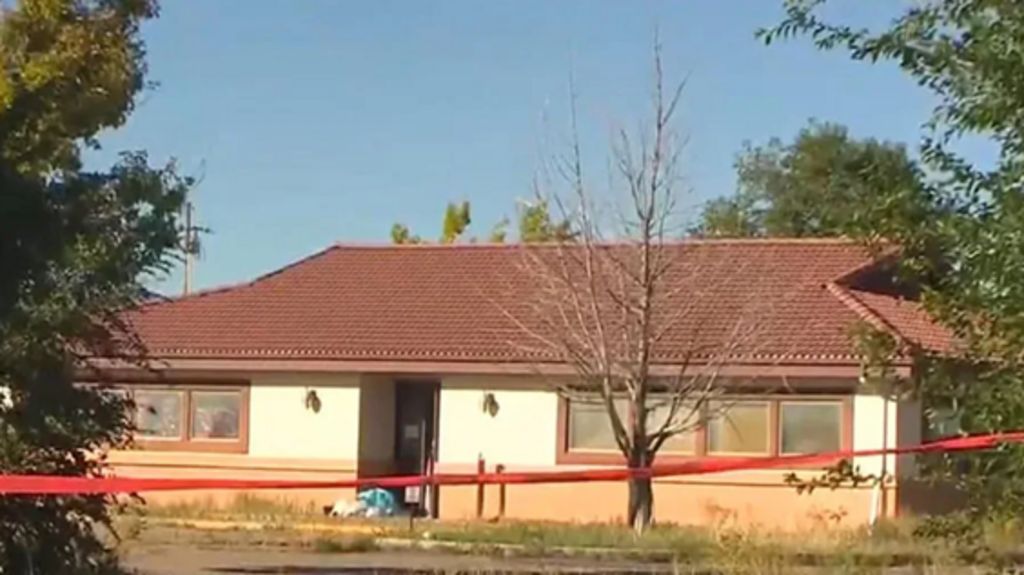
    A Colorado court has delivered a 40-year prison sentence to Jon Hallford, co-owner of the Return to Nature Funeral Home, following one of the most disturbing corpse abuse cases in recent memory. The sentencing concludes a horrific chapter that saw nearly 200 decaying bodies discovered improperly stored at the Penrose facility.

    During emotional courtroom proceedings, grieving family members confronted Hallford, describing him as a ‘monster’ whose actions caused lasting trauma. Victims’ relatives detailed nightmares about their loved ones decomposing in his care, with one daughter stating her mother was ‘treated like yesterday’s trash.’

    The investigation revealed that over four years, 189 bodies—including children and fetuses—were stored in piles within non-refrigerated areas while the funeral home provided families with fake ashes. Prosecutors established that financial greed motivated the scheme, as the business generated sufficient revenue to properly handle remains.

    Judge Eric Bentley, while imposing the sentence, noted the case tested fundamental beliefs about human decency. Hallford offered a courtroom apology, acknowledging, ‘I had so many chances to put a stop to everything and walk away, but I did not. My mistakes will echo for a generation.’

    The case has triggered significant regulatory changes in Colorado’s funeral industry. Previously, state law didn’t require funeral home operators to hold licenses, mortuary science degrees, or even high school diplomas. New legislation imposing stricter oversight has been enacted since the scandal emerged.

    Carie Hallford, Jon’s ex-wife and business partner, has pleaded guilty to similar charges and awaits sentencing. The investigation began in October 2023 following reports of foul odors from the property, leading to the discovery of 115 improperly stored bodies.

  • Salama credits local caddie for stunning wire-to-wire victory in Egypt Golf Series finale

    Salama credits local caddie for stunning wire-to-wire victory in Egypt Golf Series finale

    Spanish professional golfer Juan Salama captured his first MENA Golf Tour championship with a dominant wire-to-wire victory at the Egypt Golf Series finale held at Madinaty Golf Club in Cairo. The rising star credited his local caddie’s expertise as instrumental in his spectacular performance that culminated in a three-shot triumph.

    Salama established tournament dominance from the outset by firing a blistering course-record 60 in the opening round, marking his personal best competitive round. He maintained his commanding position throughout the competition, closing with a five-under-par 65 to finish at 17-under overall. The Spaniard’s victory provided redemption after suffering a playoff defeat to Jack Davidson just seven days earlier at Address Marassi.

    “Shooting 60 was my personal best round, so to open the tournament like that really set everything up,” Salama acknowledged. “I had a local caddie this week who read the greens exceptionally well, and it’s been a fantastic start to the year.”

    The final round presented tense moments as Salama’s pursuers attempted to close the gap. After extending his lead with four birdies on the front nine, a dropped shot at the 15th hole briefly offered hope to competitors. However, Salama demonstrated remarkable composure, navigating the challenging water hazard at the 16th before sealing his victory with a birdie at the 17th.

    “I felt solid but was definitely nervous,” Salama confessed. “I focused on staying present on every shot, maintaining my routine, and handling each moment individually. The water hazard at 16 created particular tension, but I managed to navigate it successfully.”

    Welsh golfer Jack Davidson, last week’s champion, shared second place at 14-under with overnight co-leader Owen Edwards. Davidson posted a 66 in the final round but acknowledged that catching Salama proved ultimately impossible given the Spaniard’s consistent performance.

    England’s Ben Jones delivered the joint best round of the final day with a six-under 64, climbing to fourth position at 13-under. compatriot Curtis Knipes matched Jones’s 64 to secure fifth place at ten-under.

    The tournament concluded the MENA Golf Tour’s successful four-event Egypt swing, which distributed $400,000 in prize money across world-class venues. Salama collected $18,000 from the $100,000 prize fund along with valuable Official World Golf Ranking points. The tour now progresses to Morocco before continuing to Jordan and the GCC region.

  • India rejects ‘baseless’ allegations of involvement in Pakistan mosque bombing

    India rejects ‘baseless’ allegations of involvement in Pakistan mosque bombing

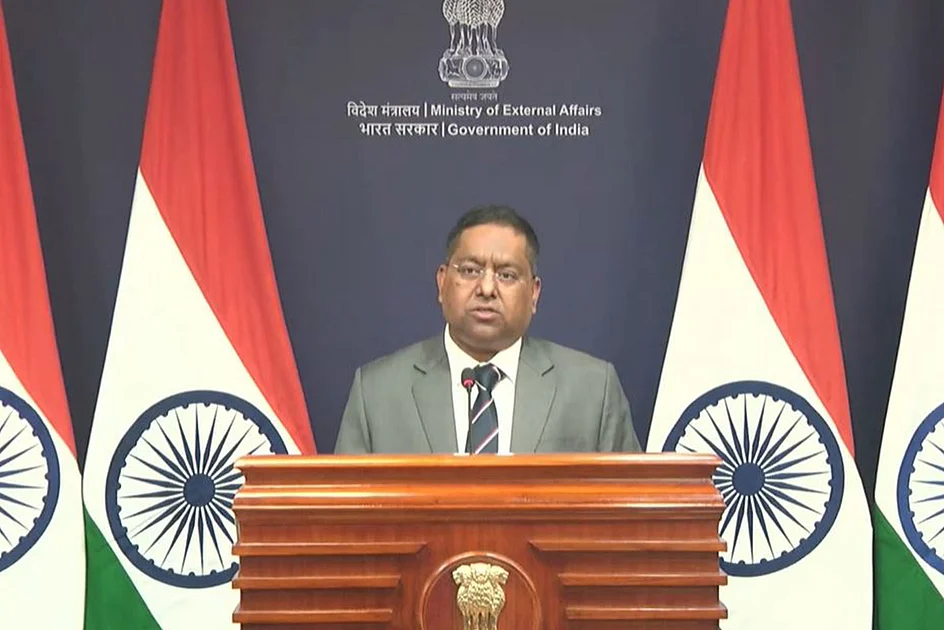
    India has issued a formal rejection of allegations linking it to Friday’s devastating suicide bombing at an Islamabad mosque that resulted in 31 fatalities and over 170 injuries. The Ministry of External Affairs characterized the accusations as “baseless and pointless” while simultaneously condemning the attack and expressing condolences for the loss of life.

    The deadly assault unfolded when an attacker opened fire at the gates of the Khadija Tul Kubra Imambargah mosque before detonating explosives among worshippers. Pakistani Defense Minister Khawaja Asif identified the bomber as having traveled to Afghanistan and directly accused India of sponsoring the terrorist operation. This represents the most severe attack in Pakistan’s capital in over a decade.

    Eyewitness accounts and images from the scene depicted horrific carnage, with bloodied bodies scattered across the mosque’s carpeted floors amid shattered glass and debris. Panicked survivors tended to the wounded in the compound’s gardens as emergency services struggled to respond to the scale of the tragedy.

    The bombing has further strained relations between the nuclear-armed neighbors, with India’s swift denial reflecting the sensitive nature of cross-border terrorism allegations. The incident occurs against a backdrop of longstanding tensions between India and Pakistan, though direct accusations of state-sponsored terrorism remain relatively uncommon in recent diplomatic exchanges.

  • White House removes racist Trump post, says was staff error

    White House removes racist Trump post, says was staff error

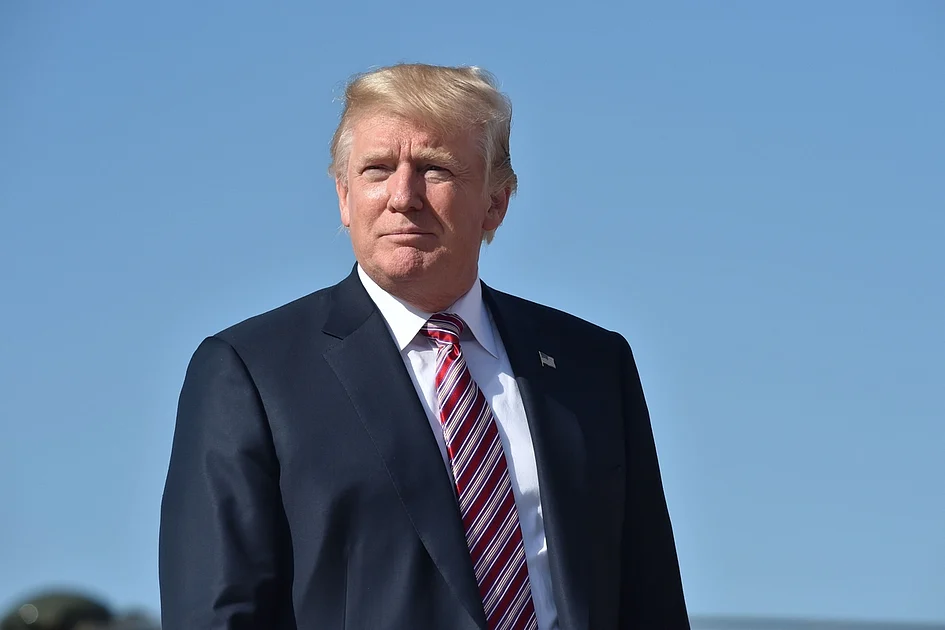
    In a significant incident on Friday, February 6, 2026, the White House attributed a racist social media publication from President Donald Trump’s official account to an administrative error by a staff member. The controversial post, which depicted former President Barack Obama and former First Lady Michelle Obama using dehumanizing monkey imagery, was swiftly removed following its publication.

    A White House official confirmed to AFP that the content was posted erroneously and emphasized its immediate removal from the platform. This explanation contrasted sharply with the response from President Trump’s personal spokeswoman, who had previously dismissed public criticism of the post as ‘fake outrage’ before the White House’s official statement.

    The incident occurs amidst ongoing political tensions and highlights the sensitive nature of official communications from the highest levels of government. The rapid removal suggests internal recognition of the post’s inappropriate nature, though the conflicting narratives from different administration officials have created ambiguity regarding the incident’s origins and the administration’s stance on such content.

    This event raises questions about social media protocols within the White House communications team and the vetting processes for content published under the president’s official designation. The response demonstrates the ongoing challenges in managing official government communications in the digital age, where content can spread rapidly before proper review mechanisms can be implemented.

  • UAE drafted map to build ‘temporary UAE housing complex’ in Israel-controlled Gaza

    UAE drafted map to build ‘temporary UAE housing complex’ in Israel-controlled Gaza

    The United Arab Emirates has developed preliminary blueprints to construct a temporary housing complex for Palestinians within the Israeli-militarily occupied sector of Gaza, according to a Reuters report. This initiative positions the wealthy Gulf state in opposition to regional powers and Palestinian factions who perceive such moves as facilitating the de facto partition of the territory.

    The proposed ‘UAE Temporary Emirates Housing Complex’ is mapped for an area adjacent to Rafah, near Gaza’s sealed border with Egypt. While still in early planning stages, the proposal carries significant geopolitical implications, potentially straining the UAE’s relations with Egypt, which formally opposes any partition of Gaza. Furthermore, regional heavyweights Qatar and Saudi Arabia remain skeptical about funding reconstruction efforts while the threat of permanent Israeli occupation persists.

    This development signals a notable divergence between the UAE’s public diplomacy and its operational stance. Despite official statements from Abu Dhabi denying involvement in Gaza’s civilian administration and rejecting participation in peacekeeping forces, these plans suggest a deeper comfort with the current Israeli-controlled status quo than previously indicated.

    The initiative is reportedly being coordinated with the Trump administration and its ‘Board of Peace,’ with former UN official Nickolay Mladenov—now employed by the UAE—serving as a key liaison. The proposal emerges alongside discussions about developing Gaza’s offshore gas reserves and contrasts with Jared Kushner’s recent remarks at Davos downplaying partition concepts in favor of unified development plans.

    As Israel maintains a strict blockade and controls humanitarian access through the Rafah crossing, these housing plans underscore the UAE’s emerging role as Israel’s preferred partner in navigating Gaza’s complex post-conflict landscape, even as ceasefire violations continue and Hamas refuses disarmament without full Israeli withdrawal.

  • Death toll in illegal Indian ‘rat-hole’ coal mine blast climbs to 23: Official

    Death toll in illegal Indian ‘rat-hole’ coal mine blast climbs to 23: Official

    A catastrophic explosion has ripped through an illicit coal mining operation in northeastern India, claiming the lives of 23 individuals and casting renewed scrutiny on the persistent dangers of outlawed extraction practices. The tragedy unfolded Thursday in Meghalaya’s East Jaintia Hills district, where rescue teams worked tirelessly to recover victims from the devastating blast.

    Senior district official Manish Kumar confirmed the rising death toll to AFP on Friday, stating: ‘Today we recovered four more bodies. We will resume rescue operations again tomorrow.’ Among the fatalities was one injured individual who succumbed to wounds while receiving medical treatment.

    The disaster occurred in what locals term a ‘rat-hole’ mine – a hazardous configuration of deep vertical shafts branching into narrow, claustrophobic tunnels where workers risk their lives extracting coal and minerals. Despite a comprehensive ban imposed by India’s federal environment court in 2014, these illegal operations continue to proliferate across Meghalaya, particularly in the mineral-rich East Jaintia Hills region.

    District police chief Vikash Kumar indicated preliminary investigations suggest the explosion likely resulted from improperly handled dynamite, a common tool in these unregulated mining activities. The 2014 prohibition came after sustained complaints from local communities about severe water source contamination and perpetual safety hazards endangering both miners and residents.

    This incident echoes similar mining tragedies globally, including a recent massive landslide in DR Congo that reportedly claimed hundreds of lives, highlighting the universal dangers of unregulated resource extraction practices that prioritize profit over human safety.