作者: admin

  • The retired Indian factory worker who built a library of two million books

    The retired Indian factory worker who built a library of two million books

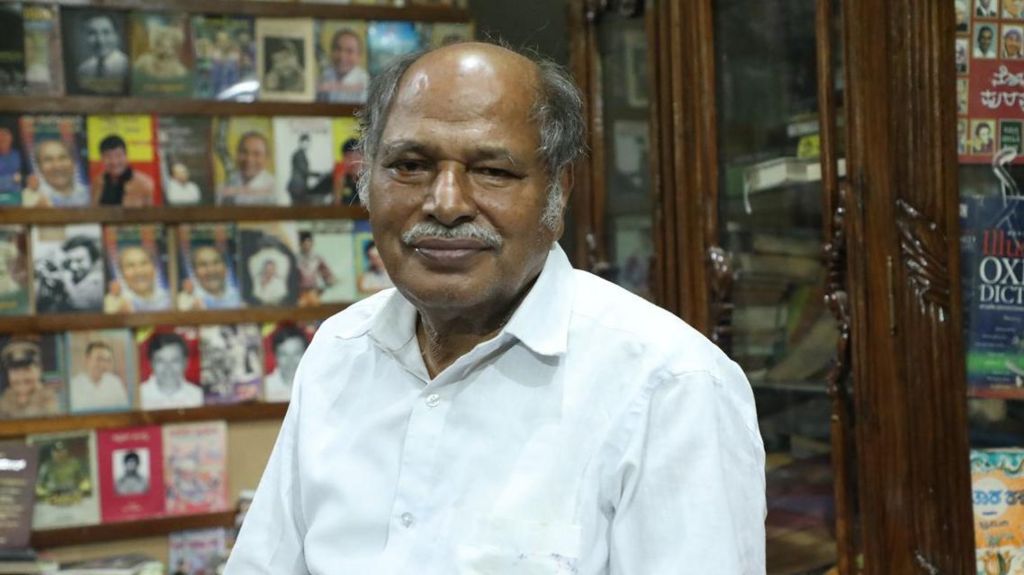
    In the quiet municipality of Pandavapura, Karnataka, 79-year-old Anke Gowda has transformed a childhood passion into one of India’s most extraordinary literary institutions. The retired sugar factory worker, recently honored with the prestigious Padma Shri award, has amassed a staggering collection of approximately two million books over five decades, all freely accessible to the public.

    Gowda’s journey began in rural poverty where books were considered unaffordable luxuries. His insatiable curiosity led him to sacrifice meals for literature, using food money to purchase volumes about Indian freedom fighters and spiritual leaders that he describes as ‘like candy.’ This personal sacrifice evolved into a systemic mission after inspiration from a teacher who encouraged him to create reading opportunities for other rural students.

    After obtaining a postgraduate degree in Kannada literature, Gowda dedicated two-thirds of his factory salary to expanding his collection while supplementing his income through dairy farming and insurance sales. The collection eventually outgrew his home, spilling out of metal trunks and overwhelming his living space until intervention came from unexpected quarters.

    The late industrialist Hari Khoday, upon witnessing the scale of Gowda’s collection, funded construction of a dedicated library building spanning 15,800 square feet. Subsequent support from former Chief Minister HD Kumaraswamy expanded the facility with two additional structures, creating the sprawling complex that stands today.

    Unlike conventional libraries, Gowda’s establishment operates without professional librarians or systematic organization. Books reside in haphazard stacks on shelves and floors, with approximately 800,000 volumes still awaiting unpacking from sacks beneath the library’s awnings. Despite the apparent chaos, regular visitors attest to Gowda’s uncanny ability to locate any volume instantly.

    The library has become an educational hub attracting students, teachers, and scholars from across Karnataka. Assistant Professor Ravi Bettaswami credits the institution with inspiring his own substantial book collection, while government college lecturer Shilpashree Haranu acknowledges the collection’s disorganized appearance but praises Gowda’s intuitive cataloging system.

    Now contemplating the future of his legacy, Gowda expresses hope that governmental or public institutions will assume responsibility for maintaining and expanding the collection. ‘I have fulfilled my responsibility,’ he states philosophically. ‘I have done my best, now it is up to others.’
  • ‘Unhinged, sick individual’: Fury after Trump posts video of Obamas as monkeys

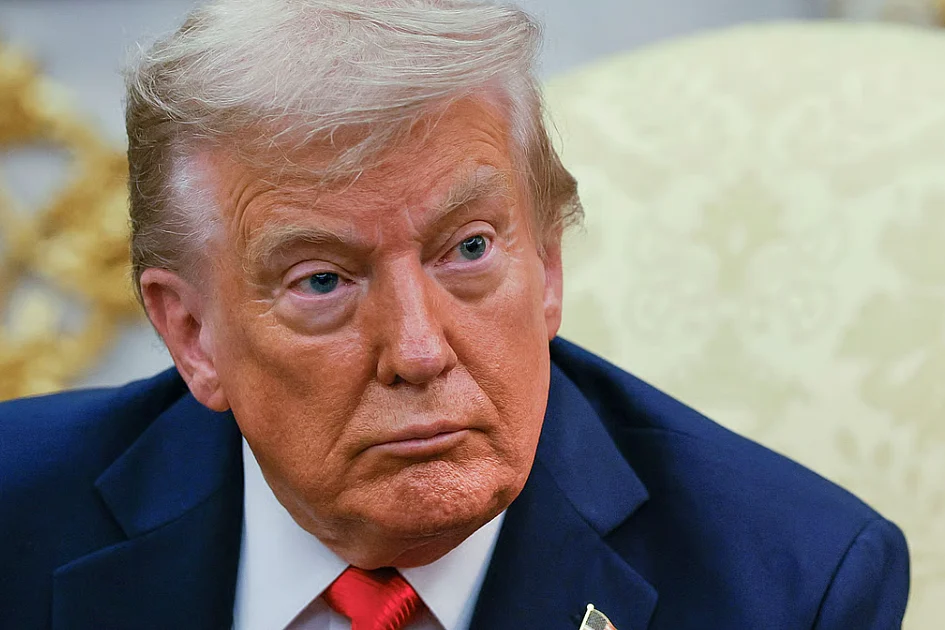
    ‘Unhinged, sick individual’: Fury after Trump posts video of Obamas as monkeys

    A firestorm of bipartisan condemnation erupted Friday after President Donald Trump shared a racially inflammatory video on his Truth Social platform depicting former President Barack Obama and First Lady Michelle Obama with monkey features. The controversial post, which surfaced during Trump’s second term, represents one of the most overtly racist communications ever originating from a sitting U.S. president’s official account.

    The one-minute video, promoting debunked conspiracy theories about the 2020 election, superimposed the Obamas’ faces onto primate bodies while playing ‘The Lion Sleeps Tonight’ in the background. It recycled false allegations about Dominion Voting Systems orchestrating Trump’s electoral defeat to President Joe Biden, who served as Obama’s vice president.

    White House Press Secretary Karoline Leavitt defended the post as an ‘internet meme depicting President Trump as the King of the Jungle and Democrats as characters from the Lion King,’ dismissing criticism as ‘fake outrage.’ This defense emerged despite immediate and severe backlash from both sides of the political aisle.

    House Democratic leader Hakeem Jeffries condemned Trump as a ‘vile, unhinged and malignant sick individual,’ demanding universal Republican condemnation. Remarkably, Senator Tim Scott, the chamber’s sole Black Republican and former presidential contender, described the video as ‘the most racist thing I’ve seen out of this White House’ and urged its removal.

    The incident continues Trump’s longstanding pattern of racially provocative behavior toward the Obamas, beginning with his promotion of the ‘birther’ conspiracy theory questioning Barack Obama’s citizenship. This latest controversy coincides with the administration’s systematic dismantling of diversity, equity, and inclusion programs, reversing decades of civil rights progress.

    Analysts note the video represents an escalation in Trump’s use of AI-generated content, with the same creator responsible for previous deepfakes showing Obama arrested and fighter jets dumping waste on protesters. Critics including former Obama advisor Ben Rhodes predicted history would remember the Obamas as ‘beloved figures’ while judging Trump ‘a stain on our history.’

  • Republican senator demands Mamdani explain antisemitism strategy or risk federal funding

    Republican senator demands Mamdani explain antisemitism strategy or risk federal funding

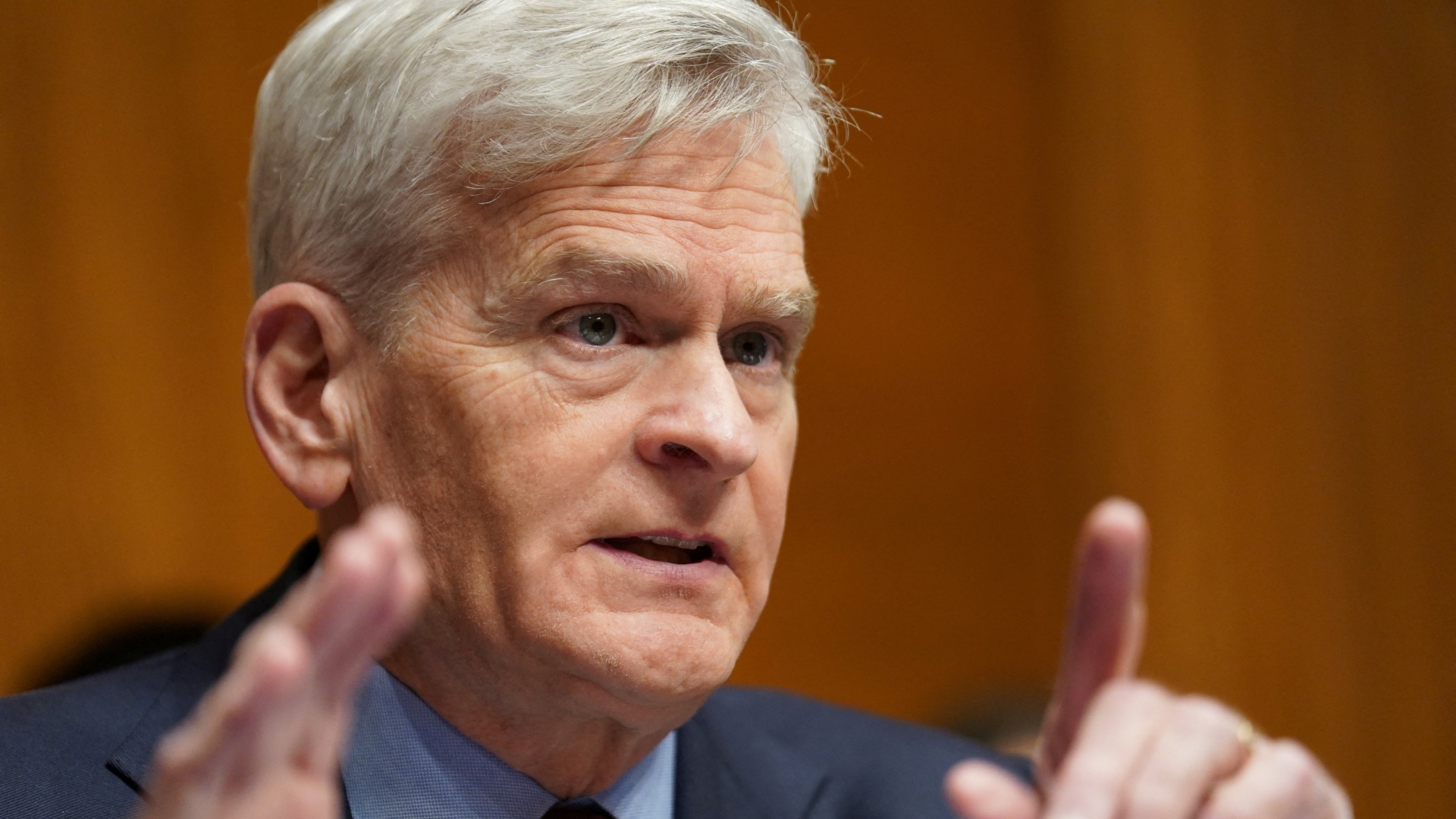
    A significant political confrontation has emerged between Louisiana Republican Senator Bill Cassidy and New York City Mayor Zohran Mamdani regarding civil rights protections for Jewish students. Senator Cassidy, serving as Chairman of the Senate Committee on Health, Education, Labor, and Pensions (HELP), has formally demanded explanations for Mamdani’s decision to revoke two executive orders originally implemented by former Mayor Eric Adams in December.

    The rescinded orders specifically addressed anti-Israel boycotts in municipal environments and established restrictions on protests near synagogues. Cassidy’s letter expresses profound concern that these reversals potentially endanger Jewish students and may violate federal civil rights protections. The senator emphasized that New York City’s access to $2 billion in federal education funding remains contingent upon compliance with federal civil rights statutes.

    Cassidy has requested Mayor Mamdani’s response to six critical questions by February 19th, including inquiries about the administration’s definition of antisemitism, specific protection plans for Jewish students, and the mayor’s personal stance on the Boycott, Sanctions, and Divestment (BDS) movement. The senator specifically referenced the International Holocaust Remembrance Alliance’s (IHRA) definition of antisemitism, previously adopted by the Trump administration.

    This political dispute occurs against a complex backdrop. The BDS movement, approximately twenty years old, advocates for non-violent pressure on Israel regarding its occupation of Palestinian territories, apartheid allegations, and military actions in Gaza. Thirty-eight U.S. states have enacted legislation opposing BDS activities. New York City itself hosts substantial Jewish and Muslim populations, each numbering approximately one million, creating a delicate demographic balance that influences policy decisions.

    The original executive orders stemmed from a November incident outside Manhattan’s Park East Synagogue, where protesters demonstrated against an event promoting Jewish migration to Israeli settlements in the West Bank. These settlements are considered illegal under international law. The protest included chants such as ‘Death to the IDF’ and ‘globalise the intifada,’ referring to Israel’s military and the concept of Palestinian uprising against oppression.

  • A charismatic straight talker, Japan’s Takaichi is poised to expand her power in Sunday’s vote

    A charismatic straight talker, Japan’s Takaichi is poised to expand her power in Sunday’s vote

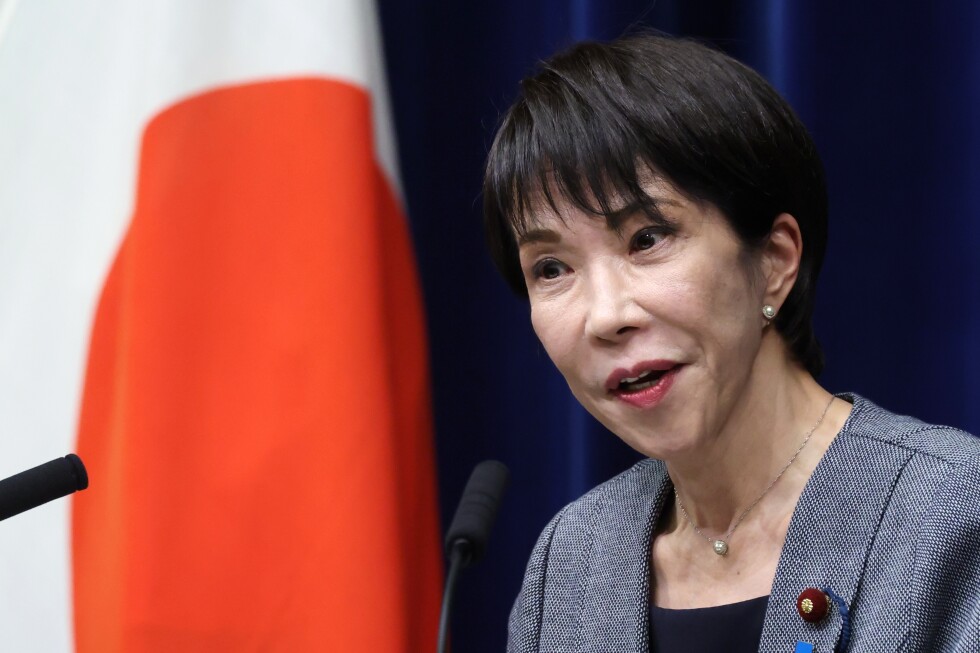
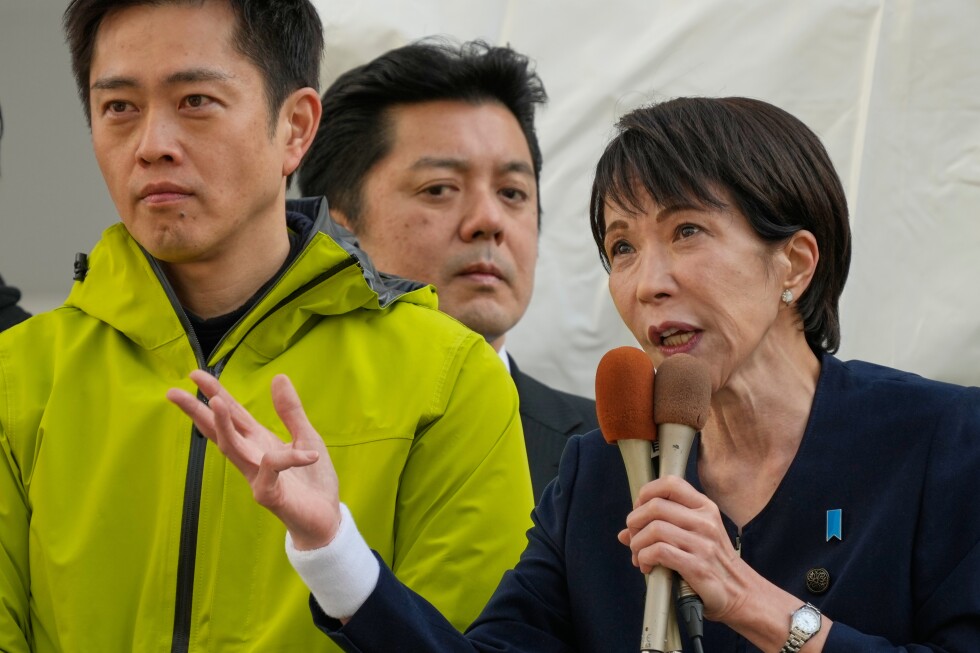
    TOKYO — Breaking from Japan’s traditional political mold, Prime Minister Sanae Takaichi has emerged as an unconventional leader whose unique personal brand is revitalizing the nation’s political landscape. The country’s first female premier combines heavy metal fandom, motorcycle enthusiasm, and drumming prowess with a workaholic philosophy that has unexpectedly resonated with younger demographics.

    Takaichi’s distinctive approach marks a dramatic departure from the elderly male leadership that has dominated Japanese politics for decades. Her popularity stems from what analysts describe as a ‘charismatic combination’ of tough policymaking and playful personal authenticity. Younger supporters, who affectionately refer to her as ‘Sana,’ closely follow her fashion choices, stationery preferences, and even her favorite snack of steamed pork buns.

    This groundswell of support comes at a critical time for her Liberal Democratic Party (LDP), which has governed Japan for most of the past seventy years but recently faced significant challenges. Current polling indicates the LDP is positioned for substantial gains in Sunday’s parliamentary elections, largely attributed to Takaichi’s personal appeal.

    The prime minister’s background reveals a journey from middle-class origins in Japan’s ancient capital of Nara. Raised by conservative parents—a police officer mother and machinery company employee father—Takaichi was immersed in prewar moral values from childhood. Her educational path followed traditional conservative patterns, attending Kobe University while living at home despite gaining admission to prestigious Tokyo institutions.

    Takaichi’s political identity defies easy categorization. While breaking gender barriers as Japan’s first female leader, she maintains deeply conservative positions including support for male-only imperial succession, opposition to same-sex marriage, and preservation of nineteenth-century surname laws that typically pressure women to abandon their family names. This complex positioning has created tension with feminist groups who view her leadership as a setback for gender equality despite her groundbreaking achievement.

    As a protégé of the late Prime Minister Shinzo Abe, Takaichi has embraced and expanded upon his nationalist agenda. She has advocated for enhanced military capabilities, increased defense spending, patriotic education reforms, and traditional family values. Her early weeks in office were marked by hawkish comments regarding potential Chinese military action against Taiwan, representing a shift from Japan’s traditional strategic ambiguity and drawing sharp criticism from Beijing.

    The prime minister’s leadership style combines intense discipline with unexpected personal touches. A self-described workaholic who famously declared she would ‘work, work, work, work, work,’ Takaichi has reportedly spent most of her first three months in office either at the official residence or her workplace, with minimal social engagements. Yet she maintains a playful side, known to spontaneously sing elementary school songs with acquaintances when discovering shared childhood connections.

    This blend of strict conservatism and personal authenticity has created a political phenomenon that transcends traditional demographic boundaries. As University of Tokyo politics expert Izuru Makihara notes, ‘Takaichi is highly regarded, especially by women and younger generations who strongly feel stuck and hopeless.’ Her ability to connect with these constituencies while advancing a strongly conservative agenda represents a significant evolution in Japanese political leadership.

  • Japan’s first female prime minister counts on her popularity to help her party win Sunday’s election

    Japan’s first female prime minister counts on her popularity to help her party win Sunday’s election

    TOKYO — Japan stands at a political crossroads as Prime Minister Sanae Takaichi’s conservative government faces a snap election that could dramatically reshape the nation’s security and economic policies. The ultraconservative leader, who made history as Japan’s first female prime minister in October, has built substantial public support through her assertive leadership style and economic focus, particularly resonating with younger demographics.

    Current polling indicates Takaichi’s Liberal Democratic Party (LDP) is positioned for a decisive victory, potentially securing an outright majority in the 465-seat lower house. The ruling coalition with the right-wing Japan Innovation Party (JIP) could capture up to 300 seats, significantly expanding their legislative power. This stands in stark contrast to the fragmented opposition, which has struggled to present a unified front despite forming new centrist alliances.

    The election represents a critical test for Takaichi’s controversial agenda, which includes substantial military expansion, revised security policies, and tougher immigration measures. She has framed the election as a referendum on her leadership, stating she would resign if the LDP fails to secure a majority.

    A potential coalition victory would accelerate Japan’s rightward shift, with implications for regional security amid growing tensions with China and pressure from the Trump administration to increase defense spending. The Prime Minister recently faced diplomatic challenges after suggesting possible Japanese involvement in potential Taiwan conflicts, triggering economic retaliation from Beijing.

    Meanwhile, the opposition centrist alliance, led by the Constitutional Democratic Party of Japan and the Buddhist-backed Komeito party, promotes more moderate policies including nuclear non-proliferation and diversity initiatives. However, surveys indicate their messaging has failed to gain significant traction with voters.

    Election dynamics are complicated by several factors: record snowfall in northern Japan that may suppress turnout, ongoing scandals regarding LDP’s ties to the controversial Unification Church, and questions about whether Takaichi’s personal popularity among young voters will translate into actual votes for her party.

  • US sanctions 15 entities, 14 ships for trading Iranian oil, State Dept says

    US sanctions 15 entities, 14 ships for trading Iranian oil, State Dept says

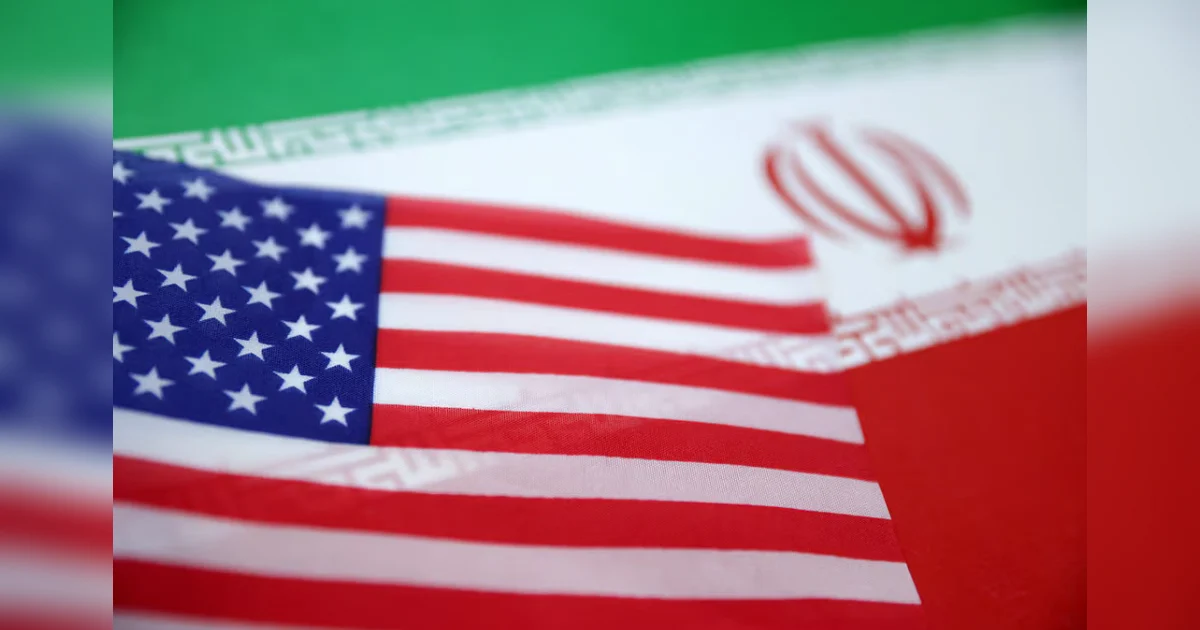
    The United States government has escalated its economic pressure campaign against Iran by imposing comprehensive sanctions targeting 15 entities and 14 vessels allegedly involved in facilitating Iranian oil exports. The announcement came directly from the State Department on Friday, February 6, 2026, shortly after the conclusion of indirect diplomatic discussions between the two nations mediated by Oman.

    State Department spokesman Tommy Pigott articulated the administration’s position, stating that President Donald Trump remains ‘committed to driving down the Iranian regime’s illicit oil and petrochemical exports’ as part of the ongoing maximum pressure strategy. The newly designated entities and vessels represent what officials describe as Iran’s ‘shadow fleet’ – a network of operations designed to circumvent existing international restrictions on Iranian energy exports.

    The timing of these sanctions is particularly significant as they follow closely behind the conclusion of indirect negotiations between American and Iranian representatives. These talks, facilitated through Omani intermediaries, concluded earlier on Friday without apparent breakthrough. This diplomatic sequencing suggests a calculated escalation by the Trump administration, reinforcing its hardline approach toward Iran despite ongoing diplomatic channels.

    The sanctioned entities span various sectors connected to the petroleum supply chain, including shipping companies, trading firms, and financial intermediaries accused of enabling Iran’s oil exports. The vessels targeted are allegedly part of a sophisticated network that uses ship-to-ship transfers, disabled transponders, and other evasion techniques to move Iranian crude to international markets.

    This development represents the latest chapter in the prolonged tension between Washington and Tehran, which has persisted despite occasional diplomatic engagement. The maximum pressure campaign, initiated by the Trump administration, continues to target Iran’s primary revenue source despite criticisms about its humanitarian impact and effectiveness in achieving broader policy objectives.

  • From Hollywood to the homeland: Why African countries are courting black American stars

    From Hollywood to the homeland: Why African countries are courting black American stars

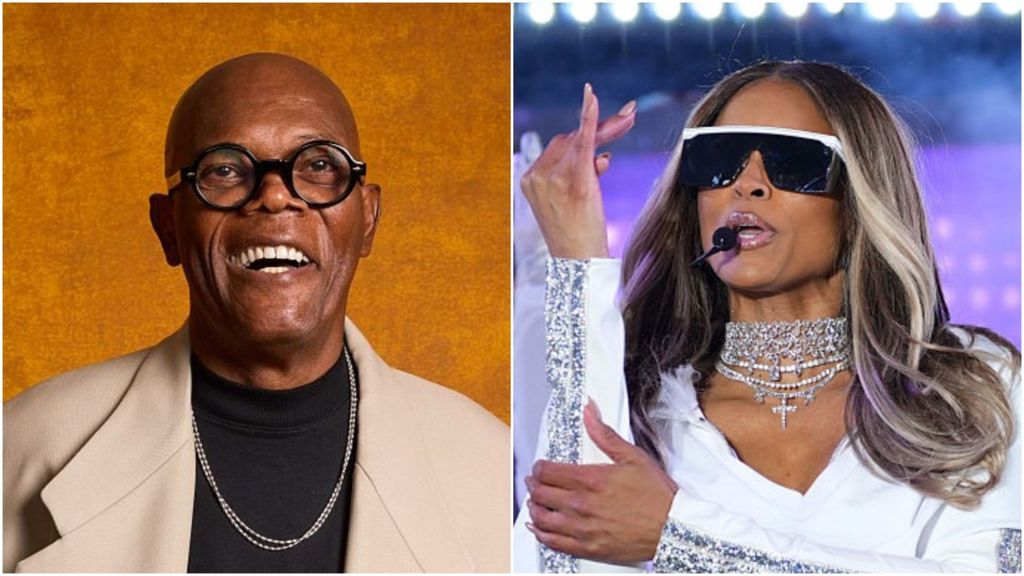
    A growing movement of African nations is granting citizenship to prominent African-American celebrities as part of a strategic cultural and economic initiative. Benin, Ghana, Gabon, and Guinea have officially welcomed stars including Samuel L. Jackson, Ciara, Ludacris, Meagan Good, Jonathan Majors, and Stevie Wonder through formal citizenship ceremonies.

    This trend represents a modern evolution of historical pan-African connections that date back to Liberia’s founding by freed American slaves in 1822 and the mid-20th century migration of black intellectuals to Ghana. The contemporary movement has been significantly accelerated by DNA testing technology that enables precise ancestral tracing.

    African governments frame these citizenship grants as symbolic homecomings that strengthen diaspora ties. Former Ghanaian President Nana Akufo-Addo characterized Stevie Wonder’s naturalization as ‘reaffirming our belief in the enduring spirit of pan-Africanism.’

    Beyond cultural significance, the initiative carries substantial economic considerations. Governments anticipate that celebrity endorsements will boost tourism from African-Americans, whose collective economic power continues to grow. Benin President Patrice Talon has specifically invested in cultural heritage sites, including the Marina Project memorial complex in Ouidah, to attract diaspora tourism.

    The citizenship programs also serve soft power objectives for nations with limited natural resources. As Beninois lecturer Francis Kpatindé notes, ‘Benin has no diamonds, no petrol, nothing. We just have cotton, the ports and culture.’ Celebrity ambassadors provide global visibility that traditional diplomacy might not achieve.

    However, the initiative faces criticism regarding procedural equity. Some citizens express frustration that celebrities appear to bypass cumbersome bureaucratic processes that ordinary applicants must navigate. Ghanaian painter Taufic Suleman questioned why ‘your citizens have to go through vetting’ while celebrities receive expedited processing.

    Officials maintain that all applicants follow standard procedures, with Benin’s tourism authority head Sindé Chekete emphasizing that ‘citizenship processing is not influenced by celebrity status.’ Concerns also exist about whether these connections will prove substantive rather than symbolic.

    Despite challenges, the movement continues evolving. Benin recently announced a government agency dedicated to nationalizing ‘Afro-descendants,’ though Ghana has temporarily paused applications to improve system accessibility. The long-term success of these cultural reunification efforts may require decades to fully assess, but proponents believe they represent concrete action toward meaningful pan-African unity.

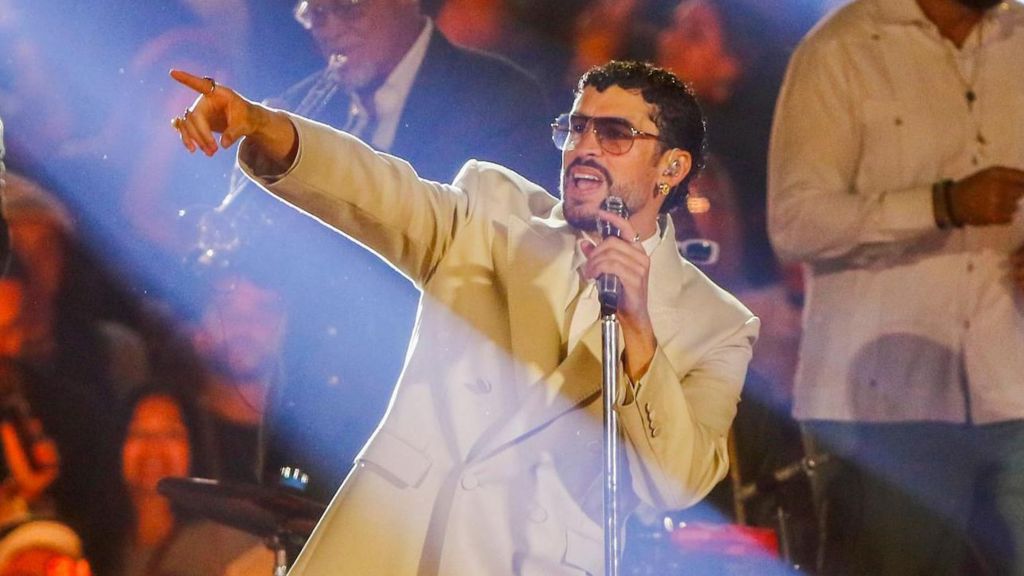
  • He has the world’s biggest stage. What will Bad Bunny do with it?

    He has the world’s biggest stage. What will Bad Bunny do with it?

    As the Seattle Seahawks and New England Patriots prepare for their championship clash in Super Bowl LX, an equally intense cultural battle is unfolding around the event’s halftime spectacle. Puerto Rican global sensation Bad Bunny, slated as this year’s headliner, has become the center of an unprecedented political firestorm due to his vocal opposition to U.S. immigration policies.

    The controversy marks another chapter in the Super Bowl’s history of provocative halftime performances, which includes Janet Jackson’s 2004 wardrobe malfunction and Beyoncé’s politically charged 2016 Black Lives Matter tribute. However, this year’s criticism emerged even before the artist took the stage, with prominent Republicans including former President Donald Trump condemning the selection as “absolutely ridiculous.”

    The political backlash prompted conservative organization Turning Point USA to create an alternative “All American” counter-programming event featuring Kid Rock during Bad Bunny’s performance time slot.

    Despite the controversy, the Grammy-winning artist remains focused on unity. At a recent press conference, the 31-year-old star emphasized: “I know that the world is gonna be happy this Sunday, and they’re gonna have fun, and they’re gonna dance and they’re gonna have a good time.” This contrasted with his more direct approach at last week’s Grammy Awards, where he opened his acceptance speech with the declaration “ICE out”—referencing Immigration and Customs Enforcement operations.

    Cultural experts note that Bad Bunny’s mere presence on the Super Bowl stage carries profound political significance. Vanessa Díaz, professor of Chicano and Latino Studies at Loyola Marymount University, observes that the performance represents a milestone as the first entirely Spanish-language halftime show in Super Bowl history.

    The artist’s advocacy extends beyond immigration to include support for LGBTQ rights and Puerto Rican self-determination. His recent tour strategy deliberately avoided mainland U.S. cities over concerns about immigration enforcement, instead opting for a Puerto Rico residency that injected millions into the island’s economy.

    Yale University American Studies professor Albert Laguna suggests that “Bad Bunny is offering another vision of what American-ness is—a vision that is not in line with what Trump and the Trump administration is selling.” This perspective aligns with the NFL’s recent efforts to expand its cultural reach and attract more Latino viewers to American football.

    Despite the polarized reactions, NFL Commissioner Roger Goodell has defended the selection, praising Bad Bunny’s understanding of “the platform he was on, and that this platform is used to unite people.” With over 100 million expected viewers, the performance represents both a cultural milestone and a potential flashpoint in America’s ongoing culture wars.

  • Lawyers say jury-tampering claims in Palestine Action trial ‘dangerous’ and ‘misleading’

    Lawyers say jury-tampering claims in Palestine Action trial ‘dangerous’ and ‘misleading’

    A contentious legal battle surrounding Palestine Action activists has concluded with significant acquittals at Woolwich Crown Court, sparking debates about judicial integrity and jury independence. Six defendants—Leona Kamio (30), Samuel Corner (23), Fatema Rajwani (21), Zoe Rogers (22), Jordan Devlin (31), and Charlotte Head (29)—were cleared of aggravated burglary charges following a raid on an Elbit Systems weapons plant near Bristol in August 2024.

    The jury delivered mixed outcomes: full acquittals on violent disorder charges for all defendants, while remaining deadlocked on criminal damage allegations despite five defendants admitting to destroying military equipment. The case further complicated when jurors couldn’t reach a verdict regarding Corner’s alleged grievous bodily harm against a police officer with a sledgehammer.

    Post-verdict controversies erupted when Lord Walney, former government adviser on political violence, alleged jury tampering through posters displayed near the courtroom promoting ‘jury equity’—the principle allowing jurors to acquit based on conscience. This prompted calls for retrial and investigation.

    Defense lawyer Audrey Cherryl Mogan countered these claims as ‘misleading and dangerous,’ noting similar displays are common in protest trials. She referenced the historic Bushell’s Case plaque at Old Bailey that commemorates the 1670 ruling establishing jury independence.

    The trial revealed deeper tensions regarding judicial guidance on moral justification. Justice Johnson initially instructed jurors to disregard Middle East context, but jurors subsequently inquired whether they could acquit based on defendants’ genuine belief in life-saving actions. This intersected with ongoing legal debates about jury independence, recently tested in climate protester Trudi Warner’s contempt case.

    Former government lawyer Tim Crosland highlighted potential influence attempts by political figures, including Shadow Home Secretary Chris Philp who publicly characterized unproven allegations as fact. Defend Our Juries campaign group formally requested contempt proceedings against Philp for potentially prejudicial statements.

    Evidentiary complexities emerged during trial, including missing security footage from critical areas and contradictory bodycam evidence showing security guards assaulting unarmed defendants. The prosecution’s narrative of ‘meticulously organized’ action was challenged by defense accounts of chaotic circumstances and self-defense motivations.

    The acquittals have intensified discussions about protest rights, judicial oversight, and the balance between legal evidence and moral justification in politically charged trials.

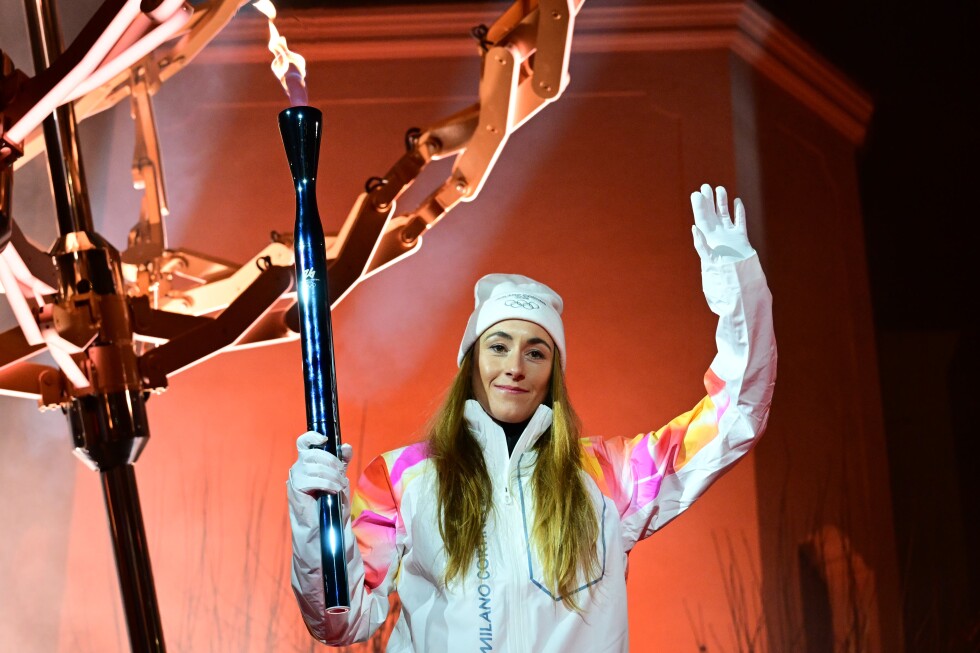
  • Sofia Goggia lights the cauldron in Cortina after helping Italy secure Olympic hosting rights

    Sofia Goggia lights the cauldron in Cortina after helping Italy secure Olympic hosting rights

    CORTINA D’AMPEZZO, Italy — Italian skiing champion Sofia Goggia, whose pivotal role in securing the 2026 Winter Olympics for Italy, delivered a symbolic culmination to Friday’s opening ceremony by lighting the Olympic cauldron in Cortina d’Ampezzo. The honor occurred simultaneously with retired Olympic legends Alberto Tomba and Deborah Compagnoni performing identical duties in Milan, creating a historic dual-city spectacle.

    Goggia’s selection as torchlighter carried profound significance given her instrumental involvement in Milan-Cortina’s successful bid. During the critical 2019 IOC voting session, Goggia and snowboarder Michela Moioli delivered a charismatic joint presentation that reportedly swayed nearly 100 committee members with their infectious enthusiasm. Their demonstration, which included a synchronized dab gesture, ultimately helped overcome Sweden’s competing candidacy through an exhibition of authentic Italian athletic spirit.

    The 2018 Olympic downhill gold medalist and 2022 Beijing silver medalist now prepares to compete in Sunday’s women’s downhill event on her home slope. Goggia maintains a complex relationship with the Cortina course, having secured four World Cup downhill victories here while simultaneously missing the 2021 world championships due to injury.

    The ceremony additionally featured defending World Cup champion Federica Brignone as one of Italy’s flag bearers, with Olympic curling champion Amos Mosaner physically elevating her during the athletes’ parade—a moment Brignone later remarked upon with humorous concern about her weight. The dual-city opening ceremony established a powerful visual narrative of Italian winter sports heritage bridging generations of athletic excellence.