作者: admin

  • Islamic State affiliate claims suicide bombing that killed 31 at Shiite mosque in Pakistani capital

    Islamic State affiliate claims suicide bombing that killed 31 at Shiite mosque in Pakistani capital

    A suicide bombing at a Shiite mosque on the outskirts of Islamabad has resulted in a devastating death toll of 31 individuals, with 169 others wounded, marking the deadliest attack in the Pakistani capital in over a decade. The regional affiliate of the Islamic State group, known as Islamic State in Pakistan, has officially claimed responsibility for the assault in a statement released through its Amaq News Agency.

    According to the terrorist group’s account, the attacker initiated the violence by opening fire on security personnel at the mosque’s main entrance before detonating his explosive vest at the inner gate. The ISIS statement contained explicitly sectarian language, referring to Pakistani Shiites as a ‘human reservoir’ providing recruits to Shiite militias opposing ISIS in Syria, thereby justifying them as legitimate targets.

    This tragic incident represents the most severe bombing in Islamabad since the 2008 Marriott Hotel attack that killed 63 people. The bombing occurs amid a significant surge in militant violence across Pakistan, creating substantial security challenges for Prime Minister Shehbaz Sharif’s government. Pakistani authorities have identified the bomber as a Pakistani national who had recently traveled to Afghanistan.

    In response to the attack, security forces conducted overnight raids in Islamabad and northwestern Pakistan, resulting in multiple arrests including the brother, mother, and other relatives of the suicide bomber. Tragically, one police officer lost his life during these operations.

    On Saturday, more than 2,000 grief-stricken mourners gathered under tight security at the same mosque for funeral services. Senior government officials and Shiite community leaders attended ceremonies for approximately a dozen victims, with remaining funerals scheduled to take place in the victims’ hometowns.

    The attack has drawn strong international condemnation from the United States, Russia, the European Union, and other nations. Prime Minister Sharif expressed gratitude for the global support following what he described as a ‘heart-wrenching suicide attack,’ emphasizing that international cooperation remains crucial to Pakistan’s counterterrorism efforts.

    The bombing has also heightened tensions between Pakistan and Afghanistan’s Taliban government. Pakistan’s Defense Minister Khawaja Mohammad Asif suggested that Pakistan-based militants operating from Afghanistan were responsible for the attack, drawing a sharp response from Afghan authorities who condemned the minister’s remarks as ‘irresponsible.’ Pakistan has repeatedly accused Afghanistan of harboring militants, including members of the Pakistani Taliban (TTP), allegations that Kabul consistently denies.

  • Streamlined services for overseas visitors unveiled

    Streamlined services for overseas visitors unveiled

    China has launched a comprehensive digital initiative designed to eliminate technological barriers for international travelers and non-mainland residents. The Cyberspace Administration of China, in collaboration with ten other government departments, has released the “Implementation Guidelines on Improving the Convenience of Digital Services for Inbound Overseas Visitors,” marking a significant step in the nation’s high-standard opening-up policy.

    The guidelines establish a two-phase roadmap targeting 2027 as the deadline for resolving persistent challenges in telecommunications, mobile payments, tourism, and public transportation systems. The ultimate objective is to achieve world-class digital services that seamlessly integrate local systems with international standards.

    Key measures include modernizing urban rail systems to accept international bank cards, requiring transportation apps to provide multilingual services, and simplifying telecom registration processes for foreign visitors. The policy specifically addresses payment integration challenges by encouraging support for overseas electronic wallets and decoupling mobile payment systems from mandatory domestic phone number verification.

    Additionally, the initiative promotes the development of digital international medical platforms that collaborate with major insurance companies to facilitate secure health record sharing. While advancing these convenience measures, the guidelines emphasize strengthened data security protocols and enhanced personal information protection, particularly for cross-border payments and online reservation systems.

    Industry experts have welcomed the changes, noting that previous systems often operated on domestic assumptions that created obstacles for short-term visitors. The transformation is expected to boost inbound tourism spending, revitalize travel and lodging sectors, and provide new momentum for China’s digital economy development.

  • Under US scrutiny, CATL rolls out new batteries and investment

    Under US scrutiny, CATL rolls out new batteries and investment

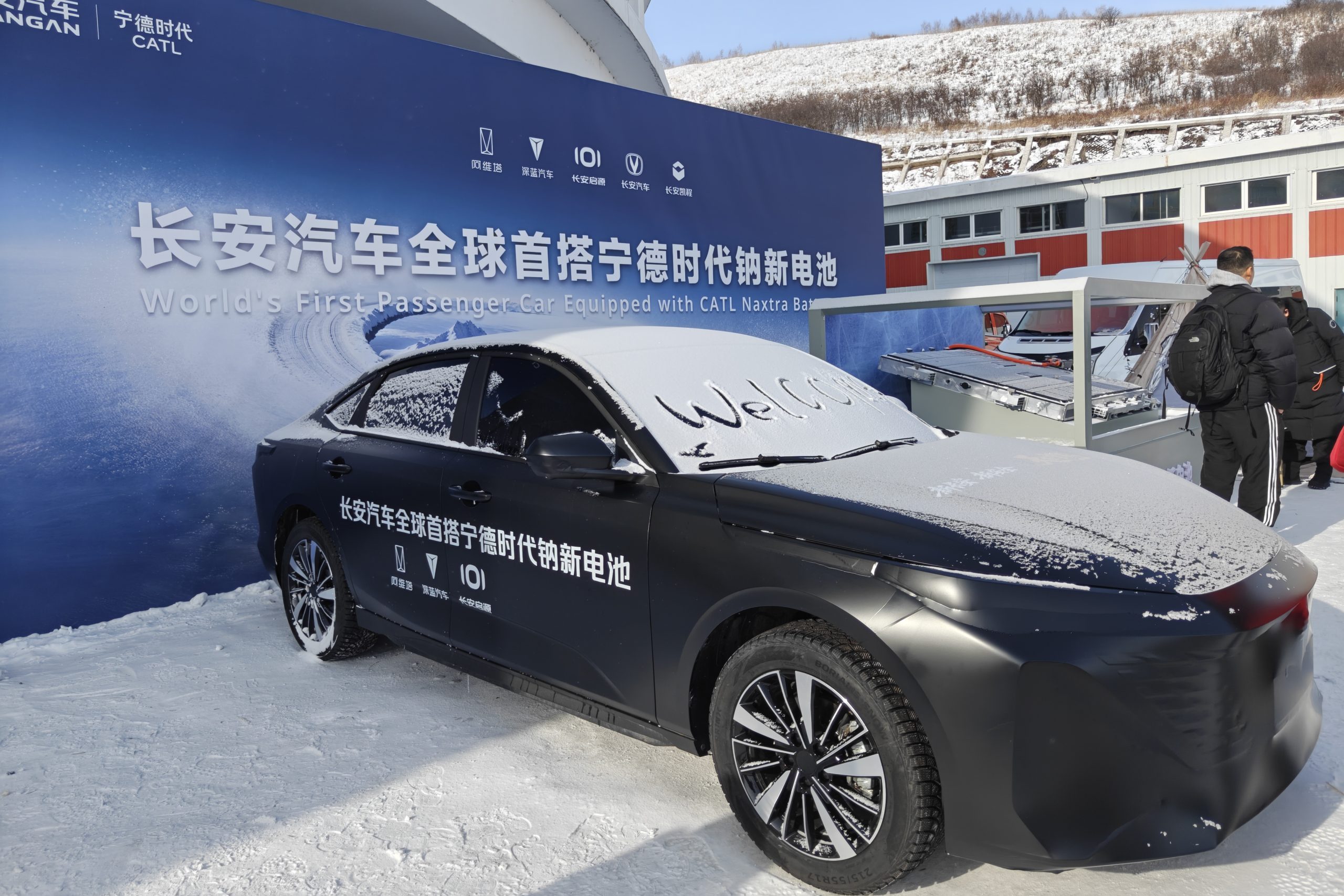
    Contemporary Amperex Technology Co Ltd (CATL), the global leader in electric vehicle battery production, has unveiled a series of strategic advancements this week despite increasing geopolitical tensions. The Chinese battery giant announced new European investment initiatives, breakthrough performance data for its ultra-long-life lithium batteries, and a pioneering sodium-ion battery partnership with Changan Auto.

    These developments occur against a backdrop of heightened US regulatory pressure on Chinese battery manufacturers. The US House Select Committee on Strategic Competition recently challenged Ford Motor Company regarding its licensing agreement with CATL, a Department of Defense-designated Chinese military company. This scrutiny focuses on Ford’s plans to repurpose US facilities for lithium iron phosphate (LFP) battery production using CATL’s technology.

    The political concerns stem from a February 2023 agreement where CATL agreed to supply LFP technology for Ford’s $3.5 billion Michigan battery plant. This arrangement has faced sustained examination since the US Defense Department added CATL to its Chinese military companies list in January 2024, citing alleged ties to China’s armed forces.

    Despite these transatlantic headwinds, CATL continues to advance its European localization strategy. The company operates a major German facility, is constructing a large-scale Hungarian factory, and is developing a joint-venture battery project in Spain with Stellantis. This expansion continues despite the EU imposing definitive anti-subsidy duties of 7.8-35.3% on Chinese EVs, though batteries and key components were exempted from additional tariffs.

    Technologically, CATL revealed impressive specifications for its 5C lithium-ion battery, capable of full charging in approximately 12 minutes while enduring about 3,000 full charge-discharge cycles—equivalent to 1.8 million miles of service life. This represents roughly six times the industry average, achieved through denser cathode coatings, self-healing electrolyte additives, and advanced thermal management systems.

    The company’s sodium-ion breakthrough with Changan Auto marks another significant advancement. These batteries deliver over 400 kilometers of range with energy density of 175 watt-hours per kilogram while maintaining more than 90% capacity at extreme temperatures of -40°C. Though bulkier than lithium alternatives, their superior cold-weather performance makes them particularly suitable for northern climates.

    According to industry analyst Zhang Dachuan, “Both the US and Europe have tightened scrutiny of new-energy supply chains over the past two years, and policy resistance facing CATL’s overseas manufacturing plans is clearly rising. Boosting localization rates and strengthening supply-chain resilience have become urgent priorities.”

    CATL maintained its dominant 38% global market share in 2025, followed by BYD (16-17%), with LG Energy Solution (9-10%) as the leading non-Chinese supplier. The company’s continued innovation and strategic expansion demonstrate its determination to maintain technological leadership despite growing geopolitical challenges in the global battery industry.

  • Tourism changes face of poverty-ridden Hebei county

    Tourism changes face of poverty-ridden Hebei county

    Nestled within the rugged terrain of the Taihang Mountains, Luotuowan village in Fuping county, Hebei province, has undergone a remarkable metamorphosis from one of China’s most impoverished communities to a flourishing tourism destination. The village’s stone courtyards now adorned with red lanterns and the sounds of cultural performances signal a dramatic departure from its recent past.

    A decade ago, Luotuowan faced severe challenges with rocky, unproductive land, inadequate infrastructure, and mass youth migration seeking employment opportunities elsewhere. More than 70% of residents lived below the poverty line with per capita disposable income under 950 yuan ($137). The turning point emerged through strategic government-led poverty alleviation initiatives that prioritized rural tourism development.

    The transformation accelerated in 2017 when former migrant workers like Bai Long returned to establish homestay businesses with government support. Today, the village operates 137 homestays offering over 300 beds, many managed through cooperatives led by the local Communist Party of China branch. Tourism has fundamentally reshaped the local economy, with annual visitor numbers surpassing 500,000 in 2025.

    Beyond economic metrics, the revival has generated profound social changes. More than 70 young residents have returned to Luotuowan and neighboring Gujiatai village to establish restaurants, manage tourism accommodations, and market local agricultural products online. Elderly villagers maintain economic activity through homestay operations, with some like 78-year-old Sun Zhenze converting family homes into modest guest accommodations.

    The county’s success has attracted international recognition, hosting university students from abroad and delegations from Brazil studying China’s rural poverty governance approaches. Local specialties including high-altitude apples and shiitake mushrooms have gained prominence among visitors.

    With the anticipated 2027 opening of a high-speed railway connecting the region to Beijing and Shanxi province, local authorities anticipate further tourism growth. The Luotuowan model now serves as a national benchmark for culture-led rural revitalization, demonstrating how ecological assets and community-based tourism can create sustainable development in previously marginalized regions.

  • Report: China’s world heritage sites thriving

    Report: China’s world heritage sites thriving

    China’s comprehensive system for protecting its World Heritage sites has yielded exceptional results, with all natural heritage locations maintaining excellent condition while simultaneously driving economic benefits for local communities, according to a landmark assessment report released by the National Forestry and Grassland Administration.

    The extensive evaluation, covering four decades of conservation efforts from 1985 to 2025, reveals that China’s 15 natural heritage sites and 4 mixed cultural-natural sites have experienced no severe human-caused damage or threats to their outstanding universal value. These protected areas span approximately 80,000 square kilometers across 20 provincial regions, encompassing extraordinarily diverse ecosystems ranging from mountains and forests to wetlands, deserts, and coastal zones.

    At a recent press conference, Liu Jiaqi, an academician with the Chinese Academy of Sciences, emphasized that China has achieved remarkable success through its protected areas system, particularly in institutional development, regulatory frameworks, heritage value presentation, and public awareness initiatives. The country has pioneered distinctive governance models that integrate nature and culture, implement regionally coordinated management, promote sustainable tourism development, and establish community co-governance structures.

    International conservation assessments corroborate China’s positive trajectory. According to Yuan Jiming, director of the administration’s nature reserve management department, four editions of the IUCN World Heritage Outlook published between 2014 and 2025 consistently demonstrate that China’s natural and mixed heritage sites outperform global averages in conservation effectiveness.

    Beyond strict protection measures, China has actively developed mechanisms to transform ecological value into sustainable community benefits. Through eco-cultural tourism, nature education programs, study tours, and under-forest non-timber economies, heritage sites have become engines of local development. Notably, over 90% of these sites prioritize employing local residents in conservation roles, while tourism has emerged as a pillar industry in numerous regions.

    In 2024 alone, these heritage destinations attracted more than 180 million tourist visits, generating approximately 184.3 billion yuan ($26.6 billion) in consumption. At iconic locations like Jiuzhaigou, Huangshan Mountain, and Wulingyuan, tourism-related revenue constitutes over 50% of local GDP.

    The administration has pledged to continue enhancing protection measures while promoting sustainable utilization of these natural treasures. Future strategies will focus on ecological conservation and green development, with particular emphasis on building diversified ecological product systems that meet public aspirations for improved quality of life while advancing regional economic, social, and cultural progress.

  • Hainan to establish tropical marine national park

    Hainan to establish tropical marine national park

    China is redefining its national park system by extending conservation efforts from terrestrial landscapes to marine ecosystems with the establishment of a tropical marine national park in Hainan province. This groundbreaking initiative represents a significant shift toward integrated land-sea conservation management that could establish global benchmarks for ocean stewardship.

    The development follows the implementation of China’s National Park Law on January 1, 2026, which legally enables the designation of marine areas within the national park framework based on natural ecological distribution patterns. For Hainan—bordered by approximately 2 million square kilometers of ocean and hosting biodiverse coral reefs, mangroves, seagrass beds, and rare marine species—this legislation provides a clear regulatory pathway to enhance marine protection.

    According to Wang Aimin, chief scientist at the Hainan International Blue Carbon Research Center, “A marine national park transcends mere geographical demarcation. It represents a comprehensive commitment to preserving the authenticity and integrity of marine ecosystems with the same rigor applied to terrestrial conservation.”

    The park initiative forms part of Hainan’s broader strategy to position itself as a center for deep-sea technology innovation, modern marine industries, and international marine cooperation. This conservation effort coincides with robust growth in Hainan’s ocean economy, which recorded a 7.9 percent year-on-year increase in gross ocean product last year.

    Emerging sectors are driving this expansion, particularly deep-sea oil and gas exploration. The independently developed Deep Sea No 1 gas field—China’s inaugural ultra-deepwater project—recently completed its 100th crude oil shipment since commissioning, with total oil and gas output exceeding 4.5 million metric tons of oil equivalent in the previous year. New fields including Dongfang 29-1, Dongfang 13-3, and Wenchang 16-2 have also commenced production.

    Hainan’s offshore energy sector demonstrated remarkable growth with crude output reaching approximately 611,100 tons (a 125 percent increase from 2024) and natural gas output hitting about 5.6 billion cubic meters (a 62 percent rise). The renewable energy sector similarly expanded as major offshore wind power projects in Danzhou and Lingao county connected to the grid, driving the marine power industry’s added value to 1.3 billion yuan—a 306 percent year-on-year surge.

    Traditional marine industries are simultaneously evolving toward more sustainable practices. Marine fisheries are transitioning to shore-based operations, deeper water exploration, and international collaboration. Sanya Yazhou Bay Agriculture and Aquaculture Development Company exemplifies this transformation through its adoption of intensive, intelligent production systems. The company recently imported African clawed frogs for scientific research applications in green pest control and pesticide resistance studies.

    Future plans include introducing foreign fish breeding stock, particularly groupers, to enhance genetic diversity and address inbreeding complications such as stunted growth and disease susceptibility, according to Bai Zemin, the company’s deputy general manager.

  • India and US release a framework for an interim trade agreement to reduce Trump tariffs

    India and US release a framework for an interim trade agreement to reduce Trump tariffs

    In a significant diplomatic development, the United States and India have unveiled a comprehensive framework for an interim trade agreement that substantially reduces tariffs on bilateral goods. The agreement emerges as a strategic realignment following months of negotiations centered on energy policy and market access.

    The breakthrough announcement came through a joint statement released by both governments on Friday, detailing reciprocal concessions. The United States will reduce import tariffs on Indian goods from 25% to 18%, while India commits to eliminating or significantly reducing tariffs on American industrial goods and agricultural products. The arrangement specifically excludes sensitive Indian agricultural sectors including maize, wheat, rice, and dairy products—a critical protection for India’s massive agricultural workforce.

    This interim framework represents a carefully negotiated compromise that addresses longstanding trade tensions. President Trump simultaneously revoked separate 25% tariffs imposed on Indian goods last year, signaling a renewed commitment to trade cooperation. The agreement includes provisions for enhanced market access and more resilient supply chains, with both nations expressing commitment to pursue a broader comprehensive trade deal in the future.

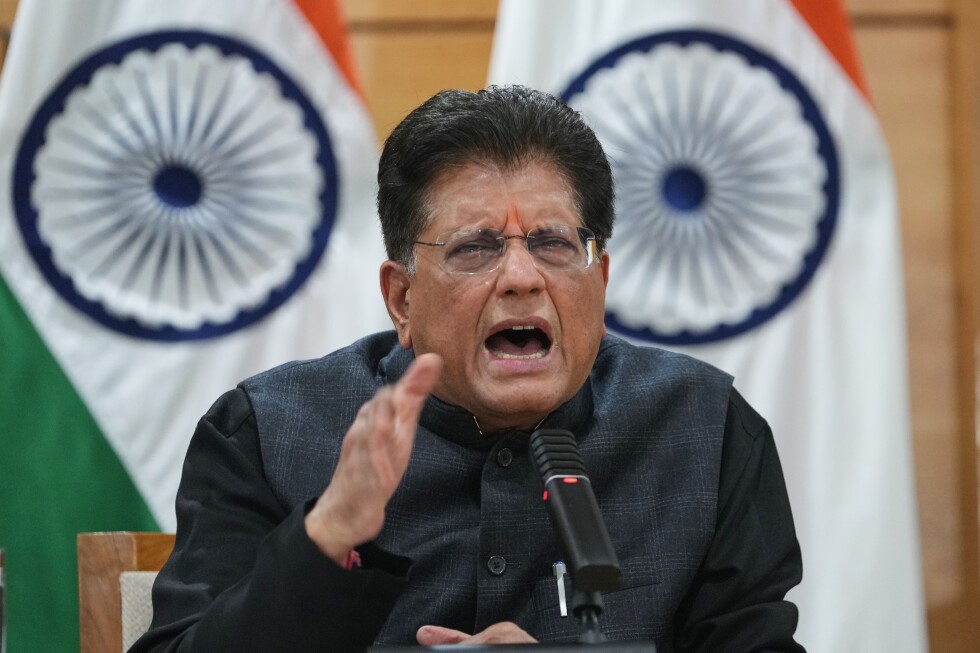
    Indian Trade Minister Piyush Goyal highlighted the agreement’s economic benefits, projecting access to the $30 trillion U.S. market for Indian exporters across pharmaceuticals, gemstones, diamonds, and aircraft components. He anticipates the deal will generate hundreds of thousands of new employment opportunities through increased export volumes.

    The agreement follows India’s strategic decision to reduce dependence on Russian crude oil, a move that paved the way for improved trade relations with the United States. Both leaders characterized the partnership as “reciprocal and mutually beneficial,” with Prime Minister Modi acknowledging President Trump’s personal commitment to strengthening bilateral ties.

    Despite government enthusiasm, Indian opposition parties have criticized the arrangement as disproportionately favoring American interests, particularly in sensitive economic sectors. The agreement marks India’s latest in a series of trade advancements, including recent partnerships with the European Union, Oman, and New Zealand.

  • Egypt and Saudi Arabia focus on Eritrea as UAE bolsters ties to Ethiopia

    Egypt and Saudi Arabia focus on Eritrea as UAE bolsters ties to Ethiopia

    A significant geopolitical realignment is unfolding in the strategically vital Red Sea region as Egypt actively brokers enhanced security cooperation between Saudi Arabia and Eritrea. This diplomatic maneuver aims to counterbalance the United Arab Emirates’ expanding military footprint, particularly its growing partnership with Ethiopia—Eritrea’s historical adversary.

    The emerging三方 (three-way) diplomacy mirrors a recent defense agreement between Sudan’s military and Pakistan, reportedly Saudi-financed, though weapon systems remain undelivered. This complex arrangement underscores the rapidly shifting alliances transforming Red Sea security dynamics.

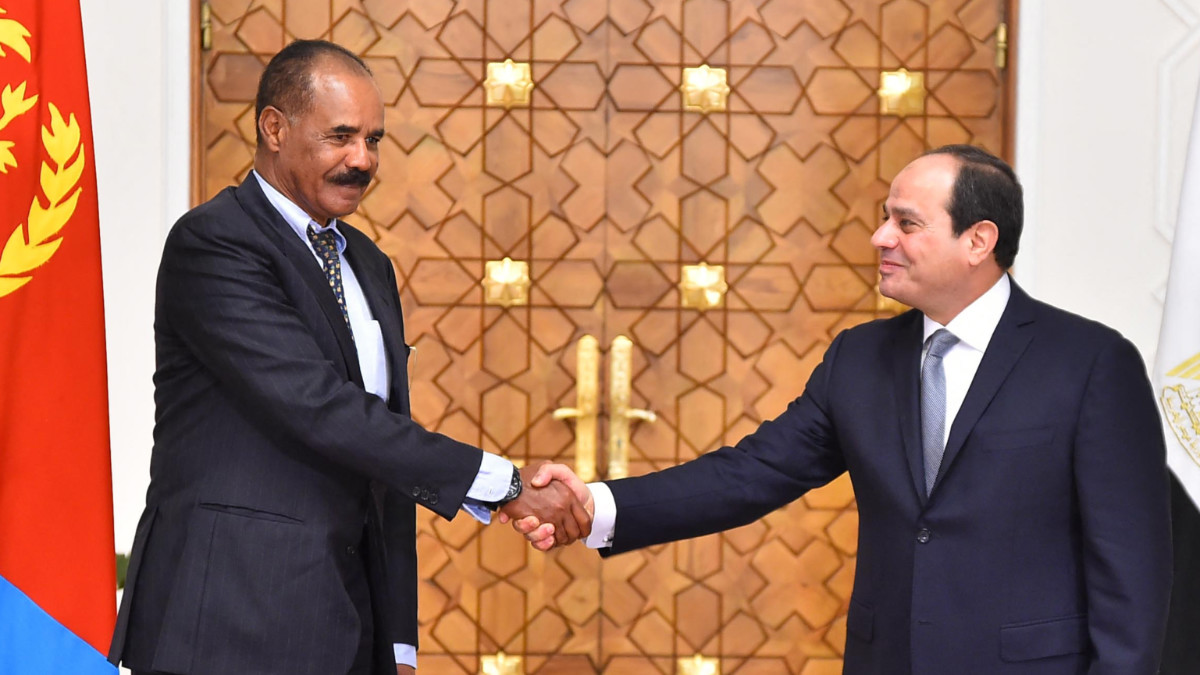
    Both Egypt and Eritrea previously maintained strong ties with the UAE, but relationships have strained over divergent approaches to Sudan’s civil war and Gaza conflict. Eritrea, under President Isaias Afwerki’s authoritarian rule since 1993 independence, previously hosted UAE military operations in Yemen at Assab port until its 2021 closure. The UAE’s subsequent military partnership with Ethiopia significantly altered regional calculations.

    University of Maryland Horn of Africa expert Michael Woldemariam notes: ‘Supporting Eritrea aligns with Egypt’s regional security perspective, but Cairo faces financial constraints. Bringing financially robust Saudi Arabia into the equation serves Egyptian interests.’ He adds that Eritrea requires no encouragement to embrace Saudi ties, having sought this alignment independently.

    The reclusive President Afwerki visited Saudi Arabia for four days in December 2025, discussing enhanced security cooperation. The 80-year-old leader, governing one of Africa’s most repressive states, possesses considerable experience navigating complex regional dynamics since Eritrea’s decades-long independence struggle against Ethiopia.

    Current tensions between Eritrea and Ethiopia have intensified, with Addis Ababa accusing Asmara of arming rebel groups. This hostility occurs against Ethiopia’s construction of the Grand Renaissance Dam, which Cairo views as an existential threat to Nile water security.

    Meanwhile, the UAE has reportedly redeployed personnel from Somalia to Ethiopia, with Emirati military transport aircraft frequently observed at Ethiopian Air Force bases throughout January. Experts suggest Abu Dhabi relies on Ethiopia to supply Sudan’s paramilitary Rapid Support Forces (RSF), while Egypt and Saudi Arabia back the opposing Sudanese military faction.

    Middle East Institute Egypt program director Mirette Mabrouk characterizes Egypt’s lobbying as demonstrating ‘a proactive tilt in Cairo’s approach to Red Sea security.’ She observes: ‘Saudi Arabia was caught sleeping at the wheel regarding UAE activities in the Red Sea. Egypt awakened earlier and now attempts to plug strategic gaps, including Eritrea.’

    The challenge remains translating this loose alignment into concrete deliverables. The Sudan-Pakistan agreement exemplifies these difficulties, with no confirmed weapons transfers despite announced deals. Sources indicate Saudi Arabia, facing domestic economic pressures, remains hesitant to fully commit despite overtures from Cairo and Asmara.

    Eritrea’s limited revenue streams—peasant taxes, mining operations, and a 2% diaspora tax—create urgent need for Saudi financing, particularly as Asmara seeks new military equipment amid concerns over Ethiopian drone capabilities.

  • Dow tops 50,000 in snapback of US stock markets

    Dow tops 50,000 in snapback of US stock markets

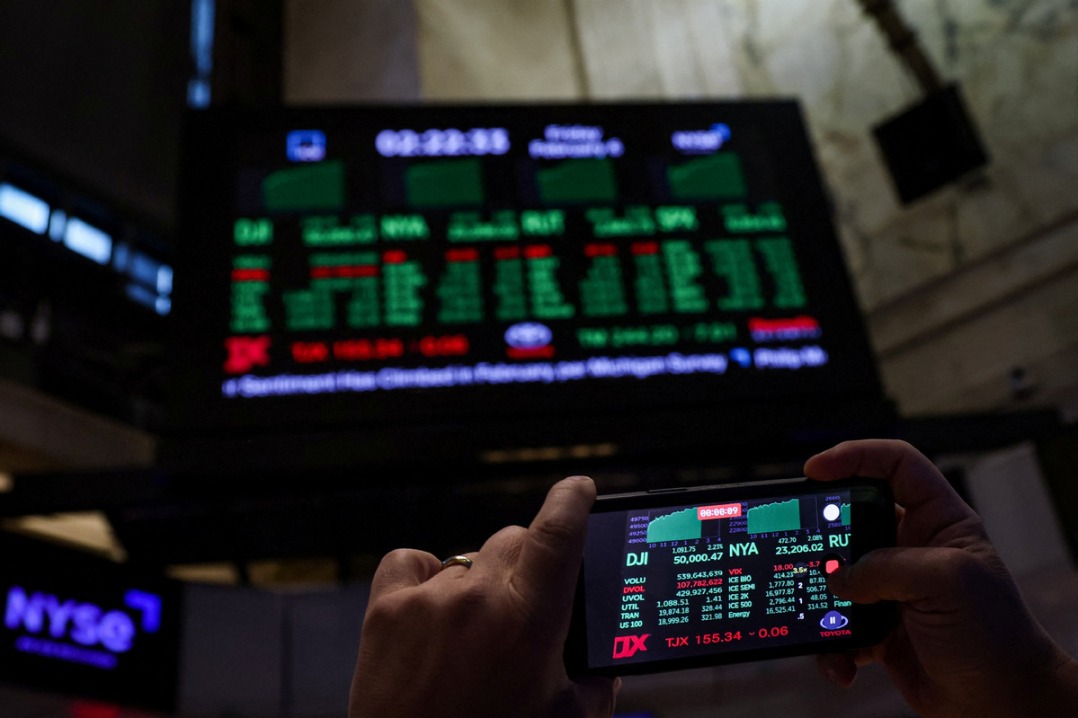
    NEW YORK – Wall Street witnessed a historic moment on Friday, February 6, 2026, as the Dow Jones Industrial Average shattered the monumental 50,000-point barrier for the first time in its storied history. This landmark achievement, captured by traders on the floor of the New York Stock Exchange, signaled a powerful market resurgence following recent corrective phases.

    The index catapulted upward by an astonishing 1,100 points during afternoon trading, propelled by a surge in heavyweight technology stocks. Leading the charge was semiconductor giant Nvidia, whose shares skyrocketed by over 7%, contributing significantly to the benchmark’s record-breaking performance.

    Concurrent with the market rally, the University of Michigan released preliminary data showing an uptick in consumer confidence. The Consumer Sentiment Index climbed to 57.3 in February, marking an improvement from January’s final reading of 56.4. This improved economic outlook appears to have bolstered investor confidence, driving substantial buying activity.

    Market analysts point to strong technical foundations supporting the bullish trend. James Hyerczyk, a prominent US-based technical analyst, noted that the Dow’s 50-day moving average of 48,607 has firmly held as a critical support level, maintaining the integrity of the upward trajectory and suggesting continued strength in the current market cycle.

  • US deported Palestinians to Israel on private jet twice: Report

    US deported Palestinians to Israel on private jet twice: Report

    The Trump administration has utilized high-cost private jets to execute a series of deportation flights transporting Palestinians from the United States to Israel, according to investigative reports from The Guardian and +972 Magazine. This operation marks a significant departure from standard immigration enforcement protocols.

    Two confirmed flights have occurred, with the first departing on January 21st from Arizona, carrying eight individuals to Tel Aviv. A subsequent flight took place on Monday, with the passenger count remaining unclear though the luxury aircraft featured sixteen seats. The flights were operated by aircraft owned by Dezer Development, a real estate conglomerate led by Gil Dezer, son of Israeli-American billionaire Michael Dezer.

    The operational logistics involved a Florida-based company, Journey Aviation, which charters the jet to the U.S. government. Gil Dezer stated he is unaware of passenger identities, receiving only usage dates. Notably, the Dezer family maintains close ties to the Trump family, having donated over $1 million to Trump’s presidential campaign.

    The policy is anomalous for multiple reasons. The U.S. government typically employs commercial aircraft for deportations, making the use of luxury private jets, costing up to $26,000 per flight hour, highly unusual. Furthermore, the Israeli government’s cooperation in repatriating Palestinians to militarily occupied territories represents a break from historical precedent, aligning with officials’ stated desires for Palestinian emigration to third countries.

    The flights refueled in New Jersey, Ireland, and Bulgaria, drawing political condemnation in Dublin. Irish opposition lawmakers decried the permission to refuel as ‘reprehensible,’ ‘deeply disturbing,’ and ‘outrageous.’

    Among those deported on the initial flight was 24-year-old Maher Awad, who was met by Israeli armed guards at Ben Gurion Airport and left near the village of Ni’lin in the West Bank. Awad, who arrived in the U.S. at age 15, had a Social Security number, worked, and paid taxes. His American girlfriend and newborn son remain in Michigan. Another deportee, 47-year-old Sameer Zeidan, left a wife and children in Louisiana. Both men reported being shackled for the entire transcontinental journey. Notably, neither was technically undocumented; Zeidan was a legal permanent resident who had failed to renew his green card after serving prison time a decade ago.

    This operation exemplifies the administration’s aggressive expansion of deportation criteria to include immigrants with legal status who have past criminal records, even for old, minor offenses. Requests for comment from the Department of State and Homeland Security were not returned.