作者: admin

  • Japan votes in snap election as PM Takaichi takes a gamble

    Japan votes in snap election as PM Takaichi takes a gamble

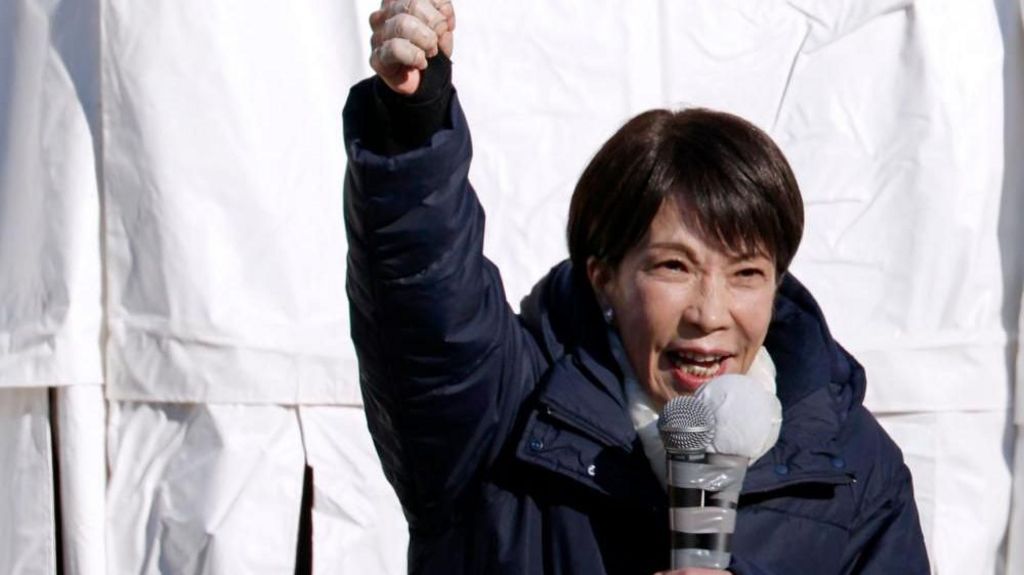
    Japanese Prime Minister Sanae Takaichi has called a snap parliamentary election, testing her conservative coalition’s momentum against a backdrop of economic concerns and diplomatic tensions. The Liberal Democratic Party (LDP)-Japanese Innovation Party alliance is projected to secure up to 300 of the 465 seats in the Lower House, marking a dramatic recovery after the LDP lost control of both parliamentary chambers last year.

    Takaichi’s personal popularity has emerged as a defining factor in the campaign. Despite her traditional views on gender and family, the 64-year-old leader has developed an unexpected cult following among young voters aged 18-30. Her social media presence has exploded with 2.6 million followers on X, while a campaign video featuring her garnered over 100 million views in under ten days.

    The phenomenon dubbed ‘sanakatsu’ (Sanae-mania) has transformed the prime minister into an unlikely fashion icon. Her signature black leather tote bag has sold out nationwide, and the pink pen she used during her first press conference has gone viral.

    Tokyo University sociologist Yuiko Fujita notes this represents a significant shift in Japanese politics, traditionally dominated by older men. ‘The fact that the prime minister is now a woman, someone with a different background from what people are accustomed to, creates a feeling that something is shifting,’ she told Nikkei Asia.

    However, political science professor Koichi Nakano of Sophia University cautions that popularity may not directly translate into votes. ‘This is not a presidential election but a parliamentary election, in which the LDP’s candidates are mostly men tainted by past scandals,’ he told the BBC.

    The LDP faces significant challenges beyond candidate selection. The party remains embroiled in a fundraising scandal that forced four cabinet ministers to resign in 2023 and triggered corruption investigations. Economists question the sustainability of Takaichi’s tax cuts and subsidies, warning they may exacerbate Japan’s financial fragility without addressing underlying productivity and wage stagnation.

    In foreign policy, Takaichi has deepened tensions with China, Japan’s largest trading partner, by suggesting Tokyo could deploy self-defense forces if China attacks Taiwan. This has plunged bilateral relations to their lowest point in over a decade. Simultaneously, she has pursued closer ties with U.S. President Donald Trump, who recently endorsed her in a rare move for an American leader.

    The election occurs as the opposition consolidates, with the LDP’s former coalition partner Komeito joining forces with the Constitutional Democratic Party to form the largest opposition bloc. Early voting numbers show a 2.5% decline from the 2024 election, attributed partly to heavy snow in northern and western regions.

  • Saudi Arabia to develop 2 Syrian airports; countries announce joint ‘low-cost’ airline

    Saudi Arabia to develop 2 Syrian airports; countries announce joint ‘low-cost’ airline

    In a significant move to bolster Syria’s economic recovery, Saudi Arabia unveiled a comprehensive investment initiative on Saturday, February 7, 2026, targeting key sectors including aviation, energy, and telecommunications. The centerpiece of this announcement is the establishment of the Elaf Fund, which will deploy 7.5 billion Saudi riyals (approximately $2 billion) to modernize and develop two airports in the war-torn city of Aleppo through a multi-phase construction plan.

    The investment package, announced by Saudi Investment Minister Khalid al-Falih, represents the largest foreign economic commitment since the United States lifted sanctions on Syria in December. The Elaf Fund will facilitate large-scale infrastructure projects with substantial participation from Saudi private-sector investors.

    In a parallel aviation development, Saudi budget carrier flynas entered a strategic partnership with the Syrian Civil Aviation Authority to create a new joint venture airline, ‘flynas Syria’. The carrier will be majority-owned (51%) by Syrian entities, with flynas holding a 49% stake. Operations for the new low-cost airline are scheduled to commence in the fourth quarter of 2026.

    The agreements extend beyond aviation infrastructure. Syrian Investment Authority chief Talal al-Hilali confirmed additional projects focusing on telecommunications infrastructure and digital connectivity enhancement. Energy cooperation was also formalized through memoranda of understanding with Saudi Arabia’s ACWA Power and the Saudi Water Transmission Company, outlining a roadmap for water sector collaboration.

    Syrian Energy Minister Mohamed al-Bashir detailed plans for a seawater desalination plant designed to transport fresh water from Syria’s coastal regions to the southern parts of the country. These developments follow Riyadh’s previous commitment of $6.4 billion across 47 deals involving over 100 Saudi companies in real estate, infrastructure, and telecoms.

    The investments mark Saudi Arabia’s growing role as a primary economic supporter of Syria’s new leadership under President Ahmed al-Sharaa, who assumed power in late 2024 following the ouster of long-time leader Bashar al-Assad. The economic initiatives are positioned as crucial to Syria’s reconstruction efforts after a devastating 14-year civil war that caused widespread destruction and mass displacement.

  • 4 arrested for helping Islamabad suicide bomber: Pakistan interior minister

    4 arrested for helping Islamabad suicide bomber: Pakistan interior minister

    Pakistani authorities have apprehended four individuals allegedly involved in facilitating last week’s devastating suicide bombing at a Shi’ite mosque in Islamabad. The attack during Friday prayers resulted in 31 fatalities and approximately 170 injuries, marking the deadliest assault on the capital since the 2008 Marriott hotel bombing.

    Interior Minister Sarfraz Bugti announced the arrests while providing updates on the investigation into the terrorist incident. Visual documentation from the blast site revealed horrific scenes of bloodied victims amid shattered glass and debris, with panicked worshippers scrambling for safety in the aftermath.

    The Islamic State (Daesh) has formally claimed responsibility for the coordinated attack, which targeted religious minorities during their weekly prayers. International leaders have universally condemned the violence, expressing solidarity with Pakistan and offering condolences to the victims’ families.

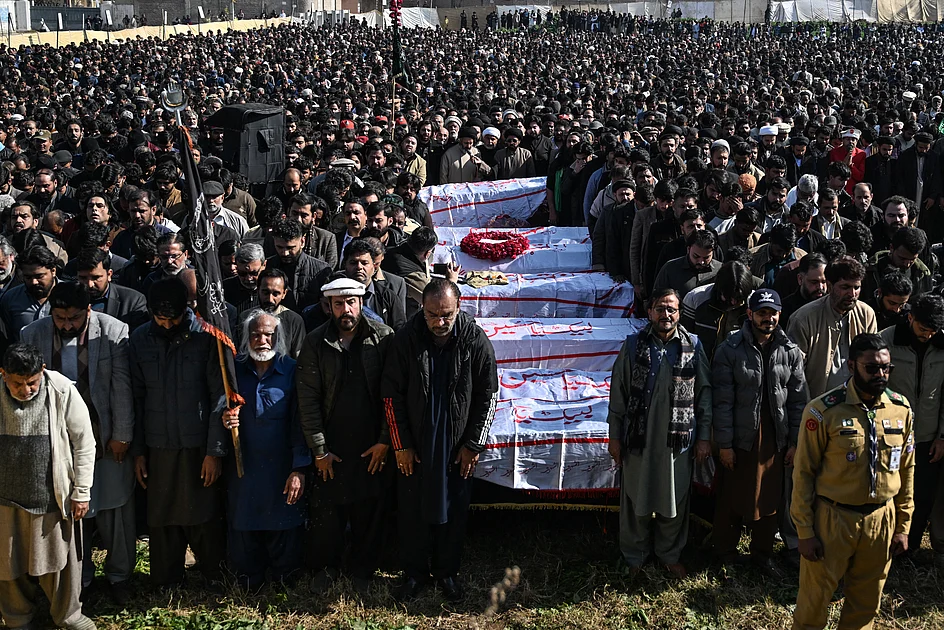
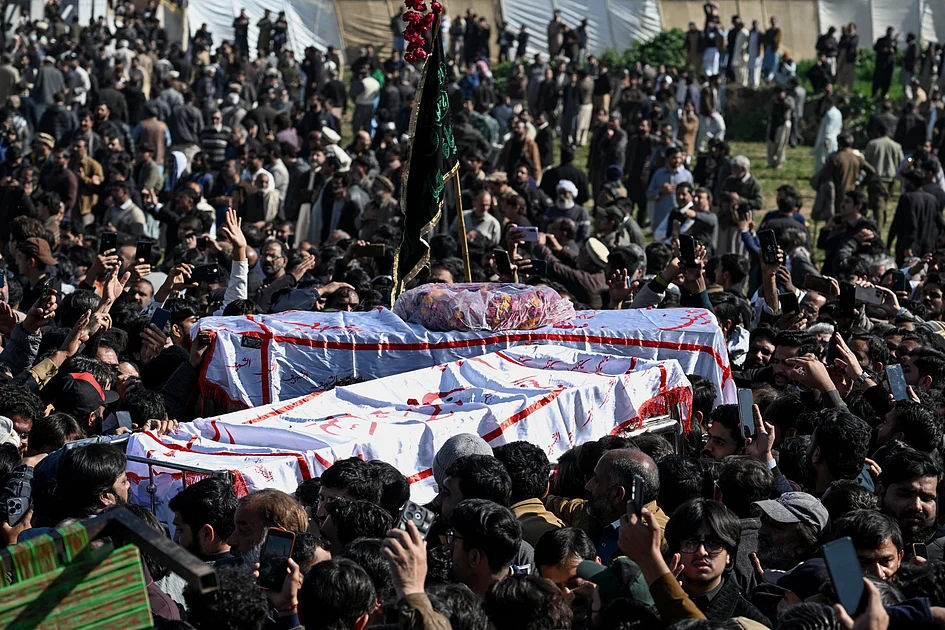
    Funeral ceremonies for those killed in the explosion were conducted on Saturday as security forces intensified counterterrorism operations throughout the region. The bombing has raised significant concerns about renewed terrorist capabilities in urban centers and has prompted nationwide security reassessments.

  • Bangladesh PM front-runner rejects unity government offer, says his party set to win

    Bangladesh PM front-runner rejects unity government offer, says his party set to win

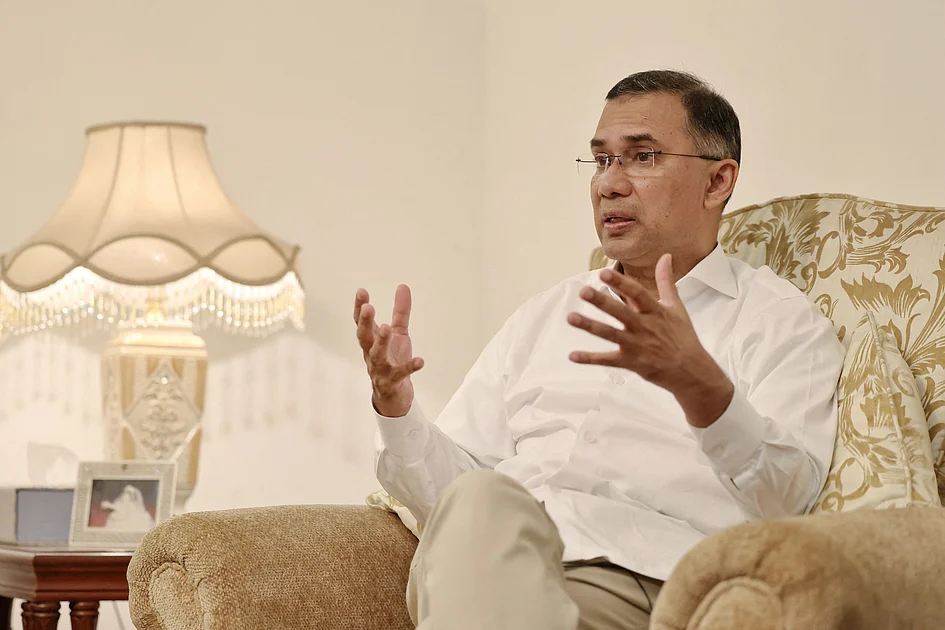
    In a definitive political stance, Bangladesh Nationalist Party (BNP) leader Tarique Rahman has outright rejected proposals for a post-election unity government from rival Jamaat-e-Islami, expressing unwavering confidence in his party’s ability to secure victory independently in the upcoming February 12 parliamentary elections.

    The 60-year-old opposition leader, who recently returned from nearly two decades of exile in London following the youth-led uprising that ousted long-time leader Sheikh Hasina, made these declarations during an exclusive interview at his party headquarters. Rahman’s political heritage is deeply entrenched in Bangladeshi politics, being the son of the nation’s first female Prime Minister Khaleda Zia and former president Ziaur Rahman.

    The political landscape presents a complex dynamic with the resurgent Jamaat-e-Islami, previously banned but now emerging as the BNP’s primary competitor. This alliance includes a Gen Z party that gained prominence during the anti-Hasina protests that rocked the nation in 2024. Despite opinion polls forecasting a competitive race, Rahman’s aides project the BNP will secure more than two-thirds of the 300 parliamentary seats, with the party contesting 292 constituencies directly.

    Addressing international relations, Rahman outlined a pragmatic foreign policy approach, emphasizing that Bangladesh would maintain relationships based on economic benefits rather than political allegiances. This statement gains significance against the backdrop of strained relations with India, which granted shelter to the exiled Sheikh Hasina after a Dhaka court sentenced her to death for her role in the deadly crackdown on protests. The situation has created diplomatic opportunities for China to expand its influence in the region.

    Regarding the Rohingya refugee crisis, Rahman committed to maintaining Bangladesh’s humanitarian stance, affirming that the nearly 1.2 million refugees would be welcome until safe repatriation to Myanmar becomes feasible. This position acknowledges both the humanitarian imperative and the substantial economic challenges facing one of the world’s most densely populated nations.

    The election marks a critical juncture for Bangladesh’s democracy, representing the first electoral process since the collapse of Hasina’s government and the establishment of an interim administration in August 2024. The outcome will determine the political direction of a nation seeking stability after prolonged turmoil that significantly impacted its vital garment industry.

  • Japanese Prime Minister Sanae Takaichi hopes for big win as polls open in national elections

    Japanese Prime Minister Sanae Takaichi hopes for big win as polls open in national elections

    TOKYO — Japanese voters cast ballots Sunday in a snap parliamentary election that could determine the trajectory of Prime Minister Sanae Takaichi’s conservative agenda and potentially reshape Japan’s postwar identity. The nation’s first female leader, who assumed office in October, seeks to leverage her personal popularity to revitalize her struggling Liberal Democratic Party (LDP).

    Despite Takaichi’s high approval ratings, the LDP—which has dominated Japanese politics for nearly seventy years—faces significant public skepticism. Sunday’s unexpectedly called election represents her strategic attempt to reverse the party’s fortunes following disappointing 2024 results. Pre-election surveys indicated the LDP might achieve a landslide victory in the powerful 465-seat lower house, potentially securing a majority either independently or through its coalition with the Japan Innovation Party.

    The Prime Minister’s ambitious platform emphasizes strengthened military capabilities amid growing regional tensions with China, revised security policies permitting weapons exports, and increased defense spending—partly in response to pressure from U.S. President Donald Trump. Her administration also advocates stricter immigration controls, enhanced anti-espionage measures, and tighter regulations on foreign property ownership.

    Takaichi’s distinctive political style—described as both resolute and approachable—has resonated particularly with younger demographics. Her campaign mantra of ‘work, work, work’ emphasized economic priorities while avoiding more divisive issues. However, opposition remains fragmented despite the emergence of new centrist alliances and surging far-right movements like the anti-globalist Sanseito party.

    Election logistics faced potential disruption from record snowfall in northern Japan, where blocked roads and weather-related fatalities threatened to impact voter turnout and ballot counting. The Prime Minister has staked her political future on the outcome, explicitly pledging to resign if the LDP fails to secure a parliamentary majority.

  • Thousands of Iraqis volunteer to defend Iran against US attack

    Thousands of Iraqis volunteer to defend Iran against US attack

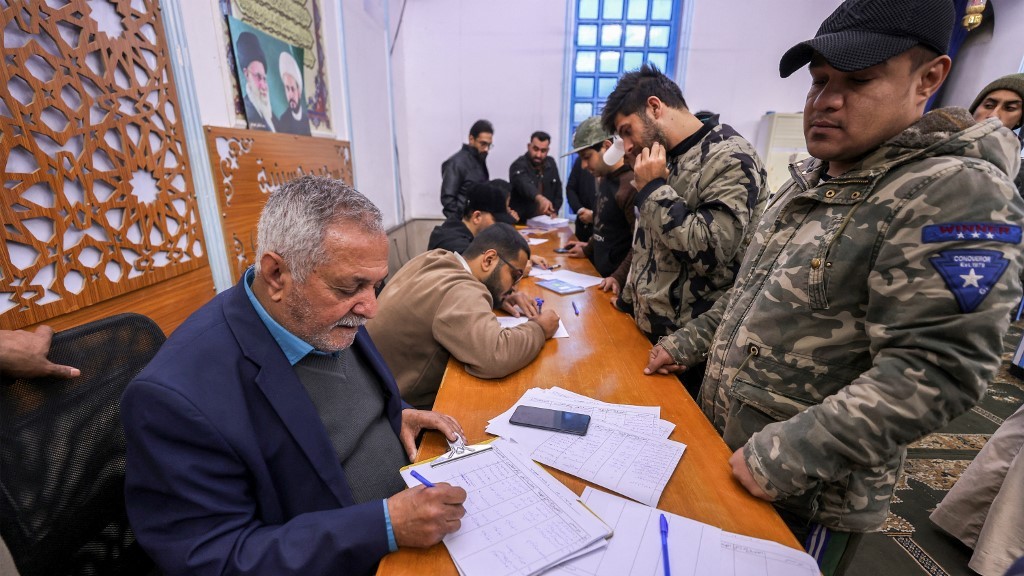
    In a significant demonstration of regional solidarity, nearly 5,000 Iraqi citizens from Diyala province have formally pledged to defend Iran against potential US military action. The volunteers declared their readiness to support both Iraqi security forces and Iran-backed armed groups without financial compensation, explicitly rejecting American intervention in the Islamic Republic.

    This mobilization occurs against a backdrop of intensifying US-Iran tensions, despite ongoing diplomatic discussions in Oman. The United States recently implemented stringent new sanctions targeting Iran’s oil export capabilities, including measures against 14 vessels flagged in Turkey, India, and the United Arab Emirates, alongside sanctions affecting 15 entities and two individuals.

    Military posturing continues simultaneously, with US aircraft carriers maintaining positions near Iran’s coastal waters. Central Command has released footage showing the USS Abraham Lincoln conducting replenishment operations in the Arabian Sea, underscoring the persistent military presence.

    Iran’s military leadership has responded with heightened readiness. Brigadier-General Mohammad Akraminia, the army spokesperson, stated that any conflict would ‘encompass the entire region and all US bases’ if Washington pursues military escalation. This warning echoes President Donald Trump’s earlier caution about ‘bad things’ happening should diplomatic efforts fail.

    The volunteer initiative was coordinated by the Iran-backed Badr Organization, though organizers emphasize the volunteers are not affiliated with specific armed factions. Ammar al-Tamimi, a Badr Organization leader, characterized the participants as ‘volunteers ready to serve as a reserve force for the security forces.’ The comprehensive list of 4,947 names will be formally submitted through Iraq’s military chain of command.

    This development reflects Iraq’s complex geopolitical position, maintaining strong ties with Iran since Saddam Hussein’s overthrow in 2003 while hosting thousands of US troops. Iran-aligned groups including Kataeb Hezbollah and Harakat al-Nujaba have established recruitment stations across Iraq, including Baghdad, preparing for potential conflict scenarios.

  • West Indies beats Scotland in T20 World Cup match; Shepherd claims hat-trick wickets

    West Indies beats Scotland in T20 World Cup match; Shepherd claims hat-trick wickets

    In a stunning display of fast bowling prowess, Romario Shepherd delivered a match-winning performance for the West Indies cricket team during their Group C encounter against Scotland in the Twenty20 World Cup held in Kolkata on Saturday. The Caribbean speedster achieved the rare feat of claiming four wickets in just five deliveries, including a sensational hat-trick that dismantled Scotland’s lower batting order.

    The match began with West Indies setting a competitive target of 183 runs after being put into bat first. Shimron Hetmyer provided the foundation for their innings with a explosive 64 runs off just 36 balls, featuring six massive sixes that energized the Caribbean side’s total of 182-5.

    Scotland appeared to be building momentum in their chase, reaching 132-5 after 16 overs, before Shepherd’s extraordinary 17th over completely shifted the game’s dynamics. After conceding a single run with his first delivery, the fast bowler orchestrated a dramatic collapse by removing Matthew Cross (caught at point), Michael Leask (caught near long-on), and Oliver Davidson (clean bowled) with consecutive balls to complete his hat-trick.

    The carnage continued as Safyaan Sharif survived the next delivery but fell immediately afterward, offering a simple catch to Jason Holder at mid-off. Shepherd’s remarkable figures of 5-20, complemented by Holder’s 3-30, restricted Scotland to 147 all out in 18.5 overs, securing a 35-run victory for the two-time champions.

    Hetmyer, who received the player-of-the-match medal, expressed awe at his teammate’s performance: ‘That was phenomenal. I think he was going to get it to be honest. It’s not often you see a guy get five wickets and a hat-trick.’

    The victory strengthens West Indies’ position in Group C while Scotland, who entered the tournament under unusual circumstances after Bangladesh’s withdrawal citing safety concerns, face an uphill battle in their World Cup campaign.

  • T20 World Cup: ICC in talks to revive India-Pakistan clash on February 15

    T20 World Cup: ICC in talks to revive India-Pakistan clash on February 15

    The International Cricket Council has initiated diplomatic negotiations with the Pakistan Cricket Board to resolve the escalating boycott crisis surrounding the high-stakes T20 World Cup match scheduled for February 15th in Colombo. According to sources familiar with the matter, the ICC adopted a conciliatory approach through formal communication channels rather than confrontational tactics.

    This development follows the Pakistani government’s direct intervention prohibiting its national team from competing against arch-rivals India. The politically-charged decision has thrown into jeopardy what traditionally ranks as cricket’s most financially lucrative encounter, generating millions in broadcasting rights, sponsorship agreements, and advertising revenue.

    The tournament’s backdrop has been marred by geopolitical tensions after Bangladesh’s withdrawal citing security concerns, subsequently replaced by Scotland. Pakistan’s refusal to face co-hosts India stands as a symbolic protest, despite potential competitive consequences including automatic forfeiture of two critical points and damaging net run rate implications.

    Indian skipper Suryakumar Yadav confirmed his squad’s readiness to travel to Colombo for the anticipated clash. The longstanding suspension of bilateral cricket between the neighboring nations, extending over a decade, means their encounters remain confined to international tournaments like the current World Cup.

    Pakistan commenced their campaign with a narrow victory against the Netherlands on Saturday, even as the shadow of potential forfeiture looms over their tournament prospects. The ICC’s mediation efforts represent the latest chapter in cricket’s most politically complex rivalry.

  • Look: Thousands gather as Pakistan buries victims of mosque suicide attack

    Look: Thousands gather as Pakistan buries victims of mosque suicide attack

    Pakistan observed a day of collective mourning on Saturday as thousands gathered to bury victims of a devastating suicide attack that struck a Shiite mosque during Friday prayers. The assault, which killed 31 worshippers and injured 169 others, represents the deadliest violence to hit Islamabad since the 2008 Marriott hotel bombing.

    The Imam Bargah Qasr-e-Khadijatul Kubra mosque, located on the capital’s outskirts, became the scene of tragedy when an attacker detonated explosives after being confronted at the entrance. Eyewitness accounts describe a brief gunfight between the bomber and volunteer security personnel preceding the detonation that filled the prayer hall with chaos and devastation.

    Islamic State’s regional affiliate (Daesh) has claimed responsibility for the assault that left pools of blood across the red-carpeted prayer area. AFP journalists documented harrowing scenes at local hospitals where medics and bystanders rushed to assist victims with blood-soaked clothing, including several children among the casualties.

    Security officials reported making multiple arrests in connection with the attack, including taking the bomber’s mother into custody from an upscale Islamabad neighborhood. Anonymous officials revealed the attacker originated from Peshawar in the violence-plagued Khyber Pakhtunkhwa province, with relatives having resided in Nowshera for several years.

    Prime Minister Shehbaz Sharif condemned the blast as a ‘heinous crime against humanity’ and vowed to bring perpetrators to justice. The attack occurs amid escalating insurgencies in Pakistan’s southern and northern border regions with Afghanistan, highlighting ongoing security challenges facing the nation.

    This tragedy marks the second major security incident in Islamabad since November’s court complex bombing that killed 12 people, ending a nearly three-year period of relative calm in the capital. Pakistan’s Shiite minority, comprising 10-15% of the predominantly Sunni population, has frequently been targeted by extremist groups throughout the region.

  • UAE businessman to cover 70% of housing cost for Emirati youth planning to get married

    UAE businessman to cover 70% of housing cost for Emirati youth planning to get married

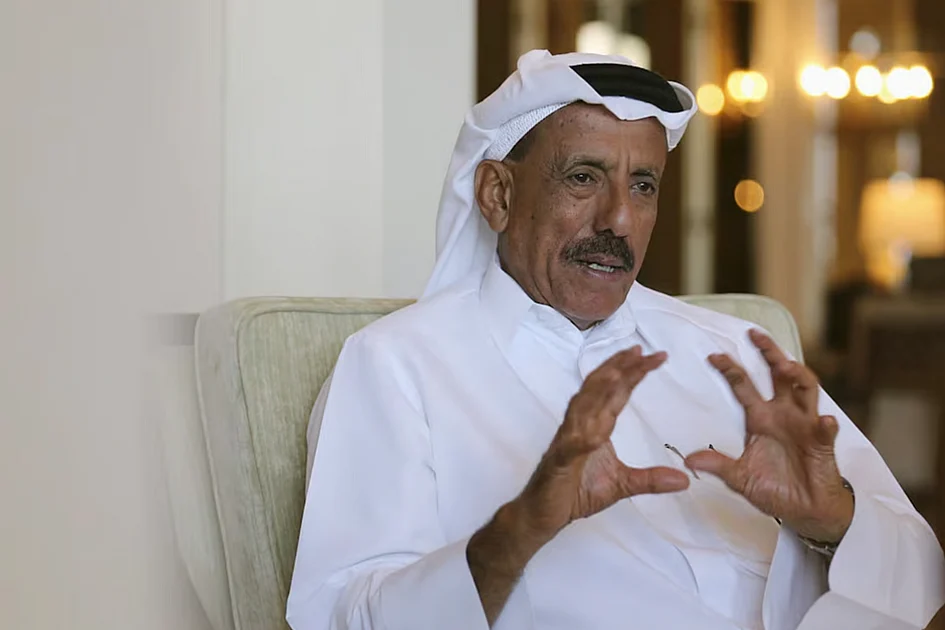
    In a significant move to address marital affordability challenges, prominent UAE businessman Khalaf Ahmad Al Habtoor has unveiled a comprehensive housing initiative specifically designed for Emirati youth contemplating marriage. The philanthropic program allocates 88 fully-equipped residential units within Dubai’s prestigious Al Habtoor Tower, offering one, two, and three-bedroom configurations to serve as starter homes for emerging families.

    The initiative substantially reduces financial barriers to homeownership by covering approximately 70% of each apartment’s total value, requiring beneficiaries to contribute only the remaining 30%. This balance can be settled through a structured payment plan extending over a five-year period, subject to standard terms and conditions. With an estimated total value exceeding 270 million UAE dirhams, the program represents one of the most substantial private-sector interventions in marital support within the region.

    This development aligns with the UAE Ministry of Family’s recently launched ‘Family First’ program, introduced during the World Government Summit, which seeks to enhance family-friendly infrastructure across public and urban spaces. The national effort has already implemented over 60 family-oriented policies through collaboration with more than 20 federal and local government entities, addressing critical gaps in housing, healthcare, education, employment, and social support systems.

    Al Habtoor emphasized that his initiative transcends commercial real estate objectives, representing instead a tangible humanitarian commitment to removing one of the most significant obstacles young Emiratis face when considering marriage. The businessman has established a consistent track record of community-focused programs supporting citizen empowerment and family stability, including financial assistance upon marriage, enhanced support following childbirth, and active participation in national dialogues regarding youth challenges.

    The philanthropist articulated his conviction that meaningful societal investment begins with supporting people directly, asserting that enabling young adults to form stable families generates profound long-term benefits for national social cohesion, economic vitality, and overall security. Al Habtoor concurrently issued a call to action for additional stakeholders to contribute practical initiatives that reinforce family stability and bolster the nation’s future.