作者: admin

  • Dow tops 50,000 in snapback of US stock markets

    Dow tops 50,000 in snapback of US stock markets

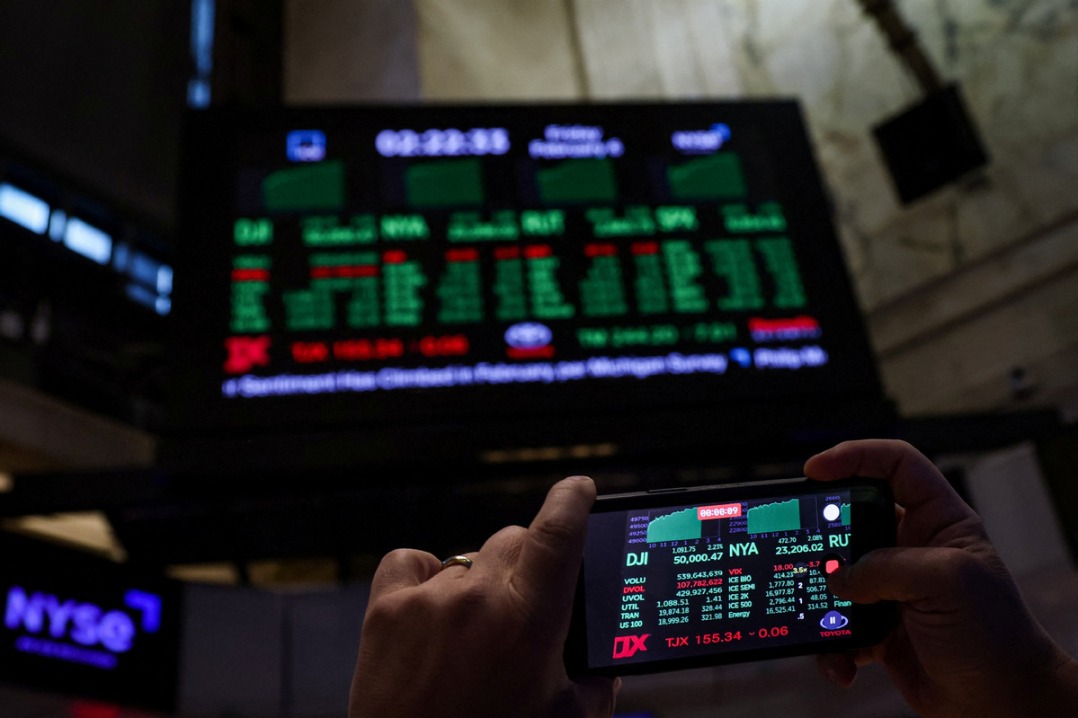
    NEW YORK – Wall Street witnessed a historic moment on Friday, February 6, 2026, as the Dow Jones Industrial Average shattered the monumental 50,000-point barrier for the first time in its storied history. This landmark achievement, captured by traders on the floor of the New York Stock Exchange, signaled a powerful market resurgence following recent corrective phases.

    The index catapulted upward by an astonishing 1,100 points during afternoon trading, propelled by a surge in heavyweight technology stocks. Leading the charge was semiconductor giant Nvidia, whose shares skyrocketed by over 7%, contributing significantly to the benchmark’s record-breaking performance.

    Concurrent with the market rally, the University of Michigan released preliminary data showing an uptick in consumer confidence. The Consumer Sentiment Index climbed to 57.3 in February, marking an improvement from January’s final reading of 56.4. This improved economic outlook appears to have bolstered investor confidence, driving substantial buying activity.

    Market analysts point to strong technical foundations supporting the bullish trend. James Hyerczyk, a prominent US-based technical analyst, noted that the Dow’s 50-day moving average of 48,607 has firmly held as a critical support level, maintaining the integrity of the upward trajectory and suggesting continued strength in the current market cycle.

  • US deported Palestinians to Israel on private jet twice: Report

    US deported Palestinians to Israel on private jet twice: Report

    The Trump administration has utilized high-cost private jets to execute a series of deportation flights transporting Palestinians from the United States to Israel, according to investigative reports from The Guardian and +972 Magazine. This operation marks a significant departure from standard immigration enforcement protocols.

    Two confirmed flights have occurred, with the first departing on January 21st from Arizona, carrying eight individuals to Tel Aviv. A subsequent flight took place on Monday, with the passenger count remaining unclear though the luxury aircraft featured sixteen seats. The flights were operated by aircraft owned by Dezer Development, a real estate conglomerate led by Gil Dezer, son of Israeli-American billionaire Michael Dezer.

    The operational logistics involved a Florida-based company, Journey Aviation, which charters the jet to the U.S. government. Gil Dezer stated he is unaware of passenger identities, receiving only usage dates. Notably, the Dezer family maintains close ties to the Trump family, having donated over $1 million to Trump’s presidential campaign.

    The policy is anomalous for multiple reasons. The U.S. government typically employs commercial aircraft for deportations, making the use of luxury private jets, costing up to $26,000 per flight hour, highly unusual. Furthermore, the Israeli government’s cooperation in repatriating Palestinians to militarily occupied territories represents a break from historical precedent, aligning with officials’ stated desires for Palestinian emigration to third countries.

    The flights refueled in New Jersey, Ireland, and Bulgaria, drawing political condemnation in Dublin. Irish opposition lawmakers decried the permission to refuel as ‘reprehensible,’ ‘deeply disturbing,’ and ‘outrageous.’

    Among those deported on the initial flight was 24-year-old Maher Awad, who was met by Israeli armed guards at Ben Gurion Airport and left near the village of Ni’lin in the West Bank. Awad, who arrived in the U.S. at age 15, had a Social Security number, worked, and paid taxes. His American girlfriend and newborn son remain in Michigan. Another deportee, 47-year-old Sameer Zeidan, left a wife and children in Louisiana. Both men reported being shackled for the entire transcontinental journey. Notably, neither was technically undocumented; Zeidan was a legal permanent resident who had failed to renew his green card after serving prison time a decade ago.

    This operation exemplifies the administration’s aggressive expansion of deportation criteria to include immigrants with legal status who have past criminal records, even for old, minor offenses. Requests for comment from the Department of State and Homeland Security were not returned.

  • German energy giant RWE signs new gas deal as Merz visits UAE

    German energy giant RWE signs new gas deal as Merz visits UAE

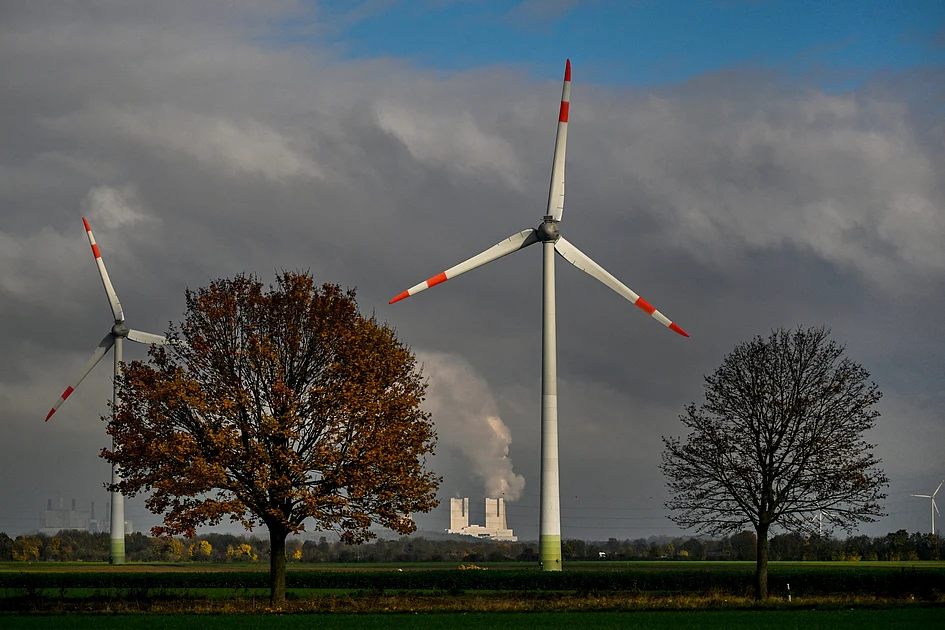
    During German Chancellor Friedrich Merz’s diplomatic mission to the Gulf region, energy conglomerate RWE announced two significant agreements with United Arab Emirates-based entities, marking a strategic push to broaden Europe’s energy portfolio. The company inked a memorandum of understanding with Abu Dhabi National Oil Company (ADNOC) to deliberate on the supply of up to one million tonnes of liquefied natural gas (LNG) annually for a decade. This volume would account for approximately 1.7% of Germany’s total gas consumption based on 2025 figures, providing a substantial alternative supply route.

    Concurrently, RWE entered a separate pact with Emirati renewable energy firm Masdar. This collaboration will investigate the development of large-scale battery energy storage systems, targeting a capacity of up to one gigawatt at RWE’s existing German facilities by 2030. The agreement includes a potential expansion with an additional gigawatt by 2035. These storage solutions are critical for managing the intermittent nature of power generated from wind and solar sources, thereby accelerating the green energy transition.

    The move to engage with UAE partners is viewed as a direct response to Europe’s ongoing energy security reassessment, which began with the severance of Russian gas imports following the 2022 invasion of Ukraine. While the United States became a primary alternative supplier, recent geopolitical uncertainties, including statements from former President Donald Trump regarding NATO allies, have underscored the risks of over-reliance on a single partner. Chancellor Merz emphasized the Gulf region’s pivotal role in diversifying Germany’s energy supply chains ahead of his visit.

  • How logistics is powering a diverse and resilient economy in major GCC countries

    How logistics is powering a diverse and resilient economy in major GCC countries

    Amidst global trade tensions and geopolitical conflicts, the Gulf Cooperation Council (GCC) nations are demonstrating remarkable economic resilience, largely powered by sophisticated logistics infrastructure. Recent economic indicators reveal substantial growth, with Dubai’s economy expanding by 4% in Q1 2025, achieving a GDP of AED119.7 billion, while Saudi Arabia received a upgraded World Bank growth forecast of 3.2% for 2025, including an impressive 8% projected growth for its tourism sector.

    The UAE’s economic stability is bolstered by rapid population growth driven by expatriate inflows, tourism, and increased global investment. Key sectors including real estate, tourism, hospitality, entertainment, and healthcare are performing exceptionally well, positioning Dubai to navigate strong consumer demand throughout 2025.

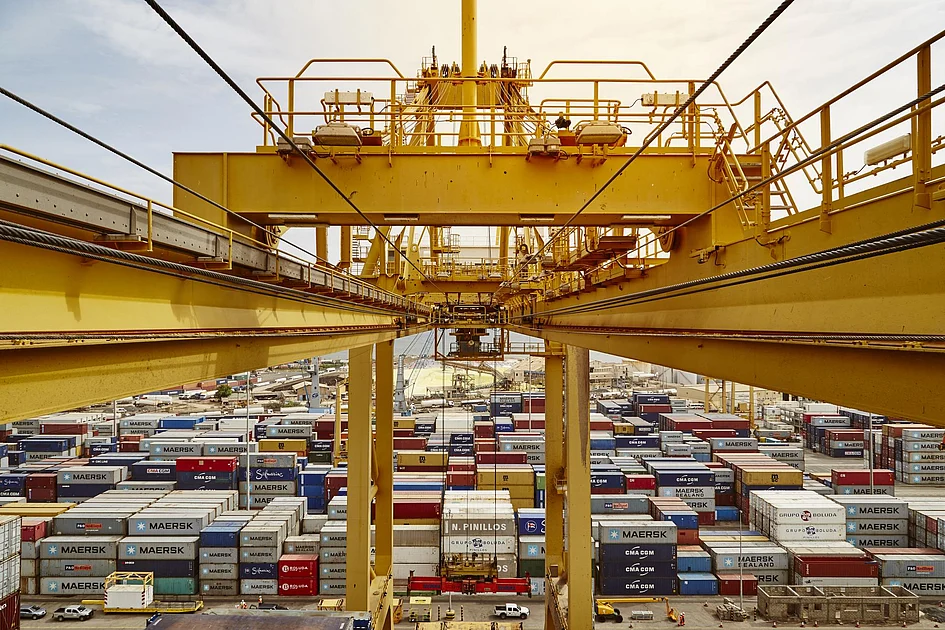
    Central to this economic success is the region’s advanced logistics capability. Qatar’s strategic positioning and developed infrastructure have established it as a crucial trade hub connecting African, Asian, and European markets. In Dubai, Jebel Ali Port has emerged as a global logistics powerhouse, handling approximately 19 million containers annually. Complemented by two world-class airports, Dubai has created an integrated transportation network enabling efficient air, sea, and road connectivity.

    The logistics sector’s sophistication is particularly evident in temperature-sensitive supply chains. Dubai’s hospitality industry, supporting 80% of the UAE’s 340 fine dining establishments, requires precise temperature control to maintain product integrity. Similarly, the pharmaceutical sector demands specialized cold chain solutions, with the UAE demonstrating consistent per capita healthcare spending growth and Saudi Arabia investing over $65 billion in healthcare infrastructure.

    Major logistics operators are responding to these demands with significant investments. DHL has announced plans to allocate €2 billion globally toward healthcare logistics by 2030, with 25% dedicated to the EMEA region. These developments align with the UAE’s National Food Security Strategy 2051, which emphasizes import source diversification and sustainable local production.

    Technological integration is transforming regional logistics operations. Digitalization initiatives including predictive maintenance, warehouse robotics, and AI-driven forecasting are optimizing supply chain management. These advancements enable businesses to comply with increasingly stringent regulatory requirements while improving cost efficiency and responsiveness.

    The construction, tourism, and entertainment sectors particularly benefit from these logistics capabilities, requiring timely movement of materials and goods for events and exhibitions. The aviation sector similarly demands expanded logistics services as regional carriers increase fleets and launch new routes.

    As the UAE aims to double its GDP to over $800 billion by 2030, logistics infrastructure will play a pivotal role in sustaining development initiatives. Investments in specialized transport solutions, temperature monitoring technologies, and expanded cold chain capacity will ensure the region maintains its competitive advantage while supporting continued economic growth.

  • UWANT enters the UAE market with smart cleaning innovations

    UWANT enters the UAE market with smart cleaning innovations

    The United Arab Emirates is witnessing a paradigm shift in residential technology adoption as smart home solutions transition from premium luxury to mainstream necessity. This transformation is fueled by nationwide digitalization efforts, government-led smart city initiatives, and evolving consumer preferences toward interconnected living experiences.

    Market projections indicate substantial growth potential across the Middle East, with the regional smart home sector expected to achieve a valuation of $12.53 billion by 2026. This expansion represents a compound annual growth rate of 18.9% through 2031, demonstrating particularly strong demand for automated lighting systems, advanced security solutions, energy management technologies, and artificial intelligence-enhanced home appliances.

    Capitalizing on this market momentum, innovation-driven cleaning technology brand UWANT has officially launched its comprehensive product portfolio in the UAE. The company’s market entry strategy focuses on addressing diverse cleaning requirements—from routine dust and crumb removal to intensive fabric sanitation and post-meal spill management.

    UWANT’s UAE debut features a curated selection of their most sought-after products, including cordless stick vacuums, wet-dry vacuum systems, specialized carpet cleaners, autonomous robotic vacuums, and advanced mite removal devices. The product pricing strategy positions items between AED 249 and AED 2,499 to accommodate various consumer segments.

    The brand’s regional distribution is managed by Al Esayi Group, an established electronics and home appliances distributor with operations across the Gulf Cooperation Council region. Founded in 1994 and headquartered in Jeddah, Saudi Arabia, Al Esayi brings extensive retail expertise and market knowledge to support UWANT’s Gulf expansion strategy.

    Farrukh Abdugaforov, Managing Director of UWANT’s UAE operations, emphasized the market’s strategic importance: “The UAE represents an international innovation hub characterized by sophisticated consumer expectations and robust demand for premium home solutions. The country’s mature retail infrastructure, substantial consumer purchasing power, and openness to technological innovation create ideal conditions for introducing advanced appliance solutions like UWANT.”

    Abdugaforov further elaborated on the brand’s philosophy: “UWANT embodies three fundamental principles: attention to detail, emotional warmth, and customer happiness. We strive to integrate meaningful innovation into daily routines, transforming household maintenance into more comfortable and efficient experiences.”

    The product development team has specifically engineered UWANT’s offerings to accommodate characteristic UAE living scenarios, including family-intensive kitchens, high-traffic living areas, and pet-inclusive households. The technology portfolio enables both routine maintenance and comprehensive hygiene management, addressing challenges such as persistent dust accumulation, liquid spills, pet hair, and soft furnishing care with minimal user intervention.

    Globally, UWANT has established particular recognition for its dust-mite elimination technology, commanding over 40% market share in China’s mite remover category. The brand has successfully expanded across international markets including the United States, European nations, and Russia before commencing its Middle Eastern operations.

    UWANT’s initial UAE product lineup includes: cordless stick vacuums featuring multi-layer filtration technology, hybrid wet-dry floor cleaning systems, fully autonomous robotic vacuums for continuous maintenance, and portable spot cleaners with upgraded steam-hot water functionality that claims 99.9% bacteria elimination.

    Consumer availability commences immediately through Sharaf DG retail locations at Deira City Centre, Times Square Centre, and Dubai Hills Mall, with parallel e-commerce accessibility through online purchasing platforms.

  • Electric motorcycle riders in Kenya demand more flexible battery networks

    Electric motorcycle riders in Kenya demand more flexible battery networks

    NAIROBI, Kenya — Africa’s rapidly expanding electric motorcycle sector is confronting a critical infrastructure challenge that threatens to undermine its sustainable growth: proprietary battery systems that lack cross-network compatibility. This technological fragmentation has sparked widespread frustration among riders and prompted calls for industry-wide standardization.

    Prominent Kenyan podcaster Francis Kibe Njeri has emerged as a vocal advocate for reform, utilizing his social media platforms to highlight how manufacturers’ remote lockout features can immobilize vehicles after periods of inactivity. “It is fundamentally unjust that we purchase these motorcycles while the batteries remain manufacturer property, restricting us to their exclusive charging networks,” Njeri asserted.

    The economic impact on riders has been substantial. Oscar Okite, a Nairobi-based e-bike operator, reported losing approximately 500 Kenyan shillings ($4.50) daily when unable to locate compatible swap stations. “The limited availability of accessible charging points directly constrains our earning potential,” he explained.

    Despite the clear cost advantages—with operators saving up to 40% on daily expenses compared to gasoline-powered alternatives—the continent’s e-mobility ecosystem remains constrained by vertically integrated business models. Current industry data reveals East Africa leads in deployment with 89 active e-mobility companies, having attracted $207 million in investments by September 2024.

    Asset financing expert Eric Tsui identified interoperability as the sector’s primary bottleneck: “The most counterproductive scenario involves numerous swap stations incapable of serving all riders. We urgently need standardized systems that allow battery exchange across all operator networks.”

    Industry leaders acknowledge the complexities. Spiro CEO Kaushik Burman expressed conditional openness to network sharing, emphasizing safety certifications: “We welcome manufacturers interested in adapting their bikes to our battery system, but unrestricted access without proper integration poses unacceptable risks.”

    In a potential breakthrough, Ampersand announced Africa’s first open-platform battery network in January, enabling compatible motorcycles from multiple manufacturers to utilize its infrastructure. CEO Josh Whale described this initiative as transforming the company into an electric “fuel station” that promotes market expansion without redundant infrastructure development.

    For riders like Kevin Macharia, these changes cannot arrive soon enough. “Transitioning to electric was meant to enhance our earnings, not leave us stranded roadside awaiting battery swaps,” he remarked, capturing the urgent need for industry-wide cooperation in Africa’s clean transportation revolution.

  • Milestones, surprises, and birthday cheers as the Carnival makes more history at Meydan

    Milestones, surprises, and birthday cheers as the Carnival makes more history at Meydan

    The Meydan Racecourse witnessed an extraordinary evening of racing history during Friday’s 11th meeting of the Dubai Racing Carnival, setting unprecedented records as the prestigious Dubai World Cup approaches. The event unfolded as a celebration of breakthrough achievements and unexpected outcomes, captivating audiences with its dynamic display of international horseracing excellence.

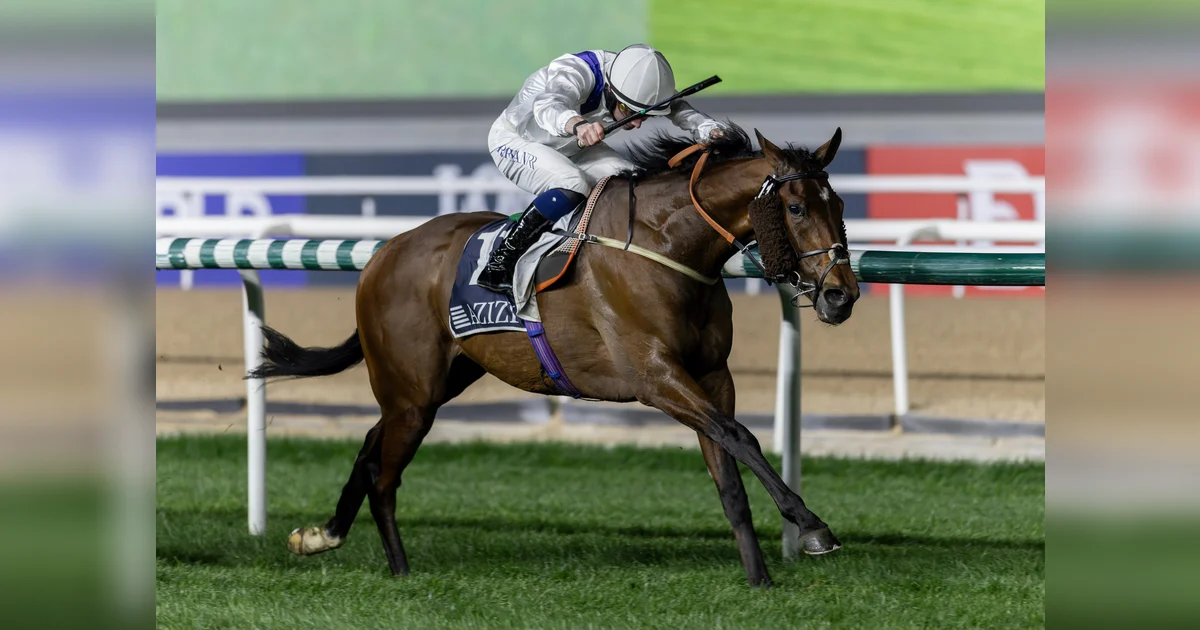
    British raiders dominated the turf with remarkable performances, headlined by Dividend’s triumphant victory in the Lord Glitters Handicap. Ridden by Irish jockey Rossa Ryan, who secured his inaugural Meydan win, the four-year-old outperformed Godolphin’s King’s Charter by three-quarters of length. The victory marked a significant milestone for co-trainers Dr. Richard Newland and Jamie Insole, achieving their first international success. “This horse has been consistently competitive in major handicaps,” Newland remarked. “The additional furlong and cheekpieces proved decisive tonight.”

    Northern Champion continued Britain’s winning streak by claiming the Dubai Trophy under five-time champion jockey Oisin Murphy. The colt demonstrated exceptional versatility, dropping back to 1,200 meters after previously winning over 1,400 meters, and secured a two-length victory over Charlie Appleby’s Maximised. Murphy, celebrating his first Meydan triumph since 2020, praised trainer Ed Walker’s strategic decision to shorten the distance.

    The carnival atmosphere intensified as popular jockey Pat Dobbs celebrated his 47th birthday with a spectacular double victory. Dobbs guided Cats By Five to a commanding five-length win in the Burj Azizi Handicap, with trainer Doug Watson confirming plans to advance the impressive grey to Super Saturday’s G3 Mahab Al Shimaal. Dobbs’ earlier victory came aboard Nyaar in the Azizi Creek Views Handicap, where the six-year-old demonstrated exceptional closing speed to overcome early leader Action Point.

    International participation flourished with South African trainer Dylan Cunha securing his second carnival victory through Tailgunner Joe’s narrow triumph in the Azizi Venice Handicap. Jockey Bernardo Pinheiro, who meticulously studied the horse’s Dubai performances, executed a perfect inside ride to edge Jolly Roger by a quarter-length. Pinheiro completed a personal double when Desperate Hero captured the Azizi Riviera Handicap finale by two and a half lengths.

    The evening’s proceedings commenced with Purebred Arabian competition, where Uptown Walk The Line delivered a spectacular ten-length victory under jockey Sandro Paiva. Former champion trainer Bhupat Seemar and jockey Richie Mullen also celebrated success with Watch Collector, who dramatically reversed previous poor form to win the Azizi Reve Maiden.

  • Pakistan mosque explosion: where the attack unfolded

    Pakistan mosque explosion: where the attack unfolded

    A devastating suicide bombing targeted a Shia mosque in Pakistan, resulting in a catastrophic loss of life and sending shockwaves through the community. Local police authorities confirmed that at least 31 worshippers were killed when an attacker detonated an explosive device within the mosque’s premises during prayers.

    The assault represents one of the most severe sectarian attacks in recent memory, striking at the heart of a religious gathering and exposing persistent security vulnerabilities. The explosion unfolded during a period of heightened congregational worship, maximizing casualties and creating scenes of chaos and devastation.

    Emergency response teams rushed to the scene immediately following the blast, transporting casualties to nearby medical facilities where medical personnel declared a state of emergency. The attack has drawn widespread condemnation from government officials and religious leaders across sectarian divides, with promises of thorough investigation and heightened security measures.

    This tragedy occurs against a backdrop of longstanding sectarian tensions in the region and raises serious concerns about the protection of religious minorities. Counterterrorism units have launched an intensive investigation to identify the perpetrators and determine the precise methodology behind the attack. The international community has begun issuing statements of solidarity with Pakistan while urging strengthened counterterrorism cooperation.

  • Photos: Kites, victory cries fill Lahore skies as Basant festival returns after long ban

    Photos: Kites, victory cries fill Lahore skies as Basant festival returns after long ban

    The ancient city of Lahore witnessed a spectacular cultural renaissance as the traditional Basant kite-flying festival returned to its skies after an 18-year prohibition. On Friday, the vibrant tapestry of colorful kites transformed the atmosphere above Pakistan’s cultural capital, accompanied by triumphant shouts of “bo-kata!” echoing across rooftops as enthusiasts severed opponents’ strings.

    The spring heralding festival, banned in 2008 due to safety concerns after several fatalities involving metal-coated kite strings, was reinstated last year following substantial public demand. The official commencement occurred at midnight with Punjab Information Minister Azma Bukhari ceremoniously launching the inaugural kite.

    Throughout the night, families and friends crowded onto rooftops throughout the Walled City and surrounding neighborhoods, creating a carnival atmosphere with drumbeats and enthusiastic celebrations. Abdul Aziz, 57, described the emotional significance: “Today, when I dropped the first kite in air, I felt as if there was a space in my life that was now filled.”

    Authorities implemented comprehensive safety measures including QR code tracking systems on all kites and strings, prohibition of metallic or chemical-coated materials, and mandatory safety rods for motorcyclists. Approximately 4,600 producers registered with authorities to sell festival materials, while officials conducted rooftop inspections and restricted access to non-compliant structures.

    The festival’s economic impact proved substantial, generating an estimated 3 billion rupees ($10 million) in kite-related commerce alone. Hotels reached full capacity while poultry demand surged to levels typically seen during major religious festivals. At Mochi Gate, Pakistan’s largest kite market, supplies were rapidly depleted with vendor Zubair Ahmed reporting complete sell-outs within two days.

    The celebrations were somewhat tempered by security concerns following a suicide bombing in Islamabad that claimed 31 lives. In response, Punjab Chief Minister Maryam Nawaz announced the cancellation of Saturday’s Liberty Square concert originally scheduled as part of the Basant festivities.

  • Colorado funeral home director sentenced to 40 years for corpse abuse

    Colorado funeral home director sentenced to 40 years for corpse abuse

    A Colorado court has delivered a 40-year prison sentence to Jon Hallford, co-owner of the Return to Nature Funeral Home, following one of the most disturbing corpse abuse cases in recent memory. The sentencing concludes a horrific chapter that saw nearly 200 decaying bodies discovered improperly stored at the Penrose facility.

    During emotional courtroom proceedings, grieving family members confronted Hallford, describing him as a ‘monster’ whose actions caused lasting trauma. Victims’ relatives detailed nightmares about their loved ones decomposing in his care, with one daughter stating her mother was ‘treated like yesterday’s trash.’

    The investigation revealed that over four years, 189 bodies—including children and fetuses—were stored in piles within non-refrigerated areas while the funeral home provided families with fake ashes. Prosecutors established that financial greed motivated the scheme, as the business generated sufficient revenue to properly handle remains.

    Judge Eric Bentley, while imposing the sentence, noted the case tested fundamental beliefs about human decency. Hallford offered a courtroom apology, acknowledging, ‘I had so many chances to put a stop to everything and walk away, but I did not. My mistakes will echo for a generation.’

    The case has triggered significant regulatory changes in Colorado’s funeral industry. Previously, state law didn’t require funeral home operators to hold licenses, mortuary science degrees, or even high school diplomas. New legislation imposing stricter oversight has been enacted since the scandal emerged.

    Carie Hallford, Jon’s ex-wife and business partner, has pleaded guilty to similar charges and awaits sentencing. The investigation began in October 2023 following reports of foul odors from the property, leading to the discovery of 115 improperly stored bodies.