作者: admin

  • Trump signs order threatening tariffs on nations doing business with Iran

    Trump signs order threatening tariffs on nations doing business with Iran

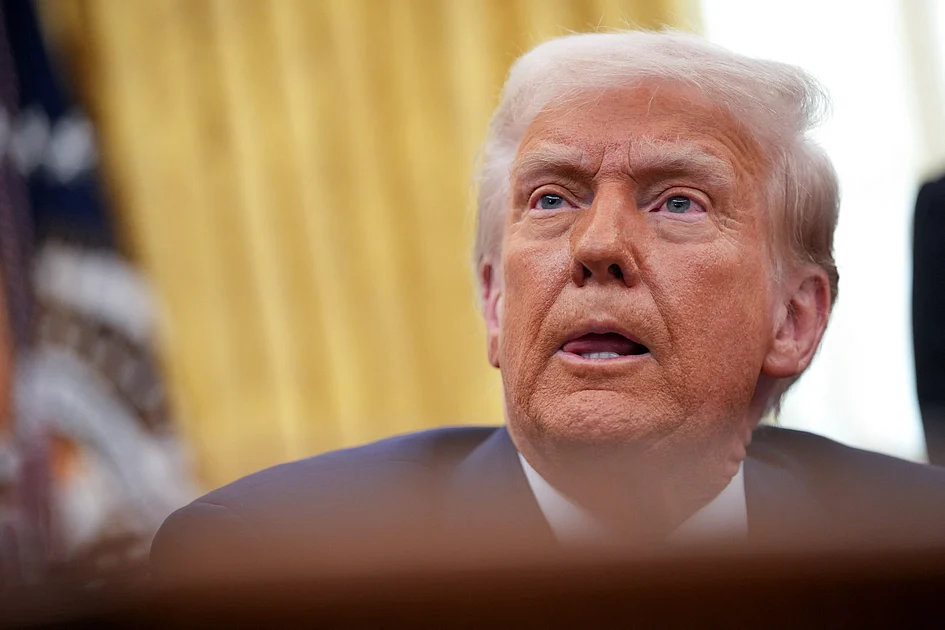
    In a significant escalation of economic pressure on Iran, U.S. President Donald Trump issued a sweeping executive order on Friday authorizing potential tariff penalties against nations maintaining commercial ties with the Islamic Republic. The directive establishes a framework for imposing substantial tariffs of up to 25 percent on countries that continue business relationships with Iran, representing the latest development in ongoing tensions between Washington and Tehran.

    The executive action emerges amid delicate diplomatic engagements between American and Iranian officials this week, highlighting the complex interplay between economic coercion and diplomatic channels. The order specifically targets international trade partners who defy U.S. sanctions regimes by continuing commercial relationships with Iran, potentially affecting numerous American allies and trading partners worldwide.

    This economic maneuver reinforces the administration’s maximum pressure campaign against Iran, which has remained a cornerstone of U.S. foreign policy in the Middle East. The tariff threat introduces a new dimension to international economic diplomacy, potentially compelling nations to choose between access to the American market and maintaining economic relationships with Iran.

    Analysts suggest this development may create significant complications for multilateral trade relationships, particularly with European and Asian partners who have sought to maintain economic ties with Iran while navigating U.S. sanctions architecture. The order represents one of the most aggressive unilateral economic measures taken against third countries in recent years, testing the boundaries of extraterritorial sanction enforcement.

    The timing of this executive action, coinciding with ongoing diplomatic contacts between the two nations, suggests a calculated strategy of combining economic pressure with negotiation tracks. Administration officials have characterized the approach as essential for bringing Iran back to comprehensive negotiations regarding its nuclear program and regional activities.
  • US and India unveil interim trade framework, move closer to broad pact

    US and India unveil interim trade framework, move closer to broad pact

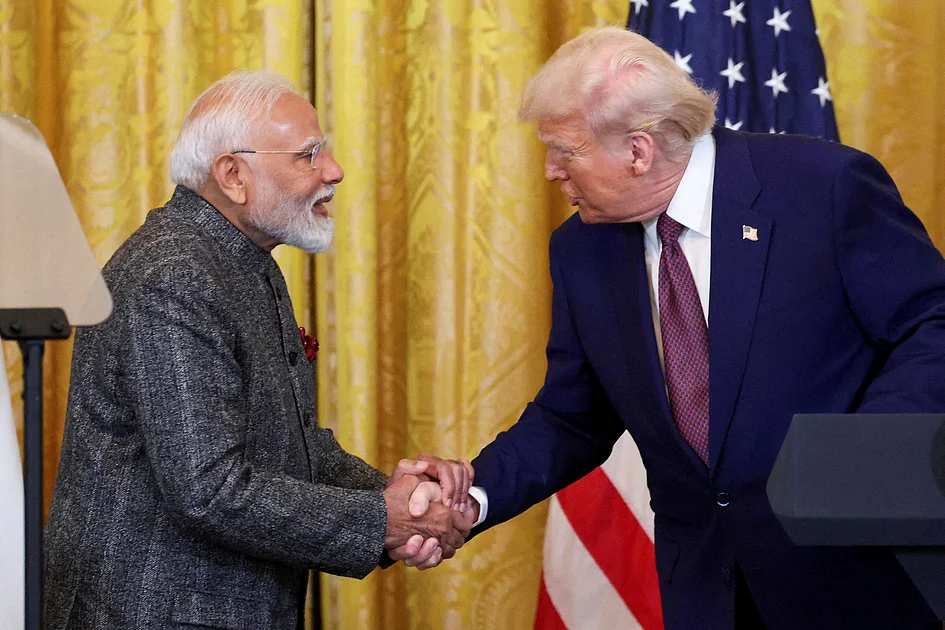
    In a significant advancement of economic cooperation, the United States and India have established an interim trade framework that charts a course toward a comprehensive bilateral agreement. The arrangement, unveiled on Friday, represents a strategic realignment of trade relations between the world’s largest democracies.

    The cornerstone of this preliminary agreement involves India’s commitment to purchase $500 billion worth of American goods over a five-year period. These purchases will encompass diverse sectors including energy exports (oil, gas, coking coal), aviation equipment (aircraft and aircraft parts), precious metals, and advanced technology products—specifically graphics processing units for AI applications and data center components.

    President Donald Trump announced tariff reductions on Indian imports, slashing rates from 50% to 18% following India’s agreement to shift its oil procurement from Russia to the United States and Venezuela. The executive order signed Friday rescinded the additional 25% tariff previously imposed as punishment for India’s Russian oil purchases, which the administration claimed were supporting Moscow’s military operations in Ukraine.

    Despite these advancements, the framework reveals notable compromises. India successfully protected its agricultural sector from broad market opening demands, safeguarding sensitive products including maize, wheat, rice, soya, poultry, dairy, ethanol, tobacco, and select vegetables and meats. Trade Minister Piyush Goyal emphasized that the agreement preserves rural livelihoods while providing access to the $30 trillion American market for Indian exporters, particularly benefiting farmers, fishermen, and small-to-medium enterprises.

    The agreement outlines specific tariff eliminations or reductions on US industrial goods and agricultural exports including animal feed components, tree nuts, fresh and processed fruits, soybean oil, wine, and spirits. India will receive preferential treatment on certain aircraft parts and auto components through quota systems.

    Both nations committed to addressing non-tariff barriers within six months, particularly regarding agricultural products, medical devices, and communications equipment. The framework includes cooperation on sensitive technology export controls and coordinated actions against ‘non-market policies of third parties’—a clear reference to China.

    The interim agreement sets the stage for final negotiations toward a comprehensive trade pact potentially to be signed in March, marking a substantial breakthrough after years of stalled discussions spanning agriculture, digital trade, and market access issues.

  • One person dead from Nipah virus in Bangladesh, WHO says

    One person dead from Nipah virus in Bangladesh, WHO says

    Bangladesh has confirmed its first Nipah virus fatality of the year, with the World Health Organization (WHO) verifying the death of a middle-aged woman in northern Bangladesh. The victim, aged between 40-50 years, initially manifested symptoms including fever and severe headache on January 21 before developing more serious neurological complications including hypersalivation, disorientation, and convulsions. Despite medical intervention, she succumbed to the infection one week after symptom onset, with laboratory confirmation of Nipah virus obtained posthumously.

    Epidemiological investigation revealed the patient had consumed raw date palm sap, a known transmission route for the virus through contamination by infected bats. Health authorities have identified and monitored 35 individuals who had contact with the deceased, all of whom have tested negative for the virus to date. No secondary cases have been detected.

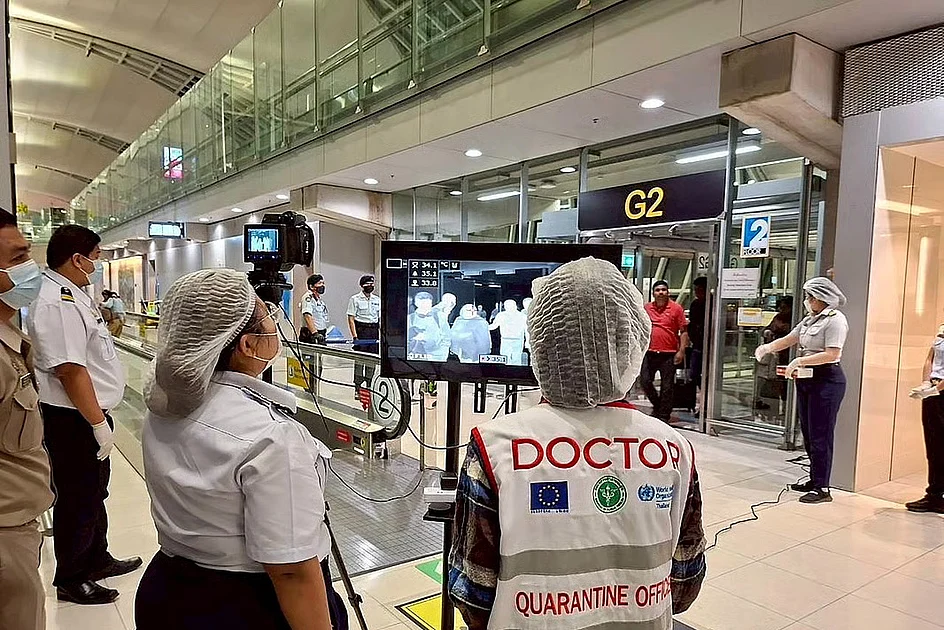
    This occurrence follows recent Nipah cases detected in neighboring India, prompting multiple Asian nations including Malaysia, Thailand, Indonesia, and Pakistan to implement enhanced airport screening measures. The virus demonstrates high fatality rates, estimated at up to 75% of cases, though human-to-human transmission remains limited.

    The WHO has assessed the international transmission risk as low and currently advises against implementing travel or trade restrictions. This case marks a continuation of Nipah’s endemic presence in Bangladesh, where four laboratory-confirmed fatalities were recorded in 2025. No licensed therapeutics or vaccines specifically targeting Nipah virus infection are currently available.

  • UAE weather: Chance of rainfall; Red alert issued due to thick fog

    UAE weather: Chance of rainfall; Red alert issued due to thick fog

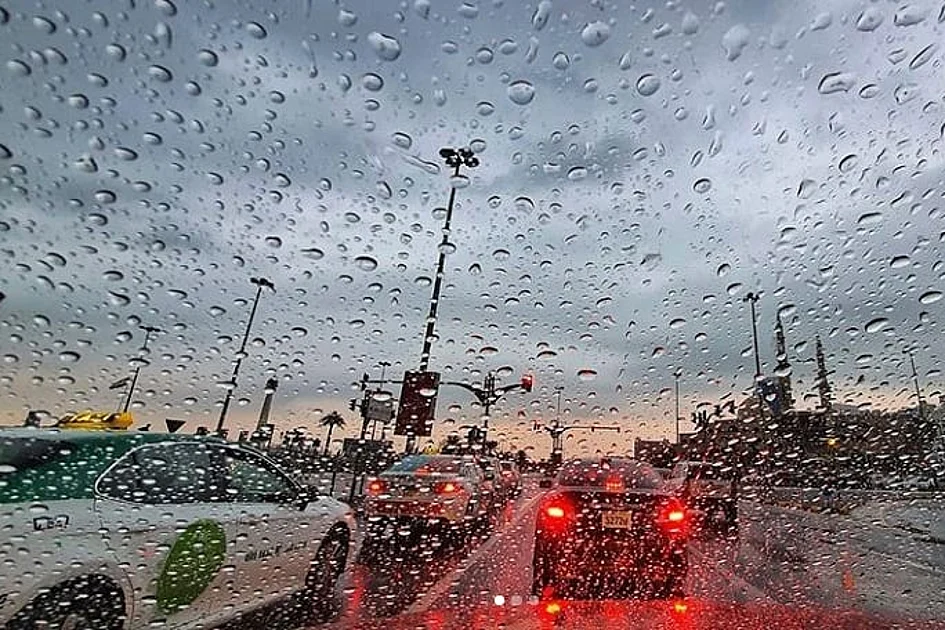
    The United Arab Emirates’ National Centre of Meteorology (NCM) has issued a significant weather advisory warning residents of unusual climatic conditions developing across the region. Meteorological authorities have activated a red alert status due to dangerously thick fog formations expected to persist from early morning through mid-morning on Saturday, February 7th, creating potentially hazardous travel conditions.

    Weather patterns indicate increasingly cloudy conditions with intermittent partly cloudy periods accompanied by rising temperatures. Meteorological models predict rainfall across island territories and specific coastal regions, particularly affecting northern and eastern areas with precipitation intensifying during nighttime hours.

    Temperature readings across major urban centers show moderate conditions with Abu Dhabi and Dubai experiencing nearly identical minimum temperatures of 18°C, while maximum temperatures reach 28°C and 27°C respectively. Wind patterns demonstrate light to moderate intensity, blowing from southeasterly to northeasterly directions at velocities ranging between 10-25 km/h, with occasional gusts potentially reaching 40 km/h.

    Maritime conditions present additional concerns as the Arabian Gulf and Oman Sea waters transition from slight to moderate roughness, with forecasts indicating potentially rough sea states during nighttime periods. The convergence of fog, rainfall, and maritime disturbances creates a complex weather scenario unusual for February in the region.

    The NCM continues to monitor atmospheric developments closely, recommending that residents exercise heightened caution during early morning travel, particularly in fog-affected areas, while maritime enthusiasts should remain alert to changing sea conditions.

  • White House planning leaders meeting for Gaza ‘Board of Peace’ on Feb 19, Axios reports

    White House planning leaders meeting for Gaza ‘Board of Peace’ on Feb 19, Axios reports

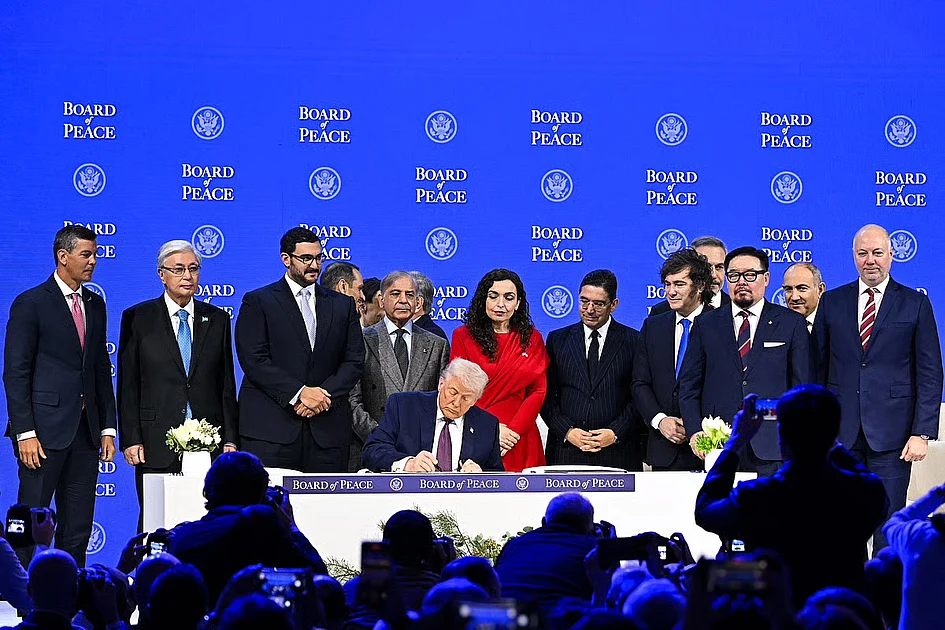
    The White House is orchestrating a landmark diplomatic initiative with the inaugural leadership assembly for the Gaza ‘Board of Peace’ set to convene on February 19, according to an exclusive Axios report published Friday. This high-level gathering, which simultaneously will function as a fundraising conference aimed at mobilizing resources for Gaza’s reconstruction efforts, remains in its preliminary planning phase, with potential adjustments to the agenda and participant list still anticipated.

    The report indicates that while the foundational framework for the summit has been established, specific details regarding attendee confirmation and program specifics are subject to modification. The dual-purpose nature of the event underscores the administration’s integrated approach to addressing both immediate humanitarian needs and long-term stability planning for the conflict-affected territory.

    Neither the White House press office nor the U.S. State Department issued immediate official statements regarding the proposed summit when contacted for commentary late Friday. The reported timing follows recent diplomatic movements, including the appointment of UAE Minister Reem Al Hashimy to the Gaza Executive Board and previous invitations extended to Arab officials that drew objections from Israeli representatives regarding participant composition.

    The developing story represents a significant escalation in international engagement with the Gaza situation, potentially marking a turning point in coordinated reconstruction and peace-building efforts following prolonged regional tensions.

  • Pressure is on freeski star Gu after she falls on first run in slopestyle qualifying at Olympics

    Pressure is on freeski star Gu after she falls on first run in slopestyle qualifying at Olympics

    LIVIGNO, Italy — Reigning Olympic silver medalist Eileen Gu faced an immediate setback during the women’s slopestyle qualifying at the Winter Olympics on Saturday when she fell on her initial run. The Chinese freeskiing sensation lost balance upon exiting the first rail feature, resulting in a tumble that compromised her score potential.

    Demonstrating characteristic resilience, the 22-year-old athlete promptly recovered and completed her routine despite the early error. This performance places significant pressure on Gu’s second and final qualifying attempt, where she must achieve a top-twelve score to advance to Monday’s championship final.

    The California-born skier, who represents China internationally, arrived at these Games with established superstar status following her remarkable performance at Beijing 2022. During those home-soil Olympics, Gu narrowly missed achieving an unprecedented triple gold accomplishment, securing victory in both halfpipe and big air events while earning silver in slopestyle.

    All eyes now turn to Gu’s crucial second run as she attempts to maintain her medal contention in the slopestyle discipline, an event that has previously showcased both her technical precision and creative flair on the Olympic stage.

  • Sydney park highlights Chinese culture with hi-tech

    Sydney park highlights Chinese culture with hi-tech

    Sydney’s city center has become the stage for a groundbreaking cultural fusion where ancient Chinese traditions meet advanced digital technology. The newly launched immersive exhibition at DigiPark transports visitors into the heart of Chinese cultural landscapes through a spectacular 180-degree curved high-definition screen and enveloping surround sound systems.

    At the core of the experience lies the Orbital Cinema, where audiences find themselves virtually immersed in traditional Chinese scenery. The digital journey begins with clouds parting to reveal majestic green mountains and flowing streams reminiscent of classical Chinese paintings. As the visual narrative progresses, viewers appear to drift through mist toward traditional architectural structures before witnessing the magical ascent of Kongming lanterns against a night sky, culminating with the majestic flight of a Chinese dragon across the digital canvas.

    This technological marvel represents the Southern Hemisphere debut of an immersive cultural concept that originated in China and has previously captivated audiences across Southeast Asia, including Malaysia, the Philippines, and Thailand.

    University of Technology Sydney quantum physicist Associate Professor Chris Ferrie expressed astonishment at the seamless integration of technology and cultural storytelling. ‘The technology becomes invisible, creating a truly immersive experience that’s both impressive and somewhat intimidating—we’re literally standing on screens, which challenges our conventional relationship with digital displays,’ he remarked.

    Professor Ferrie emphasized the significance of introducing Australian audiences to Chinese cultural traditions through such innovative mediums, noting that ‘Chinese culture’s extensive historical tradition presents exciting and fascinating learning opportunities, particularly in multicultural Australia.’

    The exhibition’s economic and cultural significance was highlighted by Sydney Councilor Adam Worling during the January 28 opening ceremony. He characterized the installation as ‘a unique addition to Sydney’s attractions that enhances the city’s cultural and entertainment offerings while supporting economic growth and creative employment opportunities.’

    Councilor Worling, who was born in the Year of the Horse, additionally expressed enthusiasm for participating in upcoming Chinese Spring Festival celebrations during the Fire Horse year.

    The launch coincides with promising market projections for Australia’s immersive technology sector. According to Grand View Research’s Australia Immersive Technology Market Size & Outlook report, the industry generated approximately $537 million in revenue during 2024, with projections indicating potential growth to over $2.65 billion by 2030, representing a compound annual growth rate of 31.6% from 2025 onward.

  • Dubai court sentences man to jail for impersonating judge in Dh3.15-million WhatsApp scam

    Dubai court sentences man to jail for impersonating judge in Dh3.15-million WhatsApp scam

    In a landmark ruling underscoring the seriousness of digital fraud, Dubai Criminal Court has handed down a five-year prison sentence to a 41-year-old African national convicted of orchestrating an elaborate Dh3.15 million scam through judicial impersonation and threats via messaging platforms.

    The court mandated full restitution of the embezzled Dh3,154,731 to the victim, alongside confiscation of all electronic devices employed in the criminal operation and deletion of associated digital evidence. The convicted individual will face deportation following completion of his prison term.

    Court documents reveal the sophisticated scheme originated on marriage-oriented social media platforms, where the perpetrator adopted a falsified identity as a UAE national working offshore. After establishing romantic rapport with the victim, the fraudster transitioned communications to WhatsApp where he masqueraded as a judicial authority.

    Prosecutors demonstrated how the defendant systematically issued threats of imminent arrest and legal retaliation unless substantial financial transfers were directed to specified bank accounts. Intimidated by these assertions of judicial authority, the victim progressively transferred funds exceeding Dh3.15 million.

    Forensic analysis of digital evidence—including WhatsApp message histories and banking transaction records—established a consistent pattern of deception and coercion. Prosecutors successfully argued that the interconnected offenses of official impersonation, threat dissemination, and financial fraud constituted a unified criminal enterprise under UAE jurisprudence.

    The judicial panel affirmed that electronic documentation and investigative findings provided unequivocal proof of guilt. This case exemplifies the severe consequences awaiting those who exploit digital platforms to impersonate government officials and manipulate victims through intimidation tactics.

    Authorities reiterate advisories against responding to financial demands received through messaging applications, particularly those invoking official authority, and emphasize the critical importance of independent verification before any fund transfers.

  • Paid parking improves safety, access for emergency vehicles in Dubai International City

    Paid parking improves safety, access for emergency vehicles in Dubai International City

    A strategic shift to paid parking regulations in Dubai’s International City has yielded an unexpected yet critical benefit: dramatically improved access for emergency response vehicles throughout the congested residential district. For years, residents endured severe safety concerns as narrow internal roads were perpetually clogged with indiscriminately parked commercial vans, buses, and private vehicles, often rendering passage for ambulances and fire trucks nearly impossible.

    Prior to the implementation of paid zones, the area’s clusters—themed after nations like France, Italy, and England—suffered from chronic misuse of their roadways. Large commercial vehicles, including car-lift transporters and delivery trucks, treated the residential streets as free long-term parking lots, creating hazardous, bumper-to-bumper conditions. This not only disrupted daily life but also sparked deep anxiety among inhabitants about potential emergency scenarios where every second counts.

    The introduction of paid parking has effectively displaced these non-residential vehicles. Residents now report visibly clearer lanes and a transformed urban environment. Abdul Rahman, a France Cluster resident, recalled the previous struggles, stating, ‘Earlier, if an ambulance or fire truck had to enter our cluster, it would struggle… We used to think, ‘What if something serious happens at night?’’

    The solution did not require expensive infrastructure projects like road widening. Instead, it leveraged economic disincentives to correct behavioral misuse of public space. Farah Malik, an Italy Cluster resident with elderly parents, confirmed the palpable change: ‘You can actually see open lanes now… Earlier, vehicles were parked so tightly that even pedestrians had to walk carefully. Now the roads feel wider.’

    This case in International City presents a compelling model for urban management, demonstrating how policy tools like parking fees can efficiently enhance public safety and accessibility without resorting to heavy-handed enforcement or capital-intensive construction, ultimately restoring residential areas to their intended function.

  • Will solar eclipse affect Ramadan crescent sighting? What Dubai expert says

    Will solar eclipse affect Ramadan crescent sighting? What Dubai expert says

    As Muslims worldwide anticipate the sighting of the crescent moon marking the commencement of Ramadan on February 17, 2026, astronomical experts in Dubai have addressed concerns regarding a coinciding solar eclipse. According to Khadijah Al Hariri of the Dubai Astronomy Group, the annular solar eclipse occurring that afternoon will have no effect on traditional moon-sighting practices for determining the holy month’s start.

    The celestial event, scheduled for approximately 4:00 PM UAE time, will feature the moon passing before the sun while leaving a distinctive ‘ring of fire’ visible. However, Ms. Al Hariri emphasized that eclipse phenomena will conclude before sunset, when lunar observation committees typically convene for official crescent verification.

    Islamic months alternate between 29 and 30 days based on visual confirmation of the new moon. Should the crescent be sighted on February 17, Ramadan will begin the following day. Otherwise, the current month of Shaban will complete its 30-day cycle, pushing Ramadan’s commencement to February 19.

    Engineer Muhammad Shawkat Odeh, Director of the Abu Dhabi-based International Astronomy Centre, provided technical analysis indicating challenging viewing conditions. The moon will set before the sun in eastern Islamic regions, simultaneously with sunset in central areas, and merely minutes after sunset in western territories—insufficient time for the crescent to become visibly distinct after the astronomical new moon.

    Despite astronomical predictions suggesting February 19 as the probable start date for Ramadan in the UAE and neighboring countries, the final determination rests with official moon-sighting committees who will make their announcement after sunset observation on February 17.