作者: admin

  • Home hero Piastri edges Antonelli in second Australian GP practice

    Home hero Piastri edges Antonelli in second Australian GP practice

    The Albert Park Circuit erupted in celebration as Australian driver Oscar Piastri (McLaren) set the fastest time in the second practice session (FP2) for the Australian Grand Prix. Piastri’s blistering lap of 1:19.729 placed him 0.214 seconds clear of Mercedes’ promising rookie, Kimi Antonelli, signaling a strong start to his home race weekend.

    The session served as the first major test of Formula 1’s sweeping new technical regulations, which mandate a 50/50 split between traditional combustion and electric power in the hybrid units. This fundamental shift forced drivers to meticulously manage energy deployment and recovery on a circuit known for long straights that drain battery life and offer limited braking zones for recharging.

    Mercedes showed promising pace with George Russell finishing third, just ahead of his new teammate, the seven-time world champion Lewis Hamilton, who expressed optimism about Ferrari’s progress. Charles Leclerc (Ferrari), who was fastest in the first practice session, settled for fifth. The day was fraught with drama for reigning champion Max Verstappen (Red Bull), who stalled his car and spent half of FP2 in the garage before a late spin into the gravel ended his running prematurely.

    McLaren’s Lando Norris battled gearbox issues in the first session and finished seventh, while the new Racing Bulls rookie Arvid Lindblad impressed with an eighth-place finish. The grid’s new entrants, Cadillac, and the Aston Martin team faced significant challenges, grappling with vibrations and performance issues linked to the new power units, underscoring the teething problems of F1’s new era.

  • Hong Kong pro-democracy tycoon Jimmy Lai will not appeal conviction

    Hong Kong pro-democracy tycoon Jimmy Lai will not appeal conviction

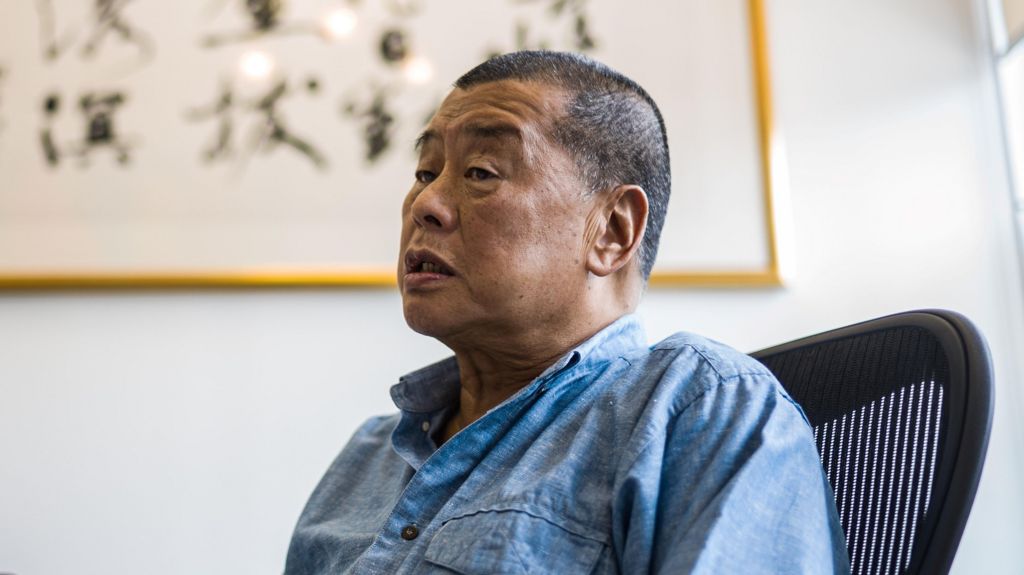
    Imprisoned Hong Kong media magnate and pro-democracy advocate Jimmy Lai has formally declined to appeal his conviction under the territory’s national security legislation. Legal representatives confirmed receiving unequivocal instructions from their client against pursuing further legal challenges, though no specific rationale was provided for this decision.

    The 78-year-old British citizen, detained since 2020, received a twenty-year prison term last month—the most severe punishment issued under the security law—for conspiring to publish seditious materials and colluding with external forces. Lai has consistently maintained his innocence regarding these charges.

    This development follows the successful overturning of a separate fraud conviction last month related to unlawful subletting of office premises. However, Lai’s international legal team emphasizes that this procedural victory remains inconsequential while the primary national security conviction stands.

    The case against Lai substantially relied on his 2019 meeting with senior US officials, including then-Vice President Mike Pence and Secretary of State Mike Pompeo, during widespread pro-democracy demonstrations. Lai contends these discussions merely addressed Hong Kong’s contemporary situation and never involved attempts to influence foreign policy.

    Hong Kong Chief Executive John Lee hailed the sentencing as justified, characterizing Lai’s actions through his Apple Daily newspaper as “evil deeds beyond measure” that misled youth into protest participation. Conversely, United Nations Human Rights Chief Volker Türk condemned the verdict as incompatible with international legal standards, joining widespread criticism from human rights organizations.

    Concerns regarding Lai’s deteriorating health in custody have been raised by family members, who report serious medical issues including dental deterioration and nail loss. Prison authorities vigorously deny these allegations and assert Lai receives appropriate medical care.

    The national security law, implemented by Beijing following the 2019 protests, remains deeply controversial. Critics argue it facilitates political repression and fosters fear, while Chinese and Hong Kong authorities maintain it is essential for preserving stability and does not undermine the region’s autonomy.

  • Xi underlines key role for economic powerhouses

    Xi underlines key role for economic powerhouses

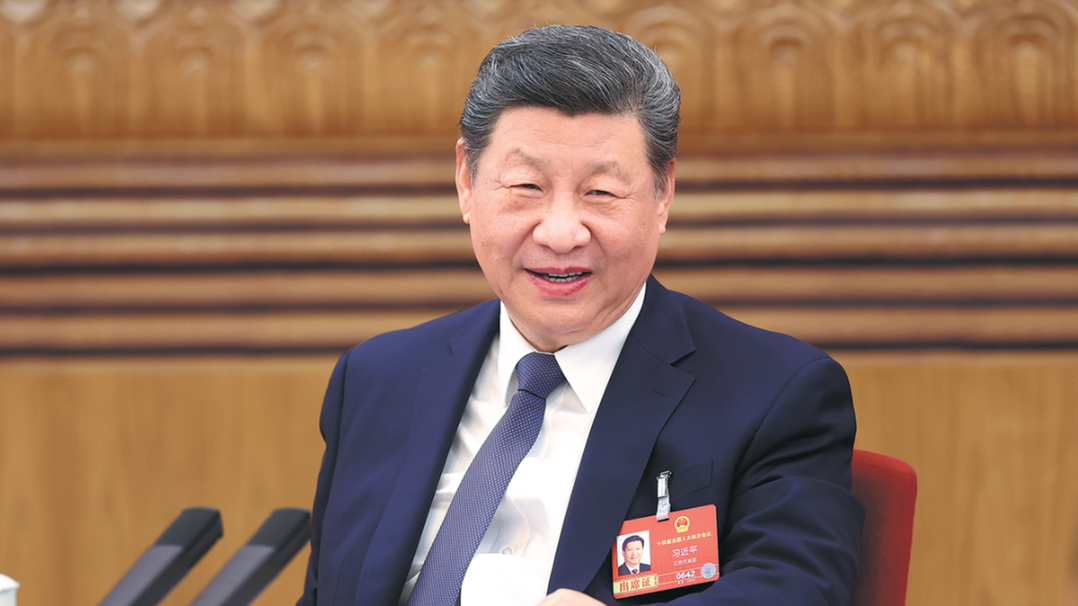
    President Xi Jinping has called upon China’s foremost economic provinces to spearhead the nation’s advancement in developing new quality productive forces and achieving common prosperity. During a deliberation session with deputies from Jiangsu province at the National People’s Congress on Thursday, the president emphasized the critical role of major economic hubs in navigating complex challenges and driving sustainable growth.

    Addressing representatives from China’s second-largest provincial economy, Xi outlined the imperative for these economic powerhouses to pioneer innovative approaches to emerging circumstances and deeply-rooted issues. The president’s remarks came as China prepares to implement its 15th Five-Year Plan (2026-30), with Jiangsu demonstrating robust economic performance—recording 5.3 percent year-on-year growth in 2025 and maintaining the largest absolute economic increase among provincial-level regions.

    Xi highlighted the strategic importance of integrating scientific innovation with industrial development, urging enhanced efforts in core technological breakthroughs and efficient commercialization of research achievements. “The development of new quality productive forces is instrumental in advancing high-quality growth and enhancing economic competitiveness,” Xi stated, designating Jiangsu as a frontrunner in this transformative process.

    The president emphasized that economic resilience depends on strengthening internal capabilities and fully integrating into China’s unified national market. He also advocated for expanded high-standard opening-up policies and proactive engagement with global markets while maintaining vigilance against potential risks.

    Xi further connected economic development with social objectives, noting that Chinese modernization must prioritize common prosperity. He called for addressing key welfare issues including quality employment, increased household incomes, and improved public services. The president concluded by linking effective Party self-governance with guaranteed socioeconomic development, emphasizing the ongoing political education campaign’s role in strengthening governance performance.

  • China’s economic growth plans seen as beneficial to entire region

    China’s economic growth plans seen as beneficial to entire region

    China’s recently announced economic roadmap for 2026 is generating optimistic forecasts across the Asia-Pacific region, with analysts highlighting significant opportunities for neighboring economies amid global uncertainties. The comprehensive growth strategy, unveiled during the annual sessions of China’s top legislative and advisory bodies, outlines a targeted GDP expansion of 4.5-5% while emphasizing quality development through technological advancement and domestic market stimulation.

    Premier Li Qiang’s government work report, presented to the National People’s Congress, establishes this growth target as strategically aligned with China’s long-term objectives through 2035. The policy direction demonstrates continuity while adapting to what the report describes as an “increasingly complex external environment” characterized by geopolitical tensions and Middle East conflicts affecting global economic prospects.

    The economic blueprint includes substantial measures to boost household consumption through comprehensive income growth plans for both urban and rural residents. These initiatives specifically target low-income groups with practical measures to enhance earnings, increase property incomes, and improve social security systems. This domestic focus, according to regional experts, will create substantial spillover effects across Asian economies.

    Dr. Li Wei, Senior Lecturer in International Business at the University of Sydney Business School, notes that China’s policy approach signals “strong continuity” while demonstrating adaptability to global uncertainties. “Policies aimed at stimulating domestic demand and diversifying export markets suggest a broader effort to rebalance growth drivers,” Li observed.

    The regional implications are particularly significant for ASEAN nations, with China serving as the trading bloc’s largest partner and primary export market. Peter T.C. Chang, former deputy director of the University of Malaya’s Institute of China Studies, emphasizes that China’s domestic market expansion “will have enormous global ramifications” and is “set to become a major driver of global demand.”

    Lucio Blanco Pitlo III, President of the Philippine Association for Chinese Studies, confirms that ASEAN exporters will welcome greater market access to China. Additionally, the region stands to benefit from continued Chinese investment in infrastructure, renewable energy, electric vehicles, mineral processing, and industrial upgrading—areas specifically highlighted in the government’s development agenda.

    The technological dimension of China’s growth strategy also presents collaborative opportunities. The work report emphasizes driving high-quality development in key manufacturing chains through industrial foundation reengineering and advanced technology research. Pipit Aneaknithi, Chairman of Global Sustainability at Kasikornbank, notes China’s demonstrated leadership in technological innovation and sees significant potential for cooperation, particularly with Thailand’s ambition to become a regional hub for AI, logistics, and digital technology.

    This comprehensive economic approach, balancing domestic stimulation with technological advancement, positions China as a stabilizing force in regional economic development while creating multiple pathways for cooperative growth across Asia-Pacific economies.

  • NPC deputies to deliberate key draft bills

    NPC deputies to deliberate key draft bills

    China’s National People’s Congress (NPC) has commenced deliberations on three pivotal legislative proposals that will significantly shape the nation’s economic, social, and environmental trajectory. The fourth session of the 14th NPC received the draft bills addressing environmental protection, ethnic unity, and national development planning, marking a substantial step in China’s legislative agenda.

    Vice-Chairman Li Hongzhong of the NPC Standing Committee presented comprehensive explanatory remarks on the proposed legislation, emphasizing their critical importance in advancing the rule of law and supporting national development objectives. The environmental code, positioned as China’s second formal statutory code following the 2020 Civil Code, represents a monumental legislative undertaking with 1,242 articles organized across five substantive sections.

    The environmental legislation embodies Xi Jinping Thought on Ecological Civilization, establishing frameworks for pollution control, ecological conservation, and green development initiatives. The draft adopts a human-centered approach designed to promote sustainable development while enhancing public welfare and strengthening China’s distinctive socialist legal system.

    Simultaneously, the draft bill on ethnic unity and progress comprises 64 articles focused on reinforcing the sense of community among China’s diverse ethnic populations. The legislation outlines specific measures to encourage interaction and integration through educational programs, cultural exchanges, sports activities, tourism development, and digital platforms. It explicitly prohibits violent terrorist activities, ethnic separatism, and religious extremism, establishing criminal liability for violations.

    The national development planning legislation, containing 38 articles, arrives at a strategically significant moment as China initiates its 15th Five-Year Plan (2026-2030) period. This draft standardizes planning procedures while clarifying departmental responsibilities and providing institutional mechanisms for effective implementation within a legal framework. The legislation aims to enhance macroeconomic governance and expand democratic participation in the development process.

    All three drafts have undergone preliminary review by the NPC Standing Committee, following China’s standard legislative procedure requiring three readings before adoption. Measures of particular national significance typically undergo additional scrutiny during plenary sessions of the full NPC assembly.

  • Anhui continues to achieve development milestones

    Anhui continues to achieve development milestones

    Anhui Province has emerged as a formidable economic force in China’s development landscape, achieving remarkable growth through strategic opening-up policies and international trade expansion. According to Liang Yanshun, Secretary of the Communist Party of China Anhui Provincial Committee, the inland region has consistently innovated its approach to global engagement, enhancing both platform development and capacity building for international commerce.

    Statistical indicators reveal Anhui’s extraordinary economic transformation: with a GDP of 5.3 trillion yuan ($769.1 billion) in 2025, representing 5.5% year-on-year growth, the province now surpasses Argentina’s entire economy in scale. This development milestone underscores the effectiveness of President Xi Jinping’s guidance during his three inspection tours to Anhui since 2016, which provided strategic direction for high-level opening-up initiatives.

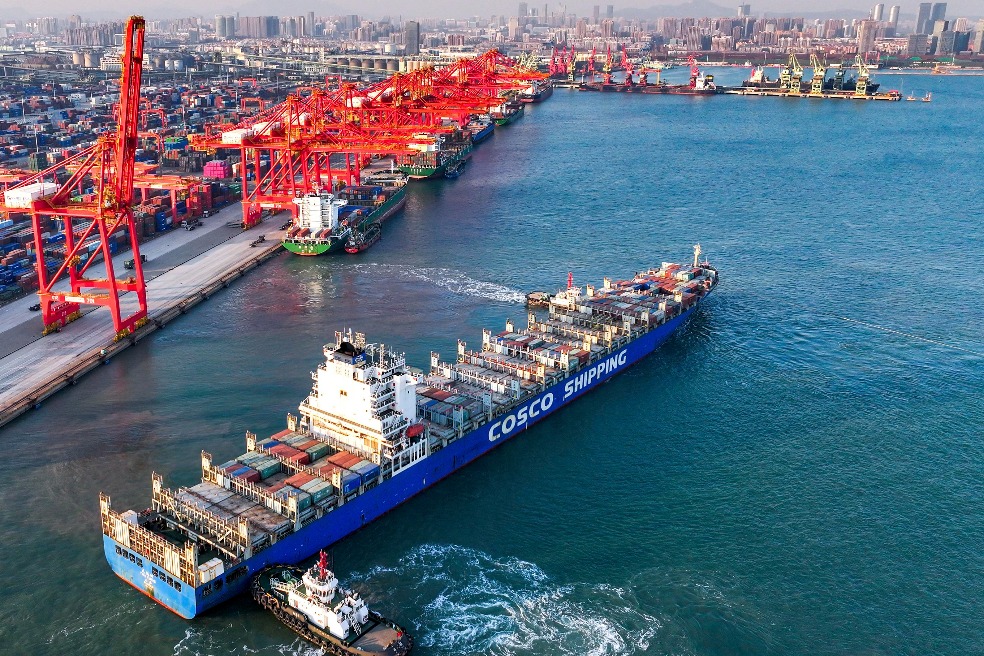
    International trade performance has been particularly impressive, with goods trade growing at an average annual rate of 13.2% over the past five years, exceeding 1 trillion yuan in 2025. The province demonstrated strengthened trade relationships with ASEAN (38.3% increase) and the European Union (21.6% increase), while importing over 330 billion yuan worth of high-quality consumer goods, advanced technology, and energy resources from more than 160 countries.

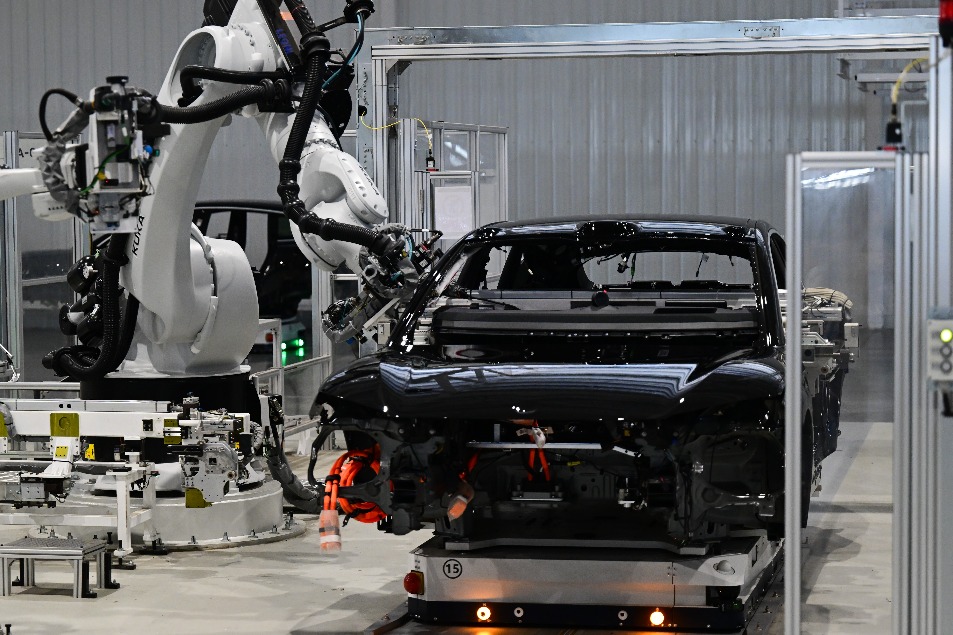
    Anhui’s manufacturing prowess has gained global recognition, with vehicle exports reaching 1 million complete units by end-2025—the highest among all Chinese provincial-level regions—while industrial robot exports ranked second nationwide. The province’s infrastructure development, particularly the fully navigable Yangtze-Huaihe Grand Canal operational since September 2023, has supported its position as China’s leader in waterway freight volume for consecutive years.

    Foreign investment metrics further illustrate Anhui’s attractiveness, with actual utilized foreign direct investment reaching 15.33 billion yuan in 2025, marking a 23.9% year-on-year increase—the nation’s fastest growth rate. Simultaneously, outbound investment reached $3.05 billion (17.5% increase), with 268 Anhui-based entities expanding operations across 48 countries and regions, including first-time investments in Antigua and Barbuda.

    The province’s business environment received top-three national rankings in market, innovation, rule of law, and government services according to the All-China Federation of Industry and Commerce evaluation. This ecosystem has attracted major international projects, including Volkswagen Group’s first R&D center outside Germany, established in Hefei with full vehicle platform development capabilities that reduce development cycles by approximately 30%.

    Anhui enterprises have increasingly participated in global infrastructure projects, contributing to initiatives such as Indonesia’s Jakarta-Bandung High-Speed Railway and Algeria’s Constantine Housing Project. As the province enters the 15th Five-Year Plan period (2026-30), leadership emphasizes that opening-up remains fundamental to writing the Anhui chapter of Chinese modernization, injecting sustained momentum into regional development.

  • US eases sanctions on Russian oil sales to India during Iran conflict

    US eases sanctions on Russian oil sales to India during Iran conflict

    In an unprecedented move to stabilize global energy markets, the United States has issued a temporary sanctions waiver permitting India to purchase Russian oil currently stranded at sea near the volatile Strait of Hormuz. This decision comes as escalating Middle Eastern tensions threaten to disrupt nearly half of India’s crude oil imports that transit through this critical maritime chokepoint.

    U.S. Treasury Secretary Scott Bessent characterized the 30-day authorization as a “deliberate short-term measure” designed to maintain global oil flow stability. The waiver specifically applies to Russian oil already immobilized at sea, with Bessent emphasizing that it would “not provide significant financial benefit” to Moscow while alleviating pressure caused by “Iran’s attempt to take global energy hostage.”

    The geopolitical context reveals multiple intersecting crises: Iran has threatened attacks on vessels attempting to navigate the Strait of Hormuz following the initiation of U.S. and Israeli military operations against Tehran. Simultaneously, the indefinite supply halt has triggered concerns about an impending energy crisis in India, which reportedly maintains only about 25 days of crude oil and gas reserves.

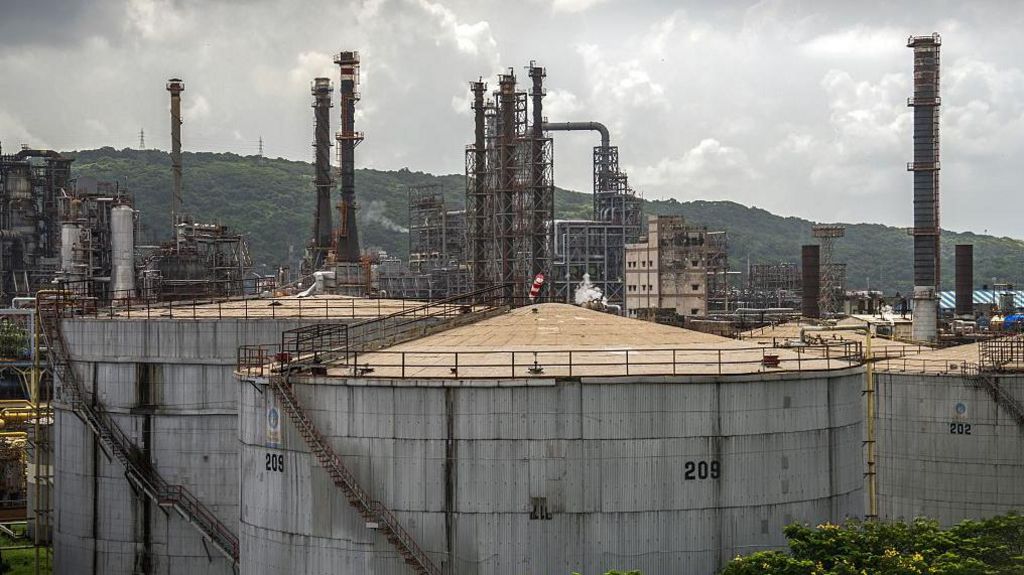
    Energy market analysts indicate that approximately 145 million barrels of Russian crude could potentially be redirected to Indian ports if commercial agreements are finalized under this waiver. However, research analysts caution that this measure doesn’t fundamentally alter India’s structural dependence on Middle Eastern supply chains, which account for roughly 2.5-2.7 million barrels per day of India’s oil imports.

    The waiver represents a notable policy shift for the Trump administration, which previously imposed 50% tariffs on India—including a 25% levy on Russian oil imports—alleging that India’s purchases were funding Russia’s war in Ukraine. This temporary authorization follows February’s trade agreement that reduced tariffs to 18% and reportedly involved Indian commitments to decrease Russian oil purchases in favor of U.S. and potentially Venezuelan supplies.

    Industry impacts are already materializing, with Petronet LNG issuing force majeure notices to Qatari suppliers and Indian buyers after LNG tankers were unable to reach loading terminals. The Gas Authority of India Ltd and Indian Oil Corp have begun reducing gas supplies to industrial customers, signaling the tangible effects of supply chain disruptions.

    Despite political pressures, India has consistently maintained its right to determine its trading relationships, defending Russian oil purchases as necessary to meet the energy needs of its vast population. With Russian oil comprising approximately 20% of India’s total imports, experts warn that prolonged closure of the Strait of Hormuz could trigger inflation and expand India’s fiscal deficit, underscoring the fragile balance between geopolitical constraints and energy security demands.

  • Australia forces porn sites to block under-18s from Monday

    Australia forces porn sites to block under-18s from Monday

    Australia has implemented groundbreaking digital protection measures requiring all pornography websites to implement robust age verification systems starting Monday. The sweeping regulations represent one of the world’s most comprehensive online child safety initiatives, expanding beyond December’s pioneering social media restrictions that prohibited children under 16 from joining platforms.

    The enhanced safeguards now encompass pornographic sites, search engines, application marketplaces, gaming providers, and generative artificial intelligence systems including chatbots. eSafety Commissioner Julie Inman Grant emphasized the regulatory commitment to enforcement, stating: “Where we see failures or foot-dragging, we will hold companies to account.” Non-compliant organizations face substantial penalties reaching AUD$49.5 million (approximately USD$35 million) per violation.

    Unlike previous inadequate measures, the new framework prohibits simple checkbox affirmations of age. Instead, services must implement verified age confirmation mechanisms when users attempt to access restricted content. Commissioner Inman Grant drew parallels to physical age restrictions, noting: “We don’t allow children to walk into bars or bottle shops, adult stores or casinos, but when it comes to online spaces where they are spending a lot of their time, there have been no such safeguards.”

    The regulatory expansion mandates consistent standards across digital services to prevent accidental exposure to harmful material. AI companion chatbots capable of generating explicit sexual content, violent material, or self-harm depictions must now confirm users’ ages. Application stores and online gaming platforms must similarly block under-18 users from adult-only content.

    Search engines will automatically blur results containing pornography and high-impact violence for non-authenticated users. Those searching for terms related to suicide or eating disorders will receive prioritized mental health support service referrals in search results. The eSafety Commission will continuously monitor compliance and pursue enforcement actions against systemic violations, acknowledging that while no regulation eliminates all risks, these measures establish meaningful protections throughout the digital ecosystem.

  • Double trouble: Roosters lose rep star before kick-off as key recruit suffers knee injury in reserve grade

    Double trouble: Roosters lose rep star before kick-off as key recruit suffers knee injury in reserve grade

    The Sydney Roosters’ campaign has been dealt a significant setback following a devastating double injury blow during their preparations for Friday night’s NRL clash in New Zealand. The club faces mounting concerns after two key players sustained serious injuries in separate incidents.

    In a dramatic pre-game development, representative forward Spencer Leniu was forced to withdraw moments before kickoff after suffering a hamstring injury during warm-up exercises. The powerful front-rower had been named in the starting lineup but was abruptly replaced by Blake Steep, who shifted to the lock position. Salesi Foketi received a late call-up to the six-man bench after previously featuring in the NSW Cup match earlier that day.

    The injury crisis deepened with concerning news about off-season signing Tommy Talau, who went down with a non-contact knee injury during reserve grade competition. The promising recruit had delivered an outstanding performance, scoring tries in both halves of the match, before his sudden exit from the field. Medical staff are particularly alarmed by the non-contact nature of Talau’s injury, which often indicates serious ligament damage.

    These developments represent a substantial challenge for the Roosters’ coaching staff, who must now reorganize their forward pack and backline options amid these unexpected absences. The timing proves especially problematic as the team seeks early-season momentum in one of the NRL’s most competitive landscapes.

    The club’s medical team is conducting comprehensive assessments to determine the full extent of both injuries and establish recovery timelines, with initial reports suggesting both players face significant rehabilitation periods.

  • Sri Lanka takes control of an Iranian vessel off its coast after US sunk an Iranian warship

    Sri Lanka takes control of an Iranian vessel off its coast after US sunk an Iranian warship

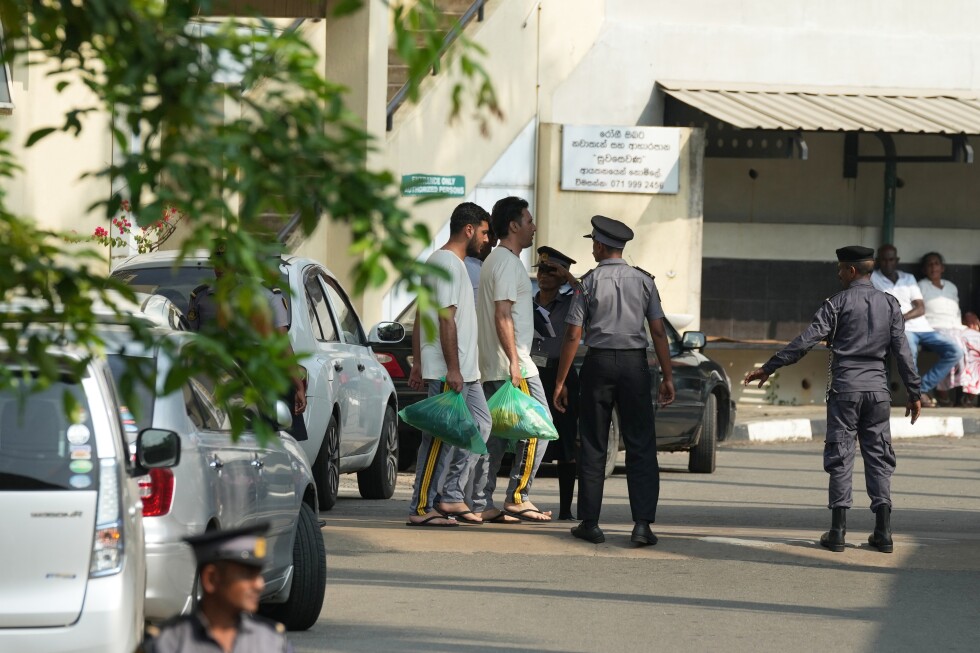
    COLOMBO, Sri Lanka — In a significant humanitarian gesture amid escalating maritime tensions, Sri Lankan authorities commenced the evacuation of 200 sailors from the Iranian vessel IRIS Bushehr on Friday. The operation follows the ship’s distress call after experiencing engine failure while positioned outside Sri Lankan territorial waters.

    This development occurs against the backdrop of heightened military alertness in the Indian Ocean, triggered by the unprecedented sinking of the Iranian warship IRIS Dena by a U.S. submarine earlier this week—one of the rare instances of submarine-surface vessel combat since World War II.

    Navy spokesman Commander Buddhika Sampath confirmed the ongoing disembarkation process, noting that crew members would undergo standard medical examinations and immigration formalities before temporary relocation to the Welisara naval base north of Colombo. The vessel itself will subsequently be towed to the eastern port of Trincomalee for repairs.

    Sri Lankan President Anura Kumara Dissanayake characterized the decision as a complex balancing act between humanitarian obligations, international maritime conventions, and the nation’s longstanding non-alignment policy. “We have to understand that this is not an ordinary situation,” Dissanayake stated during a press briefing, emphasizing that the move followed consultations with Iranian officials and the ship’s captain.

    The geopolitical implications extend far beyond technical assistance. The IRIS Dena had recently participated in multinational naval exercises hosted by India—involving 74 nations including the United States—before its fateful encounter in international waters. The sinking prompted Iran’s Foreign Minister Abbas Araghchi to condemn the action as an “atrocity at sea” and vow that the U.S. would “bitterly regret” the attack.

    Analysts observe that these events signal concerning expansion of Middle Eastern conflicts into the Indian Ocean, placing strategically positioned nations like Sri Lanka in diplomatically delicate positions. President Dissanayake reinforced his administration’s neutral stance on social media, affirming that “no civilian should die in wars” while maintaining that “every single life is as precious as our own.”