作者: admin

  • Iran offers clemency to over 2,000 convicts, excludes protest-related cases

    Iran offers clemency to over 2,000 convicts, excludes protest-related cases

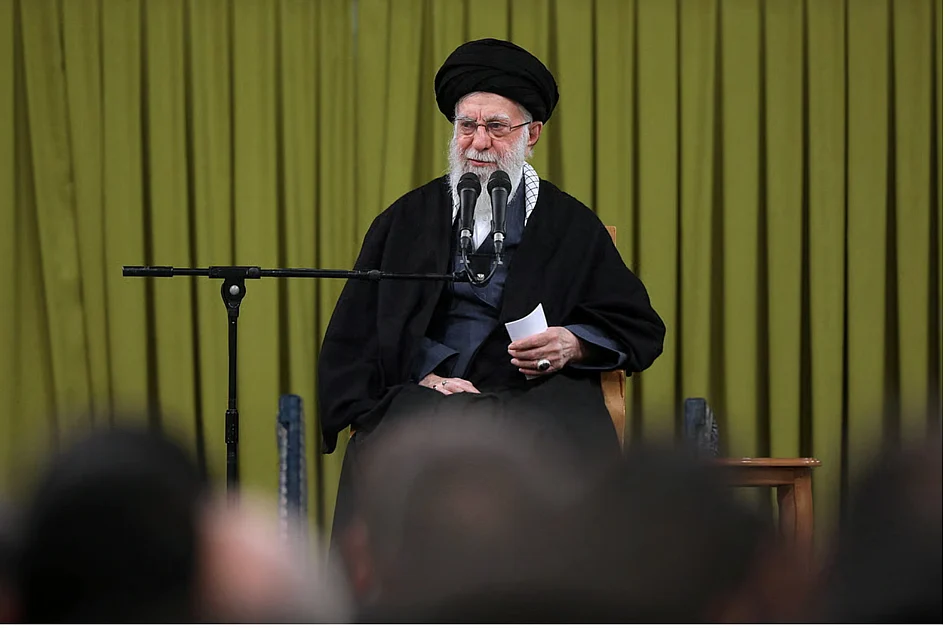
    In a significant judicial development, Iran’s Supreme Leader Ayatollah Ali Khamenei has authorized clemency measures for 2,108 convicts, approving either full pardons or substantial sentence reductions. The announcement, made public through the judiciary’s official Mizan Online portal on Tuesday, comes as the nation prepares to commemorate the anniversary of its Islamic Revolution—a period traditionally marked by such acts of governmental mercy.

    Judicial authorities explicitly confirmed that these pardons exclude all individuals connected to recent civil unrest. According to Deputy Judiciary Chief Ali Mozaffari, the comprehensive list deliberately omits ‘defendants and convicts from the recent riots,’ drawing a clear distinction between general criminal cases and those involving protest-related charges.

    The background to this exclusion stems from widespread demonstrations that initially erupted in late December over economic pressures and living costs, subsequently evolving into broader anti-establishment protests. Iranian officials acknowledge over 3,000 fatalities during this period, characterizing the events as foreign-instigated violence involving ‘terrorist acts.’ Conversely, international monitoring groups like HRANA report significantly higher casualty figures, estimating nearly 7,000 deaths predominantly among protesters.

    This clemency exercise follows established patterns where Iranian leadership utilizes religious and national occasions to demonstrate judicial leniency, though the current administration maintains its firm stance against those participating in what it terms ‘domestic criminality’ during civil disturbances.


  • JIFU expands physical presence in the UAE amid rising regional wellness demand

    JIFU expands physical presence in the UAE amid rising regional wellness demand

    In a strategic response to growing regional demand for wellness products, international direct-selling enterprise JIFU has officially launched physical operations within the United Arab Emirates. This expansion establishes a critical regional headquarters that will serve the entire Gulf Cooperation Council (GCC) region, signaling a shift from remote operational models to localized infrastructure development.

    The newly established UAE facility will function as a comprehensive support center, providing logistical coordination, regulatory compliance oversight, and field support for independent distributors operating throughout Gulf markets. Company executives emphasized that this physical presence reflects a deliberate strategy to align with specific regulatory requirements governing direct-selling businesses in the region while enhancing operational accountability.

    Market analysts observe that JIFU’s expansion coincides with accelerating growth in the Middle East wellness sector, driven by increasing consumer health consciousness and receptiveness to alternative retail distribution methods. Industry observers note that successful market penetration in the GCC increasingly demands tangible physical presence, transparent supply chains, and rigorous regulatory compliance to build long-term market credibility.

    The UAE was specifically selected for its advanced logistics infrastructure, business-friendly regulatory environment, and established role as a regional commercial gateway. According to company statements, physical operations enable deeper engagement with local stakeholders and more responsive market support systems.

    In an official statement, JIFU’s Chief Executive Officer outlined the strategic rationale: ‘Establishing physical operations in the UAE enables us to operate within a clear regulatory framework while providing structured support to our independent business owners. Our focus remains on sustainable development and responsible market expansion rather than pursuing rapid but potentially unstable market entry.’

    The UAE headquarters will additionally serve as a training center and compliance hub, ensuring distributor activities align with local business standards and regulatory expectations. While the company has not revealed specific timelines for further GCC expansion, it confirmed that the UAE operation constitutes the foundational element of its comprehensive regional strategy.

    JIFU, which markets wellness and lifestyle products through direct-selling channels across multiple international markets, exemplifies a broader trend of global consumer brands strengthening local operational presence in the Gulf region to address specific regulatory, logistical, and market dynamics.

  • Rehab robots in UAE offer new hope for stroke and spinal injury patients

    Rehab robots in UAE offer new hope for stroke and spinal injury patients

    Aster DM Healthcare, a major UAE healthcare provider, is pioneering a revolutionary approach to neurological and pediatric rehabilitation through the deployment of over 21 FDA-approved robotic systems across its facilities this year. These advanced medical technologies represent a significant leap forward in treating stroke survivors, spinal injury patients, and children with developmental conditions.

    The robotic systems, described by Managing Director and Group CEO Alisha Moopen as ‘next level’ technology, work in collaboration with neurosurgeons and physiotherapists to retrain the brain by rebuilding damaged neural connections. ‘There are people who have just given up complete hope after certain injuries,’ Moopen stated. ‘There is a chance that they will be able to walk again.’

    Among the most groundbreaking innovations is the world’s first pediatric rehabilitation robot scheduled for introduction in Dubai later this year. This specialized technology will support children with ADHD and other developmental challenges through integrated brain mapping, virtual reality immersion therapy, and targeted neural stimulation. Moopen emphasized that this advancement ‘will change the way we talk about child behaviors, child psychology and child development issues.’

    Concurrent with its technological expansion, Aster DM Healthcare is significantly growing its physical infrastructure. The group will open two new multi-specialty hospitals in Dubai’s Studio City and Discovery Gardens areas, adding over 250 beds to their current approximately 920-bed UAE capacity. Additionally, plans are underway to expand Aster Hospital in Al Qusais with 122 operational beds.

    Moopen attributed this expansion to demographic shifts rather than increased illness rates. ‘It’s not that people are getting sicker; it’s that people are living longer,’ she explained. ‘When your length of life has increased, the requirement for healthcare increases.’ This longevity trend has created new demand for geriatric care services, with the UAE seeing more retirees choosing to settle in the country.

    Complementing these developments, Aster launched the Thrive system—a comprehensive preventive health assessment that tests for 100 biomarkers including blood health, cardiac function, metabolism, hormones, inflammation, and nutritional status. This proactive health monitoring platform will integrate with major wearable devices and the myAster app, enabling physicians to provide personalized insights and preventive recommendations for long-term wellbeing.

  • India tightens grip on social media with new three-hour takedown rule

    India tightens grip on social media with new three-hour takedown rule

    India’s government has significantly intensified its regulatory framework for digital platforms by mandating social media companies to remove unlawful content within a dramatically shortened three-hour window. This sweeping policy shift, announced on Tuesday, represents a substantial tightening of the previous 36-hour compliance timeline established under the nation’s 2021 Information Technology rules.

    The accelerated takedown requirement presents formidable operational challenges for major technology corporations including Meta Platforms, YouTube (Google), and X (formerly Twitter), potentially straining their content moderation capabilities and legal review processes. The amended regulations emerge amid ongoing tensions between Prime Minister Narendra Modi’s administration and global technology firms regarding digital governance and free speech parameters.

    In a notable modification from earlier proposals, the government relaxed requirements concerning artificial intelligence-generated content. Instead of mandating that platforms visibly label AI-generated material across ten percent of its surface area or duration, the revised rules now stipulate that such content must be “prominently labelled” without specifying exact placement parameters.

    This regulatory development occurs within a broader context of India’s increasingly assertive digital policy landscape, which has previously addressed concerns regarding age-based social media restrictions, data privacy protections, and children’s online safety measures. The three-hour compliance window represents one of the world’s most stringent content removal mandates, potentially establishing a precedent for other nations considering similar regulatory approaches to digital content governance.

  • Ex-police chief said Trump told him in 2006 ‘everyone’ knew of Epstein’s behaviour

    Ex-police chief said Trump told him in 2006 ‘everyone’ knew of Epstein’s behaviour

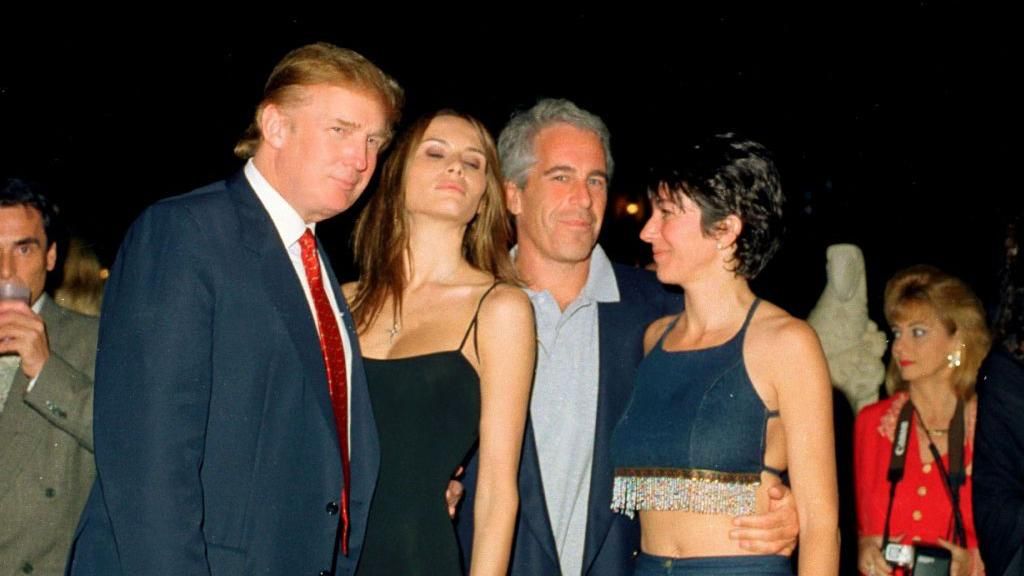
    Newly released FBI documents contain explosive allegations about Donald Trump’s early knowledge of Jeffrey Epstein’s criminal activities. According to a 2019 FBI interview summary, the former Palm Beach police chief—identified as Michael Reiter—claimed Trump personally called him in July 2006 to commend the department’s investigation into the financier.

    The document reveals Trump allegedly told Reiter: “Thank goodness you’re stopping him, everyone has known he’s been doing this.” The then-businessman reportedly claimed he had already expelled Epstein from his Mar-a-Lago club, describing him as “disgusting” and noting that “people in New York” were aware of his behavior.

    Trump specifically identified Ghislaine Maxwell as Epstein’s “operative,” labeling her “evil” and urging investigators to focus on her. The FBI summary further alleges Trump told Reiter he had witnessed Epstein with teenagers and consequently “got the hell out of there.”

    These revelations contradict Trump’s public statements. In 2019, when asked by reporters if he had suspicions about Epstein, Trump responded: “No, I had no idea. I hadn’t spoken to him in many, many years.” The White House has maintained that Trump severed ties with Epstein around 2004 after learning he attempted to “steal” Mar-a-Lago employees.

    The Justice Department has stated it is “not aware of any corroborating evidence” regarding the alleged call. White Press Secretary Karoline Leavitt offered a tempered response, noting the call “may or may not have happened” but asserting that if it did, it would corroborate Trump’s longstanding claim that he expelled Epstein from his property.

    The document release coincides with Ghislaine Maxwell’s recent virtual testimony before the US House Oversight Committee, where she repeatedly invoked the Fifth Amendment. Her lawyer suggested she would “speak fully and honestly if granted clemency by President Trump,” though Trump has stated he hasn’t considered pardoning her.

  • UAE launches National Zakat Platform to enhance transparency and social impact

    UAE launches National Zakat Platform to enhance transparency and social impact

    In a transformative move for philanthropic governance, the United Arab Emirates has inaugurated its National Zakat Platform, establishing a centralized digital ecosystem for religious donations. This pioneering initiative, launched under Federal Law No. 4 of 2025 with presidential endorsement, represents a paradigm shift in how zakat contributions are collected, distributed, and monitored nationwide.

    The platform emerged from collaborative development between government authorities, Islamic scholars, and charitable organizations, creating a unified gateway that ensures Sharia-compliant fund allocation through advanced data verification systems. Dr. Omar Habtoor Al Darei, Chairman of the General Authority of Islamic Affairs, Endowments and Zakat, emphasized that the system transcends mere digital collection by embedding institutional accountability, transparency mechanisms, and impact analytics into every transaction.

    Technical infrastructure incorporates real-time monitoring capabilities that track fund disbursement from donor to beneficiary, preventing misuse while prioritizing support for education, healthcare, debt relief, and empowerment projects within Emirati society. Official estimates suggest certain sectors alone could generate approximately Dh7.5 billion in zakat potential, highlighting the economic significance of structured management.

    Future development roadmaps include integration of artificial intelligence for optimized zakat calculation, predictive beneficiary targeting, and automated compliance checks. Ahmed Al Neyadi, Director General of the authority, clarified that the platform enhances rather than replaces existing charitable institutions by creating coordinated networks that amplify social impact.

    The initiative reflects the UAE’s broader commitment to institutionalizing humanitarian work through technological innovation, with success dependent on sustained collaboration between government entities, civil society organizations, and contributing citizens. This digital transformation establishes new global standards for religious philanthropy in the digital age, combining Islamic financial principles with cutting-edge governance technology.

  • Israel PM Netanyahu says will discuss ‘first and foremost’ Iran with Trump on US visit

    Israel PM Netanyahu says will discuss ‘first and foremost’ Iran with Trump on US visit

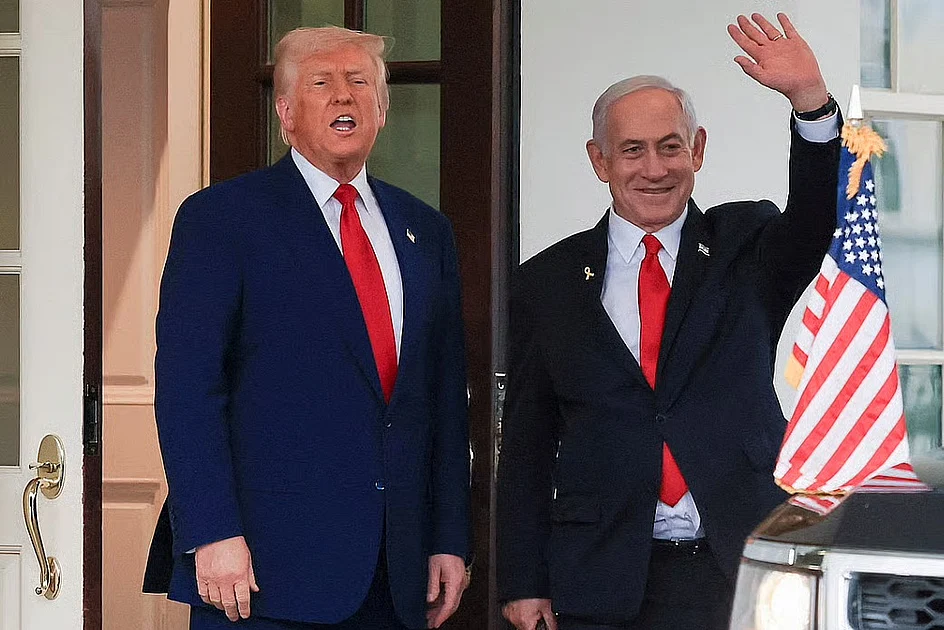
    Israeli Prime Minister Benjamin Netanyahu has identified Iran’s nuclear negotiations as the principal agenda item for his forthcoming diplomatic engagement with U.S. President Donald Trump. The high-stakes meeting, scheduled for Wednesday in Washington, occurs against a backdrop of rapidly evolving Middle Eastern geopolitics.

    Speaking to journalists on Tuesday before his transatlantic flight, Netanyahu outlined his strategic priorities: “This visit will encompass multiple critical subjects including Gaza stabilization and regional security. However, the paramount concern remains the ongoing negotiations with Iran. I intend to present President Trump with Israel’s fundamental principles regarding these diplomatic proceedings.”

    The leaders’ summit follows a significant breakthrough in U.S.-Iran relations, with both nations conducting direct talks in Oman just days earlier. That preliminary dialogue concluded with President Trump confirming subsequent negotiation rounds would follow, signaling a potential thaw in historically frosty relations between the two nations.

    This diplomatic flurry represents a notable development given Iran’s consistent characterization of Israel as its primary regional adversary. Netanyahu’s urgent consultation with the American administration suggests deep-seated Israeli apprehensions about the direction and potential outcomes of renewed nuclear negotiations. The Israeli government has historically opposed any nuclear agreement that fails to comprehensively address its security concerns regarding Iran’s nuclear capabilities and regional military activities.

    The Washington meeting is expected to establish coordinated positions between the two allies before the next phase of U.S.-Iran negotiations commences. Diplomatic analysts suggest Netanyahu will advocate for stringent verification mechanisms and limitations on Iran’s ballistic missile program as non-negotiable components of any future agreement.

  • Doubling down on cooperation offers better payout for APEC economies: China Daily editorial

    Doubling down on cooperation offers better payout for APEC economies: China Daily editorial

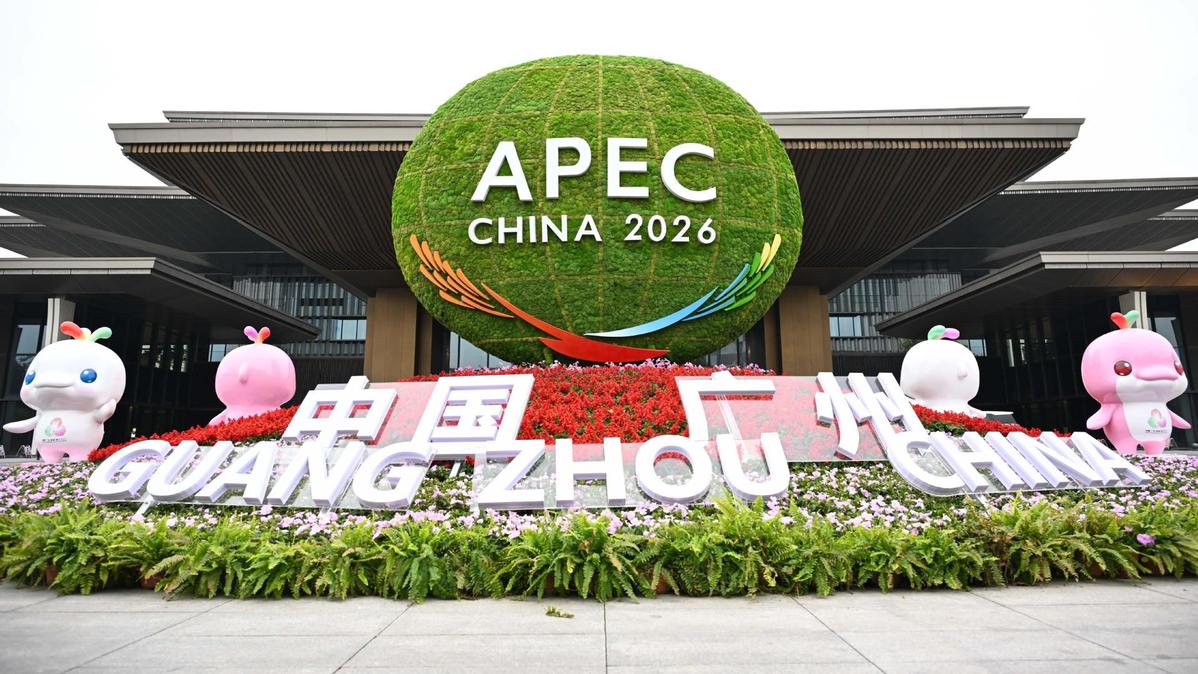
    GUANGZHOU – The inaugural Asia-Pacific Economic Cooperation Senior Officials’ Meeting commenced Tuesday in Guangzhou, marking China’s return as APEC host after twelve years and initiating critical dialogue on regional economic integration amidst growing global protectionism.

    Chinese Foreign Minister Wang Yi delivered a pivotal keynote address framing the Asia-Pacific region at a developmental crossroads with profound implications for worldwide economic stability. The assembly convened as global institutions project diminished growth trajectories, with IMF forecasts suggesting medium-term expansion hovering near 3% – substantially beneath historical averages.

    APEC’s statistical significance underscores the meeting’s global relevance: its 21 member economies collectively represent approximately 60% of worldwide GDP, 48% of international trade, and nearly 40% of the global population. World Bank data confirms the region has driven over half of planetary economic growth during the past three decades, elevating hundreds of millions from poverty.

    Minister Wang articulated a vision countering prevailing trends of economic fragmentation, emphasizing that coercive decoupling strategies and trade bullying already inflict measurable damage. UNCTAD modeling indicates prolonged economic segmentation could ultimately reduce global GDP by up to 7%, with developing economies suffering disproportionately. For the deeply interconnected Asia-Pacific, where intermediate goods constitute over 60% of intra-regional trade, the consequences would be particularly severe.

    The address reinforced China’s commitment to multilateralism through World Trade Organization frameworks and advancement of the Free Trade Area of the Asia-Pacific initiative – a proposal circulating since the mid-2000s. Wang stressed that decades-old supply networks, now undergoing geopolitical stress-testing, require preservation to avoid inflationary pressures, diminished productivity, and constrained innovation.

    Beyond commercial considerations, the foreign minister highlighted inclusive development imperatives. While extreme poverty in East Asia plummeted from 60% (1990) to under 2% presently – largely attributable to China’s unprecedented progress – significant disparities persist across and within economies. Equitable artificial intelligence benefits distribution, developing nation support, and green transformation investment emerged as essential priorities.

    China’s forthcoming 15th Five-Year Plan (2026-30) signals sustained dedication to high-quality opening-up policies, offering regional partners continued access to development dividends. The present moment demands reciprocal openness as geopolitical tensions and economic headwinds test international cooperation frameworks.

    Historical evidence suggests hegemonic approaches and zero-sum mentalities poorly serve prosperity objectives. APEC members now confront a definitive choice between collaborative benefit-sharing and fragmentation that leaves all parties diminished. The Guangzhou deliberations represent an opportunity to reaffirm the cooperative principles that have historically underpinned regional success.

  • Hong Kong’s stability safeguarded by law: China Daily editorial

    Hong Kong’s stability safeguarded by law: China Daily editorial

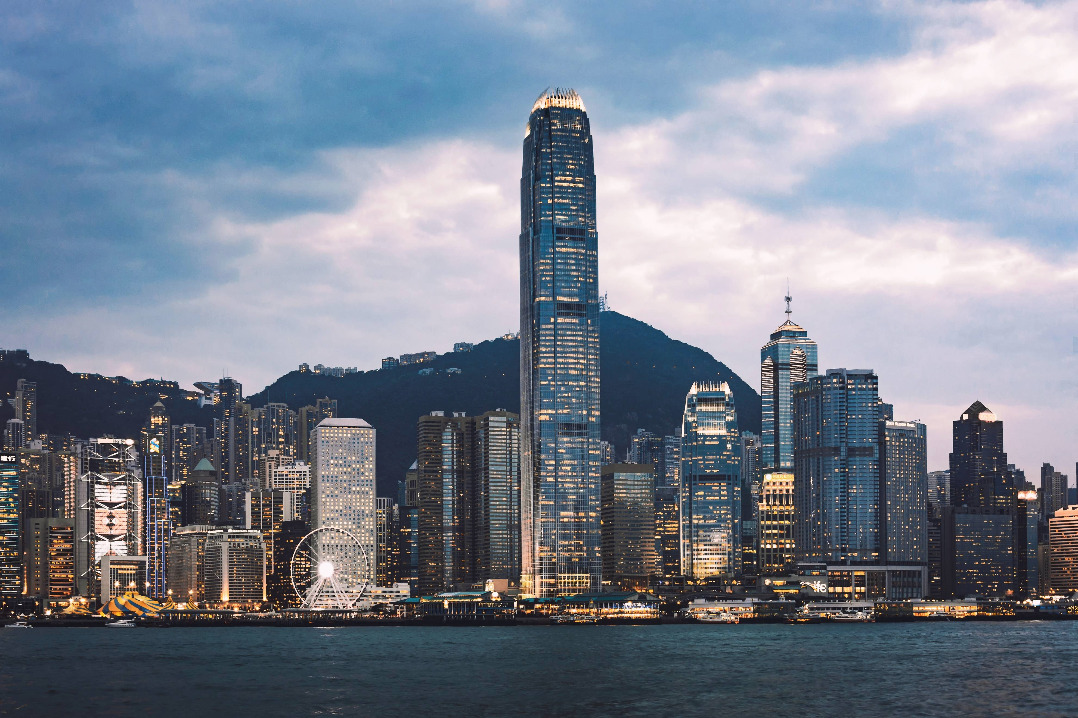
    A recently released white paper from China’s State Council Information Office has articulated the critical role of legal frameworks in preserving Hong Kong’s stability under the ‘One Country, Two Systems’ principle. The document, titled ‘Hong Kong: Safeguarding China’s National Security Under the Framework of One Country, Two Systems,’ emphasizes how the National Security Law has created essential legal protections against both external and internal threats to the special administrative region’s security.

    The comprehensive analysis details how the 2019 social unrest revealed significant vulnerabilities in Hong Kong’s previous national security provisions. In response, the implementation of the National Security Law in 2020 established a robust legal architecture capable of preventing and penalizing activities that jeopardize national security and public order. This legislative action coincided with the sentencing of media magnate Jimmy Lai to 20 years imprisonment for collusion with foreign forces, demonstrating the law’s enforcement mechanisms.

    According to the white paper, the legal measures have effectively neutralized destabilizing elements while protecting residents’ legitimate rights within a secure environment. The restoration of order has transformed Hong Kong back into one of the world’s safest urban centers, with the city experiencing renewed economic dynamism. Economic indicators substantiate this recovery, with Hong Kong achieving 3.5% growth in 2025 while maintaining its status as a premier global financial hub. The city now ranks third in the Global Financial Centres Index and fourth worldwide in talent competitiveness, leading all Asian jurisdictions.

    The document further emphasizes that national security preservation is inseparable from the successful implementation of the ‘One Country, Two Systems’ framework. The legal framework has reinforced governance structures by ensuring that patriotic leaders committed to resident welfare administer Hong Kong. This alignment between central government oversight and local implementation has created a sustainable model for Hong Kong’s continued development and prosperity within China’s constitutional framework.

  • Taiwan’s frontline weapon deployment plan sparks strong criticism

    Taiwan’s frontline weapon deployment plan sparks strong criticism

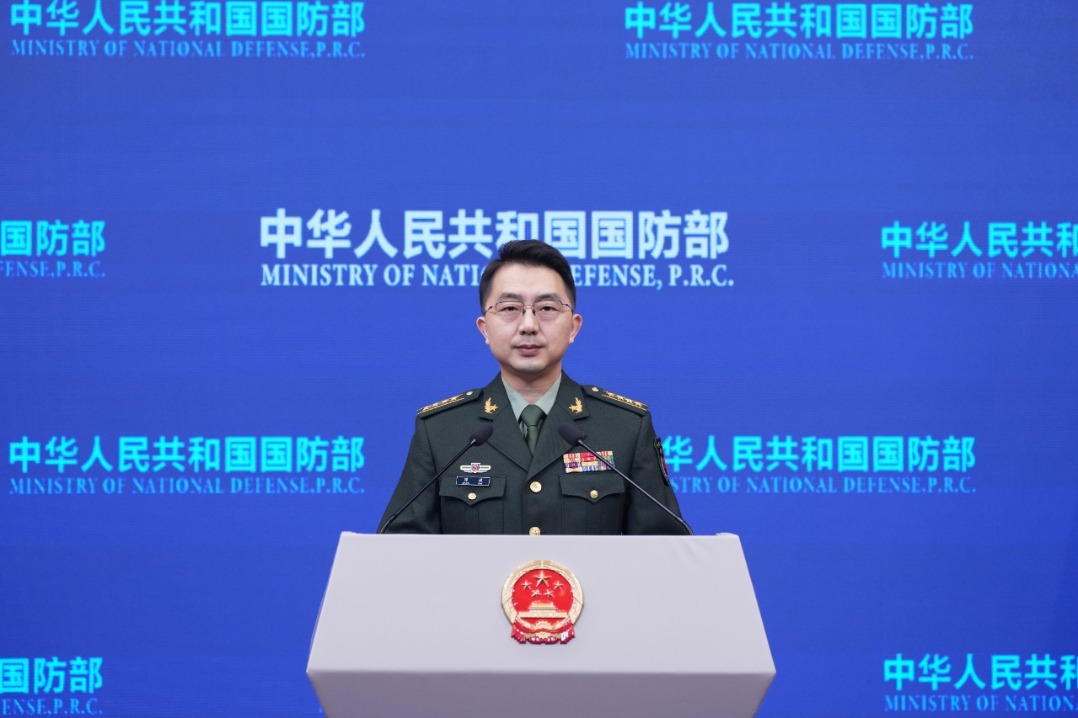
    China’s Ministry of National Defense has delivered a forceful response to reported Taiwanese military movements, warning that any provocation by ‘Taiwan independence’ forces would lead to catastrophic consequences. Defense spokesperson Jiang Bin addressed media reports indicating Taiwan’s potential deployment of HIMARS artillery systems to Penghu and Dongyin islands, a strategic move that would extend strike capabilities to mainland coastal regions.

    The controversial deployment plan would position High Mobility Artillery Rocket Systems within range of People’s Liberation Army installations in Fujian and Zhejiang provinces. This development follows additional concerns regarding alleged discussions within Taiwan’s military authority about contemplating ‘preemptive strike’ options against mainland forces.

    Jiang characterized these considerations as ‘increasingly absurd and overconfident,’ emphasizing the stark power disparity between cross-strait military capabilities. The spokesperson underscored that the People’s Liberation Army maintains overwhelming defensive and responsive capacities, ensuring that any armed provocation would meet with devastating countermeasures.

    The statement represents the latest escalation in rhetorical tensions between Beijing and Taipei, occurring against the backdrop of ongoing sovereignty disputes. Chinese officials maintain that Taiwan remains an inseparable part of China’s territory and have consistently opposed any moves toward formal independence or military escalation.