作者: admin

  • Casey Wasserman to sell talent agency after Epstein fallout – reports

    Casey Wasserman to sell talent agency after Epstein fallout – reports

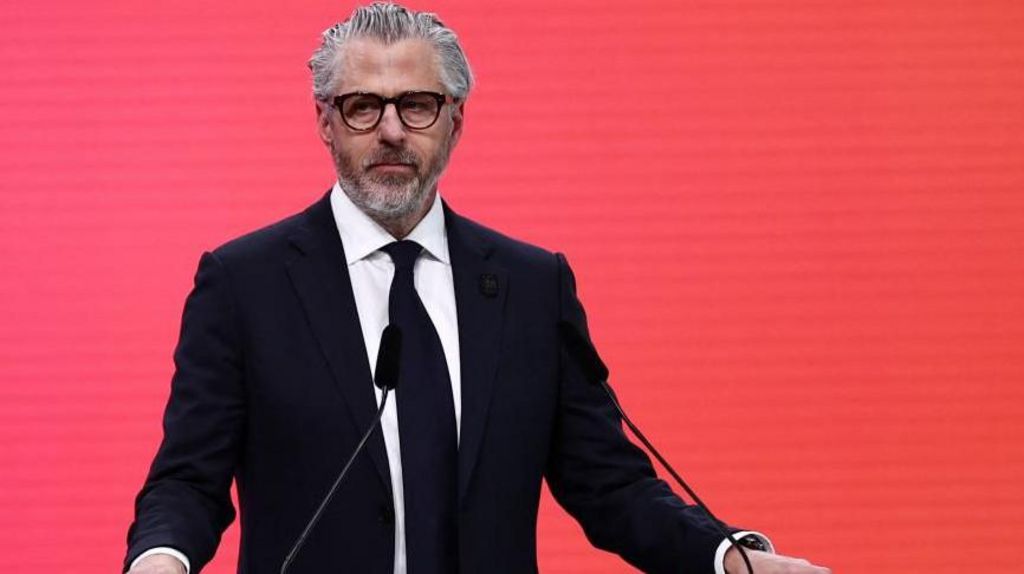
    Casey Wasserman, the influential American sports and entertainment agent, has announced plans to sell his prominent talent agency following revelations of his past connections to convicted sex offenders Jeffrey Epstein and Ghislaine Maxwell. The decision comes after multiple high-profile clients severed ties with Wasserman Media Group this week.

    The controversy erupted when court documents revealed Wasserman had flown on Epstein’s private aircraft and engaged in flirtatious email exchanges with Maxwell in 2003. While Wasserman maintains he had no substantial relationship with Epstein, the disclosures prompted immediate backlash across the entertainment industry.

    In a memo to staff obtained by the Wall Street Journal, Wasserman acknowledged his past actions had become a distraction, stating: ‘I’m deeply sorry that my past personal mistakes have caused you so much discomfort. It’s not fair to you, and it’s not fair to the clients and partners we represent so vigorously.’

    The 51-year-old executive expressed particular regret over his communications with Maxwell, who is currently serving a 20-year prison sentence for facilitating Epstein’s sexual abuse of minors. Wasserman emphasized these exchanges occurred ‘over two decades ago, long before her horrific crimes came to light.’

    Notable departures from the agency include rising singer Chappell Roan, who announced on Instagram that ‘no artist, agent or employee should ever be expected to defend or overlook actions that conflict so deeply with our own moral values.’ Former US soccer star Abby Wambach similarly terminated her representation, citing her need to ‘follow my gut and values.’

    Despite the professional fallout, Wasserman will retain his position as chairman of the 2028 Los Angeles Olympics organizing committee. LA28 conducted an internal review concluding that Wasserman’s interaction with Epstein was limited to a single humanitarian flight to Africa in 2003, arranged through the Clinton Foundation. The board stated this occurred before ‘Wasserman or the public knew of Epstein and Maxwell’s deplorable crimes.’

    No allegations of wrongdoing have been made against Wasserman by any of Epstein’s victims, and his appearance in court documents does not imply criminal activity.

  • Orbán says the EU and not Russia is Hungary’s real threat ahead of April vote

    Orbán says the EU and not Russia is Hungary’s real threat ahead of April vote

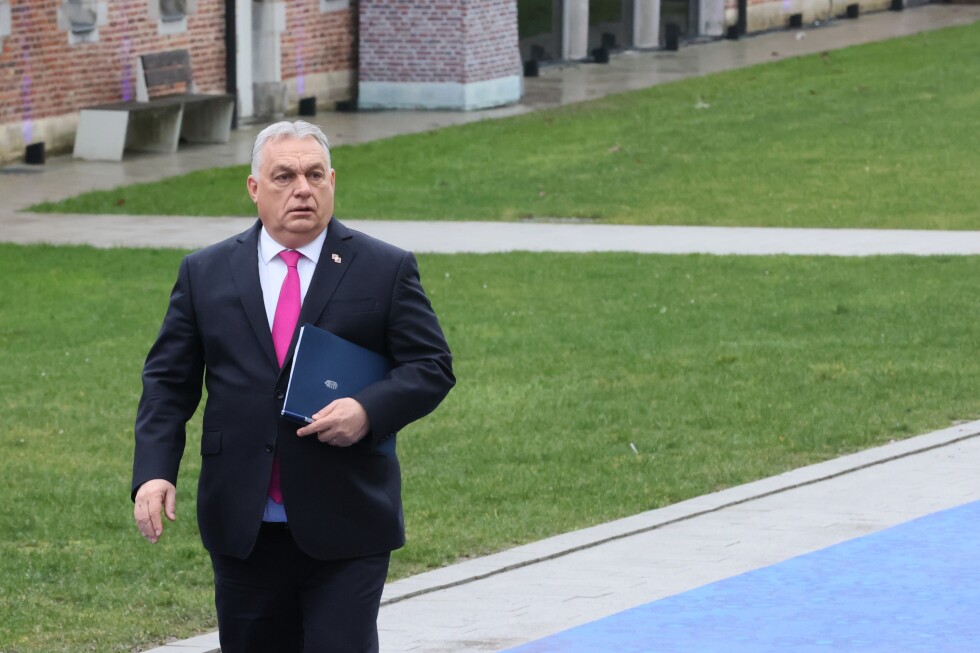
    BUDAPEST, Hungary — In a fiery pre-election address to supporters on Saturday, Hungarian Prime Minister Viktor Orbán dramatically repositioned the European Union as Hungary’s principal antagonist, surpassing even Russia in perceived threat level. With critical national elections looming just eight weeks away, Orbán’s nationalist Fidesz party faces its most formidable electoral challenge since returning to power in 2010.

    Current independent polling indicates Fidesz trailing behind the emerging center-right Tisza party and its leader Péter Magyar, despite Orbán’s campaign narrative warning that an opposition victory would result in the EU forcibly deploying Hungarian citizens to combat zones in neighboring Ukraine—a claim entirely lacking evidentiary support.

    During his Saturday oration, Orbán drew provocative parallels between the contemporary European Union and the historically oppressive Soviet regime that dominated Hungary throughout the Cold War era. He explicitly dismissed widespread concerns among European leadership regarding Russian President Vladimir Putin’s threat to continental security, stating: “We must acclimatize to the reality that freedom-loving citizens should dread Brussels, not Eastern powers.”

    The Prime Minister elaborated: “Fear-mongering about Putin represents primitive and unserious rhetoric. Conversely, Brussels constitutes a tangible reality and source of imminent danger. This uncomfortable truth is one we refuse to tolerate.”

    Orbán has maintained consistent opposition to military and financial assistance for Kyiv since Russia’s full-scale invasion commenced nearly four years ago. His administration has cultivated unusually cordial relations with Moscow while adopting confrontational stances toward Hungary’s EU and NATO allies, frequently characterizing them as instigators of military conflict.

    This geopolitical positioning has generated significant friction with the European Union, resulting in the freezing of billions in EU funds allocated to Budapest. These financial sanctions respond to persistent concerns regarding democratic backsliding, erosion of judicial independence, and systemic corruption under Orbán’s governance.

    In retaliation, Orbán has increasingly functioned as an obstructionist within EU policymaking processes, routinely threatening vetoes on crucial initiatives including financial support packages for Ukraine.

    As electoral pressures intensify, the Prime Minister has amplified rhetoric portraying the Tisza party as an EU-engineered puppet regime designed to overthrow his government and advance foreign agendas—allegations vehemently denied by opposition leaders. Péter Magyar has committed to restoring Hungary’s deteriorating relationships with Western allies, revitalizing economic stagnation, and reinstating democratic norms.

    Orbán additionally accused multinational corporations in banking and energy sectors of capitalizing on the Ukraine conflict while conspiring with political opponents to secure electoral victory. He asserted: “Hungary’s petroleum industry, financial institutions, and Brussels elite are overtly preparing to establish a government. They require Hungarian leadership that will never oppose Brussels’ demands.”

    The Prime Minister promised that a fifth consecutive parliamentary majority would enable intensified efforts to eliminate entities he claims compromise national sovereignty. He notably praised former U.S. President Donald Trump—who has endorsed Orbán’s reelection bid—for creating international conditions conducive to expelling “fabricated NGOs and compromised journalists, judiciary members, and politicians.”

    Orbán concluded: “The American president’s rebellion against global liberal networks has improved our prospects. We too can eliminate foreign influences and their domestic agents that constrain our sovereignty. Brussels’ repressive apparatus remains operational in Hungary—we will commence its purification this April.”

  • Ramadan under open skies: Why iftar hikes are drawing UAE residents into the mountains

    Ramadan under open skies: Why iftar hikes are drawing UAE residents into the mountains

    As the sun dips below the mountainous horizons of the United Arab Emirates, a growing spiritual movement transforms traditional Ramadan observances. Instead of gathering around lavish dining tables, residents increasingly embark on iftar hikes—communal treks that culminate in breaking the fast amid nature’s tranquility. This emerging tradition combines physical activity with spiritual reflection, creating unique Ramadan experiences far from urban distractions.

    Organized hiking groups across the Emirates report significant participation during the holy month, with carefully structured programs accommodating different fitness levels and spiritual preferences. UAE Adventures Team, founded by Mohammed Al Kaabi, has developed formal iftar hiking initiatives over five years, evolving from casual gatherings into well-organized events prioritizing both safety and religious observance.

    “We offer multiple options because fasting experiences vary,” Al Kaabi explained. Some groups hike after evening prayers, while others undertake lighter afternoon treaks to break their fasts modestly on mountain trails before descending for full meals. The most popular time proves to be after taraweeh prayers, when trails fill with energetic participants.

    Outdoorzy Adventures founder Alaa Masood emphasizes accessibility in their Ramadan programming. “We select locations manageable for all skill levels, like Fossil Rock in Mleiha with its panoramic views,” Masood noted. Their iftar hikes incorporate safety measures including group size limitations and paced walking to prevent fatigue among fasting participants.

    For Grasp the Adventure founder Yousuf Elabbasy, these mountain iftars provide meaningful disconnection from modern stressors. “Hiking removes us from visual and noise pollution, work pressures, and social demands,” Elabbasy reflected. His groups typically pause at scenic overlooks or canyon pools precisely at sunset, sharing dates, nuts, and simple foods in spontaneous acts of generosity that capture Ramadan’s essence.

    Post-iftar, many groups continue hiking or gather for suhoor barbecues under the stars. Participants consistently report feeling spiritually renewed and community-connected through these experiences. While Ramadan hiking participation numbers may be slightly lower than other seasons, organizers note attendees demonstrate deeper commitment to the spiritual dimensions of these outdoor rituals.

    This trend reflects a broader cultural shift toward finding Ramadan’s core values—generosity, reflection, and togetherness—through simplified experiences that contrast with increasingly commercialized urban celebrations. The mountain iftar movement continues gaining momentum as UAE residents seek authentic spiritual connections during Islam’s holiest month.

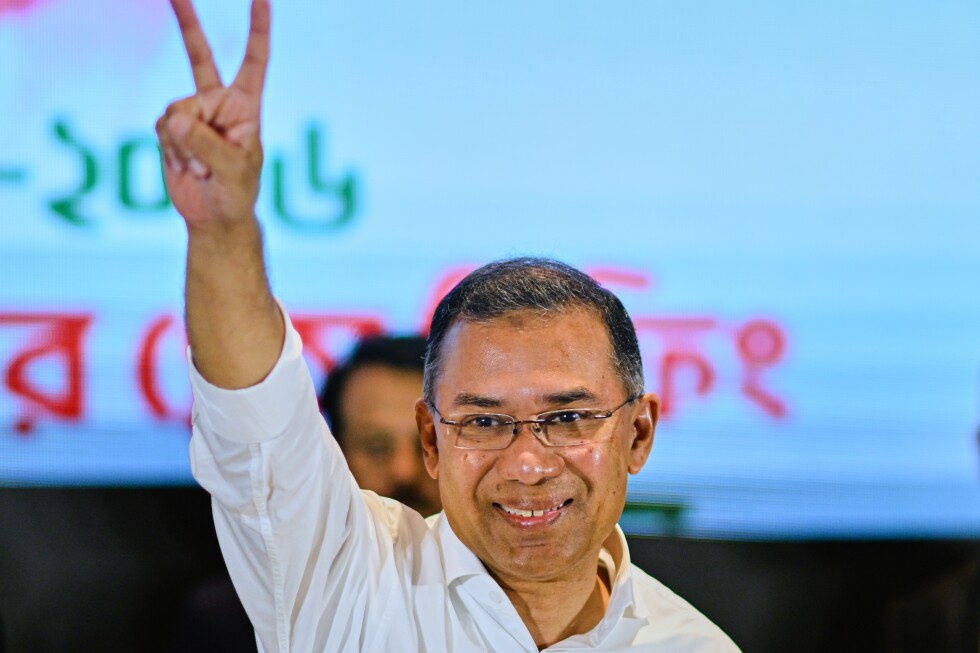
  • Bangladesh’s Tarique Rahman pledges to work for democracy after landslide victory in election

    Bangladesh’s Tarique Rahman pledges to work for democracy after landslide victory in election

    DHAKA, Bangladesh — The political landscape of Bangladesh has undergone a profound transformation following the landmark general election that has positioned Tarique Rahman’s Bangladesh Nationalist Party (BNP) to form the next government. In his inaugural press conference held in the capital on Saturday, Rahman committed to steering the nation toward strengthened democratic institutions amid significant challenges inherited from the previous administration.

    The BNP secured a decisive majority in the 350-seat parliamentary body during Thursday’s electoral process, which international observers noted for its largely peaceful conduct under the supervision of an interim government led by Nobel Peace Prize recipient Muhammad Yunus. This election represents the first democratic exercise since the dramatic ousting of former Prime Minister Sheikh Hasina during the widespread public uprising of 2024.

    Rahman outlined his administration’s immediate priorities, emphasizing the urgent need to address economic fragility and restore law and order. “We are commencing our governance journey facing a vulnerable economy left by the authoritarian regime, compromised constitutional institutions, and deteriorating public safety conditions,” he stated before assembled journalists.

    The political transition marks a significant milestone for the South Asian nation of over 170 million people, with the Jamaat-e-Islami party-led alliance positioned to assume opposition responsibilities. Rahman, whose mother served as former Prime Minister Khaleda Zia until her passing in December, extended an olive branch to political adversaries while emphasizing national unity.

    “To prevent the resurgence of autocratic forces and ensure our nation never becomes subservient to external interests, we must maintain collective vigilance and honor the democratic will of our citizens,” Rahman asserted.

    The BNP, one of Bangladesh’s established political entities, had previously boycotted elections during Hasina’s 15-year tenure, which critics increasingly characterized as authoritarian. Hasina, currently in exile in India, faces convictions for crimes against humanity related to hundreds of fatalities during the 2024 uprising that ended her administration. Her Awami League party has since been prohibited from political activities.

    The new government is anticipated to be formally sworn into office within coming days, marking a new chapter in Bangladesh’s democratic evolution.

  • How Jeffrey Epstein used the glamour of the Nobel Peace Prize to entice his global network of elites

    How Jeffrey Epstein used the glamour of the Nobel Peace Prize to entice his global network of elites

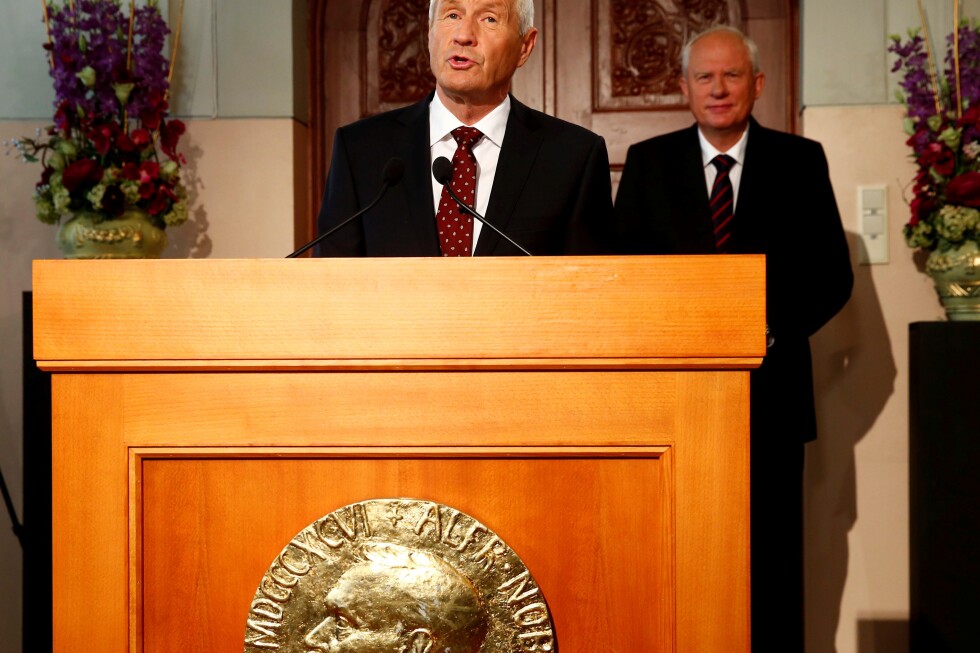
    Norwegian authorities have formally charged Thorbjørn Jagland, the former chairman of the Nobel Peace Prize committee, with aggravated corruption following revelations contained within the recently released Jeffrey Epstein documents. The 75-year-old politician, who led the Norwegian Nobel Committee from 2009 to 2015, appears hundreds of times throughout the millions of pages of evidence released by the U.S. Justice Department last month.

    Økokrim, Norway’s economic crime unit, confirmed that their investigation was directly prompted by information contained within the Epstein files. Police teams conducted simultaneous searches of Jagland’s Oslo residence along with two additional properties in the coastal town of Risør and western region of Rauland on Thursday. The investigation focuses on whether Jagland received gifts, travel accommodations, or loans in connection with his influential position.

    While the documents contain no evidence of direct Nobel Prize lobbying, they reveal Epstein consistently leveraged his relationship with Jagland to impress elite contacts. The disgraced financier hosted Jagland at his properties in New York and Paris during the 2010s, frequently mentioning these connections in communications with high-profile figures including Richard Branson, Larry Summers, Bill Gates, and former Trump strategist Steve Bannon.

    In one particularly revealing 2018 text exchange with Bannon, Epstein wrote: “Donald’s head would explode if he knew you were now buds with the guy who on Monday will decide the Nobel Peace Prize.” He followed with the cryptic message: “I told him next year it should be you when we settle China.”

    The documents show Epstein extending invitations to various powerful figures to meet Jagland, describing the Nobel chairman as offering a “unique perspective” despite privately characterizing him as “not bright” in a 2012 email to former Treasury Secretary Larry Summers.

    Jagland, through his attorneys at the Elden law firm in Norway, has denied all charges and was questioned by authorities on Thursday. The case has drawn increased scrutiny due to Jagland’s prestigious international positions, including his former role as Norwegian prime minister and head of the Council of Europe.

    The investigation has also ensnared Terje Rød-Larsen, the Norwegian diplomat who helped broker the Oslo Peace Accords, and his wife, who face similar corruption charges related to their Epstein associations. During Jagland’s tenure as Nobel committee chair, the peace prize was awarded to Barack Obama in 2009 and the European Union in 2012.

  • 5 European nations say Russian opposition leader Navalny was poisoned and blame Kremlin

    5 European nations say Russian opposition leader Navalny was poisoned and blame Kremlin

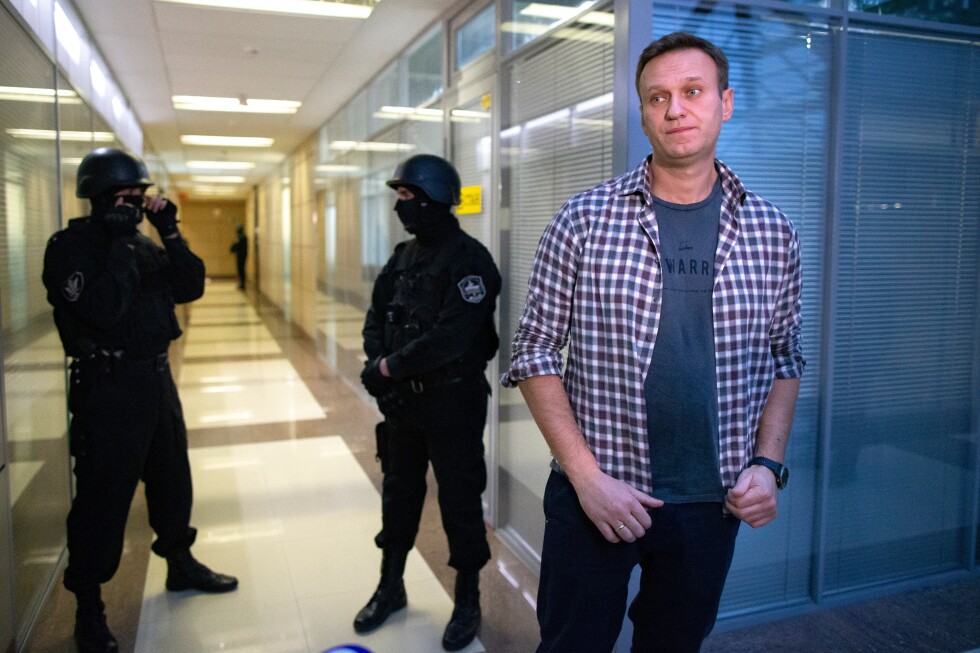
    In a significant diplomatic escalation, five major European nations have formally accused the Russian state of poisoning opposition leader Alexei Navalny with a lethal biological toxin prior to his death in 2024. The coordinated announcement from the foreign ministries of the United Kingdom, France, Germany, Sweden, and the Netherlands revealed that laboratory analysis of biological samples from Navalny conclusively identified epibatidine—an extremely rare neurotoxin derived from South American poison dart frogs.

    The joint statement asserted that only the Russian state possessed the “combined means, motive and disregard for international law” required to execute such an attack. This finding substantiates long-standing allegations from Navalny’s widow, Yulia Navalnaya, who previously disclosed that two independent laboratories had detected poison in her husband’s system shortly before his death in an Arctic penal colony.

    In response to these verified findings, the European coalition is initiating formal proceedings against Russia through the Organization for the Prohibition of Chemical Weapons (OPCW), citing a clear violation of the Chemical Weapons Convention. The international treaty, which Russia has ratified, explicitly prohibits the development, stockpiling, and use of chemical weapons.

    Navalny, who served as Vladimir Putin’s most prominent political opponent, perished in February 2024 while serving a 19-year sentence that global human rights organizations deemed politically motivated. His legacy includes extensive anti-corruption activism and mobilization of mass protests against Kremlin policies. Russian officials have consistently denied involvement in Navalny’s poisoning and subsequent death, dismissing allegations as politically motivated fabrications.

  • US military says it struck a vessel in Caribbean, killing three

    US military says it struck a vessel in Caribbean, killing three

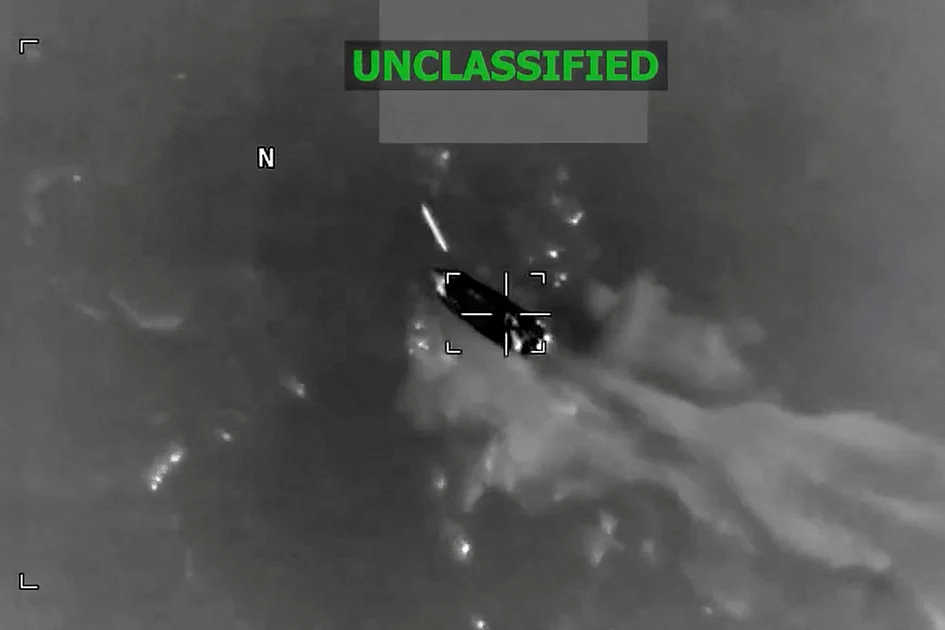
    In a targeted operation against maritime drug trafficking, the United States military conducted a lethal strike on a suspect vessel in Caribbean waters on Friday, resulting in three fatalities. The operation represents the latest in a series of intensified counter-narcotics actions undertaken by US forces in the region.

    The US military’s Southern Command officially confirmed the incident through a social media post on platform X, stating the targeted vessel was actively “engaged in narco-trafficking operations” at the time of the engagement. The statement provided no further details regarding the nationality of the vessel or the identities of the deceased individuals.

    This military action occurs within the broader context of the Trump administration’s publicly stated commitment to disrupting and dismantling transnational drug trafficking networks operating in maritime corridors near the American coastline. The administration has frequently highlighted such operations as evidence of its robust approach to national security and border protection.

    International news agency Reuters noted that it could not independently verify the specific details of the strike or the allegations of narcotics trafficking at the time of reporting. The incident follows a similar pattern of engagements in recent months, including a previously reported strike in the Eastern Pacific that resulted in two casualties, indicating a sustained and proactive military strategy against suspected drug smuggling vessels in international waters.

  • Rubio speech signals US-Europe relations are bruised but still friendly

    Rubio speech signals US-Europe relations are bruised but still friendly

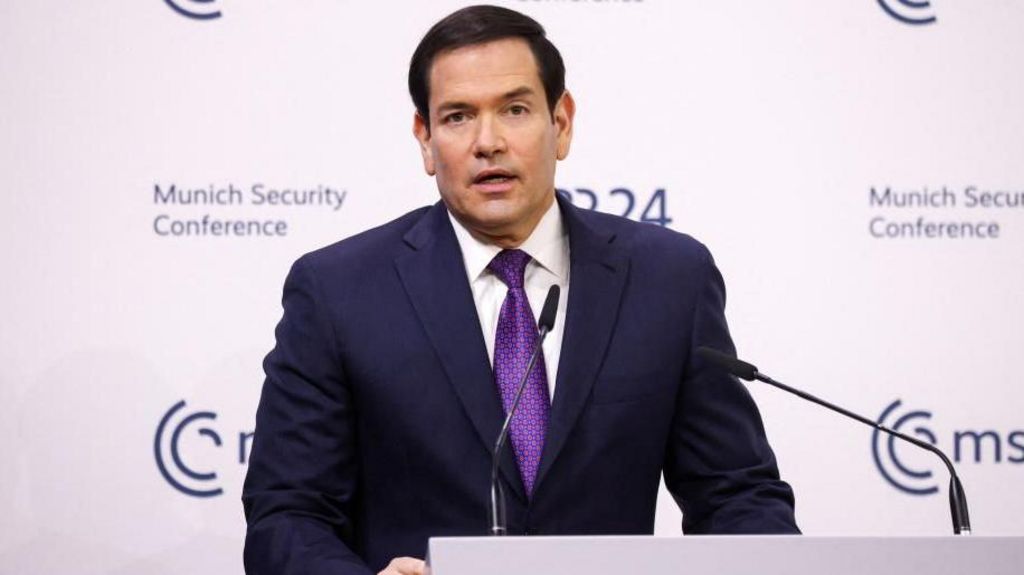
    At the prestigious Munich Security Conference, a pivotal gathering of global leaders including French President Emmanuel Macron, German Chancellor Friedrich Merz, and UK Prime Minister Sir Keir Starmer, all eyes were on U.S. Secretary of State Marco Rubio. The international community awaited clarity on whether America would continue its historic partnership with Europe following recent diplomatic strains.

    Addressing a packed auditorium filled with military officials, diplomats, and political leaders, Secretary Rubio initially delivered sharp criticisms that echoed previous administration positions. He targeted European policies on free trade, mass migration, and climate initiatives, which he characterized as ‘a climate cult’ damaging to American economic interests. Rubio further criticized the United Nations for its perceived failures in resolving conflicts in Gaza and Ukraine.

    However, the diplomatic tone shifted dramatically when Rubio articulated the core message attendees had hoped to hear: ‘Our destiny will always be intertwined with yours in Europe.’ He explicitly stated that ending the transatlantic era was ‘neither our goal nor our wish,’ emphasizing America’s enduring connection to European heritage and culture.

    The Secretary praised European cultural contributions from Shakespeare to Mozart and even humorously referenced the Rolling Stones, generating muted laughter from the audience. He spoke of collaborative goals in securing critical mineral supply chains and ‘unshackling creativity’ through partnership.

    Despite this reaffirmation, Rubio included a significant qualification: the U.S. has ‘no interest in being polite and orderly caretakers of the West’s managed decline,’ signaling expectations for European partners to assume greater responsibility in defense and global leadership.

    Reactions from European officials reflected cautious optimism. EU top diplomat Kaja Kallas noted that ‘Europeans sighed with relief’ at the reaffirmed commitment, while acknowledging persistent policy differences. Behind the scenes, some European representatives expressed frustration with the Trump administration’s approach to Russia and the ongoing conflict in Ukraine, which is approaching its fifth year of violence.

  • Europe must be ready to fight, PM tells Munich Security Conference

    Europe must be ready to fight, PM tells Munich Security Conference

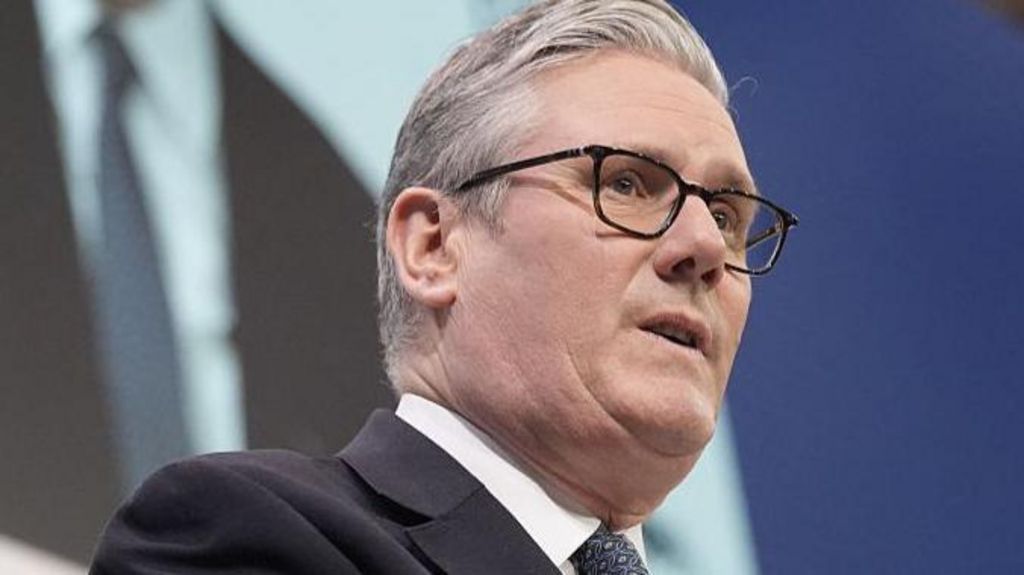
    In a landmark address at the Munich Security Conference on Saturday, British Prime Minister Sir Keir Starmer issued a stark warning that Europe must prepare for potential armed conflict to safeguard its citizens, values, and democratic way of life. The Prime Minister’s speech marked a significant shift in UK foreign policy, emphasizing both military deterrence and economic cooperation with European partners.

    Starmer announced the United Kingdom would deploy its carrier strike group to the Arctic and High North regions as part of a coordinated security initiative with US, Canadian, and NATO forces to counter Russian aggression. He emphasized that Russian rearmament would likely accelerate following any future peace settlement in Ukraine, necessitating robust European defense capabilities.

    ‘The currency of our age is hard power,’ Starmer told assembled world leaders. ‘We must build our hard power to deter aggression and be prepared to fight if necessary.’

    The Prime Minister directly addressed concerns raised by US President Donald Trump regarding European commitment to NATO’s Article 5 collective defense principle. ‘Be in no doubt,’ Starmer declared, ‘if called on, the UK would come to your aid today. Our commitment to Article 5 is as profound now as ever.’

    In a notable policy evolution, Starmer called for deeper economic integration with the European Union, acknowledging the current post-Brexit arrangement was ‘not fit for purpose.’ He proposed exploring ‘closer economic alignment’ and moving nearer to the single market in certain sectors, despite previous pledges to the contrary.

    European Commission President Ursula von der Leyen, speaking before Starmer, praised him as an ‘unflinching ally and friend’ and echoed his call for European defense self-reliance. She described how Europe had undergone ‘shock therapy’ from the United States and must assume greater responsibility for its own security.

    Starmer’s appearance followed a tumultuous domestic week that saw his leadership threatened by controversy over his appointment of Peter Mandelson, who had known connections to convicted sex offender Jeffrey Epstein. Despite calls for his resignation from Scottish Labour leader Anas Sarwar and other party members, Starmer survived with cabinet support, claiming he ended the week ‘much stronger’ than he began it.

  • Mistrial declared in case of students charged after Stanford pro-Palestinian protests

    Mistrial declared in case of students charged after Stanford pro-Palestinian protests

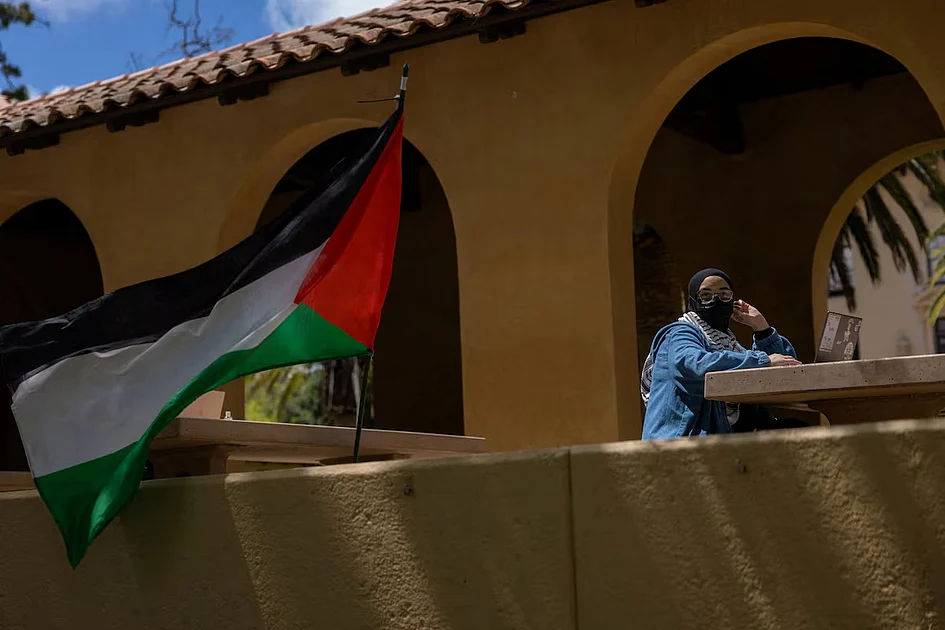
    A California judge declared a mistrial Friday in the high-profile case against five Stanford University students and alumni connected to the 2024 pro-Palestinian campus demonstrations. The decision came after jurors failed to reach unanimous verdicts on felony vandalism and conspiracy to trespass charges stemming from an occupation of the university president’s office.

    The case originated from June 5, 2024, when campus police arrested 13 individuals following a protest where demonstrators barricaded themselves inside the administrative building, causing what university officials described as ‘extensive’ property damage. Prosecutors alleged participants broke windows to gain entry, resulting in initial felony vandalism charges against twelve protesters.

    Throughout the three-week trial in Santa Clara County Superior Court, the prosecution argued the defendants engaged in deliberate property destruction exceeding $100,000 in damages. ‘This case concerns individuals who willfully destroyed others’ property, which remains unlawful regardless of political motivations,’ District Attorney Jeff Rosen stated, confirming his office would seek a retrial.

    Defense attorneys framed the incident as an act of conscience rather than criminal behavior. Anthony Brass, representing one protester, told reporters: ‘This outcome represents a victory for ethical advocacy and free speech principles. We maintain that humanitarian activism should not be criminalized.’

    The deadlocked jury voted 9-3 for conviction on vandalism charges and 8-4 on conspiracy counts, revealing significant division in interpreting the events. Prior to trial, seven other defendants had accepted plea agreements or diversion programs.

    The Stanford demonstration formed part of broader 2024 campus protests across U.S. universities, where over 3,000 participants were arrested nationwide. Protesters had symbolically renamed the occupied building ‘Dr. Adnan’s Office’ honoring Adnan Al-Bursh, a Palestinian physician who died in Israeli custody.