作者: admin

  • Spring Festival joy takes over Hainan

    Spring Festival joy takes over Hainan

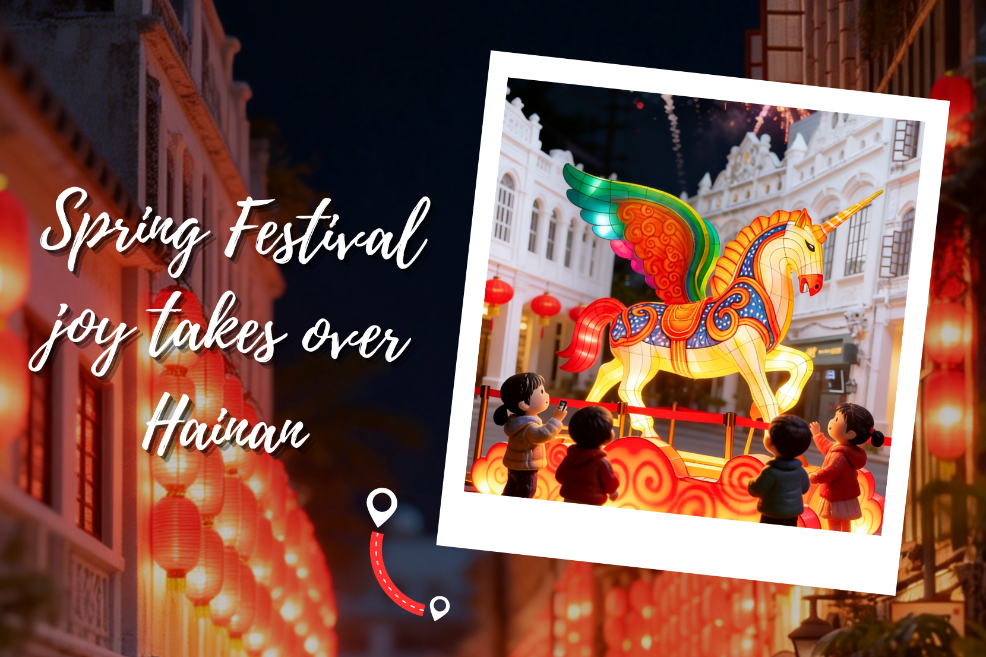
    Hainan Province has transformed into a spectacular showcase of cultural jubilation as Spring Festival celebrations engulf the tropical island in a wave of traditional merriment. The Chinese New Year period has ignited an atmosphere of collective excitement across Hainan, with every region demonstrating unique festive expressions that highlight both ancient customs and contemporary celebrations.

    The island’s public spaces and communities have become living canvases of cultural display, where residents and visitors alike immerse themselves in the rich tapestry of Lunar New Year traditions. From vibrant street decorations to community gatherings, Hainan radiates with the distinctive energy that characterizes China’s most significant annual festival.

    This year’s celebrations carry particular significance as they represent the first major festive period following recent tourism infrastructure developments across the province. The festivities not only honor traditional Chinese cultural heritage but also demonstrate Hainan’s growing prominence as a premier destination for experiencing authentic Chinese celebrations amidst its tropical landscape.

    The provincial government has coordinated numerous public events and cultural exhibitions that showcase the diversity of Spring Festival traditions while incorporating Hainan’s distinctive local characteristics. These celebrations have fostered a strong sense of community optimism and shared hope for prosperity in the coming lunar year, reflecting the universal themes of renewal and family unity that define the Spring Festival experience across China.
  • Pakistan’s imprisoned ex-PM Khan to get medical treatment after reported partial vision loss

    Pakistan’s imprisoned ex-PM Khan to get medical treatment after reported partial vision loss

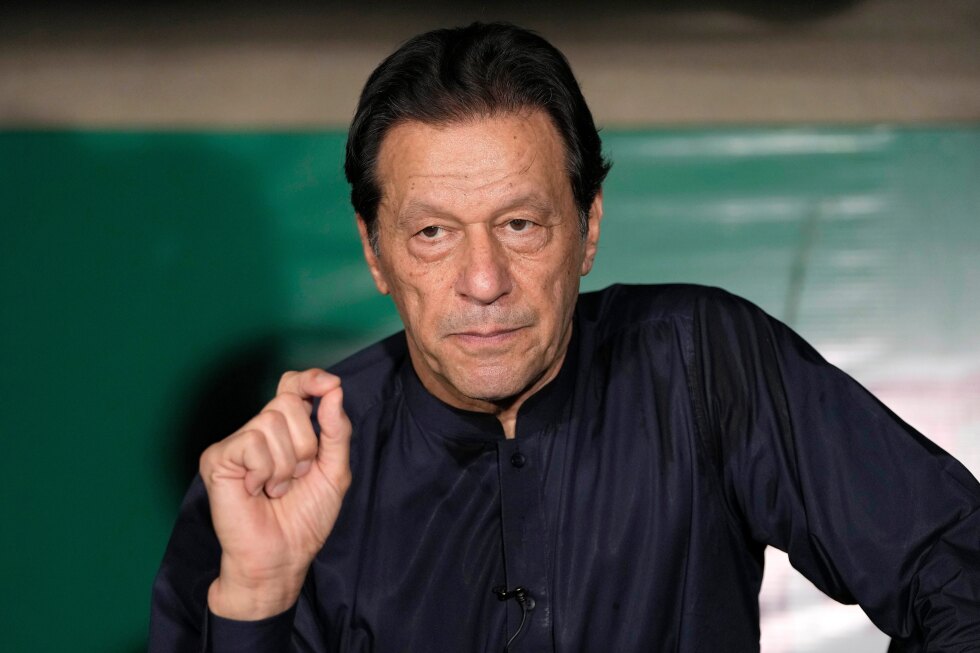
    Pakistan’s incarcerated former Prime Minister Imran Khan is scheduled to undergo specialized medical treatment for a deteriorating eye condition, according to an announcement by Information Minister Attaullah Tarar on Saturday. The development follows a Supreme Court directive mandating comprehensive medical evaluation amid mounting concerns about the political leader’s vision impairment.

    Medical authorities will conduct thorough examinations utilizing leading ophthalmology specialists, continuing treatment protocols initiated in late January when Khan first reported significant vision loss. While the specific medical facility and treatment timeline remain undisclosed, Tarar emphasized that a detailed report would be submitted to the Supreme Court and cautioned against politicizing the health matter.

    The situation gained judicial attention earlier this week when Khan’s legal representative, Salman Safdar, informed the court that the former premier had lost approximately 85% vision in his right eye. The court subsequently ordered authorities to arrange professional medical assessment by a physician panel and facilitate telephone communication between Khan and his sons before February 16.

    Khan’s Pakistan Tehreek-e-Insaf (PTI) party supporters have organized demonstrations across Islamabad and other urban centers, demanding his transfer from prison to a specialized hospital facility. Party legislators and allied representatives have concurrently initiated a parliamentary sit-in protest.

    The Khan family has expressed strong objections to the government’s handling of the medical arrangements, noting they were not consulted prior to treatment decisions. They have formally requested the presence of family members and Khan’s personal physicians during any medical procedures. Khan’s sister, Aleema Khan, confirmed the successful telephone conversation between Khan and his sons, describing the 20-minute exchange as emotionally significant after prolonged separation.

    The 73-year-old former cricket icon turned political leader has been imprisoned since 2023 following corruption convictions. His removal from office via parliamentary no-confidence vote in April 2022 precipitated ongoing political tensions, with Khan alleging his ouster resulted from a US-backed conspiracy involving political rivals and former military leadership—claims consistently denied by Washington and Pakistani authorities.

    Despite legal challenges, Khan maintains substantial political influence and popular support. His PTI party demonstrated strong electoral performance in the February 2024 parliamentary elections, though failing to secure majority control, while alleging widespread voting irregularities disputed by the current administration.

  • UAE residents turn living rooms into mini stadiums for India-Pakistan match on Feb 15

    UAE residents turn living rooms into mini stadiums for India-Pakistan match on Feb 15

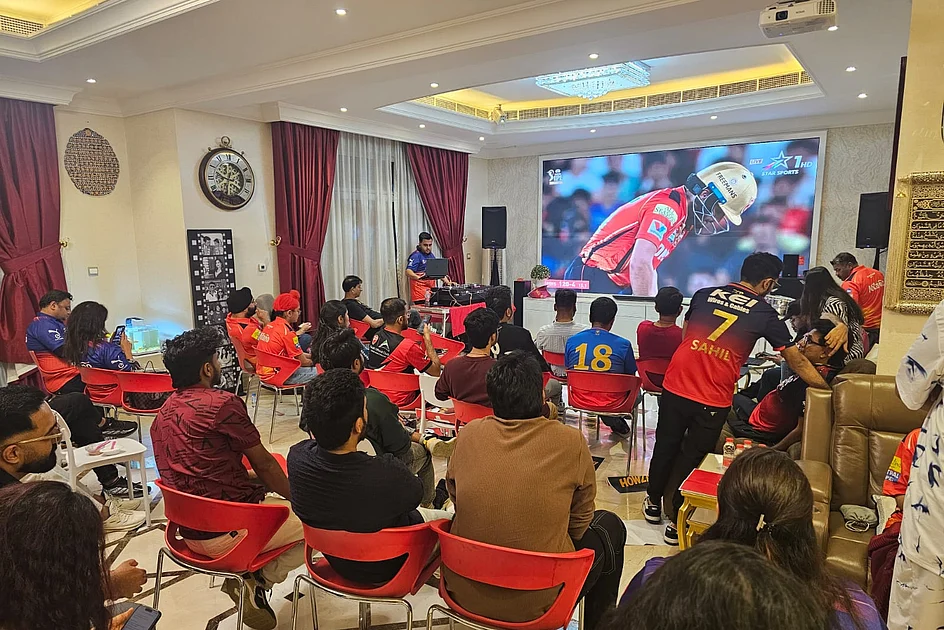
    Across the United Arab Emirates, residents are converting their homes into vibrant cricket viewing venues ahead of Sunday’s highly anticipated T20 World Cup clash between arch-rivals India and Pakistan in Colombo. While some dedicated fans have traveled to Sri Lanka for the live event, countless others are preparing their living spaces for communal screenings that capture the electric atmosphere of stadium viewing.

    In Dubai and Sharjah particularly, households are undergoing elaborate transformations with large-screen installations, decorative arrangements, and culinary preparations. The event has transcended ordinary cricket viewing, evolving into a significant social occasion that brings together diverse communities. Invitations have circulated days in advance, grocery lists have been meticulously planned, and technical equipment is being rigorously tested to ensure flawless viewing experiences.

    Anis Sajan, founder of Mr Cricket UAE, has established a tradition of hosting these screenings during major tournaments. “Cricket remains a gentleman’s game that builds bridges rather than walls,” Sajan remarked. “The India-Pakistan encounter represents more than mere competition—it embodies deep emotion. We’re recreating the stadium experience with DJ entertainment, traditional dhol drummers, and spirited fan engagement.”

    The gatherings feature potluck-style dinners where participants contribute national dishes ranging from biryanis and kebabs to various snacks and desserts. Nadeem Ahmed, a Pakistani expatriate in Arabian Ranches, described his preparations: “We’ve converted our lawn into a mini-stadium with large screens and arranged seating tables. A barbecue station will operate throughout the evening, and we’ve created separate areas for children to enjoy themselves while learning about cricket’s cultural significance.”

    Parents emphasize the educational value for children growing up in the UAE’s multicultural environment. Youngsters witness both the competitive rivalry on screen and the respectful camaraderie among adults from both nations. Despite the geographical distance from Colombo, the excitement within UAE homes promises to match stadium intensity, with enthusiastic cheers for wickets and good-natured banter following boundary shots.

    For the UAE’s diverse population, this cricketing event symbolizes how athletic competition can foster cross-cultural friendship and mutual respect, reflecting the tolerance that defines Emirati society.

  • Pakistan captain Agha says it is up to India to decide whether to shake hands before World Cup clash

    Pakistan captain Agha says it is up to India to decide whether to shake hands before World Cup clash

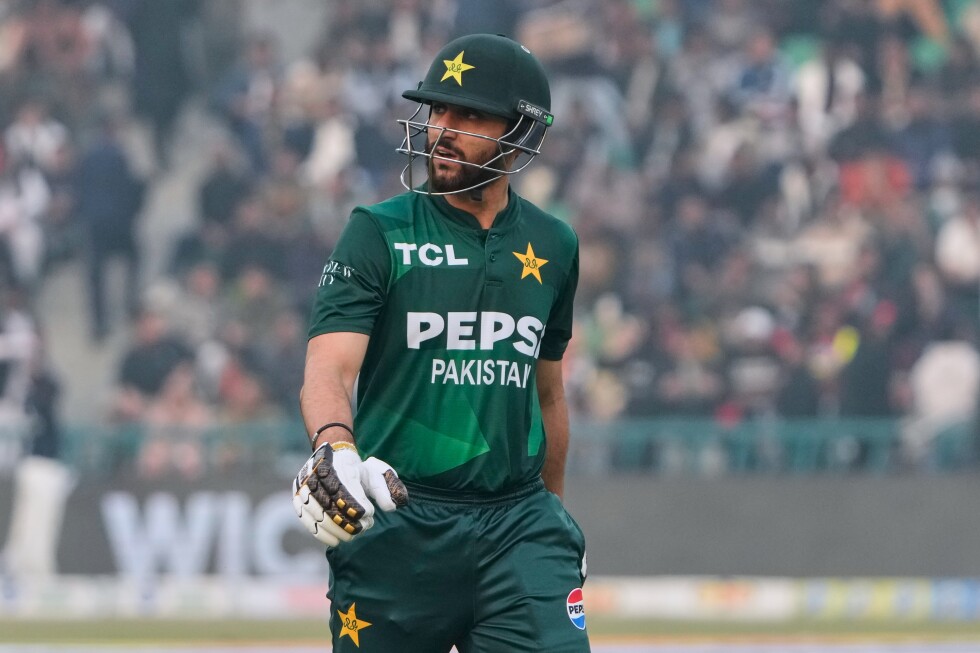
    COLOMBO, Sri Lanka — As cricket rivals India and Pakistan prepare for their highly anticipated T20 World Cup encounter on Sunday, the pre-match focus has shifted from sporting prowess to diplomatic tensions and symbolic gestures. Pakistan captain Salman Ali Agha has placed the decision about pre-match handshakes squarely with the Indian team, highlighting the strained relations that have transformed this cricketing rivalry into a geopolitical spectacle.

    The upcoming match marks the first meeting between the teams since last year’s contentious Asia Cup tournament in the United Arab Emirates, where on-field animosities reached boiling point. The tournament witnessed Indian captain Suryakumar Yadav refusing handshakes with Pakistani players, followed by multiple disciplinary actions against players from both sides for breaching the International Cricket Council’s code of conduct.

    This encounter nearly didn’t materialize after Pakistan’s government threatened a boycott following the ICC’s exclusion of Bangladesh from the World Cup over security concerns regarding matches in India. Only through intensive negotiations with cricket’s governing body was the fixture preserved—a crucial revenue generator for international cricket.

    The historical context adds layers to the confrontation: India hasn’t toured Pakistan since 2008, while Pakistan’s last visit to India was for the 2023 ODI World Cup. All recent encounters have occurred at neutral venues under ICC tournaments, with India dominating the head-to-head record with 12 victories in 16 T20 matches and a commanding 6-1 record in T20 World Cup meetings.

    Both captains attempted to deflect attention from past controversies during pre-match press conferences. Agha emphasized learning from history rather than being bound by it, while Yadav dismissed questions about handshake protocols, stating his team’s focus remains solely on cricket performance.

    Additional subplots include scrutiny over Pakistani spinner Usman Tariq’s bowling action and concerns about Indian opener Abhishek Sharma’s recovery from a stomach infection that caused him to miss the Namibia match.

    Despite the political undertones, both teams recognize the match represents an opportunity to create new narratives beyond diplomatic tensions and historical records in what remains cricket’s most politically charged rivalry.

  • Investarise Global hosts high-profile Business & Investment Summit at Taj Exotica, Palm Jumeirah

    Investarise Global hosts high-profile Business & Investment Summit at Taj Exotica, Palm Jumeirah

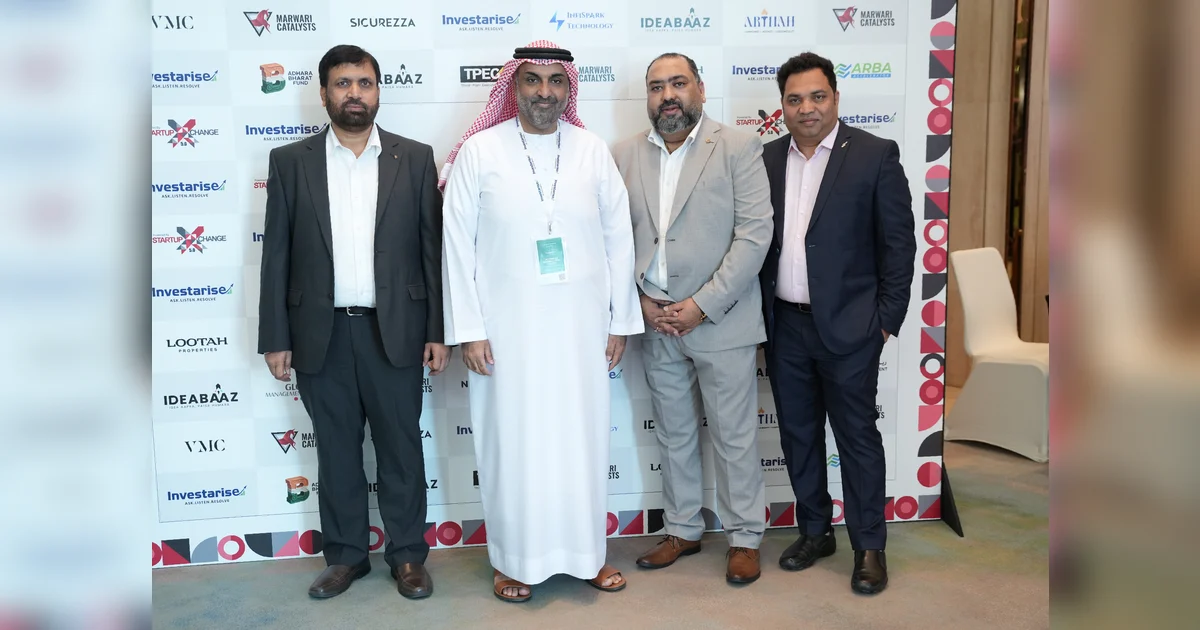
    Dubai’s Taj Exotica Resort & Spa on Palm Jumeirah served as the prestigious backdrop for Investarise Global’s landmark Business & Investment Summit on February 14, 2026. The high-level gathering brought together an influential assembly of international investors, pioneering entrepreneurs, government policymakers, and established business leaders to advance critical discussions on global capital deployment and innovative cross-border partnerships.

    The event gained significant stature with the presence of Shaikha Moaza Obaid Suhail Al Maktoum as guest of honor, highlighting the crucial role of public-private cooperation in driving regional economic advancement. The summit also welcomed Sultan Ali Rasheed Lootah, a prominent UAE business figure renowned for his substantial contributions to enterprise development and economic diversification.

    Under the strategic direction of Investarise Global’s leadership team—including Founder and CEO Kishan Kumar Verma, Global Strategy Lead Sanjay Bhambri, Intergovernmental Relations Co-Founder Farid Ahmed, and Event Director Habib Ahmed—the summit successfully created a dynamic platform for meaningful dialogue and connection.

    Key participants included Jeet Wagh, Sandesh Sharda, Mudit Kumar, and Ashwin Kumar representing Ideabaaz, alongside Saeed Hamad Al Hamli of NQUBATOR. The diverse attendance spanned global investors, startup founders, and senior executives from the UAE, India, and international markets, creating a truly global networking environment.

    The summit benefited from extensive cross-sector support with strategic partnerships from Ideabaaz, ARBA, NoWorryTrip, Extrovert Events, Lootah Group, Nuqoosh, Realm Investment, VMC, Sicurezza, Artha, NQUBATOR, GMA, Infispark, and Marwari Catalyst.

    Central to the discussions were strategies for enhancing the global startup and SME ecosystem through improved investment accessibility, strategic alliance formation, and effective international market entry approaches. Industry leaders exchanged practical insights on innovation acceleration, capital flow optimization, and developing resilient international business relationships.

    This successful convening represents a significant achievement in Investarise Global’s mission to bridge entrepreneurial communities with global opportunities while positioning the UAE as a strategic hub for sustainable international business growth and innovation-driven economic development.

  • Late goal in a loss to Sweden may get Slovakia into the quarterfinals at the Olympics

    Late goal in a loss to Sweden may get Slovakia into the quarterfinals at the Olympics

    In a stunning turn of events at the Milan Winter Olympics, Slovakia secured advancement to the quarterfinals in men’s hockey despite suffering a 5-3 defeat against Sweden in Saturday’s preliminary round finale. The crucial moment came when Dalibor Dvorsky of the St. Louis Blues scored with just 39 seconds remaining, creating a tiebreaker scenario that ultimately favored Slovakia.

    The complex advancement mathematics hinged on Slovakia’s superior goal differential among three tied teams in Group B, contingent upon Finland’s expected victory over host Italy later that day. This unusual circumstance prompted Slovakia’s Juraj Slafkovsky, the reigning Olympic MVP who shares the tournament scoring lead with Canada’s Connor McDavid at six points each, to describe the outcome as “probably the best loss I ever had.”

    Dvorsky, who netted the critical power-play goal following a penalty against Sweden’s Lucas Raymond, echoed this sentiment, calling it “the best loss of my life.” The forward revealed their late-game strategy was straightforward: “We all know what we need to do on the ice. There was not too much tactics, right? At this point of the game, just try to get pucks to the net.”

    Meanwhile, Sweden faced disappointment despite their on-ice victory, having performed significantly better than in their previous 4-1 loss to archrival Finland. Coach Sam Hallam’s decision to pull goaltender Jacob Markstrom while leading by two goals in the final seconds—aiming for additional tiebreaker advantages—backfired as Sweden failed to score again. Alternate captain Victor Hedman called the outcome a “tough pill to swallow” but vowed the team would “regroup and be ready for our next challenge.”

    In other Olympic hockey action, Latvia delivered an upset victory over Germany with a 4-3 win, thanks to goals from Eduards Tralmaks and Renars Krastenbergs just over three minutes apart. Zemgus Girgensons of the Buffalo Sabres, one of ten NHL players on Latvia’s roster, expressed confidence in his team’s capabilities: “We’re a good team. We believed it. We came in today thinking we’re going to win.” Germany now faces a critical match against the United States on Sunday night.

  • Ramadan 2026: Karama’s street food festival back with 100 restaurants, Dh5 dishes

    Ramadan 2026: Karama’s street food festival back with 100 restaurants, Dh5 dishes

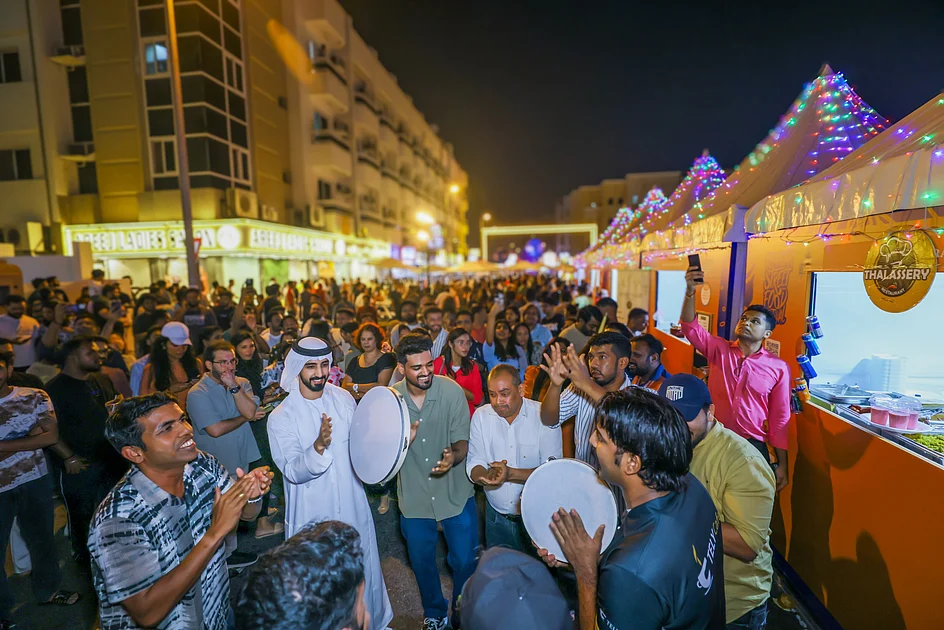
    Dubai’s Sheikh Hamdan Colony in Karama is set to undergo a remarkable transformation during Ramadan 2026, evolving into an expansive open-air culinary destination for the fourth annual Ramadan Street Food Festival. Scheduled from February 19 to March 18, this beloved community event promises an enhanced experience with unprecedented scale and diversity.

    The festival will unfold across two distinct zones—Flavour Lane and Culinary Crossroads at Karama Park—connected by an immersive food trail that invites exploration. This year’s edition introduces several innovative elements including communal long-table iftars, mobile entertainment units, and a dedicated carnival zone designed for family enjoyment. Organizers anticipate welcoming over 70,000 visitors throughout the holy month.

    Accessibility remains central to the festival’s ethos, with free admission and dishes starting at just Dh5. The culinary offerings span global street food traditions, featuring everything from aromatic biryanis and savory beef tapioca to fresh samosas, pickled mangoes, passionfruit juices, and traditional Sulaimani tea.

    The event will operate in two distinct phases: initial restaurant decorations from February 19-28, followed by a full carnival activation from March 1 featuring live musicians, LED stilt walkers, and main stage programming. Evening performances will include MC-led storytelling, children’s entertainment, and cultural music from 9:15 PM until 11:00 PM on weekends.

    A highlight of this year’s programming includes 18 community iftar gatherings with capacity for 150 participants each, operating on a first-come, first-served basis. Additional Friday long-table dinners will encourage intercultural dialogue and community bonding among residents and visitors.

    Cultural immersion continues with roaming artisans practicing Arabic calligraphy, henna application, and live caricature drawing from March 1 onward. Between 9:30 PM and 10:00 PM nightly, the festival grounds will come alive with tanoura dancers, jugglers, mascots, and human statues moving through the crowds.

    The festival forms part of the broader ‘Ramadan in Dubai’ program under the ‘Season of Wulfa’ initiative, which coordinates cultural experiences across the emirate including Ramadan by the Bay, Ramadan Reflections, and Hai Ramadan at Expo City Dubai. These citywide activations collectively create an atmosphere of reflection, connection, and cultural celebration throughout the holy month.

  • Athletes travel on cruise ship to UAE’s iconic Sir Bani Yas Island with peacocks, dolphins

    Athletes travel on cruise ship to UAE’s iconic Sir Bani Yas Island with peacocks, dolphins

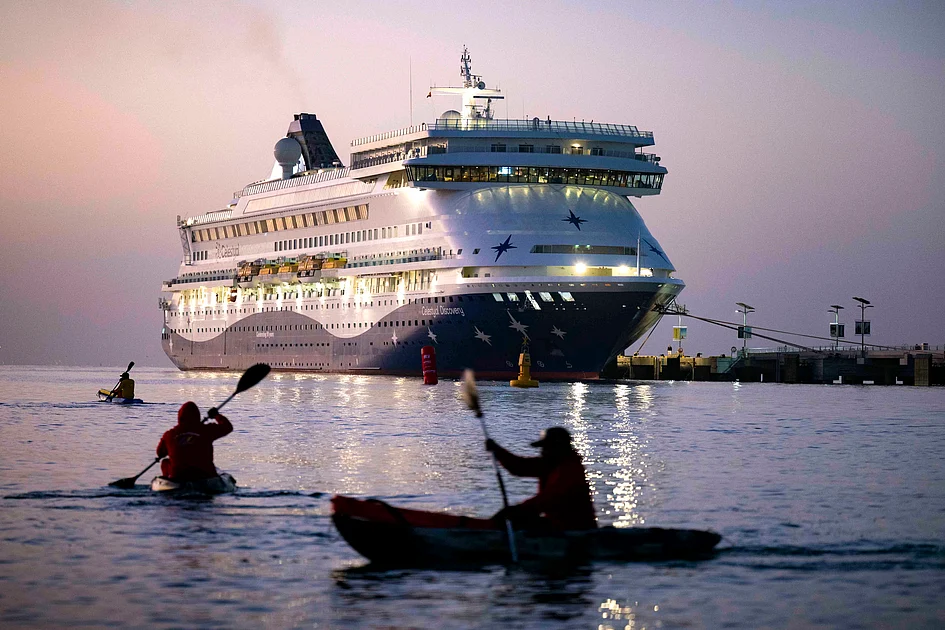
    In an unprecedented fusion of athletic competition and luxury travel, the United Arab Emirates has once again demonstrated its capacity for innovation by hosting the Challenge Sir Bani Yas event aboard a specially chartered cruise ship. This groundbreaking sporting spectacle transported over 4,800 participants representing 93 nationalities to the iconic Sir Bani Yas Island while providing a unique pre-race experience that blended world-class athletic preparation with vacation-style amenities.

    The three-night voyage across the Arabian Gulf transformed traditional race logistics by offering competitors immediate proximity to start lines while eliminating common travel inconveniences. Aboard the vessel, amateur athletes trained alongside Olympians and Iron Man champions, with professional triathletes conducting running drills on deck while mechanics performed bicycle maintenance. The ship featured specialized facilities including swim training machines, a fully-equipped gym, and race briefing sessions, creating a mobile athletic village unlike any other.

    Participants competed across multiple distance categories including the full 226km Iron Man, 113km middle-distance, and 51.5km Olympic triathlons. The island course itself presented a spectacular natural backdrop with 17,000 free-roaming animals including oryx, gazelles, and peacocks accompanying cyclists along the route. Dubai resident Christopher Van Der Wait, a seasoned triathlete with over 100 global competitions, declared it the most unique event he’d ever experienced, noting how the UAE consistently pushes boundaries in sporting innovation.

    The cruise format offered significant practical advantages beyond the novelty factor. Abu Dhabi resident Giovanni Dellomes highlighted the financial accessibility: “I knew I wouldn’t have to buy flight tickets or hotel accommodations, making it considerably more affordable than international competitions.” The simplified logistics of transporting sporting equipment proved equally valuable, with participants able to wheel bicycles directly on and off the vessel without weight restrictions or assembly requirements.

    Beyond the competitive aspect, the event successfully engaged families and spectators. Egyptian visitor Ebtehag Yassin attended with her husband and teenage sons, noting how the experience inspired her eldest to consider participating next year. The convergence of elite athletics and tourism infrastructure represents a new paradigm in event hosting, with Australian professional triathlete Belinda Granger confirming she’d never witnessed anything comparable in her 30-year career. This innovative approach to sporting events continues the UAE’s tradition of transforming ambitious concepts into reality, creating unforgettable experiences that redefine what’s possible in athletic competition and hospitality.

  • Xi sends congratulatory message to 39th African Union Summit

    Xi sends congratulatory message to 39th African Union Summit

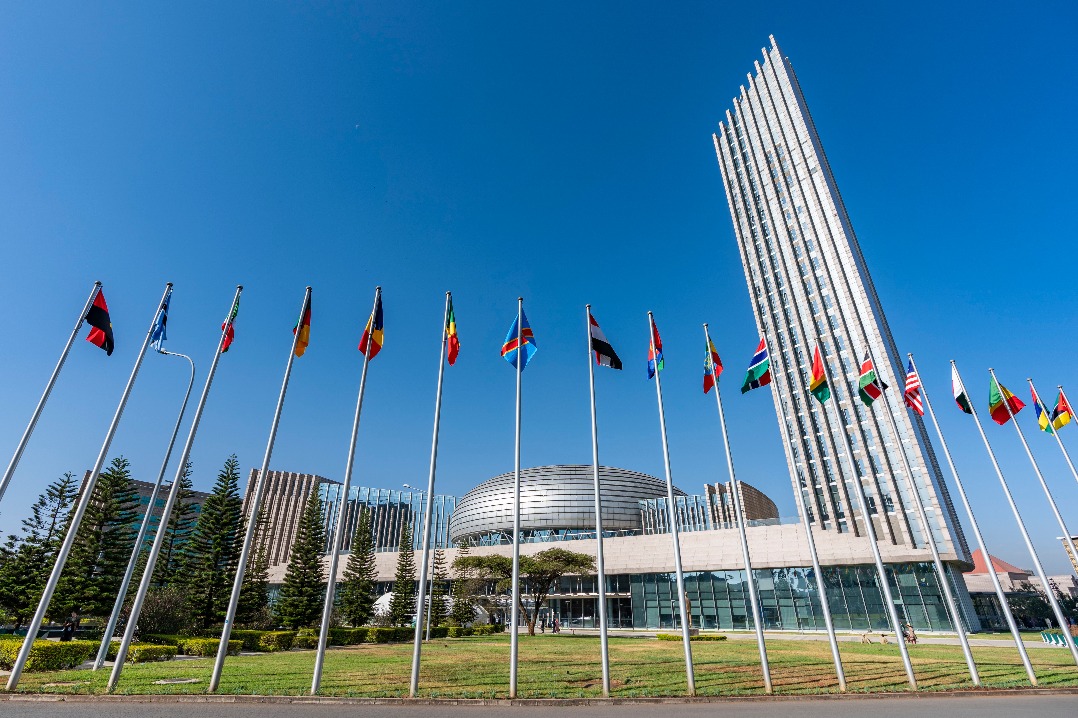
    Chinese President Xi Jinping has formally extended congratulations to African leadership on the occasion of the 39th African Union Summit. In a diplomatic message dated Saturday, President Xi addressed both Joao Lourenço, the rotating AU Chairperson and President of Angola, and Mahamoud Ali Youssouf, Chairperson of the AU Commission.

    The communication represents China’s continued diplomatic engagement with African nations and reinforces the strategic partnership between China and the continental organization. The message emphasized China’s warm sentiments toward African countries and their citizens during this significant political gathering.

    This diplomatic exchange occurs within the broader context of China-Africa relations, which have developed substantially through frameworks such as the Forum on China-Africa Cooperation (FOCAC) and the Belt and Road Initiative. The congratulatory message follows established diplomatic protocols while underscoring China’s commitment to multilateral engagement with African partners.

    The African Union Summit serves as the premier gathering for addressing continental issues, from economic development to peace and security matters. China’s consistent participation in these diplomatic exchanges demonstrates the ongoing strengthening of Sino-African relations across political, economic, and developmental spheres.

  • How UAE’s ‘Madbasa’ traps heat in windowless room to create date syrup with no machine

    How UAE’s ‘Madbasa’ traps heat in windowless room to create date syrup with no machine

    Across the Emirates, from Ras Al Khaimah to Fujairah, a centuries-old culinary tradition is being meticulously preserved by passionate elders who serve as living bridges to the UAE’s rich heritage. The ancient ‘Madbasa’ technique—a remarkable example of pre-industrial food preservation—transforms sun-ripened dates into rich, golden syrup known as ‘dibs’ through nothing more than trapped summer heat and gravitational pressure.

    This sustainable practice represents a masterpiece of traditional engineering. The Madbasa itself is a sealed, windowless chamber specifically designed to maximize thermal retention while excluding dust. Constructed originally from gypsum and Jandal wood (with modern adaptations using cement and tile), these specialized rooms function as natural hydraulic presses where woven palm-frond sacks (Yirab) or pottery containers (Khurus) filled with dates are carefully stacked.

    The meticulous process begins long before the dates enter the Madbasa. During the ‘Al-Mistah’ preparation phase, harvested dates are sun-dried and sorted, with only specific high-syrup varieties selected for production. “The dates must be ripe. They must be dry,” emphasizes 83-year-old Salem bin Abdulla Al Shamsi of Ras Al Khaimah, who has dedicated decades to preserving this method at his son’s farm.

    Inside the Madbasa, the stacked date-filled sacks undergo a 90-day transformation where intense heat and immense pressure work in concert to naturally extract the dense syrup. The chamber’s ingeniously designed floor features indented channels that guide the flowing dibs to a collection pit (jabia) traditionally lined with leak-proof clay.

    The resulting syrup possesses exceptional density and richness—darker and thicker than conventional honey—with a container holding 3kg of water capable of containing 4.5kg of this artisanal product. “The drier the dates, the greater the thickness,” Al Shamsi notes, highlighting the precise science behind this traditional craft.

    For heritage experts like Ali Al-Dhanhani of Dibba Al Fujairah—an award-winning farmer and cultural ambassador—the Madbasa represents more than food production; it serves as a living classroom connecting generations. “This is our environment and our homeland, and it is our duty to preserve these treasures,” Al-Dhanhani states, describing how he involves children and relatives in the annual September harvest tradition.

    Historically, dibs served as a vital nutritional resource and natural sweetener in the Emirati diet, featuring prominently in dishes from Luqaimat dumplings to Khameer bread. In an era before refrigeration, this method ensured year-round food security while embodying principles of community sharing—families often collectively maintained Madbasa facilities with strict hygiene protocols requiring foot washing before entry.

    Despite commercial factory production now available, traditional practitioners like Al Shamsi maintain small businesses selling artisanal dibs in jars ranging from 1.5kg to 4kg. Through their dedication, these cultural guardians ensure that this sweet embodiment of Emirati heritage continues to flow for generations to come.