作者: admin

  • War on Iran: How Algeria and Morocco manoeuvre the fallout

    War on Iran: How Algeria and Morocco manoeuvre the fallout

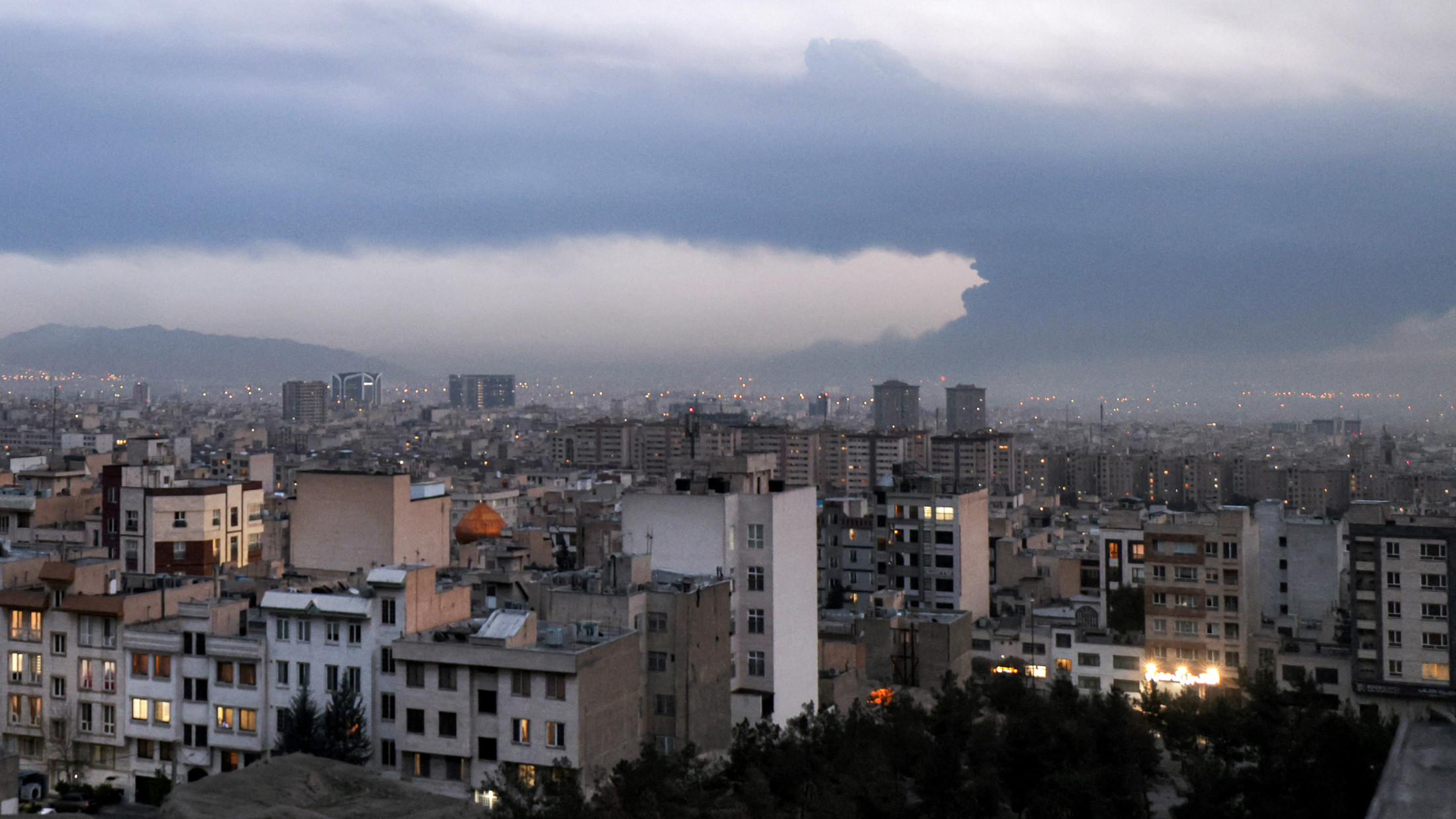
    The escalating US-Israeli military campaign against Iran is sending strategic shockwaves across the Maghreb region, where North African powers Algeria and Morocco are pursuing fundamentally divergent approaches that reflect their deep-rooted regional rivalry and competing geopolitical ambitions.

    This geopolitical divergence manifests most clearly in their contrasting responses to the Middle Eastern conflict. Morocco has decisively aligned itself with Washington and Tel Aviv, swiftly condemning Iranian retaliatory actions while remaining conspicuously silent on the initial US-Israeli strikes. This posture reinforces Rabat’s strategic partnership with Israel formalized through the 2020 Abraham Accords, through which Morocco gained crucial US recognition of its claim to Western Sahara in exchange for normalization with Israel.

    Conversely, Algeria maintains a more nuanced diplomatic position, attempting to balance principle with pragmatism. While traditionally allied with Iran, Algiers has carefully avoided direct condemnation of the US-Israeli campaign while expressing solidarity with Arab nations targeted by Iranian strikes. This delicate balancing act reflects Algeria’s attempt to preserve relationships without compromising its traditional non-alignment principles.

    The Western Sahara dispute remains the central prism through which both nations view the regional crisis. Morocco perceives the conflict as an opportunity to strengthen its international position regarding the disputed territory, potentially seeking to have the Polisario Front designated as a terrorist organization. Algeria, which supports Sahrawi self-determination, views the situation with heightened caution, concerned that Rabat might exploit the crisis to advance its territorial claims, particularly during the remaining tenure of the Trump administration.

    Economic dimensions further highlight their divergent situations. Morocco faces immediate economic pressure from rising fuel prices and potential disruption to maritime trade, threatening its socio-economic stability. Algeria, as a major energy exporter, stands to benefit substantially from increased hydrocarbon prices, potentially strengthening its financial position and leverage in ongoing trade negotiations with the European Union.

    The crisis has also exposed the tension between official policies and public sentiment across the region. While both governments maintain firm control over their political landscapes, widespread public opposition to the US-Israeli campaign exists throughout North Africa, creating potential domestic challenges for regimes that have strongly aligned with Western powers.

    As the conflict continues with no clear resolution, the Maghreb finds itself not merely as a spectator but as an active arena where regional balances are being recalibrated. The outcome may accelerate existing geopolitical trends, potentially reshaping alliances, economic relationships, and the decades-old struggle over Western Sahara in ways that will long outlast the current Middle Eastern crisis.
  • Tourism was booming in Cyprus, then a drone hit

    Tourism was booming in Cyprus, then a drone hit

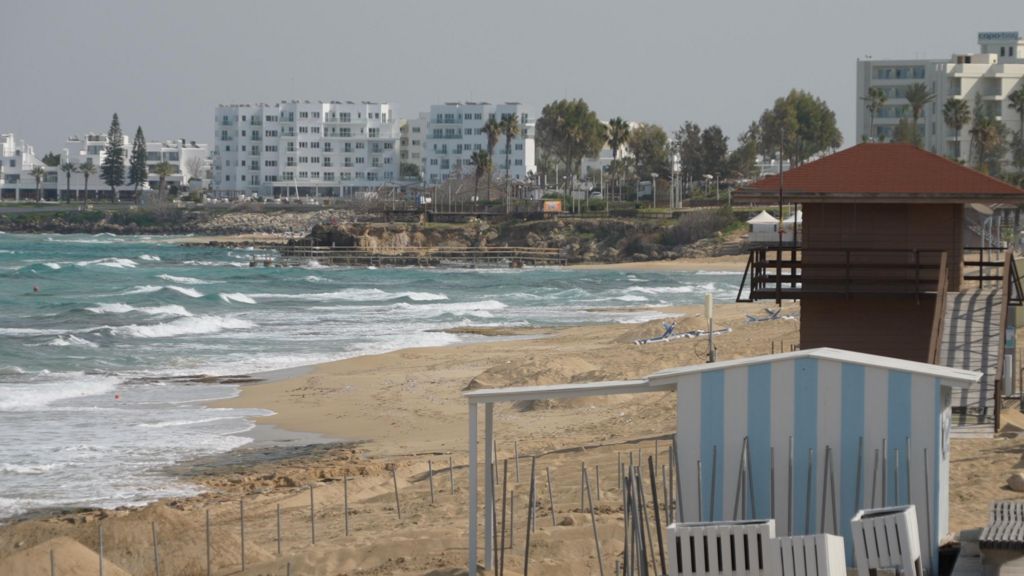
    Despite regional tensions following a March 1st drone strike on RAF Akrotiri, tourists in Cyprus are experiencing unprecedented access to the island’s amenities while enjoying exceptional hospitality from local businesses. The attack, which triggered initial flight cancellations and security concerns, has resulted in an unexpected silver lining for visitors who chose not to alter their travel plans.

    John Jones from North Wales exemplifies this phenomenon, relishing complimentary beers and unlimited lounger options at his resort near Ayia Napa. “They keep giving me free beer,” Jones remarked while enjoying the glistening pool area. “We knew about the drone strike, but it didn’t put us off at all.”

    The sentiment is echoed by Swiss tourists Alexandra and Jehiel, who redirected their vacation from Thailand to Cyprus despite family concerns. “Our families were most stressed about this,” Alexandra noted, adding that local assurances quickly alleviated their worries. Though nightlife options proved limited with only two bars operating in Ayia Napa, the couple appreciated the opportunity for undisturbed relaxation on nearly empty beaches.

    Cyprus’s tourism industry faces a critical challenge following its record-breaking 4.5 million visitors last year. Chryso Tsokkou, director of the island’s largest hotel chain Tsokkos Hotels and Resorts, acknowledged an initial wave of cancellations but reported stabilizing conditions. “It was not normal but it was expected,” Tsokkou explained regarding the immediate reaction. “Currently all hotels are open, and we’re seeing new bookings alongside rescheduled visits.”

    Philokypros Roussounides of Cyprus’ Chamber of Commerce emphasized the perceptual challenge: “The island is not directly affected by the conflict, but in tourism, perception can sometimes travel faster than geography.”

    British expat Victoria O’ffe expressed frustration with overseas perceptions, noting that daily life continues undisturbed. “If we didn’t have access to British television we wouldn’t know it’s happening,” she stated, lamenting that UK family members canceled their visit despite her assurances of safety.

    Security measures near RAF Akrotiri remain heightened with regular patrols, though evacuated villagers have been permitted to return home. The British authorities have yet to decide on returning military families to the base.

    With the main tourism season approaching in April, industry representatives emphasize that Cyprus remains open for business—offering visitors rare tranquility and generous hospitality amid regional uncertainties.

  • Inclusion of Russia in 2026 Venice Biennale art fair sparks outcry

    Inclusion of Russia in 2026 Venice Biennale art fair sparks outcry

    ROME — The Venice Biennale’s announcement of Russia’s participation in its 2026 contemporary art exhibition has triggered widespread international condemnation and diplomatic tensions. The controversy centers on the world’s most prestigious art fair’s decision to include Russia despite its ongoing war in Ukraine, prompting threats of funding withdrawal from the European Commission and formal protests from 22 European nations.

    Italy’s Culture Ministry finds itself navigating complex diplomatic waters as Culture Minister Alessandro Giuli attempts to manage the fallout. While expressing clear opposition to the Biennale’s decision, Giuli acknowledged the foundation’s operational independence from government control. The ministry has taken disciplinary action by dismissing its representative on the Biennale board, Tamara Gregoretti, for allegedly failing to disclose Russia’s planned participation and supporting its inclusion.

    Russia maintains a permanent pavilion in the Giardini exhibition grounds, granting it automatic participation rights under Biennale regulations. However, Moscow has been absent since the Ukraine invasion began in 2022, when Russian artists withdrew and the pavilion remained closed. The 2024 edition saw the space temporarily loaned to Bolivia.

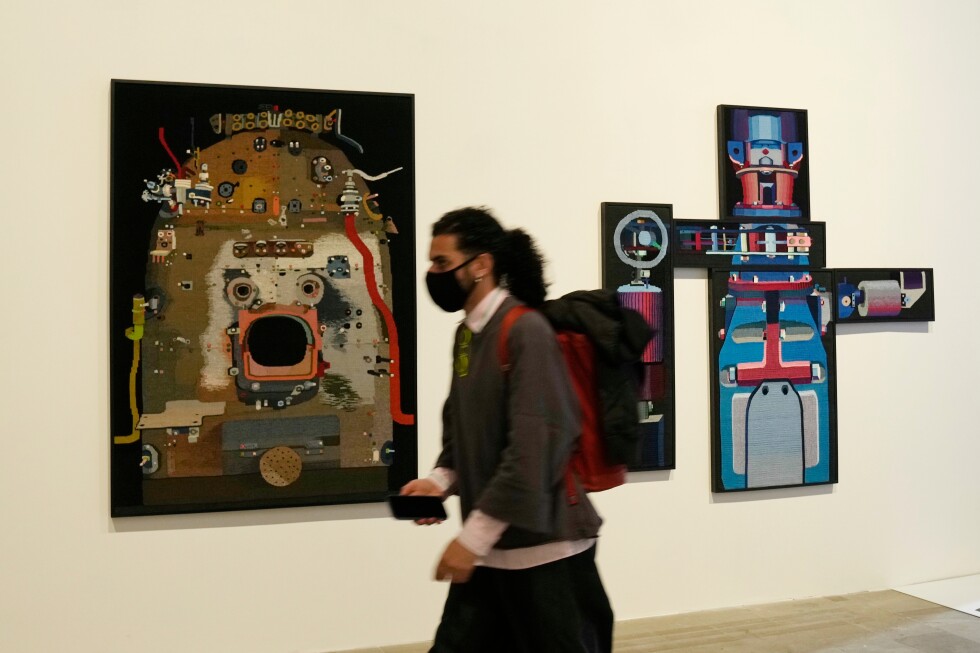
    The 2026 Biennale, scheduled from May 9 to November 22, will feature 99 participating nations, including seven debut countries. Russia’s return, though not prominently highlighted by organizers, includes an exhibition titled ‘The Tree is Rooted in the Sky’ with approximately three dozen Russian artists.

    Biennale Foundation President Pietrangolo Buttafuoco defended the decision as an anti-censorship stance, announcing complementary exhibition spaces for ‘dissident’ art. He referenced last year’s Venice Film Festival premiere of ‘The Wizard of the Kremlin’—a critical portrayal of Vladimir Putin’s rise starring Jude Law—as evidence of the foundation’s commitment to artistic freedom.

    Despite these justifications, European commissioners Henna Virkkunen and Glenn Micallef issued a statement threatening to suspend the Biennale’s EU funding (approximately €2 million over three years) if Russia participates. Twenty-two European nations jointly expressed ‘profound concern’ that Russia could use the platform to ‘project an image of legitimacy and international acceptance’ despite ongoing warfare and cultural destruction in Ukraine.

    Minister Giuli has launched an investigation into whether Russia’s participation violates EU sanctions and has consulted with Ukrainian Culture Minister Tetyana Berezhna, reaffirming Italy’s commitment to protecting Ukrainian cultural identity and supporting heritage reconstruction efforts.

  • Trial starts in case of explosives sent to UK and Poland

    Trial starts in case of explosives sent to UK and Poland

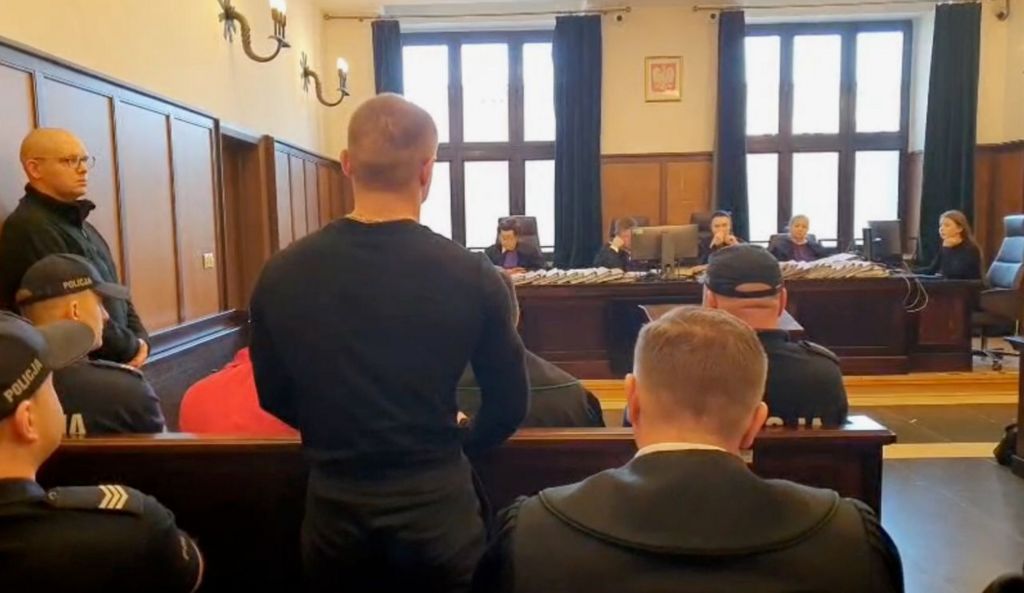
    A high-stakes terrorism trial commenced in Warsaw, Poland, involving five individuals—Ukrainian and Russian nationals—accused of orchestrating a sophisticated parcel bomb plot on behalf of Russian intelligence. The defendants, clad in bright orange prison uniforms and shackled at the wrists and ankles, appeared in a tightly secured courtroom where prosecutors detailed their alleged roles in a transnational sabotage operation.

    The plot, uncovered in the summer of 2024, involved concealing liquid explosives within innocuous-looking face cream tubes and embedding ignition mechanisms inside massage cushions. These devices evaded standard security protocols and were dispatched via international courier services like DHL and DPD. Three parcels ignited during transit, with one nearly being loaded onto a UK-bound cargo flight, potentially triggering an aerial catastrophe.

    Prosecutors asserted the operation was coordinated through Telegram by handlers based in Russia, aiming to intimidate civilians and destabilize European security. During the hearing, only one defendant—Ukrainian national Vladislav D.—addressed the court, denying affiliations with Russian intelligence or deliberate sabotage. He admitted to transferring four explosive-laden boxes in Vilnius, Lithuania, but claimed coercion due to threats against his family in Ukraine from a handler known as ‘Warrior.’

    Contradicting his courtroom statements, prior testimonies read aloud revealed Vladislav D. had detailed activating ignition devices before dispatching parcels. The trial is part of a broader crackdown on Russia-linked sabotage activities across Europe, with 22 suspects arrested across Poland and Lithuania. Alexander Suranovas, a key figure paid to mail parcels, previously told the BBC he was unaware of the explosives and had been recruited to send additional monthly packages.

    Parallel trials in Lithuania will begin next month, while the Warsaw proceedings adjourn until mid-April.

  • Racing through Jiading of Shanghai

    Racing through Jiading of Shanghai

    China Daily Information Co (CDIC) has established stringent copyright protection measures governing all content published across its digital platforms. The comprehensive policy explicitly prohibits unauthorized republication or utilization of any materials, including textual content, photographs, and multimedia information.

    The company mandates written authorization prior to any content reuse, reinforcing its commitment to intellectual property protection. This policy applies universally to all content published through CDIC’s channels regardless of format or medium.

    Technical recommendations accompany these usage guidelines, with the organization advising optimal viewing through browsers supporting 1024*768 resolution or higher. This specification ensures consumers experience content as intended while maintaining platform performance standards.

    The publication has additionally disclosed its multimedia online publishing license (0108263) and registration number (130349), providing transparency regarding its operational credentials. These identifiers confirm CDIC’s formal accreditation and compliance with publishing regulations.

    Complementing these protective measures, CDIC maintains established channels for stakeholder engagement through dedicated sections for advertising inquiries, general communications, and employment opportunities including positions for expatriate professionals. The organization further encourages audience connection through official social media platforms, facilitating continued engagement with its content within authorized parameters.

  • Judge says ‘no evidence’ to justify Federal Reserve probe

    Judge says ‘no evidence’ to justify Federal Reserve probe

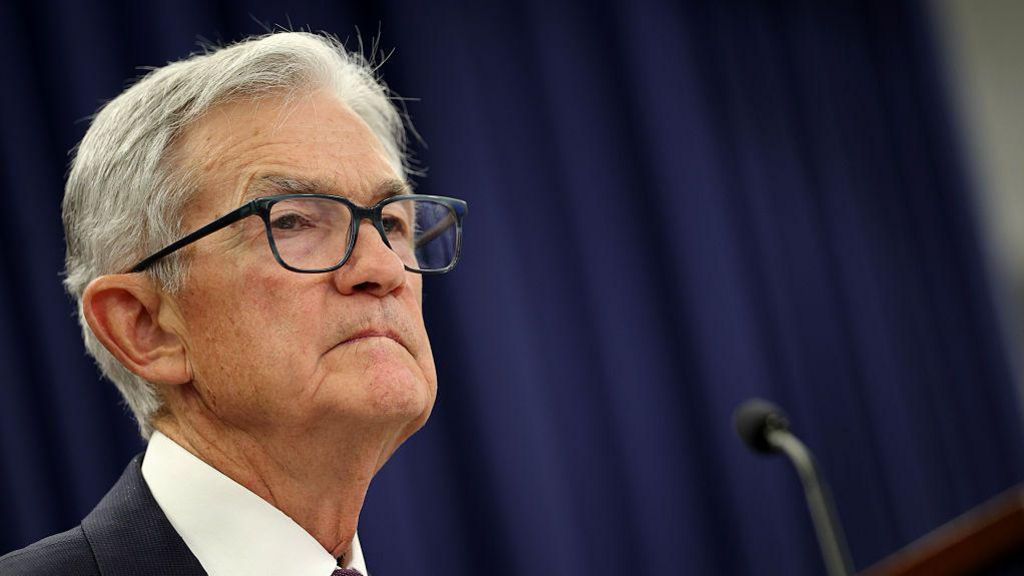
    A federal judge has delivered a significant judicial setback to the Department of Justice, blocking its investigation into the Federal Reserve in a ruling that intensifies tensions between judicial authority and executive branch prosecutors. The decision from Judge James Boasberg on Friday concluded that federal prosecutor Jeanine Pirro provided “no evidence” to substantiate her demands for confidential information from the central bank.

    The case has emerged as a focal point in ongoing debates about political influence over monetary policy institutions. Prosecutors sought documents related to cost overruns during renovations of Federal Reserve facilities, issuing subpoenas that the court has now invalidated. The ruling represents a substantial victory for Fed officials who had resisted the investigation.

    In response to the decision, Pirro announced her intention to appeal, characterizing the ruling as having “neutered” her office’s capacity to investigate potential misconduct. During a contentious press conference, she accused Judge Boasberg of “arbitrarily undermining” the investigative process through judicial activism.

    The legal confrontation has created complications for White House efforts to appoint a new Federal Reserve chair. Key Republican senators have declared they will block the nomination of Kevin Warsh to replace current chairman Jerome Powell until the investigation reaches resolution. Pirro dismissed concerns about her probe interfering with presidential appointments, labeling such considerations “white noise” compared to her pursuit of accountability.

    The case continues to develop as both sides prepare for appellate proceedings, with implications for the balance of power between federal law enforcement and independent government institutions.

  • A canceled meeting between leaders dashes hopes of families of Colombian prisoners in Venezuela

    A canceled meeting between leaders dashes hopes of families of Colombian prisoners in Venezuela

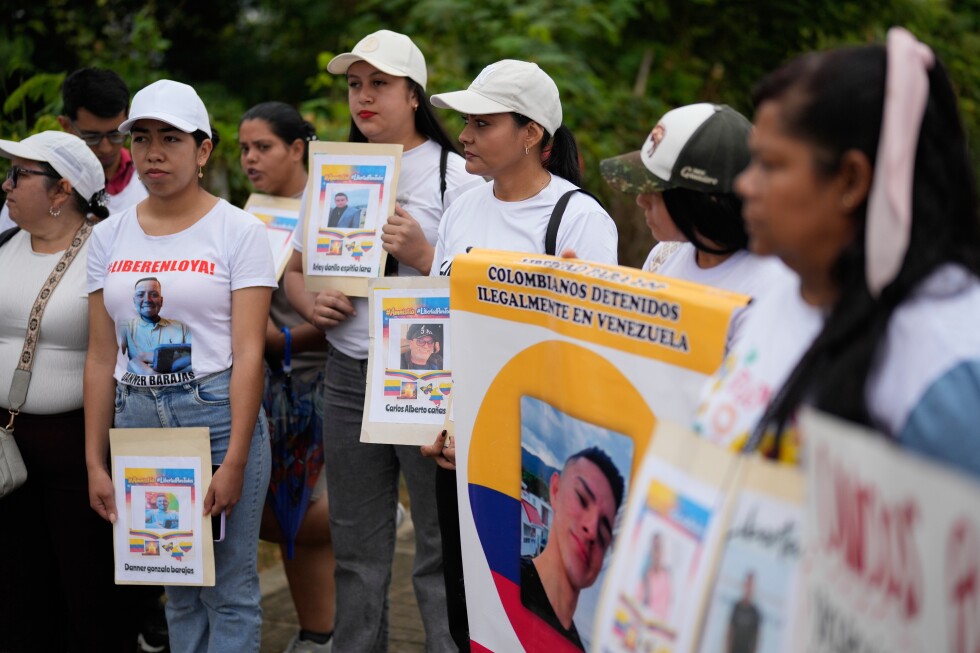
    VILLA DEL ROSARIO, Colombia — A highly anticipated diplomatic meeting between Colombian and Venezuelan leaders was unexpectedly canceled Thursday evening, crushing the hopes of families seeking the release of detained relatives in Venezuelan prisons. The scheduled encounter between Colombian President Gustavo Petro and Venezuelan acting President Delcy Rodríguez was called off by mutual agreement, with both governments citing “unforeseen circumstances” without elaboration.

    Javier Giraldo, who had traveled to the international bridge connecting Colombia and Venezuela, expressed profound disappointment as his plan to display a sign petitioning for his father’s release evaporated. This marks the third time in 2023 that Giraldo’s hopes have been dashed regarding his 70-year-old father, Javier Giraldo García, who has spent four years detained at El Rodeo III prison near Caracas on terrorism-related charges.

    Despite diplomatic progress that has seen the gradual release of Colombian prisoners in Venezuela since last year, significant numbers remain incarcerated. According to Venezuela-based prisoner rights organization Foro Penal, at least eight Colombian nationals and eleven dual Colombian-Venezuelan citizens are still detained in Venezuelan prisons.

    Relatives of detainees maintained protests near the Atanasio Girardot Binational Bridge despite the canceled meeting. Ninfa Rebolledo, whose son Albeiro Guevara has been imprisoned for over six years on drug trafficking charges he maintains are false, expressed continued hope for eventual release. Both governments issued a joint statement late Thursday assuring the meeting would be rescheduled for a future date, though no specific timeline was provided.

  • EU and UK denounce Israeli settler violence against Palestinians in West Bank

    EU and UK denounce Israeli settler violence against Palestinians in West Bank

    The European Union and United Kingdom have issued coordinated diplomatic statements condemning the surge in Israeli settler violence against Palestinian communities in the occupied West Bank. This unprecedented wave of attacks has resulted in multiple Palestinian fatalities and widespread property damage.

    British diplomatic authorities expressed profound concern through an official statement from the Consulate General in Jerusalem, declaring themselves ‘appalled by the killing of five Palestinians in incidents of settler violence over the past week.’ The statement notably referenced Israeli security forces’ own characterization of such violence as ‘unacceptable’ while demanding comprehensive investigations and accountability for perpetrators.

    The European Union echoed these concerns, issuing a formal appeal to Israeli authorities to implement ‘immediate and effective action’ against settler violence. EU officials emphasized Israel’s obligation under international law to ensure protection for Palestinian populations within occupied territories.

    This diplomatic response follows documented reports of intensified attacks, including a coordinated assault by approximately 100 masked settlers on Abu Falah village that resulted in two fatalities. Separate incidents involved livestock theft and unauthorized road construction expanding settlement infrastructure.

    International humanitarian law explicitly prohibits such settlement activities under Article 49 of the Fourth Geneva Convention, which bans population transfers to occupied territories. Palestinian human rights monitors report a 25% increase in settler violence since the onset of regional conflicts.

    Concurrently, British parliamentary members and civil society organizations have intensified pressure on the UK government to implement economic measures, including bans on imports from illegal settlements and enhanced sanctions targeting settlement expansion activities.

  • British Muslims are more loyal to UK than general public, new poll reveals

    British Muslims are more loyal to UK than general public, new poll reveals

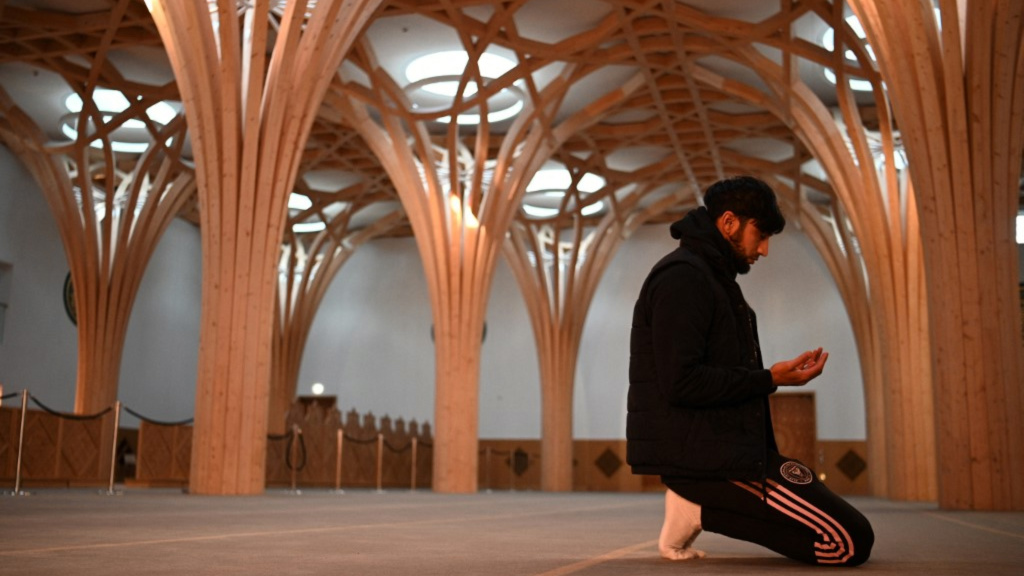
    A groundbreaking nationwide survey has delivered a powerful rebuttal to political narratives questioning the integration of British Muslims, revealing they exhibit stronger support for democratic principles than the general population. Commissioned by the transatlantic think tank Concordia Forum and conducted by research firm Opinium in October 2025, the comprehensive study presents compelling evidence challenging widespread assumptions about Muslim communities.

    The data demonstrates that 85% of British Muslims endorse democracy as “the best system of government,” significantly surpassing the 71% support recorded among the general public. Furthermore, an overwhelming 94% of Muslims advocate for “equal treatment under the law for all faiths and none,” compared to 80% of the broader population.

    The research reveals exceptionally high levels of social integration, with 93% of Muslims expressing a sense of belonging to the UK. Notably, 70% report feeling “completely or mostly loyal” to the nation, contrasting with only half of the general public expressing similar allegiance.

    Contrary to claims of isolated communities, the findings show 80% of Muslims engage in regular interactions with non-Muslims at least weekly. Additionally, 38% have personal or family connections to public service roles, demonstrating significant civic engagement.

    The survey also addresses contentious social issues, revealing that British Muslims show stronger support (70%) for equal legal rights for LGBTQ+ people than the general public (66%). An impressive 90% consider combating all forms of bigotry, including antisemitism, as important, while 74% believe Islam is “broadly compatible with western values.”

    Muddassar Ahmed, Concordia Forum’s founder and president, emphasized the importance of evidence-based discourse: “Community cohesion is too important to be reduced to suspicion or headlines. The evidence shows the overwhelming majority of British Muslims believe in democracy, equality under the law, and a shared future in Britain.”

    The findings emerge amidst heightened political tensions, following recent allegations by Reform UK of electoral irregularities in predominantly Muslim constituencies. The research provides empirical counterevidence to claims of “parallel lives” and insufficient integration that have recently featured in political debates and government cohesion strategies.

  • Brazil revokes visa of US diplomat in Bolsonaro row

    Brazil revokes visa of US diplomat in Bolsonaro row

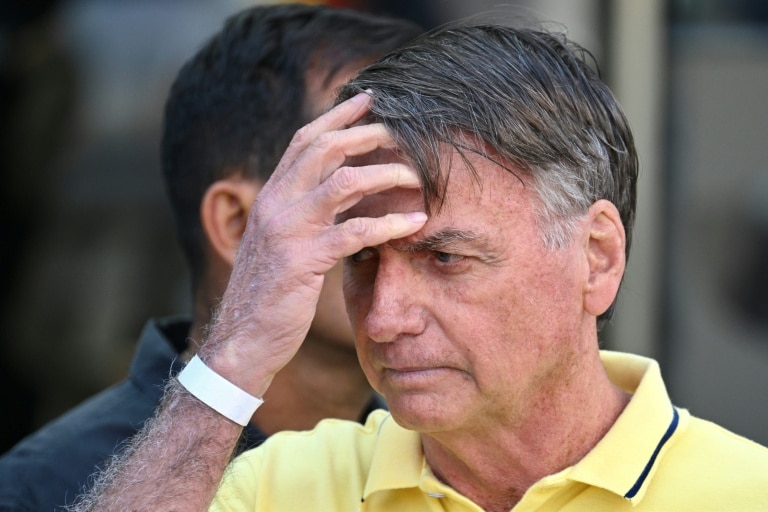
    In a significant diplomatic escalation, Brazilian President Luiz Inacio Lula da Silva has revoked the visa of a United States diplomat seeking to visit imprisoned former President Jair Bolsonaro. The move comes amid heightened tensions between the two nations and concerns about foreign interference in Brazil’s upcoming elections.

    The targeted diplomat, Darren Beattie, serves as the US State Department’s newly appointed advisor on Brazil. His proposed March 18 prison visit to Bolsonaro was initially approved by Brazil’s Supreme Court but subsequently canceled following strong objections from the Lula administration. Brazilian authorities cited “lies about the purpose of the visit” as justification for the visa revocation.

    President Lula explicitly linked the decision to reciprocal measures, stating the diplomat would remain barred until Washington lifts its visa ban on Brazilian Health Minister Alexandre Padilha. Padilha faced sanctions late last year regarding his involvement in a program deploying Cuban doctors within Brazil.

    This diplomatic confrontation unfolds against the backdrop of Bolsonaro’s deteriorating health. The 70-year-old former leader was hospitalized with bronchopneumonia, experiencing high fever, oxygen saturation drops, and chills. He remains in intensive care receiving intravenous antibiotic treatment. Bolsonaro’s health has been fragile since his 2018 campaign trail stabbing, though courts continue denying requests for house arrest.

    The Brazilian Foreign Ministry emphasized that Beattie’s visa was granted exclusively for participation in a critical minerals forum and governmental meetings. Officials expressed concern that a foreign representative visiting an imprisoned former president during an election period “could constitute undue interference” in domestic affairs.

    This incident reflects broader geopolitical tensions, with Brazil remaining wary of Trump administration efforts to influence Latin American politics. The situation echoes previous confrontations, including tariff impositions following Bolsonaro’s sentencing for coup plotting after his 2022 electoral defeat to Lula.

    Flavio Bolsonaro, the former president’s son and current presidential candidate opposing Lula, accused authorities of “playing with my father’s life” amid the health crisis. The October elections increasingly appear as a flashpoint in US-Brazil relations, with both nations navigating complex diplomatic boundaries.