作者: admin

  • Zelensky calls for Trump and Starmer to meet and find common ground

    Zelensky calls for Trump and Starmer to meet and find common ground

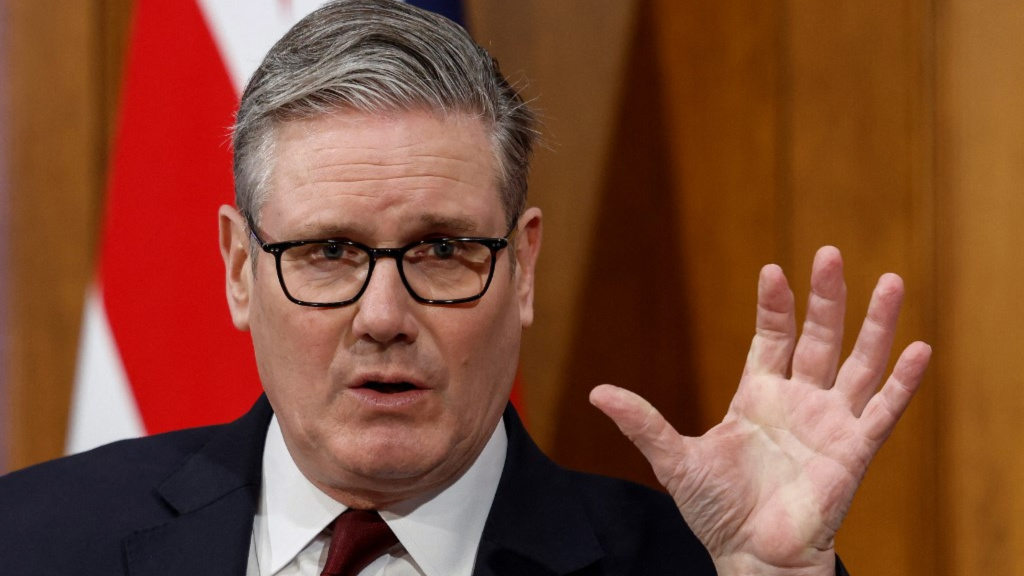
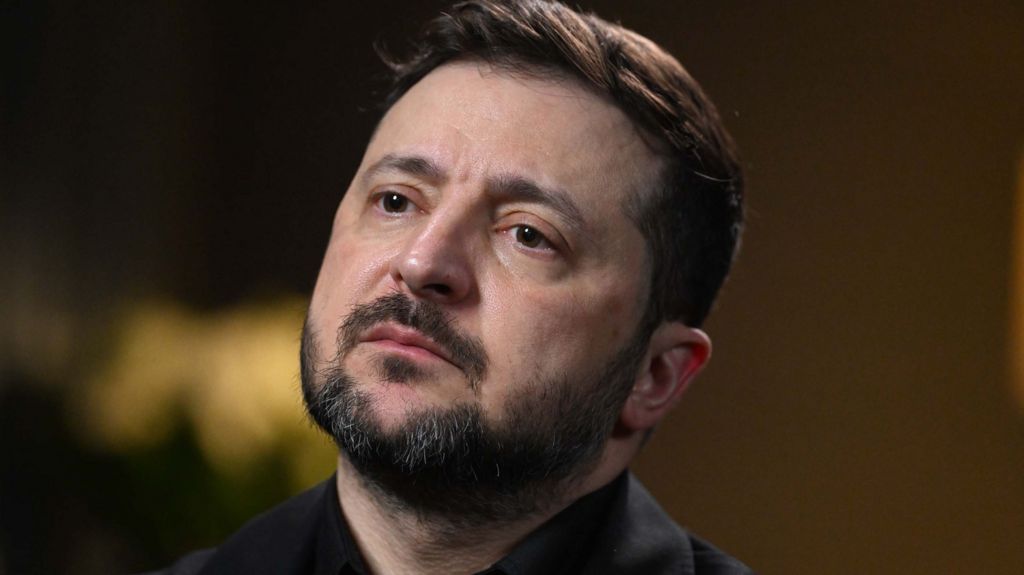
    Ukrainian President Volodymyr Zelensky has issued a diplomatic appeal for U.S. President Donald Trump and UK Prime Minister Sir Keir Starmer to convene and rebuild their strained relationship amid growing Western fragmentation. In an exclusive BBC interview following talks with Starmer in London, Zelensky emphasized the critical need for allied unity, stating he would “really like President Trump to meet with Starmer… so that they have a common position.”

    The urgency comes as tensions escalate between Washington and London following Trump’s repeated criticisms of Starmer’s leadership, including recent remarks dismissing the British leader as “no Winston Churchill.” These diplomatic frictions coincide with a broader Middle East conflict triggered by U.S.-Israeli strikes on Iran, which Zelensky warned is dangerously diverting attention and resources from Ukraine’s defense against Russia.

    Speaking to British parliamentarians in a packed Westminster committee room, Zelensky delivered a stark message: “The regimes in Russia and Iran are brothers in hatred and that is why they are brothers in weapons.” He expressed grave concerns about the Iran conflict’s impact on Ukraine’s war effort, revealing he had a “very bad feeling” about the constant postponement of peace negotiations due to Middle Eastern hostilities.

    Despite the tensions, Downing Street maintained that the U.S.-UK relationship remains “enduring,” with Starmer insisting Britain would not be drawn into a wider Middle East conflict. The Ukrainian president’s London visit marked another stop on his European tour seeking sustained support, having previously visited Paris with Madrid next on his itinerary.

    Zelensky also highlighted Ukraine’s unexpected role as a military innovation hub, suggesting Ukrainian-developed technology could have prevented the recent drone strike on RAF Akrotiri in Cyprus. He told British lawmakers that through necessity, Ukraine has become a pioneer in modern warfare techniques that could benefit allies.

    The gathering brought together key Western leaders including NATO Secretary-General Mark Rutte, Defense Secretary John Healey, and opposition party leaders, underscoring the continued importance of the Ukraine conflict amid competing global crises.

  • Leqaa Kordia, longest-detained pro-Palestine protester, freed from ICE custody

    Leqaa Kordia, longest-detained pro-Palestine protester, freed from ICE custody

    After enduring 365 days in immigration custody, Palestinian activist Leqaa Kordia secured her release from the Prairieland Detention Center in Texas on Monday, following the payment of an extraordinary $100,000 bond. The 33-year-old New Jersey resident walked free as the Trump administration unexpectedly declined to challenge a third consecutive release order from an immigration judge—a stark contrast to its previous appeals against her liberation.

    Kordia’s emotional departure from the facility was marked by her triumphant exclamation, ‘I’m free! Finally, after one year,’ as she emerged draped in a traditional Palestinian keffiyeh to greet awaiting supporters. Her release concludes the longest detention among all individuals arrested during last year’s pro-Palestine campus protests, highlighting what her legal representatives characterize as targeted persecution.

    The case reveals concerning dimensions of immigration enforcement under the current administration. Court documents from the separate case American Association of University Professors v. Rubio disclosed that federal authorities utilized the pro-Israel doxxing platform Canary Mission to identify students for immigration detention—a revelation that raises serious questions about ideological targeting.

    While the Department of Homeland Security maintains that Kordia lacked lawful immigration status due to an expired F-1 student visa terminated in January 2022 for ‘lack of attendance,’ her attorneys argue this technical violation was weaponized against her activism. Staff attorney Amal Thabateh of Clear explained that Kordia had received ‘faulty advice’ leading her to voluntarily terminate her student status while believing she was transitioning to lawful permanent residence through family petitions.

    Kordia’s detention was marked by significant health deterioration, including a recent hospitalization after fainting, hitting her head, and suffering a seizure—a completely new medical development—during which she remained shackled to her hospital bed. Her legal team also documented concerning weight loss and reported inedible food, unsanitary conditions, and lack of religious accommodations at the Texas facility.

    The activist’s case gained political prominence when New York City Mayor Zohran Mamdani raised her situation directly with President Trump during a recent meeting. Kordia, who arrived from the occupied West Bank in 2016 and has lost 200 extended family members in Gaza, now faces ongoing immigration proceedings despite her temporary release.

  • Senegal stripped of AFCON title, Morocco declared champions

    Senegal stripped of AFCON title, Morocco declared champions

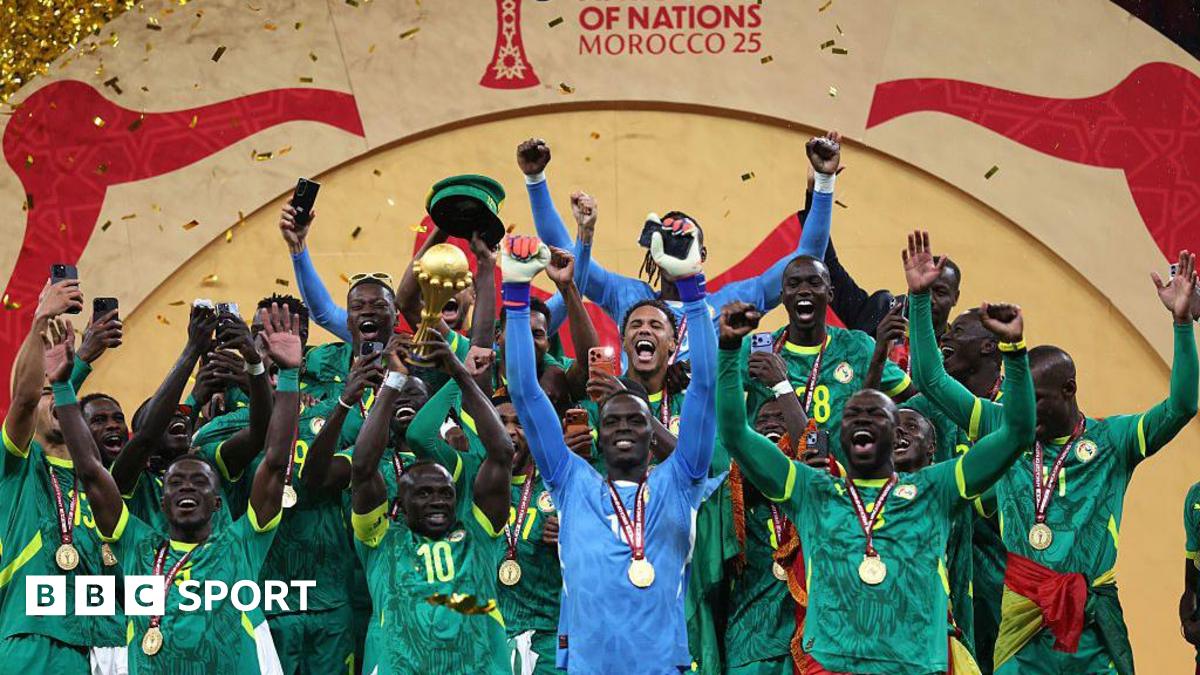
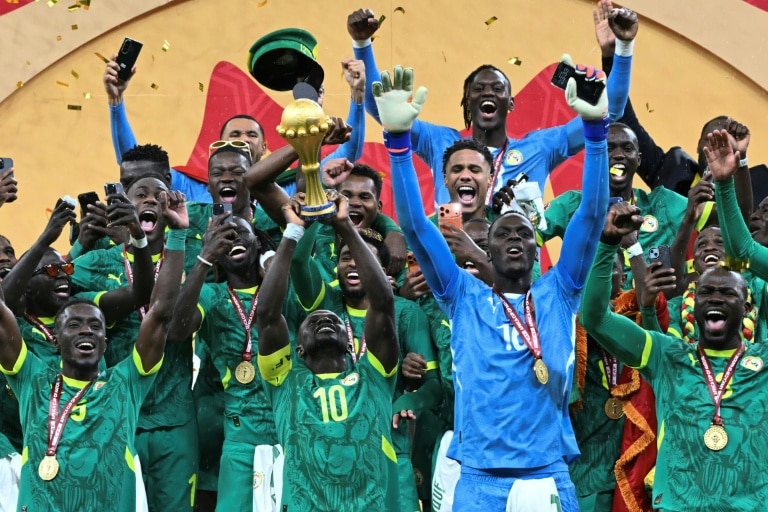
    In an unprecedented decision that has sent shockwaves through the football community, the Confederation of African Football (CAF) has officially stripped Senegal of their Africa Cup of Nations championship title and declared Morocco the tournament winners. This dramatic reversal comes after a formal appeal process regarding the controversial final match played on January 18th in Rabat.

    The governing body’s Appeals Committee reached its determination after applying Articles 82 and 84 of the AFCON Regulations, which mandate that any team refusing to continue play or abandoning the pitch before match conclusion shall be declared the loser. This ruling directly addresses the incident during which Senegalese players staged a 20-minute walk-off protest against a penalty decision awarded to Morocco during second-half stoppage time.

    The contentious moment occurred when Congolese referee Jean-Jacques Ndala, following VAR review, awarded a penalty to Morocco for a challenge on Brahim Diaz by El Hadji Malick Diouf. The decision sparked immediate protests from the Senegalese team and attempted pitch invasions by some supporters.

    Despite the dramatic circumstances that saw Moroccan striker Brahim Diaz miss the critical penalty shot saved by Senegal’s goalkeeper Edouard Mendy, and subsequent extra-time victory goal by Pape Gueye, the Appeals Committee has now overturned the sporting result. The match is officially recorded as a 3-0 victory for Morocco.

    The Royal Moroccan Football Federation issued a statement clarifying that their appeal sought regulatory compliance rather than questioning sporting merit, emphasizing their commitment to competition integrity and framework stability.

    This decision remains subject to potential appeal to the Court of Arbitration for Sport within a ten-day window. The controversy follows earlier disciplinary actions by CAF that imposed substantial fines on both national federations for unsportsmanlike conduct and fair play violations during the tournament finale.

  • US counterterror chief says in resignation letter Israel ‘deceived’ Trump into attacking Iran

    US counterterror chief says in resignation letter Israel ‘deceived’ Trump into attacking Iran

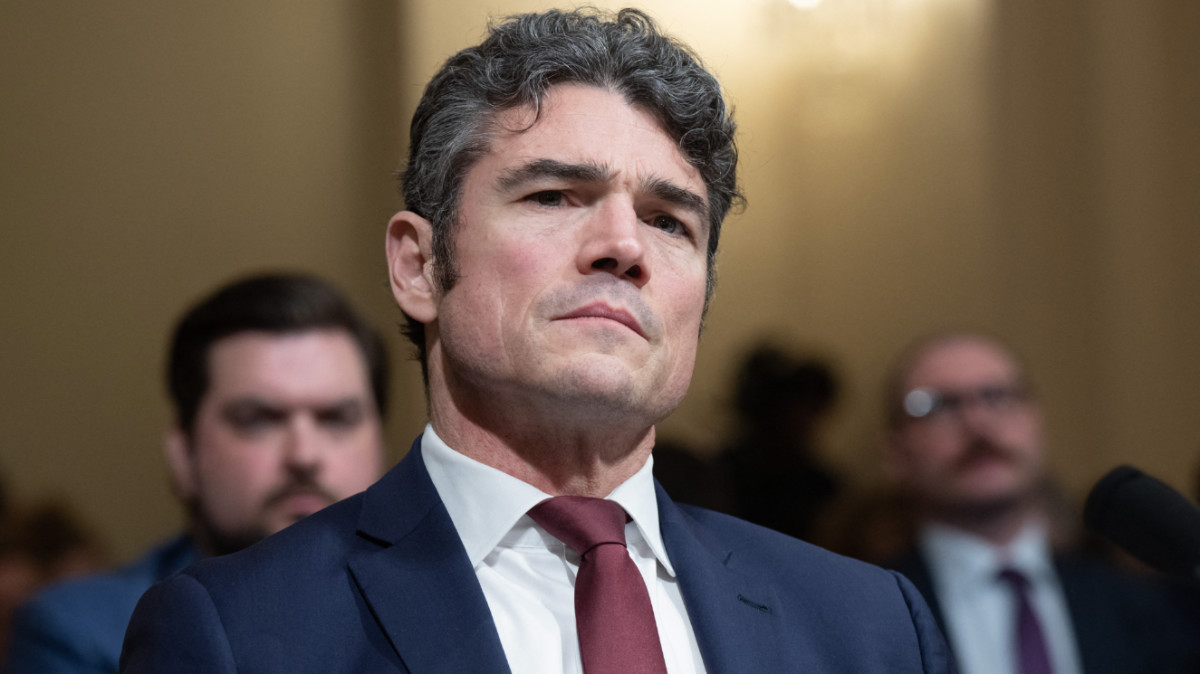
    In an unprecedented move that has sent shockwaves through Washington, Joseph Kent, Director of the National Counterterrorism Center, has resigned from his position, delivering a blistering condemnation of U.S. foreign policy toward Iran. The senior Trump administration official stepped down on Tuesday, publishing a resignation letter that directly accused Israel and pro-war advocates of orchestrating a campaign of deception that led America into an unnecessary conflict.

    Kent, who possessed top-level security clearance and oversaw all U.S. government intelligence on terrorist threats, asserted that Iran presented no imminent danger to American interests. “I cannot in good conscience support the ongoing war in Iran,” he wrote. “This conflict was initiated due to substantial pressure from Israel and its influential lobbying apparatus within the United States.”

    The resignation represents one of the most significant political departures in decades concerning foreign military engagement. Historically, no senior presidential administration official has publicly criticized Israel in a resignation letter until now. Kent specifically alleged that “high-ranking Israeli officials and influential members of the American media deployed a misinformation campaign” that undermined President Trump’s “America First” platform while cultivating pro-war sentiments.

    President Trump responded to the resignation from the Oval Office, stating that while he considered Kent “a nice guy,” he believed the intelligence official was “weak on security.” Trump vehemently disputed Kent’s assessment of Iran, declaring, “Iran was a tremendous threat—every country recognized what a threat Iran was.” The president added that individuals who didn’t perceive Iran as dangerous were “not smart people” or “not savvy people.”

    Kent’s background lends considerable weight to his criticisms. A former Army Ranger with eleven combat deployments following the September 11 attacks, he later served as a CIA paramilitary officer before entering politics as an ardent Trump supporter. His personal history adds a poignant dimension to his resignation: Kent is a Gold Star husband whose wife, Shannon, a Navy cryptologist, was killed in a 2019 bombing in Syria. He now claims that Israel bears responsibility for U.S. involvement in Syria as well.

    The resignation has garnered praise from prominent figures within Trump’s MAGA movement who have opposed the war effort. Shawn Ryan, a former Navy SEAL and podcaster who endorsed Trump in the 2024 election, applauded Kent’s decision on social media, stating, “Sometimes the most impactful statement you can make is a strong resignation.”

    Kent’s departure highlights deepening divisions within the administration regarding Middle East policy and raises serious questions about the intelligence that precipitated military action against Iran. His resignation letter stands as a remarkable indictment from within the highest echelons of American intelligence, challenging the official narrative surrounding the Iran conflict.

  • Bodo/Glimt’s fairytale run comes to crashing halt

    Bodo/Glimt’s fairytale run comes to crashing halt

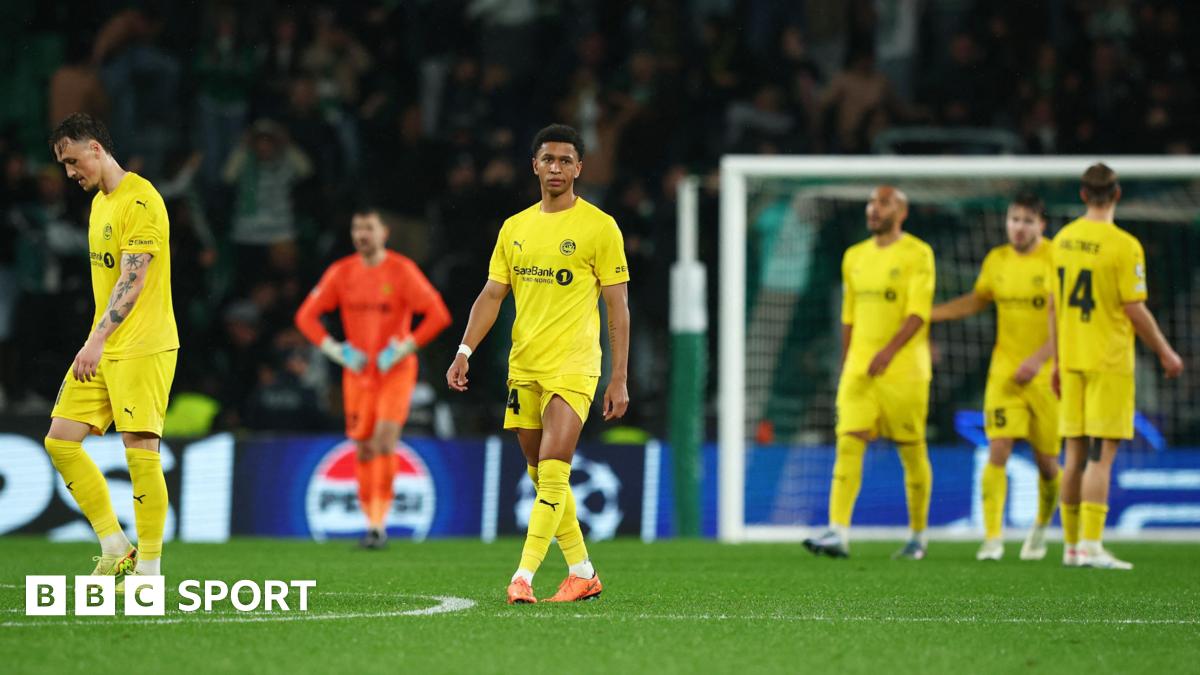
    In a stunning reversal of fortune, Norwegian champions Bodo/Glimt saw their remarkable UEFA Champions League campaign conclude despite establishing a commanding 3-0 advantage in their first leg encounter. The Arctic Circle outfit, competing in Europe’s premier club competition for the first time, witnessed their dreams of quarter-final qualification evaporate as Sporting CP engineered one of the tournament’s most spectacular comebacks with a 5-0 victory in Lisbon, progressing 5-3 on aggregate.

    The Norwegian minnows, hailing from a town positioned just north of the Arctic Circle where winter temperatures plunge well below freezing, had previously defied astronomical odds by eliminating both Manchester City and Atlético Madrid during the league phase before comprehensively defeating last season’s finalists Inter Milan across two legs in the knockout play-offs.

    Manager Kjetil Knutsen reflected on the emotional aftermath: “We became consumed by the occasion rather than focusing on our football. While Sporting played with fearless abandon, our players were burdened by the magnitude of the moment from the opening whistle.”

    Bodo/Glimt’s European journey has been characterized by their formidable home advantage at the 8,500-capacity Aspmyra Stadion, where artificial turf and extreme weather conditions have consistently troubled elite opponents. Their continental pedigree was previously demonstrated through a historic Europa League semi-final appearance against Tottenham last season and a legendary 6-1 demolition of José Mourinho’s Roma in the Conference League five years ago.

    Despite their elimination, the Norwegian champions depart the competition with significant financial rewards, securing approximately £40 million in prize money—nearly equivalent to the entire market valuation of their squad. Their achievement becomes even more remarkable when considering the economic disparities within the competition; Transfermarkt values Bodo/Glimt’s roster at €57 million, compared to Galatasaray’s €345 million as the next least valuable squad in the round of 16.

    The club’s campaign now enters the annals of Champions League folklore alongside other legendary underdog stories including APOEL’s 2012 quarter-final appearance, Málaga’s 2013 last-eight run, and Club Brugge’s knockout phase victory two seasons ago. What distinguishes Bodo/Glimt’s accomplishment is the microscopic size of their community and infrastructure compared to European football’s established giants.

  • The US-Israeli war on Iran is founded on two huge mistakes

    The US-Israeli war on Iran is founded on two huge mistakes

    A comprehensive analysis reveals that the joint US-Israel military offensive against Iran, initiated over two weeks ago, appears fundamentally flawed by critical strategic miscalculations. The operation, described by US officials as delivering unprecedented ‘death and destruction from the sky,’ stems from two primary misjudgments: America’s belief in potentially toppling Iran’s ruling establishment and Israel’s misinterpretation of Hezbollah’s retaliatory capabilities.

    Israeli Prime Minister Benjamin Netanyahu justified the offensive as necessary preventive action, stating: ‘Within a few months Iran’s industries of death would have become immune to any strike.’ Both US and Israeli leadership presented the operation as essential for neutralizing Iran’s ballistic missile programs and preventing nuclear escalation, with former President Trump claiming the attacks averted imminent nuclear conflict.

    However, evidence suggests the operation’s true objective centered on regime change—a goal that appears increasingly unattainable. Despite massive military bombardment, US intelligence assessments indicate the Iranian government shows no signs of imminent collapse. Contrary to expectations, Tehran has witnessed no significant anti-government demonstrations, successfully transitioned leadership following Ayatollah Khamenei’s death, and maintained functional command structures.

    Iran’s demonstrated capacity to retaliate—launching successful attacks against Gulf neighbors and Israeli targets while threatening the strategic Strait of Hormuz—has exposed additional miscalculations. The ongoing closure of the vital waterway has triggered what analysts describe as the most severe global energy crisis since the 1970s, directly challenging US regional hegemony.

    The situation further deteriorated with Hezbollah’s unexpected military resurgence. Despite Israeli assessments that the organization had been neutralized following leadership decapitation campaigns, Hezbollah has demonstrated sophisticated missile capabilities, striking critical infrastructure in central Israel and effectively paralyzing northern regions.

    This two-front confrontation—against both Iran and a resurgent Hezbollah—places unprecedented strain on Israeli military resources and domestic morale. As civilians seek shelter nationwide, public support for the war’s undefined objectives shows signs of erosion, mirroring the declining support witnessed during previous prolonged conflicts.

    The geopolitical ramifications extend beyond immediate military concerns. Failure to achieve regime change in Iran represents a potential collapse of US credibility in the region, potentially driving Gulf allies to reconsider American security guarantees. Meanwhile, Russia and China stand to gain strategic advantage from perceived Western failure, while Iran’s international stature grows as it withstands combined superpower military pressure.

    Historical parallels emerge with the 1956 Suez Crisis, where military victory translated into political defeat for intervening powers. Similarly, the current conflict may ultimately strengthen Iran’s regional position while weakening both Israeli and American influence, regardless of tactical military achievements.

  • Paraguay becomes final South American country to approve Mercosur-European Union trade deal

    Paraguay becomes final South American country to approve Mercosur-European Union trade deal

    SANTIAGO, Chile — In a landmark decision that concludes a quarter-century of negotiations, Paraguay has become the final founding member of the Mercosur trade bloc to ratify the comprehensive free trade agreement with the European Union. This ratification establishes one of the world’s most significant economic zones, encompassing over 700 million people and representing approximately 25% of global GDP.

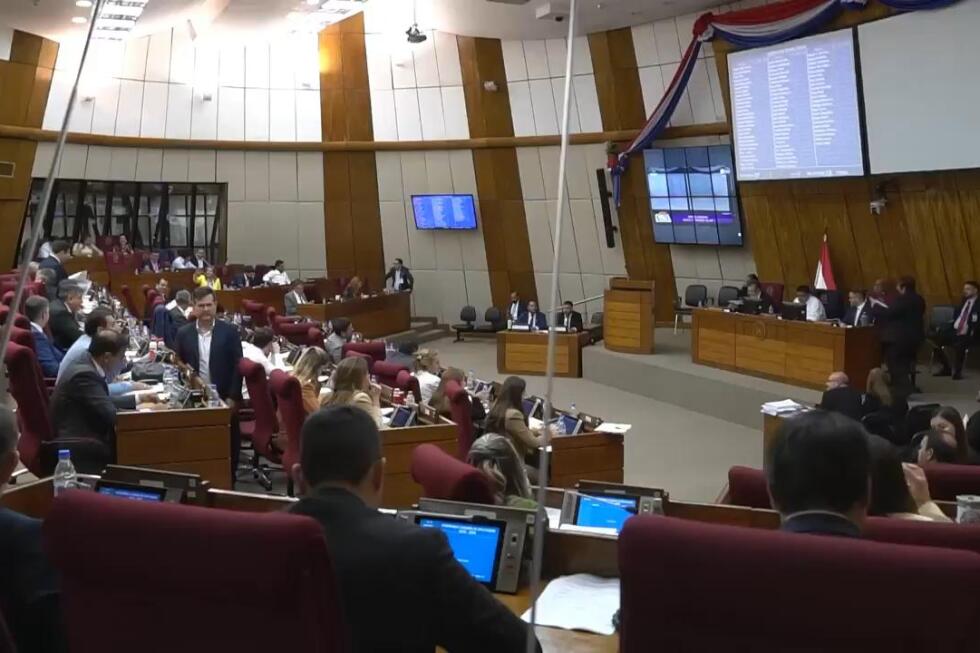
    The Paraguayan Chamber of Deputies unanimously approved the agreement with all 58 present legislators endorsing the deal, following the Senate’s approval nearly two weeks prior. The legislation now awaits President Santiago Peña’s signature to complete the national ratification process.

    This development marks the culmination of ratification by all Mercosur founding nations, with Uruguay and Argentina having approved the agreement in late February, followed by Brazil’s unanimous Senate ratification in early March. Bolivia, Mercosur’s newest member, did not participate in initial negotiations but will have the opportunity to join the agreement in subsequent years.

    During a marathon parliamentary session exceeding nine hours, legislators across party lines celebrated the achievement. Deputy Rodrigo Gamarra, presiding officer of the Mercosur Parliament, declared: “This constitutes a historic agreement for Paraguay, our region, and the global community. We are establishing what may become the world’s largest market.”

    The agreement represents a significant breakthrough after prolonged negotiations marked by periodic hesitations. Deputy Juanma Añazco characterized the pact as “the bridge to full integration,” while Deputy Alejandro Aguilera noted the historical significance of overcoming “years and years of negotiations and reluctance.”

    Opposition members likewise expressed support, with independent Deputy Raúl Benítez emphasizing that “where there is isolation, we respond with multilateralism.”

    On the European side, the European Commission has indicated it will provisionally implement the agreement while a legal challenge proceeds through the European Court of Justice. The pact faces opposition from France, left-wing political groups, and agricultural organizations concerned about potential destabilization of European farming sectors.

    European Commission President Ursula von der Leyen, alongside Brazilian President Luiz Inácio Lula da Silva, emerged as a principal architect of the agreement, which she described as “one of the most significant trade agreements of the first half of this century.” She further noted that “Mercosur embodies the spirit with which Europe operates on the global stage,” enhancing European strength and independence.

    The treaty emerges amid global political fragmentation and economic realignments, with several European nations confronting security challenges and strained transatlantic relations.

  • Top UK official judged Iran ‘posed no nuclear threat’ just before war began

    Top UK official judged Iran ‘posed no nuclear threat’ just before war began

    Previously undisclosed intelligence assessments reveal that British security officials found no evidence of an imminent Iranian nuclear threat or planned missile attacks against Europe immediately preceding the joint US-Israeli military offensive against Iran. According to Guardian reports, Jonathan Powell, Prime Minister’s National Security Adviser, participated in final diplomatic negotiations between the US and Iran in Geneva, which concluded just two days before hostilities commenced.

    Powell reportedly characterized Tehran’s concessions on its nuclear program as “surprising,” noting significant progress had been achieved during talks held at Oman’s ambassadorial residence in Cologny. A former official briefed on the discussions stated the UK delegation “were surprised by what the Iranians put on the table,” describing the proposal as incomplete but substantive enough to warrant continued negotiations scheduled for March 2nd.

    The revelations provide crucial context for Prime Minister Keir Starmer’s cautious approach to the conflict. Whitehall sources indicate the Starmer government considers the US-Israeli attack legally unjustified and contrary to British national interests. Despite this assessment, Britain has become partially involved by permitting US forces to utilize British military bases for bomber operations targeting Iranian missile installations.

    Diplomatic tensions with the United States emerged following Downing Street’s initial refusal to allow strikes originating from the joint UK-US base on Diego Garcia. The situation intensified when former President Trump threatened NATO with a “very bad” future if member states failed to assist in reopening the Strait of Hormuz, which Iran has effectively closed in response to military actions.

    Prime Minister Starmer emphasized working with allies to develop a “viable plan” to reopen the critical waterway while acknowledging the attack had “massively weakened” Iran’s military capabilities. He advocated for a “negotiated agreement” to address nuclear proliferation concerns and safeguard international shipping. Energy Secretary Ed Miliband confirmed considerations to deploy minesweeping drones rather than warships to Hormuz, utilizing technology that tricks mines into detonating safely.

  • Morocco awarded Afcon title after CAF overturns result

    Morocco awarded Afcon title after CAF overturns result

    In an unprecedented decision that has sent shockwaves through African football, the Confederation of African Football (CAF) has officially overturned the result of the 2025 Africa Cup of Nations final, declaring Morocco as champions instead of original winners Senegal.

    The controversial final, played on January 18, 2025, saw Senegal initially claim a 1-0 victory after extra time. The match descended into chaos during stoppage time when Senegalese players staged a walk-off protest following the award of a penalty to Morocco with the score at 0-0. After approximately 17 minutes of delay, play resumed with Moroccan forward Brahim Diaz seeing his spot-kick saved before Senegal’s Pape Gueye scored the decisive goal in extra time.

    CAF’s disciplinary committee ruled that Senegal’s actions constituted a violation of Article 82 of the tournament regulations, which mandates that any team refusing to play or leaving the field without official authorization shall be considered the loser. The governing body further invoked Article 84, which stipulates a 3-0 forfeit for such violations.

    The decision comes after a formal appeal from the Royal Moroccan Football Federation (FRMF), which CAF deemed admissible. The ruling effectively strips Senegal of what would have been their second AFCON title following their 2021 triumph and awards Morocco their third continental championship.

    This landmark verdict represents one of the most significant disciplinary actions in the history of African football, setting a firm precedent regarding player conduct and tournament regulations. The outcome has sparked intense debate across the football community regarding the balance between competitive spirit and regulatory compliance in high-stakes matches.

  • Peru’s prime minister resigns ahead of congressional confirmation vote

    Peru’s prime minister resigns ahead of congressional confirmation vote

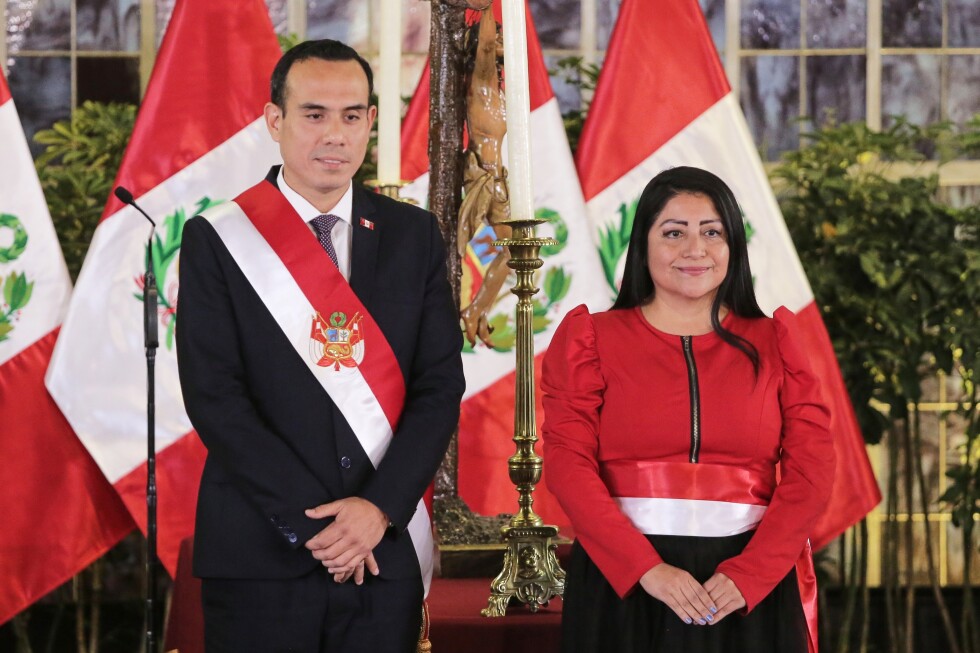
    LIMA, Peru — Peru’s political landscape witnessed another significant shift as Prime Minister Denisse Miralles abruptly resigned on Tuesday, just before facing a mandatory confirmation vote in the nation’s Congress. The resignation comes amid ongoing governmental instability that has characterized Peruvian politics in recent years.

    Miralles, who previously served as economy minister, had been appointed to the prime ministerial position in late February following the removal of Interim President José Jerí due to corruption allegations. Her appointment coincided with the ascension of congressman Jose María Balcázar to the interim presidency.

    Unlike executive leaders in other systems, Peru’s prime minister primarily coordinates government policy implementation rather than directing the executive branch, which remains under presidential authority. Despite this technical distinction, the position requires congressional confirmation—a hurdle Miralles determined she could not overcome.

    Although the former minister did not explicitly state her reasons for stepping down, she confided to journalists that she lacked confidence in securing the necessary majority support from legislators. Her concerns appear validated by recent scrutiny from the Fiscal Council, an independent public finance monitoring body. The council highlighted that Miralles’ ministry had permitted 26 congressional laws to pass without opposition, resulting in substantially increased government expenditures.

    This political development occurs against the backdrop of Peru’s upcoming presidential elections scheduled for April 12, featuring more than two dozen candidates. If no contender achieves over 50% of votes, a runoff between the top two candidates will follow in June.

    Peru has experienced remarkable political volatility with eight different presidents occupying office over the past decade, many removed through congressional actions following corruption allegations. Paradoxically, despite this governmental instability, the country has maintained economic stability through orthodox fiscal policies, restrained public spending, and continued foreign investment in sectors like mining and infrastructure.