作者: admin

  • ‘Dodgy burger’ rules Santner out against Canada as New Zealand targets T20 World Cup Super 8s

    ‘Dodgy burger’ rules Santner out against Canada as New Zealand targets T20 World Cup Super 8s

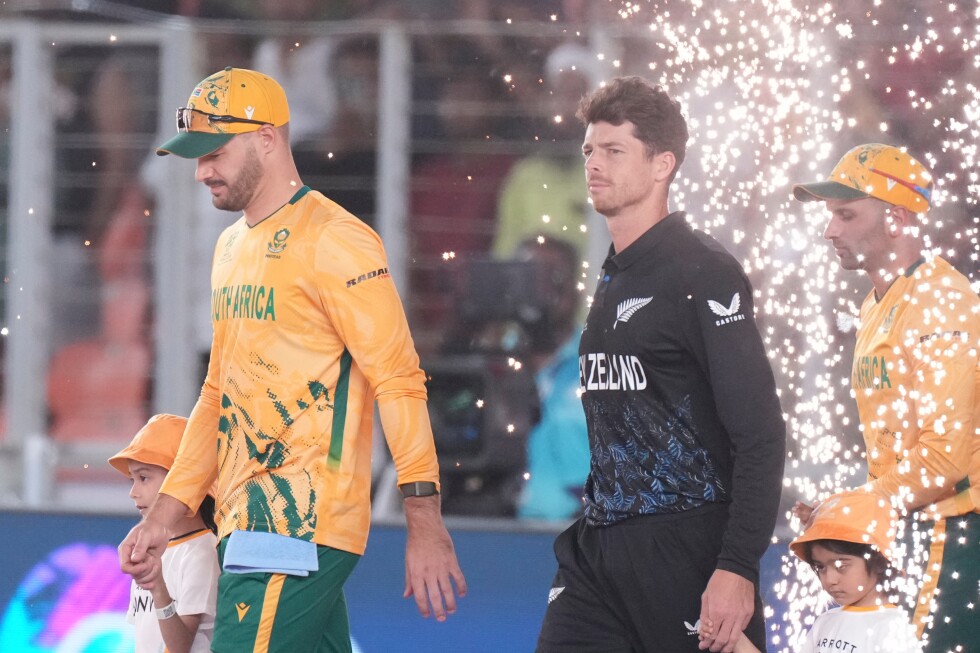
    CHENNAI, India — In a crucial Group D encounter at the T20 World Cup, New Zealand is positioned to secure advancement to the Super 8s stage with a victory over Canada on Tuesday. The match commenced after Canada won the toss and opted to bat first.

    New Zealand’s lineup experienced significant last-minute alterations due to unforeseen circumstances. Regular captain Mitchell Santner was ruled out after falling ill, with stand-in skipper Daryl Mitchell attributing the absence to Santner having “a dodgy burger last night.” Cole McConchie was named as his direct replacement in the playing eleven.

    The Kiwis were compelled to make a second change, with pace bowler Kyle Jamieson stepping in for Lockie Ferguson, who returned to New Zealand for the birth of his first child. Ferguson is expected to rejoin the squad should New Zealand progress to the Super 8s phase.

    Having commenced their campaign with victories against Afghanistan and the United Arab Emirates before suffering a defeat to South Africa, New Zealand requires this third group stage win to confirm their place in the next round alongside already-qualified teams including South Africa, England, West Indies, India, and Sri Lanka.

    Conversely, Canada faces elimination from the tournament following previous losses to the United Arab Emirates and South Africa. This match marks the first-ever T20 international meeting between the two nations, though New Zealand holds a perfect record in their three prior ODI encounters.

    The day’s cricketing action also features critical matches with significant tournament implications. Zimbabwe’s clash with Ireland could potentially result in the shocking early elimination of the 2021 champion Australia, which would mark their first first-round exit since 2009. Additionally, Nepal concludes its World Cup campaign against Scotland after losing all three of its group stage fixtures.

    Lineups:
    Canada: Yuvraj Samra, Dilpreet Bajwa (captain), Navneet Dhaliwal, Harsh Thaker, Nicholas Kirton, Shreyas Movva, Saad Bin Zafar, Shivam Sharma, Dilon Heyliger, Jaskaran Singh, Ansh Patel.
    New Zealand: Tim Seifert, Finn Allen, Rachin Ravindra, Glenn Phillips, Mark Chapman, Daryl Mitchell (captain), Cole McConchie, James Neesham, Kyle Jamieson, Matt Henry, Jacob Duffy.
  • Malaysia and Japan plan major cross-border carbon capture project, despite climate benefit doubts

    Malaysia and Japan plan major cross-border carbon capture project, despite climate benefit doubts

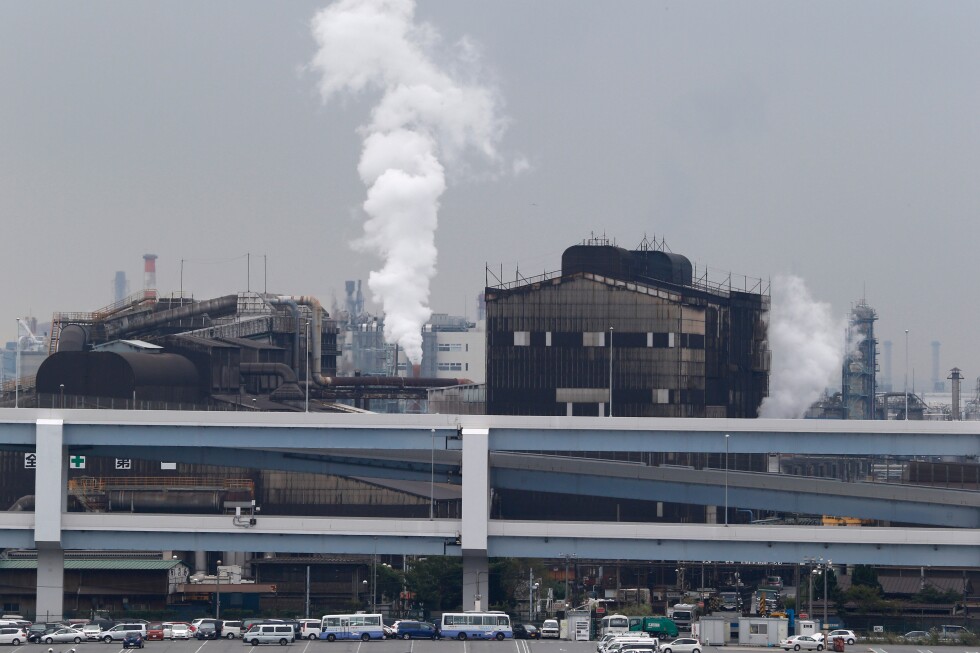
    In a groundbreaking initiative for Southeast Asia, Japan is preparing to export its carbon emissions to Malaysia through carbon capture and storage (CCS) technology. This controversial partnership represents both a technological ambition and an ethical dilemma in the global climate action landscape.

    Malaysia is actively positioning itself as Southeast Asia’s premier CCS hub, having passed legislation last year to promote the industry. The national oil company Petronas is constructing what will become the world’s largest offshore carbon storage facility at a cost of $1.1 billion, scheduled for operation by 2030. The Malaysian Ministry of Economy projects this fledgling sector could contribute up to $250 billion to the national economy within three decades.

    Japan, ranking among the world’s top five carbon emitters with fossil fuels dominating its energy mix, plans to transport emissions from its most polluting industries—including power generation, oil refining, cement production, shipping, and steel manufacturing—to Malaysian storage sites. The captured carbon dioxide will be liquefied and shipped in specially designed vessels to depleted gas fields off the coast of Sarawak on Borneo island, where it will be injected deep underground with ongoing monitoring for potential leaks.

    While the International Energy Agency acknowledges CCS as a potential tool for emissions reduction, their projections indicate it would contribute less than 5% of necessary emission cuts by 2050 under net-zero scenarios. Critics including environmental organizations and energy analysts argue the technology serves as an expensive distraction from proven decarbonization methods like renewable energy transition. They characterize the export arrangement as ‘carbon colonialism’ that allows Japan to continue polluting while making Malaysia a ‘dumping ground’ for industrial emissions.

    The project reflects a growing global interest in CCS technology, with similar initiatives underway including the European Union’s first offshore carbon storage facility scheduled to begin operations by mid-2026 and Norway’s cross-border carbon shipment program launched last year. Despite this momentum, financial analysts note an ‘almost fantastical theoretical uptick’ in CCS interest that may not deliver practical results commensurate with investment.

  • Billy Steinberg, Madonna’s Like a Virgin songwriter, dies at 75

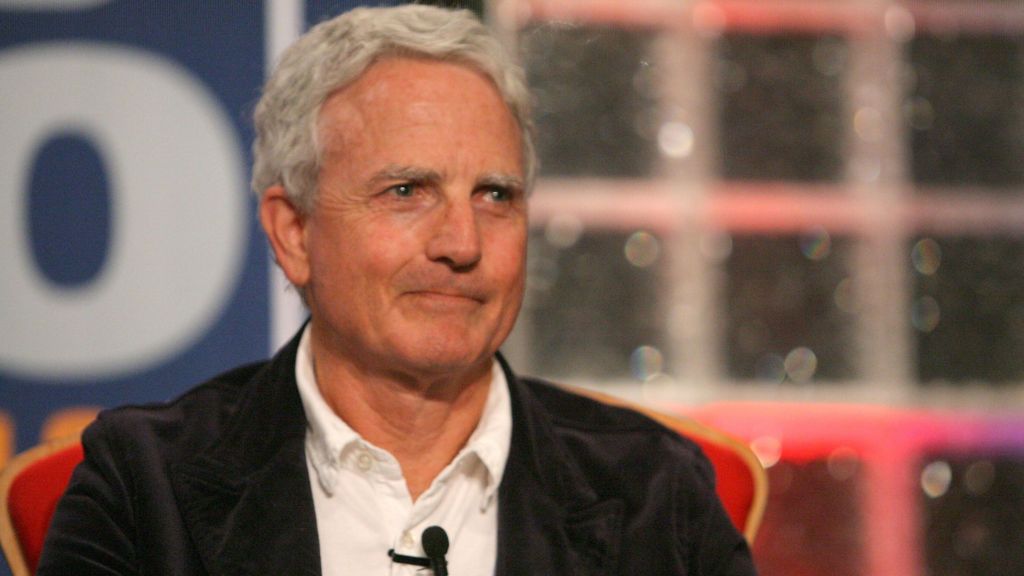
    Billy Steinberg, Madonna’s Like a Virgin songwriter, dies at 75

    The music industry mourns the loss of Billy Steinberg, the Grammy-winning lyricist whose profound impact on popular music spanned four decades, as he passed away at 75 following a battle with cancer. His legal representative confirmed his peaceful departure in Los Angeles.

    Steinberg’s extraordinary career was defined by crafting deeply personal reflections into universal anthems that resonated across generations. His family memorialized him as both a “visionary lyricist” and a devoted family man, emphasizing that his artistic legacy transcends commercial success, representing genuine human connection through music.

    The songwriter’s breakthrough collaboration with Tom Kelly produced Madonna’s revolutionary 1984 hit “Like a Virgin,” which dominated the Billboard Hot 100 and became the defining track of her seminal album. This partnership yielded an remarkable series of chart-toppers including Cyndi Lauper’s emotionally potent “True Colors” (1986), Whitney Houston’s powerful “So Emotional” (1987), and the Divinyls’ provocative “I Touch Myself” (1990).

    Steinberg’s artistic evolution continued into the new millennium with contemporary hits such as JoJo’s poignant “Too Little Too Late” and Demi Lovato’s empowering “Give Your Heart a Break,” demonstrating his exceptional adaptability across changing musical landscapes.

    Honored with induction into the Songwriters Hall of Fame in 2011, Steinberg was celebrated for creating “enduring classics” that maintained cultural relevance. His Grammy recognition came for contributions to Celine Dion’s monumental 1996 album “Falling Into You.

    Beyond the accolades, Steinberg’s family highlighted his fundamental belief in music’s transformative power—the extraordinary phenomenon of hearing stadium crowds collectively voice lyrics that originated in his private notebooks. He is survived by his wife Trina, two sons, and two stepchildren, leaving behind a musical legacy that continues to inspire both artists and audiences worldwide.

  • Saudi Arabia-Turkey Kaan jet talks irk a Trump administration bent on arms export dominance

    Saudi Arabia-Turkey Kaan jet talks irk a Trump administration bent on arms export dominance

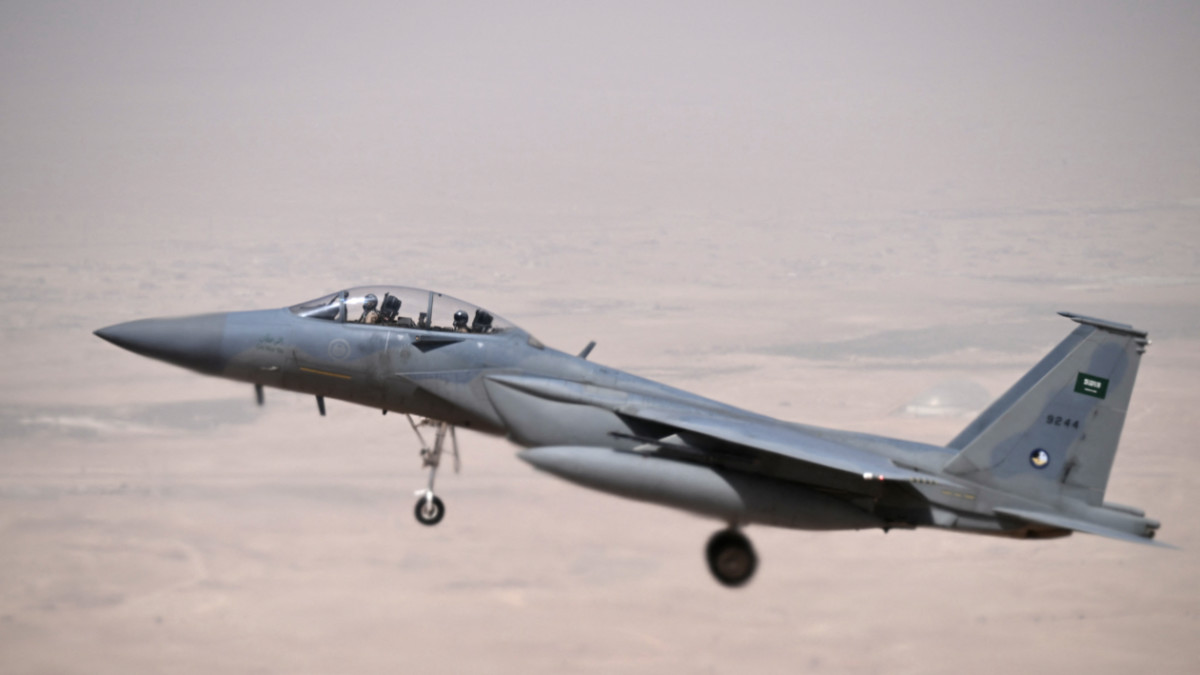
    Saudi Arabia’s strategic pivot towards diversifying its defense procurement partners is generating significant friction within the Trump administration, according to current and former U.S. officials. The kingdom’s exploration of weapons agreements with nations including Turkey and Pakistan threatens to diminish America’s dominant share in the lucrative Saudi arms market, challenging Washington’s traditional monopoly.

    The relationship appeared strengthened during Crown Prince Mohammed bin Salman’s November visit to the White House, where President Trump proudly announced Saudi Arabia’s commitment to purchase advanced F-35 fighter jets alongside a major strategic defense agreement. However, recent developments have revealed underlying tensions as U.S. officials seek clarification regarding Riyadh’s parallel negotiations with other regional powers.

    Following diplomatic pressure from Washington, Saudi authorities provided assurances they would not proceed with acquiring Pakistan’s JF-17 fighter aircraft, despite earlier considerations to convert substantial loans to Islamabad into weapons procurement. Notably absent were similar guarantees regarding potential Saudi participation in Turkey’s next-generation Kaan fighter program, creating ongoing concern among American defense officials.

    Defense analysts question the strategic rationale behind Saudi interest in the Turkish warplane, given the kingdom’s existing inventory of superior F-15s, Eurofighter Typhoons, and the anticipated F-35 acquisition. The administration’s perspective, however, focuses less on military capability and more on economic implications—viewing Saudi diversification as funds that could otherwise be directed toward additional American defense purchases.

    The emerging conflict illustrates how Trump’s transaction-based diplomacy, rooted in zero-sum economic principles, encounters challenges in an increasingly multipolar Middle East. Saudi officials maintain their interest in the TAI Kaan project reflects a desire for expanded options rather than replacement of American partnerships, though U.S. officials perceive these moves as potential indicators of diminishing influence.

    Complicating matters further is Israel’s traditional veto power over advanced U.S. weapons sales to Arab nations through its Qualitative Military Edge (QME) protection. Despite Trump’s public承诺 to provide Saudi Arabia with aircraft comparable to Israel’s F-35s, Netanyahu subsequently claimed Secretary of State Marco Rubio guaranteed Saudi would receive inferior versions.

    Beyond bargaining tactics, Saudi Arabia’s engagement with Turkey reflects broader geopolitical realignments. Riyadh’s Vision 2030 initiative mandates that 50% of defense spending target locally produced items, an area where Turkish offers of co-production and technology transfer outpace American willingness. Simultaneously, Saudi Arabia is cultivating relationships with Pakistan, Turkey, Qatar, and Egypt while distancing itself from the UAE-Israel axis, potentially using arms purchases to strengthen this emerging bloc.

    Experts suggest the F-35 deal remains vulnerable to Israeli opposition in Washington, reminiscent of the failed Emirati acquisition. While Saudi Arabia would likely accept even a downgraded version of the advanced fighter, the current negotiations with alternative suppliers provide crucial leverage and insurance against potential disappointment in the U.S. procurement process.

  • Iran says it temporarily closed the Strait of Hormuz as it held more indirect talks with US

    Iran says it temporarily closed the Strait of Hormuz as it held more indirect talks with US

    In a significant military demonstration coinciding with high-stakes diplomatic engagements, Iran announced the temporary closure of the Strait of Hormuz on Tuesday for live-fire exercises. This strategic waterway, through which approximately 20% of global oil shipments transit, became the stage for Iranian missile tests as nuclear negotiations with the United States continued indirectly in Geneva.

    The closure marks Tehran’s first such action since increased U.S. military presence began accumulating in the region, raising concerns about potential escalation in Middle Eastern tensions. While Iranian state media cited “safety and maritime concerns” as justification for the several-hour closure, the timing appears strategically linked to the ongoing nuclear discussions.

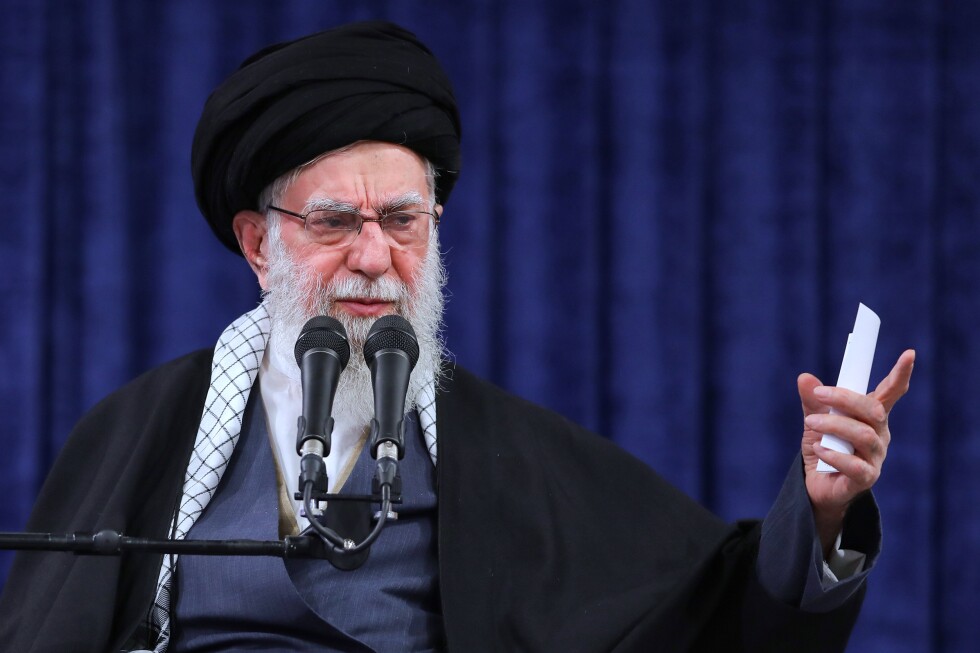
    Supreme Leader Ayatollah Ali Khamenei delivered characteristically stern warnings during the exercises, stating that “the strongest army in the world might sometimes receive such a slap that it cannot get back on its feet.” This rhetoric contrasted sharply with the more conciliatory tone adopted by Iranian Foreign Minister Abbas Araghchi, who expressed optimism about the negotiations, noting that “a new window has opened” for potential agreement.

    The talks, mediated by Oman and hosted at the Omani envoy’s residence in Geneva, involved U.S. representatives Steve Witkoff and Jared Kushner meeting separately with Iranian officials through intermediaries. President Donald Trump indicated his indirect involvement, commenting to reporters aboard Air Force One that he believed Iran “want[s] to make a deal” and wished to avoid “the consequences of not making a deal.”

    Meanwhile, Iran’s Revolutionary Guard conducted its second live-fire drill in recent weeks, launching missiles toward the Strait from coastal positions. This military posturing occurs alongside increased U.S. naval presence, including the deployment of the USS Gerald R. Ford aircraft carrier group to join the USS Abraham Lincoln already stationed in the region.

    The negotiations aim to establish constraints on Iran’s nuclear program, which Tehran maintains is for peaceful purposes despite enriching uranium to 60% purity—technologically proximate to weapons-grade levels. The discussions represent the first serious engagement since previous talks were disrupted by regional conflicts involving Israeli military actions against Iranian nuclear infrastructure.

    Oman’s Foreign Minister Badr Albusaidi reported “good progress towards identifying common goals and relevant technical issues,” suggesting potential diplomatic advancement despite the concurrent military demonstrations.

  • New Orleans celebrates Mardi Gras, the indulgent conclusion of Carnival season

    New Orleans celebrates Mardi Gras, the indulgent conclusion of Carnival season

    NEW ORLEANS, La. – The vibrant streets of New Orleans transformed into a spectacular panorama of cultural celebration Tuesday as the city reached the climax of its legendary Mardi Gras festivities. This annual extravaganza, known internationally as Fat Tuesday, represents the grand finale of the extended Carnival season—a final opportunity for indulgence and revelry before the solemn commencement of the Christian Lenten period.

    The city’s world-renowned celebrations featured two iconic parades that captured the unique spirit of New Orleans. The Zulu Social Aide & Pleasure Club parade showcased participants adorned in African-inspired regalia, distributing cherished ‘throws’ including plastic beads, doubloons, and the highly coveted hand-decorated coconuts that revelers eagerly anticipate each year.

    Later in the day, the Rex, King of Carnival parade processed along the picturesque St. Charles Avenue, where majestic oak trees draped in Spanish moss and accumulated beads provided a stunning backdrop for the magnificent floats and elaborate costumes. The Carnival celebrations highlighted extraordinary artistic craftsmanship, particularly evident in the beaded and bejeweled outfits of the Black masking Indians, whose feathered headdresses reached spectacular heights.

    Beyond the urban celebrations, Louisiana’s Mardi Gras traditions extended to rural communities, where the Cajun French tradition of Courir de Mardi Gras (Fat Tuesday Run) continued in central regions. This distinctive celebration features costumed participants performing traditional rituals, gathering ingredients, and chasing chickens for communal gumbo preparations.

    The Gulf Coast region joined in the festivities with parallel celebrations in Mobile, Alabama and Pensacola, Florida, while internationally, Brazil and Europe hosted their own world-famous Carnival events, demonstrating the global reach of this pre-Lenten tradition.

  • Shares fall in Japan, while most of Asia’s markets are shut for the Lunar New Year holiday

    Shares fall in Japan, while most of Asia’s markets are shut for the Lunar New Year holiday

    Tokyo’s financial markets experienced a notable downturn on Tuesday, with the benchmark Nikkei 225 index declining approximately 1% to settle at 56,237.65 by midday. This pullback occurred against a backdrop of limited regional trading activity, as numerous Asian markets remained closed in observance of Lunar New Year celebrations.

    The market retreat appears driven by multiple factors, including profit-taking activities following the Nikkei’s recent record-breaking performance. Investor sentiment was further dampened by disappointing economic indicators released Monday and a substantial 6.2% decline in shares of technology conglomerate SoftBank Group, which exerted significant downward pressure on the overall index.

    This market correction follows a substantial rally triggered by Prime Minister Sanae Takaichi’s decisive electoral victory on February 8. However, recent polling data indicates diminishing public enthusiasm for the administration’s economic revitalization strategy, which centers on increased government expenditure and tax reduction measures.

    Meanwhile, Australia’s S&P/ASX 200 demonstrated modest growth, advancing 0.3% to reach 8,964.10. Conversely, India’s Sensex experienced a slight 0.1% decrease, while Thailand’s SET index registered a marginal decline of less than 0.2%.

    Commodity markets presented a mixed landscape, with benchmark U.S. crude oil gaining 65 cents to $63.54 per barrel, while Brent crude, the international standard, declined 29 cents to $68.36. Precious metals faced substantial selling pressure, with gold prices falling 1.4% and silver experiencing a more pronounced 3.4% decrease. Cryptocurrency markets also saw declines, with Bitcoin dropping 0.6% to approximately $68,500.

    Currency markets witnessed the U.S. dollar weakening slightly against the Japanese yen, trading at 153.17 yen compared to 153.51 yen previously. The euro also softened against the dollar, declining to $1.1841 from $1.1852.

    This market activity follows mixed European trading on Monday and a closure of U.S. markets for the Presidents Day holiday, with American exchanges scheduled to resume operations on Tuesday.

  • UAE in pole position as global wealth migration surges

    UAE in pole position as global wealth migration surges

    A significant structural shift in global wealth distribution is underway as high-net-worth individuals increasingly seek jurisdictions offering fiscal predictability and political stability. According to fresh data from financial advisory firm deVere Group, approximately 35% of affluent investors are actively considering relocation to lower-tax, policy-stable environments, signaling a fundamental transformation in international wealth management strategies.

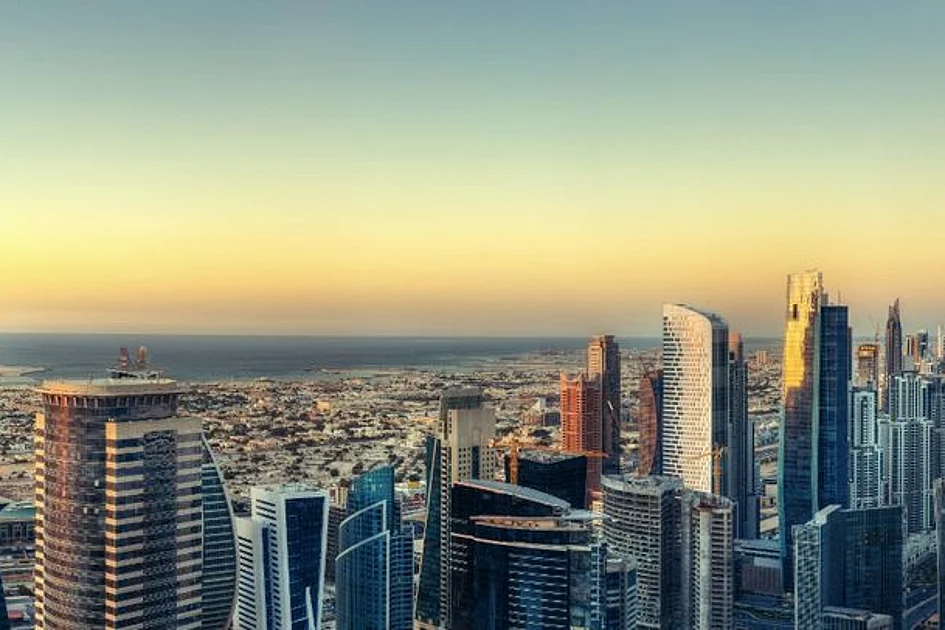
    The United Arab Emirates has positioned itself as the primary beneficiary of this capital migration trend, attracting entrepreneurs, investors, and ultra-high-net-worth families through its zero personal income tax regime, robust legal framework, and world-class infrastructure. The country’s Golden Visa program and long-term residency options have further enhanced its appeal as a secure base for internationally mobile capital.

    Industry analysts confirm the acceleration of what has been termed the ‘Great Wealth Migration,’ with defensive wealth preservation strategies now driving relocation decisions rather than purely expansion-oriented motives. Nigel Green, CEO of deVere Group, emphasizes that wealthy individuals are systematically reassessing their geographic bases in response to tax changes, geopolitical tensions, and policy unpredictability in traditional wealth centers.

    Property markets in Dubai and Abu Dhabi have played a crucial role in attracting global capital, with luxury real estate transactions reaching record levels over the past three years. Knight Frank’s research indicates that Dubai has firmly established itself as a leading destination for private capital and family offices, offering a unique combination of tax efficiency, regulatory transparency, and lifestyle advantages.

    Henley & Partners’ Private Wealth Migration Report consistently ranks the UAE as the world’s leading destination for millionaire inflows, a trend expected to continue through 2026. The country’s strategic location between East and West, coupled with its status as a global aviation and financial hub, provides unparalleled connectivity for internationally mobile families and businesses.

    Wealth managers note that clustering around policy-stable jurisdictions is becoming more pronounced, with the UAE standing out for its regulatory clarity and consistency. Full foreign ownership provisions, streamlined business setup processes, and sophisticated financial services infrastructure are encouraging entrepreneurs to shift both personal and corporate bases to the country.

    As geopolitical and fiscal uncertainties persist across traditional wealth centers, the UAE’s rise as a global magnet for capital and talent is projected to accelerate further, reshaping the landscape of international wealth management for years to come.

  • Huawei advances early diabetes risk detection with smartwatch technology

    Huawei advances early diabetes risk detection with smartwatch technology

    In a strategic move addressing global healthcare challenges, Huawei has launched a novel diabetes risk assessment feature utilizing photoplethysmography (PPG) technology in its smartwatches. This innovation emerges against the backdrop of escalating diabetes prevalence, particularly acute in the Middle East where the International Diabetes Federation projects a 92% increase in cases by 2050.

    The technology leverages advanced optical sensors to analyze blood-flow patterns through the skin, capturing cardiovascular signals that correlate with metabolic health indicators. Users wearing compatible devices for 3-14 days receive risk stratification (low, medium, or high) based on algorithmic analysis of PPG waveforms, which reflect vascular changes associated with diabetes pathophysiology.

    Huawei emphasizes the tool’s preclinical positioning—it serves as a risk-awareness mechanism rather than a diagnostic medical device. The company has structured the feature around four pillars: awareness promotion, accessibility (offered free of charge), civilian application exclusivity, and safety assurance without contraindications.

    Clinical validation comes through collaborations with experts like Professor Jiguang Wang of the Shanghai Institute of Hypertension, who endorsed PPG-based risk assessment at the World Health Expo Dubai 2026. Huawei’s Health Labs in China and Finland provide research support across cardiovascular health and exercise physiology domains.

    The deployment strategy marks a departure from previous market approaches, with synchronized global launches prioritizing regions like the UAE where diabetes affects 20.7% of adults. This aligns with national health priorities focusing on preventive care and digital health transformation. Future expansions may include glucose monitoring and women’s health features, developed through partnerships with local medical institutions to ensure regulatory compliance and regional relevance.

    Currently available on HUAWEI WATCH GT 6 Pro models via software update, the technology represents a significant step toward scalable, non-invasive health monitoring that could potentially reduce long-term healthcare burdens through early intervention.

  • FBI won’t co-operate on Alex Pretti investigation, state officials say

    FBI won’t co-operate on Alex Pretti investigation, state officials say

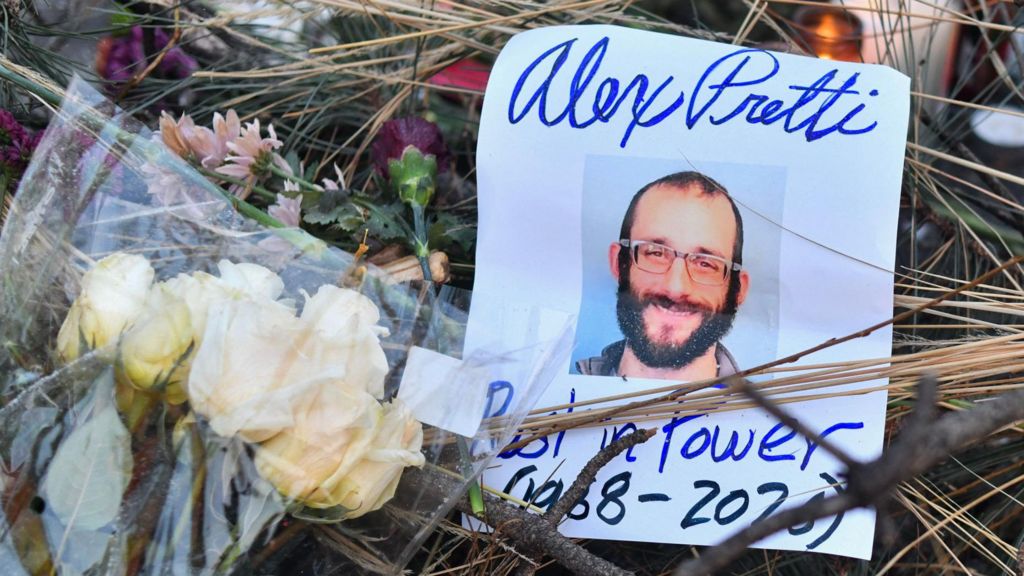
    Minnesota law enforcement officials have publicly denounced the Federal Bureau of Investigation for refusing to cooperate with the state’s probe into the deadly shooting of intensive care nurse Alex Pretti. The 37-year-old medical professional was fatally shot by federal agents during an immigration enforcement protest in Minneapolis on January 24.

    The state’s Bureau of Criminal Apprehension (BCA) reported that the FBI has declined to share any evidence or information from its parallel investigation into the incident. BCA Superintendent Drew Evans characterized the federal agency’s stance as “concerning and unprecedented” in its lack of transparency.

    Minnesota authorities have formally proposed a joint investigation to ensure comprehensive oversight, emphasizing their commitment to “thorough, independent and transparent investigations” despite facing significant obstacles due to the FBI’s withholding of crucial evidence. The victim’s family has echoed this request through their legal representatives, stating that “justice and accountability requires a thorough and impartial investigation to establish the facts.”

    This confrontation emerges against the backdrop of Operation Metro Surge, an immigration crackdown initiated by the Trump administration that has sparked widespread demonstrations across Minnesota. The operation resulted in over 4,000 arrests of undocumented immigrants, including individuals convicted of serious sexual offenses, according to White House border advisor Tom Homan.

    The political dimension has intensified with Minnesota’s Democratic Governor Tim Walz condemning the federal operation for inflicting “deep damage, generational trauma… and many unanswered questions” upon the state. Meanwhile, the Department of Justice has launched a separate civil rights investigation into Pretti’s death.

    The BCA is concurrently investigating two additional shooting incidents involving federal immigration agents—the fatal shooting of Renee Good on January 7 and the injury of a Venezuelan national following a vehicle pursuit one week later. The agency notes that cooperation regarding these cases remains equally uncertain.