作者: admin

  • Fake funeral suspects allegedly used hearse to smuggle charcoal in Malawi

    Fake funeral suspects allegedly used hearse to smuggle charcoal in Malawi

    Malawian authorities are investigating an elaborate charcoal smuggling operation after nine suspects escaped police custody following their arrest in a highly unusual trafficking case. The incident unfolded when forestry officials, acting on intelligence, intercepted a hearse at a roadblock near Blantyre that was purportedly part of a funeral procession.

    Upon inspection, officials discovered an empty coffin strategically placed over multiple bags of illegally sourced charcoal with an estimated market value of $1,700. The discovery revealed what forestry official William Mitembe described to local media as “the most complex illegal charcoal trafficking case in the country’s history.”

    The case took a curious turn when Patrick Dimba, manager of the involved funeral service, provided an alternative account to the BBC. According to Dimba, their driver was returning from a bereavement visit where he had transported two coffins for family selection. The empty coffin remained after the family made their choice, and the driver allegedly purchased 11 bags of charcoal during his return journey without other passengers present.

    Police reports contradict this narrative, indicating that approximately 30 bags of charcoal were concealed beneath the coffin during the interception in Chikwawa district, approximately 40 kilometers south of Blantyre. The suspects were briefly detained but subsequently escaped custody, abandoning the impounded vehicle.

    Hector Nkawihe, another forestry official, confirmed to Reuters that the individuals face charges of illegal possession and transportation of forestry products. If convicted, penalties include up to five years imprisonment or substantial fines.

    This incident highlights Malawi’s ongoing struggle with rampant charcoal trafficking, which has become a primary driver of deforestation nationwide. The high demand for charcoal as cooking fuel persists due to frequent electricity blackouts that plague the country. The economic context has worsened recently, with Malawi’s energy regulator implementing over 40% increases in petrol and diesel prices last month—the second significant fuel cost hike within four months.

    President Peter Mutharika’s administration continues to grapple with revitalizing Malawi’s struggling economy while addressing environmental challenges exacerbated by illegal fuel operations.

  • Five young people die in Spain apartment block fire

    Five young people die in Spain apartment block fire

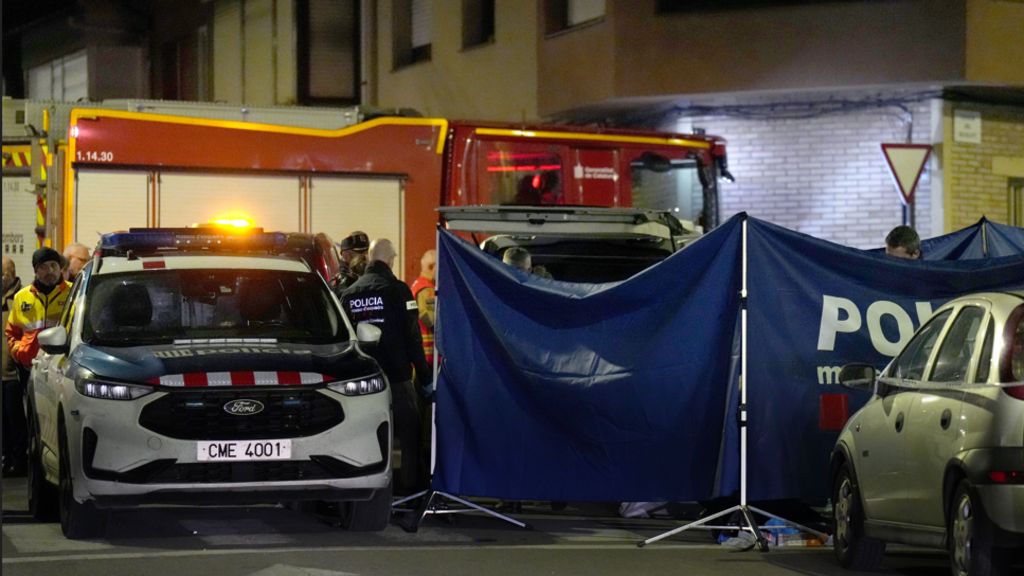
    A devastating fire erupted in a residential building in northeastern Spain on Monday night, resulting in the tragic deaths of five young individuals and leaving four others injured. The blaze ignited in what authorities believe was a converted living space within a storage area on the upper floor of a five-story apartment block in Manlleu, located approximately 80 kilometers north of Barcelona.

    According to Catalonia’s fire brigade, emergency services received alerts from residents at approximately 21:00 local time (20:00 GMT). Despite rapid response efforts, the victims—reportedly teenagers according to Spanish media outlets—were unable to escape the rapidly spreading flames. The identities of the deceased have not been formally released pending family notifications.

    Police authorities have launched a comprehensive investigation to determine the exact cause of the fire, which remains undetermined at this time. Firefighting officials expressed uncertainty regarding why the victims found themselves trapped in the converted space, noting that the circumstances of their inability to evacuate require thorough examination.

    Catalan President Salvador Illa Roca issued an official statement expressing profound shock and extending deepest condolences to the families and friends affected by the tragedy. The incident has raised serious questions about building safety regulations and the conversion of non-residential spaces into living quarters, particularly in residential buildings across the region.

    The injured survivors were transported to nearby medical facilities for treatment, though their current conditions remain undisclosed. The community of Manlleu, a town of approximately 20,000 inhabitants, has begun mourning the loss of young lives in this unexpected catastrophe.

  • Electronic artist Look Mum No Computer to represent UK at Eurovision

    Electronic artist Look Mum No Computer to represent UK at Eurovision

    In a bold departure from convention, the BBC has selected experimental electronic artist Look Mum No Computer as the United Kingdom’s representative for the 2025 Eurovision Song Contest in Vienna. The musician, whose real name is Sam Battle, brings an unconventional profile to the competition as both a solo performer and inventor of eccentric musical machinery.

    Battle first emerged in the music industry as frontman of indie rock band Zibra in 2014, achieving recognition through their Glastonbury performance for BBC Introducing the following year. His subsequent transformation into Look Mum No Computer represents a significant artistic evolution toward electronic experimentation and technological innovation.

    Expressing both excitement and reverence for the opportunity, Battle stated: ‘I find it completely bonkers to be jumping on this wonderful and wild journey. As a lifelong Eurovision enthusiast, I deeply appreciate the magical joy it delivers to millions annually. The honor of joining that legacy while representing the UK is something I approach with utmost seriousness.’

    While the competition entry remains officially unrevealed, BBC Radio 2 DJ Scott Mills provided intriguing insights after previewing the track. Acknowledging the UK’s frequent criticism for playing it safe at Eurovision, Mills revealed: ‘We’re going to try something fundamentally different this year. Why not?’

    Mills described the song as an unprecedented fusion of musical influences, combining elements of Basshunter’s ‘Now You’re Gone,’ Blur’s ‘Parklife,’ Pet Shop Boys’ ‘West End Girls,’ and The Human League’s signature synths. The mix reportedly incorporates unexpected touches including Ukrainian icon Verka Serduchka’s theatricality and even hints of Sex Pistols’ punk energy.

    This selection marks a strategic shift for the UK’s Eurovision approach, potentially signaling a new era of artistic risk-taking at the competition. The entry promises to be what Mills characterizes as ‘a big anthem to take on Eurovision’ that could resonate powerfully with international audiences.

  • Samba schools honor Black Brazilian female authors during their Carnival parades

    Samba schools honor Black Brazilian female authors during their Carnival parades

    RIO DE JANEIRO — In an unprecedented cultural convergence, Rio de Janeiro’s world-renowned Carnival celebrations have transformed into a platform for literary recognition, with two major samba schools dedicating their spectacular parades to celebrating the legacy of historically marginalized Black Brazilian female authors.

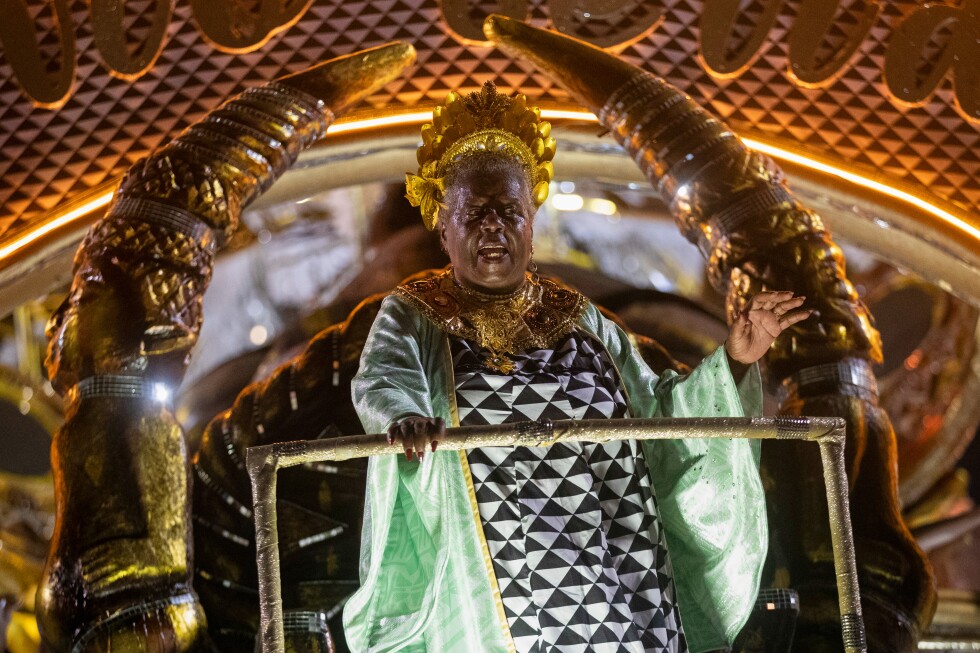
    This year’s Carnival witnessed a profound departure from traditional themes as Imperio Serrano and Unidos da Tijuca samba schools orchestrated elaborate tributes to literary icons Conceição Evaristo and Carolina Maria de Jesus. The 79-year-old Evaristo, renowned for her powerful narratives centering Black women’s experiences, presided majestically atop Imperio Serrano’s float during Saturday’s parade at the iconic Sambodrome. Two days later, Unidos da Tijuca mounted an equally impressive production honoring de Jesus, the favela-based diarist who documented poverty and struggle in mid-20th century Brazil.

    Evaristo, interviewed during final preparations at the samba school’s warehouse, emphasized the significance of this recognition: ‘For Black women in Brazil, everything is very difficult. This parade presents other forms of knowledge that are born in Black communities while celebrating Brazil’s diversity.’

    The Unidos da Tijuca parade transformed the Sambodrome into a moving library during the early Tuesday hours, with dancers, performers, and percussionists moving down the central alley while samba songs celebrating de Jesus’s legacy echoed throughout the venue. Floats and costumes prominently featured books of all shapes, sizes, and colors, creating a visual testament to literary achievement.

    Both honored authors emerged from humble backgrounds. De Jesus, who died in relative obscurity in 1977, maintained a diary in the 1950s that chronicled her struggles to sustain her three children in São Paulo’s favelas. Her published diary has surpassed one million copies sold since its 1960 publication, according to the prestigious Instituto Moreira Salles museum.

    Evaristo defended de Jesus’s unconventional literary style against critics who dismissed it as simplistic: ‘The Brazilian model cannot choose a single language model based, for example, on European cultures.’ Evaristo’s own acclaimed works include the 2003 novel ‘Poncia Vivencio’ and the 2014 short story collection ‘Water Eyes.’

    The Carnival tributes occur against a backdrop of persistent systemic discrimination against Black women in Brazil, who remain more likely to experience poverty, illiteracy, hunger, and gender-based violence than their white counterparts. Last year’s election of Ana Maria Gonçalves as the first Black woman to the Brazilian Academy of Letters marked a significant milestone, yet scholars argue racial and gender biases continue to influence the country’s most exclusive literary institution.

    Felipe Fanuel Xavier Rodrigues, literature professor at the Federal University of Rio de Janeiro, noted: ‘I have no doubt that if Conceição Evaristo were a white man, she would already be a part of the Brazilian Academy of Letters.’ He characterized the Carnival parades as ‘transformative political acts that suspend everyday rules, including those of a structurally racist society.’

    The celebrations represent what event organizers described as ‘an act of historical reparation,’ bringing long-overdue recognition to literary voices that have shaped Brazil’s cultural landscape while confronting the nation’s ongoing struggles with racial and gender equality.

  • Lunar New Year 2026: Celebrations around the world

    Lunar New Year 2026: Celebrations around the world

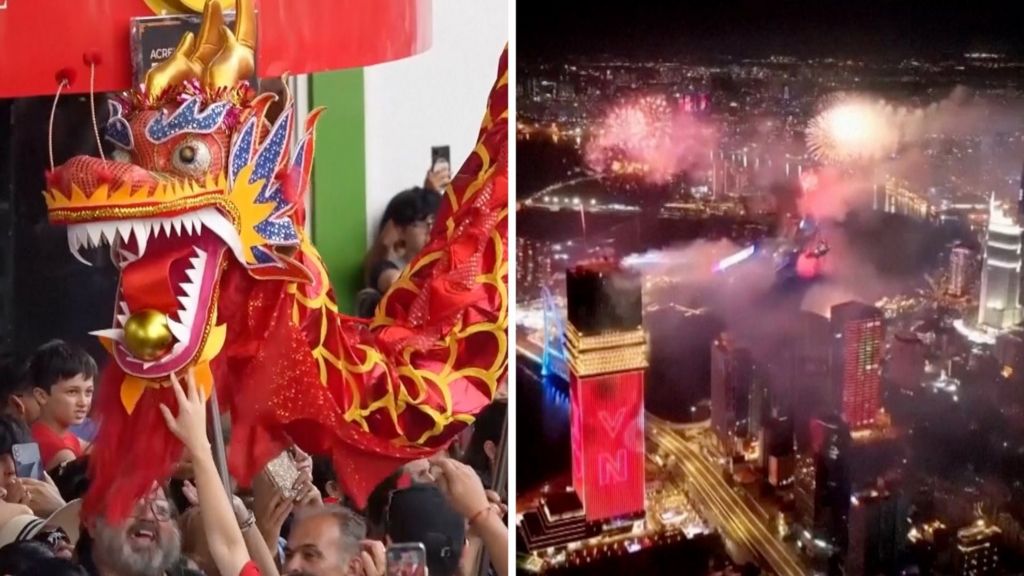
    The 2026 Lunar New Year has ignited worldwide celebrations, demonstrating the remarkable cultural permeation of this ancient tradition across continents. From the neon-lit skyscrapers of Hong Kong to the vibrant barrios of Buenos Aires, diverse communities have embraced the Spring Festival with distinctive local interpretations while preserving its core symbolism.

    In Asia, the epicenter of celebrations, traditional practices dominated with families gathering for reunion dinners featuring symbolic dishes like fish for abundance and dumplings for wealth. Hong Kong’s famous night parade returned with elaborate floats and international performance troupes, while Seoul witnessed thousands of handwritten wishes hanging at ancient temples.

    The Western Hemisphere showcased innovative adaptations of the tradition. Buenos Aires’ Chinese community collaborated with local tango dancers for a unique cultural fusion performance in the city’s iconic streets. North American cities from Vancouver to New York hosted spectacular lantern festivals featuring both traditional designs and contemporary artistic interpretations.

    European celebrations highlighted growing intercultural engagement, with London’s Trafalgar Square hosting its largest ever dragon dance performance and Paris incorporating the festival into its official cultural calendar for the first time. The global spread reflects both diaspora communities maintaining traditions and increasing mainstream appreciation for lunar calendar-based festivities.

    Digital technology played an unprecedented role in connecting celebrations worldwide, with virtual reality temple visits and AI-generated zodiac predictions gaining popularity alongside traditional customs. The 2026 observances particularly emphasized environmental consciousness, with many cities implementing eco-friendly firecracker alternatives and sustainable decoration initiatives.

  • Majority of Canadians concerned over US threat to sovereignty: survey

    Majority of Canadians concerned over US threat to sovereignty: survey

    A comprehensive national survey conducted by Nanos Research has uncovered significant Canadian apprehension regarding potential threats to national sovereignty emanating from the United States. The study, reported by CTV News, indicates that nearly two-thirds of Canadians express substantive concerns about American influence over their nation’s autonomous decision-making capabilities.

    The research data demonstrates that 64% of surveyed Canadians maintain active concerns about US impacts on Canadian sovereignty, while only 19% explicitly denied such concerns. A notable 17% of respondents adopted a neutral stance on the matter, reflecting the complex nature of Canada-US relations.

    Demographic analysis reveals distinctive patterns in sovereignty concerns across population segments. Senior citizens aged 55 and above demonstrate the most pronounced levels of apprehension, suggesting generational differences in perceptions of American influence. The survey further identified a significant gender disparity, with 69.3% of female respondents expressing concerns compared to 57.9% of male participants.

    This comprehensive study illuminates the evolving dynamics within the Canada-United States relationship, traditionally characterized as one of the world’s most stable bilateral partnerships. The findings suggest underlying tensions in how Canadians perceive their nation’s independence within the North American geopolitical framework, potentially influencing future diplomatic engagements and policy decisions between the two neighboring nations.

  • 3 dead, 3 critically injured in shooting at US Rhode Island arena

    3 dead, 3 critically injured in shooting at US Rhode Island arena

    A horrific shooting incident shattered the afternoon calm at a Rhode Island ice skating arena on Monday, resulting in three fatalities and three individuals fighting for their lives with critical injuries. The tragedy unfolded at the Dennis M. Lynch Arena in Pawtucket during a youth hockey event that had drawn students and parents from multiple schools, creating a typically festive atmosphere that turned to chaos.

    According to Pawtucket Police Chief Tina Goncalves, law enforcement officers rushed to the scene following multiple reports of active gunfire. Preliminary investigations suggest the gunman may have specifically targeted members of his own family during the assault. Among the deceased victims was identified as a young girl, though names have not been officially released pending family notifications.

    The suspected shooter died from an apparent self-inflicted gunshot wound following the attack, adding to the death toll. Three other victims sustained serious gunshot wounds and were transported to area hospitals where they remain in critical condition, according to official statements.

    The arena, typically home to community sports and recreational activities, became the latest site of American gun violence that has increasingly plagued public spaces. The incident has sent shockwaves through the Pawtucket community and beyond, raising renewed concerns about public safety at youth sporting events and family gatherings.

    Local authorities have launched a comprehensive investigation into the circumstances surrounding the shooting, including the suspect’s motives, acquisition of firearms, and any potential warning signs that might have preceded the tragedy. Counseling services are being made available to witnesses and affected community members as the small New England city grapples with the aftermath of this devastating event.

  • What do Iran, US seek from upcoming new round of talks?

    What do Iran, US seek from upcoming new round of talks?

    Geneva has become the focal point for renewed diplomatic efforts as an Iranian delegation, headed by Foreign Minister Seyed Abbas Araghchi, arrives for a second round of indirect nuclear negotiations with the United States. Scheduled for Tuesday, these critical discussions are being facilitated by Omani mediators, continuing the dialogue initiated in Muscat on February 6th.

    The American contingent is led by President Donald Trump’s special envoy Steve Witkoff alongside senior advisor Jared Kushner. This meeting occurs against a backdrop of escalating military posturing and fundamental disagreements that have plagued US-Iranian relations since the collapse of the 2015 nuclear accord.

    The core positions of both nations remain substantially divergent. Washington maintains that any viable agreement must encompass a complete prohibition on uranium enrichment, disposal of existing enriched material, constraints on long-range missile development, and cessation of support for regional proxy forces. These demands have found vocal support from Israeli Prime Minister Benjamin Netanyahu, who has expressed skepticism about potential diplomatic breakthroughs.

    Tehran, while expressing willingness to reach a “fair and equitable” arrangement that would provide sanctions relief, has firmly established two non-negotiable boundaries: preservation of its right to peaceful nuclear energy and maintenance of its defensive missile capabilities. Iranian President Masoud Pezeshkian has repeatedly emphasized that Iran does not pursue nuclear weapons and is prepared to undergo verification processes, while simultaneously rejecting what he characterizes as excessive demands and aggression.

    The current impasse originates from the disintegration of the Joint Comprehensive Plan of Action (JCPOA), which began when the Trump administration unilaterally withdrew from the agreement in 2018 and reinstated comprehensive sanctions. Iran responded by incrementally reducing its compliance, eventually enriching uranium to 60% purity—far exceeding the JCPOA’s 3.67% limit—while maintaining the peaceful nature of its nuclear program.

    The diplomatic landscape further deteriorated following Israel’s surprise strikes on Iranian facilities in June 2025 and subsequent military engagements, during which American forces targeted Iranian nuclear installations. The International Atomic Energy Agency had previously documented Iran’s possession of 440.9 kg of uranium enriched to 60%, a stockpile deemed unacceptable by American and Israeli authorities.

    Military tensions have intensified considerably in recent weeks, with the United States deploying the USS Abraham Lincoln carrier strike group to waters near Iran and President Trump confirming the dispatch of the USS Gerald R. Ford, the world’s largest aircraft carrier, to the region. Anonymous American officials have revealed preparations for potential military operations against Iran, while reports indicate Trump’s commitment to support Israeli strikes on Iranian missile facilities should negotiations fail.

    Iran has responded with unequivocal warnings of forceful retaliation against any aggression, specifically highlighting the vulnerability of American military bases throughout the Middle East. The Islamic Revolution Guard Corps commenced live-fire exercises in the strategically vital Strait of Hormuz, demonstrating combat readiness and the capability to leverage Iran’s geopolitical position to protect its national interests.

  • China celebrates Spring Festival with fusion of tradition, technology

    China celebrates Spring Festival with fusion of tradition, technology

    As China welcomed the Year of the Horse in 2026, the nation’s Spring Festival celebrations showcased a remarkable synthesis of centuries-old cultural traditions and advanced technological innovations, creating a uniquely modern expression of ancient customs.

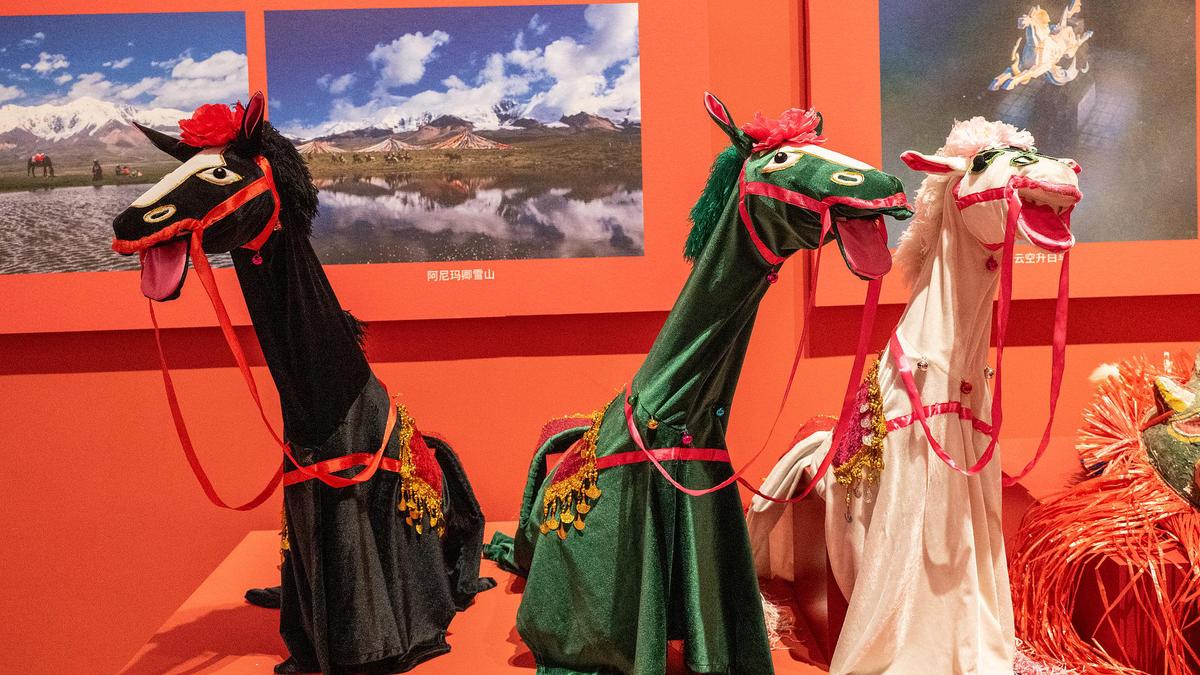
    In Chun’an county, Zhejiang province, over 200 performers revived the Southern Song Dynasty (1127-1279) tradition of Bamboo Horse Dancing, a National Intangible Cultural Heritage item since 2014. The vibrant spectacle featured dancers adorned in traditional attire with colorful cloth-covered bamboo steeds fastened around their waists, symbolizing the horse’s attributes of speed, endurance, and enterprising spirit in Chinese zodiac symbolism.

    Pan Yongxia, director of the Chun’an County Cultural Center, explained that this year’s celebration marked the largest-ever gathering of bamboo horse dancers from across the county. ‘Performances have evolved from small groups into large-scale square dances with hundreds of participants,’ Pan noted. ‘By incorporating modern elements like street dance, we’ve made this traditional art more accessible and appealing to younger generations.’

    Eighty-six-year-old Fang Bingkun, a former representative inheritor of the art form, emphasized the importance of balancing preservation with innovation. Over seven decades, he has documented traditional techniques while streamlining formations for contemporary audiences.

    Simultaneously, in Shenzhen—China’s southern technology hub—a spectacular drone show captivated approximately 200,000 spectators at the Window of the World theme park. Thousands of drones achieved centimeter-level precision to form a magnificent ‘ten thousand horses galloping’ display, complete with flowing manes, hoof prints, and the Chinese character for ‘horse,’ all synchronized with traditional drumbeats and hoof sound effects.

    Huang Xing, brand manager of Shenzhen DAMODA Intelligent Control Technology, explained their technological breakthrough: ‘Upgraded algorithms calculate and compensate for any missing parts of the image in real time, allowing perfect synchronization across tens of thousands of drones.’

    The technological celebration resonated across generations. Younger audiences praised the 3D dynamic effects as more visually stunning and environmentally friendly than traditional fireworks, while elderly viewers appreciated the clear, noise-free spectacle that still incorporated familiar cultural symbols like lion dances and the character ‘Fu’ (blessing).

    This fusion of tradition and technology is spreading globally, with DAMODA’s drone shows reaching over 100 Chinese cities and more than 50 countries worldwide. The company continues to enhance image clarity, variety, and duration while integrating drone technology with cultural tourism and night economy initiatives.

    China’s Spring Festival now represents a harmonious coexistence of millennium-old agricultural-era customs—such as posting couplets and solving lantern riddles—with AI-enhanced festivities including robot New Year greetings and robotic arms brewing coffee at temple fairs, collectively carrying the spirit of the horse into a new technological era.

  • Long queues and confusion mar first day of India’s landmark AI summit

    Long queues and confusion mar first day of India’s landmark AI summit

    India’s highly anticipated AI Impact Summit, inaugurated by Prime Minister Narendra Modi as a groundbreaking gathering for the Global South, descended into operational disarray on its opening day in Delhi. The event, touted as a historic convergence of global technology leaders including OpenAI’s Sam Altman and Alphabet’s Sundar Pichai, instead became characterized by widespread complaints of organizational failure.

    Attendees faced extreme logistical challenges including hours-long security queues, venue overcrowding, and abrupt session closures that left delegates stranded outside exhibition halls. Multiple startup founders reported significant losses, with NeoSapiens founder Dhananjay Yadav alleging theft of proprietary wearable technology from their secured exhibition stall. The situation was compounded by inadequate facilities, with food vendors accepting only cash payments—particularly problematic for international visitors accustomed to digital transactions.

    Prime Minister Modi’s opening address emphasized India’s ambition to showcase “extraordinary AI potential and innovation” and develop solutions “not just for India but for the world.” Information Technology Minister Ashwini Vaishnaw similarly highlighted the summit’s mission to evaluate AI’s dual potential for benefit and harm on human society.

    However, these aspirations contrasted sharply with on-ground realities. Security sweeps preceding Modi’s appearance triggered full evacuations, while last-minute scheduling changes left speakers uncertain about their session timings. Healthcare AI founder Soumya Sharma noted that despite some excellent technical discussions, operational failures undermined India’s opportunity to present itself as a mature AI ecosystem, observing that “unless we get the basics right, we cannot claim to be utilizing AI to its fullest.”

    The disorganization raised questions about India’s capacity to host international technology events of this scale, with many participants expressing frustration over substantial investments in travel and exhibition space that were compromised by poor management. As of reporting time, summit organizers and government authorities had not issued any public response to the widespread criticisms.