作者: admin

  • A Kenyan school like no other may be an African education blueprint

    A Kenyan school like no other may be an African education blueprint

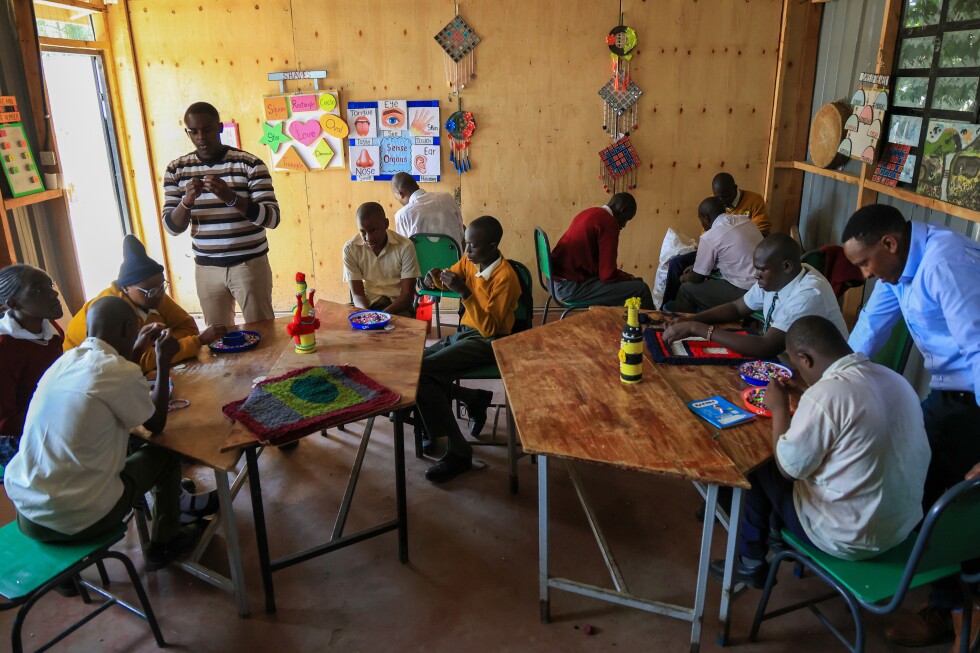
    In the Kenyan town of Kitengela, an innovative educational institution is transforming the learning experience for students with dyslexia through specialized teaching methodologies. Rare Gem Talent School has developed a unique educational framework that replaces traditional lecture-based instruction with multi-sensory techniques specifically designed for neurodiverse learners.

    The school addresses a critical gap in Kenya’s educational landscape, where despite significant improvements in general education access, students with learning disabilities frequently struggle within conventional systems. Dyslexia affects approximately 10% of learners nationwide, creating substantial barriers to literacy development and academic achievement.

    Educational specialists at Rare Gem employ what they term a ‘multi-sensorial approach’ to reading instruction. This methodology incorporates visual techniques such as color-coding word sounds, auditory methods including musical spelling patterns, and tactile learning using physical objects to represent word construction. “You teach step by step until the learner comprehends the material, moving beyond the traditional teacher-centered lecture model,” explained Dorothy Kioko, an educator at the institution.

    Founded in 2012 through the Dyslexia Organisation Kenya, the school began with fewer than ten students and has expanded to serve approximately 210 learners today. While primarily focused on dyslexia, the institution also accommodates students with other learning challenges including autism spectrum disorders.

    The school’s founder, Phyllis Munyi, established Rare Gem after witnessing the educational struggles of her own son with dyslexia. “Early identification and intervention are crucial,” Munyi emphasized. “With proper support, these students can develop their skills, discover their talents, and complete their education successfully.

    Despite Kenya’s remarkable progress in educational access—with primary school enrollment increasing from 5.9 million in 2002 to 10.2 million in 2023—special needs education has lagged considerably. Official statistics indicate that while 11.4% of Kenyan children have special educational requirements, only 250,000 such students are currently enrolled in appropriate educational programs.

    Rare Gem offers a potentially scalable model for inclusive education, utilizing a modified version of Kenya’s standard curriculum rather than creating an entirely separate educational framework. The school charges $180 per term, making it more affordable than elite private institutions while remaining financially inaccessible to many Kenyan families compared to government schools.

    Significant challenges remain, including persistent social stigma, limited parental awareness, and the traumatic impact of bullying that many students experienced in previous educational settings. Former student Geoffrey Karani, now an art teacher at the school, noted: “In conventional schools, there was extensive discrimination and bullying. Now I mentor students by showing them I’ve traveled the same difficult journey.”
  • Turkish TV network accused of stoking social tensions with pork dinner scene

    Turkish TV network accused of stoking social tensions with pork dinner scene

    A Turkish television drama has triggered intense nationwide controversy after airing a scene depicting pork being served to conservative Muslim guests, igniting debates about cultural sensitivity and media responsibility in the country’s polarized social landscape.

    The incident occurred during the February 17th episode of ‘Aynı Yagmur Altında’ (Under the Same Rain), broadcast on ATV network. The controversial scene showed host characters serving pork to newly arrived guests who displayed visual markers of religious conservatism, including headscarves and traditional attire. While the characters weren’t explicitly identified as Muslim, viewers overwhelmingly interpreted the implication as intentional given Turkey’s predominantly Muslim population.

    Social media backlash erupted immediately, with critics arguing the scenario represented cultural implausibility rather than religious offense. The Turkish Orthodox Society highlighted the peculiarity in a viral statement: ‘Even Christian Turks rarely consume pork, and we would never serve it to Muslim neighbors. This suggests either deliberate provocation or serious lack of cultural awareness.’

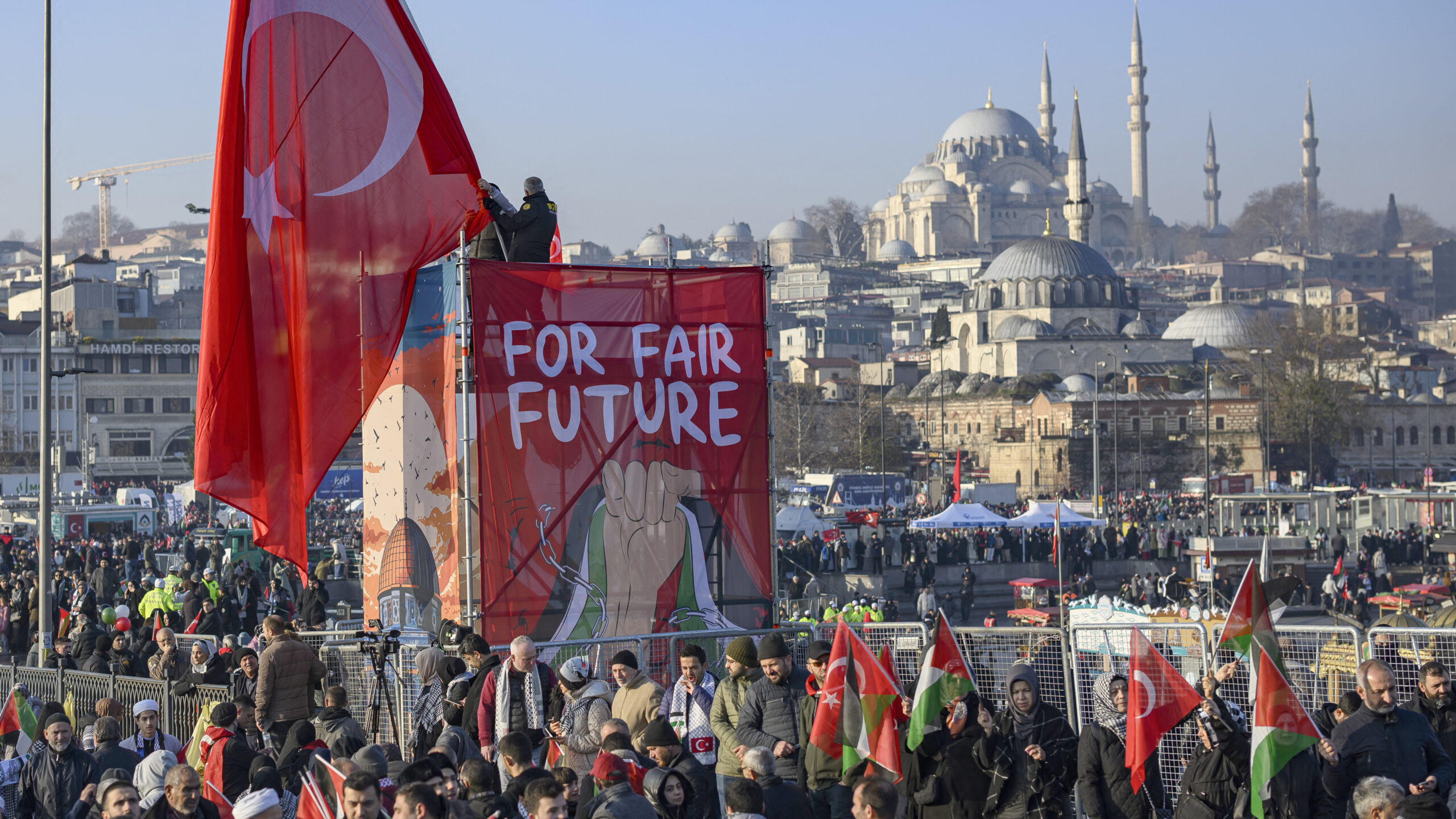
    The series, which premiered on February 9th, follows protagonist Rosa’s journey from London—where she attended pro-Palestine protests—back to Turkey, exploring themes of activism, identity, and cross-cultural relationships. However, the pork scene has largely overshadowed the intended narrative.

    Further complicating the controversy is ATV’s ownership structure. The channel operates under Turkuvaz Media Group, whose chairman Serhat Albayrak is brother to Berat Albayrak—former energy minister and son-in-law of President Recep Tayyip Erdoğan. This connection led many to question why a government-aligned network would broadcast content perceived as marginalizing religious conservatives.

    Production company Baba Yapim defended the scene in a statement to Middle East Eye, explaining: ‘The scene wasn’t designed to endorse the host’s behavior but rather to demonstrate how her actions were rejected by her own family. Our story aims to bridge differences through fundamental values of respect and human courtesy.’

    The show’s official social media account was deactivated following the episode’s airing, while discussions expanded beyond religious dietary rules to encompass media ethics, cultural polarization, and the role of entertainment in reflecting societal tensions.

  • Afghanistan faces catastrophic hunger crisis as aid cuts force the WFP to turn away 3 in 4 children

    Afghanistan faces catastrophic hunger crisis as aid cuts force the WFP to turn away 3 in 4 children

    Afghanistan is confronting the most severe malnutrition crisis in its recorded history, with approximately 4 million children facing acute food insecurity and life-threatening conditions. The situation has reached catastrophic proportions, with two-thirds of the nation experiencing serious or crisis-level malnutrition according to United Nations assessments.

    The World Food Program’s Afghanistan Country Director John Aylieff characterizes the emergency as unprecedented in his three-decade humanitarian career. Current funding constraints force the organization to turn away three out of every four malnourished children seeking assistance. Of the 17.4 million Afghans experiencing acute hunger, only 2 million currently receive support, and even this assistance has been significantly reduced.

    This humanitarian catastrophe stems from multiple converging factors: the abrupt halt of direct foreign aid following the 2021 Taliban takeover, a crippled economy, severe drought conditions, recent devastating earthquakes, and the return of over 5 million Afghan refugees from neighboring Pakistan and Iran. Compounding these challenges, international donor budgets are increasingly stretched thin by simultaneous global emergencies including conflicts in Gaza and Ukraine, and famine conditions in Sudan.

    WFP funding has experienced dramatic reductions, dropping from $600 million in 2024 to an anticipated $200 million for the current year. This financial shortfall occurs as hunger conditions spiral out of control across the nation.

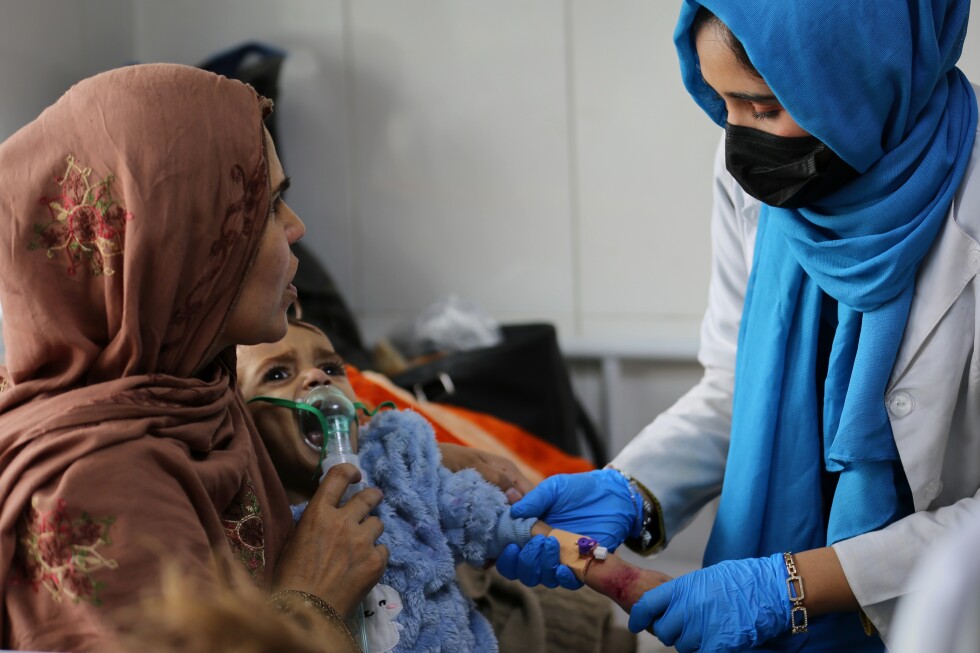
    Medical facilities like Kabul’s Indira Gandhi Children’s Hospital illustrate the human toll. Two-and-a-half-year-old Abu Bakar, weighing just 6 kilograms—half his expected weight—represents one of the fortunate few receiving life-saving care. His mother Latifa describes how critical food assistance ceased three years ago, leaving her construction-worker husband unemployed and her family without reliable meals for their five children.

    The crisis has driven a disturbing increase in child mortality, with WFP documenting over 500 child deaths in recent months—a figure officials describe as merely ‘the tip of the iceberg’ given many winter deaths in snow-bound villages go unrecorded.

    Afghanistan’s Health Ministry acknowledges the decades-long problem, reporting expansion of malnutrition treatment facilities from 800 to approximately 3,200 centers, with about 3 million malnourished children and mothers treated in 2025. Ministry spokesman Dr. Sharafat Zaman emphasizes that health services should remain separate from political considerations.

    Women bear particularly severe consequences from the crisis. Taliban restrictions banning women from employment have left widows with children especially vulnerable. WFP reports a 30% increase in acutely malnourished pregnant and breastfeeding women—a surge described as unprecedented by nutrition experts. The organization increasingly receives suicide calls from desperate women who cannot feed their children.

    Aylieff issues an urgent plea to the international community: ‘How many more Afghan children will die before the world wakes up? Don’t walk away from Afghan women who are now facing abject misery, hunger, malnutrition and watching their children die.’

  • The teacher who won $1m for turning India’s slums into open-air classrooms

    The teacher who won $1m for turning India’s slums into open-air classrooms

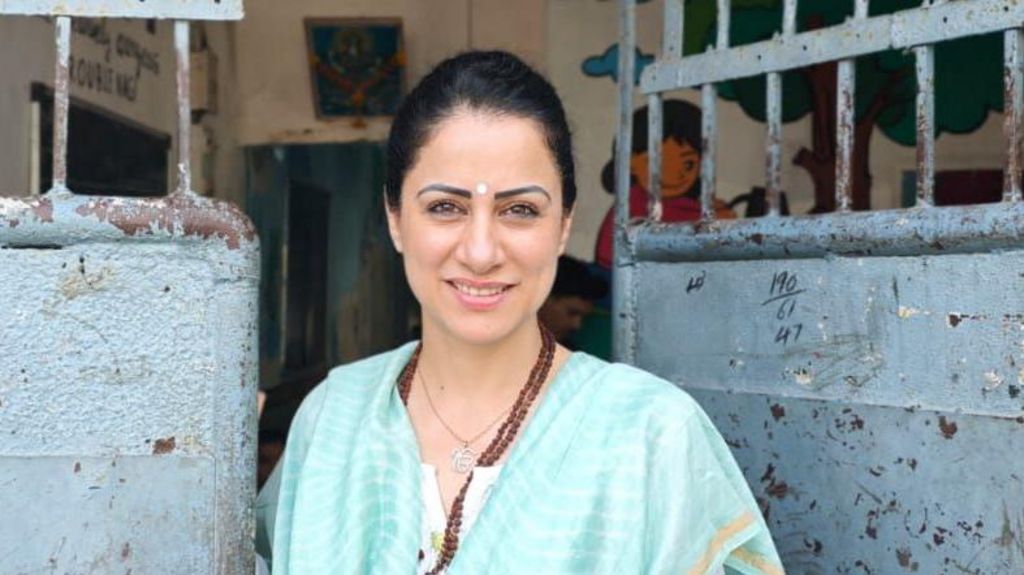
    In the dense urban landscape of Mumbai’s Colaba district, a vibrant educational revolution is unfolding within the city’s most marginalized communities. Artist and educator Rouble Nagi has been awarded the prestigious 2026 Global Teacher Prize, accompanied by a $1 million award, for her extraordinary work establishing over 800 learning centers across India’s underserved communities.

    The Varkey Foundation, in collaboration with UNESCO, selected Nagi from among 5,000 nominations spanning 139 countries for her innovative approach to education through the Rouble Nagi Art Foundation (RNAF). Her methodology transforms unconventional spaces—from laundry workers’ settlements to open slum areas—into dynamic learning environments where art serves as the primary educational catalyst.

    Nagi’s journey began three decades ago when a chance encounter with an out-of-school child during an art workshop revealed the educational disparities in Mumbai’s slums. This inspired her to initiate community engagement through mural painting, which unexpectedly attracted curious children eager to learn. This discovery evolved into a formalized educational model that combines artistic expression with fundamental academic instruction.

    The RNAF’s approach emphasizes flexibility and accessibility, with lessons conducted in open areas using mats instead of traditional classrooms. Volunteers provide skill-based instruction while addressing the complex socioeconomic challenges facing students. Teachers frequently assume additional roles as counselors and family liaisons, conducting home visits when children miss classes and holding regular parent sessions to maintain educational continuity.

    A cornerstone initiative, the ‘Misaal’ project, converts slum walls into educational canvases featuring murals that teach scientific concepts, hygiene practices, environmental awareness, and social responsibility. These visual lessons serve as both community beautification and continuous educational tools that stimulate curiosity and behavioral change.

    The foundation’s impact is evidenced by success stories like Mayur, a former student who now operates his own art classes and printing business while volunteering weekends with RNAF. Current students like seven-year-old Khushi aspire to become educators themselves, demonstrating the program’s cyclical empowerment model.

    Nagi plans to utilize the prize money to expand operations into Jammu and Kashmir, establishing a comprehensive skill-development and learning center equipped with computer technology. Her work demonstrates that educational transformation can occur anywhere—when approached with creativity, community trust, and unwavering commitment to marginalized populations.

  • Hospitality hub: Ras Al Khaimah’s tourism boom sparks hotel rush

    Hospitality hub: Ras Al Khaimah’s tourism boom sparks hotel rush

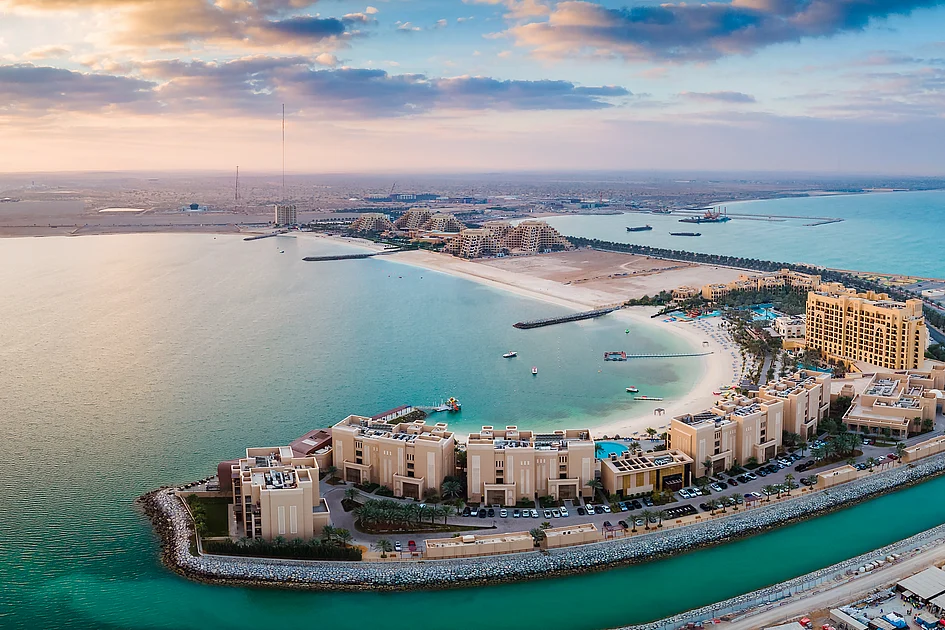
    Ras Al Khaimah is experiencing a remarkable transformation into one of the Gulf’s most dynamic tourism destinations, triggering an aggressive expansion of luxury hospitality infrastructure. The emirate achieved record-breaking visitor numbers in 2025, welcoming 1.36 million tourists with an equal distribution between domestic and international travelers, according to recent market analysis.

    CBRE Middle East research reveals extraordinary performance across key hotel metrics, with occupancy rates climbing 4.6 percentage points, average daily rates increasing by 6.6%, and revenue per available room surging 11.5% year-on-year. This robust growth reflects strengthened pricing power and sustained market demand.

    The current hotel inventory exceeds 9,000 rooms, but development pipelines indicate a dramatic expansion ahead. More than 9,500 additional rooms are scheduled for delivery between 2026 and 2030, with 92% categorized as five-star accommodations, signaling Ras Al Khaimah’s strategic pivot toward ultra-luxury tourism.

    Central to this transformation is the $5.2 billion Wynn Al Marjan Island integrated resort, representing the largest foreign direct investment in the emirate’s history. This landmark project has already catalyzed substantial increases in land values and triggered numerous branded residence launches and hotel announcements throughout the northern emirate.

    Global hotel operators are intensifying their presence, with Accor and Hilton leading expansion initiatives while new entrants including Aman Group and Wynn Resorts prepare to redefine the luxury hospitality landscape. Marriott International has significantly expanded its portfolio through new Luxury Collection and JW Marriott properties, demonstrating sustained confidence in Ras Al Khaimah’s long-term tourism prospects.

    Matthew Green, Head of Research at CBRE Mena, noted: “Ras Al Khaimah’s real estate market continues to evolve at an unprecedented pace, supported by strong macroeconomic fundamentals, record foreign investment, and a maturing property ecosystem. The hospitality sector has entered a new growth phase driven by global brand partnerships and major tourism-led projects.”

    The Ras Al Khaimah Tourism Development Authority has established an ambitious target of exceeding 3 million annual visitors by 2030, nearly triple current levels. Strategic investments in infrastructure, international events, and destination marketing are underway, complemented by expanded air connectivity with new routes from Europe, Central Asia, and key GCC markets.

    Industry analysts attribute the influx of international brands to growing investor confidence in Ras Al Khaimah’s positioning as an affordable luxury alternative to Dubai, offering competitive development costs alongside beachfront properties and natural attractions. STR Global data confirms the emirate’s hotel market ranks among the Middle East’s fastest-growing in both occupancy recovery and rate growth since 2022.

    The hospitality boom is generating significant ripple effects across the broader real estate market. CBRE data indicates residential prices increased substantially in 2025, with prime apartment values rising 32% year-on-year to Dh2,428 per square foot, largely driven by demand in coastal destinations including Al Marjan Island, Al Hamra, and Mina Al Arab. Villa prices increased 11% to an average of Dh1,211 per square foot, while apartment rents surged nearly 25% amid limited supply and growing population inflows linked to tourism and business expansion.

    Supporting this growth, Ras Al Khaimah Economic Zone added over 19,000 new companies in 2025, reinforcing the emirate’s economic diversification strategy and generating additional demand for residential and hospitality assets. The synergistic relationship between tourism growth, business expansion, and high-profile developments is creating a powerful investment cycle that establishes Ras Al Khaimah as one of the UAE’s most dynamic real estate markets.

  • North Korean leader deploys 50 new rocket launchers ahead of major party congress

    North Korean leader deploys 50 new rocket launchers ahead of major party congress

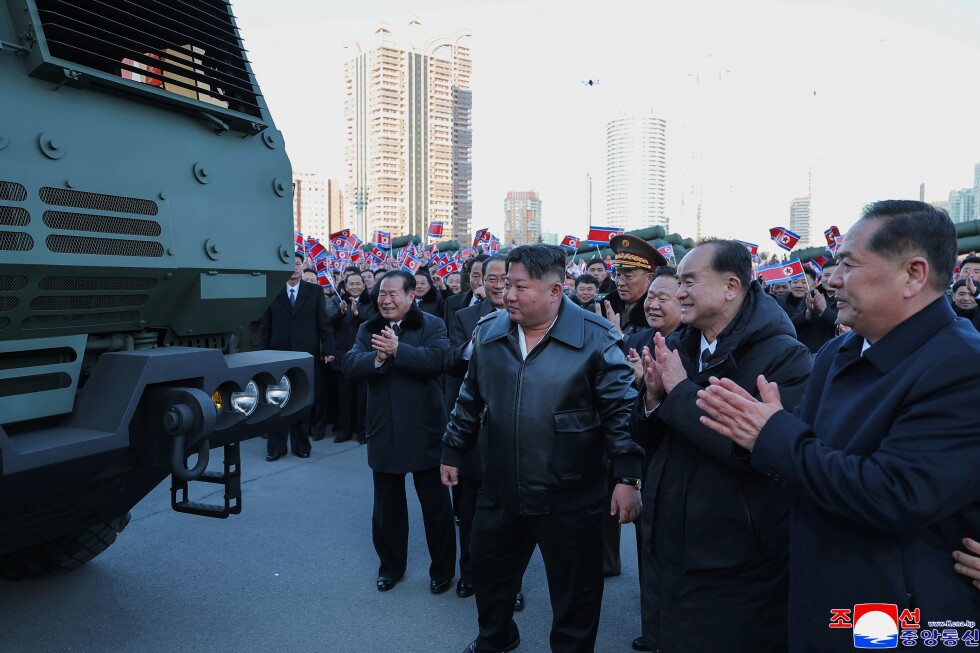
    North Korea has publicly showcased 50 new launch vehicles for nuclear-capable short-range missiles in a strategic military display ahead of an upcoming ruling party congress. State media released photographs depicting rows of launcher trucks positioned near the April 25th House of Culture in Pyongyang, the traditional venue for major political gatherings.

    The Korean Central News Agency confirmed these vehicles support the country’s 600-millimeter multiple rocket launcher systems, which military experts note blur conventional distinctions between artillery and short-range ballistic missiles due to their self-thrust capability and guided delivery systems. These weapons form part of North Korea’s expanding arsenal designed to penetrate missile defense systems in South Korea.

    Leader Kim Jong Un, addressing the ceremony, emphasized the advanced capabilities of these rocket launchers, describing them as “wonderful” systems equipped with artificial intelligence and precision guidance technologies engineered for “strategic missions”—a term typically indicating nuclear purposes. Kim further announced that the impending Workers’ Party congress would introduce comprehensive plans to enhance the operational capabilities of his nuclear-armed military, which already possesses diverse weapons systems targeting U.S. allies in Asia and potential long-range strike capacity against the American mainland.

    In parallel developments, Kim’s sister and key foreign policy official Kim Yo Jong offered measured acknowledgment of South Korean Unification Minister Chung Dong-young’s apology regarding alleged civilian drone incursions. However, she maintained that North Korea would continue strengthening border security measures against what she termed the “enemy” South, warning that any recurrent drone flights would meet with military response.

    The Korean Peninsula tensions have significantly escalated since 2019 when nuclear negotiations between Kim Jong Un and former U.S. President Donald Trump collapsed over sanctions disputes. Relations deteriorated further as Kim abandoned longstanding reunification principles, instead adopting a hostile “two-state” doctrine that may be formally institutionalized in the Workers’ Party constitution during the forthcoming congress.

  • EFG Hermes concludes advisory on $190 million investment in Alameda Healthcare

    EFG Hermes concludes advisory on $190 million investment in Alameda Healthcare

    In a significant development for Egypt’s healthcare sector, EFG Hermes has successfully concluded its advisory role in a landmark $190 million minority stake investment in Alameda Healthcare. The transaction, finalized after receiving all necessary regulatory approvals, represents the largest private equity investment in Egypt’s healthcare industry to date.

    Development Partners International, through its fourth fund, has made this strategic investment in Egypt’s leading private healthcare group. The transaction structure primarily involved a capital increase, resulting in substantial foreign-currency inflows into Egypt’s local banking system. Dr. Fahad Khater, Chairman of Alameda Healthcare, remains the majority shareholder following this transaction.

    This investment serves as a strong endorsement of Egypt’s economic reforms and demonstrates international confidence in the country’s private sector and investment climate. The capital infusion will enable Alameda to accelerate its expansion strategy across Egypt and key regional markets, enhancing hospital operations, clinical capacity, and service quality through advanced medical technology investments.

    Since the initial agreement signing in July 2025, Alameda has made substantial progress in its growth initiatives. The healthcare group is nearing an enterprise-wide affiliation with UK’s Guy’s and St Thomas’ healthcare system and has finalized the acquisition of a majority stake in a prominent Egyptian ophthalmology group. Additionally, Alameda is preparing to enter the Saudi Arabian market, with an official announcement expected this year.

    The group has already expanded its international presence with the opening of its first clinic in Kenya, while experiencing increased patient volumes from across the Middle East and Africa. In January, Alameda strengthened its clinical capabilities through a multi-year strategic partnership with Houston Methodist USA to enhance patient-centered care at Madinaty Hospital in New Cairo.

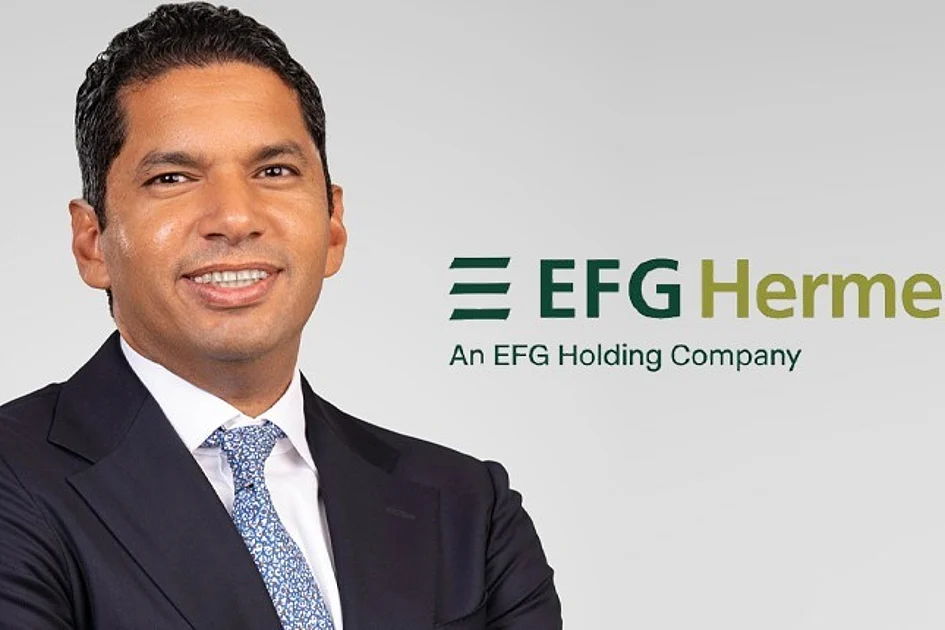
    Maged El Ayouti, Co-Head of Investment Banking at EFG Hermes, emphasized the transaction’s significance: “This landmark deal reflects strong confidence in Alameda’s positioning as one of MENA’s fastest-growing healthcare platforms. It demonstrates our ability to deliver complex, high-impact M&A transactions that enable national champions to execute their growth strategies across domestic and regional markets.”

    Alameda Healthcare operates a diversified network of hospitals and specialized medical facilities throughout Egypt, known for its clinical excellence, advanced technologies, and comprehensive healthcare services serving both local and regional patients.

  • UAE Rulers pardon thousands of prisoners as Ramadan 2026 begins

    UAE Rulers pardon thousands of prisoners as Ramadan 2026 begins

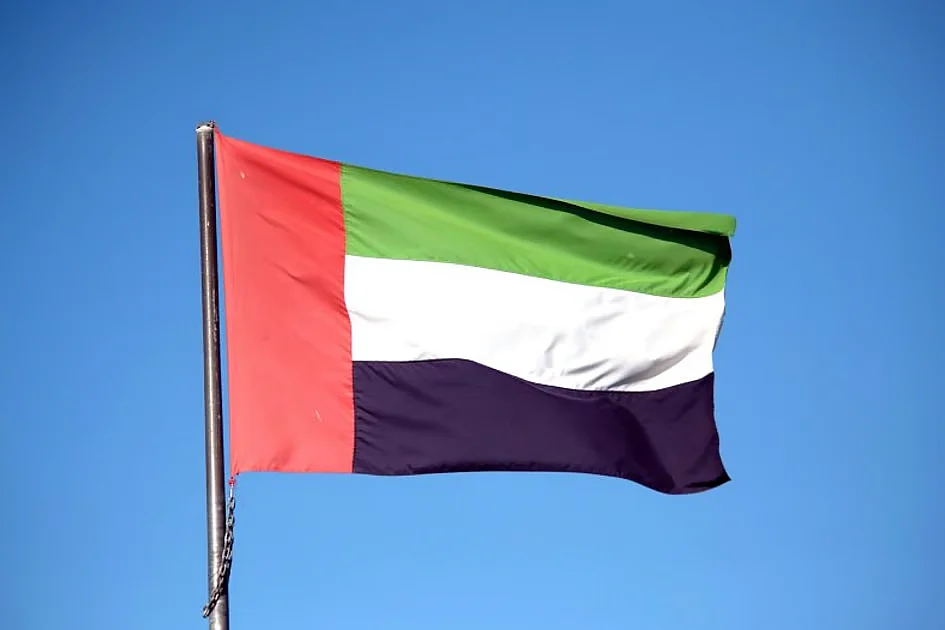
    In a profound demonstration of Ramadan’s spirit of compassion and forgiveness, the rulers of the United Arab Emirates have enacted sweeping prisoner pardons across all seven emirates. This annual tradition, marking the commencement of the holy month in February 2026, represents one of the largest clemency initiatives in recent years.

    The presidential decree from Sheikh Mohamed bin Zayed Al Nahyan secured freedom for 1,440 inmates from penal institutions—a significant increase of 145 prisoners compared to the previous year’s figures. Simultaneously, Dubai’s Ruler and UAE Vice President Sheikh Mohammed bin Rashid Al Maktoum authorized the release of 1,856 individuals from correctional facilities throughout the emirate.

    Beyond mere liberation, the ruling authorities have committed to assuming all outstanding financial penalties owed by the pardoned inmates. This extraordinary financial relief ensures that returning citizens can reintegrate into society without economic burdens, enabling them to celebrate Ramadan with their families under improved circumstances.

    The compassionate initiative extended across the federation with Sheikh Dr. Sultan bin Muhammad Al Qasimi of Sharjah ordering 407 releases, while Ajman’s Ruler Sheikh Humaid bin Rashid Al Nuaimi granted clemency to 134 inmates. Ras Al Khaimah witnessed 407 prisoners pardoned under Sheikh Saud bin Saqr Al Qasimi’s directive, and Fujairah’s Sheikh Hamad bin Mohammed Al Sharqi authorized 125 releases.

    Selection criteria prioritized individuals demonstrating exemplary conduct and behavioral rehabilitation during their incarceration, with the amnesty benefiting prisoners of diverse nationalities. This collective act of mercy reflects the UAE leadership’s commitment to social reconciliation and the core Islamic values of redemption during the sacred month.

  • Trump’s ‘Board of Peace’ for Gaza to hold first meeting in Washington

    Trump’s ‘Board of Peace’ for Gaza to hold first meeting in Washington

    Washington, DC witnessed the inaugural gathering of the Trump administration’s “Board of Peace” for Gaza on Thursday, an initiative established under the 20-point ceasefire agreement enacted on October 10th and subsequently ratified in Davos, Switzerland on January 22nd. President Donald Trump serves as the board’s permanent chairman, presiding over a diverse assembly of international representatives.

    White House Press Secretary Karoline Leavitt confirmed participation from more than twenty nations during Wednesday’s press briefing, though specific attendee details remained initially undisclosed. The administration extended invitations to approximately sixty countries, with at least twenty-five having originally committed to membership. Notably, the board’s founding members include Russian President Vladimir Putin and Israeli Prime Minister Benjamin Netanyahu, both subject to International Criminal Court arrest warrants.

    The board’s official X account has been actively recognizing participating nations through digital commemorative plaques. Several governments independently announced their attendance at the event, hosted at the recently renamed Donald J Trump Institute for Peace. Confirmed participants include Pakistan’s Prime Minister Shehbaz Sharif, Vietnam’s Communist Party leader To Lam, and Indonesian President Prabowo Subianto. Israel’s Foreign Minister Gideon Sa’ar and Turkey’s Foreign Minister Hakan Fidan have also verified their presence. Italy’s Foreign Minister Antonio Tajani will attend in an observational capacity, a position shared by several European Union members.

    Attendance does not necessarily indicate full alignment with U.S. positions on Gaza. Prime Minister Sharif, for instance, has reportedly declined to discuss Hamas disarmament while simultaneously demonstrating support for Trump through a Nobel Peace Prize nomination. Vietnamese leader Lam seeks aviation agreements with the United States, while Gulf nations aim to strengthen existing military, energy, and real estate partnerships with the Trump administration, particularly through presidential son-in-law Jared Kushner.

    Kushner, despite holding no formal government position, has taken a leadership role in conceptualizing Gaza’s redevelopment, described by Leavitt as voluntary contribution. His detailed PowerPoint presentation from the Davos meeting outlined reconstruction and humanitarian vision, including local security provisions—a topic scheduled for discussion during Thursday’s meeting.

    Leavitt confirmed over $5 billion in pledged reconstruction funds, with distribution mechanisms to be determined by the board. The executive body consists of U.S. officials, real estate magnates, and billionaires, generating concern among critics regarding potential conflicts of interest.

    President Trump announced anticipated troop commitments to the International Stabilisation Force for Gaza, with Indonesia considering substantial arms purchases while offering up to 1,000 peacekeeping personnel. The president emphasized Hamas’s requirement for “Full and Immediate Demilitarization,” though the organization has offered weapon burial for long-term truce while resisting complete demilitarization without security guarantees against U.S.-armed Israel. Israel has conversely refused mutual security agreements providing Hamas with attack assurances.

    Notably, Hamas maintains no direct representation on the board, continuing negotiations through Egyptian and Qatari mediators. The board’s charter contains no specific references to “Gaza” or “Palestinian,” and Trump has expressed intentions to expand the initiative’s scope to address other international crises, citing United Nations inadequacies.

    The initiative faces substantial international criticism. EU High Representative for Foreign Affairs Kaja Kallas noted the board’s failure to reference Gaza or the UN, contrasting with original resolution provisions for temporal limitations and Palestinian inclusion. Spanish Foreign Minister Jose Manuel Albares and U.S. Senator Chris Murphy similarly criticized the endeavor. Spain and most European nations have refused participation, with the Vatican declining its invitation and Canada’s invitation being rescinded.

    Michael Hanna, US Program Director at the International Crisis Group, noted that many participating nations hope to focus U.S. attention and leverage Israeli influence. He cautioned that success depends heavily on Trump’s sustained engagement and impartial mediation, suggesting the president’s personal legacy investment might provide the initiative’s best chance for progress.

    The humanitarian situation remains dire, with over 600 Palestinian fatalities reported since the ceasefire implementation. Palestinians attempting return through reopened Rafah crossing report delays, interrogations, and soldier abuse. UN humanitarian mission coordination faces Israeli restrictions, with three of eight recent missions denied access, including critical water treatment plant assistance in Khan Younis.

    Craig Mokhiber, former UN human rights adviser who resigned over the organization’s Gaza response, characterized the meeting as “a criminal conspiracy” involving genocide, apartheid, and war crimes. This perspective aligns with other critics of Israel’s ongoing assault, which has claimed over 72,000 Palestinian lives. Greek economist Yanis Varoufakis suggested the board serves to rehabilitate Netanyahu’s propaganda position while continuing genocide through starvation and medical deprivation.

    Meanwhile, Israeli restrictions in the occupied West Bank have intensified post-ceasefire, with settler attacks on Palestinian properties and Knesset-approved land annexation advancing despite Trump’s previous assurances to Arab and Muslim leaders against West Bank annexation.

  • Over 70% of cyber threats targeting UAE are state-sponsored, authority says

    Over 70% of cyber threats targeting UAE are state-sponsored, authority says

    The United Arab Emirates faces an unprecedented volume of sophisticated cyber attacks, with over 70% originating from state-sponsored threat groups, according to Dr. Mohamed Hamad Al Kuwaiti, Head of the UAE Government Cybersecurity Council. Since January 2026, authorities have documented 128 confirmed cyber incidents targeting critical national infrastructure, including ransomware attacks, government breaches, and sensitive data leaks.

    Dr. Al Kuwaiti revealed that UAE defenses withstand between 90,000 to 200,000 breach attempts daily, all successfully neutralized without compromising service continuity or data integrity. Threat intelligence analysis indicates that Asia serves as the primary origin point (66.7%) for state-sponsored attacks, followed by Europe (14.3%), with remaining threats emanating from Middle Eastern or cross-regional actors.

    The cybersecurity landscape has evolved beyond traditional attacks, with digital disinformation campaigns and deepfake technologies becoming weapons of choice to erode public trust, manipulate financial markets, and damage international reputation. Although no official statistics exist for deepfake incidents, fabricated videos depicting public figures promoting fraudulent schemes have increased significantly.

    Government administration (9.4%) and financial services (9.3%) emerged as the most targeted sectors, with real estate (5.5%), construction (4.7%), and transportation (3.9%) following closely. Attack methodologies show website defacement accounting for 38.3% of incidents, while data leaks (25.8%), data breaches (13.3%), and ransomware attacks (7.8%) represent other significant threats.

    The UAE counterstrategy employs an integrated technical and legislative framework featuring early detection systems, advanced content analysis, and community awareness programs. The National Security Operations Center serves as the central hub for real-time threat intelligence sharing and coordinated response across multiple operations centers nationwide.

    Dr. Al Kuwaiti emphasized the nation’s commitment to developing national cybersecurity talent through specialized programs and leadership academies, while simultaneously strengthening international partnerships through multilateral channels and bilateral agreements for threat intelligence exchange and incident response coordination.