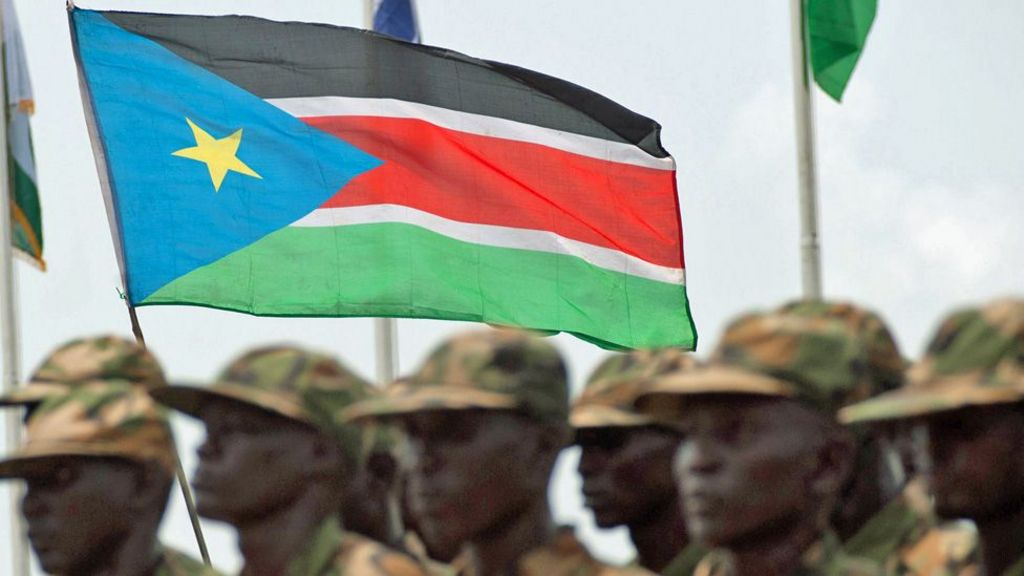
South Sudan, the world’s youngest nation, faces renewed turmoil as political tensions escalate, raising fears of a potential return to civil war. The crisis deepened after the Sudan People’s Liberation Movement In Opposition (SPLM-IO), led by suspended Vice-President Riek Machar, called for ‘regime change’ in response to Machar’s house arrest and charges of murder, treason, and crimes against humanity. The SPLM-IO denounced the charges as a ‘political witch-hunt’ and accused the government of undermining the 2018 peace agreement that ended a devastating five-year civil war. The situation has been further complicated by the deployment of Ugandan troops to Juba, ostensibly to bolster the government’s control. A recent UN report has also exposed rampant corruption, alleging that South Sudanese officials have embezzled billions in oil revenues, leaving millions without essential services. South Sudan’s independence in 2011, achieved after decades of struggle, has been marred by internal conflict, particularly the 2013 civil war triggered by Machar’s dismissal as vice-president. The conflict, rooted in ethnic divisions, claimed an estimated 400,000 lives and displaced 2.5 million people. Despite the 2018 peace deal, key provisions, such as the formation of a unified national army and the establishment of a transitional justice court, remain unimplemented. The repeated postponement of elections and the failure to draft a new constitution have further eroded trust in the government. As Machar prepares for his trial, concerns grow over the potential for renewed violence, with analysts warning of the risk of proxy warfare in the region. The international community watches anxiously as South Sudan teeters on the edge of another catastrophic conflict.
作者: admin
-
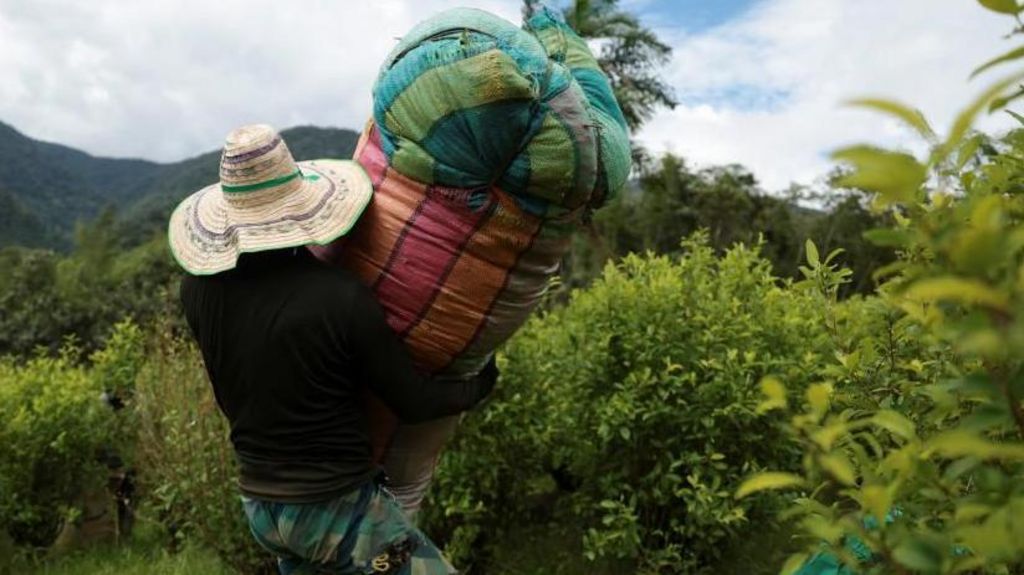
US designates Colombia as country ‘failing to cooperate in drug war’
The United States has officially designated Colombia as a country that has ‘demonstrably failed’ to meet its obligations in combating drug trafficking. This decision, announced on Monday, marks the first time since 1997 that Colombia has been added to the list of nations deemed non-compliant with U.S.-led counternarcotic efforts. Despite this, the U.S. has opted not to cut off aid to Colombia, a move that could have further strained bilateral relations. The Trump administration criticized Colombia’s left-wing President Gustavo Petro, attributing a surge in cocaine production to his leadership. Petro, however, refuted these claims, pointing to his predecessor Iván Duque’s tenure as the period when coca cultivation expanded significantly. In a retaliatory gesture, Colombia announced it would cease purchasing weapons from the U.S., with Interior Minister Armando Benedetti declaring the decision effective immediately. The U.S. also named Afghanistan, Bolivia, Myanmar, and Venezuela as countries failing to meet drug control targets. The decertification of Colombia comes amid heightened U.S. efforts to combat ‘narco-terrorism,’ highlighted by a recent military strike on a suspected Venezuelan drug vessel in the South Caribbean, which resulted in three fatalities. While the U.S. acknowledged the ‘skill and courage’ of Colombia’s security forces, it placed the blame squarely on the political leadership for the country’s drug control shortcomings. The U.S. left open the possibility of recertifying Colombia if it takes more aggressive action against coca cultivation and cocaine production. Despite the diplomatic friction, Colombia remains a key recipient of U.S. aid, a fact that may temper the immediate fallout from this decision.
-
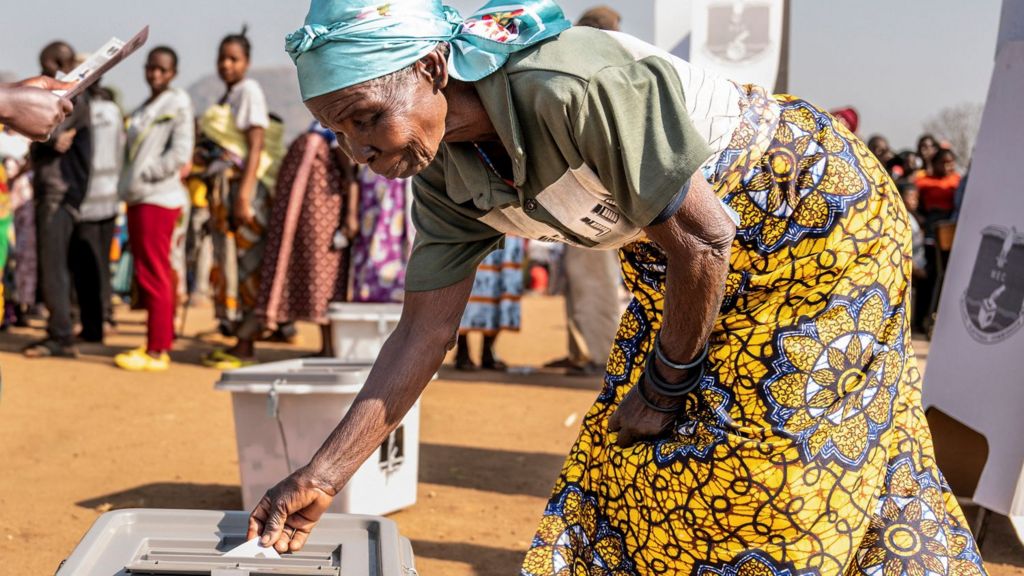
Malawians await presidential poll result in vote dominated by economic woes
As Malawi’s polls closed on Tuesday, the nation eagerly awaited the results of a pivotal presidential election marked by economic distress and a fierce contest between two prominent candidates. Despite a field of 17 contenders, the race has narrowed to a head-to-head battle between incumbent President Lazarus Chakwera and his predecessor, Peter Mutharika. Both leaders have centered their campaigns on promises to revive Malawi’s struggling economy, which has been plagued by soaring inflation, fuel shortages, and widespread power outages. Voters, including a 28-year-old waitress who expressed her frustration with unemployment, turned out in large numbers, hoping for transformative change. The election also saw delays at some polling stations due to technical issues with biometric systems, though the Malawi Electoral Commission assured that these were promptly addressed. With counting underway, the outcome remains uncertain, but the stakes are high for a nation grappling with persistent poverty and economic instability.
-
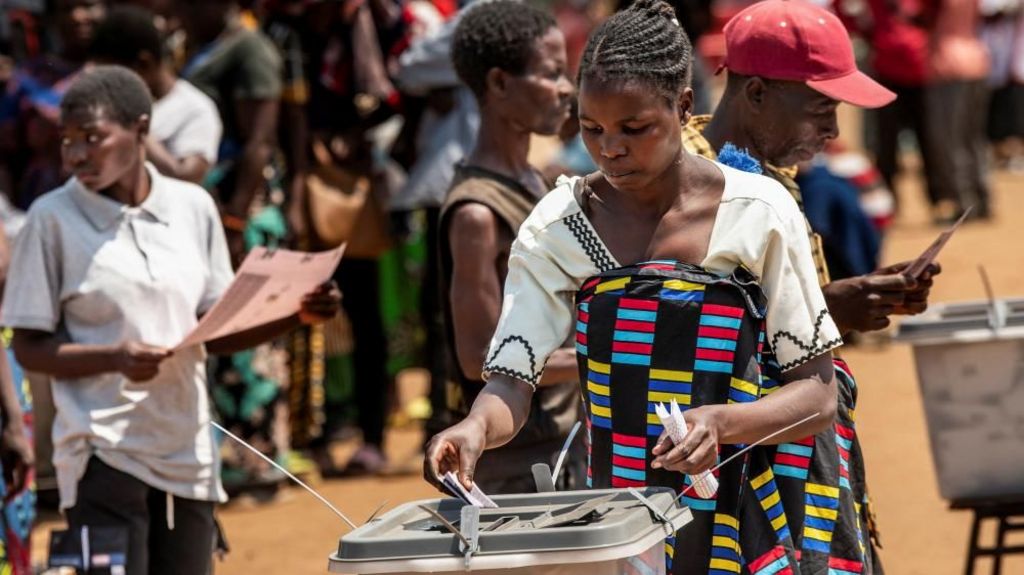
What is at stake in Malawi’s elections as cost-of-living bites?
Malawi’s presidential and parliamentary elections commenced on Tuesday, marking a pivotal moment for the nation after five years of economic hardship and political instability. Incumbent President Lazarus Chakwera, seeking a second term, faces his primary challenger, former President Peter Mutharika, in a rematch of their previous electoral battles. The election unfolds against a backdrop of severe economic challenges, including fuel shortages, skyrocketing living costs, and rampant inflation, which have left many voters disillusioned. With 7.2 million registered voters, the polls also include parliamentary and local elections, with 17 presidential candidates vying for leadership. The electoral commission has until September 24 to announce the presidential results, with a potential run-off if no candidate secures over 50% of the vote. Chakwera, a former theology lecturer, and Mutharika, an 85-year-old ex-lawyer, both carry the weight of corruption allegations and economic mismanagement claims. The election is further complicated by the legacy of Cyclone Freddy, which devastated the country in 2023, and ongoing concerns about electoral integrity. The outcome will determine Malawi’s path forward as it grapples with poverty, corruption, and political polarization.
-
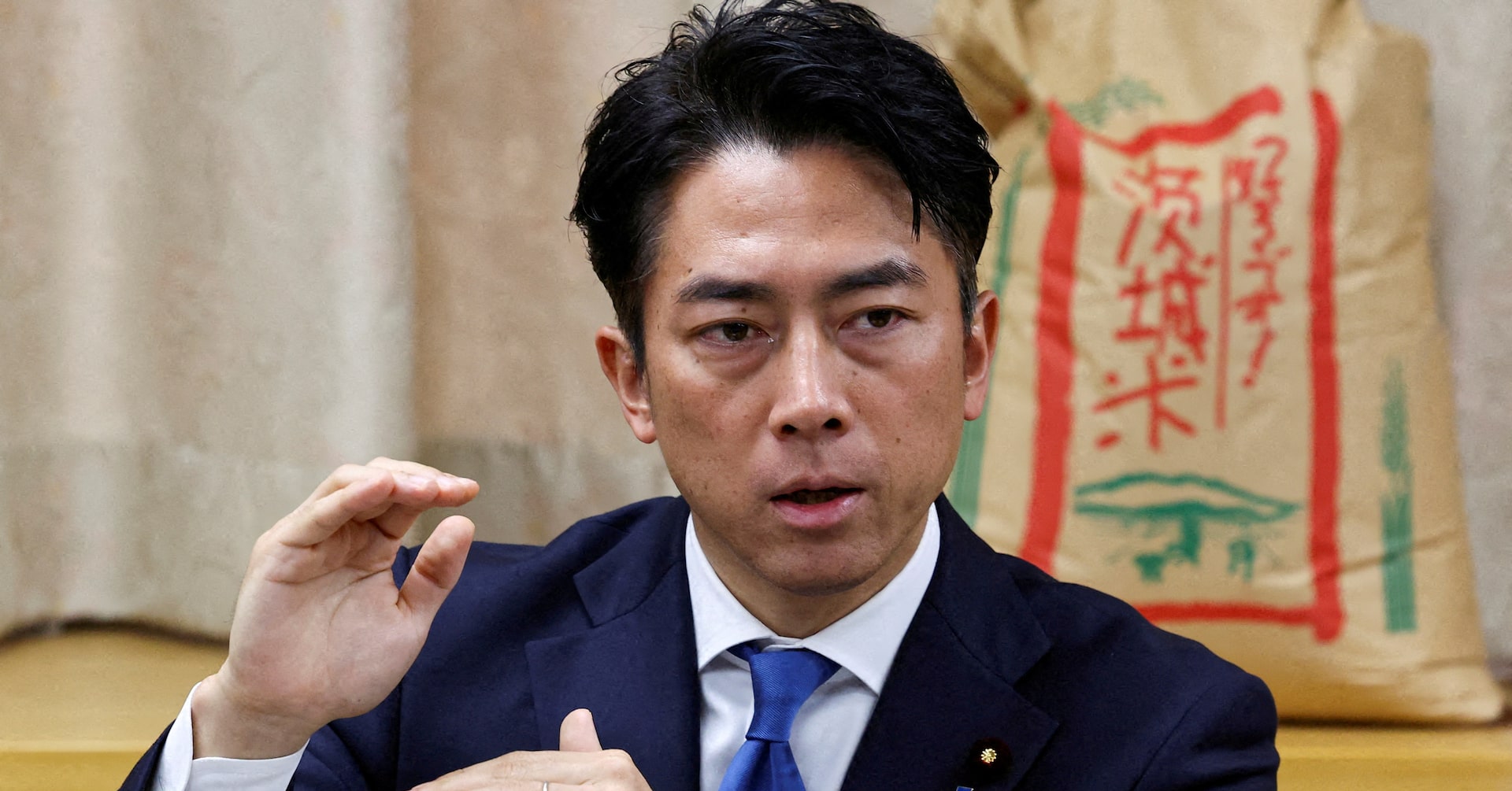
Japan’s Koizumi, Hayashi run for leadership of ruling party
The race to lead Japan’s ruling Liberal Democratic Party (LDP) has intensified as prominent figures officially announced their candidacies on Tuesday. The upcoming vote, scheduled for early October, aims to select a successor to outgoing Prime Minister Shigeru Ishiba, who resigned following a series of electoral setbacks that have complicated the party’s leadership transition. Among the contenders is Shinjiro Koizumi, Japan’s Minister of Agriculture, Forestry, and Fisheries, who confirmed his bid during a press conference. Koizumi, the son of former Prime Minister Junichiro Koizumi, has garnered attention for his efforts to stabilize rice prices this year. Finance Minister Katsunobu Kato, who previously secured the fewest votes in last year’s leadership contest, has pledged to support Koizumi, emphasizing the need for party unity. Chief Cabinet Secretary Yoshimasa Hayashi, Ishiba’s top spokesperson, also declared his candidacy on social media platform X, vowing to lead a government that balances stability and growth. Other notable candidates include former Foreign Minister Toshimitsu Motegi and former Economic Security Minister Takayuki Kobayashi, who outlined policy proposals ranging from temporary income-tax cuts to stricter immigration controls. Former Internal Affairs Minister Sanae Takaichi, a strong advocate for government stimulus and monetary easing, is expected to announce her candidacy soon, potentially making history as Japan’s first female leader. Media polls suggest Koizumi and Takaichi are the frontrunners in this highly competitive race. The LDP, which has dominated Japan’s post-war political landscape, faces additional challenges as it lost its majority in both houses of parliament during Ishiba’s tenure, complicating the selection of the next leader.
-
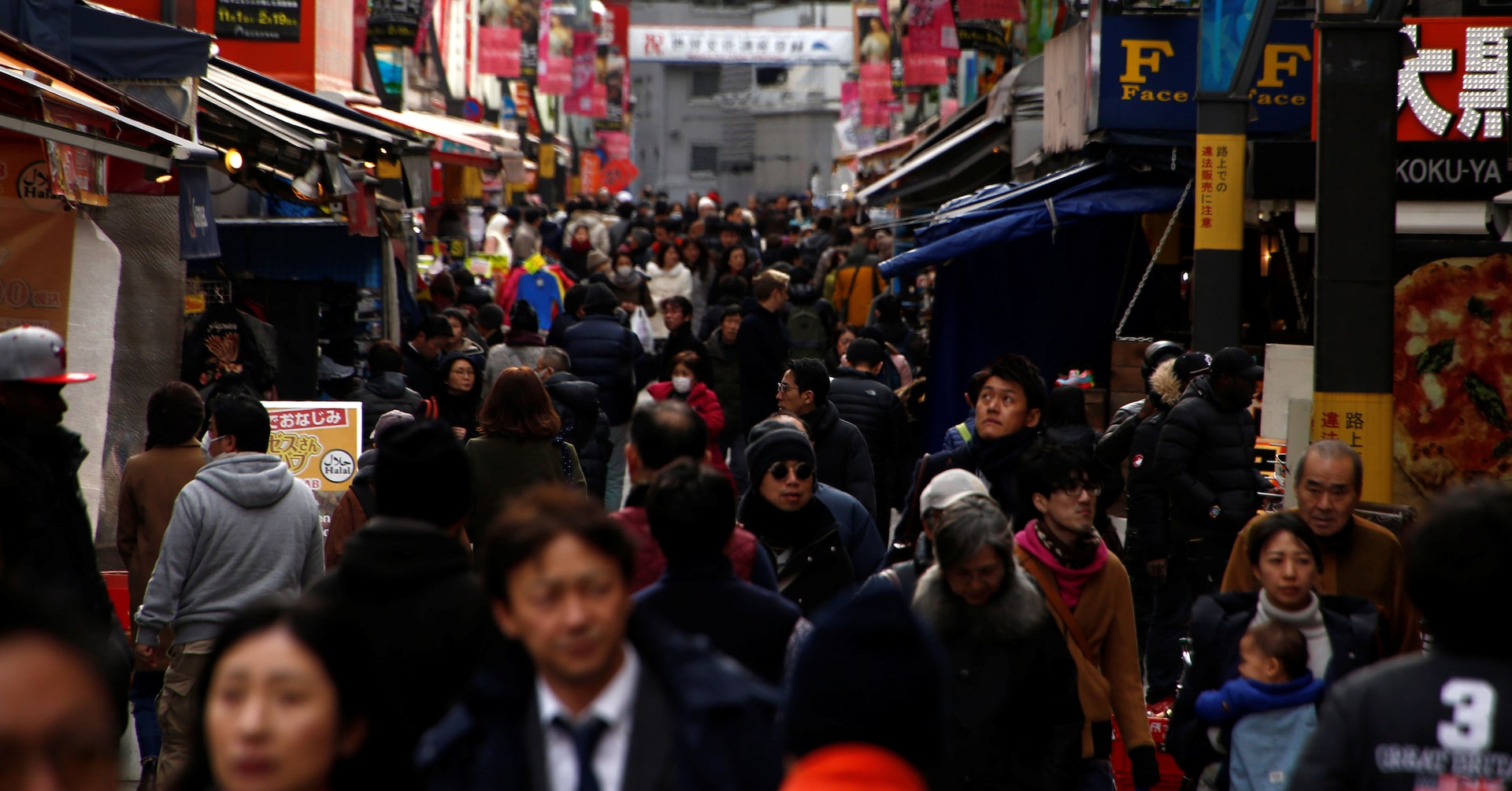
Japan Q2 output gap biggest since 2019 after GDP revision, Cabinet Office says
TOKYO, Sept 16 (Reuters) – Japan’s output gap for the April-June quarter of 2024 has been revised upward to 0.3%, the highest level since the July-September period of 2019, according to the Cabinet Office. This adjustment follows the release of updated gross domestic product (GDP) data, which provided a more accurate reflection of the nation’s economic performance. Previously, the output gap was estimated at 0.1% based on preliminary GDP figures released last month. This marks the first positive output gap reading since the April-June quarter of 2023, signaling a potential recovery in Japan’s economic activity. The output gap, which measures the difference between actual and potential economic output, is a key indicator of economic health and inflationary pressures. A positive gap suggests that demand is outpacing supply, which could lead to increased inflationary pressures. The revision underscores the resilience of Japan’s economy amid global uncertainties and highlights the importance of accurate data in shaping economic policy. Analysts are closely monitoring the trend to assess its implications for future monetary and fiscal decisions.
-
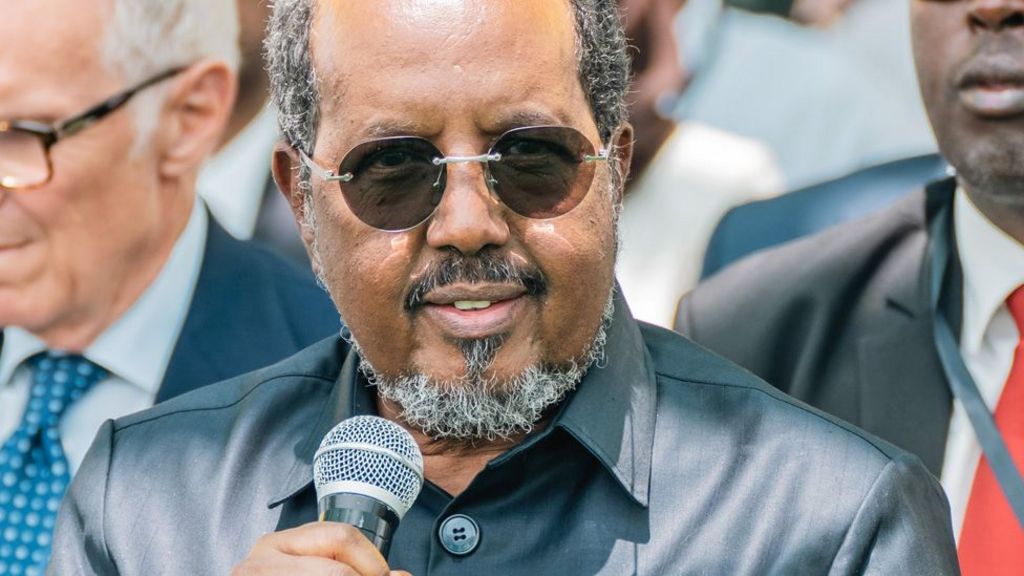
TikTokers arrested for insulting Somalia’s president in a dance video
In a significant development in Somalia, four TikTok influencers have been arrested for allegedly insulting President Hassan Sheikh Mohamud in a viral dance video. The video, which has since been deleted but continues to circulate widely on social media, features a group of young men dancing to a remix of a campaign song from the president’s 2022 election bid. However, the lyrics were altered to include derogatory language directed at the president. Somali police confirmed the arrests, stating that the suspects are in custody and will face formal charges. This marks the first instance where a high-ranking political figure has been targeted in such a case, though social media influencers have previously been jailed for spreading clan-based insults or ‘immoral’ content. In August 2023, seven TikTokers were sentenced to six months in prison for inciting civil unrest and spreading immorality. Police spokesman Gen Abdifatah Aden issued a stern warning, emphasizing that any acts disrespecting national institutions or leaders would be met with strict legal consequences. The arrests have sparked a heated public debate over the role of social media in Somalia, particularly TikTok, which has been a platform for political commentary, satire, and entertainment. While some support the young men, others argue that freedom of expression should not extend to such levels, especially in a country with fragile governance. In 2023, the Somali government considered banning TikTok due to concerns over national security, misinformation, and the erosion of moral values. Although the ban was not implemented due to public opposition, officials warned of the platform’s increasing use for spreading harmful content, including extremist propaganda and defamatory material.
-

Kipyegon wins historic fourth world 1500m gold
In a display of unparalleled athleticism, Faith Kipyegon of Kenya claimed her fourth world 1500m title at the 2025 World Championships, further solidifying her status as one of the greatest middle-distance runners in history. The 31-year-old phenom, already a three-time Olympic champion, extended her dominance by winning her fifth consecutive global gold in the event. Kipyegon’s latest triumph places her alongside retired men’s world record holder Hicham El Guerrouj as the only athletes to have secured four 1500m world titles.
Kipyegon’s victory was a masterclass in strategy and endurance. She controlled the race from the outset, surging ahead in the final lap to finish in an impressive 3 minutes 52.15 seconds. Her nearest competitor, fellow Kenyan Dorcus Ewoi, trailed by nearly three seconds, highlighting the chasm between Kipyegon and her rivals. Australia’s Jessica Hull, the Olympic silver medalist, faded to bronze after attempting to match Kipyegon’s relentless pace.
‘I just want to thank God,’ Kipyegon told BBC Sport after the race. ‘I knew I was capable of defending my world title after breaking the world record earlier this year. I thank God that I was strong today.’
Kipyegon’s victory marks her eighth global gold medal, equaling the achievements of Jamaican sprint legend Shelly-Ann Fraser-Pryce and Ethiopian distance running icon Tirunesh Dibaba. With her sights now set on the 5,000m event, Kipyegon aims to replicate her historic 1500m-5,000m double from two years ago.
Her journey to greatness has been nothing short of extraordinary. From running barefoot to and from school in her Kenyan village as a child, Kipyegon has risen to become the oldest woman to ever win a world 1500m title. Her relentless pursuit of excellence continues to inspire, particularly among young girls and women.
As Kipyegon’s reign of dominance shows no signs of waning, her legacy as a trailblazer in athletics is firmly cemented. ‘She makes the third lap quicker than the second, the second quicker than the first,’ commented BBC TV’s Andrew Cotter. ‘There is nothing anyone else can do but survive, hang on.’
-
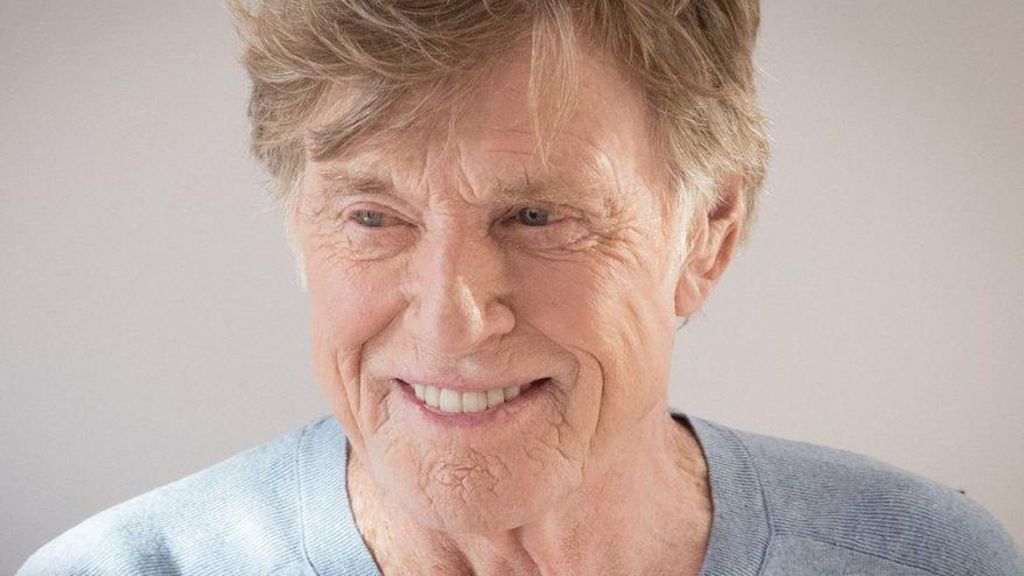
Robert Redford: An enthralling star with an aura that lit up Hollywood
Robert Redford, the iconic Hollywood actor, director, and champion of independent cinema, has passed away at the age of 89. Known for his all-American charm and profound impact on the film industry, Redford leaves behind a legacy that spans over six decades. His career, marked by both critical acclaim and commercial success, included more than 50 films, an Academy Award for directing, and the founding of the Sundance Film Festival, which became a cornerstone for independent filmmakers.
Born on August 18, 1936, in Santa Monica, California, Redford’s journey to stardom was anything but conventional. After a tumultuous youth that included a brief stint in a street gang and expulsion from the University of Colorado, he found his calling in acting. His breakthrough came in the 1960s with roles in films like *Inside Daisy Clover* and *Barefoot in the Park*, the latter of which earned him a Golden Globe for Most Promising Newcomer.
Redford’s global fame skyrocketed with *Butch Cassidy and the Sundance Kid* (1969), where his on-screen chemistry with Paul Newman became legendary. The duo reunited in *The Sting* (1973), a film that won seven Oscars, including Best Picture. Despite being nominated only once for Best Actor, Redford’s versatility shone through in roles like Bob Woodward in *All the President’s Men* (1976) and his directorial debut in *Ordinary People* (1980), which earned him an Oscar.
Beyond acting, Redford was a passionate advocate for independent cinema. In 1981, he founded the Sundance Institute, which later evolved into the Sundance Film Festival, launching the careers of filmmakers like Quentin Tarantino and Steven Soderbergh. He also used his wealth to purchase a ski resort in Utah, renaming it Sundance in homage to his iconic role.
Redford’s later years saw him take on diverse projects, from the silent survival drama *All is Lost* (2013) to a cameo in *Avengers: Endgame* (2019). He was also a vocal environmentalist, often speaking out about the need for sustainable practices. Despite retiring from acting in 2019, he returned to the screen in the TV series *Dark Winds*.
Redford’s personal life was marked by both triumphs and tragedies. He married twice, first to Lola Van Wagenen, with whom he had four children, and later to German artist Sibylle Szaggars. The loss of his firstborn son, Scott, and his son James in 2020 deeply affected him. Redford often reflected on the idea of karma, believing that his physical good fortune came at a personal cost.
Hollywood has lost a true legend, but Robert Redford’s contributions to film and his unwavering commitment to storytelling will continue to inspire generations.
-
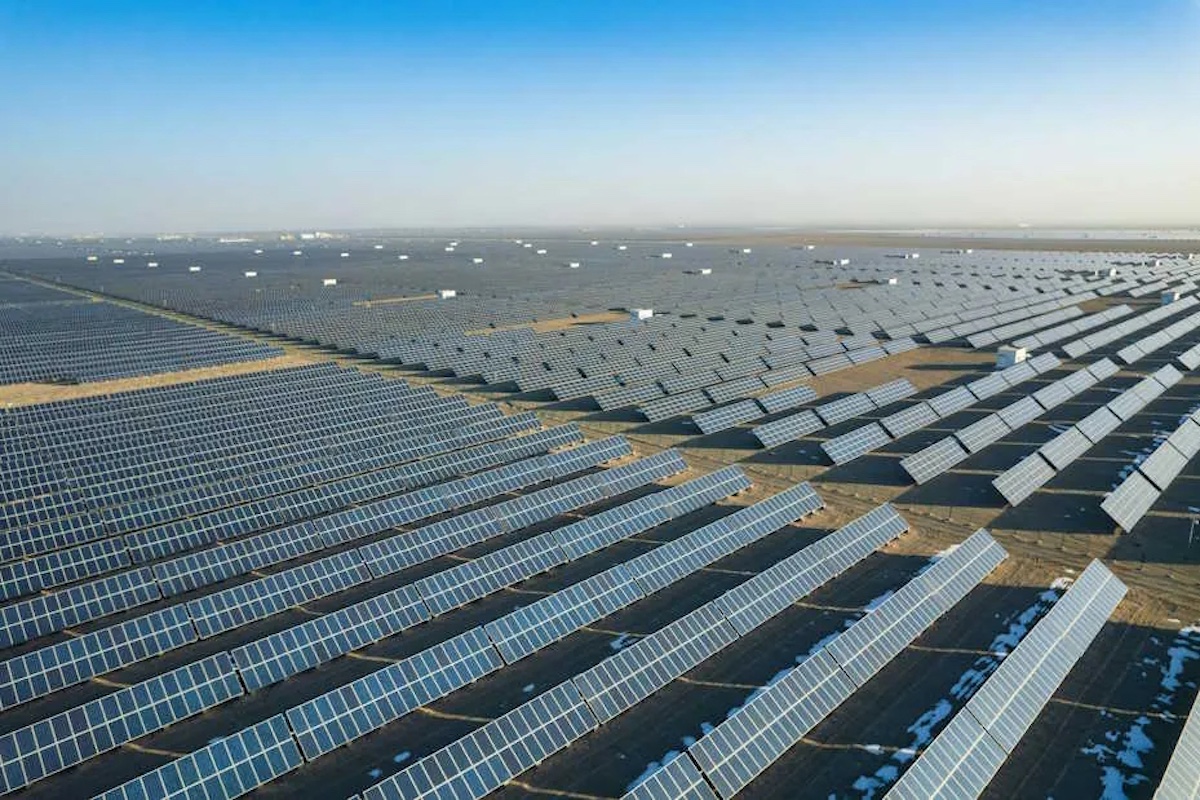
China is quietly saving the world from climate change
The People’s Republic of China remains the world’s largest contributor to environmental degradation, responsible for overfishing oceans, emitting harmful pollutants like mercury and nitrous oxide, and dumping plastic waste into marine ecosystems. Despite these challenges, China has made strides in addressing some of these issues. However, as the globe’s foremost manufacturing hub, it inevitably leads as the top polluter. China’s most significant environmental impact stems from its greenhouse gas emissions, primarily due to its heavy reliance on coal, which results in annual carbon emissions surpassing those of the United States and Europe combined. Even when accounting for offshored emissions, China’s carbon footprint remains alarmingly high, contributing to a rising share of global emissions. Decarbonization is imperative to combat climate change, with two primary pathways: economic degrowth and green energy adoption. While degrowth is not a viable option for China or other developing nations, the transition to green energy presents a feasible solution. The key to this transition lies in making renewable energy technologies, such as solar power and batteries, economically viable. Historically, cost reductions in these technologies were driven by research and development, but recent years have seen economies of scale play a dominant role. China has emerged as a global leader in scaling green technologies, heavily subsidizing solar panels, wind turbines, and electric vehicles. This strategic focus has not only helped plateau China’s emissions but also facilitated the export of green technologies to developing countries, enabling them to grow economically without exacerbating carbon emissions. While the United States has faltered in its climate commitments, China’s industrial policy and manufacturing prowess have positioned it as a pivotal player in the global fight against climate change. Despite criticisms of its governance, China’s efforts in making green energy affordable and accessible deserve recognition, offering a glimmer of hope in the battle against environmental degradation.