作者: admin

  • Top-ranked Jeeno Thitikul moves into contention at her home LPGA tournament in Thailand

    Top-ranked Jeeno Thitikul moves into contention at her home LPGA tournament in Thailand

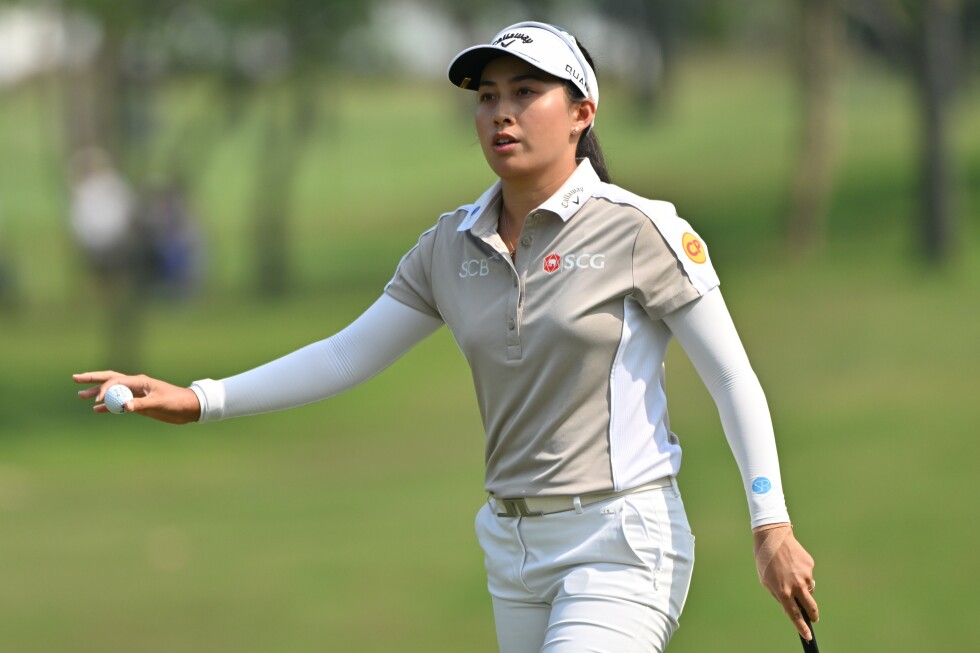
    In a stunning display of home-course prowess, Thailand’s top-ranked golfer Jeeno Thitikul electrified the galleries at the Siam Country Club Old Course with a spectacular 9-under 63 during Friday’s second round of the LPGA Thailand tournament. The world number one’s remarkable performance positioned her firmly in second place, though she trails the formidable leader Somi Lee by three strokes after the South Korean sensation carded a blistering 61 that included a spectacular eagle 2 from the fairway on the 15th hole.

    The Asian swing of the LPGA Tour commenced with this prestigious event located approximately 125 kilometers east of Bangkok, marking the first of three consecutive tournaments across the continent with subsequent stops in Singapore and China. The competition has intensified dramatically as players seek early momentum in this crucial segment of the professional circuit.

    Thitikul’s round featured an extraordinary burst of scoring prowess with four birdies and an eagle across the final six holes of her front nine. The Thai superstar maintained her scintillating form with additional birdies on the 10th and 11th holes, momentarily seizing the tournament lead after initially trailing by two strokes following the opening round. However, her momentum tempered during the latter portion of the back nine with six consecutive pars before concluding with a final birdie on the 18th hole.

    Japan’s Chizzy Iwai delivered an impressive bogey-free 62, elevating her into a tie for third position with New Zealand’s Lydia Ko, who carded a 64, leaving both competitors four strokes off the pace. Meanwhile, defending champion Angel Yin struggled with a 75, falling to even par for the tournament, while Canadian standout Brooke Henderson remained at 5-under after posting a 68, now trailing Lee by twelve strokes.
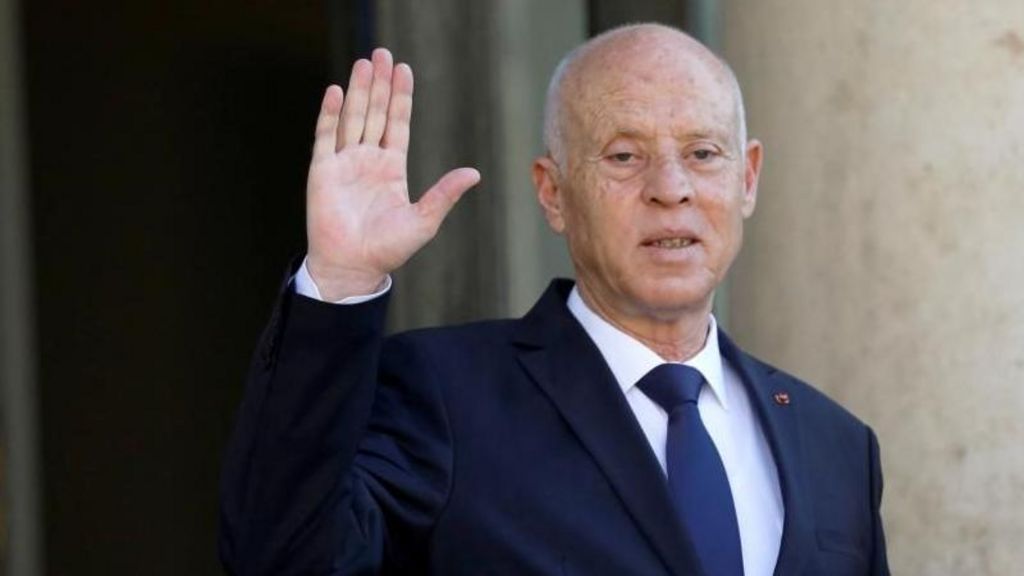

  • Tunisian MP jailed for eight months over posts mocking president

    Tunisian MP jailed for eight months over posts mocking president

    A Tunisian court has imposed an eight-month prison sentence on parliament member Ahmed Saidani for social media commentary deemed insulting to President Kais Saied. The charges stem from Saidani’s satirical Facebook posts criticizing the president’s response to recent catastrophic flooding that claimed multiple lives.

    Judicial authorities confirmed Saidani was convicted under Article 86 of the telecommunications code, which criminalizes ‘harming others via social media’ with penalties extending to two years imprisonment. The lawmaker’s detention occurred Thursday following his arrest earlier this month.

    Saidani’s legal representative, Houssem Eddine Ben Attia, characterized the prosecution as politically motivated, telling AFP the case represents a concerning application of telecommunications legislation to suppress government criticism.

    The incident has intensified scrutiny of Saied’s governance approach since his 2021 suspension of parliament and assumption of decree powers. Human rights organizations document escalating suppression of dissent, including November’s mass sentencing of opposition figures accused of attempted government overthrow.

    Notably, Saidani previously supported Saied’s power consolidation but recently emerged as a vocal critic. His social media posts sarcastically referred to the president as ‘supreme commander of sanitation and rainwater drainage’ and accused him of photo-opportunism during disaster response while avoiding substantive accountability.

    Fellow legislator Bilel Mechri condemned the imprisonment as institutional sabotage, telling Reuters: ‘How can parliament hold the executive authority to account if it carries out an unlawful arrest over critical views?’

    The case tests Tunisia’s parliamentary immunity provisions, which typically protect lawmakers from detention during official duties except for criminal offenses.

    President Saied, elected in 2019 on promises of stabilizing Tunisia’s post-Arab Spring democracy, maintains his actions uphold legal standards and national cleansing efforts. The 67-year-old leader denies authoritarian tendencies despite mounting international concern over Tunisia’s democratic backsliding.

  • Asos co-founder dies after Thailand balcony fall

    Asos co-founder dies after Thailand balcony fall

    Thai authorities have confirmed the identity of the individual who fell to his death from a high-rise condominium in Pattaya on February 9, 2026, as Quentin Griffiths, the British co-founder of global fashion retailer ASOS. Police investigators disclosed to BBC that emergency services responded to the incident after receiving reports of a fatal fall from the 18th floor of a residential building.

    According to official statements from Pattaya law enforcement, preliminary investigations indicate no evidence of criminal involvement in Griffiths’ death. The police report specified that the entrepreneur was alone at the time of the incident, with his condominium unit secured from inside and showing no signs of forced entry. Medical examiners conducted an autopsy which revealed no indications of foul play, supporting the initial assessment of the circumstances.

    Griffiths, who held British citizenship, co-established ASOS (As Seen On Screen) in 2000 alongside current CEO Nick Robertson. Although he departed from the company five years after its inception, he maintained substantial shareholdings in the fashion enterprise that would eventually grow into a multinational e-commerce giant valued at billions.

    Law enforcement officials additionally revealed that Griffiths was engaged in two separate ongoing legal proceedings at the time of his death, suggesting these matters may have contributed to significant personal stress. The precise nature of these court cases remains undisclosed as investigations continue.

    The tragic event has drawn international attention to the circumstances surrounding the death of a prominent business figure in Thailand’s coastal city of Pattaya, known both as a tourist destination and expatriate hub. Authorities have indicated their investigation remains open while awaiting final forensic reports.

  • India joins US-led initiative to build secure technology supply chains

    India joins US-led initiative to build secure technology supply chains

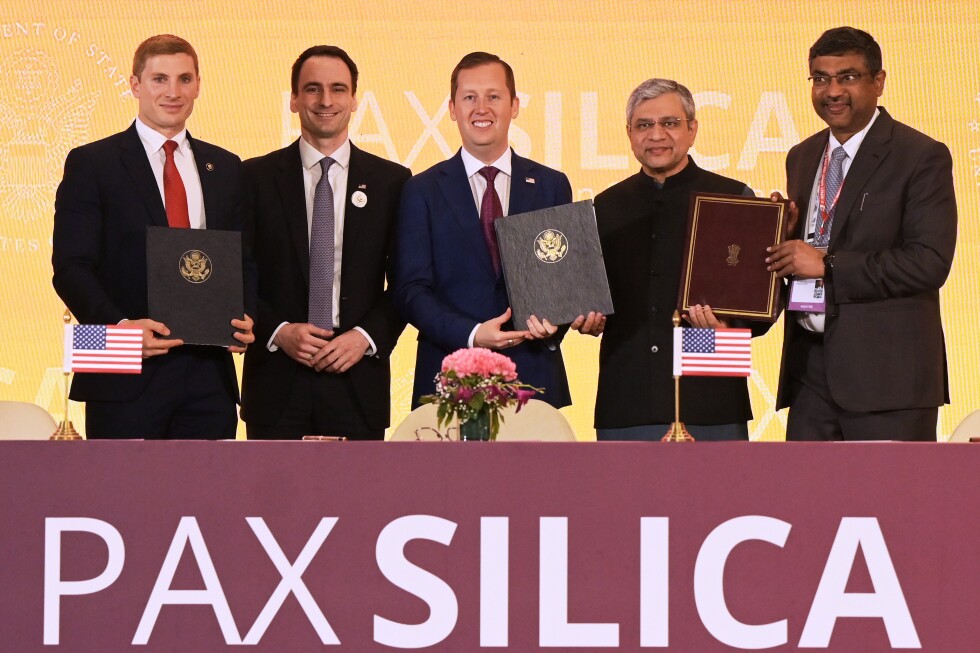
    NEW DELHI — In a significant diplomatic development, India formally aligned with the United States-led Pax Silica initiative on Friday, cementing a strategic partnership that had recently weathered tensions over energy imports. The partnership represents a substantial recalibration of bilateral relations, emphasizing technological cooperation amid growing geopolitical competition with China.

    The Pax Silica framework, which includes key U.S. allies such as Japan, South Korea, the United Kingdom, and Israel, aims to establish secure supply chains for semiconductors, advanced manufacturing, and critical technologies. The initiative specifically seeks to diminish global reliance on China-dominated manufacturing hubs while fostering trusted production networks among democratic nations.

    U.S. Ambassador Sergio Gor emphasized the strategic importance of India’s participation in a pre-signing address. “Pax Silica will unite nations that believe technology should empower free people and free markets. India’s entry isn’t merely symbolic—it’s both strategic and essential,” Gor stated.

    The technology agreement follows closely on the heels of a recently established interim trade framework between the two nations, which reduces tariffs and enhances market access. This trade détente effectively eased frictions that had emerged from India’s substantial purchases of discounted Russian oil following Moscow’s invasion of Ukraine in 2022.

    Earlier this month, President Donald Trump announced the reduction of reciprocal import tariffs on Indian goods from 25% to 18%, alongside the removal of additional levies previously imposed due to India’s Russian crude acquisitions. This concession came after Indian Prime Minister Narendra Modi committed to halting further Russian oil purchases.

    The convergence of trade agreements and technology cooperation signals a broader strategic partnership that extends beyond commerce into long-term security alignment. Ambassador Gor captured the optimistic outlook: “From the trade deal to Pax Silica to defense cooperation, the potential for our two nations to work together is truly limitless.”

  • Ex-South Korean president remains defiant following life sentence for rebellion

    Ex-South Korean president remains defiant following life sentence for rebellion

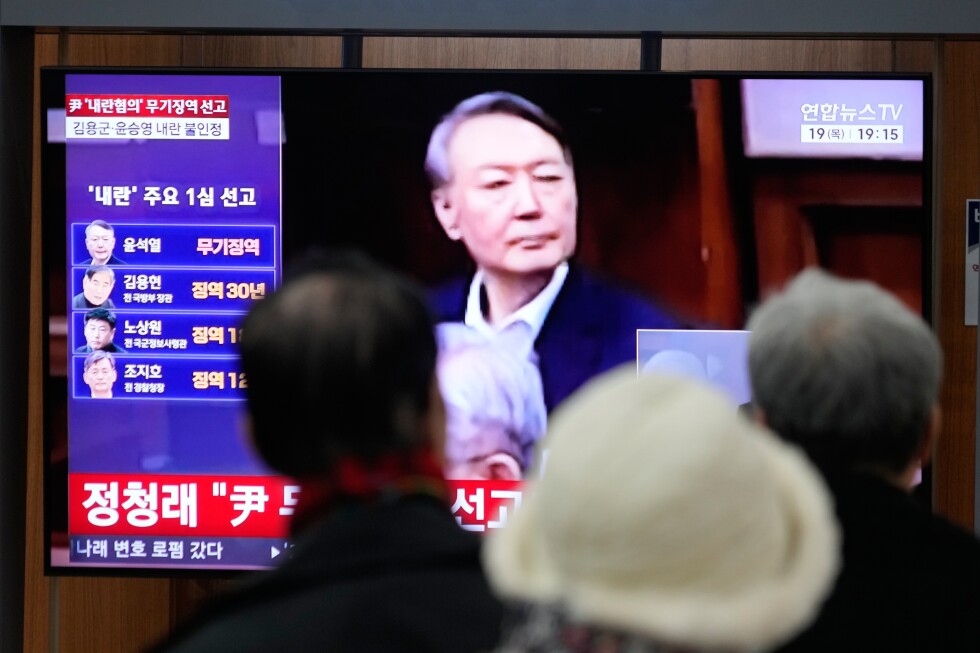
    In a dramatic development within South Korea’s political landscape, former President Yoon Suk Yeol has issued his first response to receiving a life imprisonment sentence for rebellion, maintaining an uncompromising stance despite the severe judicial ruling. The Seoul Central District Court delivered the verdict on Thursday, finding Yoon guilty of orchestrating an attempted coup through his unauthorized declaration of martial law in December 2024.

    Through legal representatives, the deposed leader asserted that his controversial imposition of emergency measures was enacted ‘exclusively for national interests and public welfare,’ while simultaneously dismissing the judicial proceedings as fundamentally biased against him. The court documented Yoon’s persistent non-cooperation throughout the investigation, including his refusal to attend multiple court hearings and his weeks-long barricade within the presidential residence following his arrest last July.

    Presiding Judge Jee Kui-youn emphasized in the ruling that Yoon demonstrated ‘complete absence of remorse for the substantial societal damages caused by the emergency martial law declaration’ and noted his ‘unjustified avoidance of court appearances’ on several occasions. The judicial finding concluded that Yoon had mobilized military and police forces in an unlawful attempt to seize legislative control, apprehend political adversaries, and establish indefinite authoritarian governance.

    Conservative supporters expressed outrage at the courthouse steps, while liberal opponents celebrated the verdict nearby, with both factions separated by substantial police presence. Despite his defiant rhetoric questioning the judiciary’s independence, Yoon retains the right to appeal within seven days, though his statement suggested skepticism about continuing legal battles.

    The brief six-hour martial law period in December 2024 triggered South Korea’s most severe political crisis in decades, culminating in Yoon’s presidential suspension that same month, formal removal by the Constitutional Court in April 2025, and subsequent early elections that brought current President Lee Jae Myung to power. Five former military and police officials received substantial prison sentences for their roles in enforcing the martial law decree, including ex-Defense Minister Kim Yong Hyun, who was sentenced to 30 years imprisonment.

  • UK doctor stuck in India after police case over Facebook post

    UK doctor stuck in India after police case over Facebook post

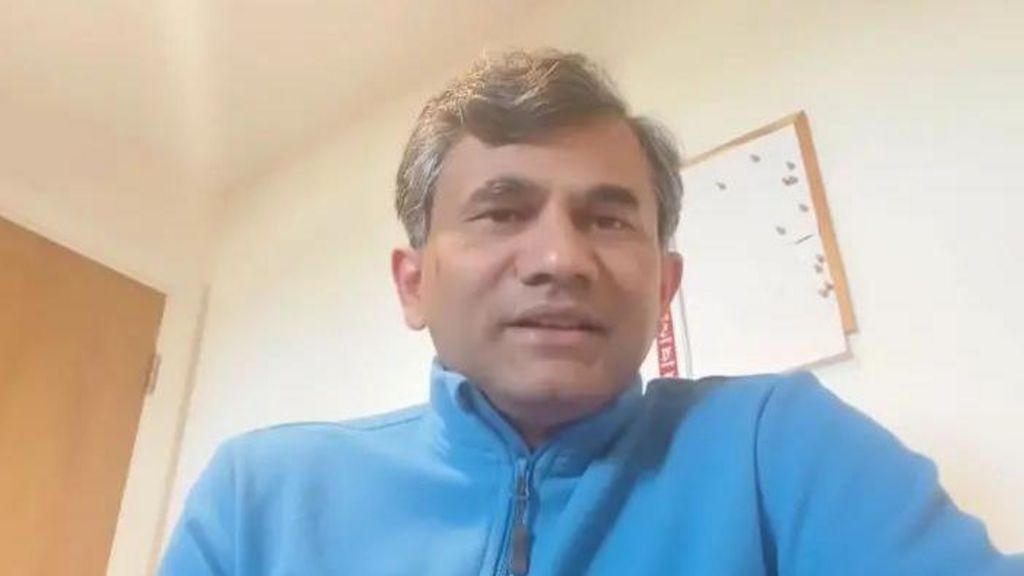
    A British medical professional of Indian origin finds himself entangled in a legal and diplomatic impasse, barred from departing India for over a month due to a criminal investigation initiated from a social media commentary. Dr. Sangram Patil, a consultant for the UK’s National Health Service (NHS) and a UK citizen, was intercepted at Mumbai airport on January 19th while attempting to board a flight back to London. The prevention of his departure was enforced via a lookout circular—an official notice that restricts individuals under investigation from exiting the country.

    The core of the dispute stems from a complaint filed by Nikhil Bhamre, who leads the Bharatiya Janata Party’s (BJP) social media operations in Maharashtra state. Registered on December 18th, the complaint alleges that Dr. Patil published “objectionable content” on Facebook targeting a senior BJP figure. Although the complaint did not explicitly name the leader, evidence indicates it refers to a post concerning Prime Minister Narendra Modi made four days prior. The Mumbai police subsequently filed a case against Patil under sections of the Indian criminal code pertaining to the dissemination of false information capable of inciting enmity and hatred between communities—an offence that is bailable but carries a potential three-year prison sentence.

    Dr. Patil, who maintains a substantial online following across platforms like Facebook and YouTube, has vehemently denied the allegations. He characterizes the police action as “unlawful” and describes the extensive interrogations—totaling over 20 hours—as “targeted harassment.” He contends that his post was merely a simple question directed at government supporters and contained no inflammatory, communal, or sensational material. In a legal rebuttal, Patil’s legal team has categorically denied authoring any post that directly named or referred to the Prime Minister, arguing that criminal prosecution cannot be based on subjective political interpretation.

    The Mumbai police, in an affidavit presented to the court, defended their investigation. They asserted that the probe was at a critical juncture and suggested the possibility of “an organised effort to malign constitutional authority.” They further questioned why a foreign citizen on a tourist e-visa would engage in posting what they described as “defamatory, scandalous, obscene and inflammatory material” against the Indian Prime Minister while residing abroad.

    With his court plea seeking to dismiss the case and lift his travel ban scheduled for a hearing on February 27th, Dr. Patil remains in India, separated from his family and job in the UK. The UK’s Foreign, Commonwealth and Development Office has confirmed it is providing support to the British national and is in contact with local Indian authorities, highlighting the developing diplomatic dimension of this case.

  • A macabre dispute has kept the body of Zambia’s former president unburied for months

    A macabre dispute has kept the body of Zambia’s former president unburied for months

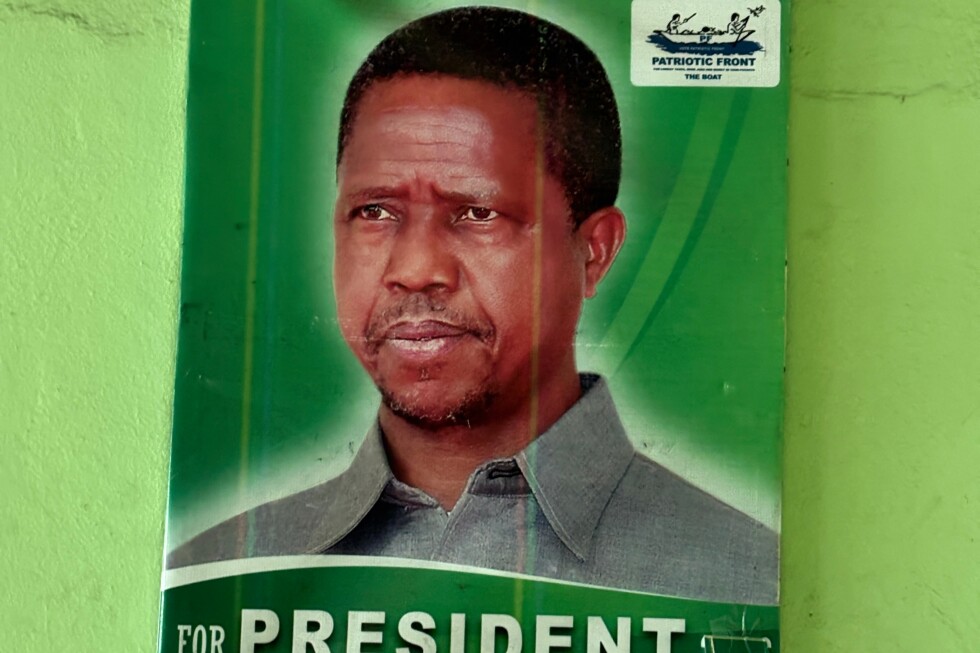
    LUSAKA, Zambia — The mortal remains of former Zambian President Edgar Lungu continue to be held in a South African mortuary eight months after his death, trapped in an extraordinary standoff that blends political rivalry with deep-seated spiritual beliefs. The protracted dispute has prevented the dignified burial traditionally accorded to national leaders in Zambian culture.

    At the heart of the conflict lies a cemetery in Zambia’s capital where an empty, president-sized grave awaits occupancy—a physical manifestation of the bitter divide between Lungu’s family and his successor, President Hakainde Hichilema. Court rulings have consistently favored the government’s position, yet Lungu’s family maintains their resistance, honoring the former leader’s dying wish that Hichilema should not approach his body, even as a mourner.

    This unprecedented situation has evolved into what religious authorities describe as a spiritual confrontation transcending political dimensions. Bishop Anthony Kaluba of Lusaka’s Life of Christ congregation characterizes the struggle as fundamentally spiritual rather than political. The dispute reflects Zambia’s complex intersection of modern democracy and traditional belief systems, where curses and blessings from the dying hold significant cultural power.

    Academic experts note that across Africa, final words from elders possess transformative power to either enhance or obstruct life. Chammah J. Kaunda, a Zambian professor of African Pentecostal theology, explains that curses imposed by elders facing death can develop autonomous existence beyond their initial utterance.

    The conflict originates in Zambia’s vibrant democratic tradition where civilian leaders have succeeded through electoral merit rather than military strength. However, beneath this modern political framework thrives a culture where traditional spirituality coexists with Christianity, and the fear of spiritual retaliation remains potent.

    The courtroom battles have proven intense. A South African court ruled in August that Zambian authorities could repatriate Lungu’s body, but the former president’s sister, Bertha Lungu, responded with emotional outbursts, accusing Hichilema of seeking the body for ritual purposes—an allegation the current president denies, citing his Christian faith’s rejection of traditional religious practices.

    The rivalry between these two figures spans years: Lungu narrowly defeated Hichilema in the 2015 presidential race following Michael Sata’s death, and again in 2016 when Hichilema faced treason charges and imprisonment. The tables turned in 2021 when Hichilema secured victory, leading to the withdrawal of Lungu’s retirement benefits and legal troubles for his family members.

    As the impasse continues, it raises profound questions about political reconciliation, cultural traditions, and the complex legacy of leadership in a nation where the boundaries between the physical and spiritual worlds remain deeply interconnected.

  • Strait of Hormuz risk premium returns amid growing US-Iran war fears, says analyst

    Strait of Hormuz risk premium returns amid growing US-Iran war fears, says analyst

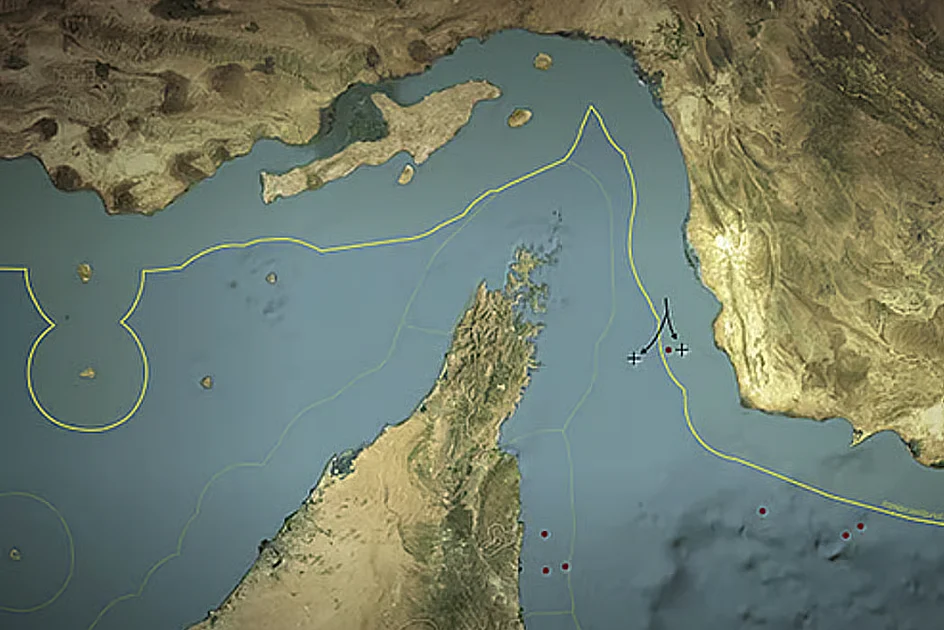
    Escalating military tensions between the United States and Iran have triggered a resurgence of risk premiums in global oil markets, with analysts warning of potential supply disruptions through the critical Strait of Hormuz. The strategic waterway, through which approximately 20 million barrels of oil transit daily, has become the focal point of renewed geopolitical anxieties.

    According to Saxo Bank analysis, the current geopolitical insurance premium has added approximately $5-7 to crude prices. This assessment comes as both Brent and WTI crude benchmarks surged more than 1.4% to $71.35 and $66.15 per barrel respectively following heightened concerns about potential U.S. military action against Tehran.

    Ole Hansen, Head of Commodity Strategy at Saxo Bank, emphasized that the recent price rally above $70 reflects Middle East supply-disruption risks rather than fundamental market shifts. “The vulnerability lies not only in Iran’s own exports but in the region’s collective dependence on the strait,” Hansen noted in a market commentary released Thursday.

    While Saudi Arabia and the United Arab Emirates maintain meaningful bypass infrastructure—including the UAE’s Abu Dhabi Crude Oil Pipeline and Saudi Arabia’s East-West Petroline—analysts estimate practical spare capacity at only 2-3 million barrels per day. This falls significantly short of the 20 million barrels that typically transit Hormuz daily.

    Industry experts warn that even partial disruption would trigger immediate consequences. Anis Sajan, Vice Chairman of Danube Group, highlighted the strait’s critical importance for Gulf Cooperation Council economies: “Any extended disruption would impact all goods transported via this route, leading to shortages and price increases. For building materials specifically, even short disruptions can affect freight costs and project execution.”

    The situation remains fluid as diplomatic efforts continue, with Oman mediating indirect talks between Washington and Tehran. Market participants are closely monitoring developments, aware that any resolution could quickly reverse the current risk premium and push prices toward the low $60s.

  • Rest enters the UAE sleep market with the launch of Evercool

    Rest enters the UAE sleep market with the launch of Evercool

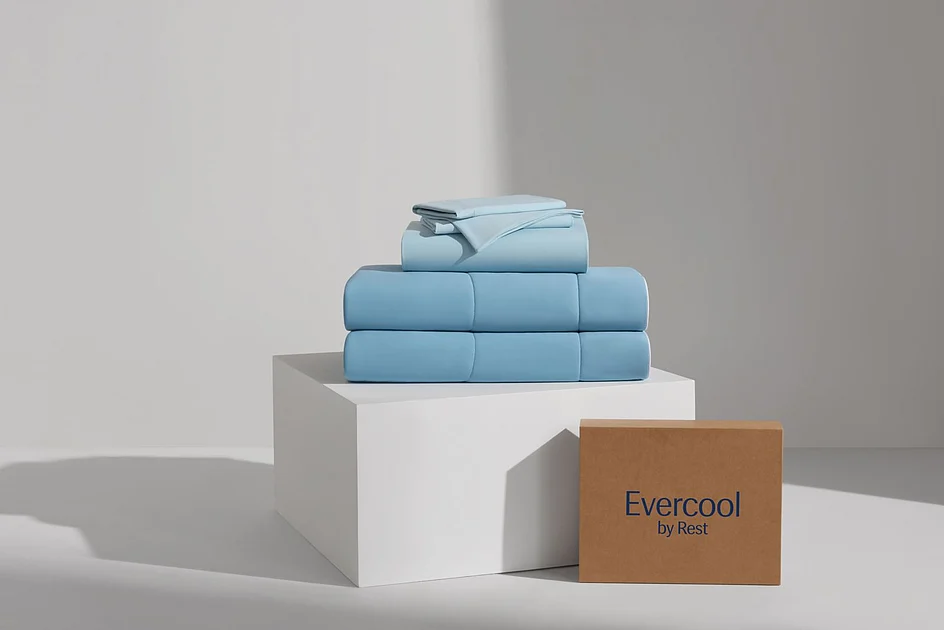
    Science-driven sleep brand Rest has entered the United Arab Emirates market with the introduction of Evercool, its innovative temperature-regulating bedding system designed specifically for hot sleepers. The launch represents the company’s first expansion into the Middle Eastern region and addresses the widespread issue of thermal discomfort during sleep that affects a substantial portion of consumers.

    Unlike conventional bedding solutions that depend on breathable fabrics or superficial cooling treatments, Evercool employs advanced thermal engineering to actively absorb and dissipate excess body heat throughout the night. The technology provides a consistently cool surface contact experience that maintains optimal sleeping temperatures, addressing what the company identifies as one of the most persistent yet underserved challenges in sleep wellness.

    The product development involved rigorous material science research and performance-driven design, resulting in a solution that fundamentally reimagines how bedding manages body temperature. This approach moves beyond traditional methods to create a more effective system for thermal regulation during sleep.

    Internationally, Rest has gained recognition through its collaboration with Sleep Wellness Advocate Drew Barrymore in the United States, highlighting the brand’s mission to make scientifically-engineered sleep solutions more accessible and relatable to mainstream consumers. This partnership reinforces Rest’s philosophy that quality sleep should be an achievable reality rather than an aspirational goal through properly designed sleep technology.

    The UAE market introduction is supported by a comprehensive launch campaign centered on the theme “Sleep Just Got Cool,” which aims to educate consumers about the science behind the product while establishing Evercool as the premier cooling bedding solution currently available. The rollout includes limited-time promotional offers to encourage consumer trial and firsthand experience with the technology.

    This market entry establishes a foundation for Rest’s continued expansion in the region, with plans to introduce additional products to its portfolio in the future. The company demonstrates how applied sleep science and deliberate design can create tangible improvements in daily rest quality for consumers struggling with temperature-related sleep disruptions.

  • Setting the standard for property snagging across the UAE

    Setting the standard for property snagging across the UAE

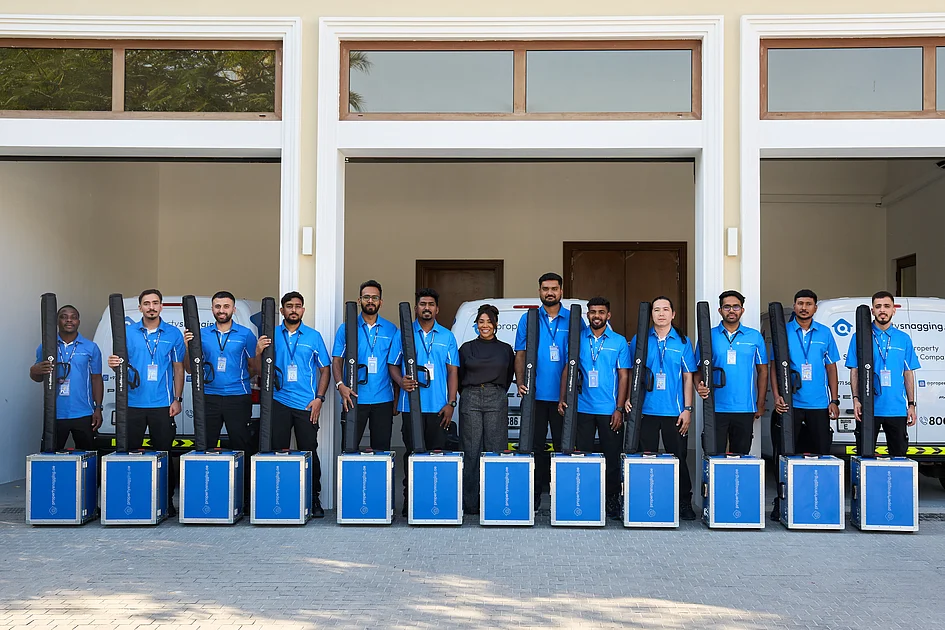
    In the dynamic real estate landscape of the United Arab Emirates, PropertySnagging.ae has established itself as a premier inspection specialist under the co-leadership of industry veteran Romaa’l Patel. With over fifteen years of dedicated service in Dubai’s property sector, Patel has cultivated an organization renowned for its technical expertise and client-focused approach.

    The company’s foundational mission centers on safeguarding property investments through meticulously detailed, impartial inspections conducted to exacting technical standards. This commitment has positioned the firm as a regional benchmark for reliability, particularly crucial as property handovers grow increasingly complex and voluminous throughout the UAE.

    PropertySnagging.ae maintains its rigorous standards through a team of InterNACHI-certified inspectors who adhere to internationally recognized protocols. The company’s operational philosophy emphasizes customer prioritization, meticulous attention to detail, and uncompromising integrity. Each inspection aims to verify that properties meet developer-promised specifications across multiple dimensions.

    The firm offers comprehensive evaluation services for both newly constructed and resale properties, examining civil infrastructure and Mechanical, Electrical, and Plumbing (MEP) systems. Their detailed reports include photographic evidence that enables clients to hold developers accountable during critical pre-possession negotiations.

    Remarkably, the company’s expansion has been primarily driven by organic reputation rather than aggressive marketing. With over 820 Google reviews maintaining consistently high ratings, PropertySnagging.ae enjoys substantial referral business and repeat clients who frequently commend Patel’s professionalism and industry knowledge.

    Technological advancement remains central to the company’s competitive edge. Patel has championed the integration of sophisticated inspection tools, calibrated equipment, and digital workflows that enhance reporting speed and accuracy without sacrificing quality. These operational efficiencies help clients resolve identified defects within developers’ liability periods.

    The financial implications for clients are significant, as early defect identification prevents costly post-move-in repairs, mitigates long-term maintenance concerns, and preserves property value. In numerous instances, the savings realized from these inspections substantially exceed their initial cost.

    Ultimately, clients select PropertySnagging.ae for its consistent delivery of proven results under Patel’s stewardship. The end-to-end process—from scheduling to final report delivery—maintains transparency and dependability, solidifying the company’s status as a trusted partner in protecting one of life’s most substantial investments.