作者: admin

  • US stocks tick higher after the Supreme Court strikes down Trump’s sweeping tariffs

    US stocks tick higher after the Supreme Court strikes down Trump’s sweeping tariffs

    Financial markets exhibited measured gains on Friday following a landmark Supreme Court decision to invalidate former President Donald Trump’s sweeping tariff policies. The ruling provided temporary relief to investors who had previously expressed concerns about the disruptive impact of these trade measures.

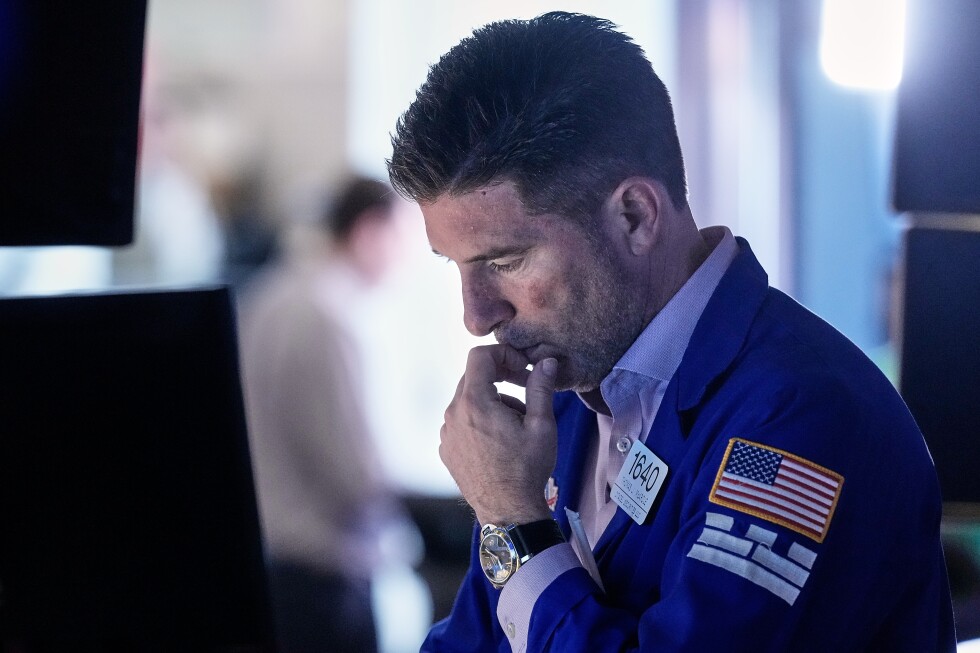
    The S&P 500 advanced 0.6%, while the Dow Jones Industrial Average climbed 124 points (0.3%) and the Nasdaq composite gained 1.1% by late morning trading. The market response remained relatively restrained, suggesting that many Wall Street participants had anticipated the judicial outcome, according to Brian Jacobsen, Chief Economic Strategist at Annex Wealth Management.

    Earlier market uncertainty had been driven by conflicting economic indicators showing both slowing U.S. economic growth and accelerating inflation. Treasury yields experienced minimal movement, with the 10-year yield edging up marginally to 4.09%. The U.S. dollar weakened slightly against major currencies including the euro.

    Gold prices demonstrated volatility, initially dropping from approximately $5,075 per ounce toward $5,000 before recovering partially. The precious metal had reached record highs earlier this year amid tariff-related uncertainties affecting global businesses and households.

    Despite the court’s prohibition of broad ‘reciprocal’ tariffs, analysts caution that protectionist trade policies may persist through alternative mechanisms. Jacobsen predicts the administration will likely pivot toward targeted tariffs focusing on specific nations or industries, suggesting this ruling offers only temporary respite.

    Market attention also remained focused on Federal Reserve policy expectations. Traders maintained predictions of at least two interest rate reductions by year-end, though some adjusted timing expectations to later in the summer. Fed officials have emphasized the need for further inflation moderation before considering additional rate cuts.

    Corporate performances varied significantly, with Akamai Technologies plunging 9.3% despite strong quarterly results, due to disappointing profit projections linked to increased equipment investments. Conversely, Comfort Systems surged 4.3% following better-than-expected earnings, with CEO Brian Lane citing ‘unprecedented demand.’

    International markets presented a mixed picture, with European indices advancing while Asian markets showed divergence. South Korea’s Kospi jumped 2.3% to record levels, driven by defense sector gains, while Hong Kong’s Hang Seng declined 1.1% post-Lunar New Year holidays.

  • Russian-run areas of Ukraine face water, heat and housing woes

    Russian-run areas of Ukraine face water, heat and housing woes

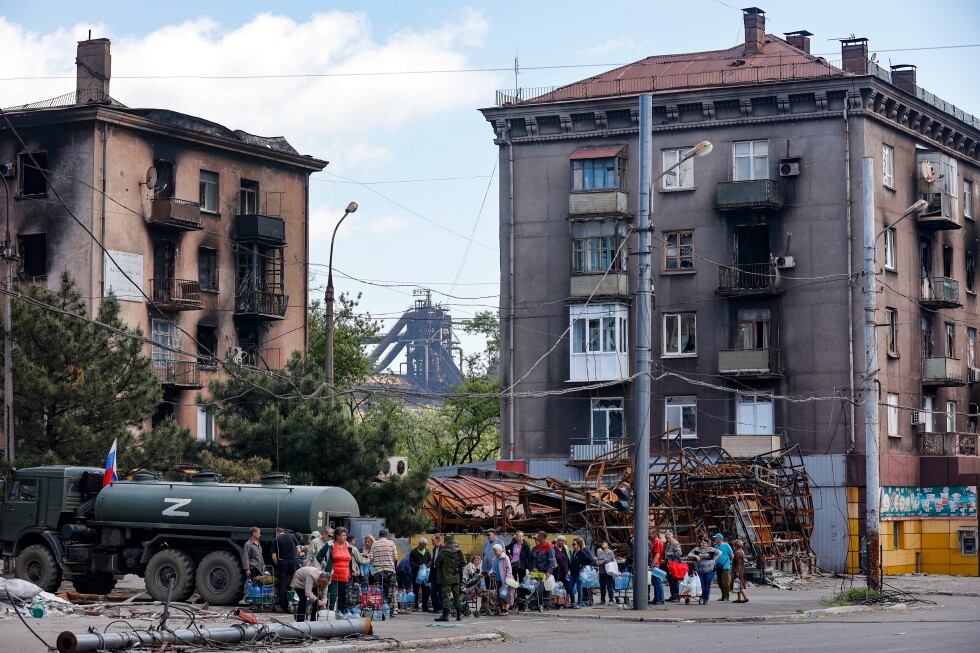
    TALLINN, Estonia (AP) — As Russia’s full-scale invasion of Ukraine approaches its fourth year, approximately 20% of Ukrainian territory remains under Moscow’s control, creating severe humanitarian challenges for the estimated 3-5 million residents in occupied regions. These areas face critical shortages in housing, utilities, and healthcare services, with President Vladimir Putin himself acknowledging “many truly pressing, urgent problems” in the illegally annexed territories of Donetsk, Luhansk, Kherson, and Zaporizhzhia.

    The occupation has brought systematic cultural imposition, with Russian citizenship, language, and curriculum forced upon residents through educational materials and institutional policies. According to displaced Ukrainians and human rights organizations, many civilians live under constant fear of persecution, with numerous documented cases of imprisonment, torture, and extrajudicial killings.

    Oleksandra Matviichuk, head of the Nobel Peace Prize-winning Center for Civil Liberties, reports that Russia has established “a vast network of secret and official detention centers where tens of thousands of Ukrainian civilians” are held indefinitely without formal charges. Russian officials have consistently refused to address allegations from UN human rights experts regarding systematic torture of both civilians and prisoners of war.

    Personal accounts reveal the brutal reality of occupation. Inna Vnukova described spending initial occupation days hiding in a damp basement with her family in Luhansk’s Kudriashivka village while soldiers intimidated residents, established checkpoints, and looted homes amid constant shelling. After fleeing with her teenage son in March 2022, her husband Oleksii—a court security officer—faced death threats from Russian soldiers before eventually escaping. The village’s population has dwindled from 800 to approximately 150 remaining residents, whom Oleksii describes as “just surviving” rather than living.

    The port city of Mariupol, besieged for weeks before falling in May 2022, suffered particularly devastating losses. The bombing of the Donetsk Academic Regional Drama Theater on March 16, 2022, represents the war’s single deadliest known attack against civilians, killing nearly 600 people according to AP investigations. Most of the city’s half-million residents fled, but those remaining faced extreme conditions, with many obtaining Russian citizenship primarily to access medical care and compensation for destroyed homes.

    Infrastructure throughout occupied territories has deteriorated dramatically due to warfare and neglect. In Alchevsk (Luhansk region), over half of homes lack heating during bitter winter conditions, necessitating the establishment of five emergency warming stations. Donetsk residents report water shortages so severe that trucks deliver water to apartment blocks, though supplies frequently freeze solid in winter temperatures, leading to constant conflicts over resources.

    Moscow actively encourages Russian citizens to relocate to occupied territories through incentive programs, offering benefits including salary supplements for teachers, medical professionals, and cultural workers who commit to five-year residencies. Meanwhile, original residents face systematic discrimination in housing allocation, with new apartments typically sold to Russian newcomers rather than those who lost homes during combat operations.

    The security situation remains dire for those suspected of Ukrainian sympathies. Stanislav Shkuta from Nova Kakhovka described narrowly avoiding arrest multiple times before reaching Ukrainian-controlled territory in 2023, recounting incidents where Russian soldiers forced bus passengers “to strip to the waist to check for Ukrainian tattoos.” Mykhailo Savva of the Center for Civil Liberties confirms that “Russian special services continue to identify disloyal Ukrainians, extract confessions, and continue to detain people” through document checks and mass searches.

    Human rights organizations document that Russia employed “filtration camps” early in the conflict to identify potentially disloyal individuals, targeting government workers, military relatives, journalists, educators, and politicians. Ukrainian Human Rights Ombudsman Dmytro Lubinets estimates approximately 16,000 civilians have been illegally detained, though the actual number may be significantly higher due to incommunicado detentions.

  • Japan’s traditional kimonos are being repurposed in creative and sustainable ways

    Japan’s traditional kimonos are being repurposed in creative and sustainable ways

    TOKYO — The iconic kimono, Japan’s centuries-old traditional garment once worn by geisha and samurai, is experiencing a remarkable transformation that aligns with contemporary environmental values. This elegant wrap-around attire, whose name literally translates to “worn thing,” is being reimagined through innovative sustainable practices that honor its cultural heritage while addressing modern ecological concerns.

    Authentic silk kimonos possess extraordinary longevity, often enduring for a century or more within Japanese families. These garments are traditionally passed down through generations alongside precious heirlooms, artworks, and military medals, maintaining their timeless appeal regardless of changing fashion trends. The fundamental design of the kimono and its accompanying obi sash has remained largely unchanged since the 17th century Edo period, as immortalized in Akira Kurosawa’s samurai films.

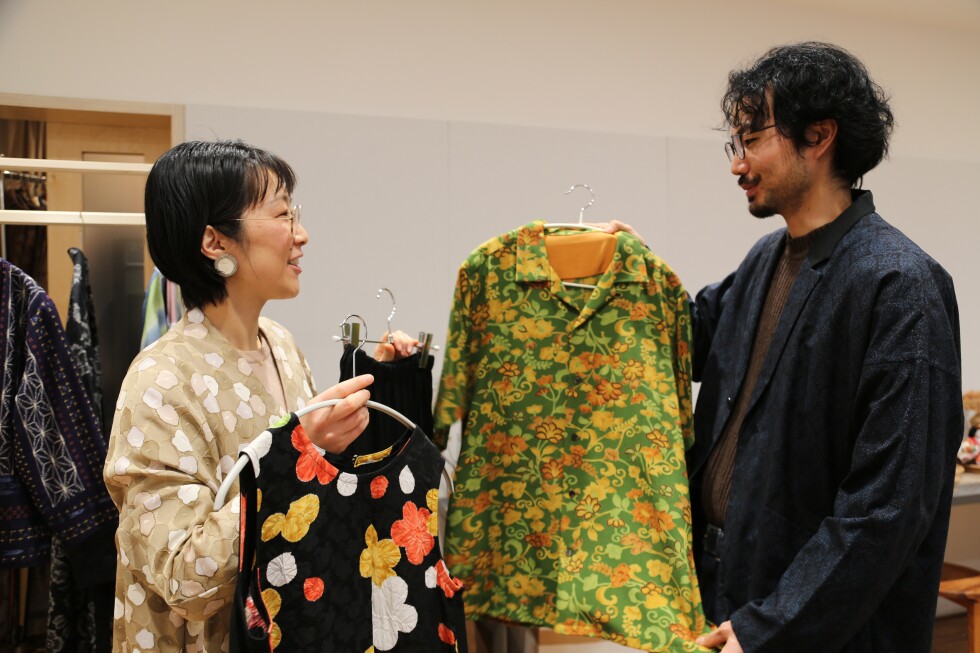
    Contemporary designers are now adopting creative approaches to revitalize these traditional garments, deconstructing and repurposing them into modern apparel such as jackets, dresses, and trousers. Mari Kubo, founder of the kimono remake enterprise K’Forward, identified the untapped potential within countless household closets. “I noticed that a multitude of beautiful kimonos remain dormant in people’s storage spaces,” Kubo observed. “This represents such tremendous waste.”

    K’Forward belongs to a growing sector of businesses that transform vintage kimonos into diverse products including tote bags and decorative dolls. Among their most sought-after items are tomesode—formal black kimonos featuring elaborate embroidered patterns of flowers, birds, or foliage at the hemline. Kubo specializes in creating coordinated ensembles where a tomesode becomes a jacket with preserved flowing sleeves, complemented by matching skirt or trousers crafted from coordinating kimono fabric. Occasionally, obi sashes are incorporated as colorful collar accents.

    These reinvented garments particularly appeal to younger consumers seeking kimono aesthetics without traditional wearing complexities. Pricing reflects the transformation process, with a repurposed furisode (vibrant long-sleeved kimono for unmarried women) reaching approximately 160,000 yen ($1,000), while a black tomesode outfit costs around 25,000 yen ($160).

    Tomoko Ohkata, another designer working with recycled kimonos, emphasizes the ecological satisfaction derived from her craft. “I experience no guilt in this work,” she explained. “Instead, I feel I’m contributing to environmental solutions—a practice that echoes our ancestors’ wisdom.” Japanese recycling facilities receive thousands of discarded kimonos daily as younger generations discover these inherited garments stored by parents and grandparents. With kimonos now primarily reserved for special occasions like weddings—where many Japanese women prefer Western-style white dresses or both attire options—these traditional garments often remain unused.

    Ohkata’s clientele typically consists of individuals discovering family kimonos and seeking meaningful revitalization. Her Tokyo boutique features exquisite dolls dressed in meticulously tailored recycled kimono fabrics, including samurai and wife pairs traditionally displayed during March’s Girls’ Day festival. These artisanal creations command prices of 245,000 yen ($1,600) per set.

    Simultaneously, traditional kimono wearing is undergoing renewed appreciation. Nao Shimizu, who operates a kimono school in Kyoto, highlights the garment’s adaptable nature: “Unlike fixed-form dresses, kimonos offer arrangement possibilities.” She demonstrates how obi tying techniques can express varying moods, from playful to subdued, while noting that younger enthusiasts increasingly combine kimonos with boots rather than traditional zori sandals.

    While mastering self-dressing requires approximately six months of training—comparable to learning a musical instrument—professional assistance remains available at beauty parlors, hotels, and specialty shops. Though most Japanese might wear kimonos only a few times during their lives, the experience creates lasting memories.

    Sumie Kaneko, a New York-based musician performing on traditional koto and shamisen instruments, frequently wears striking dresses made from recycled kimonos. She connects sustainability to broader Japanese cultural principles, noting the growing scarcity of materials like ivory and animal hide used in her instruments. Kaneko conceptualizes this practice as “the recycling of life,” explaining: “Performers breathe new existence into these materials. Similarly, past moments—along with once-cherished patterns and colors—can experience revitalization.”

  • Russian-run areas of Ukraine face water, heat and housing woes — and hunts for the disloyal

    Russian-run areas of Ukraine face water, heat and housing woes — and hunts for the disloyal

    Four years into Russia’s full-scale invasion of Ukraine, survivors who escaped occupied territories reveal a systematic pattern of terror, cultural suppression, and humanitarian crisis under military control. Inna Vnukova’s family from Kudriashivka village exemplifies the ordeal—hiding in basements from constant shelling, facing weapon-wielding soldiers who looted homes and established checkpoints while hunting Ukrainian sympathizers.

    Vnukova’s perilous escape with her son through mortar fire, waving white sheets, mirrors thousands of Ukrainians fleeing detention or death. Those remaining face forced Russification: mandatory passport acquisition for essential services, imposed language and curriculum in schools, and relentless filtration operations targeting dissidents.

    Human rights documentation confirms widespread atrocities. Oleksandra Matviichuk of the Nobel-winning Center for Civil Liberties reports ‘systemic and total control’ through secret detention networks where torture becomes routine. UN investigations corroborate beatings, electric shocks, and sexual violence against detainees, with approximately 16,000 civilians illegally held—many incommunicado.

    Infrastructure collapse exacerbates suffering. Cities like Mariupol, Sievierodonetsk, and Alchevsk grapple with destroyed heating systems, water shortages, and crippled healthcare. In Sievierodonetsk, a single ambulance serves 45,000 mostly elderly residents, while Alchevsk endures winter without heat for months.

    Despite Putin’s acknowledgment of ‘urgent problems’ and promises of development, residents report systemic neglect. Housing allocations favor Russian newcomers over displaced locals, and documented cases of organ harvesting—like journalist Victoria Roshchyna’s torture-murder—highlight extreme brutality.

    Estonia now hosts survivors like Vnukova’s family, rebuilding lives while mourning hollowed communities. Their native Luhansk village retains only 150 of 800 original residents, symbolizing the occupied territories’ depopulation and cultural erasure.

  • Thai police go undercover as lion dancers to nab a serial burglar

    Thai police go undercover as lion dancers to nab a serial burglar

    BANGKOK — In an unconventional law enforcement operation blending cultural tradition with tactical ingenuity, Thai authorities successfully apprehended a serial burglary suspect by deploying undercover officers in a traditional lion dance costume during Lunar New Year celebrations.

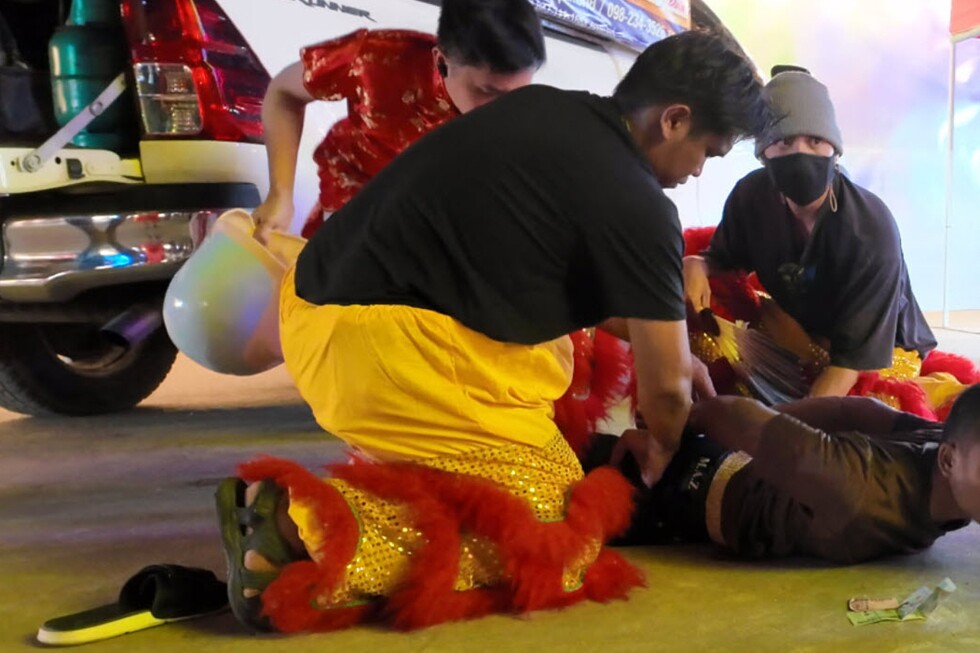
    The elaborate sting operation unfolded Wednesday at a temple fair in Nonthaburi province, adjacent to Bangkok, where police had identified their target’s frequent visitation patterns. Surveillance footage released by the Bangkok Police Department reveals officers concealed within an ornate red-and-gold lion costume approaching the unsuspecting 33-year-old suspect as he mingled with festival attendees.

    The tactical maneuver reached its climax when the officer controlling the lion’s papier-mâché head swiftly transitioned from ceremonial dancing to apprehending the suspect, pinning him to the ground in a sudden takedown that surprised both the individual and bystanders.

    According to official statements, the suspect stands accused of executing three successful burglaries at the residence of a Bangkok police commander earlier this month, allegedly stealing valuables approximating 2 million baht (approximately $64,000). Previous arrest attempts had failed due to the suspect’s apparent ability to recognize plainclothes officers and evade capture.

    Investigation breakthroughs came when police tracked stolen religious amulets the suspect had reportedly sold, leading them to identify his routine temple visits. The Lunar New Year festivities provided ideal operational cover, as lion dance performances are customary during these celebrations despite not being an official holiday in Thailand.

    Police reports indicate the suspect has subsequently confessed to the burglaries, citing drug purchases and gambling as motivations. Court records reveal previous convictions for both drug-related offenses and burglary, highlighting a recurrent pattern of criminal behavior.

  • Negotiating under naval guns

    Negotiating under naval guns

    The delicate diplomatic dance between Washington and Tehran has entered a dangerous new phase as naval power projections fundamentally reshape negotiation dynamics. Following the February 17 Geneva talks that established a two-week framework for Iranian proposals, both nations have dramatically escalated military posturing rather than pursuing diplomatic solutions.

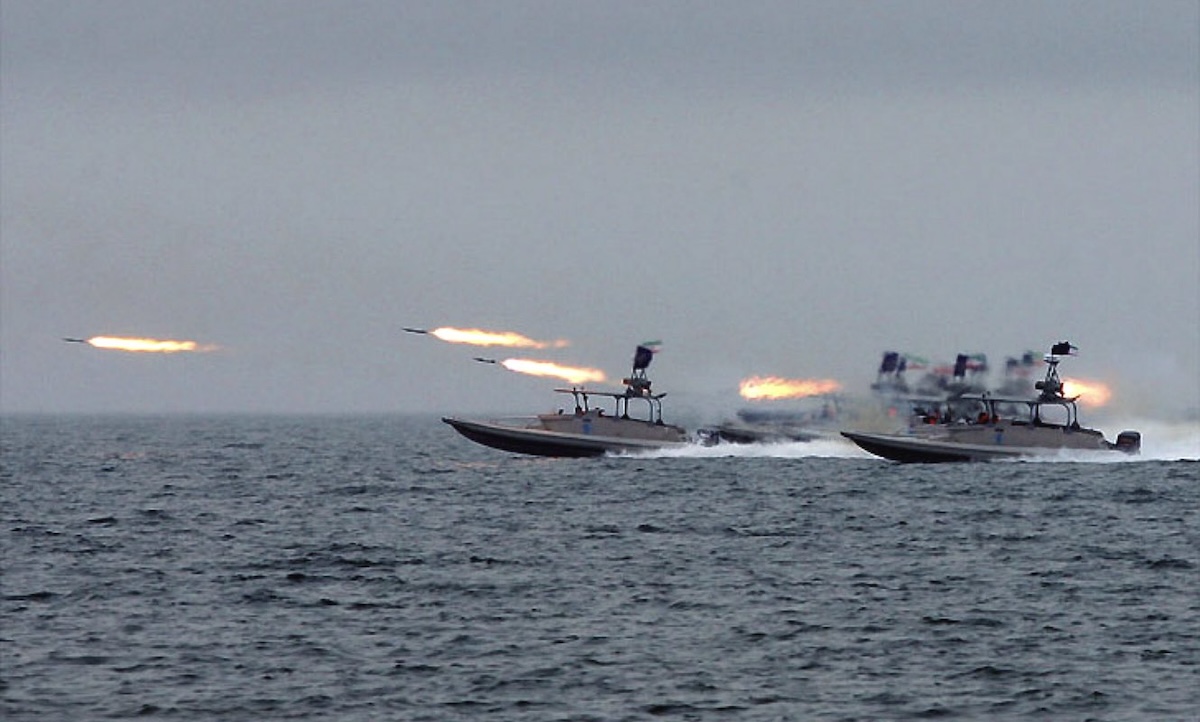
    The strategic landscape has been transformed by the simultaneous convergence of three major naval developments: Iran’s joint exercises with Russian and Chinese forces, the Islamic Revolutionary Guard Corps’ unilateral drills temporarily closing the Strait of Hormuz, and the deployment of dual US aircraft carrier strike groups to the region.

    At the heart of this escalation lies the Maritime Security Belt 2026 exercise, a four-day naval demonstration extending from the Strait of Hormuz into the northern Indian Ocean. Unlike Iran’s last-minute withdrawal from BRICS exercises in January, this drill features substantial participation from Russia’s advanced Marshal Shaposhnikov frigate and China’s guided-missile Tangshan destroyer, alongside nine observer nations including Qatar, UAE, and Pakistan.

    The symbolism of these maneuvers transcends routine military exercises. The temporary closure of the Strait of Hormuz—through which passes 25% of global liquefied natural gas and 20% of crude oil exports—demonstrates Tehran’s capability to disrupt world energy markets. This calculated coercion occurs alongside US deployments of the USS Abraham Lincoln and USS Gerald R Ford carrier groups, representing classic American doctrine of overwhelming presence as deterrence.

    This triangularization of the conflict through Russian and Chinese involvement fundamentally alters strategic calculations. For Moscow, joint drills signal relevance beyond Ukraine and complicate US force planning. Beijing’s participation underscores its interest in energy security and alternative security architectures that marginalize US primacy without direct confrontation.

    The military posturing contradicts reported ‘cautious progress’ in nuclear negotiations, where discussions center on verification mechanisms and sanctions relief. Washington’s expanded demands—now including zero enrichment, surrender of uranium stockpiles, and curbs on missile development—are viewed by Tehran as regime-change objectives rather than negotiation points.

    Regional powers have emerged as critical diplomatic brokers, with Oman mediating talks and regional states collectively pushing for de-escalation. This regionalization of diplomacy contrasts sharply with the globalization of military risk, where any miscalculation could trigger cascading effects through energy markets and great-power relations.

    The fundamental paradox remains: military deployments intended to coerce compromise instead entrench resistance. As naval encirclement reinforces Iranian threat perceptions, and maximalist demands limit diplomatic flexibility, the window for sustainable agreement continues to narrow, potentially locking both sides into perpetual tension without war.

  • DP World sells partial stake in Saudi Arabia’s Jeddah Islamic Port

    DP World sells partial stake in Saudi Arabia’s Jeddah Islamic Port

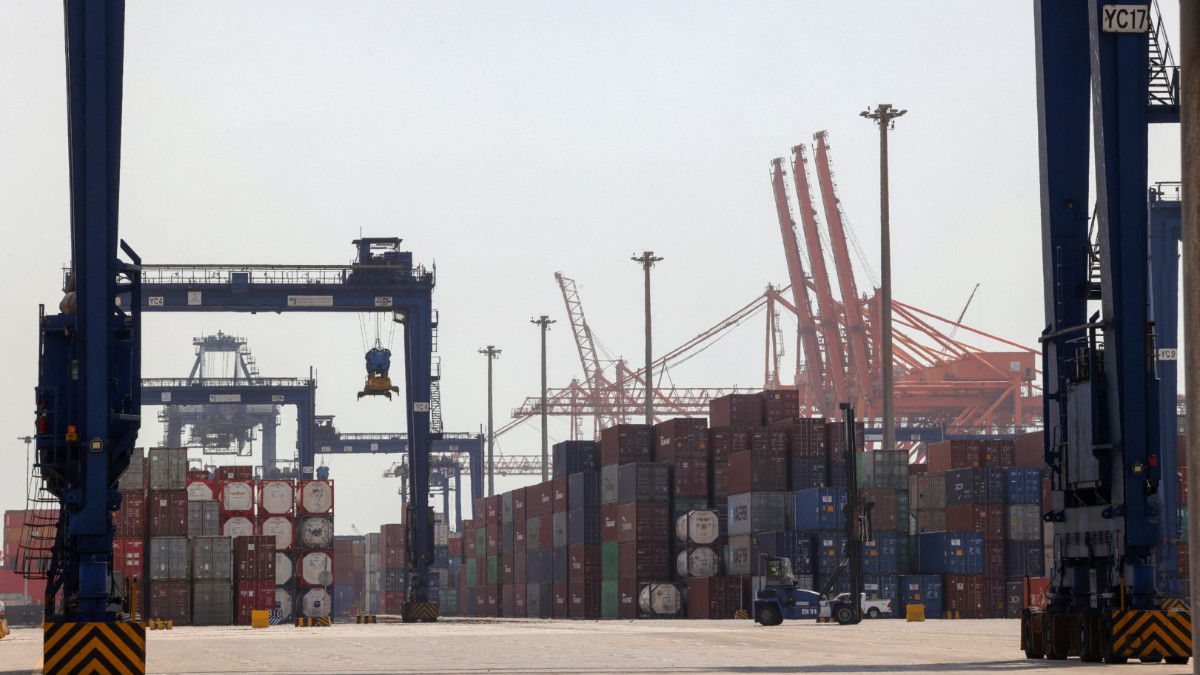
    In a significant development within global logistics, Dubai-based DP World has divested a 37.5% minority stake in the southern container terminal at Saudi Arabia’s Jeddah Islamic Port to Danish shipping conglomerate AP Moller-Maersk. The transaction, announced Wednesday, establishes a new strategic partnership between the maritime giants, with DP World retaining a 62.5% controlling interest and continuing to lead terminal operations.

    This commercial arrangement emerges against a backdrop of escalating geopolitical friction between the United Arab Emirates and Saudi Arabia. The two Gulf powers currently find themselves at odds across multiple Red Sea theaters, including opposing positions in Yemen’s conflict and Sudan’s civil war. The rivalry has extended into digital arenas through social media campaigns and diplomatic maneuvering, with Saudi influencers criticizing UAE-Israel relations while Emirati entities allegedly encouraged pro-Israel groups to accuse Saudi Arabia of antisemitism.

    Despite these tensions, the Jeddah terminal partnership underscores profound economic interdependence between the nations. The UAE remains Saudi Arabia’s primary source of foreign direct investment and a crucial export market, while DP World serves as a key instrument of Emirati commercial influence across Middle Eastern and African ports—including facilities in Somaliland, where conflicting positions on recognition have further highlighted regional divisions.

    The agreement also follows leadership changes at DP World after former chairman Sultan Ahmed bin Sulayem faced scrutiny over his documented associations with convicted sex offender Jeffrey Epstein. Current port operations contend with Red Sea overcapacity issues and disrupted shipping patterns due to Houthi attacks, which have marginally reduced traffic at Jeddah during Israel’s conflict in Gaza.

  • Grey’s Anatomy star Eric Dane dies at 53 after ALS diagnosis

    Grey’s Anatomy star Eric Dane dies at 53 after ALS diagnosis

    The entertainment industry mourns the passing of acclaimed actor Eric Dane, who succumbed to complications from amyotrophic lateral sclerosis (ALS) on Thursday afternoon at age 53. Best recognized for his iconic portrayal of Dr. Mark Sloan (affectionately dubbed ‘McSteamy’) on the long-running medical drama Grey’s Anatomy and his recent role as family patriarch Cal Jacobs in HBO’s groundbreaking series Euphoria, Dane’s career spanned over three decades of memorable performances.

    Dane’s family confirmed the tragic news through an official statement that highlighted his courageous fight against the progressive neurological condition. “With heavy hearts, we share that Eric Dane passed on Thursday afternoon following a courageous battle with ALS,” the statement read. “He spent his final days surrounded by friends, his devoted wife Rebecca Gayheart, and his two daughters, Billie and Georgia, who were the center of his world.”

    The California-born actor received his diagnosis last year and subsequently dedicated his remaining months to raising public awareness about ALS, the most common form of motor neurone disease. His advocacy work brought renewed attention to the rare degenerative condition that progressively paralyzes muscles by attacking nerve cells in the brain and spinal cord.

    In a poignant interview with ABC’s Good Morning America last summer, Dane expressed raw emotion about his diagnosis, stating it made him “angry” due to childhood trauma surrounding his father’s suicide when Dane was just seven years old. “There’s a very good chance I’m going to be taken from my girls while they’re very young,” he told the program, referencing his own two daughters.

    Beyond his most famous television roles, Dane’s extensive filmography included portrayals of Jason Dean in the fantasy series Charmed, Captain Tom Chandler in the action drama The Last Ship, and appearances in feature films including Marley & Me, Valentine’s Day, and Burlesque. His family’s statement concluded: “He will be deeply missed, and lovingly remembered always. Eric adored his fans and is forever grateful for the outpouring of love and support he’s received.”

  • Mystery donor gives Japanese city $3.6m in gold bars to fix water system

    Mystery donor gives Japanese city $3.6m in gold bars to fix water system

    In an extraordinary act of philanthropy, Osaka’s municipal government has received an anonymous donation of 21 kilograms of gold bullion valued at approximately 560 million yen ($3.6 million) to address the city’s deteriorating water infrastructure. Mayor Hideyuki Yokoyama revealed during a Thursday press conference that the substantial contribution—equivalent to 46 pounds of gold—was delivered last November by a benefactor who insisted on complete anonymity.

    The commercial hub of Osaka, Japan’s third-largest city with nearly three million residents, faces significant challenges with its aging water and sewage systems. According to official statistics from the Osaka City Waterworks Bureau, the municipality documented over 90 incidents of water pipe leaks beneath roadways during the 2024 fiscal year alone.

    Mayor Yokoyama expressed profound gratitude for the unexpected contribution, stating: ‘Tackling ageing water pipes requires a huge investment. So I have nothing but appreciation.’ He described the magnitude of the donation as ‘staggering’ and admitted being ‘lost for words.’ The mysterious donor had previously contributed 500,000 yen in cash for municipal waterworks, indicating a pattern of targeted philanthropy.

    This development highlights a growing infrastructure crisis across Japan, where more than 20% of water pipes have exceeded their legally designated 40-year service life. The problem extends beyond water systems to aging sewage infrastructure, with sinkholes becoming increasingly common in urban areas. A tragic incident in Saitama Prefecture last year saw a massive sinkhole—believed caused by a ruptured sewage pipe—swallow a truck cab and kill its driver, prompting nationwide calls for infrastructure renewal.

    Despite increased awareness, budget constraints have hampered pipe replacement initiatives across Japan. The Osaka Waterworks Bureau confirmed in an official statement that the gold donation would be put to practical use addressing pipe deterioration, offering a rare financial boost to the critically underfunded sector.

  • Trump administration gives ICE power to indefinitely detain legal refugees in US

    Trump administration gives ICE power to indefinitely detain legal refugees in US

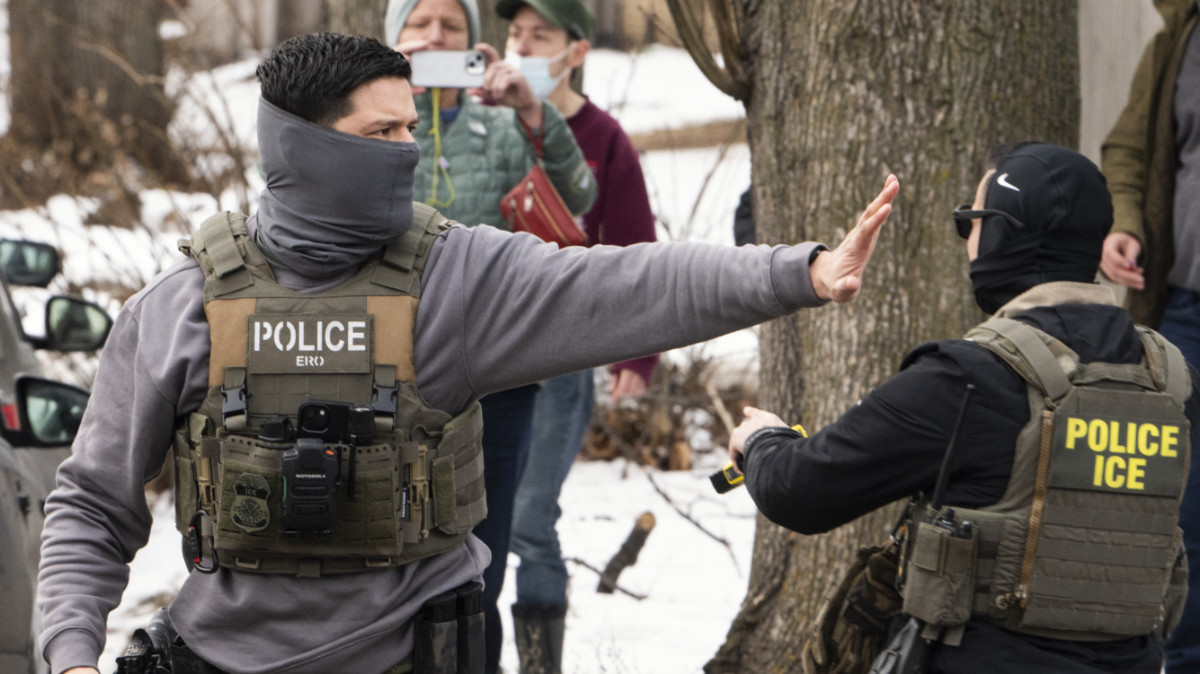
    The Trump administration has significantly expanded the authority of Immigration and Customs Enforcement (ICE) officers through a newly revealed government memorandum, granting them sweeping powers to detain lawful refugees who haven’t yet obtained permanent residency status in the United States.

    Dated February 18 and filed in federal court, the directive empowers ICE agents to indefinitely detain legal refugees for what it terms ‘rescreening’ procedures. The policy mandates that refugees who entered the U.S. legally must submit to custody for “inspection and examination” exactly one year after their admission into the country, marking a dramatic shift from previous immigration enforcement protocols.

    The Department of Homeland Security memo instructs federal immigration officers to arrest any refugee who hasn’t secured permanent residence (a green card) and subject them to custodial interviews after their one-year anniversary in the United States. This represents a stark departure from Obama-era ICE policy, which explicitly stated that failure to obtain a green card was not grounds for removal or detention.

    Refugees face potentially severe consequences under the new guidelines, as they can be stripped of their legal status and processed for deportation if they raise “red flags” during examinations. This occurs despite the fact that green card processing for legal refugees typically takes between eight to 22 months according to immigration law experts.

    The policy emerged in connection with an ongoing case in Minnesota where the administration faced significant public backlash, including from some allies, over its immigration crackdown. In late January, U.S. District Judge John Tunheim issued a temporary restraining order preventing the administration from arresting lawfully resettled refugees in Minnesota and ordering the release of those already detained.

    Judge Tunheim sharply criticized ICE’s actions, noting that agents likely violated multiple federal statutes by arresting lawful refugees for additional interrogations. He emphasized that “refugees have a legal right to be in the United States, a right to work, a right to live peacefully – and importantly, a right not to be subjected to the terror of being arrested and detained without warrants or cause.”

    The Minnesota operations, mirroring ICE activities nationwide, have involved violent arrests with immigrants and refugees being forcibly removed from their homes and vehicles before being transferred to detention facilities in Texas, where conservative judges are more likely to align with administration policies.

    Despite temporarily pulling back ICE agents from Minnesota following public outrage and the deaths of two U.S. citizens during enforcement actions, the administration shows no signs of retreating from its hardline immigration stance. Recent reports indicate plans for a massive $45 billion expansion of ICE funding to construct additional detention facilities across the country.