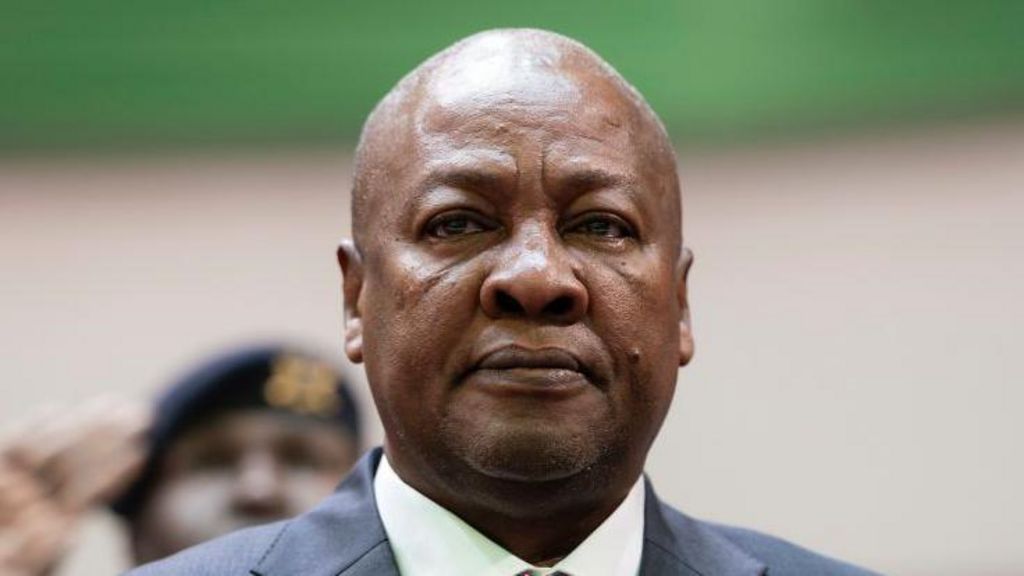
Ghana’s President John Mahama is under fire from opposition lawmakers for failing to present a controversial deportation agreement with the United States to parliament for ratification. The issue has escalated as 11 individuals deported from the US to Ghana have filed a lawsuit against the Ghanaian government, alleging unlawful detention. Their lawyer, Oliver-Barker Vormawor, claims the detainees have not violated any Ghanaian laws and are being held illegally in a military camp. He has demanded the government produce the group in court and justify their detention. The government has yet to respond to the lawsuit but has indicated plans to accept an additional 40 deportees. Opposition MPs are calling for an immediate suspension of the deportation deal until it is properly ratified by parliament, as required by Ghanaian law. The situation has sparked confusion, with conflicting statements from President Mahama and Foreign Minister Samuel Okudzeto Ablakwa regarding the status of the deportees. While Mahama stated that 14 deportees had been returned to their countries of origin, Ablakwa contradicted him, saying only most had been repatriated. Vormawor’s court filing asserts that 11 deportees remain in detention in Ghana. The deportations are part of the Trump administration’s stringent immigration policies, which have led to record-level deportations of undocumented migrants. Ghana’s foreign minister emphasized that the decision to accept the deportees was based on humanitarian principles and pan-African solidarity, not an endorsement of US immigration policies. Meanwhile, five of the detainees, including three Nigerians and two Gambians, have also sued the US government, arguing their deportation violated a court order.
作者: admin
-
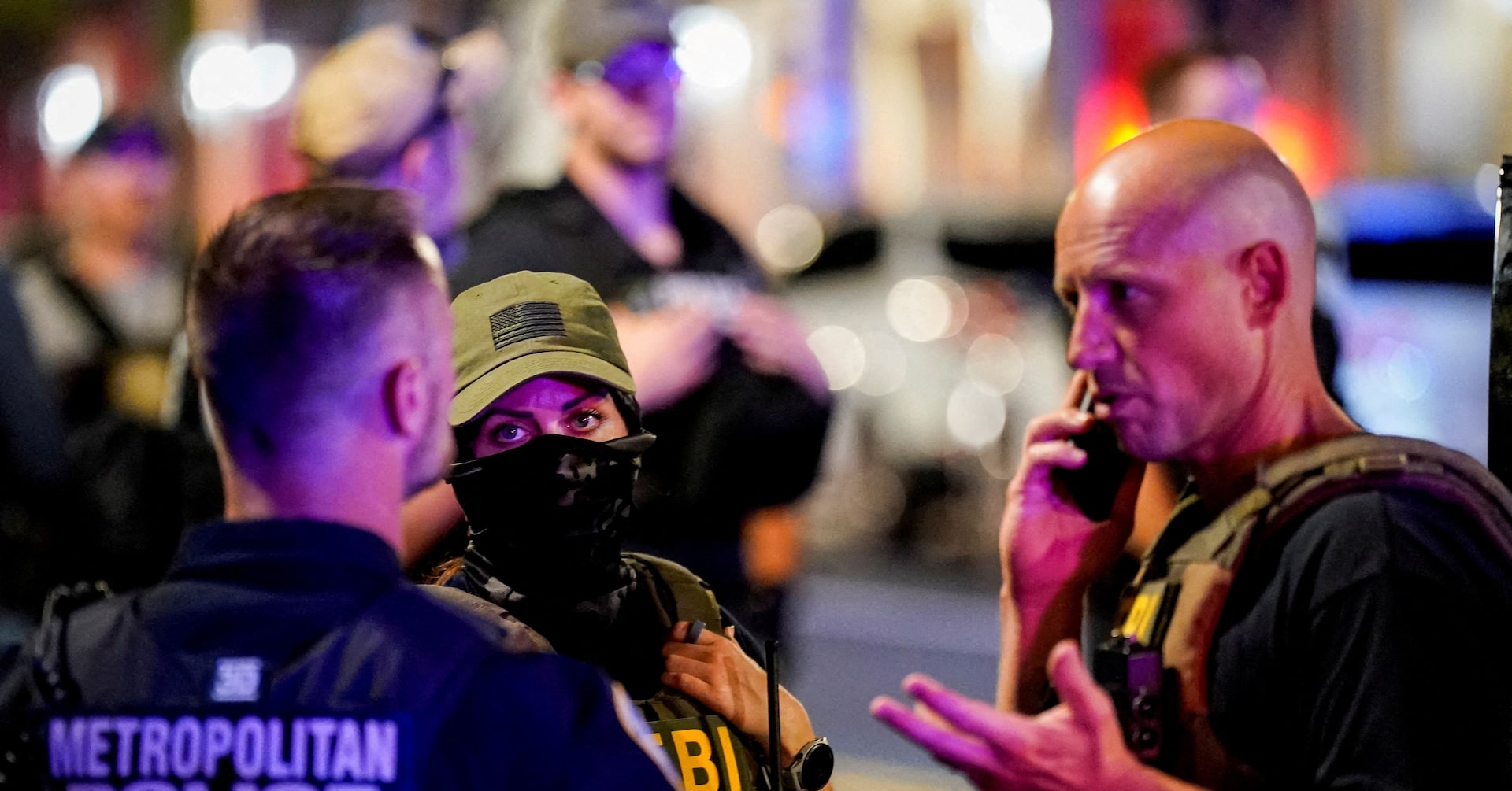
Exclusive: US probes people swept up in Trump Washington crackdown for benefits fraud
The U.S. Department of Health and Human Services (HHS) Inspector General’s office has launched an investigation into whether individuals detained during President Donald Trump’s intensified crime prevention efforts in Washington, D.C., are fraudulently enrolled in federal benefit programs. This probe, revealed through a government document and sources familiar with the matter, focuses on potential misuse of Medicare, Medicaid, and Temporary Assistance for Needy Families (TANF) programs by those caught in the crackdown. The initiative has diverted federal agents from high-impact cases, raising concerns about resource allocation. Since August 2025, Trump has deployed National Guard troops and federal law enforcement to curb crime in the capital, resulting in over 2,000 arrests. However, it remains unclear if any charges related to benefits fraud have been filed. The investigation also examines individuals questioned or detained but not arrested. Critics argue that involving specialized agents in this effort is inefficient, as it sidelines their expertise in recovering significant funds for the government. The HHS Inspector General’s office declined to comment, citing policy. Meanwhile, the crackdown has led to a notable decline in violent crime in D.C., with a 35% drop in 2024 and an additional 26% reduction in the first seven months of 2025. Trump has expressed plans to replicate this strategy in other cities, starting with Memphis, Tennessee.
-
Key products in Huawei’s AI chips and computing power roadmap
In a groundbreaking move, Chinese tech giant Huawei has broken its silence to reveal a comprehensive product roadmap for its chips and computing power systems, marking its first public strategy to compete with global leader Nvidia. The announcement, made on September 18, 2024, outlines Huawei’s plans to introduce three new Ascend series chips over the next three years, starting with the Ascend 950 in the first quarter of 2025. The Ascend 950 will come in two variants: the 950PR, optimized for inference and recommendations, and the 950DT, designed for model training and decoding. Huawei also revealed that the Ascend 960 and 970 will significantly boost computing power and memory capacity, with the 970 expected to surpass Nvidia’s offerings. Despite U.S. export restrictions limiting Huawei’s access to TSMC, the company has developed its own high-bandwidth memory (HBM) technology, which it claims is more cost-effective than SK Hynix and Samsung’s HBM3E and HBM4E. Huawei’s cluster computing systems, such as the Atlas 900 A3 SuperPoD, already rival Nvidia’s advanced products, and the company plans to launch the Atlas 950 SuperPod in Q4 2026, boasting 6.7 times more computing power than Nvidia’s NVL144 system. Additionally, Huawei’s Kunpeng CPU chip series, first introduced in 2019, will see new iterations in 2026 and 2028, accompanied by the TaiShan 950 SuperPod for general-purpose computing. This bold strategy underscores Huawei’s determination to establish itself as a major player in the global semiconductor and AI markets.
-
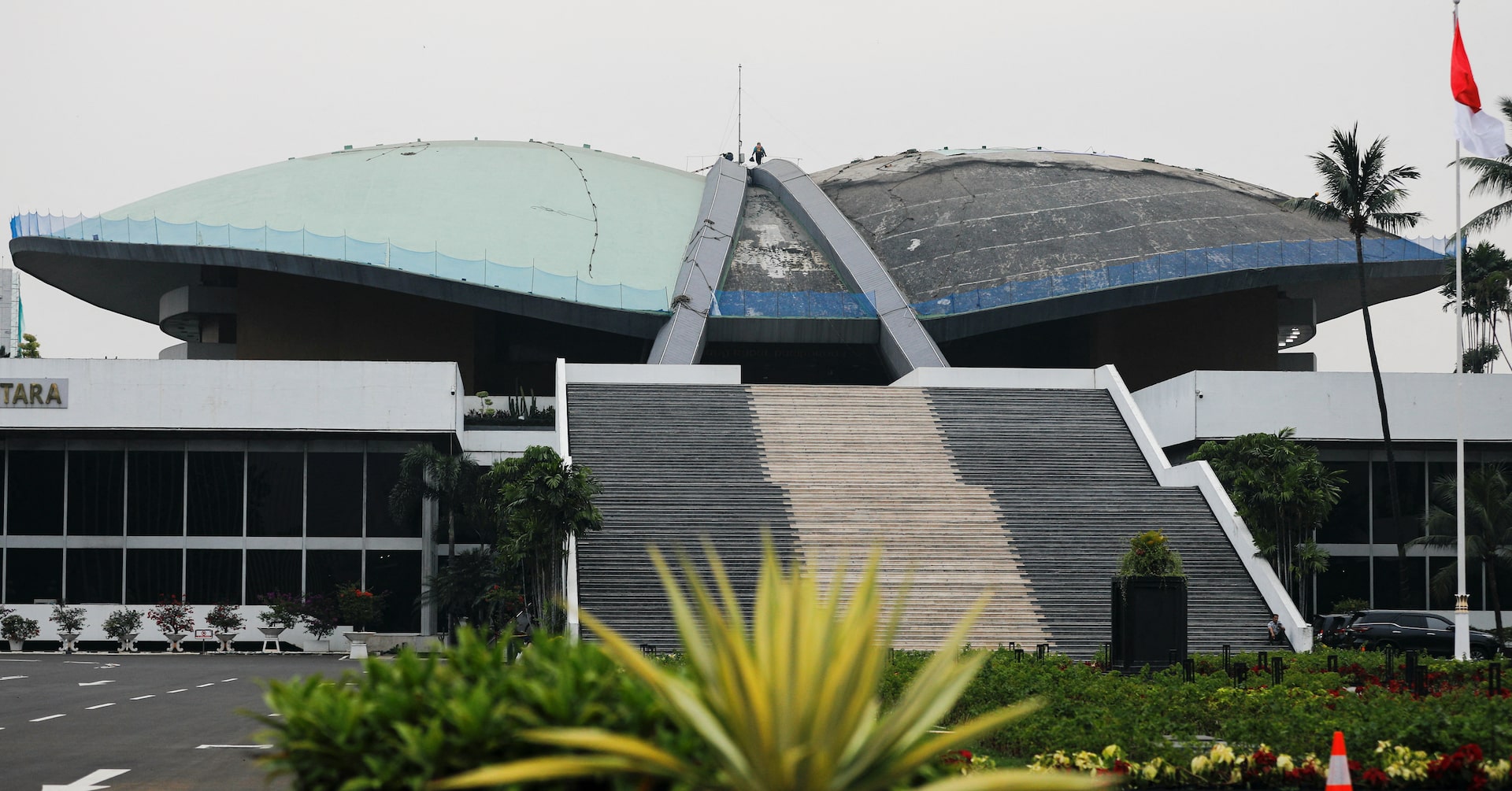
Indonesian parliament set to approve bigger 2026 budget for Prabowo
Indonesia’s parliament has taken a significant step toward approving a larger spending plan and a wider fiscal deficit for the 2026 budget than initially proposed by President Prabowo Subianto. On Thursday, the parliamentary fiscal oversight panel endorsed a total spending plan of 3,842.7 trillion rupiah ($233 billion), marking a 9% increase over the estimated 2025 budget. The fiscal deficit is projected to reach 2.68% of GDP, slightly higher than Prabowo’s August proposal but still below the legal threshold of 3%. The panel also set a revenue target of 3,153.6 trillion rupiah, a 10% increase over 2025 estimates. A final parliamentary vote is expected on September 23, with Prabowo’s coalition likely to secure approval. The budget aims to support Prabowo’s ambitious GDP growth target of 5.4% for 2026, with a long-term goal of 8% growth by 2029. The government plans to leverage the wider fiscal gap to drive economic growth, particularly as the U.S. Federal Reserve is expected to maintain an accommodative monetary policy until mid-2026. However, economists have cautioned against relying heavily on bond issuance to fund the deficit, urging the government to explore non-tax revenue sources. The budget also includes increased allocations for regional transfers, though they remain below 2025 levels. Regional leaders had expressed concerns over potential tax hikes to cover shortfalls, prompting the government to adjust spending plans to maintain social and political stability. Key allocations include 335 trillion rupiah for a flagship free meals program and 335.3 trillion rupiah for defense spending. The budget reflects the government’s commitment to balancing economic growth with fiscal prudence.
-
Rupee ends lower tracking Asian peers as investors parse Fed outlook
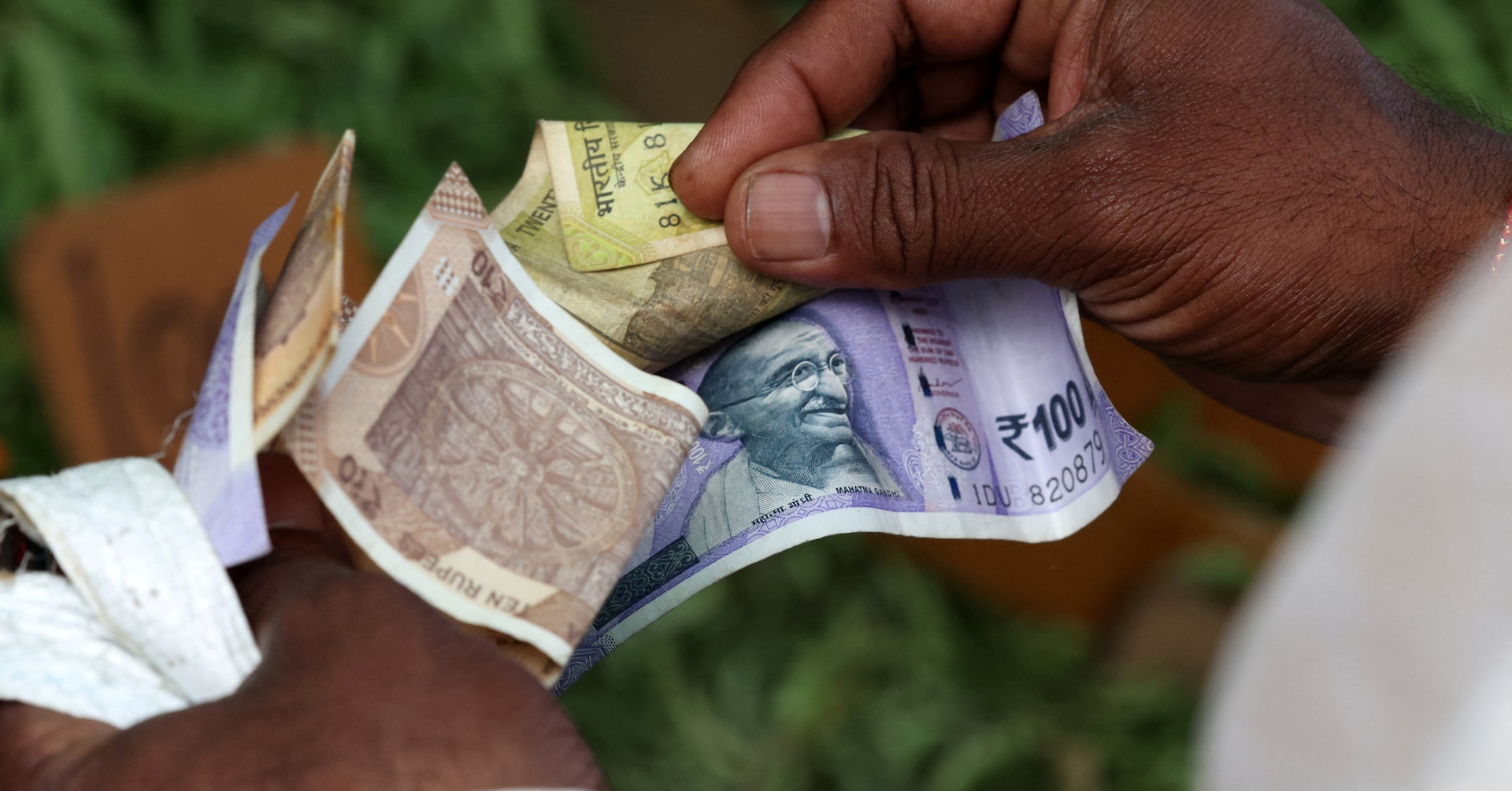
The Indian rupee experienced a decline on Thursday, September 18, 2025, mirroring the downward trend of other Asian currencies. This movement followed the U.S. Federal Reserve’s anticipated interest rate cut and its cautious approach to further easing of benchmark borrowing costs. The rupee closed at 88.13 against the U.S. dollar, marking a 0.36% drop for the day. Meanwhile, Asian currencies saw declines ranging from 0.1% to 0.6%. The U.S. dollar index, which measures the dollar against a basket of major currencies, dipped slightly to 96.9 but remained above a 3.5-year low reached immediately after the Fed’s policy announcement. HSBC analysts noted that the Fed’s stance, while consistent with market expectations, leaned more towards hawkishness than dovishness. Traders predict that the rupee will exhibit two-way price action in the near term, influenced by broader dollar movements, with support near 88.45 and resistance around 87.75-87.80. A Reuters poll revealed that investors have increased short positions on the Indian rupee and the Indonesian rupiah, driven by concerns over central bank rate cuts in Indonesia and U.S. tariffs impacting India. Bearish bets on the rupee have surged to their highest level since early February. In a positive development, India’s Chief Economic Adviser V. Anantha Nageshwaran hinted that the U.S. might soon eliminate the punitive tariff on Indian goods and reduce the reciprocal tariff from 25% to 10-15%. India’s benchmark equity indexes, the BSE Sensex and Nifty 50, each rose nearly 0.4%, while the yield on the benchmark 10-year bond increased by 4 basis points to 6.51%. Tight rupee liquidity, caused by income tax outflows, led to higher daily funding costs, prompting banks to turn to the foreign exchange swap market. The swap rate between Wednesday and Thursday peaked at 0.50 paisa, indicating a rupee interest rate of over 6%, as banks sought funds at elevated costs.
-
Following L.A. wildfires, rebuilding could turn to at-risk youth
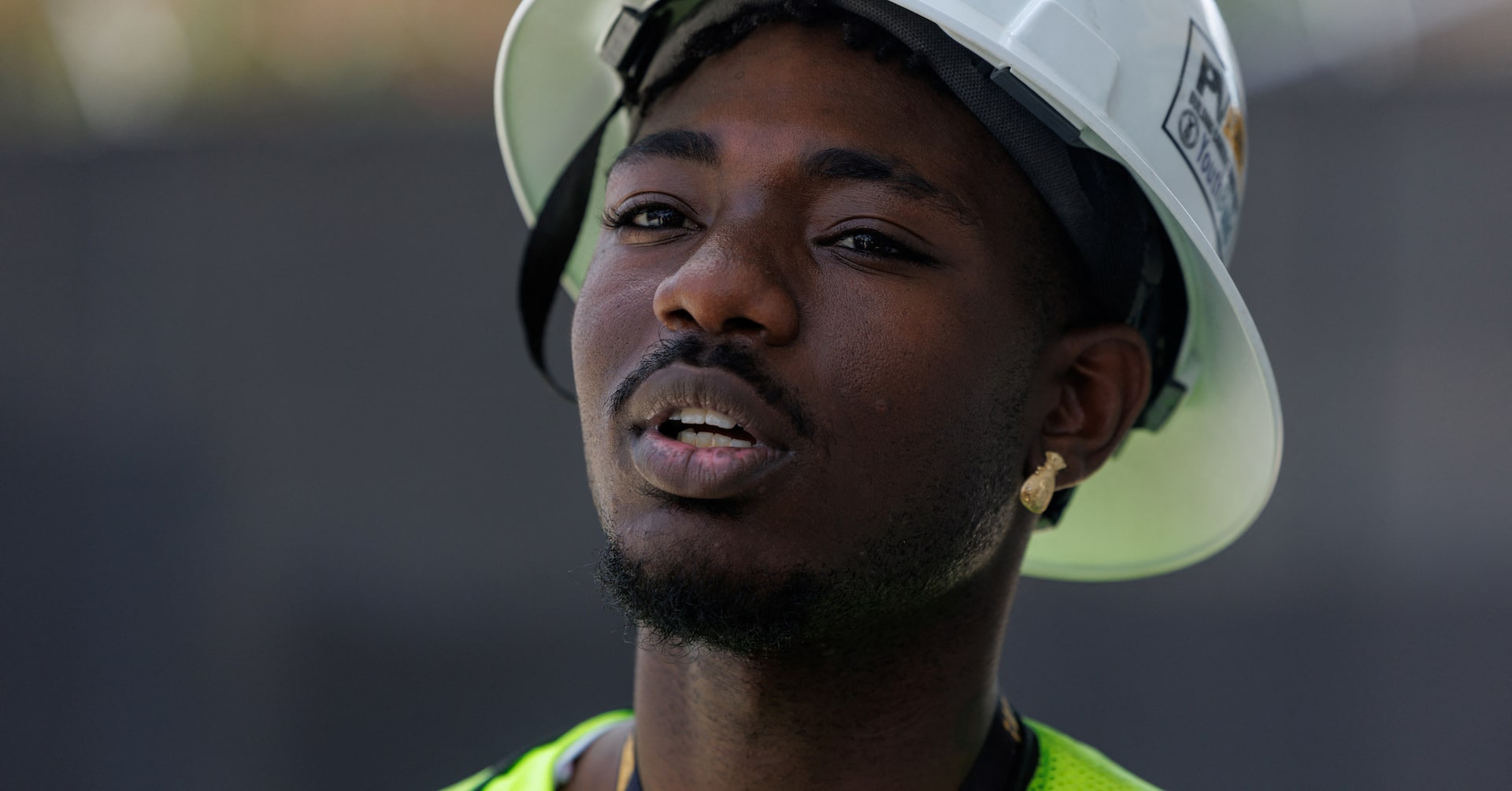
In the aftermath of Los Angeles’ most devastating natural disaster, a unique initiative is transforming the lives of at-risk young adults while addressing the city’s urgent need for skilled construction workers. Tevin Banks, a 21-year-old from Watts, South Central L.A., is among the first participants in the SOAR (Strengthening Opportunities and Resistance) program, which aims to train 2,000 young people for entry-level construction jobs. The program, launched in June 2025 by the nonprofit Life Aid Research Institute, responds to the labor demands of rebuilding efforts following January’s wildfires, which destroyed or damaged approximately 13,000 homes. Banks, who was arrested for robbery two years ago, saw the program as a turning point. ‘When I was sitting in the cell, I was just thinking to myself, like, I’m young, and I really see myself doing something,’ he said. SOAR combines life skills mentorship with hands-on training in 14 construction trades, including carpentry, masonry, and flooring. The program’s founder, John Wordin, envisions it as a dual solution: providing career opportunities for marginalized youth while meeting the city’s rebuilding needs. Despite challenges, including securing $1 million in funding, SOAR has already begun to make an impact. Students like Banks are learning from instructors such as Edward Romero, a former inmate turned journeyman floor layer, who embodies the program’s mission of second chances. Local construction companies, including Shirley Construction, have expressed interest in hiring graduates, with owner David Shirley praising their work ethic. ‘They’ve had a tough start,’ he said. ‘So we’re happy to offer them greener pastures.’ As rebuilding efforts are expected to ramp up in 2026 and 2027, programs like SOAR are laying the foundation for both personal and community renewal.
-
Co-build mechanism for coexistence
The 12th Beijing Xiangshan Forum, a prominent international security dialogue, convened at the Beijing International Convention Center from September 17 to 19, 2025. This year’s forum centered on the theme ‘Upholding International Order and Promoting Peaceful Development,’ drawing global attention to the pressing need for stability and cooperation in an increasingly complex geopolitical landscape. Among the distinguished speakers was Chad Sbragia, former US deputy assistant secretary of defense, who shared his insights on fostering coexistence in a divided world. His remarks underscored the importance of dialogue, mutual understanding, and collaborative mechanisms to address global challenges. The forum also highlighted significant developments in international relations, including the signing of a mutual defense agreement between Saudi Arabia and Pakistan, as well as urgent calls from global leaders for an immediate ceasefire in Gaza. The event served as a platform for nations to reaffirm their commitment to peace, security, and sustainable development, emphasizing the collective responsibility to build a harmonious global order.
-

Saudi-Pakistan defense pact more symbolism than substance
Saudi Arabia and Pakistan have inked a Strategic Mutual Defense Agreement (SMDA), a pact designed to bolster defense collaboration and enhance joint deterrence against potential aggressions. The agreement stipulates that an attack on either nation will be regarded as an attack on both, echoing the strategic ambiguity of NATO’s Article 5. However, it stops short of mandating military intervention, leaving the specifics of support open to interpretation. The move comes as Saudi Arabia, a key U.S. ally, reportedly seeks to counterbalance Israel’s actions in the region, particularly in light of recent conflicts in Gaza. By aligning with nuclear-armed Pakistan, Saudi Arabia aims to strengthen its defensive posture, while Pakistan may gain Saudi support in its longstanding tensions with India. Despite the pact’s symbolic significance, analysts argue that its practical impact may be limited. Pakistan has historically avoided direct confrontation with Israel, even in its conflicts with India, and Saudi Arabia maintains strong economic ties with India, its major oil importer. The agreement is seen more as a gesture of solidarity within the Muslim world rather than a transformative military alliance. The most plausible scenario for mutual military support would involve the Houthi rebels in Yemen, should they escalate hostilities against Saudi Arabia. While the SMDA has sparked debate, its real-world implications remain uncertain, with many viewing it as a strategic maneuver rather than a game-changing alliance.
-
Taiwan’s spending bonanza draws more foreign firms to its largest arms show
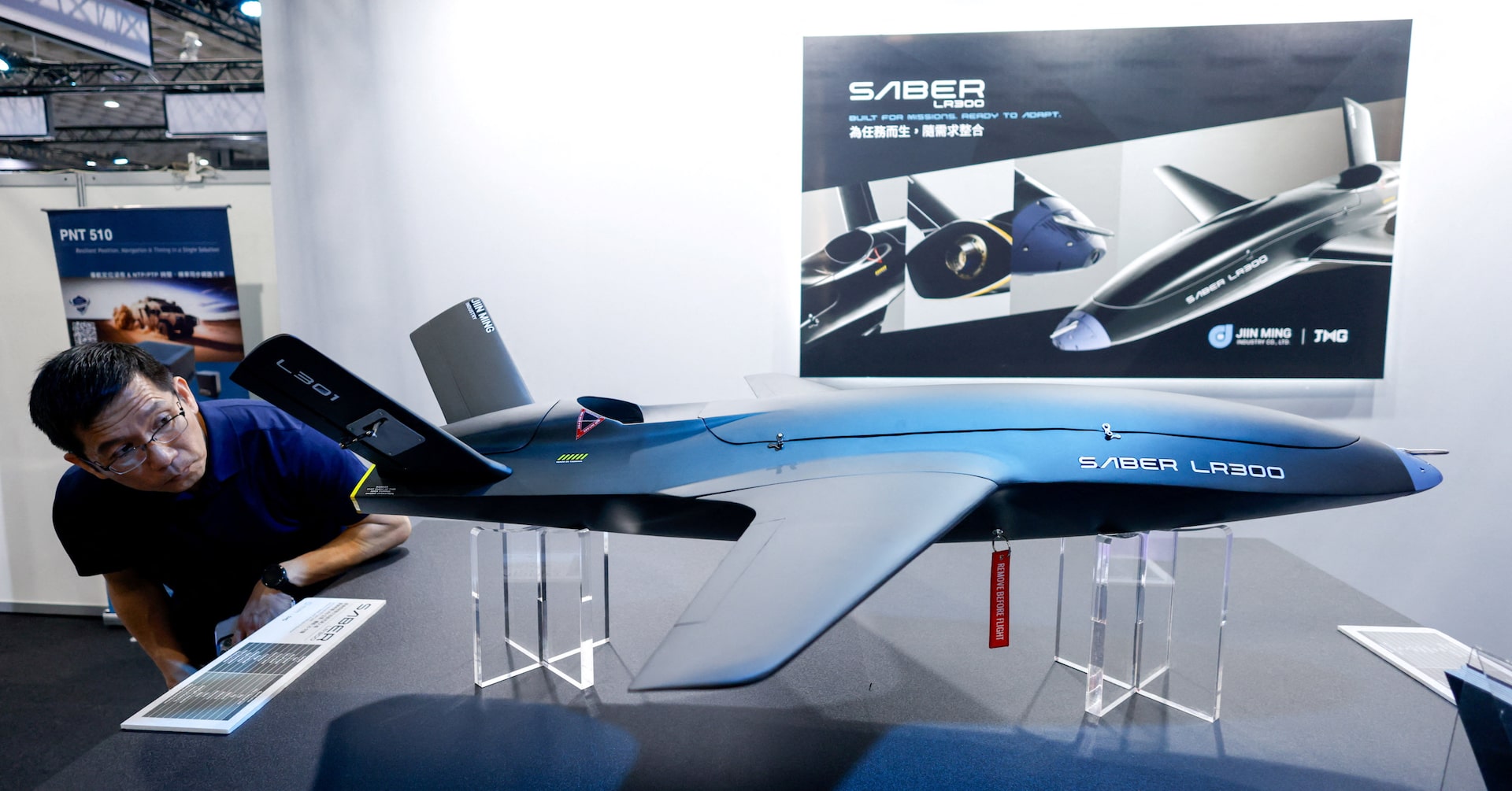
Taiwan has launched its largest-ever arms exhibition, the Taipei Aerospace and Defence Technology Exhibition, showcasing a significant increase in participation from both domestic and international defense firms. The event, held biennially, has attracted 490 exhibitors across 1,500 booths, a substantial rise from the 275 exhibitors and 960 booths in 2023. This surge in interest comes as Taiwan ramps up its defense spending, aiming to allocate 5% of its GDP to military expenditures by 2030, up from the current 3.3% for next year. The heightened focus on defense is driven by escalating military pressure from China, which views Taiwan as part of its territory and has intensified its military drills and incursions into nearby areas. The United States, Taiwan’s primary arms supplier, has notably expanded its presence at the exhibition, with over 40 companies participating, double the number from two years ago. Karin Lang, deputy director of the American Institute in Taiwan, emphasized the importance of U.S.-Taiwan collaboration in addressing supply chain vulnerabilities, technological competition, and evolving security threats. The exhibition also highlighted Taiwan’s growing defense cooperation with the U.S., including the unveiling of its first jointly developed missile with a U.S. company. Additionally, Taiwan’s National Chung-Shan Institute of Science and Technology announced plans to sign agreements with U.S. and Canadian firms for advanced weaponry, such as anti-drone rockets and underwater surveillance drones. Major defense contractors like Lockheed Martin and Northrop Grumman are also prominent participants, reflecting the island’s strategic push to bolster its military capabilities amidst rising regional tensions.
-

Automakers have resisted raising car prices because of tariffs. That might not last.
Automakers in the United States are grappling with the financial strain imposed by tariffs introduced during the Trump administration, which have added billions in costs to the industry. Despite these challenges, car manufacturers have largely absorbed these expenses rather than passing them directly onto consumers, a strategy that has delayed significant price hikes. However, as tariffs persist, the pressure to adjust pricing is mounting. According to industry analysts, the average manufacturer’s suggested retail price (MSRP) for new vehicles in the U.S. has seen only a modest increase of less than 1% from mid-March to mid-August, as reported by Edmunds. This cautious approach is expected to continue, with automakers implementing gradual price increases, particularly for higher-end models that offer better profit margins. General Motors and Ford have cited gross tariff-related costs of $5 billion and $3 billion, respectively, for the year. To mitigate these expenses, companies are exploring various strategies, including internal cost absorption and shifting some burdens to suppliers or dealers. Hyundai North America’s CEO, Randy Parker, emphasized the importance of maintaining competitive pricing to retain customers, despite tariff-related costs eroding the company’s bottom line by approximately $600 million in the second quarter. Analysts predict that automakers will begin to raise prices more noticeably in the latter half of the year, which could dampen demand and lead to a decline in overall vehicle sales. Additionally, subtle cost pass-throughs, such as increased destination fees, which rose by 8.5% for the 2025 model year, are being utilized to offset tariff impacts without direct price hikes. Industry leaders, including AutoNation’s CEO Mike Manley, anticipate that automakers will maintain competitive pricing on flagship models while making minor adjustments across their portfolios over time. The competitive landscape and the importance of market share are key factors influencing this gradual approach to price adjustments.