作者: admin

  • Wave of arrests over killing of French nationalist piles pressure on far left

    Wave of arrests over killing of French nationalist piles pressure on far left

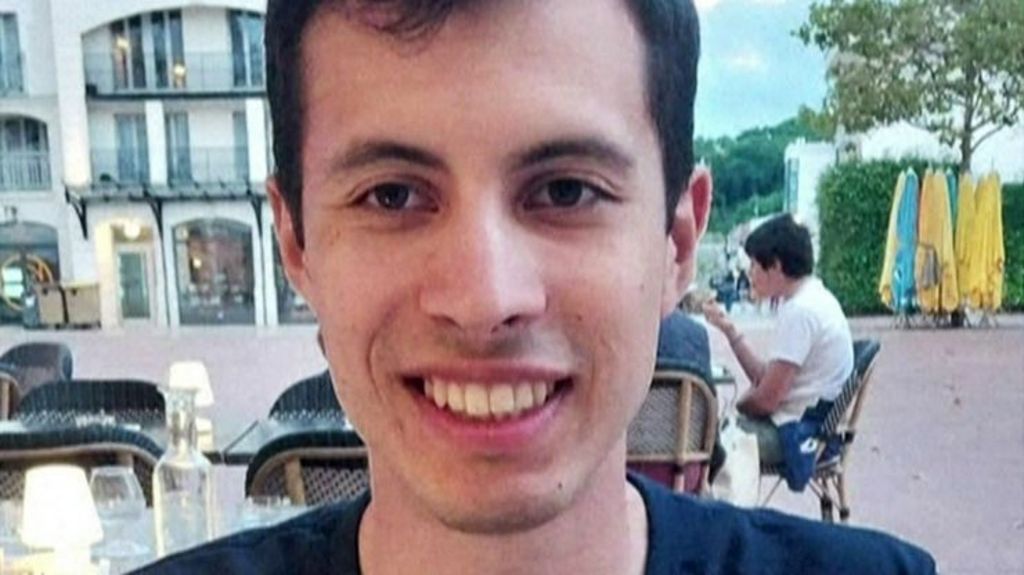
    French authorities have escalated their investigation into the fatal assault of far-right student activist Quentin Deranque in Lyon, detaining two additional suspects and bringing the total number in custody to eleven. The 23-year-old succumbed to severe cranial trauma after being violently attacked during demonstrations adjacent to a conference featuring Rima Hassan, a European Parliament member from the hard-left France Unbowed (LFI) party.

    The investigation has penetrated political circles with the arrest of Jacques-Elie Favrot, parliamentary assistant to LFI politician Raphaël Arnault. Despite Favrot’s legal representation formally denying any involvement in the activist’s death prior to his detention, Arnault confirmed his assistant’s contract termination and cessation of parliamentary duties.

    This incident has ignited fierce political crossfire across France’s ideological spectrum, occurring mere weeks before critical municipal elections. Prime Minister Sébastien Lecornu’s minority government, having recently survived dual no-confidence motions, now confronts escalating political volatility regarded as a crucial barometer for upcoming presidential elections.

    LFI leadership has vehemently rejected associations with the violence. Party coordinator Manuel Bompard reported bomb threats at their Paris headquarters while condemning what he characterized as defamatory media and political narratives. “This absolutely despicable exploitation of tragedy must cease,” Bompard asserted, emphasizing LFI’s non-responsibility for the events.

    Evidence from scene footage depicts three individuals on the ground being assaulted by hooded assailants. Némésis, a feminist anti-immigration organization, identified Deranque as having provided security for their members and accused the Anti-Fascist Young Guard collective—an allegation the group denies.

    The political repercussions continue to reverberate through France’s governing institutions. A National Assembly memorial was conducted for Deranque, while government spokesperson Maud Bregeon demanded Arnault’s suspension from LFI’s parliamentary group due to his connections with the accused organization.

    Criticism has emanated from across political divides, with far-right leader Jordan Bardella attributing “moral and political responsibility” to LFI leader Jean-Luc Mélenchon. Even former LFI parliamentarian Alexis Corbière urged party accountability. Moderate left voices, including ex-President François Hollande, accused LFI of debasing political discourse and creating ideological proximity between extreme political factions.

    Simultaneously, law enforcement agencies face scrutiny regarding their preparedness, as local police received advance warning about Hassan’s event yet deployed no riot control units to the location where the lethal confrontation occurred.
  • ‘Ridiculous’ plan developed at Florida zoo saves wild rhino’s eyesight in Africa

    ‘Ridiculous’ plan developed at Florida zoo saves wild rhino’s eyesight in Africa

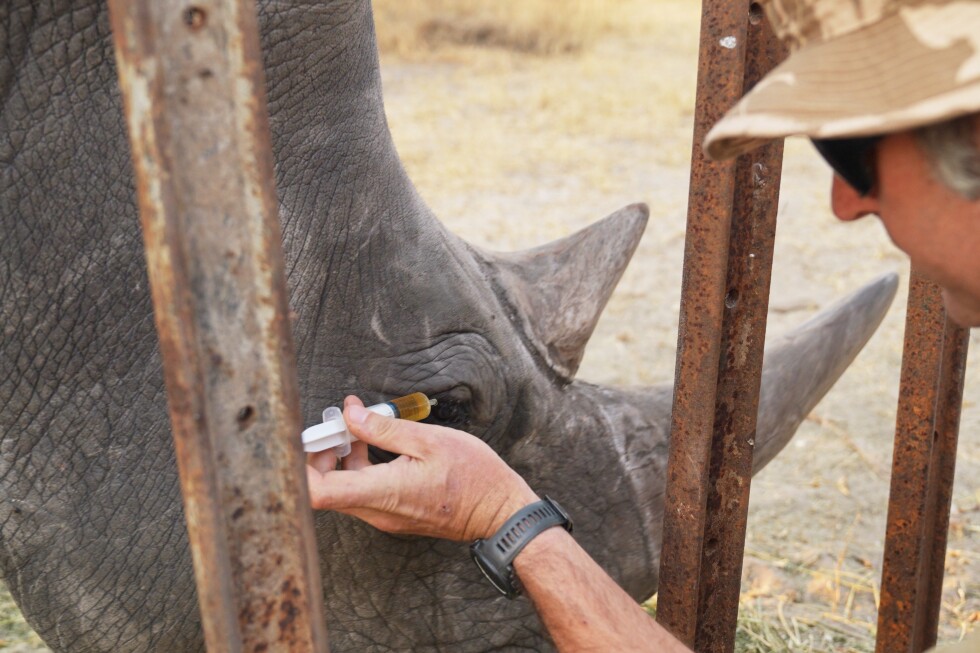
    An innovative cross-continental conservation effort has successfully treated a critically endangered white rhinoceros in Zimbabwe using groundbreaking behavioral techniques developed in Florida. The breakthrough came when animal behavior specialists from Precision Behavior partnered with Florida’s Palm Beach Zoo & Conservation Society to address a life-threatening parasitic eye infection affecting a male rhino named Thuza.

    The situation emerged as a critical threat to Zimbabwe’s Community Rhino Conservation Initiative, a pioneering program working to reintroduce southern white rhinos to communal lands for the first time in the nation’s history. Thuza’s deteriorating condition—characterized by bleeding eyes and constant rubbing—posed a significant risk to both the animal’s survival and the entire conservation project.

    ‘We faced a dire scenario where traditional methods proved ineffective,’ acknowledged Daniel Terblanche, security manager with Imvelo Safari Lodges, which supports the conservation initiative. ‘The proposed solution initially appeared completely ridiculous to our team.’

    The breakthrough methodology involved training Thuza to voluntarily enter a confined space using his favorite foods as incentive. Through progressive desensitization techniques, the rhino learned to accept human touch and eventually tolerate eyedrop administration. Within two weeks, local anti-poaching scouts mastered the procedure and now administer daily medication.

    This success story represents a significant advancement in wildlife conservation, demonstrating how captive animal management techniques can be effectively adapted to wild conservation scenarios. With approximately 16,000 southern white rhinos remaining in the wild—classified as near threatened due to poaching and habitat loss—such innovative approaches become increasingly vital for species preservation.

    The collaborative effort between American animal behavior experts and African conservationists has not only saved Thuza’s eyesight but potentially established a replicable model for future wildlife medical interventions across the continent.

  • Time to put China on the hook for overfishing

    Time to put China on the hook for overfishing

    Environmental challenges exist in three distinct categories, each requiring different solutions and presenting unique obstacles. Local pollution—contaminated air and water—primarily affects nearby communities and has been effectively addressed through national regulations and economic development. The Environmental Kuznets Curve demonstrates that as societies prosper, they increasingly prioritize cleaner local environments, evidenced by China’s remarkable air quality improvements in the 2010s.

    Global environmental harm, exemplified by climate change, presents greater coordination challenges due to free-rider problems. Technological innovation often provides the most viable solution, replacing polluting technologies with cleaner alternatives, as seen in the transition from ozone-depleting CFCs to HFC refrigerants.

    The third category—harm to nature itself—poses the most complex challenge. Habitat destruction through logging, mining, and pollution primarily damages biodiversity rather than current human populations. Solving these problems requires altruism: either intrinsic valuation of nature or concern for future generations.

    Encouragingly, evidence suggests wealthier nations increasingly preserve their natural environments. Reforestation trends across North America, Europe, and East Asia indicate growing environmental consciousness among developed nations. Even Brazil has significantly reduced Amazon deforestation rates since the early 2000s.

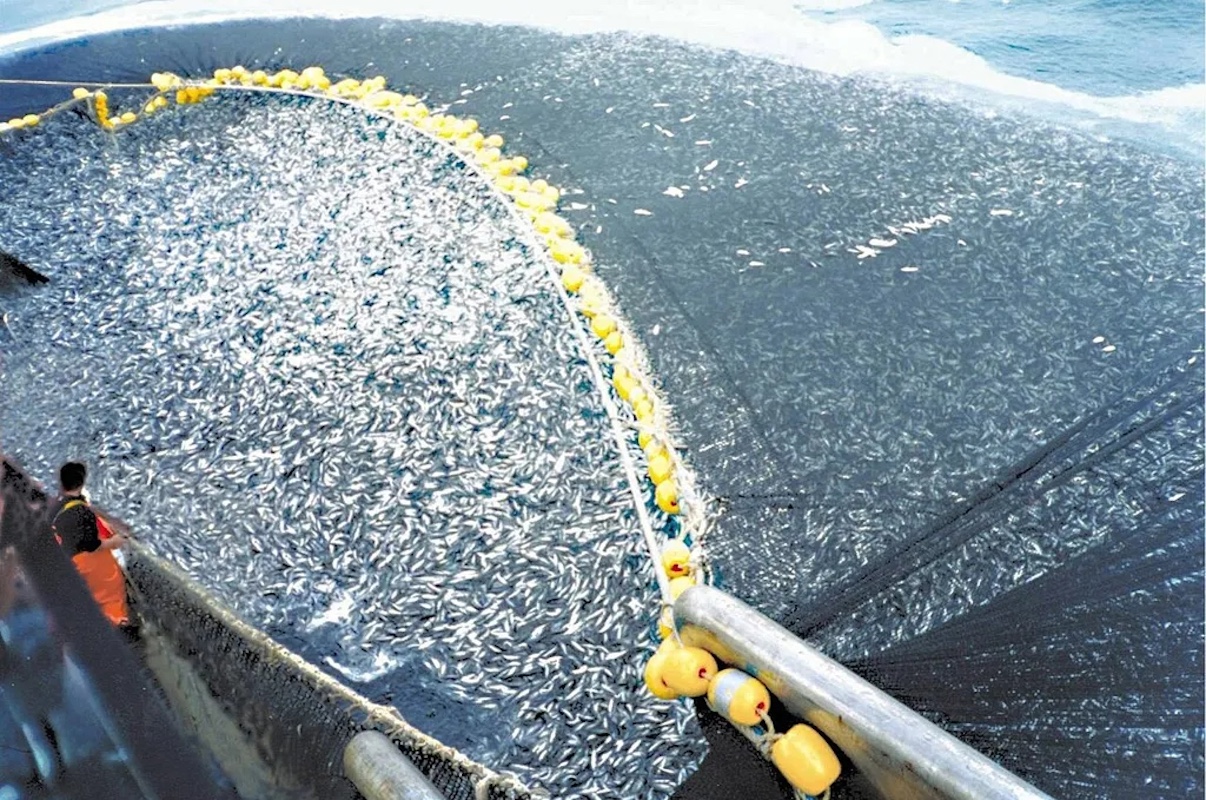
    However, China presents a concerning exception in marine conservation. While implementing strong environmental protections domestically—including Yangtze River fishing bans and reforestation programs—China operates the world’s largest distant-water fishing fleet, accounting for 44% of global fishing activity according to Oceana’s 2025 report.

    This fleet engages in widespread illegal, unreported, and unregulated (IUU) fishing practices: disabling transponders, falsifying records, using prohibited gear, and poaching from other nations’ waters. An Outlaw Ocean Project investigation found nearly half of China’s squid fleet committed environmental or human rights violations.

    The ecological impact is devastating. China leads in destructive fishing practices like bottom-trawling, which Japan and the US have largely abandoned. Consequently, increasingly more global fisheries become overexploited, threatening both biodiversity and future food security.

    Geopolitical motivations underlie much of this activity. China’s fishing fleet functions as a de facto naval militia, asserting territorial claims and pressuring other nations, particularly in the South China Sea. Government subsidies, primarily fuel support, maintain this massive fleet despite diminishing returns.

    Environmental organizations have largely neglected this crisis, focusing criticism predominantly on Western nations while ignoring China’s extensive environmental violations. This selective outrage risks rendering the environmental movement irrelevant as global power shifts eastward.

    The situation represents both optimism and concern: China demonstrates capacity for environmental stewardship domestically, suggesting adherence to the wealth-environment consciousness correlation. However, its geopolitical ambitions drive destructive practices internationally that threaten global marine ecosystems.

  • Watch: Lindsey Vonn shares her journey home after Olympics crash

    Watch: Lindsey Vonn shares her journey home after Olympics crash

    Olympic downhill champion Lindsey Vonn has provided a poignant glimpse into the arduous physical and emotional aftermath of her career-ending crash at the Olympic Games. The decorated American skier, who captured gold at the 2010 Vancouver Olympics, documented her challenging journey back home while grappling with significant injuries that shattered her dream of a final Olympic appearance in 2026.

    Vonn’s candid footage reveals the extensive medical support and rehabilitation measures required immediately following the traumatic incident. The Olympic veteran had been pursuing what many hoped would be a storybook conclusion to her remarkable athletic career, with aspirations of competing in the 2026 Winter Olympics before the crash abruptly ended those ambitions.

    The emotional weight of the situation is palpable in Vonn’s documentation, which captures not just the physical struggle of recovery but the psychological impact of an unceremonious end to a legendary skiing career. Her openness about the recovery process provides unprecedented insight into the often unseen consequences of high-impact sports injuries among elite athletes, particularly those competing at the world’s most prestigious winter sports competition.

    This revelation comes as a sobering reminder of the physical sacrifices and risks inherent in alpine skiing, even for athletes of Vonn’s caliber and experience. Her willingness to share this vulnerable journey offers valuable perspective on athlete welfare and the reality of sports-related injuries at the highest competitive levels.

  • Hungary will suspend diesel shipments to Ukraine over interruption to Russian oil supply

    Hungary will suspend diesel shipments to Ukraine over interruption to Russian oil supply

    BUDAPEST, Hungary — In a significant escalation of regional energy tensions, Hungary has announced the suspension of diesel exports to Ukraine until resolution of interruptions affecting Russian oil supplies through the Druzhba pipeline. The announcement came from Hungarian Foreign Minister Péter Szijjártó via social media on Wednesday.

    The diplomatic friction stems from January 27 disruptions to Russian crude deliveries to Hungary and Slovakia via the critical Druzhba pipeline, which traverses Ukrainian territory. Ukrainian authorities attribute the interruption to Russian military strikes that damaged infrastructure, while Hungarian and Slovak officials—without presenting substantiating evidence—have alleged Ukrainian intentional obstruction.

    Minister Szijjártó characterized the oil supply interruption as ‘a political decision made by the Ukrainian president himself,’ a claim vehemently denied by Ukrainian officials. Despite the suspension of diesel exports, Szijjártó emphasized Hungary’s substantial oil reserves, sufficient for over three months, ensuring national energy security.

    This development highlights Hungary’s distinctive position within European energy politics. Unlike most European nations that have drastically reduced or eliminated Russian energy imports since the February 2022 invasion of Ukraine, Hungary—while maintaining membership in both the EU and NATO—has actually increased its procurement of Russian fossil fuels.

    Prime Minister Viktor Orbán’s government maintains that Russian energy remains economically indispensable, warning that alternative sourcing would trigger immediate economic collapse—a position contested by energy experts. Orbán, widely regarded as Moscow’s primary advocate within the EU, has consistently opposed bloc-wide sanctions targeting Russian energy revenues that help finance the war effort.

    The energy dispute coincides with Hungary’s upcoming April elections, described as Orbán’s most challenging electoral contest in his 16-year tenure. His campaign has prominently featured anti-Ukraine and anti-EU rhetoric, positioning neighboring Ukraine as an existential threat and himself as Hungary’s sole protector.

    In response to the pipeline disruptions, Hungary sought alternative supply routes through Croatia’s Adria pipeline system. However, Croatian Economy Minister Ante Šušnjar rejected the proposal, stating there are ‘no technical excuses left for staying tied to Russian crude’ and emphasizing that Russian oil purchases ultimately ‘help fund war and attacks on Ukrainian people.’

  • 4 dead in Yunnan Spring Festival boat accident, special probe ongoing

    4 dead in Yunnan Spring Festival boat accident, special probe ongoing

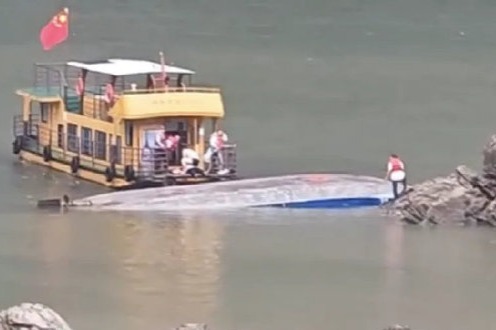
    A tragic maritime incident during China’s peak Spring Festival travel period has resulted in four fatalities after a passenger vessel overturned at a resort in Yunnan province. The accident occurred at approximately 3:40 PM on Tuesday in Lianhua village, Chuxiong city, plunging 26 individuals into the water according to the Ministry of Emergency Management’s preliminary assessment.

    The Ministry has issued directives for immediate casualty verification and comprehensive medical treatment for injured survivors. In response to the severity of the incident, the Office of the State Council Work Safety Commission has elevated the investigation to special supervision status, mandating Yunnan authorities to accelerate the probe and establish legal accountability.

    Authorities have emphasized the necessity of deriving critical safety lessons from this tragedy to implement preventive measures against similar accidents. The investigation continues to determine the precise cause of the capsizing while emergency response teams complete follow-up operations at the resort location.

  • ‘Difficult’ Russia-Ukraine peace talks end without breakthrough

    ‘Difficult’ Russia-Ukraine peace talks end without breakthrough

    Diplomatic efforts to resolve the ongoing conflict in Ukraine reached another critical juncture this week as trilateral negotiations involving Russian, American, and Ukrainian representatives concluded in Geneva without achieving a substantive breakthrough. The high-stakes discussions, which extended late into Tuesday before concluding after just two hours on Wednesday, highlighted the persistent chasm between Moscow and Kyiv’s fundamental positions.

    Despite initial expressions of optimism from US envoy Steve Witkoff, both Russian chief negotiator Vladimir Medinsky and Ukrainian President Volodymyr Zelensky characterized the dialogue as particularly challenging. In a notable development following the official conclusion of talks, Medinsky returned to the negotiation venue for an additional private meeting with Ukrainian officials that lasted approximately ninety minutes, though details of these closed-door discussions remain undisclosed.

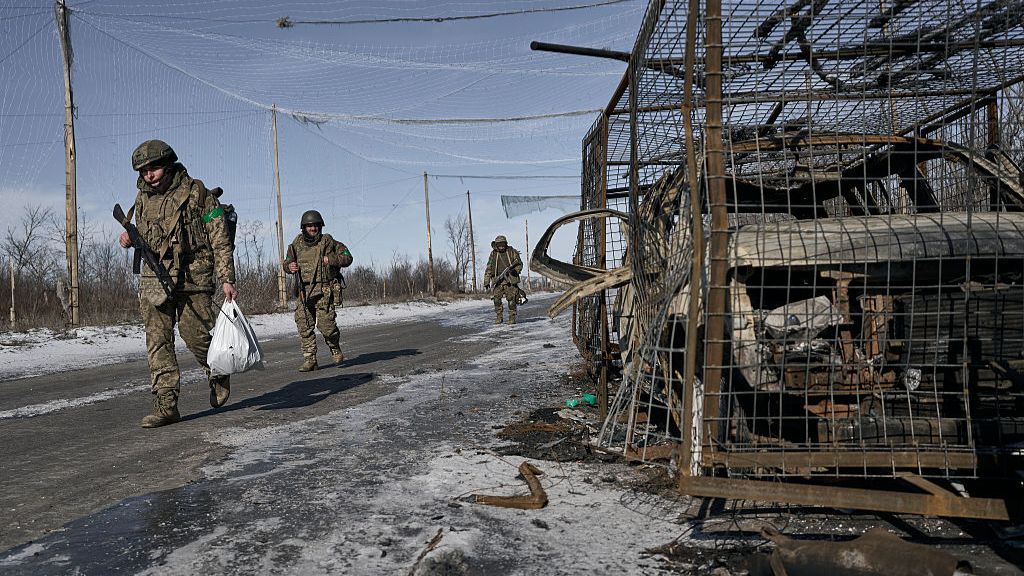
    According to Ukrainian diplomatic sources familiar with the proceedings, limited progress was achieved regarding military considerations, including front line positioning and ceasefire monitoring mechanisms. However, the central issue of territorial control—specifically Russia’s unwavering demand for complete dominion over the eastern Donbas region comprising Donetsk and Luhansk—proved insurmountable. Ukrainian officials have consistently rejected this precondition as unacceptable, equating it to surrendering sovereign territory and creating strategic vulnerabilities against future aggression.

    Medinsky acknowledged the difficult nature of the negotiations while simultaneously characterizing them as businesslike, confirming that additional meetings would occur in the near future. Ukrainian negotiator Rustem Umerov struck a marginally more positive tone, describing the talks as substantive and intensive while cautioning that the complex diplomatic process requires careful alignment among all parties and additional time.

    President Zelensky expressed frustration with the pace of progress, accusing Russia of deliberately prolonging negotiations that he believes should have already reached their conclusive phase. The Ukrainian leader further rejected recent suggestions from US President Donald Trump that Ukraine should accelerate compromise, noting the fundamental inequity of expecting the invaded nation to make territorial concessions.

    Additional complicating factors include the status of the Zaporizhzhia Nuclear Power Plant—Europe’s largest atomic energy facility, which remains under Russian control despite Ukrainian demands for its return. European representation also emerged as a significant consideration, with officials from Britain, France, Germany, and Italy participating in sideline discussions despite their exclusion from the primary US-mediated negotiations. Zelensky emphasized that European involvement remains indispensable for any eventual comprehensive agreement.

    These diplomatic developments occur against the somber backdrop of the approaching fourth anniversary of Russia’s full-scale invasion, a conflict that has resulted in tens of thousands of military and civilian casualties while displacing millions across Ukraine. The continued aerial assaults and humanitarian crisis underscore the urgent need for diplomatic resolution despite the evident challenges in achieving mutually acceptable terms.

  • Kiara Advani pens emotional tribute on father-in-law Sunil Malhotra’s demise

    Kiara Advani pens emotional tribute on father-in-law Sunil Malhotra’s demise

    The Indian film industry has been touched by sorrow as acclaimed actors Sidharth Malhotra and Kiara Advani confront the profound loss of family patriarch Sunil Malhotra. The former Merchant Navy captain passed away recently, prompting an outpouring of emotional tributes from the celebrity couple and their colleagues in Bollywood.

    Sidharth Malhotra, renowned for his performances in numerous hit films, shared an intimate portrait of his father through a deeply personal social media post. He characterized Sunil Malhotra as an individual of exceptional moral character, describing him as “a man of rare honesty, integrity and culture” whose principles remained unshaken throughout his life. The actor highlighted his father’s unique balance of “discipline without harshness” and “strength without ego,” noting his sustained positivity even when confronting life’s most challenging circumstances. Malhotra has frequently acknowledged his father’s enduring influence both personally and professionally in previous interviews.

    Kiara Advani, married to Sidharth since 2023, composed her own moving tribute to her father-in-law. She recalled being welcomed into the family with “open arms, steady wisdom, and a kind of unconditional love that grounded us all.” Her message emphasized the central role family played in Sunil Malhotra’s life, celebrating his “quiet strength, gentle heart” and the enduring legacy of “gentleness, integrity, and deep, unwavering love” he bestowed upon his relatives.

    The couple’s grief has resonated throughout the entertainment industry, with numerous prominent figures offering condolences. Priyanka Chopra Jonas expressed sympathy with “So sorry Sid. My condolences,” while actress Soni Razdan offered supportive words: “This is so sad – so sorry for your loss. Losing a father is really hard. Take care of your mom and yourself.” Alia Bhatt also conveyed empathy through a heart emoji on social media platforms.

    This period of mourning arrives during a significant chapter for the couple, who welcomed their first child, daughter Saraayah Malhotra, in July 2025. The juxtaposition of new life and familial loss has created a poignant moment for the family as they navigate both celebration and remembrance.

  • Spring festival travel sees more diverse, efficient homebound trips

    Spring festival travel sees more diverse, efficient homebound trips

    The annual Spring Festival travel rush in China, historically characterized by arduous journeys, has undergone a remarkable transformation, evolving into a diverse and efficient transportation phenomenon. This year’s chunyun period, running from February 2 to March 13, is projected to generate an unprecedented 9.5 billion passenger trips, showcasing China’s rapidly modernizing transport infrastructure.

    The personal journey of Wei Shouyi, a 44-year-old migrant worker, exemplifies this dramatic shift. Two decades ago, Wei endured an 18-hour motorbike trek from Foshan to his Guangxi village through challenging conditions. Today, his 700-kilometer journey has been reduced to a comfortable six-hour drive in his private vehicle. “Since I bought a van in 2010, and later a car, the motorcycle has become a memory,” Wei reflects. “In my village, no one rides back from Guangdong anymore.”

    This personal transformation mirrors national trends. The once dominant sight of massive motorbike caravans has dramatically diminished. Police officer Zou Dan, stationed at a key highway checkpoint in Wuzhou, confirms: “You only see a few scattered motorcycles now. Our focus has shifted entirely to managing the massive flow of private cars on the expressways.”

    Multiple factors drive this evolution. Surging private vehicle ownership, particularly new energy vehicles (NEVs), has revolutionized road travel. According to Huang Guoxun of Guangxi’s transport department, NEV travel during this Spring Festival is expected to jump by 72.2 percent, comprising one-fifth of all highway traffic.

    Rail infrastructure has simultaneously undergone massive expansion. China’s total operating railway mileage increased by 12.8 percent during the 14th Five-Year Plan period (2021-2025), reaching 165,000 kilometers. The high-speed rail network specifically grew by 32.98 percent to 50,400 kilometers, maintaining China’s position as home to the world’s largest high-speed rail system. This expansion supports the expected 540 million rail passengers during the travel period.

    Notably, traditional “green trains” continue to operate alongside modern high-speed networks, providing affordable options for passengers traveling to smaller stations.

    The aviation sector has similarly transformed from a luxury service to a practical transportation alternative. Migrant workers like Ma Changwei now consider air travel a viable option when high-speed rail tickets are unavailable. “It’s expensive compared to the train, but it only takes two or three hours,” Ma explains. “Many of my coworkers are doing the same.”

    Industry data confirms this trend, with China’s civil aviation authorities anticipating approximately 95 million passengers during the holiday season—a historic high. China Southern Airlines’ Guangxi branch reported an 85 percent seat occupancy rate on the first day of chunyun alone, describing demand as “explosive.”

    This comprehensive transportation evolution has fundamentally reshaped the Chinese cultural tradition of returning home for the Lunar New Year, making journeys safer, faster, and more comfortable for millions of travelers.

  • How Sheikh Zayed led UAE at age of 29: Emirati businessman pays tribute in new book

    How Sheikh Zayed led UAE at age of 29: Emirati businessman pays tribute in new book

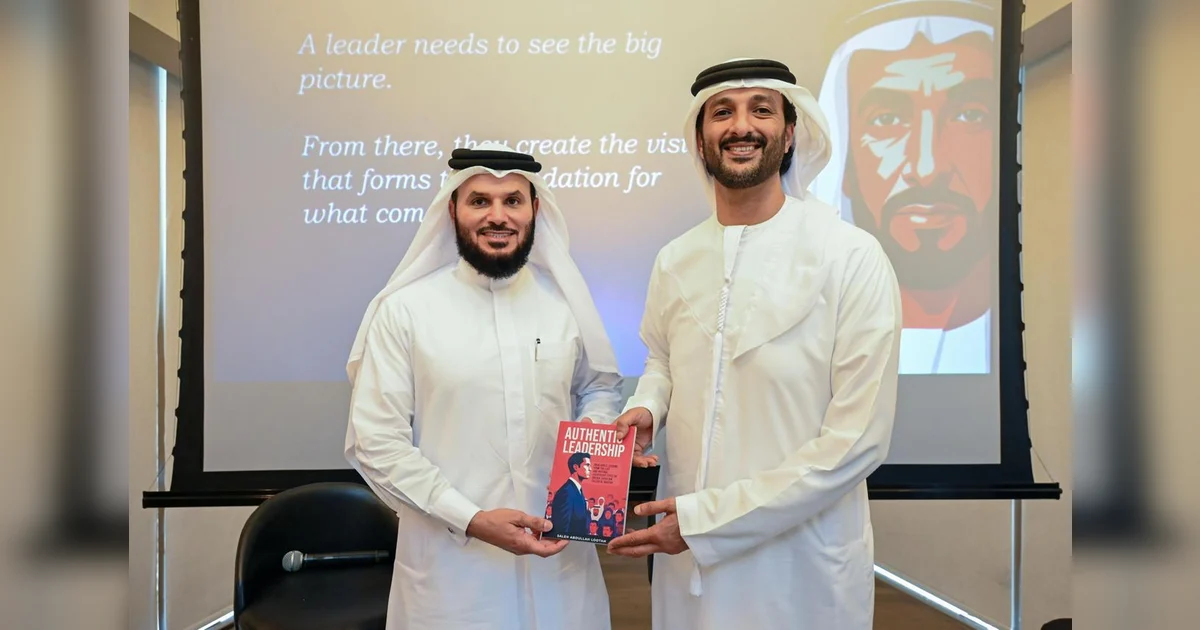
    Prominent Emirati entrepreneur Saleh Abdulla Lootah has unveiled a comprehensive literary tribute to the UAE’s founding father, Sheikh Zayed bin Sultan Al Nahyan, through his newly published work “Authentic Leadership – Invaluable Lessons from the Life and Natural Leadership Style of Sheikh Zayed bin Sultan Al Nahyan.”

    The publication, launched on Monday, represents over two years of meticulous research into the visionary leadership principles that transformed the United Arab Emirates from a region with limited infrastructure into a global hub of commerce and tourism. Lootah, chairman of diversified conglomerate Lootah Holding, emphasizes that contemporary business leaders can draw profound inspiration from Sheikh Zayed’s governance approach.

    “Without his extraordinary leadership, we would not be experiencing the quality of life we enjoy today,” Lootah stated during his book launch event, highlighting the enduring impact of Sheikh Zayed’s legacy on modern Emirati society.

    The analytical work examines multiple dimensions of Sheikh Zayed’s leadership methodology, including his exceptional team-building capabilities, strategic succession planning, unwavering dedication, and diplomatic negotiation skills. Notably, the book explores how at just 29 years old, Sheikh Zayed assumed leadership of the Eastern Region (Al Ain), demonstrating remarkable political acumen that would later enable him to unify disputing tribes and orchestrate the nation’s development.

    Lootah, whose family established the world’s first Islamic bank (Dubai Islamic Bank), expresses concern that younger generations might not fully appreciate the historical challenges overcome during the nation’s formation. He emphasizes that current challenges pale in comparison to the resource constraints and fragile conditions that characterized the pre-oil era.

    The entrepreneur’s work serves as both historical preservation and leadership manual, encouraging contemporary business leaders to adopt Sheikh Zayed’s principles of decisive action, responsibility delegation, and strategic negotiation in modern corporate contexts.