作者: admin

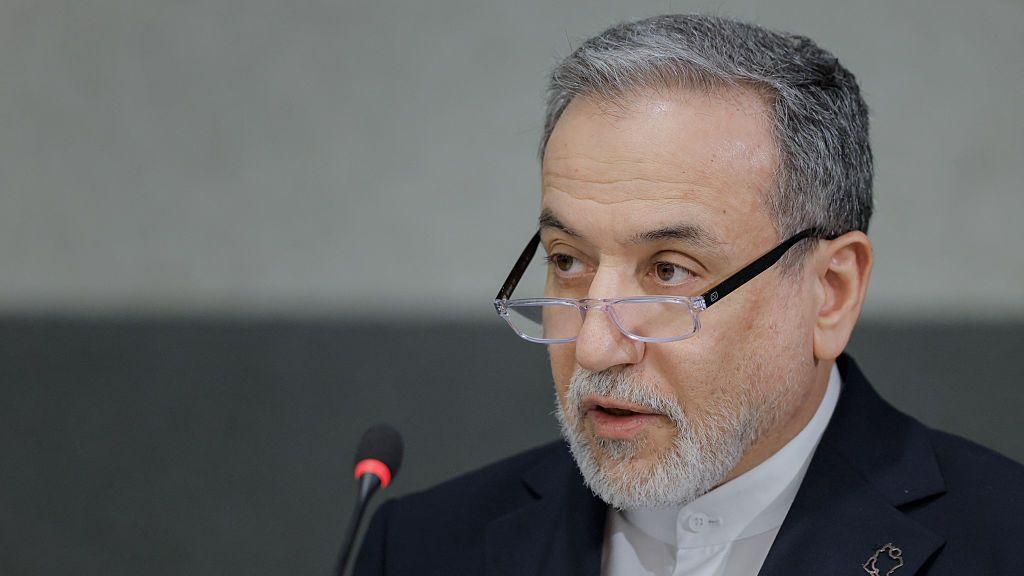
  • Iran’s nuclear deal proposal could be ready in days, FM Araghchi says

    Iran’s nuclear deal proposal could be ready in days, FM Araghchi says

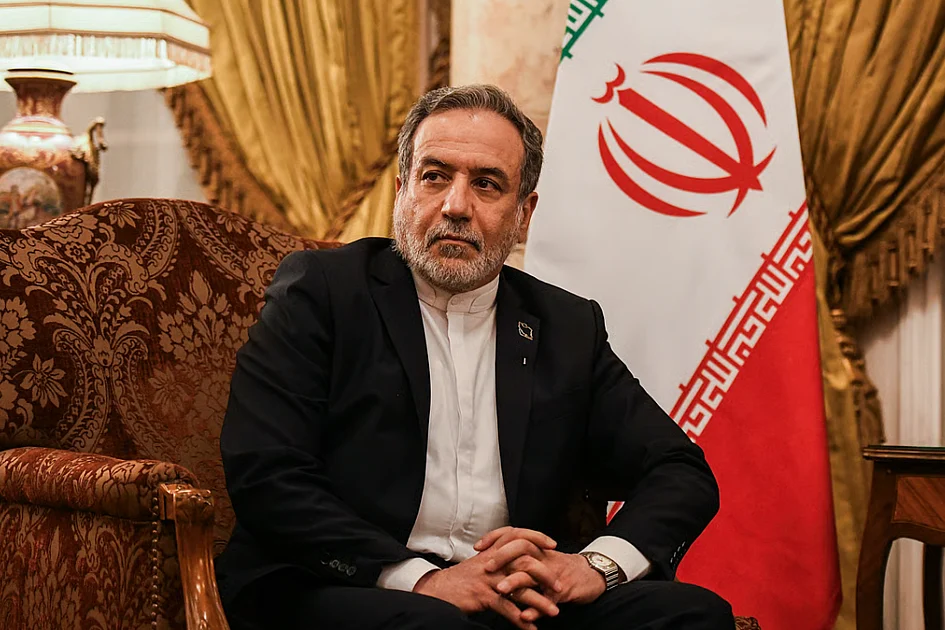
    Iranian Foreign Minister Abbas Araghchi announced on Friday that Tehran expects to finalize a draft nuclear counterproposal within days, signaling potential diplomatic progress despite escalating military tensions in the Middle East. The development comes as the United States maintains a substantial military presence in the region, with President Donald Trump having issued a 10-15 day ultimatum for Iran to reach an agreement or face severe consequences.

    In a televised interview with MS NOW, Araghchi clarified critical aspects of the ongoing negotiations, stating unequivocally that Iran had not offered to suspend uranium enrichment and that American officials had not demanded complete cessation of enrichment activities. Instead, discussions have focused on establishing verifiable safeguards to ensure the exclusively peaceful nature of Iran’s nuclear program in perpetuity.

    The Iranian diplomat outlined plans for implementing both technical and political confidence-building measures that would provide international assurance of peaceful intentions. These measures would be exchanged for specific actions regarding sanctions relief, though Araghchi declined to provide detailed specifications regarding either the safeguards or the sanctions negotiations.

    While not specifying exact timing, Araghchi indicated that additional US-Iran talks could resume within approximately one week following internal review of Iran’s forthcoming proposal by senior officials in Tehran. He expressed optimism that a diplomatic resolution remained achievable within a compressed timeframe, despite the looming American deadline.

    The White House declined to immediately comment on Araghchi’s statements. However, an unnamed Trump administration official later contradicted portions of the foreign minister’s account, asserting that US negotiators had indeed maintained the position of no uranium enrichment. According to this source, American officials communicated to their Iranian counterparts that any counterproposal must demonstrate concrete safeguards ensuring the purely energy-oriented nature of Iran’s nuclear activities, with a detailed proposal expected within one week.

    Araghchi separately addressed the US military buildup in the region, warning that military options would significantly complicate diplomatic efforts to reach a comprehensive agreement. The situation remains tense as both diplomatic and military timelines converge in what represents one of the most critical periods in recent US-Iran relations.

  • Turkey, Saudi sign solar plants deal, capable of powering over 2 million homes

    Turkey, Saudi sign solar plants deal, capable of powering over 2 million homes

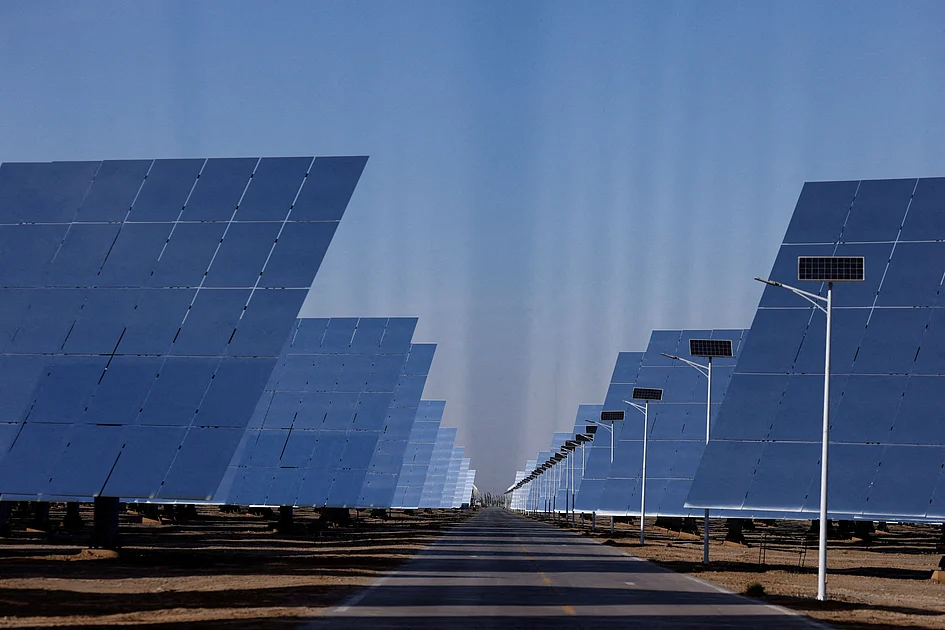
    In a landmark move for regional energy cooperation, Saudi Arabia and Turkey have formalized a major solar power agreement that will significantly advance Turkey’s renewable energy infrastructure. The deal, signed on February 20, 2026, at an Ottoman-era palace overlooking Istanbul’s Bosphorus Strait, involves Saudi energy developer ACWA constructing two massive solar plants in central Turkey’s Sivas and Karaman provinces.

    The project represents one of the most substantial energy investments in Turkish history, with the combined facilities boasting a generation capacity of 2,000 megawatts—sufficient to power approximately 2.1 million households. This initiative builds upon a $2 billion intergovernmental energy agreement established during Turkish President Recep Tayyip Erdogan’s pivotal visit to Riyadh earlier this month.

    Turkish Energy Minister Alparslan Bayraktar celebrated the partnership as transformative for Turkey’s energy landscape, noting that it will deliver electricity at historically competitive rates while advancing the nation’s renewable objectives. Bayraktar emphasized Turkey’s ongoing ‘energy revolution,’ revealing that renewable sources already constitute 62% of the country’s installed electricity capacity, with solar and wind generation having expanded from negligible levels to over 40,000 megawatts today.

    The timing of this agreement carries additional significance as Turkey prepares to host the United Nations COP31 climate summit later this year. Despite these renewable advances, official data indicates coal still accounted for 33.6% of Turkey’s electricity generation last year. Minister Bayraktar addressed this dependency, outlining a transitional strategy where coal would initially be replaced by natural gas, with nuclear energy providing a long-term solution alongside expanded renewable infrastructure.

    Turkey has established ambitious climate targets, including achieving net zero emissions by 2053 and expanding its solar and wind capacity to 120,000 megawatts by 2035. This Saudi-Turkish collaboration marks a substantial step toward these goals while strengthening economic ties between two pivotal regional powers.

  • ‘How can I move on?’: Palestine Action’s Fatema Rajwani on life after prison

    ‘How can I move on?’: Palestine Action’s Fatema Rajwani on life after prison

    In a landmark legal outcome, Fatema Rajwani, a former film student at Goldsmiths University, was acquitted of aggravated burglary charges alongside five co-defendants following a raid on an Israeli-owned arms factory. The August 2024 incident at Elbit Systems’ Bristol facility was motivated by Rajwani’s profound opposition to Israel’s military operations in Gaza, which she described as fundamentally altering her perspective. “Watching people die and not being able to do a single thing about it became unbearable,” she stated, explaining her transformation from apolitical student to activist.

    The Woolwich Crown Court jury delivered not guilty verdicts after a months-long trial that revealed startling details about the factory confrontation. Security guards from Minerva Elite, a firm employing ex-special forces personnel, were shown in bodycam footage striking unarmed activists with sledgehammers and wielding whips. Police witnesses retracted initial statements under cross-examination, admitting key details about defendant armament were inaccurate.

    Despite the acquittal on the most serious charges, the defendants face a retrial in February 2027 on remaining counts including criminal damage. Rajwani endured 18 months in pre-trial custody at HMP Bronzefield—exceeding standard UK limits—where she described being treated as a “terrorist” following the government’s proscription of Palestine Action. She reported frequent cell intrusions while partially dressed, confiscation of religious garments, and restricted communication with her family.

    The case has highlighted ongoing tensions between activist movements and security forces, with allegations of excessive force and evidentiary inconsistencies. Both Elbit Systems and Minerva Elite declined to comment when approached by media outlets. Rajwani, now free on bail, reflects on her traumatic experience: “I’m not the same person I was a year and a half ago, but I will never regret trying to do the right thing.”

  • Trump says he is considering limited military strike on Iran

    Trump says he is considering limited military strike on Iran

    Tensions between the United States and Iran have entered a decisive phase as diplomatic efforts converge with military posturing. Iranian Foreign Minister Abbas Araghchi announced Tehran is preparing a draft agreement proposal for Washington, expected to be delivered to US Special Envoy Steve Witkoff within days. This development occurs alongside significant US military deployments toward the region, including the USS Gerald R Ford – the world’s largest warship – and the USS Abraham Lincoln aircraft carrier battle group.

    President Donald Trump has characterized the situation as approaching resolution within approximately ten days, suggesting either a diplomatic breakthrough or potential military action. While engaging with journalists, Trump maintained strategic ambiguity regarding precise intentions, stating: ‘We’re going to make a deal or get a deal one way or the other.’ This posture aligns with his documented preference for maintaining operational secrecy.

    The geopolitical standoff stems from longstanding concerns among US and European allies regarding Iran’s nuclear program, which Western powers suspect aims toward weapons development despite Tehran’s consistent denials. Recent negotiations in Switzerland have reportedly yielded progress, even as both nations reinforce military capabilities. Satellite imagery confirms Iranian military fortifications, while Supreme Leader Ayatollah Ali Khamenei has utilized social media to warn that ‘a warship is a dangerous piece of military hardware.’

    Historical context reveals Trump’s pattern of employing deadlines alongside diplomatic overtures. During July’s Operation Midnight Hammer, which targeted Iranian nuclear facilities, administration officials continued publicly discussing negotiation possibilities until immediately before strikes occurred. Current military planning reportedly involves multiple options for potential extended campaigns, contrasting with previous limited operations.

    Domestically, potential military action presents political challenges for the administration. Recent polling indicates growing disapproval of Trump’s handling of key issues, and prolonged engagement with Iran risks alienating portions of his base who originally supported his non-interventionist foreign policy stance.

  • Kuwait denies social media claims of 6-month jail for iftar gatherings without permit

    Kuwait denies social media claims of 6-month jail for iftar gatherings without permit

    Kuwait’s Ministry of Interior has officially refuted viral social media reports alleging severe penalties for organizing Iftar gatherings during Ramadan without official permits. The circulating misinformation falsely claimed that unauthorized gatherings would incur substantial fines of 1,000 Kuwaiti dinars (approximately $3,250) and potential imprisonment of up to six months.

    In a formal statement released on February 20, 2026, the Ministry categorically denied issuing any such regulations or official communications regarding Ramadan gathering restrictions. Authorities emphasized that these claims lack any factual basis and represent a complete fabrication.

    The Ministry has initiated a public awareness campaign urging citizens and residents to exercise caution when encountering unverified information on social media platforms. Officials specifically requested that individuals refrain from sharing or amplifying unconfirmed reports and instead verify all information through established official channels before dissemination.

    This incident highlights the ongoing challenge Middle Eastern governments face in combating misinformation during significant religious observances. Kuwaiti authorities have reinforced their commitment to maintaining transparent communication with the public while ensuring accurate information flow during the holy month of Ramadan.

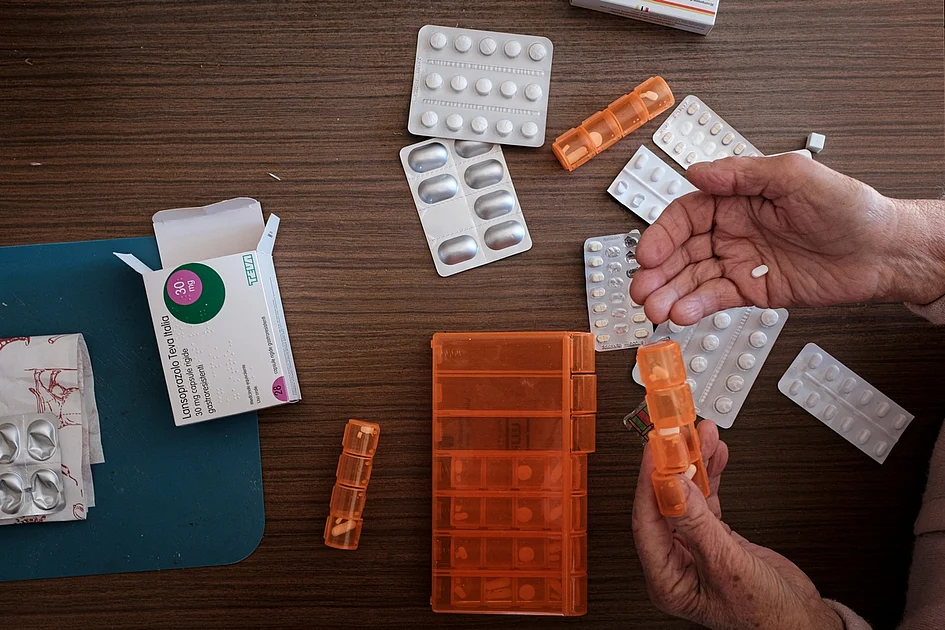
  • Iftar on the job: Meet Sharjah biker who races to deliver life-saving medicine

    Iftar on the job: Meet Sharjah biker who races to deliver life-saving medicine

    As the sun sets during Ramadan, while most families gather to break their fast, Ali Abid races through Sharjah’s streets on his motorcycle with urgent medical deliveries. For six years, this dedicated biker has served as a critical link between Aster Pharmacy and patients requiring emergency medications, often making deliveries during iftar time when others are resting.

    Abid’s daily shift begins at 1 PM, meaning he spends his fasting hours navigating traffic to ensure vital medicines reach those in need. On the first day of Ramadan this year, he received an urgent call around 6 PM from a patient who had run out of blood pressure medication. Understanding the critical nature of the request, Abid rushed to deliver the medicine just minutes before the Maghrib call to prayer.

    The grateful recipient not only expressed profound thanks but invited Abid inside to share dates and fruits, offering him a chance to break his fast peacefully. Such moments, Abid explains, make the challenges worthwhile. Unlike food delivery riders who experience peak demand during iftar, his calls typically involve life-saving medications that cannot wait.

    Abid’s commitment extends beyond his designated routes. Last Ramadan, he received a call from a diabetic woman outside his delivery area who was feeling unwell while fasting. Despite the distance, he raced to her apartment, arriving much sooner than she anticipated. During the pandemic, when his bike broke down mid-delivery, he resorted to taking a taxi to complete the medication drop-off before returning to address his vehicle issues.

    The physical demands are considerable—afternoons are warm, and dehydration sets in by evening. The final hour before iftar proves particularly challenging, but Abid carries dates and water to manage his energy levels. Between deliveries, he grabs simple meals at nearby restaurants, forgoing elaborate iftar gatherings for the road and his next call.

    Though he misses celebrating Ramadan with his family in Pakistan—including his parents, four sisters, and brother—Abid finds purpose in being one of the family’s breadwinners. His earnings enabled him to obtain emergency leave when his mother fell ill last year, and he looks forward to visiting home for Eid Al Adha. His story represents the hundreds of delivery riders working tirelessly through Ramadan, ensuring that essential services continue despite personal sacrifice.

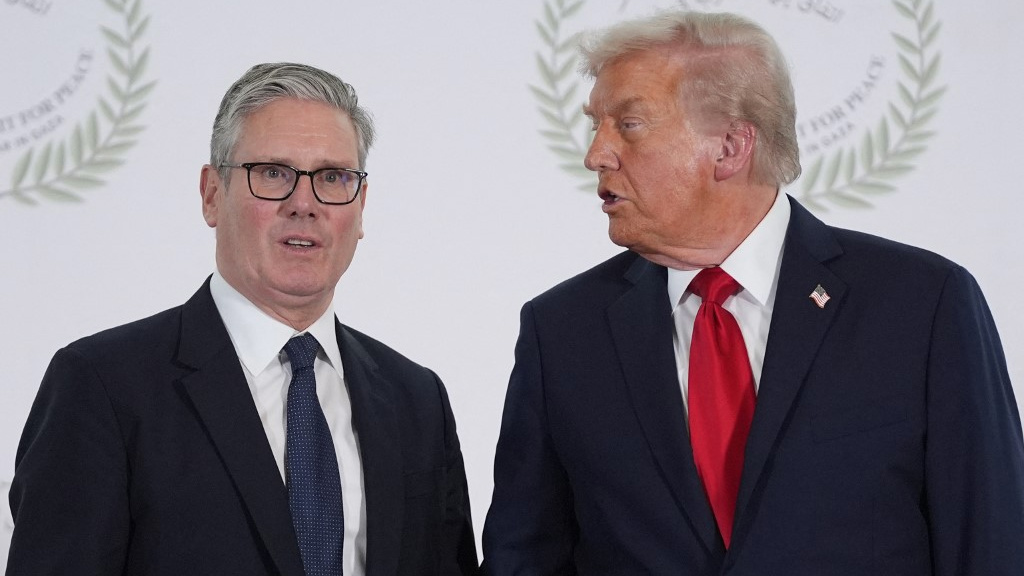
  • Trump lashes out after UK stops US from using its bases for Iran attack

    Trump lashes out after UK stops US from using its bases for Iran attack

    Former US President Donald Trump has issued a stark warning to the United Kingdom, threatening to obstruct Britain’s planned transfer of the Chagos Islands to Mauritius. This geopolitical maneuver emerges amidst reports that Prime Minister Keir Starmer’s Labour government has denied the United States permission to utilize UK military bases for launching offensive operations against Iran.

    The escalating tensions coincide with significant US military repositioning toward the Middle East, indicating preparations for a potential extended campaign against Tehran. Trump has consistently advocated for military action against Iran, citing concerns over its nuclear and ballistic missile programs. He recently emphasized that failure to secure an agreement would prove ‘very traumatic’ for the nation.

    Britain’s refusal to authorize attack launches from strategic locations like Diego Garcia or RAF Fairford in Gloucestershire stems from legal apprehensions that such actions might violate international law. This stance appears to have triggered Trump’s reversal on the Chagos Islands sovereignty arrangement, which involves a century-long leaseback of the joint UK-US Diego Garcia facility to Mauritius for £3.4 billion.

    Trump publicly criticized Britain’s decision as a ‘big mistake’ that relinquishes control of a strategically vital asset. He underscored Diego Garcia’s operational significance, noting its proximity to Iran enables bomber aircraft to operate within 5,300 km while avoiding monitored Gulf airspace.

    The Labour government has reportedly paused ratification of the Chagos agreement following Trump’s intervention. This represents the latest shift in Trump’s inconsistent position, having alternately endorsed and condemned the deal multiple times since last April.

    The British Foreign Office maintained its standard protocol of not commenting on operational matters while reaffirming support for US-Iran political processes and regional security priorities. Meanwhile, Prime Minister Starmer faces domestic criticism from opposition figures like Reform leader Nigel Farage, who accused the government of jeopardizing the UK-US defense relationship.

    Despite Starmer’s demonstrated commitment to strengthening Anglo-American ties, his administration has maintained diplomatic distance from Trump’s foreign policy approaches. This was evident during recent Middle Eastern conflicts where UK involvement remained deliberately limited despite regional provocations.

    The strategic importance of Diego Garcia is further highlighted by its vulnerability to potential retaliation, with Iranian Shahed-136B kamikaze drones possessing sufficient range to threaten the base’s 4,000 predominantly US military personnel and contractors.

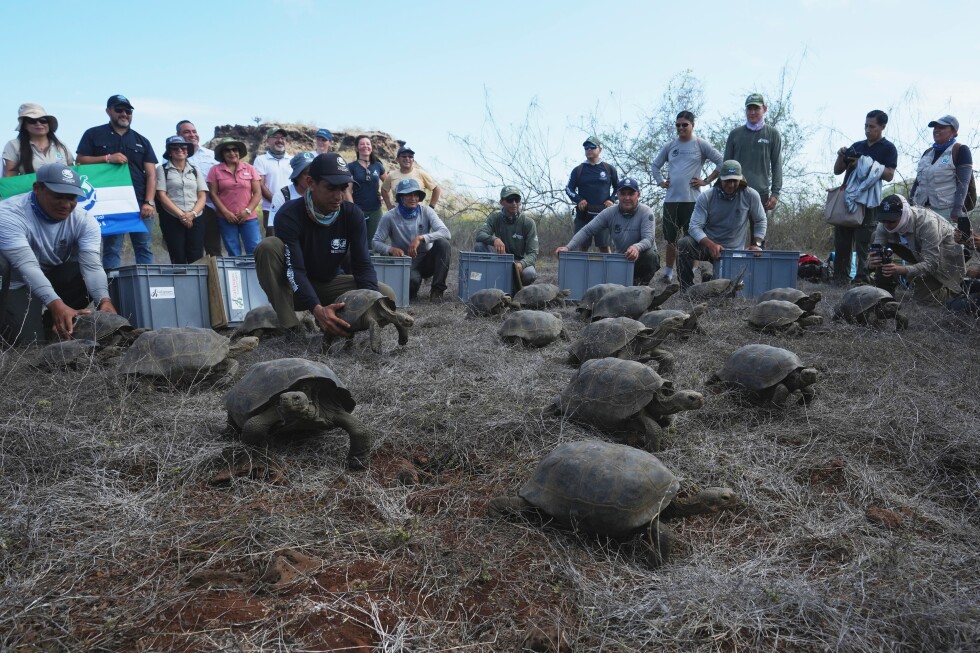
  • Galápagos park releases 158 juvenile hybrid tortoises on Floreana to restore the ecosystem

    Galápagos park releases 158 juvenile hybrid tortoises on Floreana to restore the ecosystem

    In a landmark conservation achievement, 158 juvenile hybrid giant tortoises have been reintroduced to Ecuador’s Floreana Island, marking the species’ return after a 150-year absence. The carefully selected specimens, aged 8-13 years, were released during the season’s first winter rains, creating optimal conditions for their adaptation to the volcanic island environment.

    These tortoises represent a genetic bridge to the extinct Chelonoidis niger species, carrying between 40-80% of its original genetic makeup. Sourced from Wolf Volcano on Isabela Island—a discovery that continues to intrigue scientists—the hybrids underwent rigorous selection for the strongest genetic lineage before their translocation.

    The release initiates a comprehensive restoration program targeting Floreana’s degraded ecosystem. According to Fredy Villalba, director of the Galápagos National Park breeding center, the juveniles have reached sufficient size to defend against invasive predators including rats and cats.

    Christian Sevilla, ecosystems director for Galápagos National Park, confirmed this release as the first phase of a larger initiative planning to introduce 700 tortoises gradually. The breeding program ultimately aims to restore the Floreana tortoise population to genetic purity through selective reproduction.

    The ecological significance extends beyond species revival. Washington Tapia, director of Biodiversa-Consultores, emphasized that reintroducing tortoises with substantial original genetics is crucial for reconstructing the island’s lost biological heritage.

    Floreana’s 173-square-kilometer volcanic landscape, situated 1,000 kilometers from mainland Ecuador, once hosted approximately 20,000 giant tortoises before whaling activities, human exploitation, and a devastating fire caused their extinction. The reintroduced population will coexist with nearly 200 human residents and native species including flamingos, iguanas, and penguins, while confronting challenges from invasive plants and animals introduced through human activity.

    Local resident Verónica Mora described the release as the realization of a long-standing community dream, reflecting widespread pride in the tortoises’ homecoming. The Galápagos Islands, designated a UNESCO Natural World Heritage Site in 1978, continue to demonstrate global leadership in conservation through this innovative genetic restoration project.

  • Strong earthquake of magnitude 5.7 strikes Hindu Kush region in Afghanistan

    Strong earthquake of magnitude 5.7 strikes Hindu Kush region in Afghanistan

    A substantial seismic event registering a magnitude of 5.7 on the Richter scale rattled the rugged Hindu Kush mountain range in Afghanistan on Friday, February 20th, 2026. According to data released by the German Research Centre for Geosciences (GFZ), the tremor originated at a considerable depth of 79 kilometers (approximately 49 miles) beneath the Earth’s surface. The epicenter was located within one of Asia’s most seismically active zones, where the collision of tectonic plates frequently generates such activity. The significant depth of this quake often results in the seismic energy being distributed over a wider geographical area, potentially leading to tremors being felt across a broader region, though typically with reduced intensity at the surface compared to shallower events. Initial reports did not immediately detail potential impacts on population centers, infrastructure, or casualties. The region’s complex topography and remote villages often pose significant challenges for rapid damage assessment and emergency response coordination following such geological events. Monitoring stations across Central and South Asia are continuing to track aftershock patterns, which are common following earthquakes of this magnitude.

  • ‘Hard to keep lights on’ – Business owners cautiously welcome tariff ruling

    ‘Hard to keep lights on’ – Business owners cautiously welcome tariff ruling

    In a landmark decision with profound implications for global trade, the US Supreme Court has invalidated former President Donald Trump’s authority to impose sweeping global tariffs under the International Emergency Economic Powers Act (IEEPA). The ruling has ignited a complex mixture of relief and apprehension within the American business community, particularly among import-dependent industries that have borne the brunt of these trade policies.

    Jenelle Peterson, co-founder of Canadian toy manufacturer Wild Life Outdoor Adventures, exemplifies this cautious optimism. Her company, which produces goods in China, suffered a 25% profit reduction last year due to Trump’s tariffs. While contemplating increased imports and new product designs previously put on hold, Peterson remains wary about potential administrative workarounds. “I have a bit of reservation in too much celebration,” she acknowledged. “But for us, every percentage point matters.”

    The court’s decision specifically targets tariffs implemented under the 1977 IEEPA statute, but leaves untouched other tariff authorities that the Trump administration could leverage. Within hours of the ruling, Trump announced plans to sign an executive order imposing a 10% global tariff under a separate statute allowing temporary import taxes of up to 15% for 150 days. “We have other ways – numerous other ways,” Trump declared at a White House briefing, anticipating prolonged legal battles.

    Business reactions reflected this uncertainty. Rick Woldenberg, CEO of educational toy maker Learning Resources (which challenged the tariff policy), called the ruling a “major victory” while expressing skepticism about proposed alternatives: “If the government is bound and determined to try to harm us through excessive taxes, I’m sure they’ll find a way.”

    Despite the judicial setback, protectionist measures remain substantial. Yale University’s Budget Lab calculates that even without IEEPA tariffs, consumers and businesses face an average effective tariff rate of 9.1%—the highest since 1946 excluding 2025. John Arensmeyer of Small Business Majority noted that while ending most tariffs “will undoubtedly benefit Main Street,” they have already caused “significant and irreparable harm to many small businesses.”

    Financial markets responded favorably but moderately to the news. The S&P 500 rose 0.7% and the Nasdaq gained 0.9%, though analysts cautioned against expecting sustained reactions. Lauren Goodwin of New York Life Investments observed that “sector winners and losers from this news depend on whether and how rebates are processed, as well as the use of non-IEEPA tariffs from here.”

    The ruling’s practical impact extends to consumer pricing. Peterson maintained stable prices for six months after Trump’s return to office before ultimately raising a knot-tying game from $14.99 to $19.99. She hopes the decision might eventually allow price reductions, praising the Court for sending “a really good message that we can’t have these insane fluctuations in tariff rates and economic policy, because it’s so damaging to small businesses.”

    Trade associations representing larger companies welcomed the clarity while emphasizing the importance of seamless refund processes. David French of the National Retail Federation stated the decision “provides much-needed certainty for US businesses and manufacturers, enabling global supply chains to operate without ambiguity.”

    Economic analyses consistently demonstrate that US consumers and businesses primarily absorb tariff costs rather than foreign exporters. Michael Pearce of Oxford Economics warned that even if the administration replicates overall tariff levels through alternative means, “the by-sector and by-country implications could end up looking quite different, which will create another bout of trade policy uncertainty for businesses, investors, and households.”