
As the Bank of Japan (BOJ) concluded its latest policy meeting, global markets experienced a mix of reactions. The BOJ’s decision to maintain its current interest rates was not unanimous, with two dissenting votes highlighting internal disagreements about the timing of future rate hikes. This decision, coupled with the Federal Reserve’s recent rate cut, has left investors cautiously optimistic but wary of the broader global economic outlook. BOJ Governor Kazuo Ueda’s upcoming press conference is highly anticipated, as markets seek clarity on the central bank’s rate trajectory and its plans to divest from ETFs and real estate investment trusts (REITs). The yen strengthened slightly post-decision, while Japan’s Nikkei index dipped after briefly hitting a record high. Across Asia, markets mirrored Wall Street’s gains, with Taiwan’s benchmark index reaching a new peak. European futures, however, signaled a subdued opening following a strong session on Thursday. The Bank for International Settlements (BIS) issued a warning this week, noting that soaring global stock prices seem increasingly detached from mounting concerns over government debt levels in bond markets. The U.S. dollar remained steady, though analysts predict a potential decline in the near term. With limited economic data expected from Europe, attention remains focused on interest rate dynamics and the ongoing market response to the BOJ’s decision. Additionally, European tech stocks are under scrutiny after Nvidia announced a $5 billion investment in Intel, bolstering the struggling U.S. chipmaker. Key economic events to watch include UK retail sales for August and Germany’s producer prices for the same month.
作者: admin
-
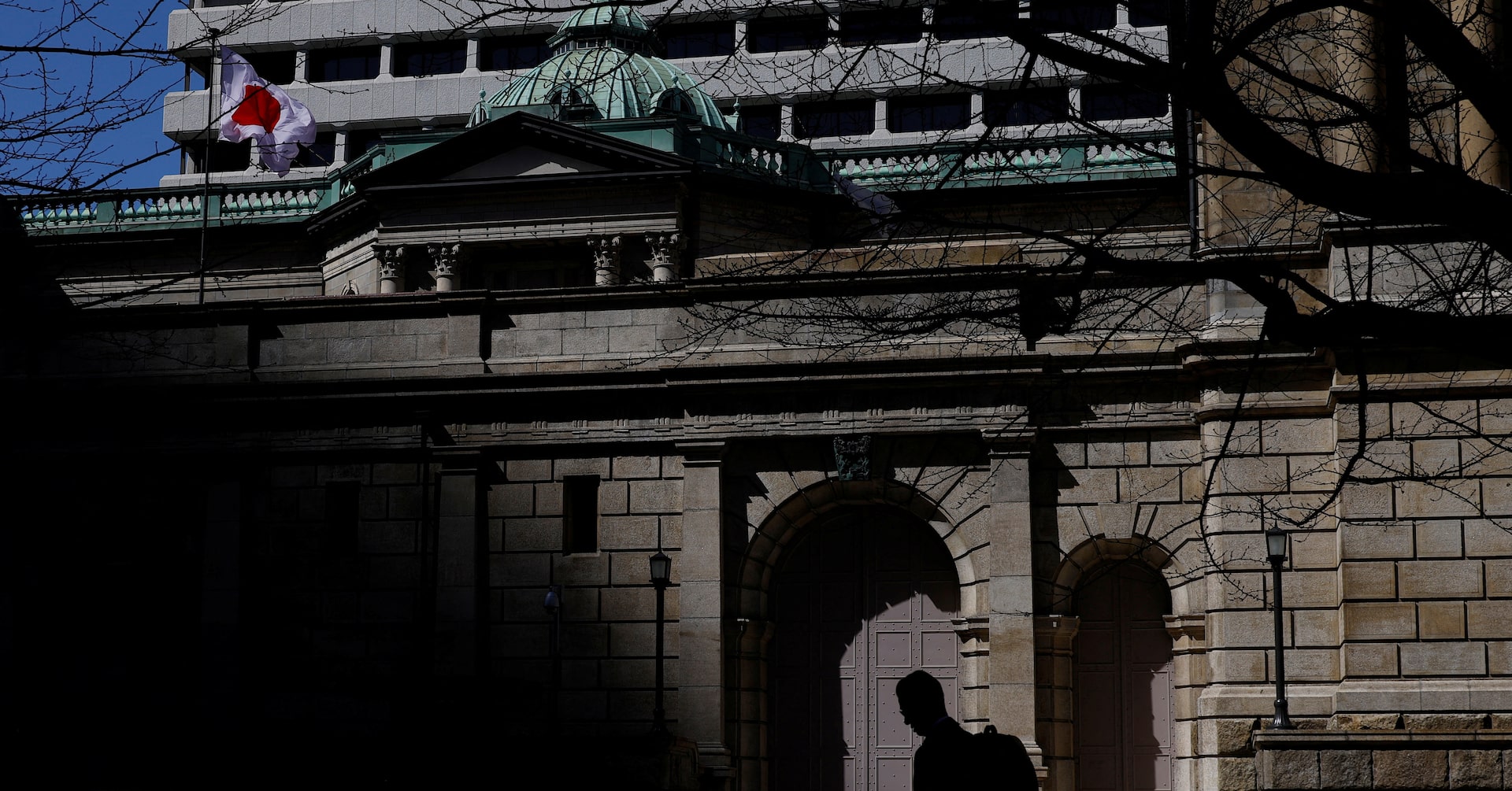
BOJ keeps interest rates steady, decides to start selling ETFs
The Bank of Japan (BOJ) concluded its two-day policy meeting on Friday, September 19, 2024, by maintaining its short-term interest rate at 0.5%, a decision that aligned with market expectations. However, the central bank unveiled a significant shift in its asset management strategy, announcing plans to begin selling its holdings of exchange-traded funds (ETFs) and real-estate investment trusts (REITs). This move marks a departure from its long-standing policy of accumulating these assets to stabilize financial markets. Notably, the decision was not unanimous, as board members Naoki Tamura and Hajime Takata expressed dissent. BOJ Governor Kazuo Ueda is scheduled to elaborate on the policy adjustments during a press conference at 3:30 p.m. local time (0630 GMT). The announcement comes amid ongoing efforts by the BOJ to navigate Japan’s complex economic landscape, balancing inflationary pressures with the need for sustained monetary support. Analysts are closely watching the potential market impact of the ETF and REIT sales, which could signal a gradual normalization of the BOJ’s unconventional monetary policies.
-
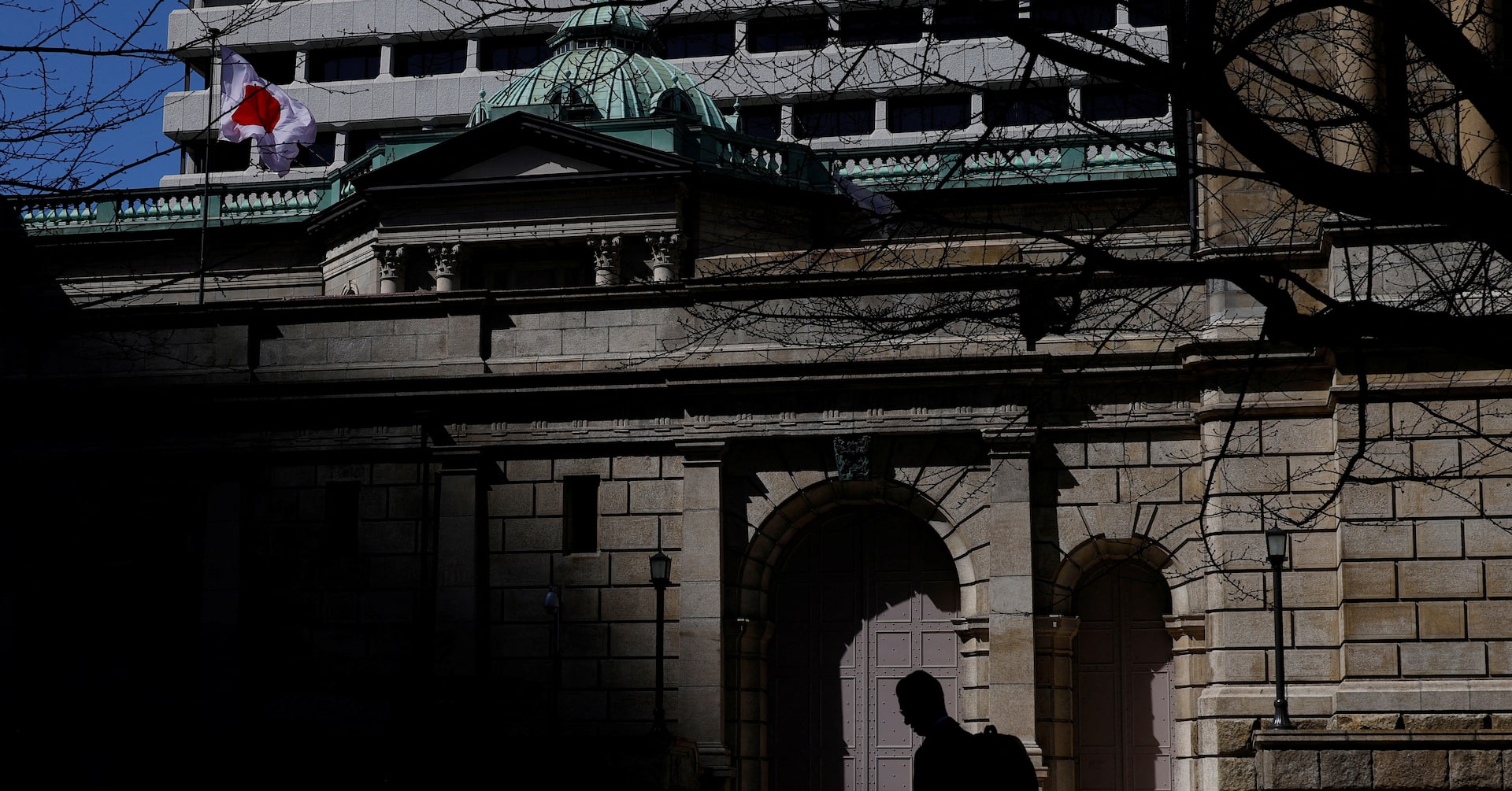
Instant View: Investors react to BOJ’s decision to keep rates steady
The Bank of Japan (BOJ) concluded its two-day policy meeting on September 19, 2024, by maintaining its short-term interest rate at 0.5%, a decision widely anticipated by market analysts. However, the central bank unveiled a significant policy shift by announcing plans to begin selling its holdings of exchange-traded funds (ETFs) and real estate investment trusts (REITs). This move signals a step toward policy normalization, despite the majority vote to keep rates unchanged. Notably, board members Naoki Tamura and Hajime Takata dissented, advocating for a more hawkish stance. Hirofumi Suzuki, Chief Currency Strategist at SMBC in Tokyo, remarked that the decision carried a hawkish undertone, particularly given the dissent and the timing of the Federal Reserve’s recent rate cut. Charu Chanana, Chief Investment Strategist at Saxo in Singapore, highlighted the growing internal pressure for quicker normalization, which could bolster the yen. Ben Bennett, Head of Investment Strategy for Asia at L&G Asset Management in Hong Kong, noted that the BOJ’s announcement, coupled with the Fed’s rate cut, could lead to yen appreciation. The BOJ’s decision reflects a cautious yet deliberate approach to unwinding its expansive monetary policy, with potential implications for Japan’s equity markets and banking sector.
-

Trump policies threaten US clean energy jobs engine, report says
The clean energy sector in the United States experienced a significant surge in job growth in 2024, outpacing the broader workforce by three times, according to a recent study by environmental advocacy group E2. The sector added 100,000 new jobs, marking a 2.8% increase and bringing total employment in clean energy to over 3.5 million. This growth was particularly notable in states like Idaho, Oklahoma, Texas, Florida, and New Jersey, which saw the highest increases in clean energy employment. More than 80% of all new energy sector jobs in 2024 were in clean energy, highlighting its pivotal role in the U.S. economy. However, the study warns that this progress is at risk due to the Trump administration’s efforts to roll back federal support for renewable energy projects, which were previously championed by the Biden administration. The clean energy sector now employs three times as many Americans as the oil, gas, and coal industries combined. Key areas of employment include renewable electricity generation, biofuels, electric vehicles, energy efficiency, battery storage, and grid modernization. Despite the positive job growth, the study did not account for recent policy changes under the Trump administration, which have shifted focus away from renewables and towards fossil fuels. This shift poses a significant threat to the continued expansion of clean energy jobs and the broader economy.
-

Gold flat as investors await more Fed cues after widely expected cut
Gold prices remained stable on Friday, September 19, 2025, as the Federal Reserve’s recent 25-basis-point rate cut and its cautious outlook on future monetary easing failed to fully align with investor expectations. Spot gold was virtually unchanged at $3,646.23 per ounce as of 0311 GMT, following a record high of $3,707.40 reached on Wednesday. U.S. gold futures for December delivery also held steady at $3,678.90. Analysts noted that while the market sentiment remains bullish, it has cooled slightly due to the Fed’s tempered messaging on inflation and future rate cuts. Kyle Rodda, an analyst at Capital.com, remarked, ‘The Fed didn’t deliver the dovish guidance needed for gold to push higher. The forecast of only one cut in 2026 has pushed up yields and the dollar, creating headwinds for gold.’ Traders are now pricing in a 92% likelihood of another 25-basis-point cut at the Fed’s October meeting. Lower interest rates typically reduce the opportunity cost of holding non-yielding bullion, supporting gold prices. Meanwhile, U.S. weekly jobless claims fell, signaling a softening labor market. In other precious metals, spot silver rose 0.7% to $42.11 per ounce, platinum gained 0.2% to $1,386.10, and palladium, up 0.6% at $1,157.49, was on track for a weekly decline of 3.3%.
-

Rupee set to weaken on extended climb in dollar, US yields after Fed verdict
The Indian rupee is expected to open lower on Friday, influenced by the persistent strength of the U.S. dollar and rising Treasury yields following a mixed outcome from the Federal Reserve’s recent meeting. The 1-month non-deliverable forward suggests the rupee will trade in the 88.20-88.22 range against the dollar, slightly weaker than its previous close of 88.1275. On Thursday, the rupee faced renewed pressure, failing to maintain its position above the 88 mark, highlighting the fragile sentiment surrounding the currency amid dollar dominance. Traders noted that the rupee’s momentum quickly reversed despite earlier signs of improvement. In a potentially positive development, Bloomberg Index Services is seeking investor feedback on whether Indian government bonds should be included in its global aggregate index. Meanwhile, the dollar index rose to near 97.50 in Asian trading, extending a 0.7% gain over the past two sessions. Although the dollar initially dipped after the Fed’s 25-basis-point rate cut and projections for further reductions, it rebounded due to rising U.S. Treasury yields. Analysts attributed this shift to Fed Chair Jerome Powell’s press conference, which was perceived as less dovish than expected. Additionally, U.S. jobless claims data released on Thursday showed a decline in new unemployment applications, contributing to the selloff in Treasuries.
-

Thai king approves PM Anutin’s cabinet line-up, Royal Gazette shows
In a significant political development, Thailand’s King Maha Vajiralongkorn has officially endorsed Prime Minister Anutin Charnvirakul’s new cabinet, as announced in the Royal Gazette on September 19, 2025. This royal endorsement marks a crucial step in the formalization of the new government, allowing the cabinet to proceed with the ceremonial oath-taking before the king. Following this, the ministers will present their policy statement to parliament, the final procedural requirement before they can fully assume their roles. Prime Minister Anutin, leader of the Bhumjaithai party, was seen in high spirits during a press conference at the party headquarters in Bangkok, shortly after the royal endorsement ceremony. This development underscores the stability and continuity of Thailand’s political framework, as the nation transitions into a new phase of governance under Anutin’s leadership.
-

Panasonic aims to develop groundbreaking EV battery in about two years
Panasonic Corp, a leading global supplier of electric vehicle (EV) batteries, is on the brink of a technological breakthrough that could significantly enhance the performance of EVs. The company is developing an anode-free battery technology, which it aims to commercialize within the next two years. This innovation could potentially increase the driving range of Tesla’s Model Y by up to 90 miles (approximately 145 km) without altering the battery pack size, marking a 25% boost in capacity.
By eliminating the anode during the manufacturing process, Panasonic’s new design allows for the formation of a lithium metal anode after the battery’s initial charge. This approach not only frees up space for more active cathode materials—such as nickel, cobalt, and aluminum—but also enhances energy density. The company claims this technology will achieve a ‘world-leading level’ of battery capacity by the end of 2027.
In addition to improving range, Panasonic is exploring ways to reduce the proportion of nickel in its batteries, a move that could lower costs and make EVs more affordable. However, the company has not disclosed specific details regarding potential price reductions for Tesla vehicles.
This anode-free technology is part of a broader industry trend, with multiple global battery producers pursuing similar innovations. Panasonic’s advancements come at a critical time for Tesla, which has seen its U.S. market share decline amid increasing competition from rival EV manufacturers.
The development underscores Panasonic’s commitment to driving the EV industry forward, offering solutions that balance performance, cost, and sustainability. As the race for superior battery technology intensifies, Panasonic’s anode-free design could position it as a key player in shaping the future of electric mobility.
-

GAA stars represent Armagh at road bowls festival
The 40th anniversary of the King and Queen of the Roads festival in Ballincurrig, County Cork, is set to host a major road bowling championship this weekend, attracting top competitors from across Europe. Among the participants are Armagh GAA stars Ethan Rafferty and Kelly Mallon, both of whom have made significant marks in the sport. Rafferty, the current All-Ireland men’s senior road bowls champion, is also renowned as a formidable Gaelic footballer. Mallon, a standout Armagh footballer, has an impressive record in road bowling, having competed in Italy, Germany, and the Netherlands. Road bowling, a sport with roots dating back to the 17th century, involves throwing a 737-gram metal ball along a country road, with the winner being the one who completes the course in the fewest throws. The sport is particularly popular in counties Armagh and Cork. A new initiative by the Armagh City, Banbridge and Craigavon Council aims to introduce more people to the sport, offering historical insights and hands-on experiences. Chris Mallon, Kelly’s father, plays a key role in this initiative, sharing the sport’s rich history and teaching newcomers the art of road bowling.
-

Fitch says Nepal’s political unrest risks economic outlook, credit metrics
Kathmandu, Nepal – On September 12, 2025, Nepali Army soldiers were seen deploying concertina-barricade wires outside the presidential building, Shital Niwas, as the nation grappled with escalating social unrest. This turmoil has raised significant concerns about Nepal’s economic and fiscal stability, according to a recent report by Fitch Ratings. The rating agency highlighted that while calm has been restored, the recent wave of violence has severely impacted short-term economic growth by disrupting normal business activities and eroding consumer and business confidence. Fitch warned that these developments could exert pressure on Nepal’s credit metrics, potentially affecting its financial standing in the global market. The unrest underscores the fragile balance between social stability and economic progress in the Himalayan nation, with analysts closely monitoring the situation for further developments.