
Ireland is gearing up for a significant political transition as President Michael D Higgins prepares to step down in November, marking the end of his impactful decade-long tenure. Widely regarded as one of the nation’s most popular leaders, Higgins has redefined the role of the Irish presidency by actively addressing pressing issues such as housing shortages and foreign policy. His departure has set the stage for a competitive election scheduled for October 24, with three prominent candidates emerging as frontrunners. Catherine Connolly, an independent candidate supported by major left-wing parties, brings a wealth of experience as a barrister, clinical psychologist, and former deputy speaker of the Dáil. Jim Gavin, representing Fianna Fáil, is celebrated for his achievements as a Gaelic football manager and his military background. Heather Humphreys, the Fine Gael candidate, is a seasoned cabinet minister with a diverse portfolio of experience. The election process, governed by the Single Transferable Vote system, will see voters rank candidates in order of preference, with results expected by October 25. The winner will assume the presidency for a seven-year term, shaping Ireland’s future on both domestic and international stages.
作者: admin
-
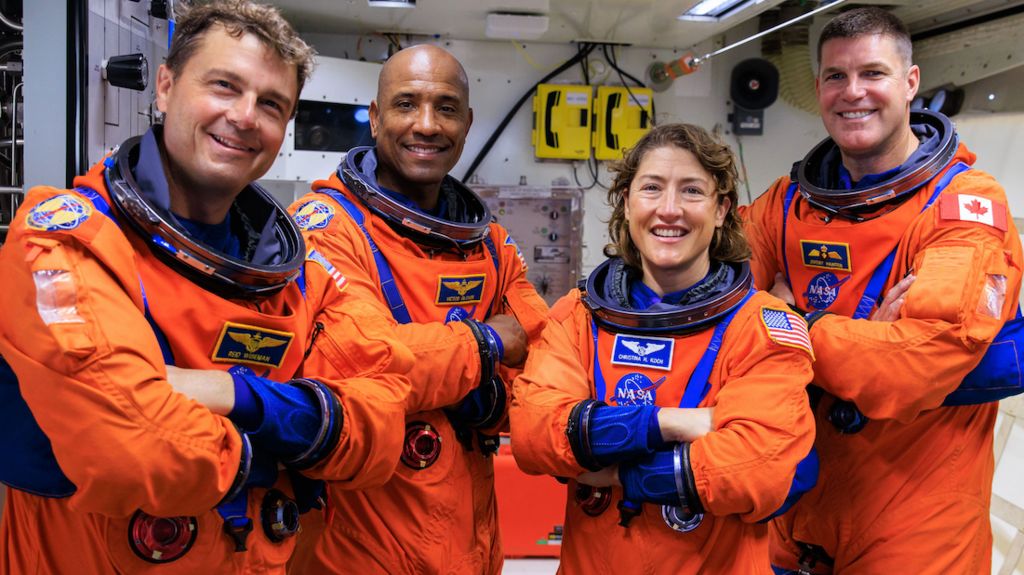
Meet the history-making astronauts headed for the Moon
NASA’s Artemis II mission, set to launch as early as February 2026, marks a historic return to lunar exploration after a 50-year hiatus. Commander Reid Wiseman and his crew, including mission specialist Christina Koch, Canadian astronaut Jeremy Hansen, and Victor Glover, are poised to embark on a journey that promises to redefine humanity’s understanding of the Moon and beyond. The mission, part of NASA’s broader Artemis program, aims to establish a sustained human presence on the lunar surface and pave the way for future Mars exploration.
-

Italy condemns ‘drone attack’ on Gaza aid flotilla and deploys frigate
Italy’s Defense Minister Guido Crosetto has strongly condemned an alleged drone attack on the Global Sumud Flotilla (GSF), a humanitarian mission attempting to breach Israel’s naval blockade of Gaza. The flotilla, comprising 52 boats, is currently stationed off the coast of Crete. Crosetto has deployed an Italian Navy frigate to assist Italian citizens on board, following reports of explosions, unidentified objects being dropped, and communications jamming. The GSF has accused Israel of a ‘dangerous escalation,’ though Israel has yet to comment. Unverified footage released by the GSF shows a man jumping onto a yacht’s deck after an apparent explosion nearby, while another video captures a visible explosion from the vessel Spectre. The GSF claims at least 13 explosions occurred around several boats, with drones dropping objects on at least 10 vessels, though no material damage was reported. Passengers have requested assistance from the Greek coastguard, and a Frontex vessel dispatched to the area found no evidence of damage. Prominent activists, including Swedish climate campaigner Greta Thunberg, have vowed to continue the mission despite the risks. Thunberg described the incident as a ‘scare tactic’ and emphasized the group’s determination to deliver aid. Israel’s Foreign Ministry has accused the flotilla of being ‘organized by Hamas’ and reiterated its commitment to enforcing the naval blockade. The GSF, however, maintains its goal is to ‘break the illegal siege on Gaza by sea, open a humanitarian corridor, and end the ongoing genocide of the Palestinian people.’ The mission follows a UN-backed report confirming famine in Gaza City, with warnings of its spread to central and southern Gaza. The Hamas-run health ministry reports at least 440 deaths from malnutrition since the war began. Italy’s stance on the conflict has shifted, with Prime Minister Giorgia Meloni now aligning more closely with positions favoring Palestinian statehood, amid domestic political pressure and widespread protests.
-
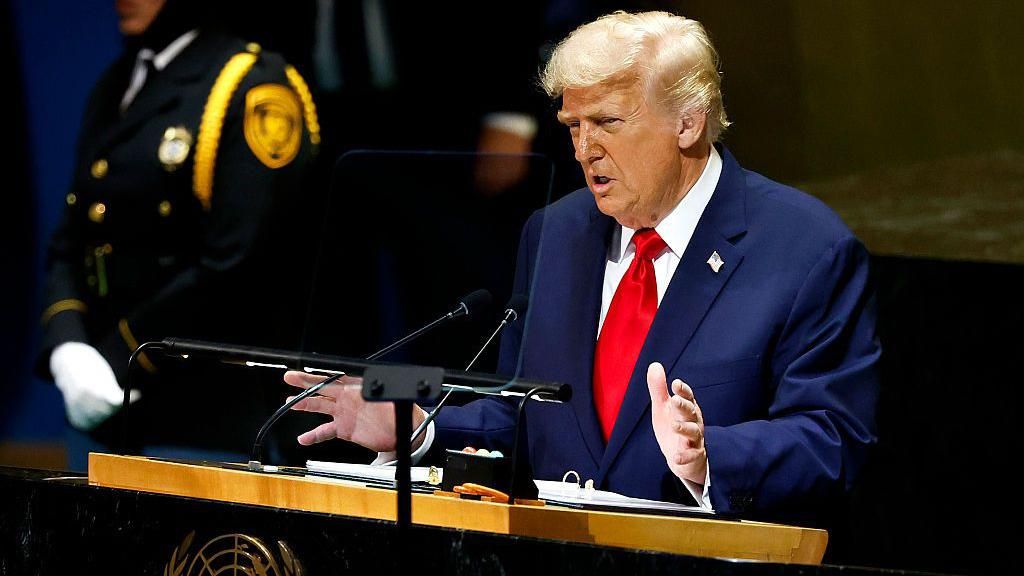
Rosenberg: Russia brushes off Trump’s claim of ‘paper tiger’ in aimless war
Former U.S. President Donald Trump’s recent comments on Ukraine and Russia have sparked significant diplomatic ripples, particularly in Moscow. Trump’s characterization of Russia as a ‘paper tiger’ engaged in ‘aimless fighting’ in Ukraine has drawn sharp reactions, though the Kremlin’s response has been notably restrained. Trump further suggested that Ukraine could reclaim all territories seized by Russia, a statement that has raised eyebrows in Moscow. Additionally, his endorsement of NATO countries shooting down Russian aircraft entering their airspace added fuel to the fire. Kremlin spokesman Dmitry Peskov downplayed these remarks, emphasizing Russia’s resilience and dismissing the notion of a ‘paper bear.’ Peskov also highlighted President Vladimir Putin’s appreciation for Trump’s efforts toward peace, despite the critical tone. Analysts suggest that Moscow’s muted response stems from a belief that Trump’s stance on Ukraine is not fixed and could be influenced through diplomatic channels. Meanwhile, Russia’s economic challenges, exacerbated by sanctions and war expenditures, continue to mount, though they appear to have little impact on the Kremlin’s strategic decisions in Ukraine. As tensions persist, Trump’s comments underscore the complex and evolving dynamics of U.S.-Russia relations.
-
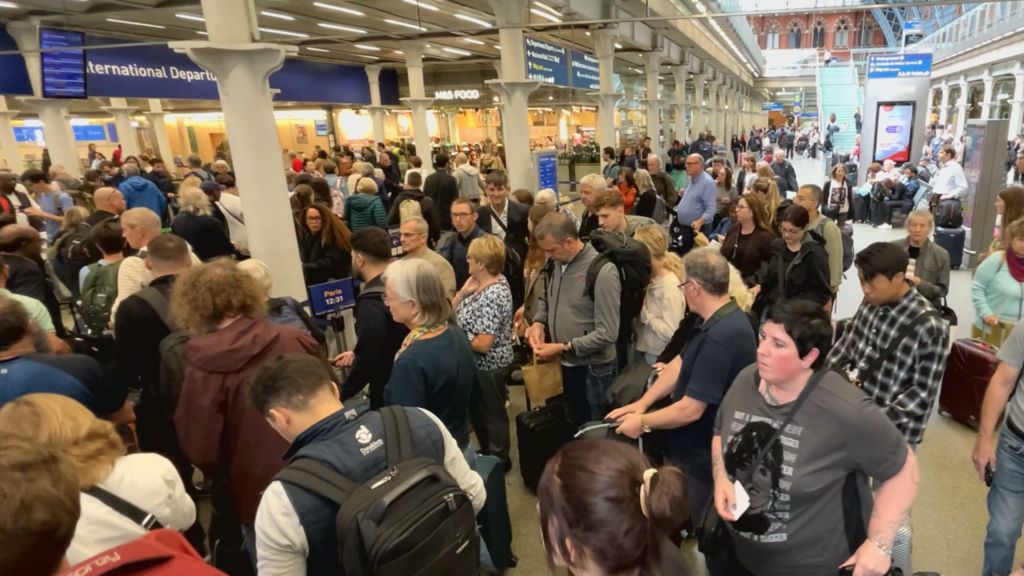
How will the EU’s new border system work?
Travelers between the UK and Europe are set to experience significant changes this autumn with the phased introduction of the European Union’s Entry/Exit System (EES). Designed to enhance security and streamline border controls, the EES will replace the current manual passport stamping process for non-EU citizens entering and leaving the Schengen Area. The system, which has faced multiple delays, will officially commence on October 12, 2024, with a gradual rollout expected to be completed by April 10, 2026. The Schengen Area comprises 29 European countries, including popular destinations for UK travelers such as France, Spain, Italy, and Greece.
-

Landmark deal paves way for cheaper HIV protection jab
In a groundbreaking development for global health, the World Health Organization (WHO) has endorsed Lenacapavir, a revolutionary HIV prevention drug, marking a significant step toward combating the HIV/AIDS epidemic. This long-acting injectable, administered twice annually, offers six months of protection against HIV infection and has shown remarkable efficacy in clinical trials.
-
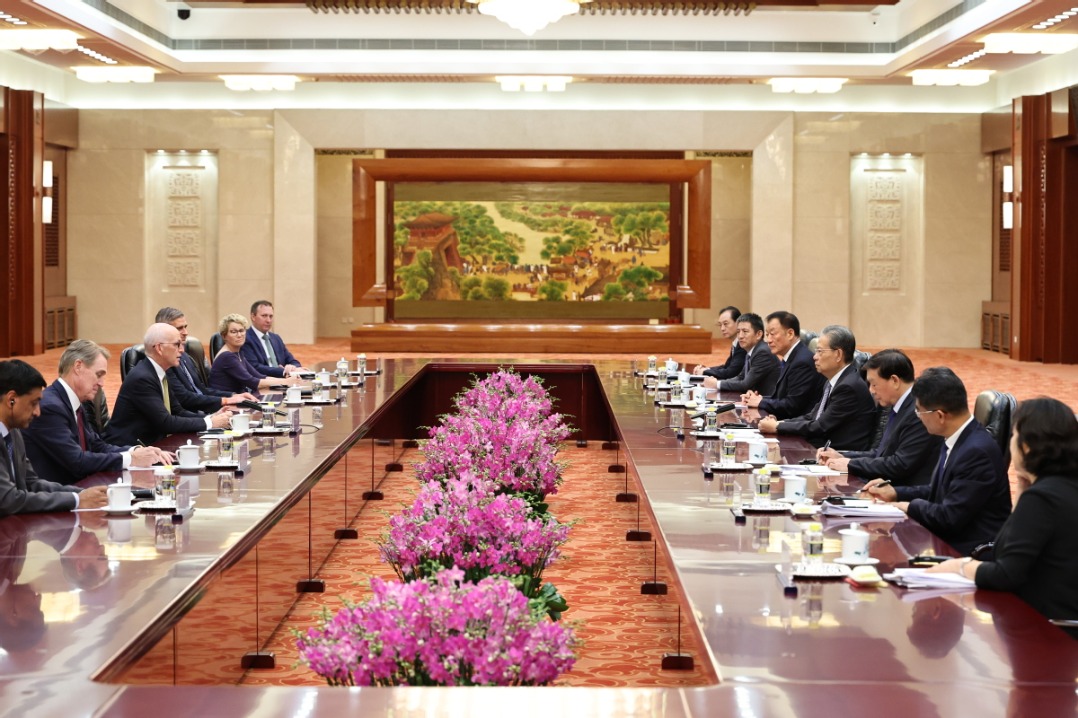
China’s top legislator meets US congressional delegation
In a significant diplomatic engagement, China’s top legislator, Zhao Leji, Chairman of the National People’s Congress (NPC) Standing Committee, met with a US congressional delegation led by Representative Adam Smith in Beijing on Tuesday. The meeting underscored the importance of maintaining stable and sustainable China-US relations, a shared expectation of both nations and the global community. Zhao highlighted the fundamental principles of mutual respect, peaceful coexistence, and win-win cooperation as essential for the development of bilateral ties. He urged both sides to adhere to rationality, objectivity, and fairness, emphasizing the need for enhanced communication, mutual trust, and the resolution of differences to foster greater stability in bilateral cooperation and the global economy. Zhao also addressed the Taiwan question, describing it as the most sensitive and crucial issue in China-US relations. He called on the United States to uphold the one-China principle and handle the matter with caution. Furthermore, Zhao expressed the NPC’s willingness to strengthen exchanges with the US Congress, inviting more US congressional members to visit China to play a constructive role in advancing bilateral relations.
-
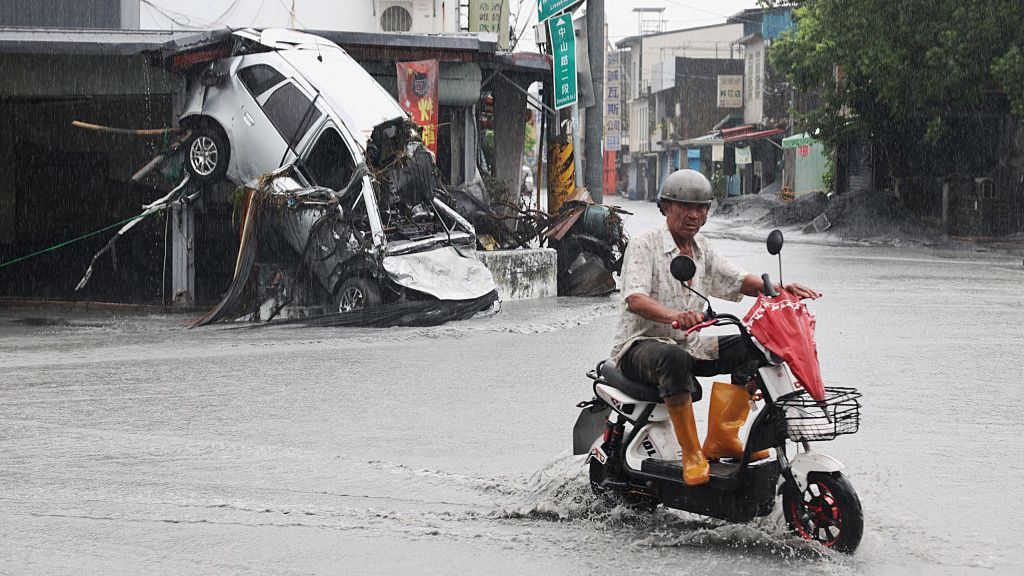
Typhoon Ragasa makes landfall in China after 17 killed in Taiwan
Typhoon Ragasa, one of the most powerful storms of the year, has left a trail of devastation across southern China and Taiwan, claiming lives, displacing millions, and causing widespread destruction. The typhoon made landfall on Wednesday in Guangdong province, China, with sustained winds of 144 km/h and gusts reaching up to 241 km/h. Authorities evacuated nearly two million people in anticipation of the storm’s arrival, which has been described as the ‘King of Storms’ by the China Meteorological Administration.
In Taiwan, the impact of Ragasa has been particularly severe. A barrier lake burst in Hualien County, triggering catastrophic flooding that killed at least 17 people and left many others missing. Premier Cho Jung-Tai has called for an investigation into the evacuation process, emphasizing the need to understand why orders were not effectively executed. The flooding, likened to a ‘tsunami from the mountains,’ released an estimated 15.4 million tonnes of water, washing away bridges, submerging vehicles, and trapping residents in their homes.
Hong Kong also felt the storm’s fury, with 90 people injured as Ragasa skirted the coastline. The Hong Kong Observatory issued its highest-level warning, grounding flights and shutting down schools and businesses. Earlier in the week, the typhoon wreaked havoc in the Philippines, leaving towns flooded, thousands displaced, and at least eight dead.
As Ragasa moves westward over land, wind speeds are expected to weaken, but torrential rain and slow-moving storms will continue to pose significant risks. Southern Chinese cities like Zhuhai, Shenzhen, and Guangzhou are bracing for seawater intrusion, while red alerts for landslides have been issued in Guangdong’s mountainous regions. Rescue efforts are ongoing in both China and Taiwan, with governments mobilizing resources to assist affected communities.
-
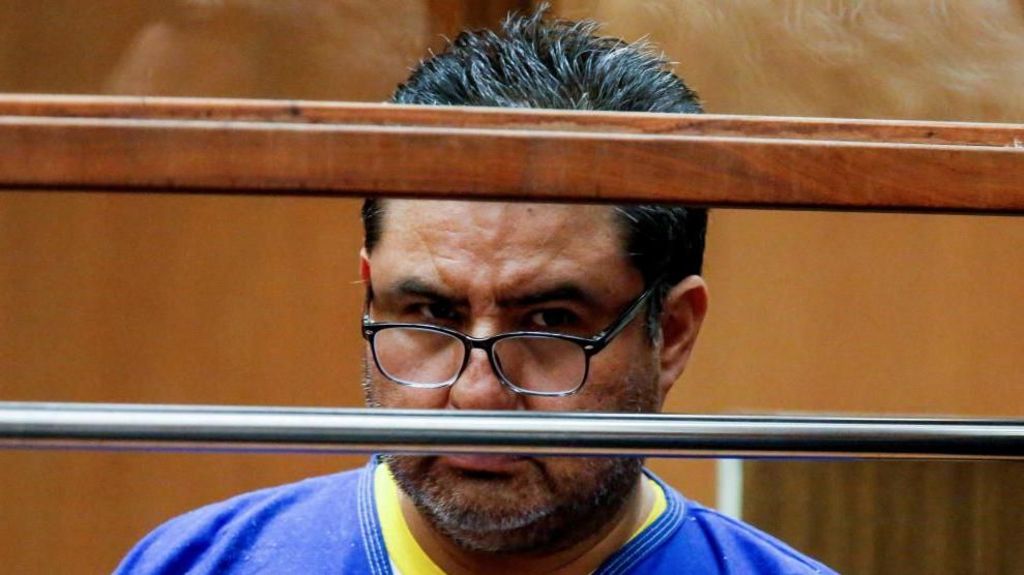
Megachurch leader pleads not guilty to sex trafficking charges
Naasón Joaquín García, the leader of the Mexico-based evangelical megachurch La Luz del Mundo, has pleaded not guilty to sex trafficking charges in a New York court. García, 56, is currently serving a 16-year prison sentence in California after admitting to sexually abusing girls from his congregation. A recently unsealed indictment alleges that García, his mother, and four associates used the church to traffic women and children to the United States. The defendants have denied all charges, with García’s lawyer dismissing the allegations as “recycled claims” that have been previously debunked. La Luz del Mundo, founded in 1926 by García’s grandfather, Eusebio Joaquín González, is a fundamentalist Christian organization with millions of followers worldwide. Despite García’s 2022 guilty plea in Los Angeles, many church members remain loyal, viewing him as “the Apostle of Jesus Christ.” The indictment, released by the US Attorney’s Office of the Southern District of New York, accuses García and his co-defendants of sex trafficking, child pornography, forced labor, and unlawful financial dealings. US Attorney Jay Clayton stated that the defendants “exploited the faith of their followers to prey upon them” and used their religious influence to silence victims. Prosecutors claim that García continued a disturbing tradition established by his father and grandfather, who allegedly manipulated young women into sexual activity under the guise of earning “special blessings.” La Luz del Mundo has publicly denied the allegations, calling them “unfounded, untrue, and slanderous.”
-
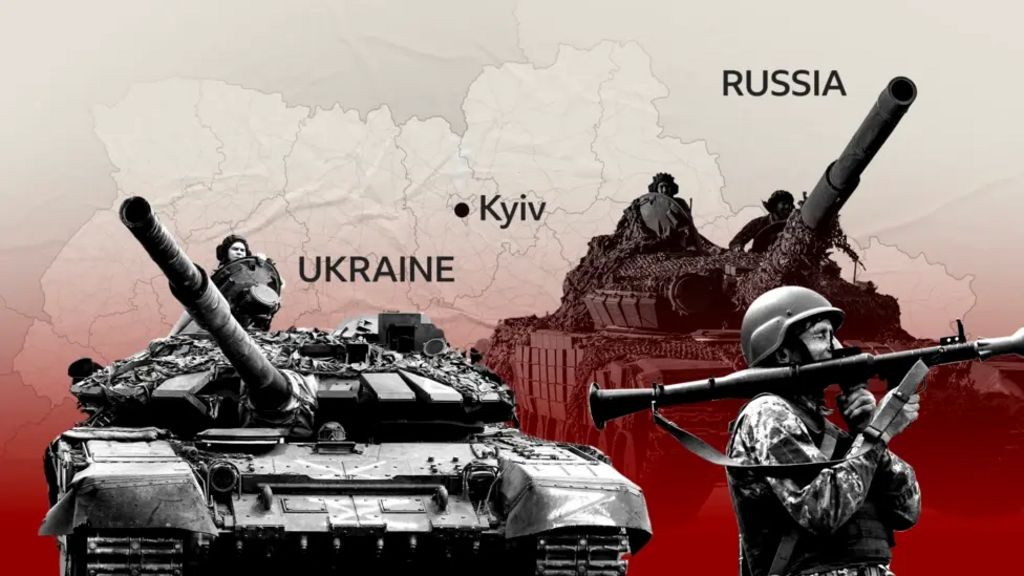
Ukraine in maps: Tracking the war with Russia
The ongoing conflict in Ukraine, now in its fourth year, has seen significant developments as Russian forces continue to expand their territorial control, particularly in the eastern regions of Luhansk and Donetsk. Despite fierce Ukrainian resistance, Moscow’s military has made incremental gains, bolstered by increased use of unmanned aerial vehicles (drones) to reduce casualties. The strategic ‘fortress belt’ in western Donetsk, a heavily fortified defensive line, remains a critical stronghold for Ukraine, though analysts predict it could take years for Russia to achieve its objectives in the region.