作者: admin

  • Moment officers rescue injured bald eagle from icy Hudson River

    Moment officers rescue injured bald eagle from icy Hudson River

    In a remarkable display of wildlife preservation, law enforcement officers executed a critical rescue operation to save a distressed bald eagle from the freezing waters of the Hudson River. The majestic bird, America’s national symbol, was found struggling against the icy currents before intervention.

    According to official reports, the rescue team responded promptly to emergency calls regarding the endangered raptor’s predicament. Using specialized equipment and trained techniques, officers carefully extracted the eagle from the hazardous conditions without causing further harm to the already injured animal.

    The rescued eagle was immediately transported to a designated wildlife sanctuary in New Jersey specializing in avian rehabilitation. Veterinary experts at the facility are currently assessing the bird’s condition and providing necessary medical treatment for recovery.

    This incident highlights the ongoing conservation efforts protecting bald eagles, which were previously listed as an endangered species but have made significant population recoveries due to protective measures. The Hudson River region has become an important habitat for these birds following environmental improvements in recent decades.

    Wildlife authorities commended the coordinated response, emphasizing the importance of such interventions in preserving national wildlife treasures. The successful operation demonstrates the commitment of emergency services to protecting vulnerable species alongside their public safety duties.

  • Food prices are surging in Russia. Is the war hitting Russians in the pocket?

    Food prices are surging in Russia. Is the war hitting Russians in the pocket?

    Russia’s economy is exhibiting clear signs of distress as persistent inflation, directly linked to the nation’s military engagement in Ukraine, severely impacts the cost of living for ordinary citizens. Comprehensive analysis reveals a troubling economic trajectory characterized by soaring prices for essential goods, diminishing household budgets, and growing financial uncertainty.

    Economic pressures have become increasingly palpable since the beginning of 2026, with official statistics from Rosstat, Russia’s federal statistics service, indicating a sharp 2.3% surge in supermarket prices within just one month. This acceleration follows a pattern of steady price increases that began with the full-scale invasion of Ukraine nearly four years ago, though the effects remained somewhat masked until recently by substantial government spending and wartime economic activity.

    The BBC’s longitudinal price monitoring study, tracking an identical basket of 59 basic goods in Moscow since 2019, demonstrates the cumulative impact: the cost has escalated by 18.6% since 2024, rising from 7,358 roubles to 8,724 roubles. This aligns closely with Rosstat’s documented food inflation rate of 18.1% over the same two-year period.

    Particularly affected are fruit and vegetables, which have increased nearly 15% since 2024 due to Russia’s dependence on imports and vulnerability to rouble fluctuations and supply chain disruptions. More dramatically, dairy products—typically domestically produced—have skyrocketed by 41% over two years, reflecting critical challenges within Russia’s agricultural sector including rising farm costs, expensive credit, and labor shortages.

    The recent implementation of a value-added tax increase from 20% to 22% on January 1, 2026, explicitly intended to finance defense and security expenditures, has further exacerbated price pressures. This fiscal measure directly links consumer price inflation to military funding priorities.

    Personal accounts from Moscow residents illustrate the tangible consequences. Alexander, an advertising professional, witnessed his monthly food budget jump 22% in one month. Nadezhda, a 68-year-old pensioner, now allocates her entire monthly pension of 32,000 roubles exclusively to food, forcing the postponement of other essential expenses. Kristina, a marketing specialist, reports that her home-cooked dinner costs have more than doubled, compelling her family to rely on savings for basic groceries.

    Despite Central Bank Governor Elvira Nabiullina’s previous assertions about approaching balanced economic growth, independent economists express concern. The convergence of falling oil prices—a critical revenue source for the federal budget—and stringent US sanctions disrupting energy exports to key markets like India threatens to widen Russia’s budget deficit beyond planned levels.

    With limited borrowing options due to high interest rates and international reluctance to finance a nation engaged in active conflict, Russian authorities face difficult choices between further tax increases or spending cuts. Economic experts including Tatiana Mikhailova, an economist at Penn State University, warn of impending economic stagnation and potential GDP decline, noting that oil price volatility consistently poses recession risks for Russia’s commodity-dependent economy.

    The collective evidence points to a deteriorating economic environment where military priorities continue to dictate fiscal policy at the expense of household financial stability, with no immediate relief in sight for consumers bearing the brunt of wartime economic management.


  • Stephen Colbert says CBS spiked interview with Democrat over FCC fears

    Stephen Colbert says CBS spiked interview with Democrat over FCC fears

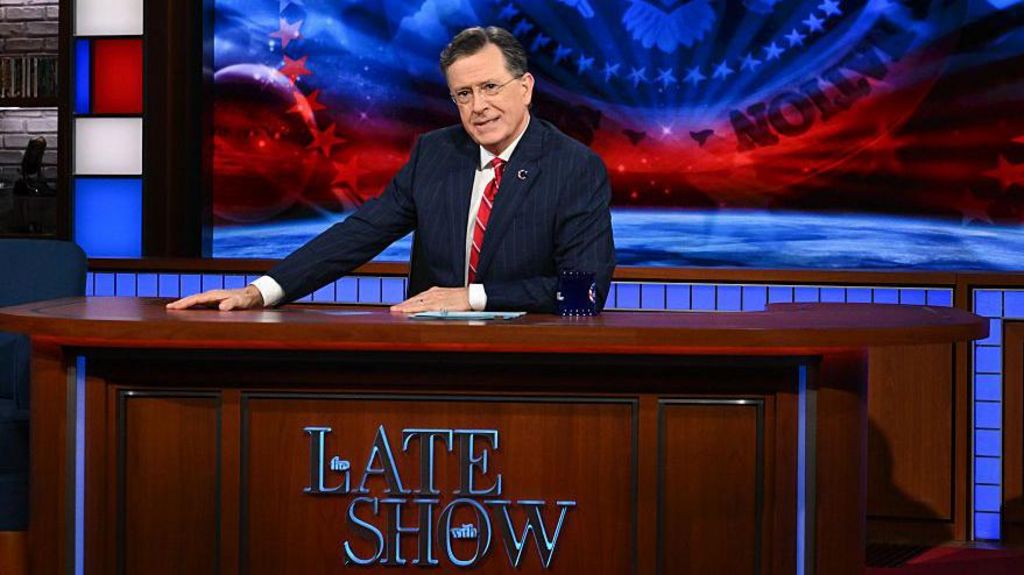
    A significant First Amendment controversy has erupted between late-night television and federal regulators after Stephen Colbert publicly accused CBS network executives of censoring his interview with a Democratic politician. The host of The Late Show claimed during his Monday night broadcast that corporate lawyers explicitly prohibited him from airing his conversation with Texas Representative James Talarico, citing concerns about retaliation from the Federal Communications Commission under its newly expanded interpretation of equal-time regulations.

    Colbert revealed to his audience that network attorneys not only blocked the interview from broadcast but attempted to prevent him from discussing the censorship itself. In defiance of these instructions, Colbert dedicated substantial airtime to explaining how the FCC’s recent regulatory guidance could create legal vulnerabilities for television networks that feature political candidates on entertainment programs.

    CBS issued a firm denial of Colbert’s characterization, stating that the network never ‘prohibited’ the interview but rather provided ‘legal guidance’ about potential equal-time obligations. According to the network’s official statement, The Late Show was presented with options to fulfill regulatory requirements but ultimately chose to publish the interview exclusively on its YouTube channel, where FCC rules don’t apply, while promoting it during the broadcast.

    The conflict centers on the FCC’s January guidance that expands the equal-time rule beyond traditional news programming to include late-night talk shows and political commentary programs. FCC Chairman Brendan Carr, who has taken an expansive view of the commission’s regulatory authority, announced on social media that the agency had reminded networks of their obligation to provide equal opportunities to all political candidates, regardless of format.

    The dispute occurs against a backdrop of ongoing tension between media companies and the Trump administration. Paramount Global, CBS’s parent company, recently paid $16 million to settle a legal dispute with President Trump regarding a previous CBS interview, a settlement that business analysts suggest was influenced by Paramount’s desire to avoid regulatory interference with its planned merger with Skydance Media.

    FCC Commissioner Anna Gomez, the sole Democrat on the commission, condemned CBS’s decision as ‘corporate capitulation’ to administrative pressure, emphasizing that broadcasters maintain constitutional free speech protections. Gomez asserted that the FCC possesses ‘no lawful authority to pressure broadcasters for political purposes’ and criticized what she characterized as the commission’s Republican leadership using regulations to penalize critics.

    The controversy emerges as The Late Show prepares to conclude its 33-year broadcast run in May, with Colbert having hosted since 2015, highlighting ongoing tensions between entertainment media, regulatory bodies, and political interests in the current media landscape.

  • Ramadan begins: Which GCC countries will mark Ramadan on Feb 18?

    Ramadan begins: Which GCC countries will mark Ramadan on Feb 18?

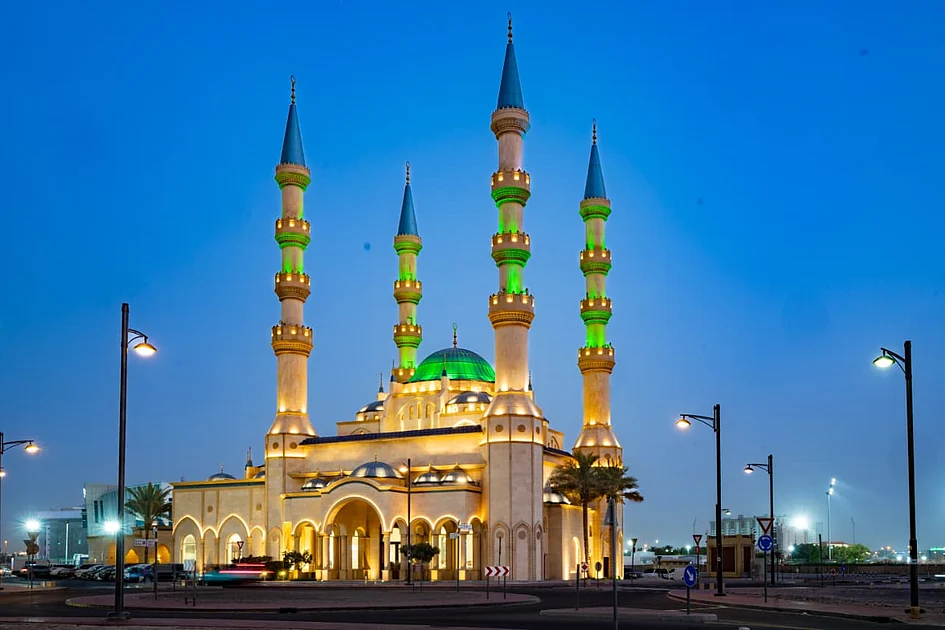
    The spiritual commencement of Ramadan 2026 has been officially confirmed across the Gulf Cooperation Council (GCC) nations following successful moon-sighting observations on February 17th. While most member states synchronously declared February 18th as the inaugural day of the holy month, Oman emerged as the solitary exception with its commencement set for February 19th.

    In the United Arab Emirates, the Moon-Sighting Committee convened at Abu Dhabi’s historic Qasr Al Hosn palace confirmed visual confirmation of the crescent moon shortly after sunset. This astronomical verification triggered nationwide announcements from the highest levels of leadership. UAE President Sheikh Mohamed bin Zayed Al Nahyan extended heartfelt congratulations to citizens and the global Muslim community, emphasizing Ramadan’s significance as a period for “goodness, giving, and social solidarity.” Similarly, Dubai Ruler Sheikh Mohammed bin Rashid Al Maktoum characterized the occasion as “a virtuous season for strengthening family ties and spiritual purification.”

    The religious synchronization extended across the Arabian Peninsula with Saudi Arabia’s Supreme Court, Qatar’s news agency, Kuwait News Agency, and Bahrain’s Supreme Shariah Authority all independently verifying the crescent sighting and unanimously declaring February 18th as Ramadan’s commencement. This collective alignment underscores the cultural and religious cohesion within the region despite decentralized observation methodologies.

    Oman’s Main Committee for Moon Sighting reported contrasting observational results, determining that the crescent remained undetectable on February 17th. Consequently, the Sultanate will initiate Ramadan on February 19th, completing the full thirty days of the preceding month of Shaban according to Islamic tradition. This divergence highlights the intricate interplay between astronomical science, traditional observation practices, and theological interpretation that characterizes the Hijri calendar determination across Muslim communities worldwide.

    The announcements triggered immediate preparations across the region for the commencement of fasting, spiritual reflection, and special nightly prayers (Taraweeh) that define the Ramadan experience for millions of faithful.

  • Ramadan 2026: When does it start and everything else you need to know

    Ramadan 2026: When does it start and everything else you need to know

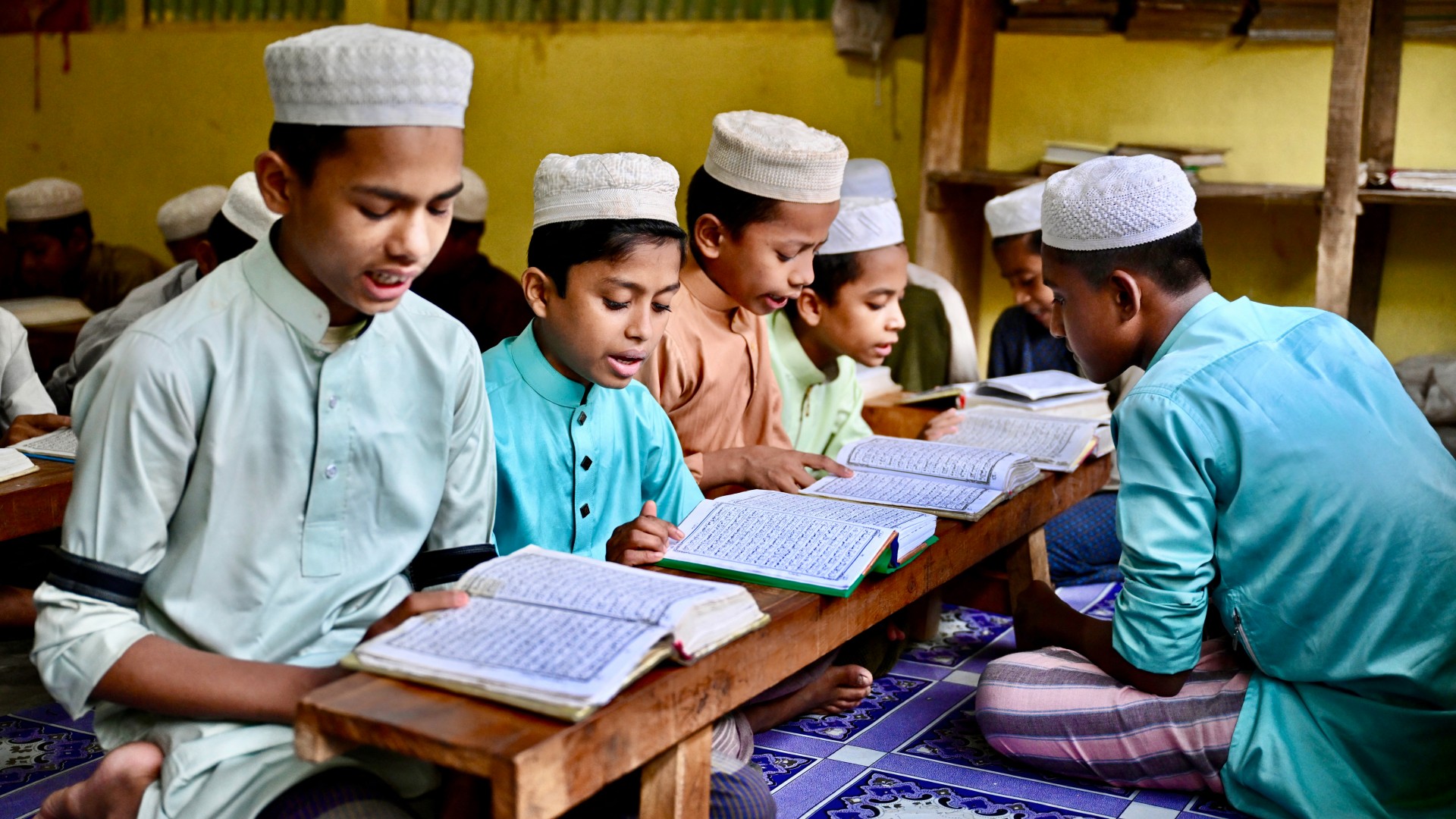
    As the crescent moon ushers in Ramadan, Muslims worldwide embark on a profound spiritual journey marked by fasting, prayer, and charitable acts. This ninth month of the Islamic lunar calendar represents one of the Five Pillars of Islam, requiring able-bodied adherents to abstain from all nourishment and drink from dawn until sunset.

    The practice of fasting (sawm) serves multiple spiritual purposes: strengthening one’s relationship with God, developing self-discipline, and fostering empathy for the less fortunate. Beyond physical abstinence, Ramadan emphasizes increased worship through Quranic recitation, extended prayers (tarawih), and generous charity (zakat). The fast is traditionally broken with dates at sunset, followed by the iftar meal that often becomes a community celebration.

    This year’s Ramadan commencement demonstrated the lunar calendar’s variability, with Saudi Arabia and Gulf nations beginning fasting on February 18th, while Jordan, Oman and others started on February 19th. This difference stems from the moon-sighting traditions that determine the Islamic calendar, which runs 10-11 days shorter than the Gregorian calendar.

    Geographical variations significantly impact fasting durations. While Muslims in South Africa fast approximately 12 hours daily, those in Canada endure over 14 hours without sustenance. Extreme northern regions like Norway present unique challenges during summer months with near-perpetual daylight, leading to special accommodations following Mecca’s timing.

    The final ten nights hold particular significance as they contain Laylat al-Qadr (Night of Decree), when the Quran’s first verses were revealed to Prophet Muhammad. Many Muslims intensify worship during this period, with some practicing i’tikaaf (seclusion in mosques) for spiritual focus.

    Ramadan culminates in Eid al-Fitr, a festive celebration featuring morning prayers, family gatherings, gift-giving, and special meals. The obligatory zakat al-fitr donation precedes Eid prayers, ensuring the needy can participate in the festivities.

    Despite regional traditions varying from Egyptian lantern decorations to Turkish drummers awakening residents for pre-dawn meals (suhoor), the universal themes of spiritual reflection, community bonding, and heightened devotion unite the global Muslim community during this sacred month.

  • France and India hail growing ties as Modi hosts Macron

    France and India hail growing ties as Modi hosts Macron

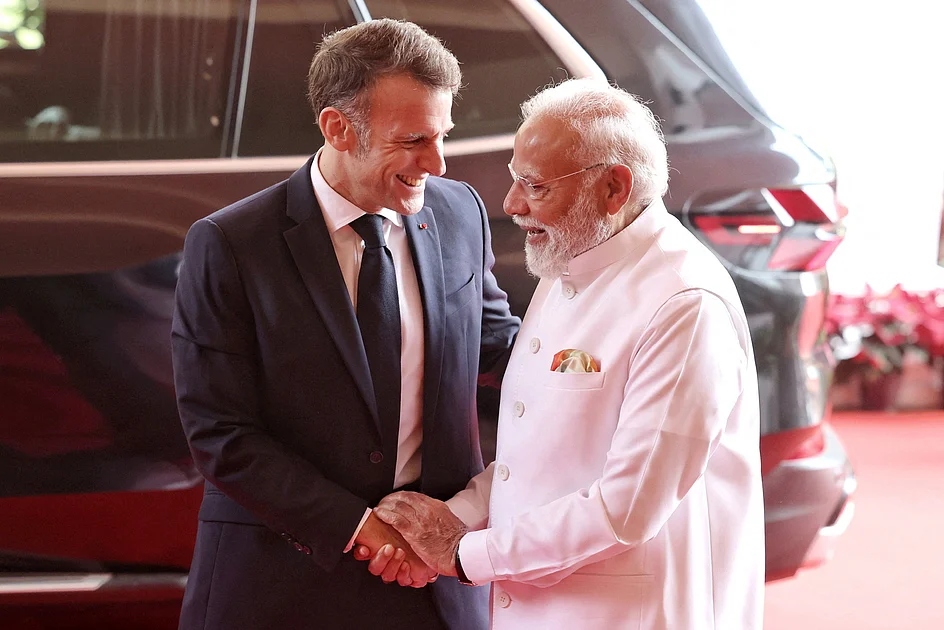
    French President Emmanuel Macron commenced a pivotal three-day state visit to India on Tuesday, marking his fourth diplomatic engagement with Prime Minister Narendra Modi since 2017. The leaders convened in Mumbai to inaugurate a new chapter in Franco-Indian relations, emphasizing their nations’ collaborative role in maintaining global stability amid international turbulence.

    The centerpiece of bilateral discussions involves a monumental defense agreement for 114 Rafale fighter jets, potentially valued at approximately €30 billion ($35 billion). French officials accompanying Macron expressed strong confidence in finalizing this historic contract, which would represent the largest defense procurement in India’s history. Notably, the majority of these advanced aircraft would be manufactured domestically through strategic industrial partnerships.

    Beyond defense collaboration, both leaders inaugurated India’s inaugural helicopter final assembly facility—a joint venture between Tata Group and Airbus located in Karnataka’s tech corridor near Bengaluru. This facility will produce the H125 single-engine helicopter, Airbus’s bestselling model in its category.

    Macron’s itinerary includes participation in New Delhi’s artificial intelligence summit later this week, underscoring the technological dimension of this strengthened partnership. The visit follows January’s landmark EU-India free trade agreement and occurs against the backdrop of shifting global economic policies and regional geopolitical dynamics.

    Bilateral trade currently stands at $18 billion annually, heavily driven by aerospace and defense sectors, while French foreign direct investment in India approaches $15 billion. The leaders’ personal rapport, described by analysts as demonstrating ‘excellent chemistry,’ has facilitated this remarkable acceleration in strategic cooperation.

    While celebrating technological and defense advancements, Macron did address the sensitive issue of Ukraine, urging Indian support for protecting civilian infrastructure—a delicate matter given India’s continued energy purchases from Russia since the 2022 invasion.

  • Warren Buffett’s company invests in the New York Times six years after he sold all his newspapers

    Warren Buffett’s company invests in the New York Times six years after he sold all his newspapers

    In a striking reversal of his previously bearish stance on print media, Warren Buffett’s Berkshire Hathaway has unveiled a substantial $350 million investment in The New York Times Company. The move, disclosed in Berkshire’s quarterly SEC filing covering Buffett’s final quarter as CEO, signals a notable shift in perspective toward media enterprises with successful digital transformation strategies.

    The investment comes precisely five years after Buffett liquidated Berkshire’s entire newspaper portfolio, famously declaring the traditional industry “toast” in 2020. At that time, however, he had acknowledged that nationally recognized brands like The New York Times or Wall Street Journal might still thrive through digital adaptation.

    Northwestern University’s Medill School of Journalism Chair Tim Franklin described the investment as “a full circle moment for Berkshire Hathaway in reinvesting in news and a huge vote of confidence in the business strategy of the New York Times.” Franklin emphasized that the Times has evolved beyond its print origins into a multifaceted digital enterprise, boasting popular assets like Wordle, The Athletic sports platform, and over 12 million digital subscribers.

    The filing also revealed Berkshire’s continued positioning in energy markets, adding approximately 8 million Chevron shares to reach over 130 million shares total. This expansion preceded President Trump’s order for the arrest of Venezuela’s president, which subsequently boosted oil stocks. Chevron, as the only major U.S. oil company with significant Venezuelan operations producing roughly 250,000 barrels daily, has seen its stock surge nearly 19% since early 2026.

    Meanwhile, Berkshire continued reducing positions in previously favored holdings, selling approximately 50 million Bank of America shares while maintaining 81 million, and trimming its massive Apple stake by about 10 million shares while retaining nearly 228 million.

    The quarterly filing doesn’t specify whether Buffett personally authorized the Times investment or if it was executed by one of Berkshire’s other investment managers. Given the $350 million size falls below Buffett’s typical $1 billion threshold for personal oversight, the decision may have originated from his successors. Nonetheless, the move has already influenced market behavior, with Times shares jumping nearly 3% in after-hours trading following the disclosure.

  • ‘We’re going to always be grateful’ – Chicagoans mourn loss of Jesse Jackson

    ‘We’re going to always be grateful’ – Chicagoans mourn loss of Jesse Jackson

    The city of Chicago is united in grief following the passing of renowned civil rights leader Reverend Jesse Jackson at the age of 84. According to an official family statement, Jackson died peacefully surrounded by loved ones, concluding a lifetime of transformative activism that reshaped American society.

    Jackson’s legacy as a pioneering figure in the struggle for racial equality and social justice reverberates throughout Chicago’s communities. For decades, his leadership through organizations like Operation PUSH and the Rainbow Coalition provided both a voice and tangible improvements for marginalized populations. His innovative approaches to civil rights activism blended economic empowerment with political advocacy, creating new pathways for minority participation in democracy.

    BBC correspondent Gary O’Donoghue documented the profound impact of Jackson’s passing across Chicago neighborhoods, capturing reflections from residents whose lives were directly shaped by his work. Many emphasized how Jackson’s international prominence never diminished his deep connections to the city he called home, where he continued grassroots organizing alongside global diplomacy.

    The reverend’s career spanned monumental moments in American history—from assisting Martin Luther King Jr. and participating in seminal events like the Selma marches, to pioneering presidential campaigns that expanded political possibilities for African Americans. His later years saw continued advocacy through the Rainbow PUSH Coalition, maintaining focus on economic justice and educational equality.

    Chicago institutions, from churches to community centers, are preparing memorials honoring Jackson’s multifaceted legacy as both a local champion and global humanitarian. His death marks the passing of a generation of civil rights leaders while highlighting the enduring relevance of his vision for a more equitable society.

  • The A/P Room opens gallery at Alserkal Avenue in Dubai

    The A/P Room opens gallery at Alserkal Avenue in Dubai

    Dubai’s vibrant cultural landscape has been enriched with the inauguration of The A/P Room, a groundbreaking permanent gallery at Alserkal Avenue. This new establishment, which launched with its inaugural exhibition ‘At First Sight’ running through March 29, 2026, represents a significant advancement in the regional appreciation and collection of design objects.

    Operating under Atelio—the region’s premier destination for design furniture, art advisory, and collectible design founded by prominent businessman and art patron Elie Khouri—The A/P Room emerges as a innovative cultural platform under the leadership of industry expert Christelle Bassila. The gallery uniquely bridges historical and contemporary design traditions while fostering connections between international and regional creative practices through carefully curated programming.

    The inaugural exhibition ‘At First Sight’ explores the intuitive connection between collectors and design objects, examining how works inhabit space, communicate through material language, maintain presence, and create lasting impressions beyond initial encounters. According to Bassila, ‘To collect is not only to acquire, but to learn how to see. What stays is what matters. What unfolds over time is what endures.’

    The exhibition showcases a carefully selected collection of sculptural and material-driven works from both established and emerging talents, including Rogan Gregory, Vincent Dubourg, Andrea Branzi, Faye Toogood, and regional creators such as Roham Shamekh and Georges Mohasseb. Historical design masters including Gio Ponti, Joaquim Tenreiro, and Jorge Zalszupin are also represented, creating a dialog across generations and geographies.

    Elie Khouri, Chairman of Atelio, emphasized the strategic importance of the location: ‘Opening The A/P Room at Alserkal Avenue places collectible design within the heart of Dubai’s cultural infrastructure. We are creating an environment where international designers and regional voices can be presented in dialogue, positioning the Middle East firmly within the global design conversation.’

    Ruggero Ottogalli, CEO of Atelio, added that the gallery reflects the company’s commitment to building a comprehensive cultural ecosystem for design in the region, creating new pathways for collaboration between designers, collectors, and cultural partners.

    The A/P Room’s expansion continues with plans to open a second location in Abu Dhabi during the fourth quarter of 2026, significantly extending its cultural influence and reinforcing its mission to shape the region’s design identity within the global creative ecosystem.

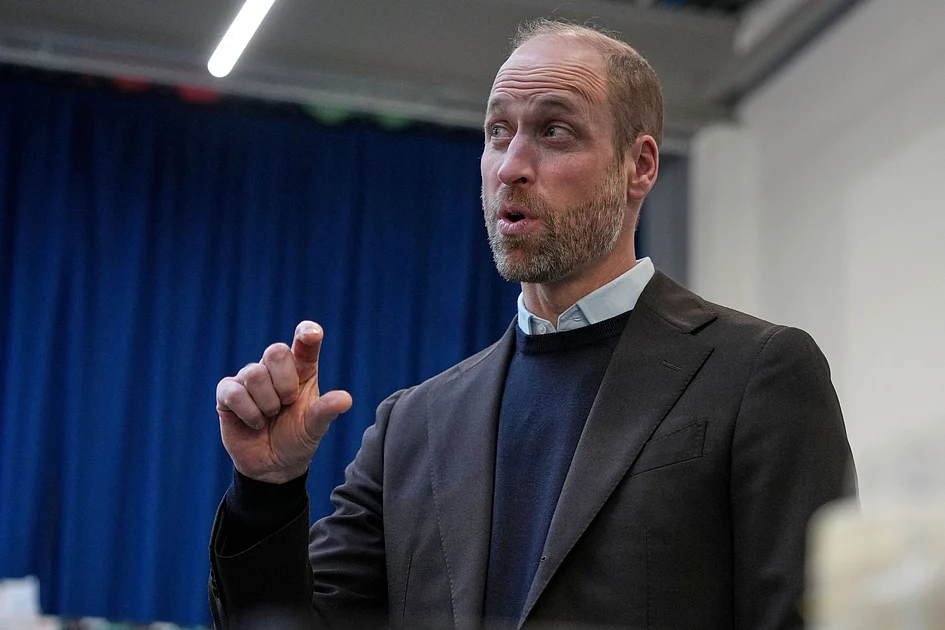
  • Mumbai to host Prince William’s 2026 Earthshot prize

    Mumbai to host Prince William’s 2026 Earthshot prize

    Mumbai has been officially designated as the host city for the 2026 Earthshot Prize ceremony, founded by Britain’s Prince William to recognize innovative environmental solutions. The announcement made on Tuesday positions India’s financial capital as the sixth global city to host the prestigious awards, following previous ceremonies in Rio de Janeiro (2025), Cape Town (2024), Singapore (2023), Boston (2022), and London (2021).

    The Earthshot Prize, established in 2020, represents one of the world’s most significant environmental initiatives, awarding £1 million (approximately $1.3 million) to each winner across five critical categories: Protect and Restore Nature, Revive our Oceans, Build a Waste-Free World, Fix our Climate, and Clean our Air. These funds are specifically allocated to accelerate the implementation of groundbreaking environmental solutions.

    India’s selection as host country carries particular significance given its prominent role in environmental innovation. The nation has produced more Earthshot Prize winners and finalists than any other country, demonstrating its growing leadership in sustainable development. Prince William emphasized India’s unique position, stating: ‘What succeeds in India at scale has the power to inspire progress everywhere.’

    The choice of Mumbai also highlights India’s ongoing challenges with environmental degradation, particularly air pollution. A 2024 study published in The Lancet Planetary Health estimated that 3.8 million deaths in India between 2009 and 2019 were directly linked to air pollution, underscoring the urgent need for the solutions that the Earthshot Prize promotes.

    Prince William, who has attended every Earthshot Prize ceremony since its inception, described India as one of the world’s ‘most important forces’ for climate and nature conservation. He particularly noted the country’s demographic advantage: ‘With the largest population of young people in the world, there is a real sense of momentum — to not only imagine a better future, but to inspire change and make it a reality.’

    The ceremony, typically held in November, will bring global attention to Mumbai’s environmental initiatives while supporting the prize’s overarching mission to ‘repair and restore our planet by 2030’ through innovative, scalable solutions.