作者: admin

  • At least 3 dead as migrant boat capsizes off Greek island

    At least 3 dead as migrant boat capsizes off Greek island

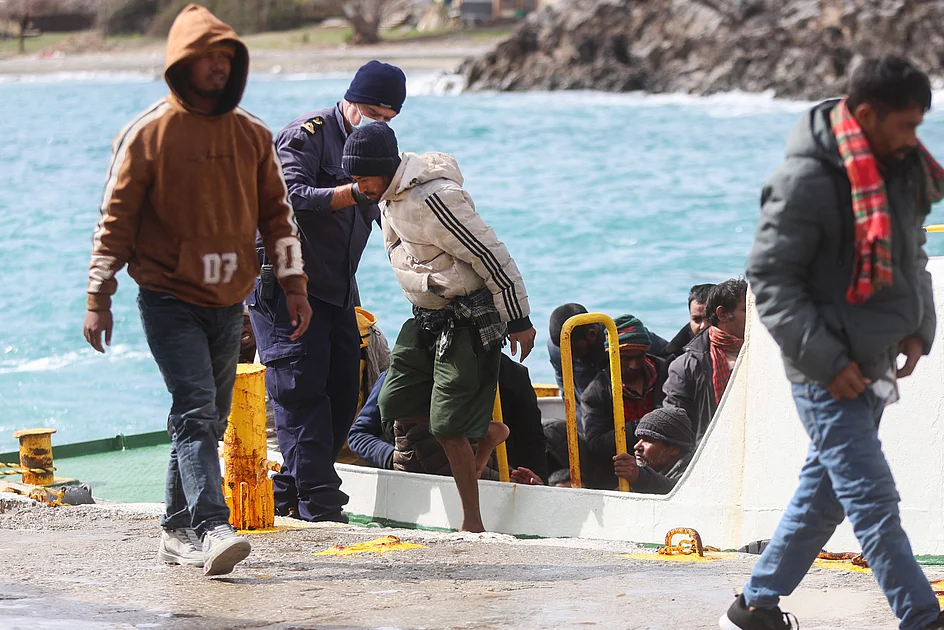
    A deadly maritime incident unfolded off the coast of Crete on Friday when an overloaded migrant vessel capsized during rescue operations, resulting in at least three confirmed fatalities. The tragedy occurred as a commercial ship, dispatched by the Greek Search and Rescue Center, attempted to evacuate passengers from the precarious wooden boat.

    According to eyewitness accounts from survivors, approximately 50 people were aboard the distressed vessel when the rescue operation commenced. As migrants attempted to transfer to the commercial ship using ladders, a sudden shift in weight distribution caused the fragile craft to overturn, plunging all occupants into the open waters.

    The Hellenic Coast Guard launched an extensive search mission involving four patrol boats, aerial surveillance aircraft, and two vessels from the European Border and Coast Guard Agency (Frontex). Twenty individuals, including four minors, were successfully rescued from the waters. Most survivors identified as Egyptian and Sudanese nationals, reflecting ongoing migration patterns from North Africa.

    Simultaneously, authorities detected a second migrant vessel carrying approximately forty people in the same vicinity, prompting additional rescue efforts. This incident highlights the continuing shift in migration routes from traditional Aegean passages to the more dangerous Libya-Crete corridor.

    Official data from the UN High Commissioner for Refugees reveals that 16,770 asylum seekers reached Crete in 2025, with 107 recorded deaths or disappearances in Greek waters during the same period. In response to mounting arrivals, the Greek government implemented a three-month suspension of asylum application processing last summer, particularly targeting migrants arriving from Libyan departure points.

    This latest tragedy underscores the persistent humanitarian challenges facing Mediterranean migration routes and the extreme risks vulnerable populations undertake seeking European refuge.

  • Hezbollah says it has ‘no choice’ but to defend itself after deadly Israeli strikes

    Hezbollah says it has ‘no choice’ but to defend itself after deadly Israeli strikes

    Hezbollah has declared it possesses ‘no remaining alternatives’ but to engage in self-defense following Israel’s most lethal aerial assault in weeks on eastern Lebanon. The Friday strikes targeted the Bekaa Valley, resulting in a minimum of ten fatalities—including a high-ranking Hezbollah military official—and wounding twenty-four individuals, among them three children. This offensive represents a direct violation of the November 2024 ceasefire agreement.

    In a televised address on Hezbollah’s Al-Manar network, Mahmoud Qamati, deputy chairman of the group’s political council, condemned the operation as ‘a new massacre and a new aggression.’ He posed the rhetorical question, ‘What option do we have left to defend ourselves and our country? What option do we have other than resistance?’

    This escalation coincides with intelligence reports from Al Arabiya and Al Hadath indicating Hezbollah has intensified its strategic planning sessions. These meetings are reportedly focused on formulating a response to a potential military confrontation between the United States and Iran. According to sources, Iranian commanders from the Islamic Revolutionary Guard Corps (IRGC) have now assumed administrative oversight, effectively supplanting elements of the Lebanese leadership.

    While some Iranian military advisors have been stationed in Lebanon for several months, additional personnel have recently arrived as U.S.-Iran tensions have worsened. Several high-level discussions have specifically concentrated on Hezbollah’s missile capabilities in the Bekaa Valley—the precise unit struck by Israeli forces. The Iranian commanders are now directing efforts to rebuild Hezbollah’s operational capacity while preparing for what they perceive as an inevitable broader conflict with Israel.

    Concurrently, The New York Times reports the Pentagon has relocated hundreds of U.S. troops from bases in Qatar and Bahrain. This repositioning accompanies a substantial deployment of military assets to the region, including warships, fighter jets, bombers, drones, surveillance aircraft, and advanced air-defense systems. These movements suggest Washington is preparing for a prolonged engagement potentially exceeding the duration of last year’s 12-day conflict.

    Katherine Thompson of the Cato Institute, a former senior Defense Department official, observed, ‘This looks like positioning for a much longer conflict.’ She noted the Pentagon appears to be ‘anticipating an Iranian response that could pose a significant risk to American bases in the region,’ while expressing concerns about the sustainability of prolonged force protection alongside continued support for Israel. Another U.S. military official confirmed two aircraft carriers remain strategically positioned at a distance from Iran to safeguard American installations.

  • UAE Lottery announces latest Lucky Day draw results

    UAE Lottery announces latest Lucky Day draw results

    The UAE Lottery has announced the outcomes of its weekly Lucky Day drawing held on Saturday, February 21, 2026. While the massive Dh30 million grand prize remained unclaimed, three fortunate participants each secured a substantial windfall of Dh100,000.

    The official winning numbers drawn for the event were confirmed as follows: Days – 18, 10, 1, 8, 5, and 11, with the Lucky Month number being 10.

    In the accompanying Lucky Chance segment of the draw, three individuals were identified as the major winners. The lottery authority released the victorious Lucky Chance IDs: AB0008685, CE5528979, and BS4363602. Each of these holders is now Dh100,000 richer.

    This weekly event operates under a revised structure implemented at the beginning of the year. The current format features a tiered prize system, headlined by the life-changing Dh30 million jackpot. A significant Dh5 million second prize is also available, alongside the recurring weekly Dh100,000 awards. The Lucky Day draws continue to be held every Saturday, offering consistent opportunities for participants across the UAE.

  • Trump announces immediate global tariffs increase from 10% to 15%

    Trump announces immediate global tariffs increase from 10% to 15%

    In a dramatic escalation of international trade policy, former US President Donald Trump has declared an immediate increase of worldwide tariffs from 10% to 15%. The announcement was made via his Truth Social platform on February 21, 2026, marking a significant hardening of his protectionist economic stance.

    The decision follows what Trump characterized as a comprehensive review of a recent Supreme Court ruling that struck down his previous sweeping tariff measures. He described the judicial decision as “ridiculous, poorly written, and extraordinarily anti-American,” expressing profound disappointment with the 6-3 ruling delivered just days earlier.

    Citing decades of perceived economic exploitation, Trump asserted that numerous nations have been systematically “ripping off” American interests without facing appropriate consequences. The administration maintains that this tariff adjustment operates within legal boundaries, having been “legally tested” under Section 122 of the Trade Act of 1974. This legislation permits the executive branch to implement duties of up to 15% for 150-day periods against countries experiencing substantial balance of payments complications.

    The White House indicated that this measure represents merely the initial phase of a broader strategy, with additional legally permissible tariffs under consideration for implementation in coming months. These actions form part of Trump’s renewed commitment to his “Making America Great Again” platform, which he now promises to exceed “GREATER THAN EVER BEFORE.”

    This development occurs against the backdrop of recent diplomatic assertions from Trump regarding the effectiveness of tariff threats in international relations, including claims that proposed 200% tariffs compelled India and Pakistan to establish a ceasefire agreement.

  • How football is helping girls fight against forced marriage

    How football is helping girls fight against forced marriage

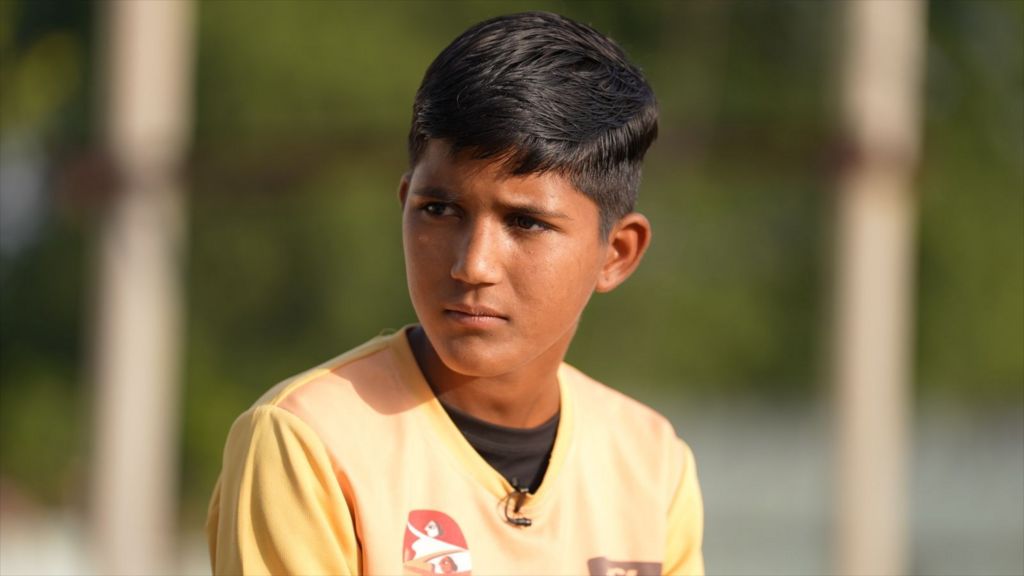
    In the arid landscapes of Rajasthan, a powerful social transformation is unfolding through the unlikely medium of football. Nisha Vaishnav, a 15-year-old from Padampura village, has become an emblem of resistance against entrenched child marriage practices by pursuing her athletic ambitions against formidable cultural odds.

    The journey began when Nisha’s sister Munna introduced her to Football for Freedom in 2022, a grassroots initiative under the Mahila Jan Adhikar Samiti organization that uses sports empowerment to combat systemic gender inequality. The program faced immediate cultural challenges, with villagers criticizing the girls for wearing shorts instead of traditional modest attire. Munna, now 19, recalls the initial stigma: “Village women would point to us saying ‘Look at those girls exposing their legs.’ We ignored them and continued wearing shorts.”

    Nisha’s athletic prowess quickly became apparent as she ascended to Rajasthan’s state football team by 2024, simultaneously defying gender norms by cutting her hair short—a symbolic act of rebellion in a community where long hair represents traditional femininity.

    The football pitch became an unexpected battleground for marital autonomy when, during practice sessions, Nisha attracted unwanted attention from families seeking child brides. In one notable incident, five adults including prospective in-laws photographed her during training. When her mother instructed her to touch their feet as a gesture of respect to marriage proposers, Nisha refused—a radical act in a region where UNICEF reports child marriage rates exceed national averages.

    Her resistance proved successful when, after sustained opposition, the marriage proposal was withdrawn. The sisters later collectively rejected another joint marriage proposal involving their younger brother in 2025. When their father questioned if Nisha had a romantic interest at football practice, she defiantly responded: “There is no lover. I am going to play football – that is my love.”

    The structural challenges remain deeply entrenched. Poverty and tradition perpetuate the practice, with girls often viewed as financial burdens. The sisters’ mother Laali, herself a child bride, represents the generational divide, expressing concerns about daughters being “exposed to bad influences” without early marriage. She acknowledges the illegality of child marriage while explaining how communities circumvent detection: “We do it quietly, without wedding invitations or decorations.”

    Legal frameworks prescribe severe penalties—up to two years imprisonment and 100,000 rupee fines for facilitators—yet enforcement remains inconsistent. While reported cases have increased from 395 in 2017 to 1,050 in 2021, this represents a fraction of the estimated 1.5 million underage marriages occurring annually.

    Football for Freedom coordinator Padma Joshi emphasizes the program’s strategic approach: “We never explicitly stated we were introducing football to stop child marriage.” Instead, they highlight tangible benefits like public sector job reservations for athletes—a powerful incentive in economically marginalized communities.

    The initiative has trained approximately 800 girls across 13 villages since 2016, creating alternative pathways through education and athletic achievement. Munna now pursues a university degree while coaching younger participants, aspiring to become a sports teacher. Nisha aims for the national team or government employment, recognizing that sustained athletic performance until university completion could secure financial independence.

    Their triumphs extend beyond personal success—the team secured first place in the October 2025 under-17 State Level School Games, demonstrating how athletic excellence can redefine traditional expectations. As Munna articulates the program’s philosophy: “Whether I can stop their marriages or not, I want to help these girls become something in life, realize their dreams.”

  • From Venezuela to immigration crackdown, Project 2025 provided Trump’s roadmap

    From Venezuela to immigration crackdown, Project 2025 provided Trump’s roadmap

    As President Donald Trump prepares to deliver his State of the Union address, a conspicuous omission is expected: any reference to Project 2025, the comprehensive 920-page conservative policy blueprint he publicly disowned during his 2024 campaign. Despite his previous claims of having “no idea who is behind it” and dismissing portions as “absolutely ridiculous and abysmal,” evidence indicates that approximately half of the project’s proposals have been implemented within his administration’s first year.

    Published by the Heritage Foundation in April 2023, Project 2025’s Mandate for Leadership document outlined an ultra-conservative vision for governance, including methods to expand presidential power, implement sweeping federal workforce reductions, and advance a conservative social agenda. While Trump initially distanced himself from the project amid Democratic criticism, his administration has since enacted numerous policies that align strikingly with its recommendations.

    According to analyses by multiple tracking groups, including the left-leaning Center for Progressive Reform, the administration has initiated or completed 53% of the project’s proposed policies. A separate tracker using different methodology arrived at a nearly identical figure of 51%. Implemented measures include aggressive immigration enforcement expansion, termination of federal diversity programs, elimination of funding for public broadcasters NPR and PBS, and significant foreign aid reductions.

    The project’s influence extends to personnel decisions, with several contributors now holding key administration positions. CIA Director John Ratcliffe, Federal Communications Commission Chair Brendan Carr, “border tsar” Tom Homan, and Office of Management and Budget Director Russell Vought all contributed to the document. Vought, who authored the chapter on bureaucratic restructuring, has played a particularly instrumental role in implementing the president’s policies.

    Paul Dans, who directed Project 2025 before resigning from the Heritage Foundation to support Trump’s campaign, described the document as “conservative gospel” and expressed gratification at its implementation. “Any outsider looking at this can easily see how much of this first year was set out by Project 2025,” Dans noted, while emphasizing the need to continue implementation given limited time before midterm elections.

    Not all project recommendations have been adopted, however. Proposals yet to be implemented include rescinding approval of abortion pills, classifying educators who discuss transgender issues with children as sex offenders, reducing U.S. forces in Europe, and adding a citizenship question to the census.

    Analysts warn that the expanded executive powers developed through Project 2025 could eventually be used by future Democratic administrations to advance progressive agendas. Eugene Kiley of Factcheck.org observed that such power expansion “can come back and bite [Republicans] someday” as political control inevitably shifts between parties.

    For liberal groups currently excluded from federal power, the comprehensive nature of Project 2025 presents both a challenge and opportunity. James Goodwin of the Center for Progressive Reform suggested that progressives might need to develop similarly detailed policy documents to articulate their vision should they regain executive authority.

  • Why Dubai was a big part of British tennis star Jack Draper’s childhood

    Why Dubai was a big part of British tennis star Jack Draper’s childhood

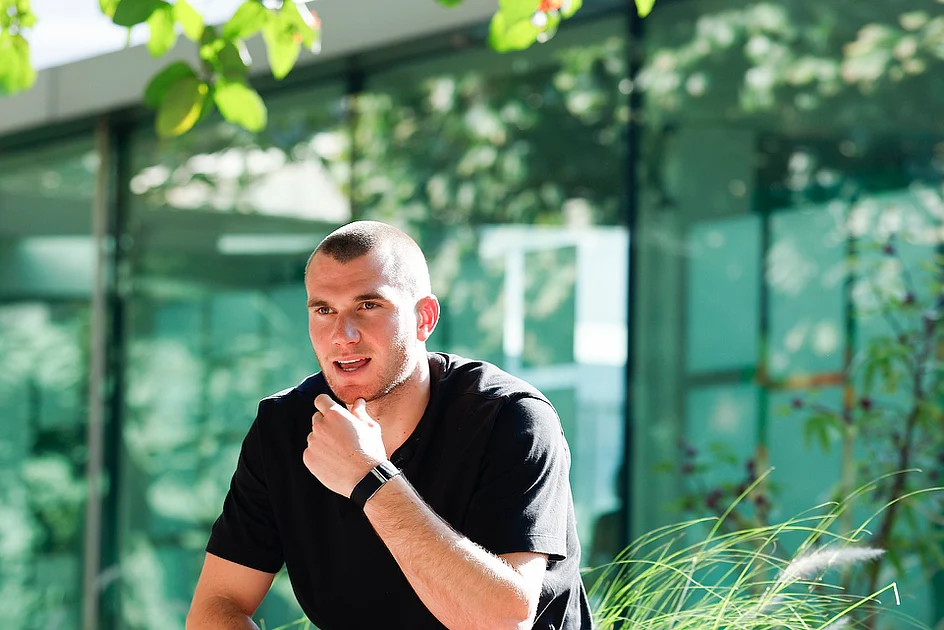
    British tennis sensation Jack Draper is poised to make his inaugural appearance at the Dubai Duty Free Tennis Championships, marking a profoundly sentimental return to a tournament that shaped his childhood aspirations. The 24-year-old athlete, who achieved a career-high ranking of world No. 4 in June 2025 before a shoulder injury disrupted his momentum, now returns to competition with renewed determination.

    Draper’s connection to the Dubai tournament runs deep, with memories spanning back to his formative years. “I have many, many memories. I have been following this event since I was 10 years old,” Draper revealed to Khaleej Times ahead of the 2026 championship. His childhood fascination was fueled by legendary moments including Andy Murray’s triumphant 2017 campaign, the epic Federer-Djokovic finals of 2011 and 2015, and the iconic Burj Al Arab helipad exhibition featuring Roger Federer and Andre Agassi.

    The British left-hander acknowledges the significance of following in Murray’s footsteps, both in Dubai and on the global stage. Murray’s groundbreaking 2008 victory over Federer in Dubai announced his arrival among tennis elites, a path Draper now navigates himself. While not expecting the same carnival atmosphere that accompanied Murray’s appearances, Draper recognizes the substantial British expatriate community in Dubai may provide valuable court-side support.

    Despite early comparisons to Murray’s legendary career achievements—including three Grand Slam titles and unprecedented back-to-back Olympic gold medals—Draper maintains grounded perspective. “It’s a privilege to be in this position,” he stated, addressing both the pressures and honors of representing British tennis. His breakthrough 2024 US Open semifinal appearance evoked memories of Murray ending Britain’s 76-year Major drought in 2012.

    Looking forward, Draper identifies Olympic gold and Wimbledon glory as ultimate aspirations, citing Novak Djokovic’s emotional 2024 Olympic victory and Murray’s dual gold medals as particular inspirations. However, his immediate focus remains on continuous improvement rather than silverware. “I never like to talk about winning tournaments. I just focus on what I can do as a tennis player,” Draper emphasized, demonstrating maturity beyond his years.

    The British talent believes a two-year timeline will position him to challenge current dominators Carlos Alcaraz and Jannik Sinner. While acknowledging his injury setback created competitive distance, Draper asserts the experience fostered resilience and tactical growth. “The next year and a half, two years is going to be very interesting for me because I feel like I have a lot to improve,” he noted, expressing unwavering confidence in his potential to reach the sport’s summit.

  • Global summit calls for ‘secure, trustworthy and robust AI’

    Global summit calls for ‘secure, trustworthy and robust AI’

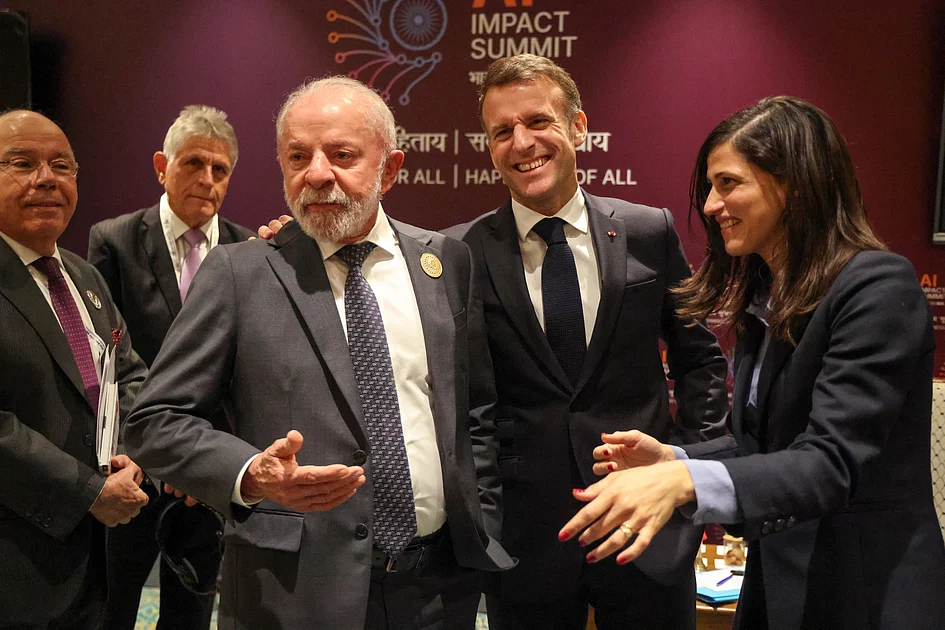
    The fourth annual AI Impact Summit concluded in Delhi on Saturday with a broad declaration signed by 86 nations, including previous holdout the United States and technological rival China. The joint statement advocated for ‘secure, trustworthy and robust’ artificial intelligence but stopped short of establishing any binding regulatory frameworks or concrete commitments.

    Attended by tens of thousands of participants, including top technology executives, the five-day summit marked the first gathering hosted by a developing nation. The declaration acknowledged generative AI as ‘an inflection point in technological evolution’ and emphasized that AI’s promise is best realized ‘only when its benefits are shared by humanity.’

    Despite the wide endorsement, the summit faced significant criticism from analysts and advocacy groups. Amba Kak, co-executive director of the AI Now Institute, dismissed the declaration as ‘another round of generic voluntary promises’ that primarily served industry interests rather than public protection.

    The statement addressed several critical areas including AI safety risks, job displacement concerns, and the technology’s substantial energy consumption. It emphasized reskilling initiatives for workers and developing energy-efficient AI systems, but provided no specific mandates or timelines for implementation.

    The event was not without its controversies and organizational challenges. US delegation head Michael Kratsios explicitly rejected global AI governance prior to the signing, stating America’s approach would remain ‘unapologetically friendly to entrepreneurship and innovation.’ The summit also produced viral moments, notably the awkward refusal of rival CEOs Sam Altman (OpenAI) and Dario Amodei (Anthropic) to hold hands on stage.

    Looking forward, the UN will establish an Independent International Scientific Panel on Artificial Intelligence to work toward ‘science-led governance,’ while the next AI summit is scheduled for Geneva in 2027. India leveraged the event to announce over $200 billion in expected AI investments, positioning itself to compete with established technological superpowers.

  • Once mocked for being tacky, this Korean music genre is making a comeback

    Once mocked for being tacky, this Korean music genre is making a comeback

    A curious digital phenomenon is breathing new life into South Korea’s traditional trot music, a genre that predates the global K-pop explosion. Through the innovative use of generative artificial intelligence, content creators are transforming contemporary K-pop hits into the distinctive two-beat rhythm of trot, pairing these AI-generated tunes with synthetic images of idols sporting the genre’s iconic glittering suits and dramatically teased hairstyles.

    This technological revival has captivated social media audiences, with platforms like YouTube, Instagram, and Line hosting viral videos that have accumulated hundreds of thousands of views. The trend represents a remarkable turnaround for trot—whose name derives from the American “foxtrot”—which enjoyed decades of popularity as Korea’s dominant musical form before being overshadowed by newer sounds.

    Music critic Jung Minjae traces trot’s origins to the 1930s during Japan’s colonization of Korea, noting its development from Korean folk traditions while incorporating influences from Japanese enka and Western jazz. The genre is distinguished by its exploration of “han”—a profound cultural concept encompassing sorrow, resentment, and longing shaped by Korea’s history of foreign subjugation. Lyrically, trot songs typically revolve around themes of love, separation, and nostalgia for home, delivered through a distinctive vocal style marked by heavy vibrato and kkeokgi (note-bending techniques that heighten emotional expression).

    Despite its rich heritage, trot had been largely relegated to older demographics, with younger generations dismissing it as tacky and outdated until recent years. The current revival has been fueled by reality television trot competitions that attract tens of thousands of applicants, with winners like 34-year-old Lim Young-woong achieving household name status. His successful solo concerts at Seoul’s World Cup Stadium placed him among an elite group of Korean performers including Psy and major K-pop acts.

    Yet the AI-driven trend has sparked copyright concerns and questions about its authenticity. Critics argue that these technological reinterpretations stray too far from trot’s essential character, while creators acknowledge legal uncertainties surrounding AI-generated content. Some participants report that the process has changed their perception of the genre, discovering depth in lyrics and melodies that reflect the Korean experience through decades of social upheaval.

    While experts like Jung suggest the trend may be driven more by fascination with AI technology than genuine appreciation for trot itself, the phenomenon has undoubtedly introduced the traditional genre to new audiences and sparked conversations about its place in modern Korean culture.

  • Eric Dane’s final performance in ‘Euphoria’ season 3 confirmed

    Eric Dane’s final performance in ‘Euphoria’ season 3 confirmed

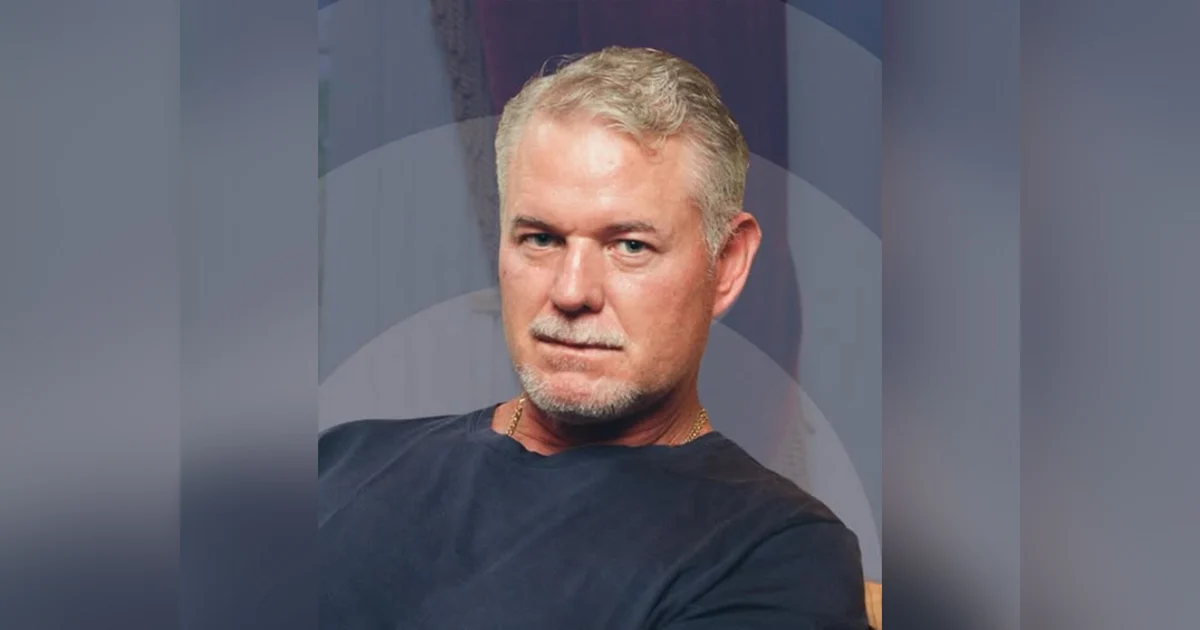
    The entertainment industry confirms that Eric Dane, who passed away on February 19, 2026, successfully completed filming his scenes for the highly anticipated third season of HBO’s ‘Euphoria’ before his untimely death. According to TMZ reports, the 53-year-old actor had finished shooting his episodes prior to the production wrap in late 2025.

    Dane portrayed the complex character of Cal Jacobs, the deeply troubled father of Nate Jacobs (played by Jacob Elordi). His character arc became one of the most discussed elements of the series, depicting a man battling alcoholism while engaging in secret motel encounters with young men and transgender women, often resulting in volatile emotional outbursts.

    A representative for Dane confirmed to TMZ that the actor had returned to the set in April 2025, the same month he publicly revealed his diagnosis of amyotrophic lateral sclerosis (ALS), commonly known as Lou Gehrig’s disease. Despite his diagnosis, Dane expressed determination to continue working, and production concluded later that year. People magazine initially reported that the actor had completed all his scheduled episodes.

    In a previous interview with Variety, Dane had hinted that viewers would witness ‘a moment of truth and some sort of redemption’ for his character in the upcoming season, generating significant anticipation among fans regarding Cal Jacobs’ narrative resolution.

    The third season of ‘Euphoria’ is scheduled to premiere on Hulu on April 12, 2026, featuring Dane’s final performance before his rapid 10-month battle with ALS concluded. His family confirmed that he spent his final days surrounded by loved ones while becoming a passionate advocate for ALS awareness and research during his illness.

    The industry continues to mourn the loss of the accomplished actor, with tributes pouring in from colleagues including his former ‘Grey’s Anatomy’ co-star Jessica Capshaw and numerous other entertainment figures.