作者: admin

  • T20 World Cup co-hosts lose as South Africa ends India’s winning run and England beats Sri Lanka

    T20 World Cup co-hosts lose as South Africa ends India’s winning run and England beats Sri Lanka

    In a stunning reversal of fortunes, South Africa delivered a crushing blow to defending champions India in the Super Eights stage of the T20 World Cup, securing a commanding 76-run victory at Ahmedabad’s Narendra Modi Stadium on Sunday.

    The Proteas’ comprehensive performance marked a significant redemption after their defeat to India in the 2024 tournament final. South Africa’s decision to bat first proved strategic as they posted a formidable 187-7, powered by David Miller’s explosive 63 runs off just 35 deliveries, featuring seven boundaries and three sixes.

    India’s response faltered dramatically, collapsing to 111 all out in 18.5 overs against South Africa’s relentless bowling attack. Left-arm paceman Marco Jansen emerged as the chief architect of India’s downfall, claiming impressive figures of 4-22 in 3.5 overs. The defeat terminated India’s impressive 12-match winning streak that had persisted since the 2024 championship.

    The day proved equally disappointing for tournament co-hosts Sri Lanka, who suffered a 51-run defeat to England in Pallekele. England’s innings of 146-9 was anchored by Phil Salt’s resilient 62 off 40 balls, with Will Jacks providing crucial late momentum through his 21-run contribution. Sri Lanka’s batting lineup crumbled at 95 all out as Jacks’ spin bowling dismantled their power play, securing England’s 12th consecutive T20 victory against the host nation.

  • Eileen Gu finds gold on the halfpipe to make it 6 medals in 6 Olympic events over her career

    Eileen Gu finds gold on the halfpipe to make it 6 medals in 6 Olympic events over her career

    LIVIGNO, Italy — Eileen Gu’s calculated risk culminated in Olympic immortality Sunday as the freeskiing phenom secured her third career gold medal in the women’s ski halfpipe final at the Milan Cortina Winter Games. The 22-year-old Stanford student completed an unprecedented medal sweep across three Olympic events, solidifying her status as the most decorated athlete in her sport’s history.

    Gu’s victory marked the triumphant conclusion of a grueling 16-day odyssey that saw her compete in halfpipe, slopestyle, and big air disciplines—a scheduling marathon no other female athlete attempted. Her final performance delivered both the highest individual run score (94.75) and the two best overall scores among all competitors, despite an initial stumble on her first attempt that echoed previous qualifying round struggles.

    “I took a big risk in trusting myself,” Gu reflected after securing China’s first 1-2 finish in the event alongside silver medalist Li Fanghui. “There was a chance everything could go wrong and I could have walked away with nothing because I was trying to do too much. But in my head, even if everything crashes and burns, I tried. I’ll never regret trying.”

    The California-born skier, who competes for her mother’s homeland, now stands alone in freeskiing history with six Olympic medals (three gold, three silver) across two Winter Games. Her technical superiority was evident in her winning run, which featured two 900-degree spins in opposite directions and six complex tricks—one more than her Chinese teammate attempted.

    Gu’s impact extends far beyond competitive results. She has become a cultural phenomenon who has reportedly inspired over 300 million Chinese citizens to take up winter sports since her Beijing 2022 debut. Though her geopolitical positioning continues to generate discussion, Gu maintains focus on sport development: “I encourage those people to use that energy and direct it toward something that makes the world better in their own way.”

    As spectators chanted “Gu Ailing”—the Mandarin pronunciation of her name—the exhausted but elated champion acknowledged the significance of her accomplishment: “I walked away as the most decorated free skier of all time, male or female. I have the most gold medals of any free skier ever, and that is something that I’m so, so proud of.”

  • Chinese tourists soak in festive vibes of Spring Festival across the globe

    Chinese tourists soak in festive vibes of Spring Festival across the globe

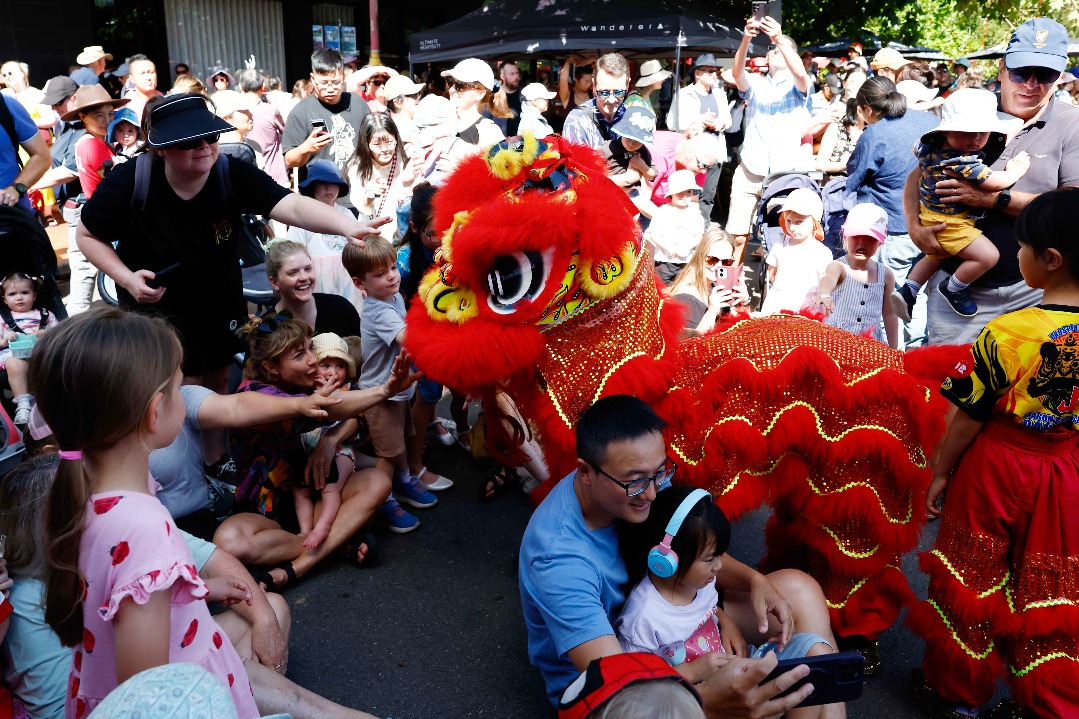
    As the 2026 Lunar New Year unfolded, Chinese travelers embarked on international journeys, discovering that geographical boundaries could not diminish the vibrant spirit of Spring Festival celebrations. From London’s iconic landmarks illuminated in crimson to traditional lion dances captivating global audiences, the Chinese New Year evolved into a truly worldwide phenomenon.

    In the British capital, the London Eye dazzled spectators with a brilliant red glow while traditional performers executed intricate lion dances at its base on February 16th. This visual spectacle formed just one component of extensive international festivities that seamlessly blended cultural presentation with cross-cultural engagement.

    The overseas celebrations transcended mere visual displays, incorporating lavish festive banquets that introduced global communities to authentic Chinese culinary traditions. These gastronomic experiences provided tangible connections to Chinese heritage while creating shared moments of cultural appreciation.

    Tourism industry analysts observed that these international celebrations generated mutually beneficial exchanges. Local economies experienced significant boosts from increased tourist activity while Chinese travelers enjoyed familiar traditions in novel settings. The festivities effectively demonstrated how cultural practices can adapt to global contexts while maintaining their essential character.

    The widespread international participation in Spring Festival events indicated a growing global appreciation for Chinese cultural traditions. These celebrations have evolved into anticipated annual occurrences in numerous world cities, reflecting deepening cultural connections and mutual understanding between China and nations worldwide.

  • Pakistan launches strikes on Afghanistan, with Taliban saying dozens killed

    Pakistan launches strikes on Afghanistan, with Taliban saying dozens killed

    In a significant escalation of cross-border tensions, Pakistan conducted a series of overnight airstrikes targeting multiple locations within Afghanistan’s eastern provinces. The operation, described by Islamabad as “intelligence-based selective targeting,” focused on seven alleged militant camps and hideouts near the volatile Pakistan-Afghanistan border region.

    Afghan Taliban authorities reported devastating civilian casualties, with officials in Nangarhar province stating that one strike alone destroyed the home of Shahabuddin, killing approximately 20 family members including women and children. The Taliban’s defense ministry confirmed attacks on civilian areas in both Nangarhar and Paktika provinces, characterizing the operation as a “blatant violation of Afghanistan’s territorial integrity” and a “clear breach of international law.”

    Pakistan’s Ministry of Information and Broadcasting justified the strikes as a “retributive response” to recent suicide bombings on Pakistani soil, specifically referencing an attack on a Shia mosque in Islamabad earlier this month and multiple incidents in Khyber Pakhtunkhwa province since the beginning of Ramadan. The statement identified targets as members of the banned Tehreek-i-Taliban Pakistan (TTP)—referred to by the government as “Fitna al Khawarij”—along with their affiliates and Islamic State-Khorasan Province elements.

    Islamabad presented what it called “conclusive evidence” that recent attacks in Pakistan were orchestrated by militant leadership based in Afghanistan, accusing the Afghan Taliban administration of failing to take meaningful action against these groups despite previous agreements.

    The Taliban administration issued a stern warning through its defense ministry, stating that “an appropriate and measured response will be taken at a suitable time” and criticizing Pakistan’s military intelligence capabilities. This development comes just days after Saudi Arabia mediated the release of three Pakistani soldiers captured during border clashes last October, which had previously resulted in a tentative ceasefire agreement—the first since the Taliban returned to power in 2021.

    The 1,600-mile mountainous border between the two nations remains a persistent flashpoint, with this latest incident representing the most serious breach of the fragile October ceasefire agreement to date.

  • Trump hikes US global tariff rate to 15 percent

    Trump hikes US global tariff rate to 15 percent

    In a decisive move that defies judicial constraints, former President Donald Trump has escalated his aggressive trade agenda by imposing a sweeping 15% tariff on all imports entering the United States. This action comes just one day after the Supreme Court delivered a significant legal setback to his administration’s economic policies.

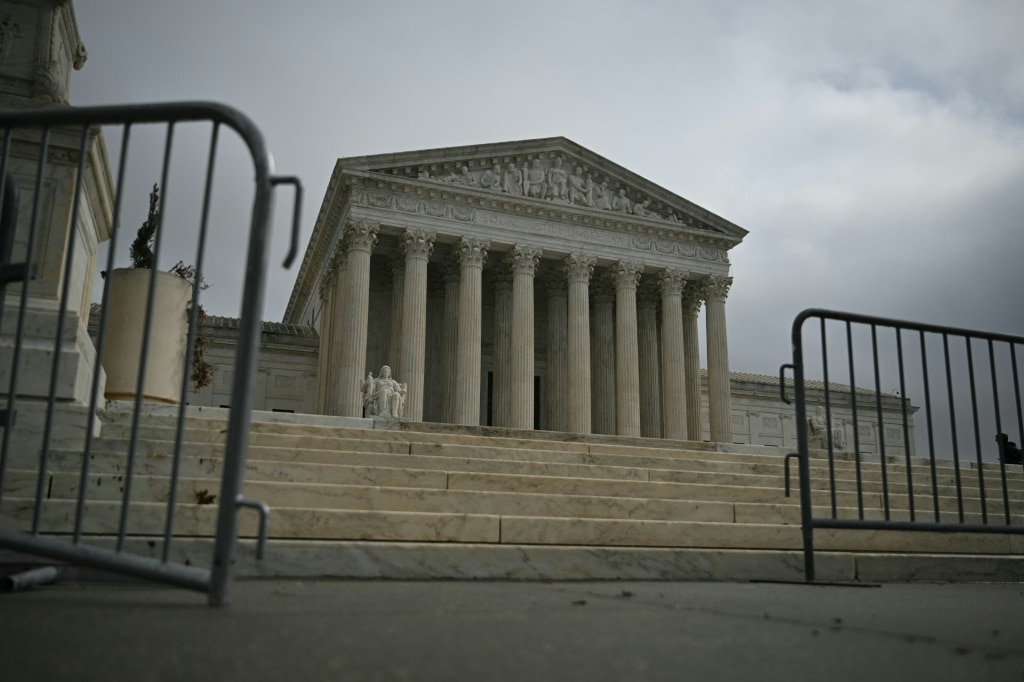
    The high court’s 6-3 ruling on Friday substantially limited presidential authority to implement tariffs under the 1977 International Emergency Economic Powers Act, declaring much of Trump’s tariff program unconstitutional. In response, Trump utilized an alternative legal mechanism to not only maintain but intensify his trade measures, announcing through his Truth Social platform that the administration was raising import levies to ‘the fully allowed, and legally tested, 15% level.’

    The political confrontation escalated as Trump launched personal attacks against the conservative justices who formed part of the majority opinion, accusing them of ‘disloyalty’ and characterizing them as ‘fools and lap dogs.’ This extraordinary criticism targeted members of a court that has generally supported the president since his return to office.

    International reactions emerged swiftly, with Brazilian President Luiz Inacio Lula da Silva urging equal treatment for all nations and German Chancellor Friedrich Merz announcing plans to coordinate a unified European response ahead of his scheduled March visit to Washington. Domestically, Pennsylvania Governor Josh Shapiro condemned the move as creating ‘havoc on our farmers, small business owners, and families.’

    The newly imposed tariff carries a 150-day limitation under current law, with exemptions remaining for pharmaceuticals and goods traded under the US-Mexico-Canada Agreement. The White House confirmed that even nations with previously negotiated tariff agreements would face the new global levy.

    While sector-specific duties on steel, aluminum, and other goods remain unaffected by the court’s decision, the ruling represents Trump’s most significant judicial defeat since returning to power. Business organizations including the National Retail Federation welcomed the court’s decision as providing ‘much-needed certainty,’ though questions regarding potential tariff refunds remain unresolved and may trigger extensive litigation.

  • Russian missile and drone barrage hits Kyiv suburbs, killing 1

    Russian missile and drone barrage hits Kyiv suburbs, killing 1

    Ukrainian emergency services reported a severe escalation in hostilities as Russian forces unleashed a massive aerial assault overnight, resulting in civilian casualties and widespread destruction across multiple regions. According to official statements released on Sunday, the attack killed at least one person in the Kyiv region and required the rescue of eight individuals, including a child, from beneath collapsed structures.

    The assault employed a diverse arsenal of 297 drones and 50 missiles, with Ukrainian air defenses successfully intercepting 274 drones and 33 missiles. Despite these efforts, 14 missiles and 23 drones penetrated defensive measures, striking 14 different locations while three missiles remained unaccounted for.

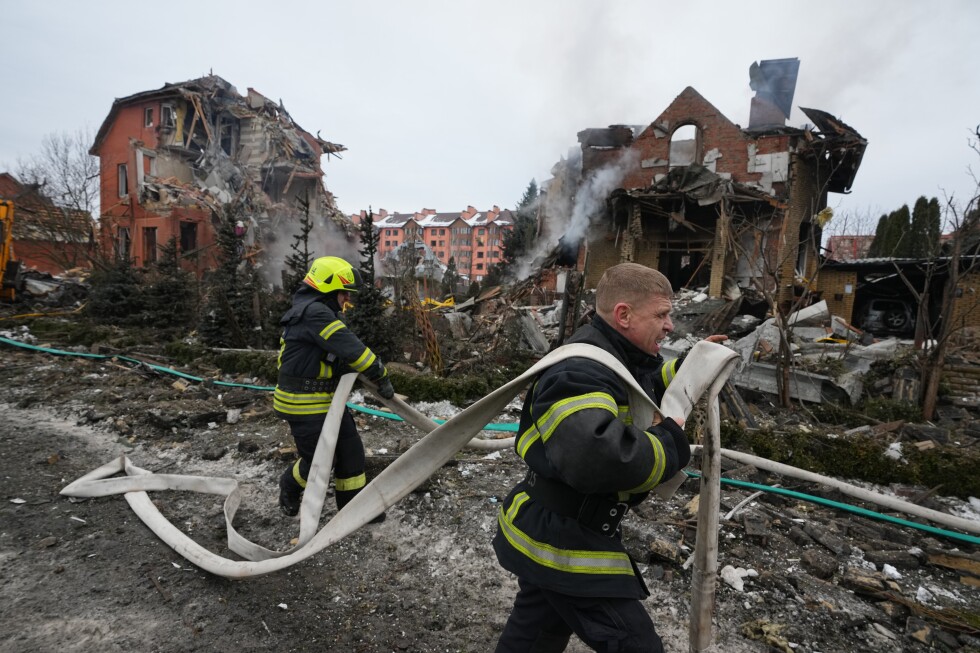
    Suburban areas surrounding Kyiv sustained significant damage, with fires erupting across five districts. Emergency responders conducted rescue operations in the village of Putrivka where buildings had been reduced to rubble. Simultaneously, energy infrastructure in the southern Odesa region suffered direct hits, igniting substantial fires that were subsequently contained by emergency services.

    In a separate incident unrelated to the aerial bombardment, an explosion in the western city of Lviv resulted in one fatality and 25 injuries. Ukrainian President Volodymyr Zelenskyy confirmed via Telegram that an individual has been apprehended in connection with this event.

    The persistent targeting of Ukraine’s energy grid has intensified humanitarian concerns, leaving civilians without essential electricity and heating during harsh winter conditions. This pattern of infrastructure attacks represents a continued strategy in the conflict now entering its fourth year.

    Russian authorities claimed defensive successes, stating their air defenses destroyed 86 Ukrainian drones overnight. In occupied territories, Moscow-installed officials reported two Ukrainian drones struck an oil depot in Luhansk, injuring a security guard and igniting a fuel tank.

  • China sees record daily passenger flow in Spring Festival travel rush

    China sees record daily passenger flow in Spring Festival travel rush

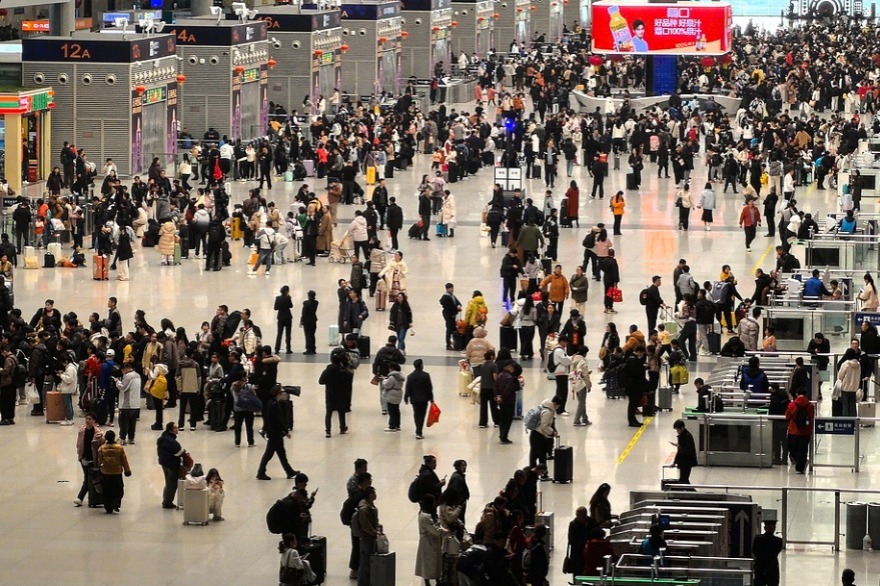
    China’s annual Spring Festival travel period has achieved a monumental milestone, with daily cross-regional passenger movement surging to unprecedented levels. Official data released by the Ministry of Transport on February 22, 2026, reveals that February 20 witnessed an extraordinary 352.999 million passenger journeys across the nation, establishing a new historical record for daily mobility during this traditional migration period.

    This remarkable figure represents a substantial 12.3 percent increase compared to the equivalent day during the 2025 Spring Festival travel season, highlighting the growing intensity of what is universally recognized as the planet’s largest periodic human migration. The 2026 chunyun period, spanning 40 days from February 2 to March 13, is projected to culminate in approximately 9.5 billion inter-regional passenger trips, far surpassing previous years’ volumes.

    The Spring Festival, alternatively known as Chinese New Year, occurred on February 17 this year, with official celebrations extending across a nine-day holiday period. This cultural phenomenon drives hundreds of millions of Chinese citizens to undertake extensive journeys to reunite with family members in their hometowns, creating extraordinary transportation demands across railway networks, highways, airports, and waterways.

    The transportation infrastructure demonstrated remarkable resilience in managing this colossal passenger volume, implementing sophisticated crowd management strategies and optimized scheduling to ensure safe and efficient travel experiences. This record-breaking mobility reflects both China’s ongoing urbanization trends and the enduring cultural significance of family reunification during traditional festivals, despite the logistical challenges presented by such massive population movements.

  • China issues import tax incentives for sci-tech popularization

    China issues import tax incentives for sci-tech popularization

    In a significant move to advance scientific literacy, China has unveiled comprehensive import tax incentives for science popularization institutions during its 15th Five-Year Plan period (2026-2030). The joint policy initiative, announced by the Ministry of Finance, General Administration of Customs, and State Taxation Administration, eliminates import tariffs and value-added taxes on critical educational materials and equipment that cannot be domestically produced or meet performance standards.

    The policy framework, effective January 1, 2026, through December 31, 2030, specifically targets science and technology museums, natural history museums, and similar institutions dedicated to public science education. Qualified organizations will benefit from exemptions covering imported popularization films, educational videos, and specialized equipment that either lacks domestic manufacturing capabilities or where domestic alternatives fail to achieve necessary performance benchmarks.

    This strategic fiscal measure represents China’s commitment to enhancing public engagement with scientific concepts through improved access to international educational resources. By reducing financial barriers to high-quality science communication tools, the initiative aims to foster a more scientifically literate society and support national innovation goals. The tax incentives are expected to significantly lower operational costs for science centers while enabling them to acquire advanced demonstration equipment and multimedia materials from global markets.

    The policy implementation follows careful coordination between multiple government agencies and reflects China’s broader strategy to strengthen its science education infrastructure during a critical period of technological development and international competition in innovation.

  • Could this be wreckage from a 214-year-old maritime disaster?

    Could this be wreckage from a 214-year-old maritime disaster?

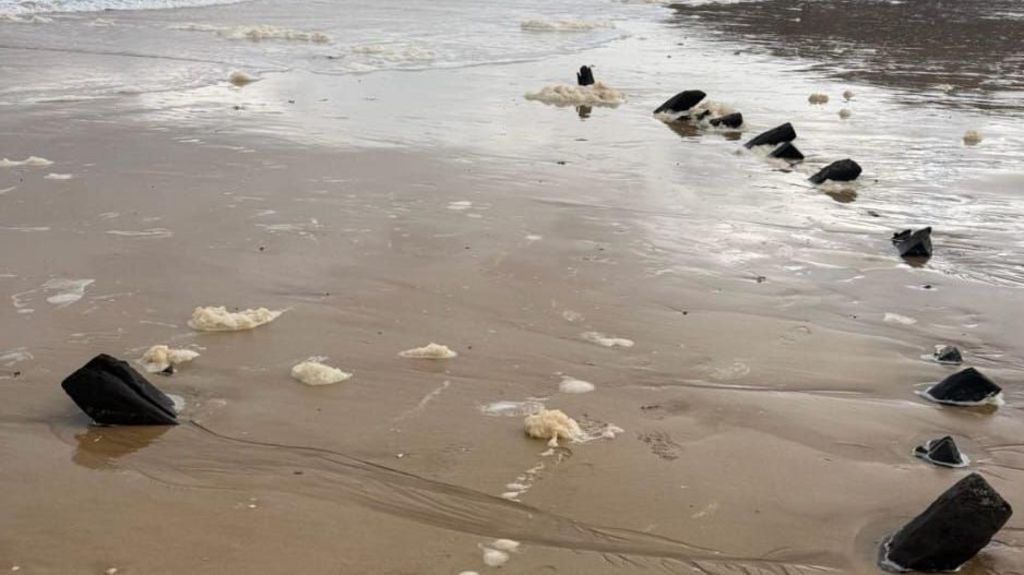
    Recent powerful coastal storms in Ireland’s County Donegal have potentially solved a 213-year-old maritime mystery. Extraordinary wind patterns at Ballymastocker Bay have shifted substantial sand deposits, exposing what archaeologists believe could be the long-lost remains of HMS Saldanha—a British naval frigate that tragically sank during a violent December storm in 1811 with all 253 crew members aboard.

    The uncovered wooden structure, visible during low tide conditions, has generated significant excitement within the local community and archaeological circles. According to maritime archaeologist John O’Raw, who has studied the Saldanha wreck for decades, the exposed timbers likely represent the vessel’s starboard bow section. “These structures protruding from the sand are probably futtocks,” O’Raw explained, “which are individual curved timber components that constitute the ribs or frames of a traditional wooden ship’s hull.”

    Historical records indicate HMS Saldanha was performing blockade duties against French forces during the Napoleonic Wars when it encountered catastrophic weather conditions. Seeking shelter in Lough Swilly, the 36-gun frigate reportedly struck cliffs south of Portsalon before breaking into multiple sections. Contemporary accounts suggest only the captain’s parrot survived the disaster, though historians note many original newspaper reports contained significant inaccuracies.

    The potential discovery has particular resonance for local residents who have maintained the memory of the tragedy through memorial efforts. In 2011, community members raised €1,500 to erect a monument honoring the lost sailors, and a commemorative plaque bearing crew members’ names was subsequently unveiled using archival records from London.

    Journalist Anne Cadwallader, who has helped organize memorial events, noted the emotional significance: “These men entered freezing cold water in blustering gales. One can only imagine their horrors, and not a single survivor emerged. It’s hardly surprising that stories and legends grew around this wreck.”

    The National Monuments Service has conducted preliminary inspections and documentation of the site, acquiring precise locational data for their Wreck Inventory of Ireland Database. While officials caution that definitive identification requires further analysis and dating of the timber, they plan additional comprehensive recording sessions in March when tidal conditions permit extended site access.

    The Saldanha’s legacy extends beyond the human tragedy—its sinking directly prompted construction of the iconic Fanad Lighthouse, which began illuminating Lough Swilly’s hazardous waters in 1817 and continues operation today. The ship’s anchor, recovered earlier by local fishermen, remains displayed at Fort Dunree Military Museum, serving as a tangible connection to one of Ireland’s most enduring maritime mysteries.


  • From abdication to Diana, Harry and ex-Prince Andrew. A look at major British royal scandals

    From abdication to Diana, Harry and ex-Prince Andrew. A look at major British royal scandals

    The British monarchy faces one of its most severe institutional crises in over a century as Prince Andrew’s recent arrest on suspicion of misconduct in public office creates unprecedented challenges for King Charles III’s reign.

    Scotland Yard detained the former Duke of York for nearly eleven hours Thursday following the release of millions of documents from the U.S. Justice Department’s Epstein files investigation. Authorities are examining whether Andrew improperly shared confidential trade information during his tenure as U.K. trade envoy with the late convicted sex offender Jeffrey Epstein. Notably, the arrest relates solely to potential abuse of office rather than Epstein’s sex trafficking allegations.

    While Andrew has consistently denied wrongdoing regarding his association with Epstein, he has remained silent on these latest allegations. The incident represents another devastating blow to the monarchy already grappling with the King’s cancer diagnosis and previous tensions with Prince Harry.

    King Charles III has taken decisive action to protect the institution, stripping his brother of all royal titles and honors while banishing him from his Windsor residence. The monarch maintains that the legal process must run its course, even as the government considers legislation to remove Andrew from the line of succession.

    This crisis evokes historical parallels to other Windsor family challenges: the 1917 name change from Saxe-Coburg and Gotha during World War I anti-German sentiment; Edward VIII’s 1936 abdication over his relationship with Wallis Simpson; and the massive public outcry following Princess Diana’s 1997 death that forced the Queen to address the nation.

    The current situation poses unique dangers as it combines legal proceedings, reputational damage, and constitutional considerations regarding succession. With Andrew remaining eighth in line to the throne despite his diminished status, the monarchy confronts its most significant legitimacy challenge since its modern iteration began over a century ago.