作者: admin

  • Ramadan ‘crash’? Why UAE residents get headaches, fatigue in first week of fasting

    Ramadan ‘crash’? Why UAE residents get headaches, fatigue in first week of fasting

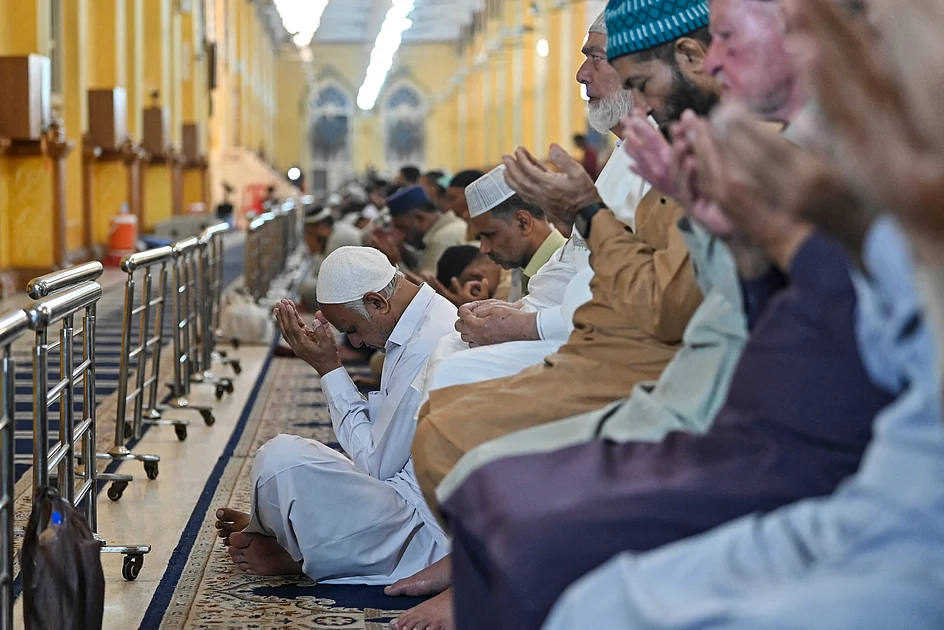
    As Ramadan commences across the United Arab Emirates, healthcare professionals are observing a predictable pattern of physiological adaptation among fasting residents. Many individuals report experiencing pronounced headaches, persistent fatigue, and diminished energy levels during the initial week of fasting, particularly in the hours preceding iftar.

    Medical experts attribute these symptoms to the body’s complex adjustment to altered nutritional intake, hydration patterns, and sleep cycles. Dr. Archana Purushothaman, an endocrinology and metabolism specialist at Fakeeh University Hospital Dubai, explains: “During the first days of Ramadan, the body undergoes significant metabolic recalibration. Blood glucose levels progressively decrease, insulin secretion patterns shift, and mild dehydration frequently develops. Simultaneously, hormonal regulators of energy must establish new rhythmic patterns.”

    This temporary biochemical imbalance manifests most noticeably during late afternoon hours when the body’s glycogen reserves become depleted. Clinical dietitian Swapna Mary John of International Modern Hospital Dubai emphasizes that dehydration plays a more substantial role than commonly recognized: “Thirst represents a delayed indicator of dehydration. Even moderate fluid loss can impair cerebral blood flow and muscular function, resulting in cephalalgia, reduced vitality, and concentration difficulties.”

    The phenomenon, colloquially termed ‘Ramadan crash’ by residents, proves particularly challenging for habitual caffeine consumers experiencing withdrawal symptoms. Salim S., a Dubai resident, describes his experience: “I initiate each day feeling normal, but by mid-afternoon, I develop debilitating cephalgia and diminished focus. The only recourse often involves resting until iftar.”

    Nutritional choices significantly influence energy sustainability throughout the fasting period. Experts identify common suhoor misconceptions, including overreliance on refined carbohydrates and sugary items that provoke rapid glycemic fluctuations. Conversely, healthcare professionals recommend incorporating complex carbohydrates, lean proteins, and healthy fats during pre-dawn meals to stabilize metabolic parameters.

    Hydration management represents another critical consideration. Rather than consuming large volumes simultaneously, medical advisors suggest gradual fluid intake between iftar and suhoor, complemented by moisture-rich foods like fruits and soups. These strategies collectively help mitigate the adaptation challenges associated with Ramadan’s initial phase while honoring religious traditions.
  • France will summon US Ambassador Charles Kushner after US comments on activist’s death

    France will summon US Ambassador Charles Kushner after US comments on activist’s death

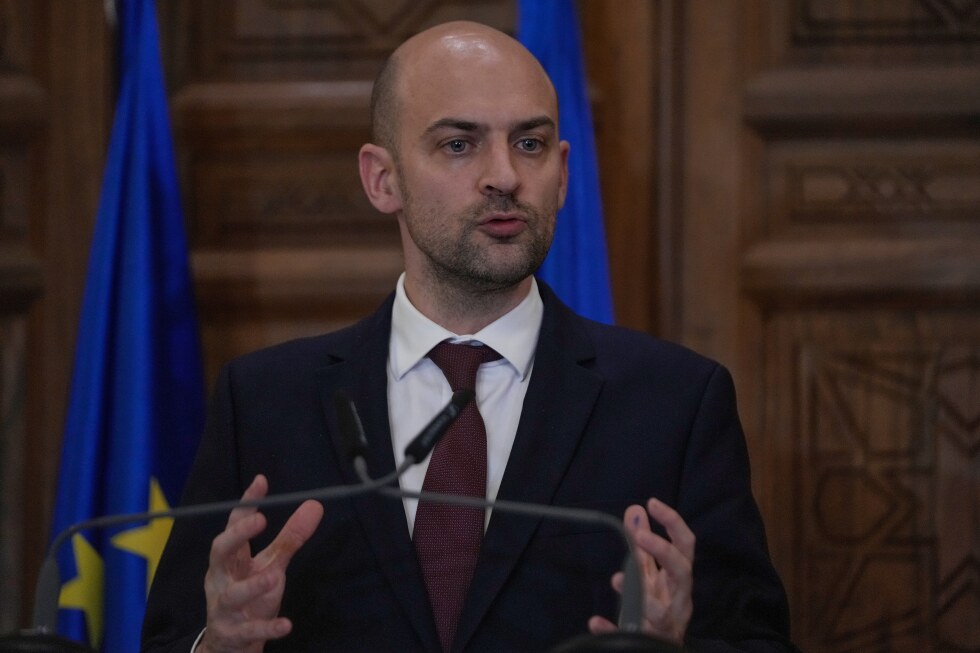
    The French government has announced it will formally summon U.S. Ambassador Charles Kushner to express strong disapproval of the Trump administration’s commentary regarding the fatal assault of far-right activist Quentin Deranque. Foreign Minister Jean-Noel Barrot’s decision comes in direct response to statements issued by the State Department’s Counterterrorism Bureau, which utilized social media platform X to voice concerns about the killing allegedly perpetrated by left-wing militants—claims reportedly supported by France’s Interior Minister.

    Deranque succumbed to severe brain injuries sustained during violent clashes in Lyon, where he was assaulted alongside disturbances at a student gathering featuring far-left legislator Rima Hassan as keynote speaker. This incident has intensified existing political fractures as France approaches next year’s presidential election, prompting President Emmanuel Macron to appeal for national calm following a 3,000-strong memorial march organized by right-wing groups.

    Barrot vehemently rejected what he characterized as political exploitation of the tragedy, stating France requires no instruction from international reactionary movements regarding violence prevention. Meanwhile, the State Department maintained its position that radical leftist violence represents a growing threat to public safety, emphasizing the need for judicial accountability.

    Judicial proceedings have advanced with seven individuals facing preliminary charges including intentional homicide, aggravated violence, and criminal conspiracy. Six defendants received full charges across all counts while the seventh faces complicity allegations.

    Beyond this diplomatic friction, Barrot indicated additional concerns regarding recent U.S. sanctions imposed on Thierry Breton—former EU commissioner overseeing social media regulations—and International Criminal Court judge Nicolas Guillou, both deemed by France as targets of unjustifiable measures.

  • JPMorgan closed Trump’s bank accounts one month after Jan 6 US Capitol attack

    JPMorgan closed Trump’s bank accounts one month after Jan 6 US Capitol attack

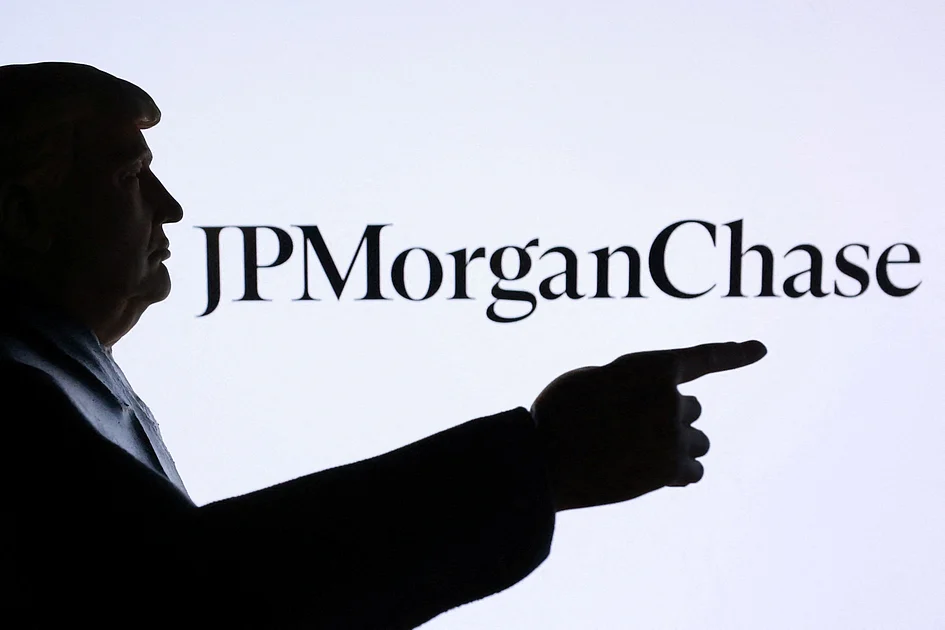
    Newly disclosed court filings reveal that JPMorgan Chase formally terminated banking relationships with former President Donald Trump and his hospitality enterprises in February 2021, precisely one month following the January 6th Capitol insurrection. The documentation emerged within the framework of a $5 billion litigation initiated by Trump against both the financial institution and its Chief Executive Officer, Jamie Dimon.

    The correspondence, dated February 19, 2021, did not articulate specific grounds for the account closures. One communication indicated the bank’s prerogative to conclude client relationships when it determines the association no longer serves the institution’s interests. This development occurred amidst a broader pattern of corporate disengagement from Trump-affiliated entities subsequent to the Capitol siege, which included severed ties with legal representatives and the revocation of prestigious golf tournaments.

    JPMorgan’s legal representatives have characterized the lawsuit as without merit, while simultaneously pursuing its transfer from Miami federal jurisdiction to New York courts, citing the latter’s more substantial connections to the dispute. Conversely, Trump’s legal counsel has portrayed the emergence of these termination letters as a pivotal admission that substantiates their allegations of politically motivated financial exclusion.

    The former president’s legal team contends that the banking giant engaged in unlawful de-banking practices that inflicted significant economic detriment. Trump maintains that JPMorgan, as the nation’s premier banking institution, deliberately contravened its established protocols to align with contemporary political currents rather than objective financial criteria.

  • Hungary threatens to block fresh EU sanctions against Russia over oil deliveries

    Hungary threatens to block fresh EU sanctions against Russia over oil deliveries

    Hungary has declared it will block the European Union’s proposed 20th sanctions package against Russia and withhold critical financial support for Ukraine until Russian oil deliveries through the Druzhba pipeline resume. The announcement came from Hungarian Foreign Minister Péter Szijjártó in a social media statement on Sunday, just ahead of Monday’s crucial EU foreign ministers meeting in Brussels.

    The diplomatic confrontation stems from the January 27 interruption of Russian oil shipments to Hungary and Slovakia, which Ukrainian authorities attribute to damage caused by Russian drone attacks on the Druzhba pipeline. Szijjártó accused Ukraine of intentionally withholding oil shipments and stated Hungary would prevent any EU decisions favorable to Kyiv until the matter is resolved.

    This stance creates significant complications for EU unity, as sanctions require unanimous approval from all 27 member states. The proposed measures were intended to coincide with the fourth anniversary of Russia’s full-scale invasion of Ukraine on Tuesday.

    In a further escalation, Hungary revealed plans to block a substantial €90 billion EU loan package designed to support Ukraine’s military and economic stability over the next two years. Slovakia has joined Hungary in applying pressure, with Prime Minister Robert Fico threatening to cut emergency electricity supplies to Ukraine if oil deliveries aren’t restored by Monday.

    Ukraine’s Foreign Ministry condemned these actions as “ultimatums and blackmail” that effectively assist Russian aggression. The ministry emphasized that these threats come during extreme winter conditions while Russia systematically targets Ukrainian energy infrastructure.

    Hungarian Prime Minister Viktor Orbán, who maintains Europe’s closest relationship with the Kremlin, has consistently argued that Russian energy is essential for Hungary’s economic stability. While most European nations have dramatically reduced Russian energy imports since the invasion began, Hungary and Slovakia secured temporary exemptions from EU bans on Russian oil imports.

  • Pakistan launches deadly strikes in Afghanistan; children among dozens killed

    Pakistan launches deadly strikes in Afghanistan; children among dozens killed

    Pakistan executed a series of military airstrikes targeting militant positions within Afghan territory during overnight operations, marking a significant escalation in cross-border tensions. The Pakistani Ministry of Information and Broadcasting confirmed the offensive targeted seven locations along the border region, specifically aimed at Afghanistan-based militant organizations including the Pakistani Taliban and an Islamic State affiliate.

    The operation, described as retaliatory measures following recent suicide bombing incidents within Pakistan, represents the most substantial military action since October border clashes that resulted in over seventy casualties. According to Islamabad’s official statement, the strikes were conducted in response to security failures by Taliban authorities to address militant sanctuaries within their territory.

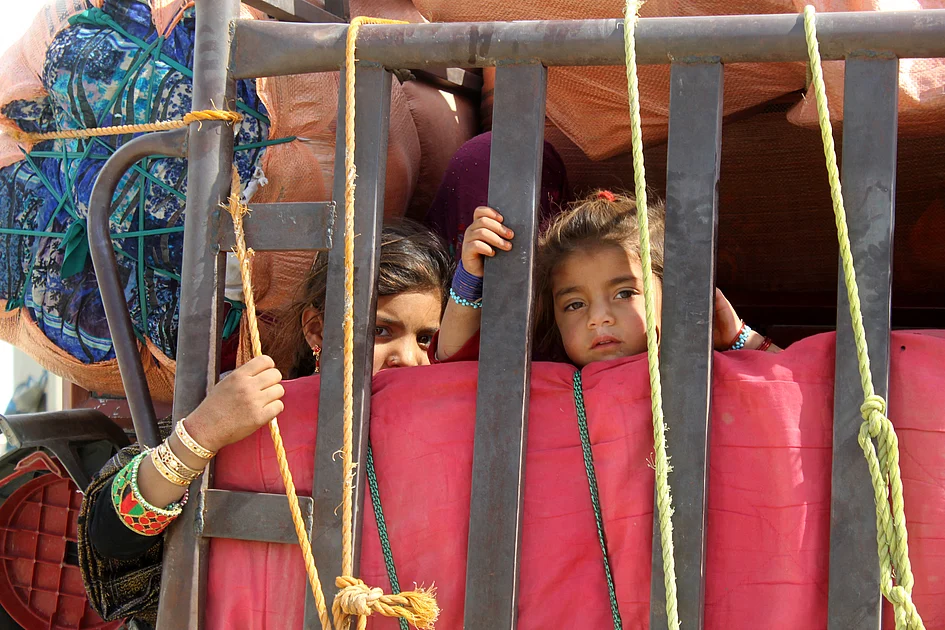
    Afghan government spokesperson Zabihullah Mujahid reported the attacks struck provinces of Nangarhar and Paktika, resulting in numerous casualties including women and children. An AFP journalist in Bihsud district witnessed emergency responders using heavy machinery to search for victims beneath collapsed structures. Confidential security sources indicated that among the deceased were twelve children and teenagers killed when a residential compound was struck.

    The deteriorating relationship between the neighboring nations has intensified since the Taliban’s return to power in 2021, with security concerns constituting the primary point of contention. Pakistan maintains that Afghan territory serves as a base for militant operations against its interests, while Kabul consistently denies these allegations.

    The recent escalation follows a particularly devastating suicide bombing at a Shiite mosque in Islamabad two weeks prior, which claimed at least forty lives and injured over 160 people—the deadliest attack on the capital since 2008. Islamic State claimed responsibility for that assault, though Pakistan attributes broader militant activity to Taliban-tolerant policies.

    Previous border conflicts had been temporarily resolved through Qatar and Turkey-mediated ceasefires, though subsequent diplomatic negotiations in Doha and Istanbul have failed to establish lasting security agreements between the two nations.

  • Trump says sending hospital boat to Greenland to treat ‘many sick people’

    Trump says sending hospital boat to Greenland to treat ‘many sick people’

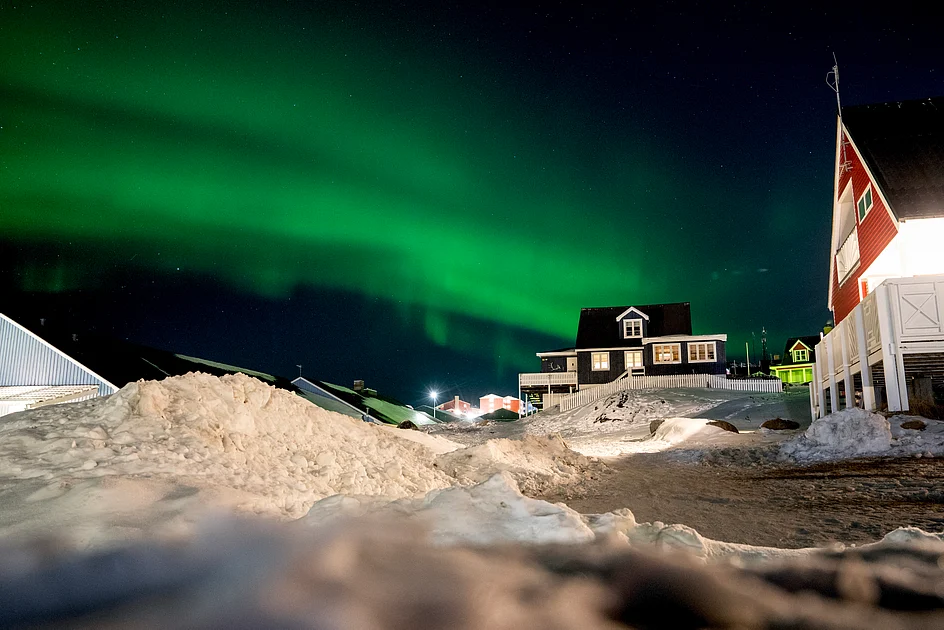
    Former President Donald Trump declared via his Truth Social platform on Saturday that a U.S. naval hospital ship is en route to Greenland, citing a need to provide medical care for “many sick people” in the autonomous Danish territory. The announcement revives attention on Trump’s longstanding strategic interest in the Arctic region.

    The post featured an apparent AI-generated image depicting the USNS Mercy, an 894-foot medical vessel typically stationed off Southern California, approaching Greenland’s distinctive snow-capped mountains. Trump provided no specific details regarding the nature of the medical crisis, the number of affected individuals, or verification that the Mercy is actually the vessel being deployed.

    This development occurs within the context of significantly strained U.S.-Denmark relations following Trump’s repeated expressions of desire to acquire Greenland, at one point threatening forcible seizure. His administration has consistently framed the mineral-rich territory as vital to U.S. and NATO security interests, particularly concerning Russian and Chinese Arctic expansion.

    The initiative is reportedly coordinated with Louisiana Governor Jeff Landry, whom Trump designated as his special envoy to Greenland in December. During recent Mardi Gras festivities in New Orleans, Landry posted a photograph of himself alongside Greenlandic representatives holding the territory’s flag, captioning it, “Great to host some of the wonderful people of Greenland.”

    This announcement follows closely after Danish King Frederik X’s visit to Greenland, a trip that carried heightened significance given the geopolitical tensions surrounding Trump’s overtures. Last month, Trump temporarily stepped back from acquisition threats after negotiating a preliminary framework with NATO Secretary General Mark Rutte to secure increased U.S. influence in the region without formal transfer of sovereignty.

  • Respect Moment | Guardians of Peace

    Respect Moment | Guardians of Peace

    While millions of Chinese families gathered for traditional Spring Festival reunions, the nation’s military personnel maintained unwavering vigilance across the country. During the most important cultural celebration in China, these dedicated service members continued their protective duties to ensure national security and public safety.

    The Spring Festival period, marking the Lunar New Year and characterized by massive domestic travel and family gatherings, represents a time when security demands intensify significantly. Military personnel across all branches remained deployed at their stations, from remote border outposts to urban security details, demonstrating their commitment to public welfare.

    This annual display of military dedication has become an integral part of China’s Spring Festival tradition, symbolizing the sacrifice made by armed forces personnel for national stability. Their continuous service enables the peaceful celebration enjoyed by citizens nationwide, particularly during this period of heightened cultural significance and mass movement.

    The presence of military guardians during festive periods reflects China’s comprehensive approach to national security and public safety management. Their preparedness during major public holidays ensures that traditional celebrations proceed without disruption, maintaining the peaceful environment that characterizes modern Chinese society.

  • Catholic Italy’s Olympic host cities offer different access for Muslims to observe Ramadan

    Catholic Italy’s Olympic host cities offer different access for Muslims to observe Ramadan

    The convergence of the 2026 Winter Olympics in Italy with the holy month of Ramadan has created a unique intersection of global sports and religious observance. As athletes and visitors gather in the historically Catholic nation, Muslim communities in both host cities are demonstrating diverse approaches to maintaining their spiritual practices during this sacred period.

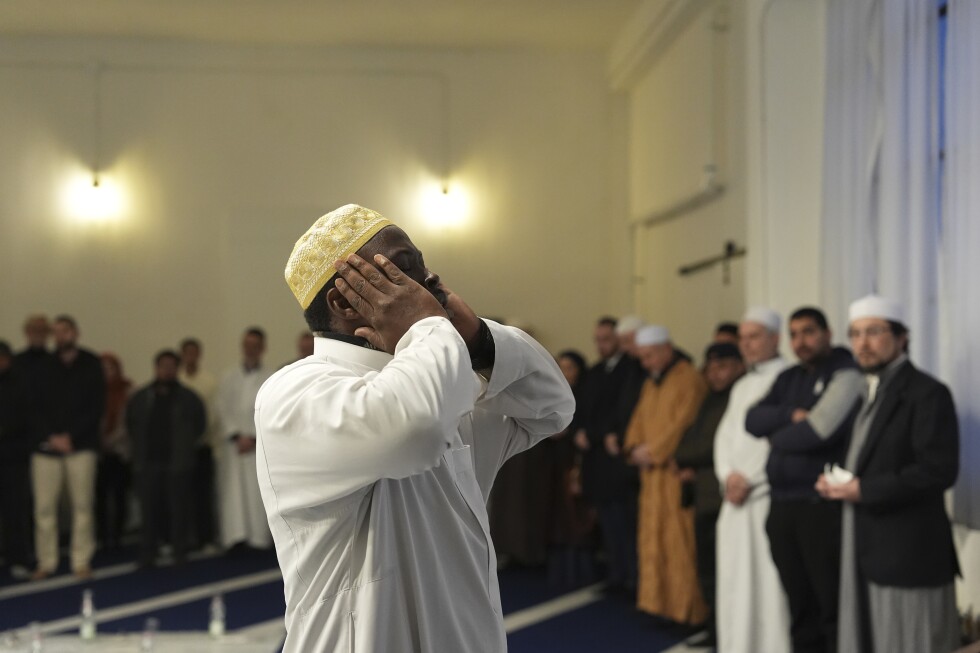
    In multicultural Milan, Islamic centers have embraced the Olympic spirit through interfaith engagement. The Al-Wahid mosque, officially recognized as a place of worship since 2000, has opened its doors to people of all faiths during Ramadan. The mosque hosts weekly iftar dinners and evening prayers, welcoming guests from municipal institutions, Catholic churches, and other religious communities through March 14th—the day before the Paralympics conclude.

    Imam Yahya Pallavicini, vice president of the Italian Islamic Religious Community (COREIS), emphasized the symbolic significance of the Games: “Sport, culture and art can help reduce prejudice and fear toward a particular culture or religious identity.”

    The demographic landscape underscores this interfaith dynamic. According to Milan-based research institute ISMU, approximately 400,000 Muslims reside in Lombardy, Italy’s largest immigrant population region. The community includes people from Morocco, Egypt, Bangladesh, Pakistan, and Bosnia, among other nations.

    In contrast, the mountain host city of Cortina d’Ampezzo presents different challenges for Muslim observance. At an elevation of 1,220 meters, this upscale resort town of 5,000 residents offers limited prayer spaces. Muslim visitors and workers report significant difficulties finding places to worship, with the nearest mosque located in Brunico—over an hour away on difficult roads.

    Rabah Boubegtiten, an Algerian-born driver working with Qatari security, expressed the community’s frustration: “They look everywhere to find a place to pray, but it’s almost impossible.” While interfaith prayer rooms are available at athlete villages, they remain inaccessible to the general public.

    The broader Italian context reveals evolving religious demographics. While approximately 75% of Italy’s 59 million people identify as Catholic, regular church attendance has declined significantly. Meanwhile, Muslims now number 1.7 million, accounting for over 30% of the foreign resident population for the first time.

    This demographic shift occurs against a political backdrop of increased right-wing, anti-immigrant sentiment. Prime Minister Giorgia Meloni’s government has pledged stricter migration controls since taking office in 2022. However, Pallavicini notes that Italy’s Muslim population now includes growing numbers of second-generation Italian Muslims, converts, and native-born citizens alongside migrants.

    The personal stories illustrate this transformation. Amina Croce, 28, raised by Italian Catholic parents who converted to Islam, represents the emerging face of Italian Islam. As leader of COREIS’s youth division, she views religious diversity as part of Europe’s historical fabric: “We believe this diversity is part of Italy’s broader cultural heritage. It may still be underappreciated, but we hope it will be recognized more in the future.”

  • Danish military evacuates US submariner who needed urgent medical care off Greenland

    Danish military evacuates US submariner who needed urgent medical care off Greenland

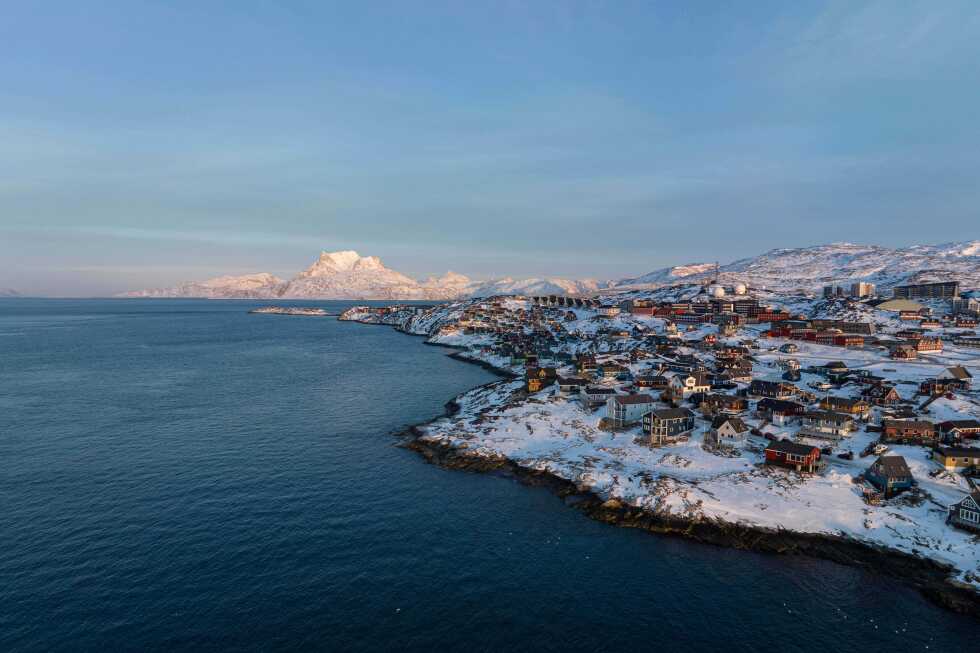
    COPENHAGEN, Denmark — A medical evacuation operation involving a U.S. submarine crew member has unexpectedly intensified diplomatic friction between the United States and Denmark. Denmark’s Joint Arctic Command executed a precision rescue mission Saturday, extracting an American submariner requiring urgent medical attention approximately 7 nautical miles off Nuuk, Greenland’s capital. The evacuation was conducted via a Danish Seahawk helicopter deployed from an inspection vessel, with the patient subsequently transferred to Nuuk’s medical facilities for treatment.

    The routine military cooperation was swiftly overshadowed by provocative statements from U.S. President Donald Trump. Utilizing his Truth Social platform late Saturday, Trump announced intentions to deploy a hospital ship to Greenland, characterizing the autonomous Danish territory as having inadequate healthcare provisions. ‘Working with the fantastic Governor of Louisiana, Jeff Landry, we are going to send a great hospital boat to Greenland to take care of the many people who are sick, and not being taken care of there,’ Trump declared, referencing his special envoy for Greenland affairs.

    Danish Prime Minister Mette Frederiksen issued a firm rebuttal Sunday, defending both Denmark’s and Greenland’s healthcare systems. Through an official Facebook post, Frederiksen emphasized: ‘I am happy to live in a country where there is free and equal access to health for all. Where it’s not insurances and wealth that determine whether you get proper treatment. You have the same approach in Greenland.’ Her statement concluded with a cheerful weekend greeting accompanied by a smiling emoji, contrasting sharply with Trump’s criticisms.

    This exchange represents the latest chapter in increasingly strained relations between the NATO allies. The historically robust bilateral partnership has faced significant challenges following Trump’s repeated expressions of interest in acquiring the mineral-rich, strategically vital Arctic territory, creating diplomatic discomfort in Copenhagen.

  • Andrew’s arrest hands King Charles fresh royal crisis

    Andrew’s arrest hands King Charles fresh royal crisis

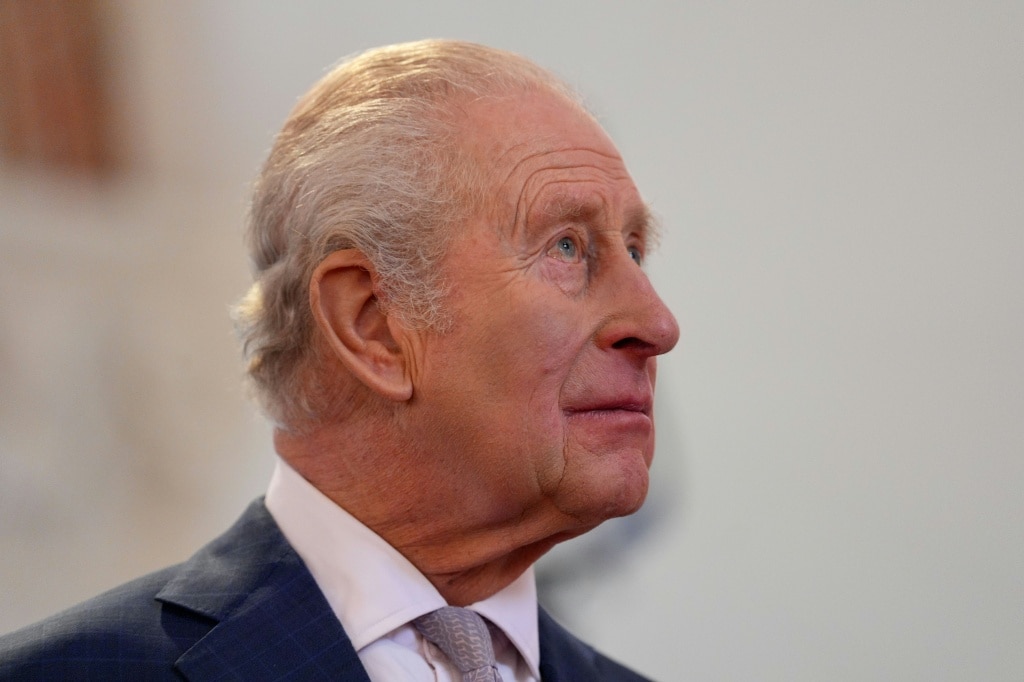
    The British monarchy faces one of its most severe constitutional crises in modern history following the unprecedented arrest of Prince Andrew, the younger brother of King Charles III. The Duke of York was taken into police custody on suspicion of transmitting confidential information to convicted sex offender Jeffrey Epstein during his tenure as UK trade envoy from 2001 to 2011.

    This development represents the latest in a series of formidable challenges that have plagued King Charles since his accession to the throne in September 2022 following the death of Queen Elizabeth II. Royal historians note that the current monarch has confronted an extraordinary convergence of personal and institutional crises unprecedented in recent royal history.

    The king’s reign, which began with the elaborate pageantry of his May 2023 coronation designed to project continuity, has instead been marked by continuous turmoil. The initial disruption came with Prince Harry’s explosive memoir ‘Spare’ in January 2023, which revealed damaging internal family conflicts to a global audience. Subsequently, both King Charles and Catherine, Princess of Wales, announced cancer diagnoses in early 2024, creating additional strain on the royal family’s public duties.

    However, experts identify the Andrew situation as potentially the most damaging to the institution’s stability. Royal historian Andrew Lownie characterized this moment as ‘a crunch point for the monarchy,’ suggesting that evidence of institutional protection for Andrew could necessitate the king’s abdication.

    The current investigation revives longstanding embarrassment over Andrew’s association with Epstein, particularly a 2011 photograph showing the prince with his arm around Virginia Giuffre, Epstein’s primary accuser. Although Charles had attempted to distance the monarchy from the scandal by stripping Andrew of all royal titles in October, the recent Justice Department document release has reignited public outrage.

    In a rare personal statement, King Charles acknowledged the gravity of the situation, vowing that ‘the law must take its course’ while expressing his ‘deepest concern.’ Commentators have drawn parallels to other monarchy-shaking events including the 1936 abdication of Edward VIII and the 1997 death of Princess Diana, noting that restoring public confidence typically requires more than a decade.

    Academic Pauline Maclaran suggests that Charles is partially a victim of timing, inheriting an ‘unexploded bomb’ from his mother, who had long protected Andrew. The queen’s seventy-year reign had provided exceptional stability, making the transition particularly challenging. Experts agree that restoring the monarchy’s moral authority will require visible changes, potentially accelerated under the future reign of Prince William.