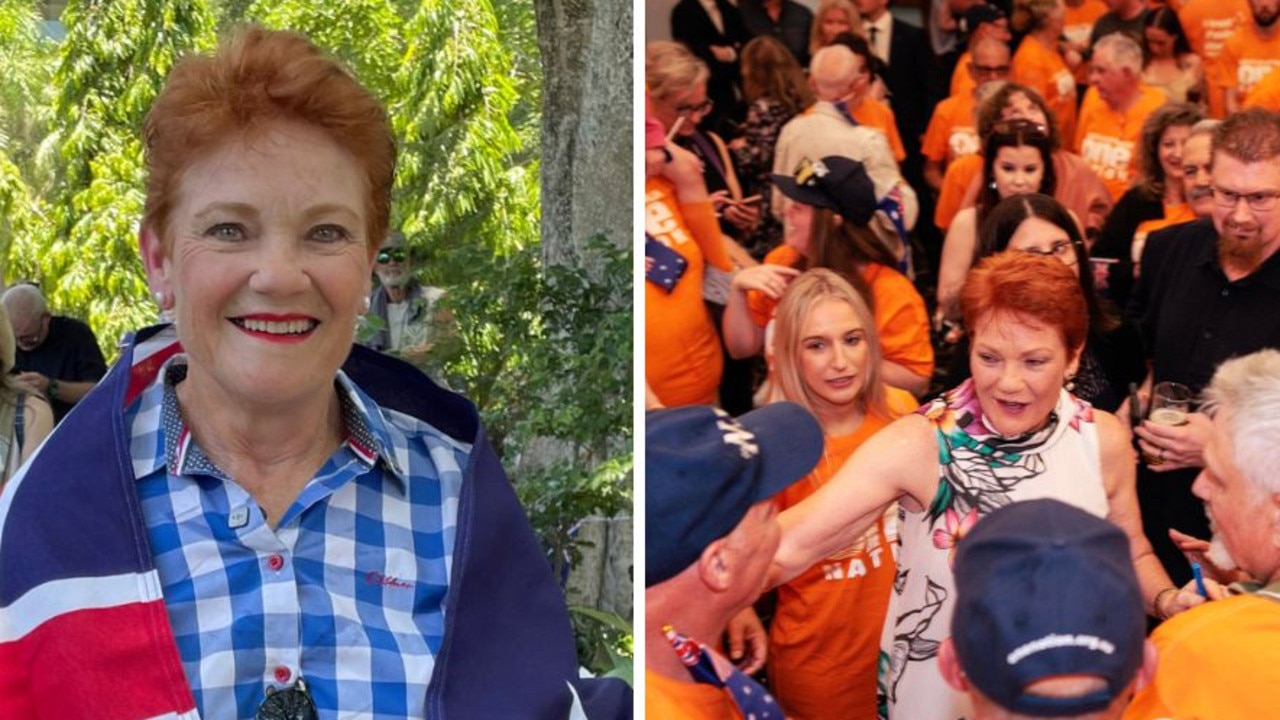
Recent electoral data indicates a significant realignment within Australian politics, with Pauline Hanson’s One Nation party demonstrating remarkable gains against the governing Labor Party. The latest Sky News Pulse survey reveals One Nation’s national primary vote has reached 27%, trailing Labor by a mere two percentage points (29%)—a margin that signals the minor party’s transition from political fringe to mainstream contender.
This polling surge follows the South Australian state election, where One Nation secured top-two placements in 32 of 47 electoral districts despite failing to capture any seats. The two-party preferred gap has concurrently narrowed to 53-47, suggesting evolving voter preferences ahead of the next federal election.
Demographic analysis reveals One Nation’s particular strength among economically vulnerable Australians. The party leads Labor among households earning under $100,000 annually (52-48) and self-identified working-class voters (52-48) on a two-party preferred basis. This support appears driven primarily by economic anxieties, with cost-of-living pressures—especially fuel pricing and availability—dominating voter concerns.
Public opinion remains divided on policy responses, with 32% of respondents advocating for enhanced onshore fuel reserves, 29% supporting anti-price-gouging measures, and 20% favoring reductions to fuel excise taxes. Concurrently, rising interest rates have intensified financial uncertainty, with 26% of Australians anticipating major budgetary adjustments should the Reserve Bank implement additional rate hikes this year. Among One Nation supporters, financial anxiety is even more pronounced, with 28% expecting significant spending cuts and 25% uncertain about their coping capacity.
These developments suggest outer suburban and regional constituencies—previously considered Coalition strongholds—may emerge as critical battlegrounds where One Nation could capitalize on economic discontent and shifting political allegiances.