作者: admin

  • Briton among 19 killed in Nepal bus crash

    Briton among 19 killed in Nepal bus crash

    A tragic bus accident in Nepal’s central Dhading district has resulted in the deaths of 19 individuals, including a 24-year-old British national, according to local authorities. The devastating incident occurred in the early hours of Monday morning when the tourist vehicle lost control while en route to Kathmandu from the popular resort town of Pokhara.

    The vehicle plummeted approximately 200 meters onto the banks of the Trishuli River, carrying 44 people including the driver. Twenty-five passengers sustained various injuries and were transported to medical facilities in the capital for treatment. Among the injured were citizens of China and New Zealand, highlighting the international scope of the tragedy.

    Police spokesperson Abinarayan Kafle confirmed through BBC Nepali that 17 fatalities occurred at the accident scene, with two additional passengers succumbing to their injuries during emergency treatment efforts. Identification procedures remain ongoing, with only nine victims formally identified thus far.

    Nepalese authorities have launched a comprehensive investigation into the circumstances leading to the catastrophic accident. The UK Foreign Office has been notified and is expected to provide consular assistance to affected British nationals.

    This incident underscores the persistent transportation safety challenges in Nepal’s mountainous regions, where inadequate road maintenance and narrow passageways contribute to frequent accidents. The tragedy bears grim resemblance to a similar 2024 incident in Tanahun district, where 14 passengers died when a bus traveling the same Pokhara-Kathmandu route fell into the Marsyangdi River.

  • Pandas blending into daily life

    Pandas blending into daily life

    Across Chinese cities, the iconic panda has transcended its status as merely a national symbol to become an integral part of contemporary urban culture. Recent photographic documentation reveals how panda-themed elements have seamlessly integrated into the daily lives of citizens, creating a unique fusion of cultural identity and modern living.

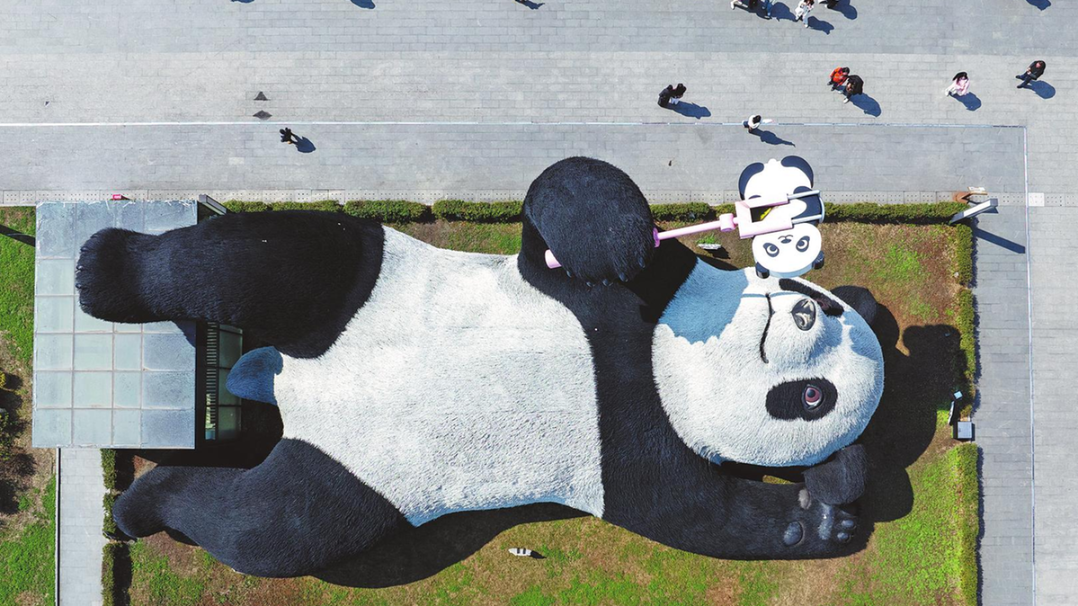
    In Dujiangyan, Sichuan province—a region synonymous with panda conservation—a striking selfie panda sculpture installed at Yangtianwo Square in February 2025 exemplifies this trend. The artistic installation has become a popular gathering point where residents and tourists interact with the beloved symbol in innovative ways.

    The phenomenon extends beyond standalone sculptures to encompass various aspects of urban design. Panda motifs now appear on public infrastructure, consumer products, and architectural elements, creating unexpected moments of joy and cultural connection in ordinary settings. This integration represents a conscious effort to maintain cultural identity amid rapid urbanization.

    Urban planners and cultural experts note that this blending of wildlife symbolism with urban environments reflects a broader philosophical approach to city development. The presence of panda elements in public spaces serves as a constant reminder of nature conservation values while creating aesthetically pleasing environments that resonate with local cultural identity.

    The trend demonstrates how traditional symbols can adapt to contemporary contexts without losing their cultural significance, offering a model for other cities seeking to balance modernization with cultural preservation.

  • Sowing the seeds of shared farming

    Sowing the seeds of shared farming

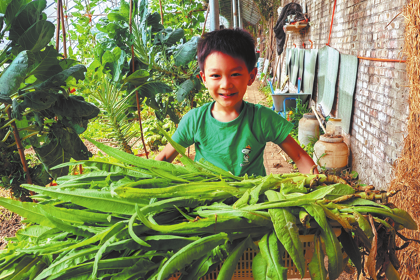
    Amidst Beijing’s heaviest December snowfall, while most residents remained sheltered in heated apartments, Dai Wanli and her family embarked on their weekly pilgrimage to their suburban sanctuary. An hour’s drive from the urban core in Changping district, the family tends to their 1,000-square-meter greenhouse and surrounding plots—a growing phenomenon among Chinese city dwellers becoming ‘weekend farmers.’

    This urban exodus represents more than agricultural hobbyism; it’s a multifaceted response to modern urban pressures. Professionals like Dai, a human resources manager, and her media executive husband find solace kneeling in soil harvesting celery, radishes and broccoli while their eight-year-old son participates with his own miniature basket. ‘During weekdays, we confront complex, intangible problems in office environments,’ Dai reflects. ‘Despite the physical exertion, we achieve genuine relaxation and peace in the green, tranquil countryside.’

    The shared farming movement has gained remarkable momentum across China’s peri-urban areas, driven by triple motivations: pursuit of organic produce, escape from professional stress, and nostalgic yearning for rural connections. Commercial farms have responded by developing integrated agricultural experiences that combine gardening with educational tours and leisure activities, creating comprehensive rural retreats.

    Financial investment mirrors the trend’s significance. Families typically commit approximately 16,000 yuan ($2,300) annually for land access—a substantial sum indicating serious commitment to the lifestyle. The model has proven particularly successful in areas like Daxing (south of Beijing) and Lianyungang, Jiangsu province, where urban farming projects successfully merge food production with recreational and educational components.

    Beyond individual benefits, these shared farms foster unexpected community bonds among participants who share gardening techniques, harvest exchanges, and collective environmental stewardship. The movement represents a sophisticated urban-rural synthesis where technology professionals, executives, and service workers equally find common ground—literally and metaphorically—in their shared patches of earth.

  • Ancient crafts dance to Spring Festival beat

    Ancient crafts dance to Spring Festival beat

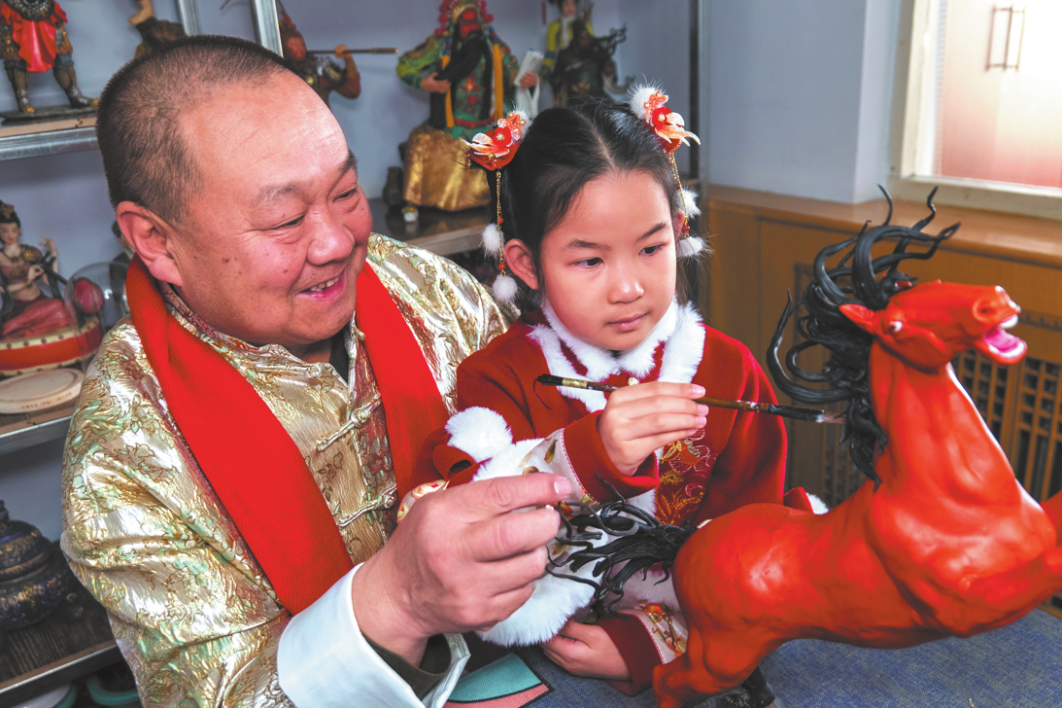
    Across China’s Hebei province, master artisans are captivating both visitors and local residents by preserving ancient cultural traditions during the Spring Festival period. In Zhangjiakou’s Xuanhua district, the distinctive aroma of burned wood fills a sunlit studio where Guo Chunlei practices the intricate art of gourd pyrography—an ancient technique using heat to create detailed artworks on gourd surfaces.

    Guo, whose artistic journey began in 1993 after a transformative encounter with pyrography in Beijing, now skillfully manipulates a hot-tip soldering iron to bring powerful equine imagery to life on golden gourds. This year holds special significance as it coincides with the Year of the Horse in the Chinese zodiac cycle. “The artistry lies entirely in the shading techniques,” Guo explained. “Through careful heat adjustment, we create dimension, emotion, and narrative within each piece.

    The craftsman’s initiation into this specialized art form started with unconventional tools—a heavy soldering iron originally designed for sealing cooking woks. This modest beginning evolved into a three-decade passion that has become both his livelihood and artistic calling.

    Throughout the Spring Festival season, cultural inheritors like Guo are participating in nationwide celebrations that allow public engagement with traditional craftsmanship. These interactions provide hands-on experiences that bridge generational divides and foster appreciation for China’s intangible cultural heritage. The resurgence of interest in such ancient arts demonstrates how traditional practices continue to find relevance within contemporary festival celebrations, offering both educational value and cultural continuity.

  • Playful innovations upgrade vacation fun

    Playful innovations upgrade vacation fun

    Across China’s Hebei province, technological innovations are fundamentally reshaping traditional Spring Festival celebrations, creating immersive experiences that blend cultural heritage with cutting-edge technology. In Tangshan’s Nanhu Lake Park, AI-powered Caishen lanterns representing the god of wealth have evolved beyond static displays to engage visitors in real-time conversations through artificial intelligence interfaces.

    Project head Gao Yuan explained the integration of character-based dialogue systems rooted in folk traditions and auspicious sayings. The installation additionally incorporates facial recognition technology to superimpose futuristic neon makeup on visitors’ images against digital backdrops, creating instant social media content. This represents a strategic shift from traditional celebrations toward future-oriented cultural experiences, according to Xing Jianfeng, executive general manager of the cultural tourism development company behind the ‘Playful Encounter’ initiative.

    Simultaneously, Beidaihe district has elevated its nighttime displays through synchronized drone performances. Approximately 1,000 drones execute precision formations while traditional datiehua artisans create fiery sparks by striking molten iron, complemented by the release of Kongming sky lanterns. Tourism director Li Weijie described the concept as ‘tradition as the base and technology as the wings,’ delivering an immersive festival experience that honors cultural roots while embracing modernity.

    The technological transformation extends to Handan’s Guangfu Ancient City, where 3D wall-mapping projections directly onto historical structures have increased nighttime visitation by 180% since their 2024 debut. The ‘Dream Back to Handan’ production incorporates local cultural elements like ‘Tai Chi Elegance,’ using light as a narrative medium to communicate historical heritage.

    These innovations demonstrate tangible economic impacts. Cultural gift shop owner Yang Lin reported triple the evening foot traffic and over 200% sales increases during holiday periods. Professor Sun Zhenjie of Hebei University of Economics and Business emphasized that technologies including VR, AR, MR and AI are driving tourism quality improvements and supply model optimization, creating new experiences through digital restorations and historical reenactments that blend virtual and physical realities.

  • Quiet diplomacy that never made headlines

    Quiet diplomacy that never made headlines

    WASHINGTON – While geopolitical tensions frequently dominate headlines, a less visible diplomatic channel has been steadily strengthening ties between the United States and China for over four decades. Luca Berrone, a key architect of these grassroots efforts, has witnessed firsthand how personal connections established in the 1980s evolved into robust people-to-people exchanges that continue to shape bilateral relations.

    Berrone’s cross-cultural journey commenced in 1985 when he facilitated a two-week agricultural study tour for a Chinese delegation from Hebei province to Iowa. During this early period of China’s modernization, the delegation exhibited particular interest in American agricultural techniques, manufacturing capabilities, and educational systems. “Our objective was to demonstrate Iowa’s agricultural advancements,” Berrone recalled. “We believed such cooperation would support China’s modernization while creating opportunities for American businesses and communities.”

    The delegation included a particularly memorable figure – a young, charismatic Chinese official named Xi Jinping, then serving as Party secretary of Zhengding county. This initial encounter planted seeds for a lasting relationship that would later influence diplomatic channels. When Xi revisited Iowa in 2012 as China’s vice-president, the two men reconnected, with Berrone expressing humility that “one of the world’s most important leaders maintains friendship with me and other Iowans.”

    This personal connection catalyzed sustained exchanges between Iowa and Hebei, generating numerous cultural, educational, and agricultural programs over four decades. Berrone, having visited China dozens of times, observed remarkable transformations in environmental quality, public health systems, food safety protocols, and urban infrastructure. “The resilience and determination of the Chinese people are truly commendable,” he noted, particularly praising the government’s capacity to identify and address challenges effectively.

    Music has emerged as a particularly powerful medium for cross-cultural connection. In July 2025, Berrone facilitated the Iowa high school choir “Bridges 2 Harmony” performing at the China-US Youth Choir Festival in Beijing, where they shared the stage with nearly 80 choirs from both nations. The performance was attended by Peng Liyuan, wife of President Xi Jinping. Subsequent interactions in Hebei demonstrated music’s unique ability to transcend language barriers, with American and Chinese students spontaneously collaborating in joint performances.

    “When verbal communication reaches limitations, music becomes our universal language,” Berrone observed, emphasizing its particular value during periods of official diplomatic silence between the two nations.

    The initiative inviting 50,000 American youth to visit China over five years, announced by President Xi in November 2023, has yielded extraordinary results. More than 40,000 US students have visited China within just over two years, significantly exceeding initial projections. From Iowa alone, over 1,000 youths have participated in these exchange programs, with many experiencing international travel for the first time.

    Berrone emphasized that firsthand experiences effectively counter misconceptions and stereotypes. “Digital content cannot substitute for actual experience,” he asserted. “These personal encounters foster cultural appreciation and understanding that will ultimately contribute to lasting peace.”

    Despite current geopolitical challenges, Berrone remains convinced that decoupling represents an inadequate response. He advocates for continued cooperation through diversified exchanges incorporating digital culture and other youth-oriented interests. “Engaging younger generations through creative methods is our responsibility,” he concluded. “Once they participate, friendship develops organically.”

  • Watch: Winter storm covers parts north-east US in snow

    Watch: Winter storm covers parts north-east US in snow

    A significant winter storm system has descended upon the northeastern United States, blanketing the region in a thick layer of snow and unleashing a cascade of operational disruptions. Meteorological agencies have issued a series of severe weather warnings, emphasizing hazardous conditions and near-zero visibility in many areas. In a decisive response to ensure public safety, state and local authorities have enacted preemptive travel bans, urging residents to avoid all non-essential journeys.

    The storm’s impact has been immediately felt beyond the transportation sector, with utility companies reporting scattered power outages as heavy, wet snow strains electrical infrastructure and brings down tree limbs onto power lines. Emergency services are on high alert, coordinating efforts to address downed wires and assist stranded motorists. The severe weather has also prompted the closure of numerous public facilities, including schools and government offices, bringing daily life to a temporary standstill for millions of residents from coastal areas to inland communities.

    Meteorologists are closely monitoring the storm’s trajectory, which is expected to continue delivering a potent mix of heavy snowfall and strong winds throughout the day. Residents are advised to stay indoors, check on vulnerable neighbors, and prepare for potential prolonged power disruptions. This event marks one of the first major winter tests for the region’s emergency preparedness protocols this season.

  • Dyeing for the future: Reviving an ancient blue in rural China

    Dyeing for the future: Reviving an ancient blue in rural China

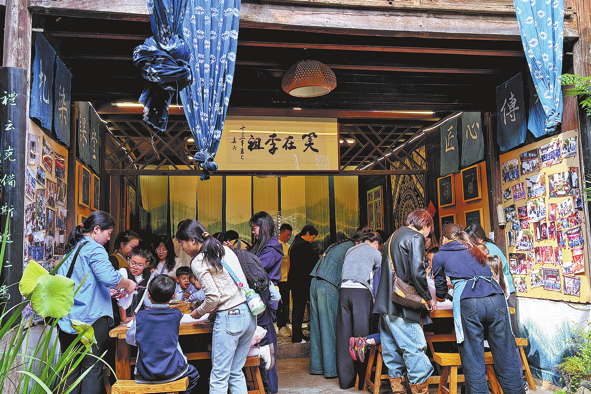
    In the quiet hills of Lizu village, Zhejiang province, a cultural renaissance is unfolding through the vibrant blues of an ancient craft. Designer Lou Shamoshuang, 34, has transformed a 400-year-old dyeing technique into a thriving sustainable enterprise that bridges tradition and modernity while revitalizing rural communities.

    The journey began in 2018 when Lou discovered a century-old dye workshop in Dali, Yunnan, on the verge of permanent closure. Moved by the artisans’ resignation that their craft had ‘no future,’ she became determined to preserve this intangible cultural heritage. Starting with documenting processes and selling fabrics through social media, she discovered unexpected demand for these traditional artworks.

    Returning to her hometown Yiwu, Lou established Desert Dye House in 2018, leveraging Zhejiang’s ‘Green Rural Revival Program’ that offered favorable lease terms for young entrepreneurs. The location provided both the tranquility essential for handcrafts and practical support for sustainable development.

    Mastering the technique required relentless experimentation with natural materials including indigo, sappanwood, and onion skins. Lou identified tie-dye as the most accessible entry point, explaining: ‘Tie-dye is the art of resisting dye by binding fabric. Through precise knots and dips in vats of dye, unique patterns emerge—a process taking from 30 minutes to several days.’

    The breakthrough came in 2023 with the ‘Boundless Prospects’ sachet during the Year of the Rabbit, catalyzing significant growth. Lou built a diverse team of nine locals ranging from digital-native Gen-Zers to seventy-year-old women with lifetime needlework skills, creating a distinctive model of common prosperity in a city known for mass production.

    The economic impact has been substantial, with outsourcing intricate embroidery and sewing for zodiac-themed products generating supplementary income for over 20 women in Lizu, boosting their earnings by approximately 4,000 yuan monthly.

    Beyond economics, Lou emphasizes cultural transmission and ecological sustainability. She has evangelized the craft through free community talks and established a plant-dyeing studio at her alma mater, Yiwu No 3 High School, where she lectures to 800 students. ‘When students win awards for their tie-dye work,’ Lou notes, ‘it proves this isn’t a relic—it’s a living language.’

    The ecological significance resonates deeply with contemporary environmental concerns. Lou highlights: ‘The fashion industry’s dyeing processes are a leading global polluter of waterways. Plant dyes utilizing indigo, sappanwood, and other botanicals offer sustainable alternatives—this is ancestral wisdom for living in balance with nature.’

    Recognition has attracted distinguished visitors including former UN Secretary-General Ban Ki-moon, drawn by the unique ecosystem of creators in Lizu village. Dozens of complementary businesses—from tie-dye workshops to cafes run by young entrepreneurs—form a collective hub near the ‘common prosperity square,’ embodying the Zhejiang spirit of creating something from nothing.

    Lou’s transformation from high-end fashion designer to guardian of rural heritage represents more than career change—it embodies purpose-driven revitalization of both cultural tradition and sustainable rural development.

  • Technology gives room to roam

    Technology gives room to roam

    Across Kenya’s diverse landscapes—from the sprawling Maasai Mara to the rugged plains of Tsavo—a technological revolution is quietly unfolding. Advanced early-warning systems now create an invisible safety net that protects both wildlife and human communities from destructive encounters.

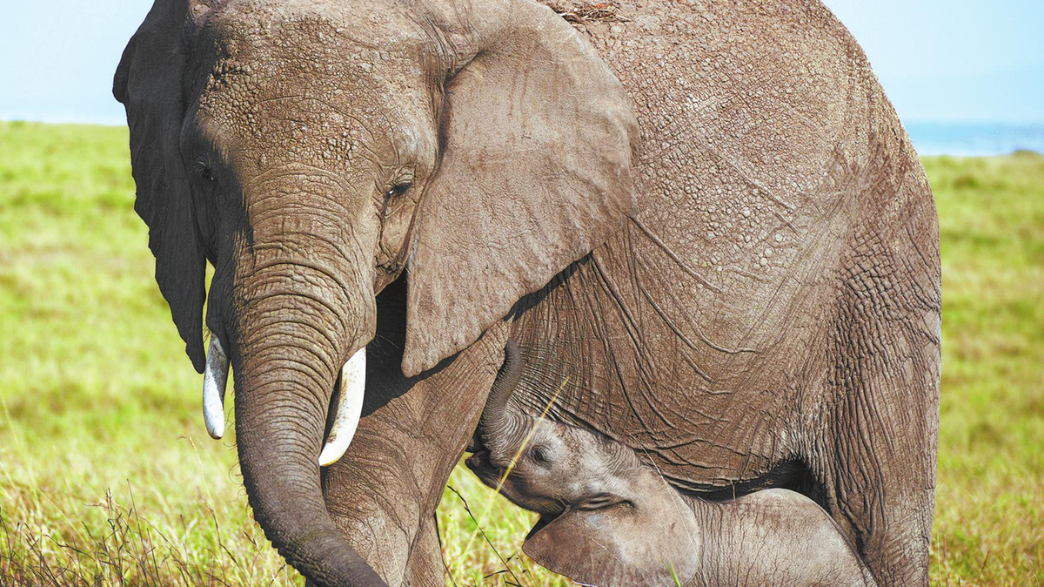
    In regions like Kajiado, where farmers once lost entire crops to marauding elephants overnight, instant alerts now provide critical advance notice before herds approach settlements. This transformation stems from Kenya Wildlife Service’s comprehensive digital strategy that integrates artificial intelligence, long-range telemetry, thermal imaging, and community knowledge into a unified conservation framework.

    At the heart of this initiative lies EarthRanger, an innovative platform that aggregates data from satellite collars, drones, smart camera traps, and thermal sensors into a single operational dashboard. When elephants breach virtual boundaries, automated notifications instantly alert rangers’ handheld devices, WhatsApp groups, and command centers in Nairobi. Different species appear as moving icons on screens, enabling precise tracking of elephants crossing migratory corridors, lions approaching settlements, and rhinos near sanctuary boundaries.

    Response teams now deploy within minutes, sometimes guided by overhead drones, to gently redirect animals to safety. This coordinated approach has transformed human-wildlife interactions from chaotic clashes into managed encounters. Farmers gain precious time to secure livestock and activate deterrent systems, while rangers can preemptively defuse conflicts before they escalate.

    The technological infrastructure extends even to remote parks like Marsabit and Samburu through long-range, low-power radio networks capable of transmitting telemetry over 20 kilometers. Thermal cameras detect movements in complete darkness, while acoustic sensors identify gunshots, chainsaws, and animal distress calls around the clock. Beyond terrestrial monitoring, scientists employ environmental DNA to detect aquatic species without direct observation and underwater camera traps to monitor coral reef health.

    This conservation technology creates unexpected economic opportunities. After suitable training, community members become drone pilots, telemetry analysts, and data technicians—diversifying livelihoods beyond tourism-dependent economies.

    Complementing these technological advances, the International Fund for Animal Welfare’s Room to Roam initiative seeks to secure over 9 million hectares of connected habitat across East and Southern Africa. The program focuses on maintaining migratory paths, restoring degraded rangelands, and collaborating with communities along elephant movement routes. Conservationists emphasize that success requires integrating conservation with local development needs, land-use planning, and community benefits.

    Despite these advancements, experts caution that no single solution fits all contexts. Research combining species distribution modeling with AI analysis reveals that 19.1% of Kenya’s land faces high human-elephant conflict risk with limited tourism potential. In these areas, alternative interventions—including wildlife corridors, electric fencing, and strengthened land-use planning—remain essential.

    Kenya’s approach demonstrates how technology, when combined with human expertise and community engagement, can create sustainable coexistence between humans and wildlife while emerging as a continental leader in innovative conservation practices.

  • Rajanish Kakade, AP photographer who captured the daily rhythm of India’s Mumbai, dies at 55

    Rajanish Kakade, AP photographer who captured the daily rhythm of India’s Mumbai, dies at 55

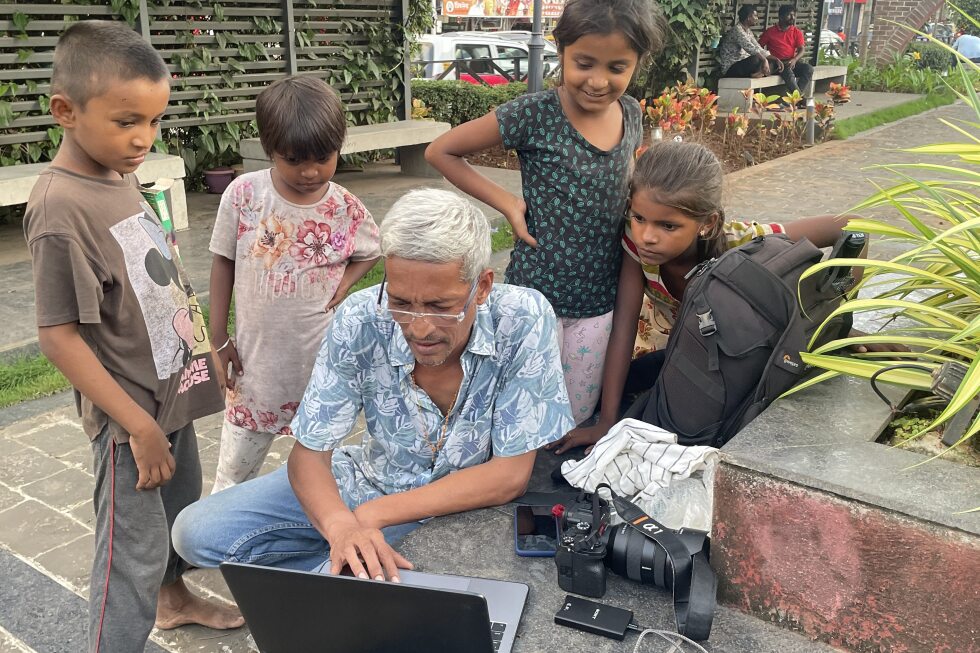
    Mumbai-based photojournalist Rajanish Kakade, whose evocative imagery captured the complex essence of India’s financial capital for nearly two decades, has passed away at age 55 after battling an illness. The acclaimed Associated Press photographer died at his residence on Monday, according to family statements.

    A third-generation visual storyteller who inherited the craft from both his grandfather and father, Kakade joined the AP in 2008 following tenures with prominent media organizations including the Sakal Group conglomerate and Hindustan Times newspaper. His lens documented India’s multifaceted narrative across political spectrums, cultural landscapes, and daily urban existence with remarkable depth and authenticity.

    Kakade’s portfolio encompassed monumental assignments ranging from national elections and sporting events to harrowing coverage of the 2008 Mumbai terrorist attacks and COVID-19 pandemic. His distinctive ability to capture Mumbai’s paradoxical nature—simultaneously conveying the city’s overwhelming scale and delicate intimate moments—established him as a definitive visual historian of the metropolis.

    Colleagues and industry organizations mourned the loss of both an exceptional artist and mentor. The Mumbai Press Club honored his legacy, noting: “Through his work, he captured defining moments with integrity and sensitivity. Through his mentorship, he shaped countless careers, always encouraging young photographers to pursue the truth with courage and compassion.”

    Manish Swarup, AP’s chief photographer for South Asia, remembered Kakade as possessing “that rare, quiet grace of a true observer” who earned the trust of his subjects. “We haven’t just lost a great photojournalist; we have lost a beautiful soul, whose kindness was as luminous as his work,” Swarup expressed.

    Yirmiyan Arthur, AP’s photography director for Asia Pacific, emphasized how Kakade’s work revealed Mumbai’s contradictions with “utter honesty,” chronicling everything from economic disparities to seasonal monsoon transformations and the vibrant humanity within the city’s local train system. “He was a son of Mumbai and made sure he told its story the right way,” Arthur concluded.

    Kakade is survived by family members, leaving behind an enduring visual legacy that continues to shape understanding of contemporary Indian society.